16 Historic Grand Hotels With Fascinating Past Lives
Some buildings carry their history differently than others. A grand hotel doesn’t just age — it accumulates stories in its marble floors and crystal chandeliers, collecting whispered secrets in its corridors until the architecture itself becomes a keeper of memories.
These aren’t just places where people once slept; they’re monuments to moments that shaped the world, disguised as luxury accommodations.
The most fascinating hotels are the ones that served multiple masters before settling into hospitality. Military headquarters become ballrooms.
Palaces transform into suites. Buildings that once housed revolutionaries now pamper tourists.
Each renovation strips away one layer of purpose while preserving another, creating spaces where past and present exist in the same breath.
The Plaza Hotel
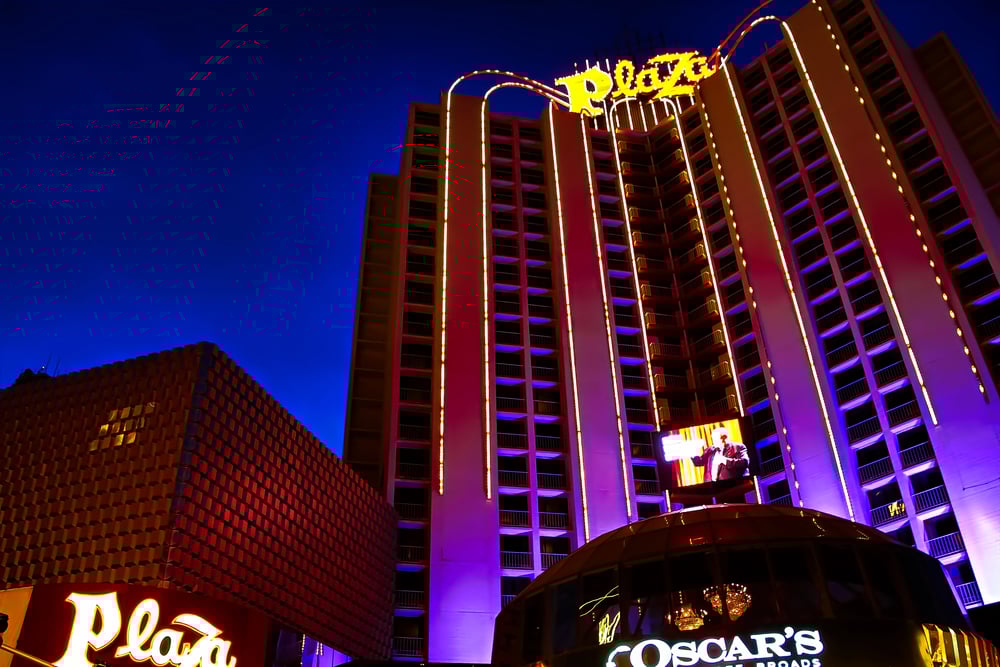
This Manhattan landmark opened as a hotel in 1907. Done.
But before that, it was the site of two previous hotels that burned down, and before those, it housed the original Plaza Hotel from 1890.
The current building has been a hotel continuously, which sounds boring until you realize what kind of hotel it became during World War II.
The U.S. government quietly requisitioned entire floors for intelligence operations. Foreign diplomats, spies, and military officials conducted business in rooms that are now booked for anniversary weekends.
The Oak Room served as an unofficial embassy for half of Europe.
Hotel Del Coronado
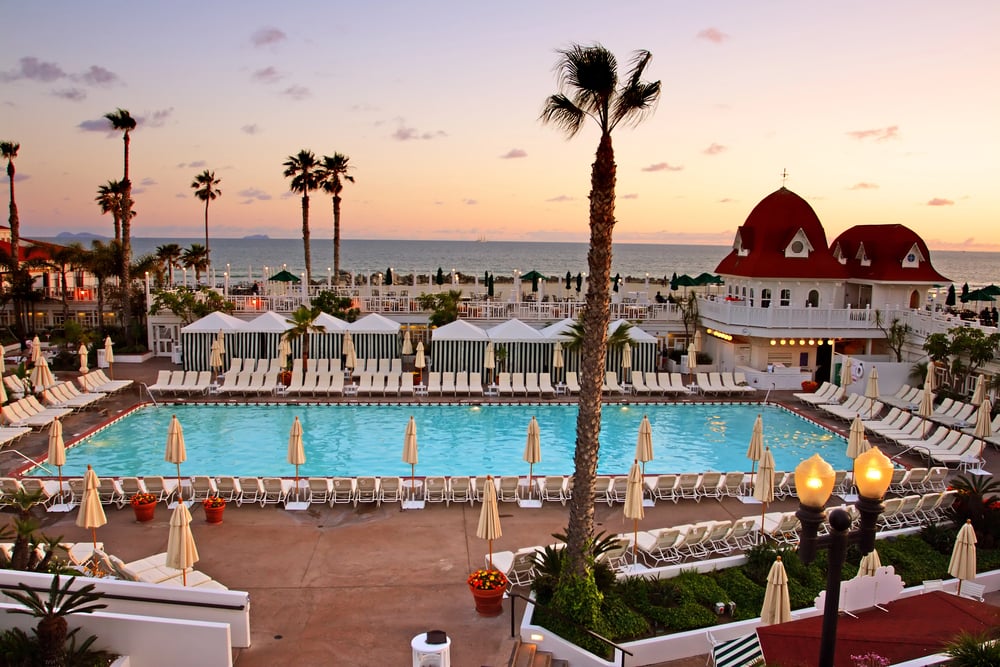
The Del (as locals call it, though that familiarity feels presumptuous given what this place has witnessed) opened in 1888 as a beach resort, but its past runs deeper than most guests realize, considering that the land it sits on was once a rabbit hunting ground for the Spanish military, then later served as a quarantine station for ships arriving in San Diego Harbor during various epidemic scares of the 1870s and early 1880s.
The hotel itself was constructed partly to legitimize what was essentially a real estate speculation scheme — the entire city of Coronado was invented by investors who needed something impressive enough to convince people that this sandy peninsula was worth developing.
And it worked.
So the hotel became famous almost immediately, but (and this is where the story gets interesting) during World War II it transformed into something entirely different: a Navy training facility.
But not just any training facility — it housed the Navy’s Radio Intelligence school, where future cryptographers learned to break enemy codes.
The Grand Ballroom, where guests once waltzed, became a classroom where young sailors studied Japanese naval communications.
Those ornate wooden floors heard tap dancing in the 1920s, then the steady march of military boots in the 1940s.
The Greenbrier
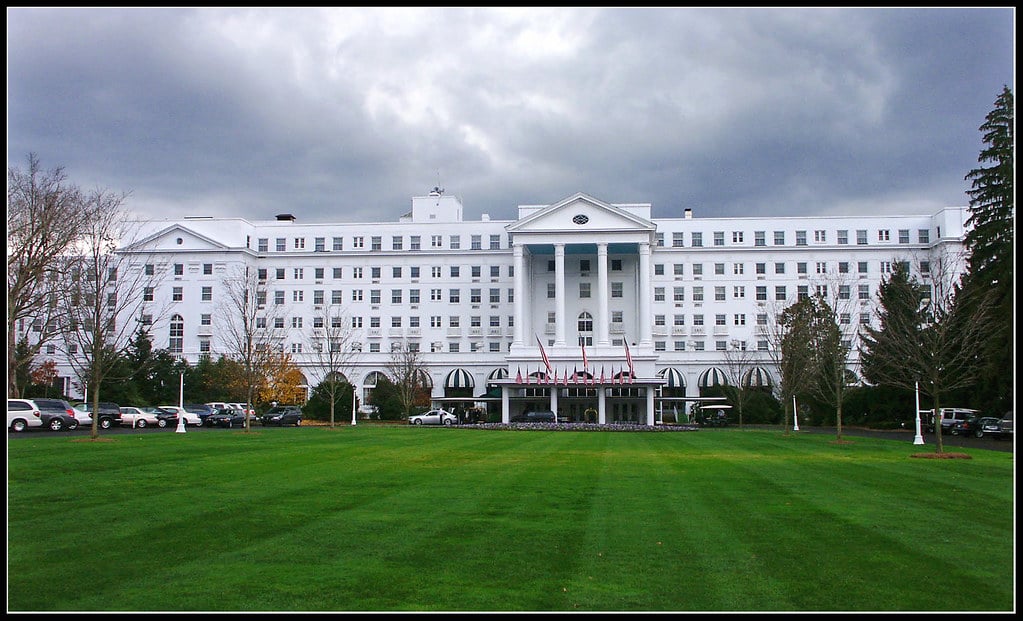
Rolling through the hills of West Virginia like some fever dream of Southern elegance, The Greenbrier has always been the kind of place where appearances deceive.
What looks like a genteel resort — all white columns and manicured gardens — spent decades hiding one of the Cold War’s most elaborate secrets beneath its perfectly pressed linens.
During World War II, it served as an internment camp for German and Japanese diplomats.
Elegant prisoners, maybe, but prisoners nonetheless.
Then came the real transformation: a massive underground bunker, built in secret during the 1950s, designed to house the entire U.S. Congress in case of nuclear war.
For thirty years, guests played golf and took spa treatments directly above a facility that could theoretically run the country.
The bunker had its own power plant, hospital, and television studio.
Above ground, afternoon tea. Below ground, the apocalypse.
Fairmont Le Château Frontenac
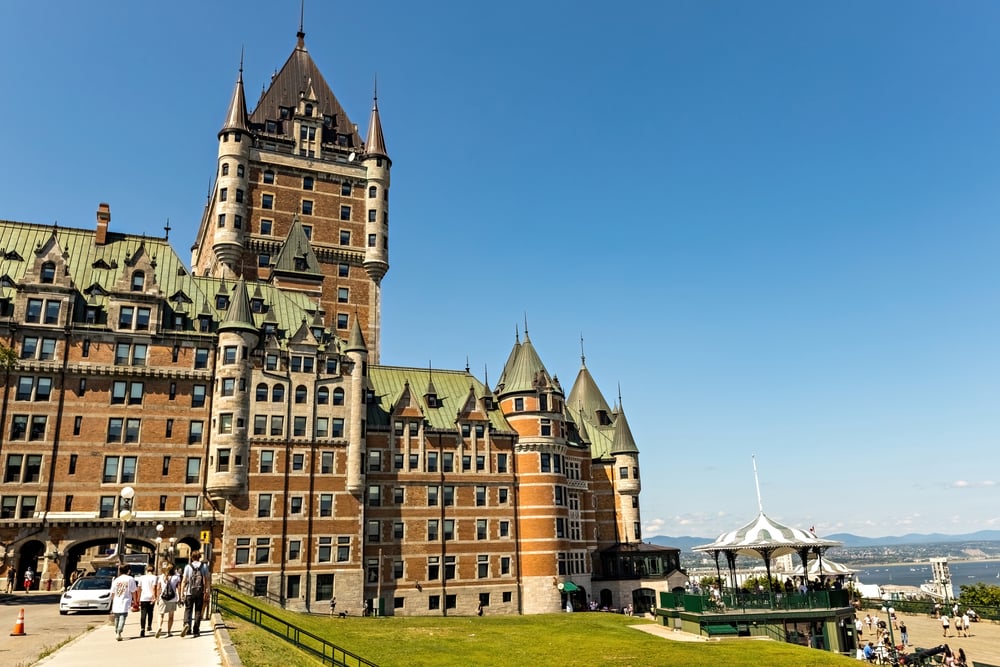
Quebec City’s castle-like hotel has dominated the skyline since 1893, but calling it just a hotel misses the point entirely.
This place was built to make a political statement disguised as hospitality — Canadian Pacific Railway wanted to prove that Canada could build something as grand as anything in Europe.
The hotel’s design was deliberately medieval, meant to evoke the old French châteaux, which makes sense until you remember that French Canada had been under British rule for over a century by then.
So this fake castle was actually a nostalgic monument to a conquered culture, built by a British-backed railway company.
During both World Wars, it served as a secret meeting place for Allied leaders.
Churchill and Roosevelt planned D-Day strategies in rooms that now host wedding receptions.
The Roosevelt Hotel
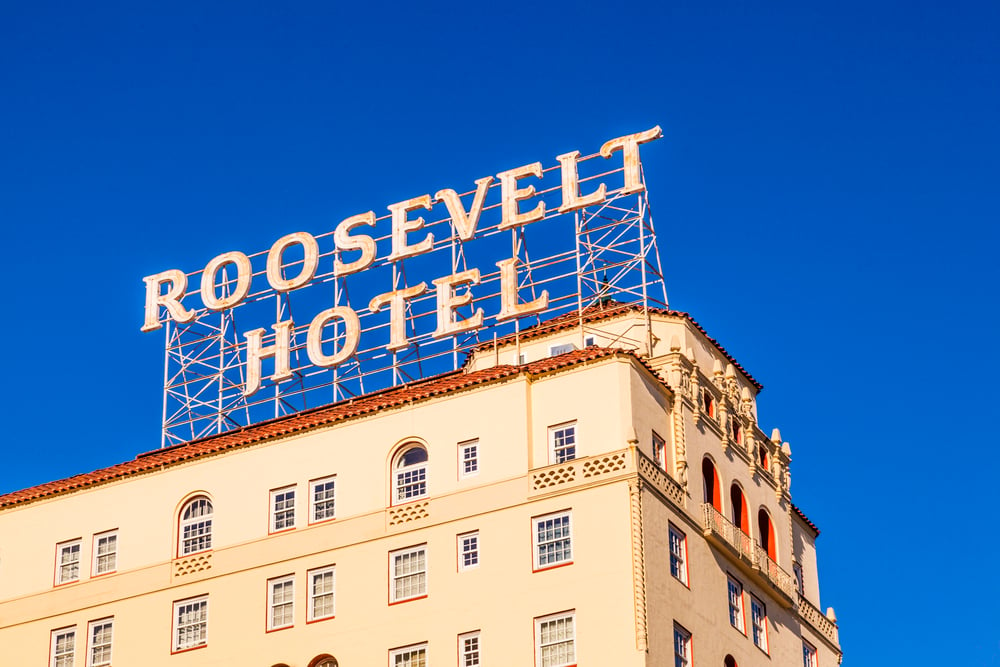
The Roosevelt in New Orleans opened in 1893. Standard luxury hotel, standard rich guests, standard problems with money and reputation.
But during the Great Depression, it became something much more interesting: a refuge for musicians who had nowhere else to play.
The hotel’s management made a decision that seemed financially insane at the time.
They kept the music going even when they couldn’t pay full rates.
The result was that some of the most important jazz and blues recordings of the 1930s were made in rooms upstairs, while guests downstairs had no idea they were sleeping above American music history.
Grand Hotel Europa
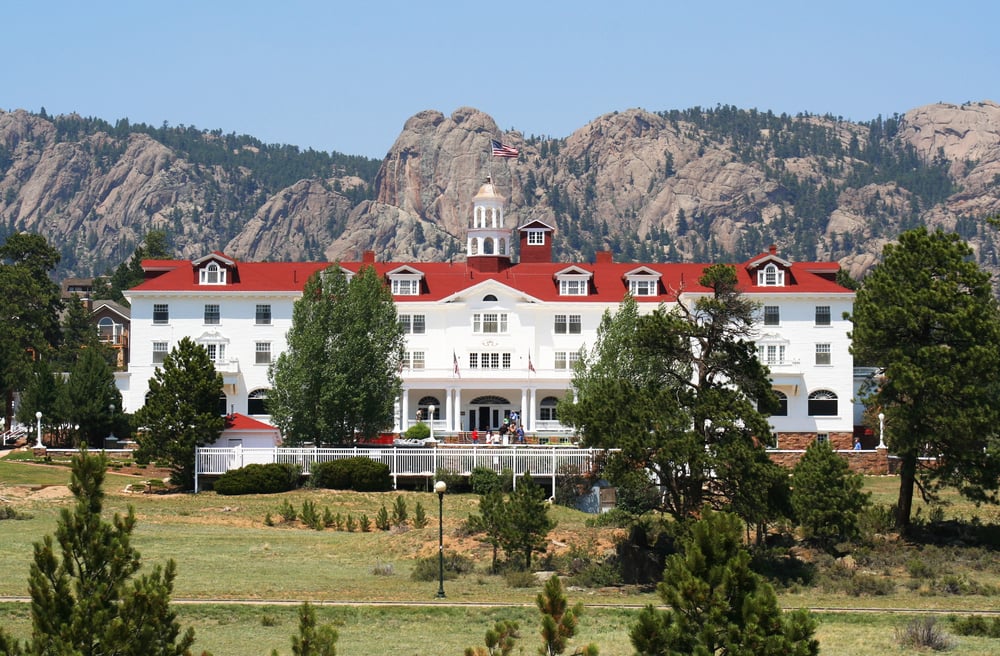
Prague’s Grand Hotel Europa sits in Wenceslas Square like a beautiful, crumbling reminder that elegance and tragedy often share the same address (the Art Nouveau façade still stops traffic, which is saying something in a city where every building looks like it was designed by someone with strong opinions about beauty and plenty of time to argue about details).
The hotel opened in 1903 as the height of Austro-Hungarian luxury, but the 20th century had other plans for it.
First came World War I, when it housed military officers from three different armies as the empire collapsed around them.
Then the interwar period, when it became a meeting place for intellectuals, writers, and political dissidents — the kind of people who gathered in hotel lobbies because they had nowhere else to safely argue about the future.
During World War II, the Nazis requisitioned it as headquarters for occupation officials.
After 1948, the Communist government turned it into a state-run hotel where Western visitors were watched, recorded, and carefully managed.
But here’s what makes the Europa different from other hotels with complicated histories: it never quite recovered from any of these transformations.
And somehow that makes it more honest than places that have been renovated into sterile perfection.
The Stanley Hotel
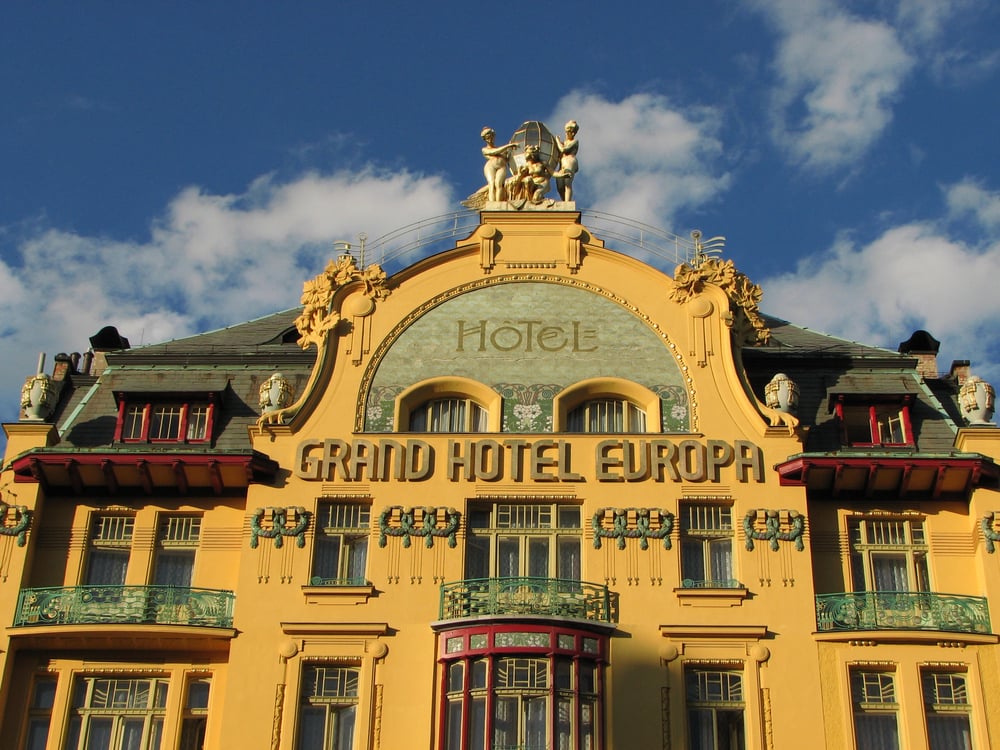
Perched in the Colorado Rockies like someone’s idea of what a haunted hotel should look like, The Stanley has become famous for inspiring Stephen King’s “The Shining.”
But its real past is stranger than its fictional reputation.
The hotel was built in 1909 by F.O. Stanley, who invented the Stanley Steamer automobile.
He came to Colorado for his tuberculosis, which was the fashionable disease for wealthy people at the time.
The thin mountain air was supposed to cure lung problems, so the hotel was essentially a luxury sanatorium.
Guests came not for vacation but for their health, sometimes staying for months.
During Prohibition, the remote location made it perfect for bootlegging operations.
The basement that now houses ghost tours once stored illegal liquor.
The grand ballroom where wedding parties now dance was where gangsters from Denver came to conduct business away from federal agents.
Hotel Nacional De Cuba

Havana’s most famous hotel opened in 1930, but its story belongs as much to American gangsters and revolutionary politics as it does to hospitality (the building sits on a bluff overlooking the Malecón, positioned like a fortress watching the sea, which turns out to be exactly what it became during some of the most turbulent decades in Cuban history).
During the 1930s and 1940s, it served as the unofficial headquarters for American organized crime operations in the Caribbean — Lucky Luciano, Meyer Lansky, and other crime bosses held their “Havana Conference” there in 1946, essentially dividing up criminal territories while guests upstairs slept peacefully in rooms that probably cost more per night than most Cubans made in a year.
When the revolution came in 1959, the hotel found itself in an impossible position: too grand to abandon, too connected to the old regime to ignore.
Castro’s government kept it running but transformed it into a symbol of Cuban independence rather than American excess.
The same rooms that once housed gambling operations became accommodations for visiting Communist dignitaries.
The pool deck where mobsters once sunbathed became a venue for political rallies.
The Waldorf Astoria
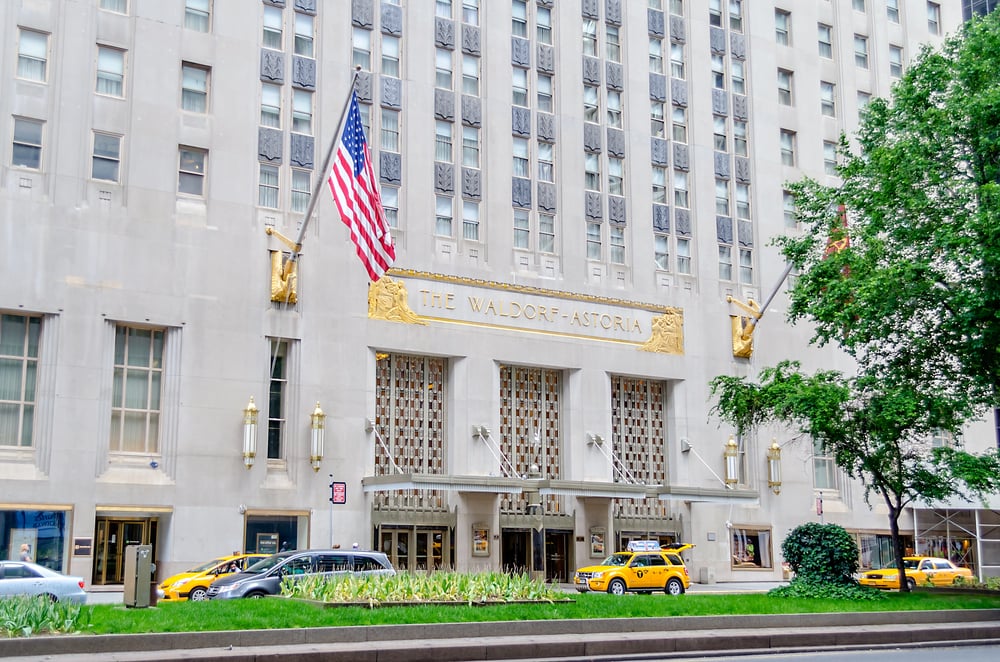
The Waldorf Astoria in Manhattan opened in 1931 as the world’s largest hotel.
Impressive, sure, but what made it historically significant was what happened in the basement and upper floors that regular guests never saw.
Starting in the 1930s, the hotel became an unofficial diplomatic center.
The Waldorf Towers, the hotel’s upper floors, housed so many foreign dignitaries, UN officials, and heads of state that it essentially functioned as a parallel United Nations.
Every U.S. president from Hoover to Obama stayed there when in New York.
During the Cold War, the security arrangements became so complex that parts of the hotel were permanently off-limits to regular guests.
The basement housed secure communication equipment, and certain floors required Secret Service clearance.
A hotel built for luxury became one of the most surveilled buildings in America.
Brown’s Hotel
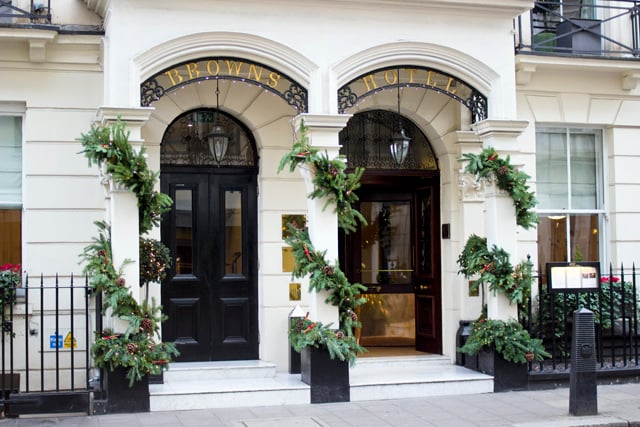
London’s Brown’s Hotel, established in 1837, carries the particular weight that comes from being present at the exact moments when the world changes direction.
This isn’t a place where history happened to visit — it’s where history came to work.
The hotel’s founder, James Brown, was Lord Byron’s valet, which already gives it a literary pedigree that most establishments spend centuries trying to earn.
But what makes Brown’s genuinely significant is how it became the London headquarters for American business and political interests during the late 19th and early 20th centuries.
Theodore Roosevelt spent his honeymoon there in 1886, but more importantly, he used it as his base for European political meetings that wouldn’t fit the official diplomatic schedule.
During both World Wars, the hotel’s American clientele made it a natural intelligence hub.
Rooms were quietly monitored by multiple governments, and certain guests weren’t really guests at all.
The Château Marmont
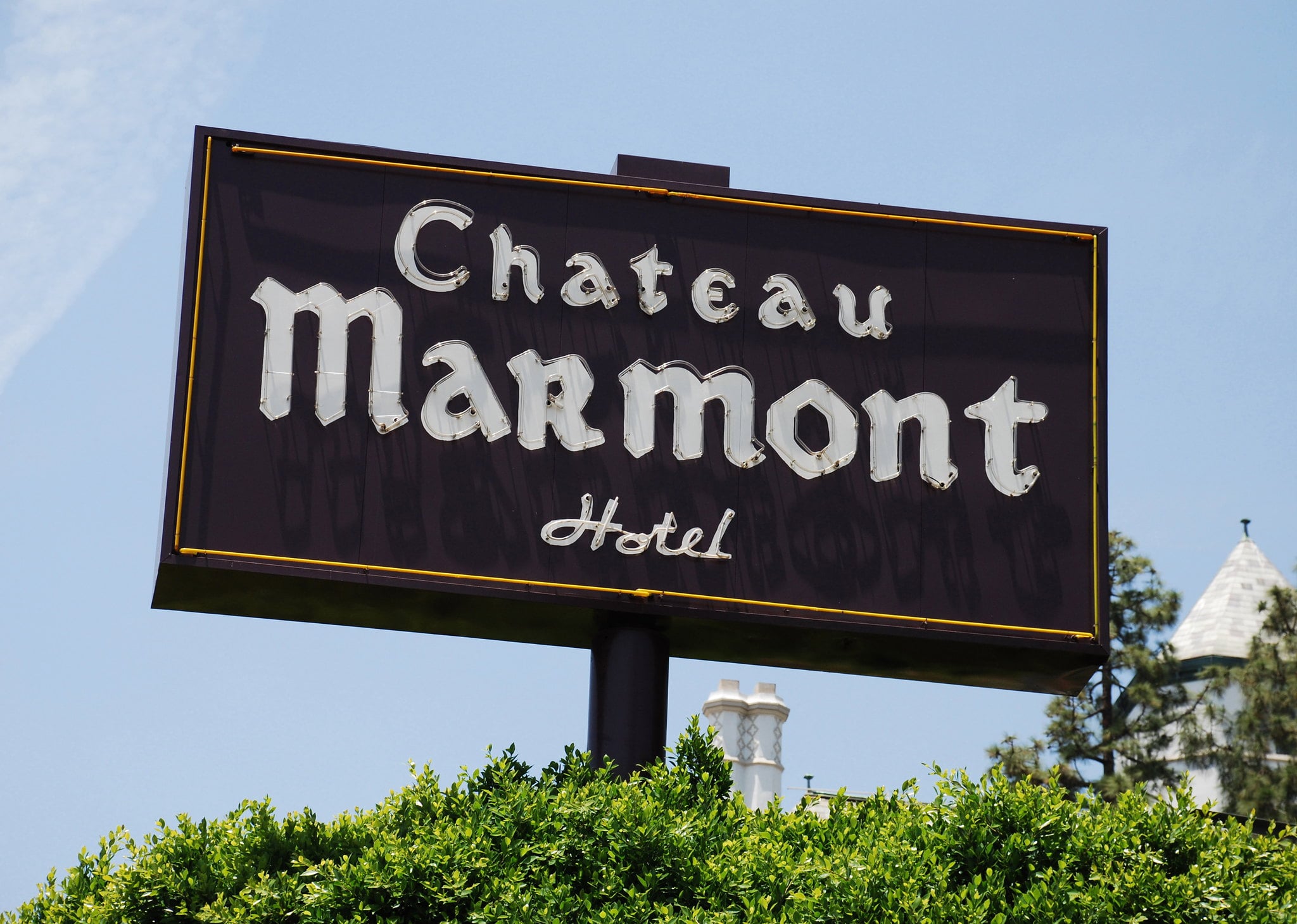
Hollywood’s Château Marmont opened in 1929, perfectly timed to become a refuge for the film industry during its most chaotic decades.
But before it housed movie stars, the building served a completely different purpose in Los Angeles history.
The castle-like structure was originally conceived as luxury apartments, not a hotel.
The developers went bankrupt during the stock market crash, and the building sat half-empty for years.
When it finally became a hotel, it attracted guests who needed privacy more than luxury: writers blacklisted during the Hollywood Red Scare, actors hiding affairs, directors negotiating deals that couldn’t be traced back to the studios.
The hotel’s policy of discretion wasn’t just good customer service — it was survival.
In a town where careers could end overnight based on rumors, the Château Marmont became the place where people could exist without being watched.
At least officially.
Raffles Hotel Singapore
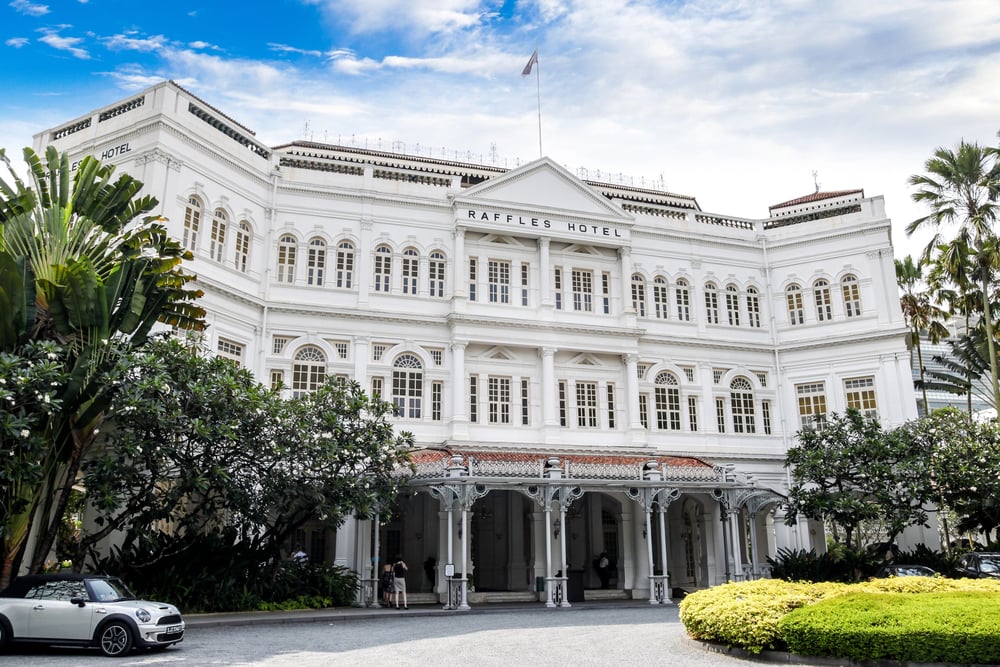
Since 1887, Singapore’s Raffles Hotel has represented something that’s hard to pin down but impossible to ignore — the intersection of colonial ambition and tropical reality, where European ideas about luxury met Asian practicality and somehow produced something that belonged entirely to neither (the Long Bar, where the Singapore Sling was invented, feels like someone’s attempt to recreate a London pub in a climate where such recreation borders on the absurd, yet it works in ways that shouldn’t make sense but absolutely do).
The hotel opened during the height of British colonial control, designed to provide European-style accommodation for merchants, government officials, and travelers who needed to conduct business in the Strait Settlements but refused to compromise on comfort.
During World War II, everything changed.
The Japanese occupation turned this symbol of British presence into a headquarters for military administration.
The same rooms that had housed colonial officials now accommodated their conquerors.
After the war, as Singapore moved toward independence, the hotel found itself in the strange position of representing a colonial past that the new nation needed to acknowledge but not celebrate.
But Raffles managed something that most colonial-era institutions couldn’t: it became Singaporean rather than just remaining British in Singapore.
The transformation wasn’t immediate or simple, but by the time Singapore became truly independent, the hotel had evolved into something that belonged to the place rather than the empire that built it.
Hotel Adlon
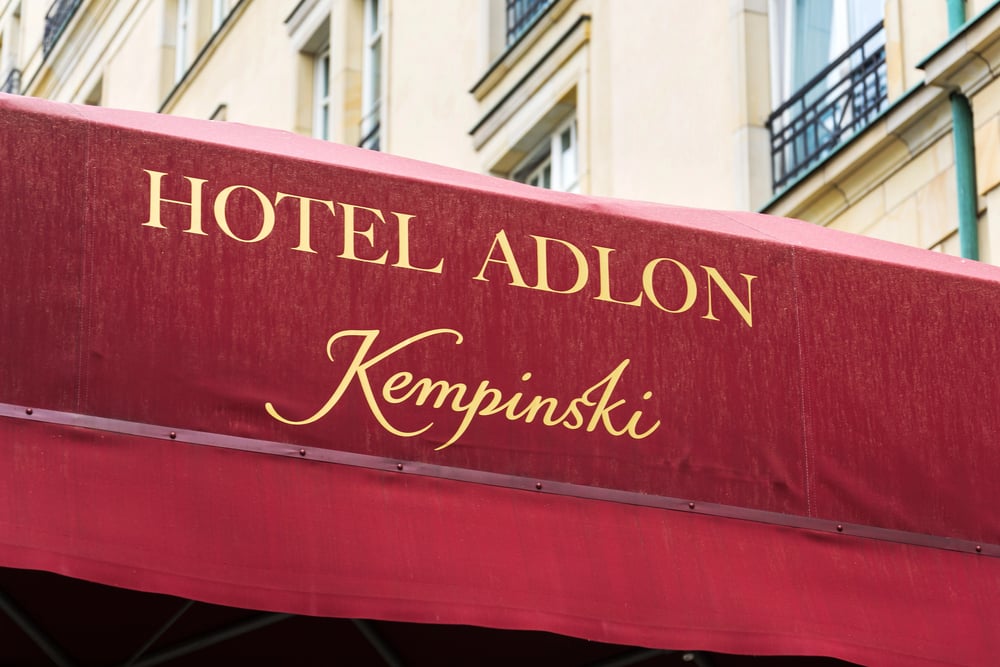
Berlin’s Hotel Adlon opened in 1907 as Kaiser Wilhelm II’s answer to Paris’s Ritz.
The location — directly across from the Brandenburg Gate — wasn’t chosen for convenience but for symbolism.
This was Imperial Germany announcing that it could match French luxury and exceed it.
The original hotel survived World War I but became something entirely different during the Weimar Republic: a playground for artists, writers, and political radicals.
Marlene Dietrich performed there before Hollywood discovered her.
Charlie Chaplin stayed there while making films in Germany.
Then came the Nazis, and the hotel’s proximity to power became dangerous rather than prestigious.
Hitler’s bunker was less than a mile away.
The hotel housed Nazi officials and foreign diplomats trying to navigate increasingly impossible political situations.
The building was destroyed during the Battle of Berlin in 1945.
The current Hotel Adlon, rebuilt after German reunification, occupies the same location but carries none of the original building’s actual history.
The Broadmoor
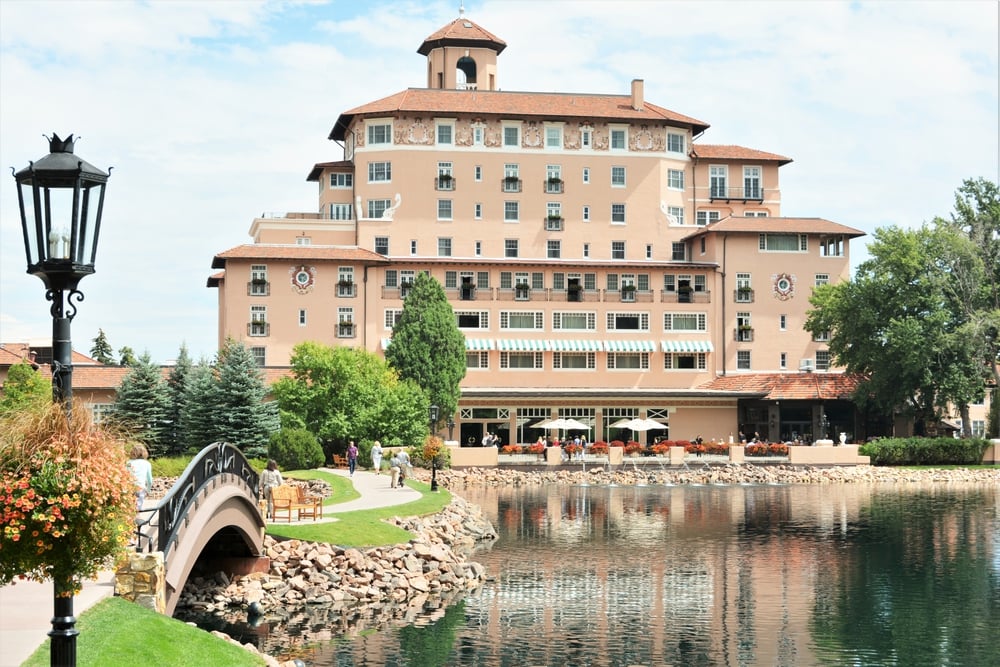
Colorado Springs’ Broadmoor resort opened in 1918, built by Spencer Penrose, who made his fortune in mining and decided that Colorado needed a world-class resort to match its scenery (the location, nestled against the foothills of Pikes Peak, was chosen specifically to overwhelm guests with natural grandeur, which seems almost manipulative when you consider how effectively it works — the mountains don’t just provide a backdrop, they make everything else, including human problems, feel temporarily smaller).
But what makes The Broadmoor’s history fascinating isn’t its luxury amenities or famous guests; it’s what happened there during World War II when the U.S. government needed a secure, isolated location for activities that couldn’t happen anywhere near populated areas.
The resort became a detention center for high-ranking Axis prisoners of war, but not ordinary POWs — these were officials, officers, and diplomats whose intelligence value required special handling.
The same dining rooms where wealthy Americans had enjoyed elaborate meals now served as interrogation facilities.
Tennis courts became exercise areas for prisoners who had once held significant power in enemy governments.
So the transformation was complete: a symbol of American leisure became a symbol of American victory.
But the strangest part was how quickly it changed back after the war, as if the intervening years had been a brief intermission rather than a fundamental alteration of purpose.
The Peace Hotel

Shanghai’s Peace Hotel tells the story of a city that reinvented itself multiple times in a single century, and somehow the building survived every transformation while changing its identity completely each time.
Originally built in 1929 as the Cathay Hotel, it was designed to be the finest accommodation in Asia, a statement of confidence in Shanghai’s future as an international commercial center.
The hotel’s Art Deco design and luxury appointments made it a natural gathering place for the international community in Shanghai — businessmen, diplomats, journalists, and adventurers who came to China seeking opportunities that weren’t available anywhere else.
During the 1930s and early 1940s, it served as unofficial headquarters for Western interests in China.
When the Communists took control in 1949, the hotel was renamed the Peace Hotel, and its purpose shifted dramatically.
Instead of housing capitalist entrepreneurs, it accommodated visiting Communist dignitaries and carefully monitored foreign guests.
The same rooms that had witnessed business deals now hosted political indoctrination sessions.
Imperial Hotel

Tokyo’s original Imperial Hotel, designed by Frank Lloyd Wright, opened in 1923.
The timing was crucial: the hotel survived the Great Kanto Earthquake that same year, which destroyed much of central Tokyo.
Wright’s design, with its emphasis on flexibility and earthquake resistance, proved that American architectural ideas could work in Japan.
During the 1930s, the hotel became a meeting place for Japanese militarists and foreign diplomats as the country moved toward war.
The same dining rooms where international guests had celebrated Japanese culture now hosted planning sessions for military expansion.
After Japan’s surrender in 1945, American occupation forces used the hotel to billet personnel and conduct administrative functions.
MacArthur himself operated from the Dai-Ichi Life Insurance Building near the Imperial Palace.
The Imperial Hotel that had symbolized Japanese adoption of Western luxury now served the apparatus of American control over Japanese politics.
The original Wright building was demolished in 1968, but its replacement continues to occupy the same politically significant location.
Where The Past Lives On
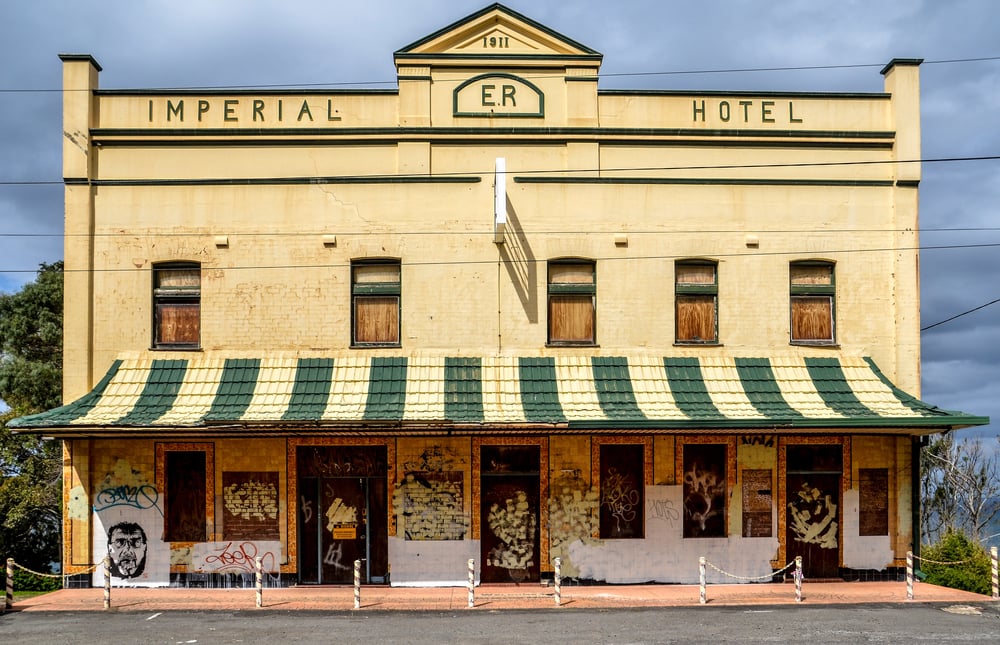
These hotels prove that buildings don’t just house history — they absorb it.
Every renovation uncovers layers of previous purposes, every restoration reveals traces of former lives.
The most fascinating aspect isn’t what these places once were, but how they carry multiple identities simultaneously.
A guest checking into The Greenbrier today sleeps above a bunker designed for nuclear war.
Someone having afternoon tea at Raffles sits where colonial officials once planned the future of Southeast Asia.
These aren’t just accommodations with interesting backstories; they’re places where the past refuses to stay buried, where every luxury amenity sits atop foundations laid for entirely different purposes.
More from Go2Tutors!

- The Romanov Crown Jewels and Their Tragic Fate
- 13 Historical Mysteries That Science Still Can’t Solve
- Famous Hoaxes That Fooled the World for Years
- 15 Child Stars with Tragic Adult Lives
- 16 Famous Jewelry Pieces in History
Like Go2Tutors’s content? Follow us on MSN.