16 Historical Photos of Early Roadside Rest Stops
Before interstates and chain motels, a road trip meant improvising where to eat, sleep, and stretch your legs. Photographers of the era documented the improvised stops that grew up along the early highways, and the scenes they captured still look surprisingly personal.
The subjects below are stops that travelers of the early automobile era actually used, from municipal campgrounds to neon-lit cafes. Each one shows how the idea of a roadside break changed as cars became ordinary.
Municipal Auto Camps for Early Motorists
In the 1910s, cities began opening free or cheap campgrounds for tourists driving across the country, and Overland Park in Denver was among the best known. Photographs of these camps show tents pitched in neat rows beside parked touring cars, with running water and a communal kitchen as the major luxuries. The camps were meant to attract spending to local businesses, and many later charged fees as the crowds grew.
The Tin Can Tourists
A group calling itself the Tin Can Tourists of the World formed around 1919, and its members traveled by car and camped at stops across the South. Gatherings drew hundreds of campers in rows of vehicles and tents, and a soldered tin can was the badge of membership. Their annual winter meetings, especially in Florida, were an early sign of how much recreation the automobile had unlocked.
Roadside Picnic Tables in Michigan
Roadside picnic tables appeared in the late 1920s, and Michigan was among the first states to build them along its highways. A simple wooden table in a patch of grass gave a family a place to eat a packed lunch without trespassing or squatting on a farmer’s land. Photographs of these early tables show how modest the first rest areas were.
Cabin Courts and Tourist Cottages
As camping gave way to comfort, small cottages appeared in a line or a horseshoe around a parking area, each with space for the car right beside the door. These cabin courts were the ancestors of the modern motel, and the word motel itself comes from combining motor and hotel. Photographs of the cabin courts show how quickly roadside lodging moved from tents to tiny houses with their own front steps.
The Blue Swallow Motel in Tucumcari
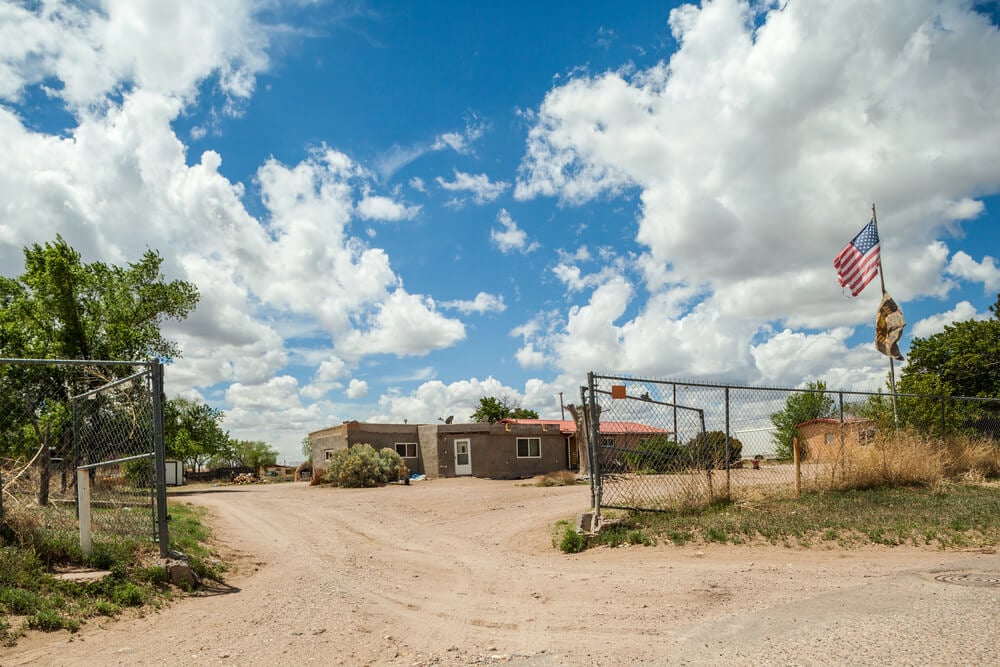
The Blue Swallow Motel on Route 66 in Tucumcari, New Mexico, opened in 1939, and its garages beside each room were designed for guests who would not leave a car out overnight. Its neon sign has been a favorite subject for photographers ever since. The motel is a rare survivor of the cabin court era and has been kept open for modern travelers.
Wigwam Village and Novelty Architecture
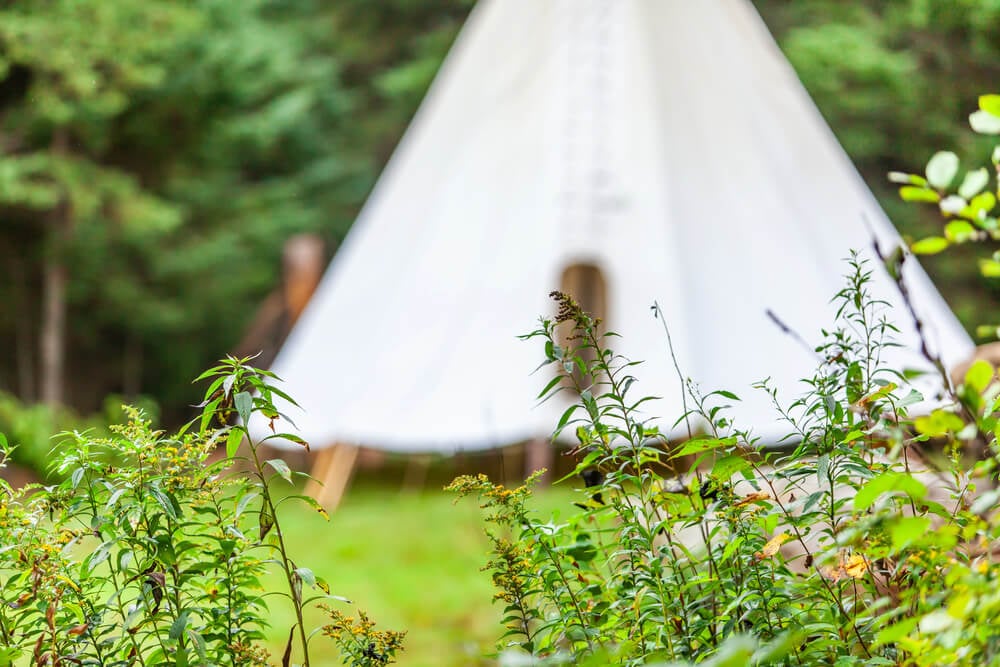
Wigwam Village motels, built of concrete in the shape of tall teepees, were designed to catch the attention of drivers passing at forty miles an hour. A cluster of these cones around a central office photographed beautifully against a flat landscape and became a fixture of postcards. The idea of a building that works as its own billboard became a defining trait of the early roadside.
The U-Drop Inn in Shamrock, Texas
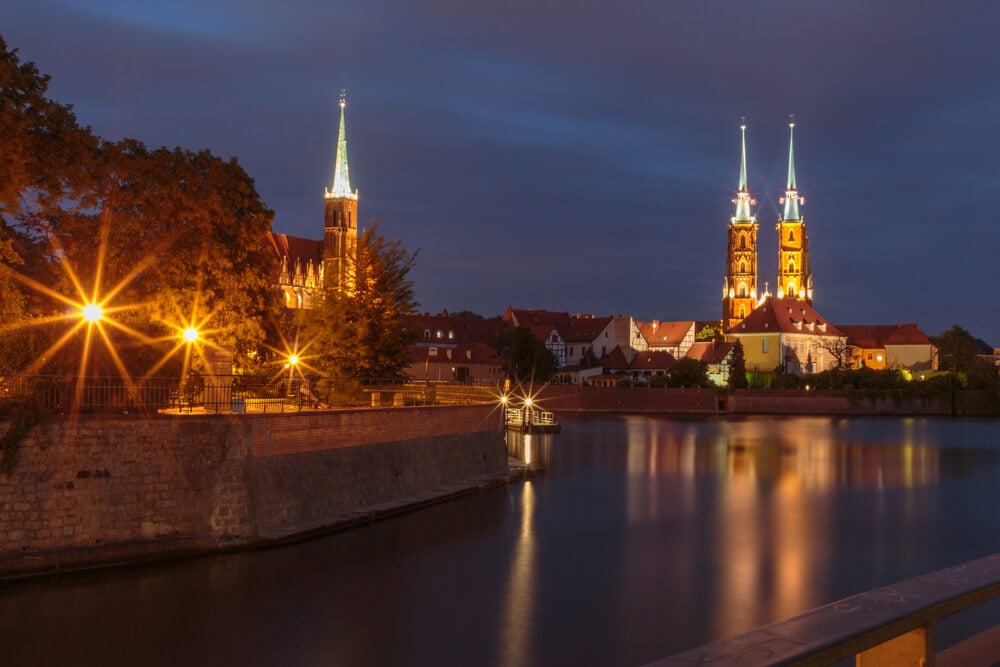
The U-Drop Inn opened in Shamrock, Texas, in 1936 on Route 66 as a combined gas station and cafe with a tall tower and bands of green and gold trim. Photographs from the era show the building lit up at night, a beacon for drivers crossing the Panhandle. It has since been restored and serves as a visitor center.
Early Gas Stations With Roadside Canopies
Early filling stations began as a pump on a curb and a hose, then grew into small buildings with a canopy that sheltered drivers and a lounge for waiting. Photographs show attendants in uniform checking oil and washing windshields while drivers stretched their legs. For many travelers, the gas station was the first place a rest stop and a service stop became the same thing.
Wall Drug and the Free Ice Water Sign
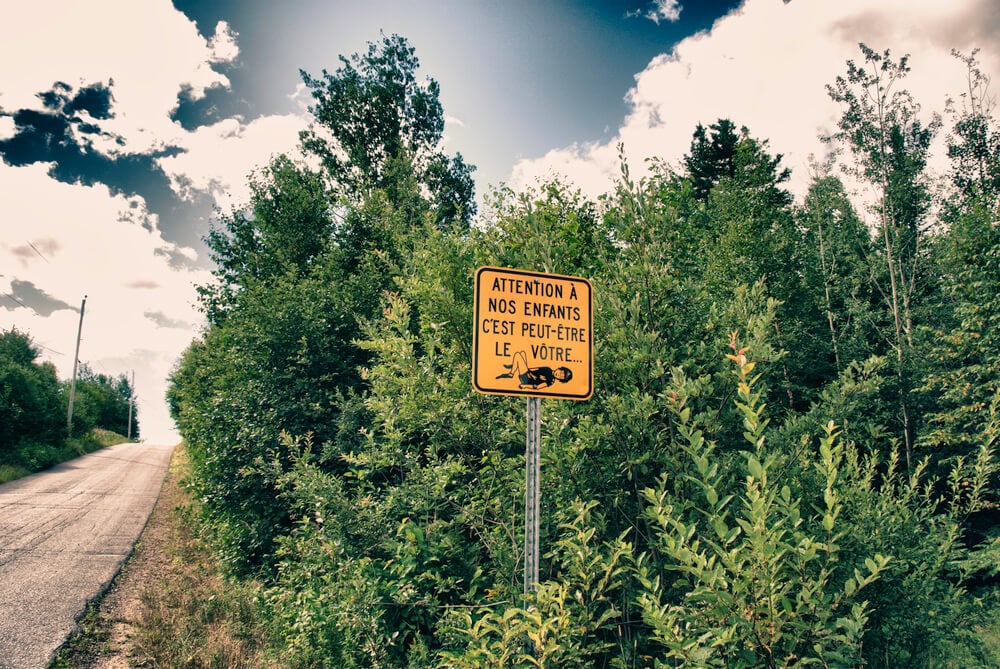
Ted and Dorothy Hustead opened a drugstore in Wall, South Dakota, in 1931, and they began drawing in travelers by offering free ice water to drivers crossing the dry plains. Signs advertising the free water went up for miles along the highway. Photographs of the store in its early years show a modest storefront in a small town whose fortunes were turned around by a sign.
Burma-Shave Signs Along the Shoulder
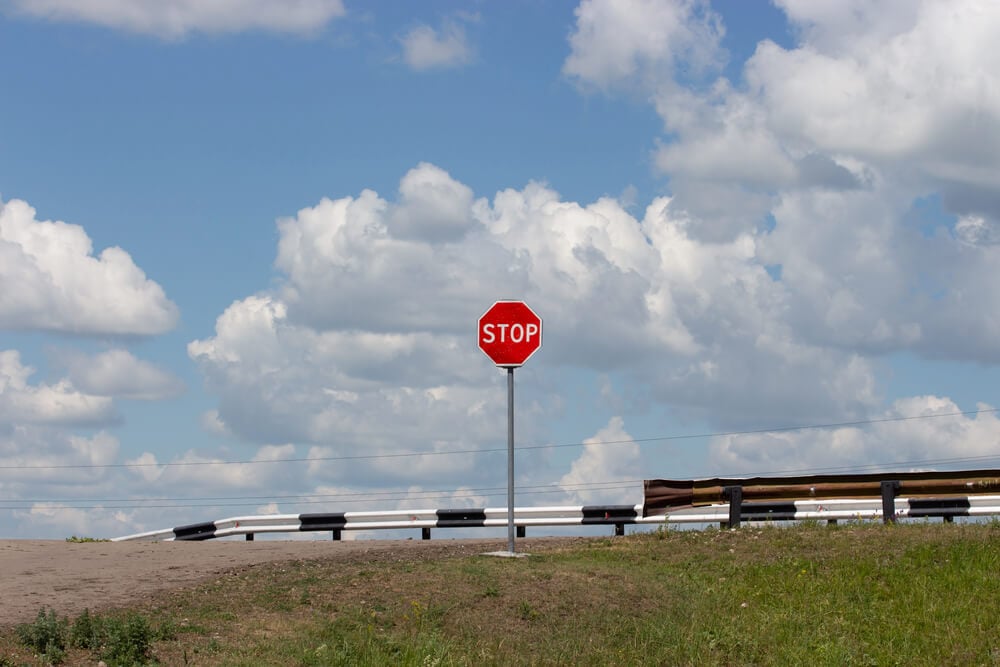
Burma-Shave began placing sets of small signs along highways in the mid-1920s, each with a line of verse meant to be read in sequence by passing drivers. Photographs show the signs lined up on fence posts in open country, a quiet entertainment for travelers on long, empty stretches. Many of the signs came down by the 1960s as highways sped up and drivers could no longer read them.
Fruit Stands and Farm Stands
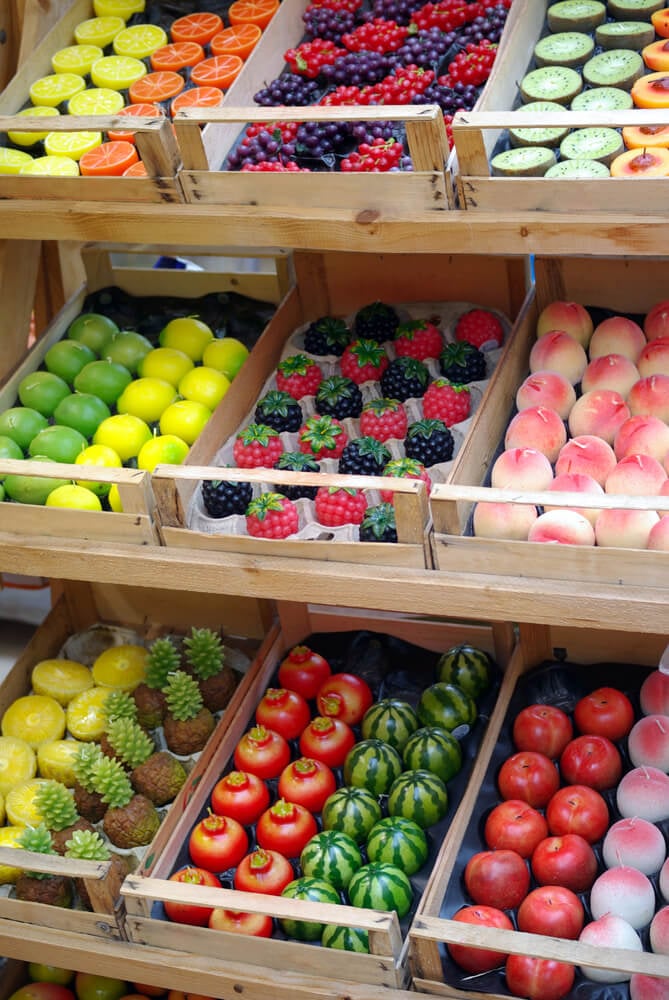
Along early highways, farmers realized that a table by the road and a hand-lettered sign could draw passing drivers who wanted fresh peaches, melons, or cider. Photographs of the stands show wooden crates piled beneath sheet metal roofs, with prices written in chalk. For motorists, a farm stand was both a snack stop and a chance to talk with locals.
Lunch Wagons and Roadside Diners
Prefabricated diners shaped like railroad cars were delivered to roadside lots by the 1920s and 1930s, offering quick meals and a counter with stools. Photographs show chrome and enamel exteriors with big windows, so passing drivers could see the food. The diner format let a small operator open a business in days instead of months.
The Pig Stand and the Drive-In
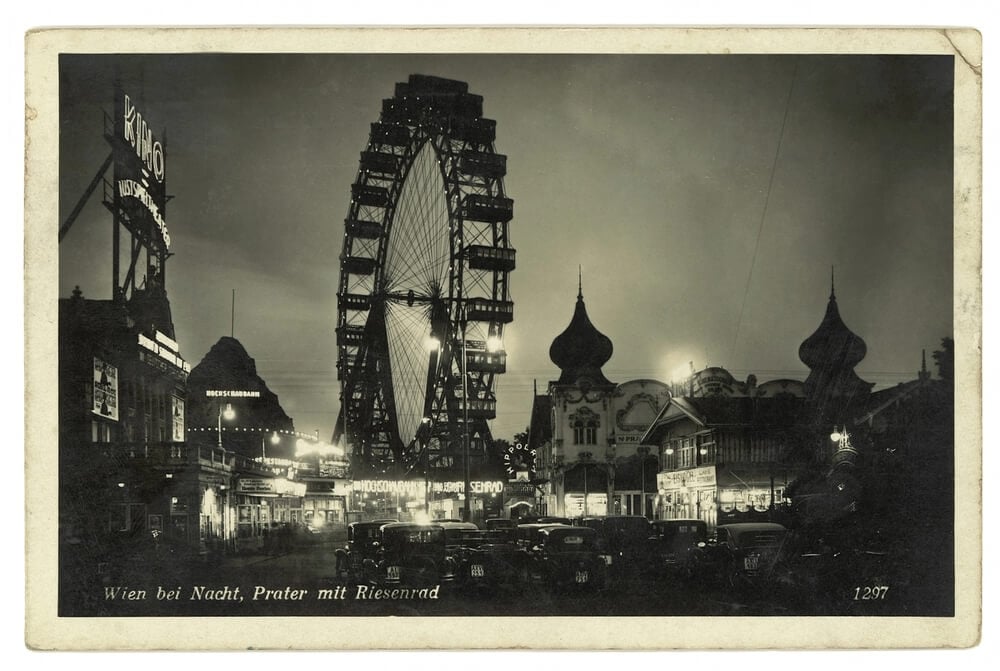
The Pig Stand in Dallas, which opened in the early 1920s, is often cited as one of the first businesses where customers were served in their cars. Carhops delivered orders to the window, and photographs show cars parked in rows at an open-air stand. The idea of eating without leaving the driver’s seat set the pattern for decades of fast-food design.
Stuckey’s and the Pecan Roadside Stop
Stuckey’s began in Georgia in the late 1930s as a roadside pecan stand and grew into a chain of stores selling candy, souvenirs, and gas along the highways. Early photographs show small buildings with roofs in the company’s trademark teal and a sign visible from a quarter mile away. The chain captured an important truth about roadside stops, which is that people wanted something to take home as proof they had been there.
Roadside Cafes Built From Local Stone
Some early cafes along Route 66 were built from local sandstone or river rock, which gave them a solid look and kept costs low. Photographs show rough stone walls and simple signs in front of small gravel lots. These buildings often outlasted the highways that created them, and some still serve travelers.
Henry Ford, Edison, and the Famous Camping Trips
Between 1915 and the early 1920s, Henry Ford, Thomas Edison, Harvey Firestone, and the naturalist John Burroughs took widely publicized camping trips by car, and newspapers loved the photographs. The images showed some of the most famous men in America sitting at a camp table in the woods. The trips helped make car camping look fashionable, and the roadside industry took notice.
The Lasting Pull of the Roadside
The early rest stop was never just a place to rest. It was a stage where travelers met strangers, tried regional food, and bought a souvenir to prove they had been somewhere new.
The photographs that remain from these stops show how quickly a country learned to travel for pleasure. The details of the buildings have changed, but the instinct to pull over for a sign that promises something good has not.
More from Go2Tutors!