17 Bizarre Easter Traditions from Around the World
Easter celebrations go way beyond chocolate bunnies and painted eggs in most countries. While Americans might stick to egg hunts and ham dinners, communities worldwide have developed some genuinely strange ways to mark this springtime holiday.
These traditions reflect local histories, cultures, and unique interpretations of the Easter story — creating a global patchwork of celebrations that would surprise even veteran travelers. Let’s explore 17 of the most unusual Easter traditions practiced around the world, from water battles to crime novels, showing just how diverse this holiday can be.
Czech Republic & Slovakia Whipping
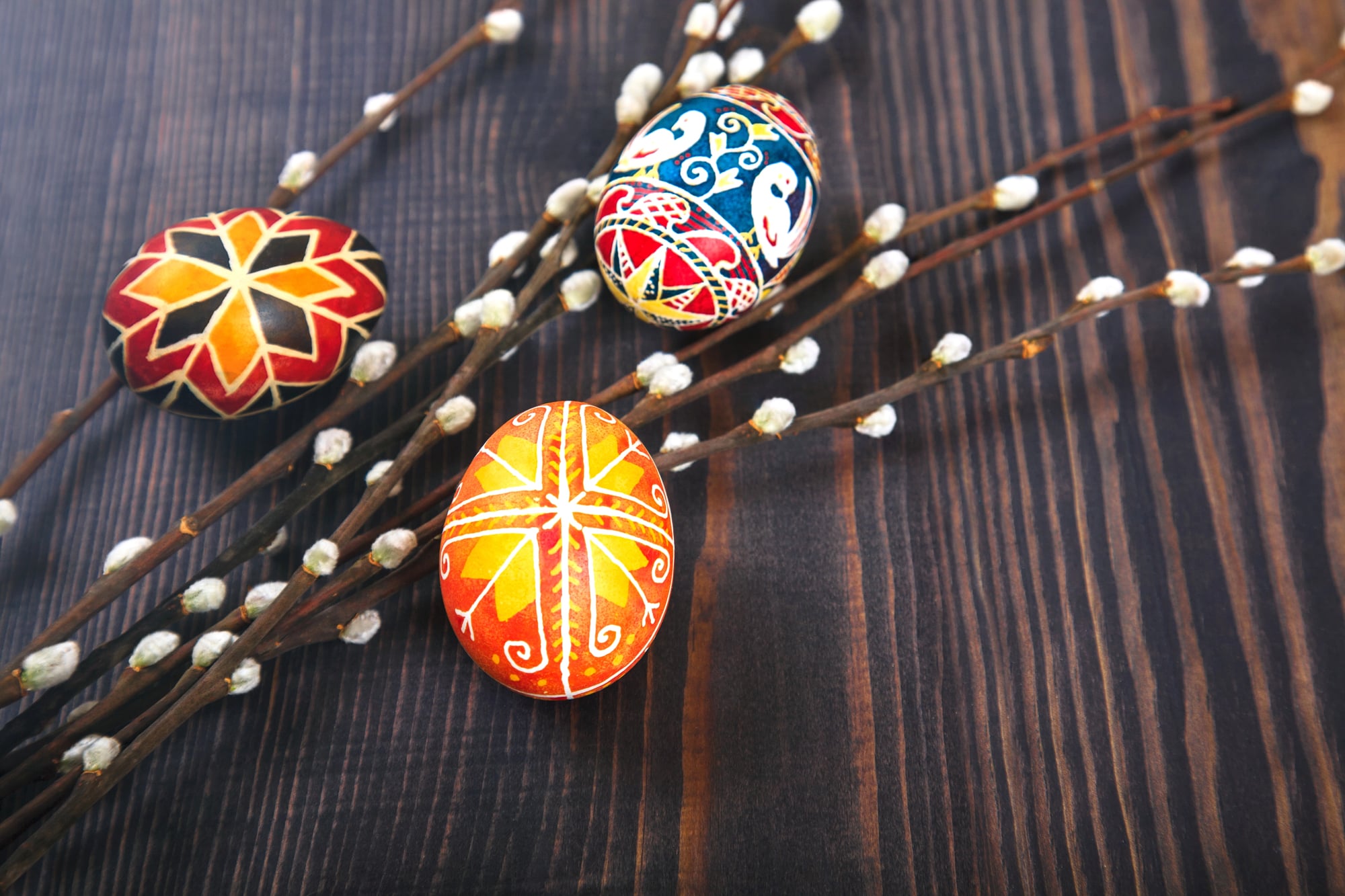
In a tradition called “pomlázka,” Czech and Slovak men playfully whip women with decorated willow branches on Easter Monday — while women fight back by dousing the men with buckets of cold water. Despite how this sounds, locals don’t consider it harmful at all.
This ritual supposedly brings health and fertility for the coming year, with young men receiving painted eggs or treats as rewards for their symbolic whipping. Don’t worry though — it rarely involves actual discomfort.
Hungarian Sprinkling
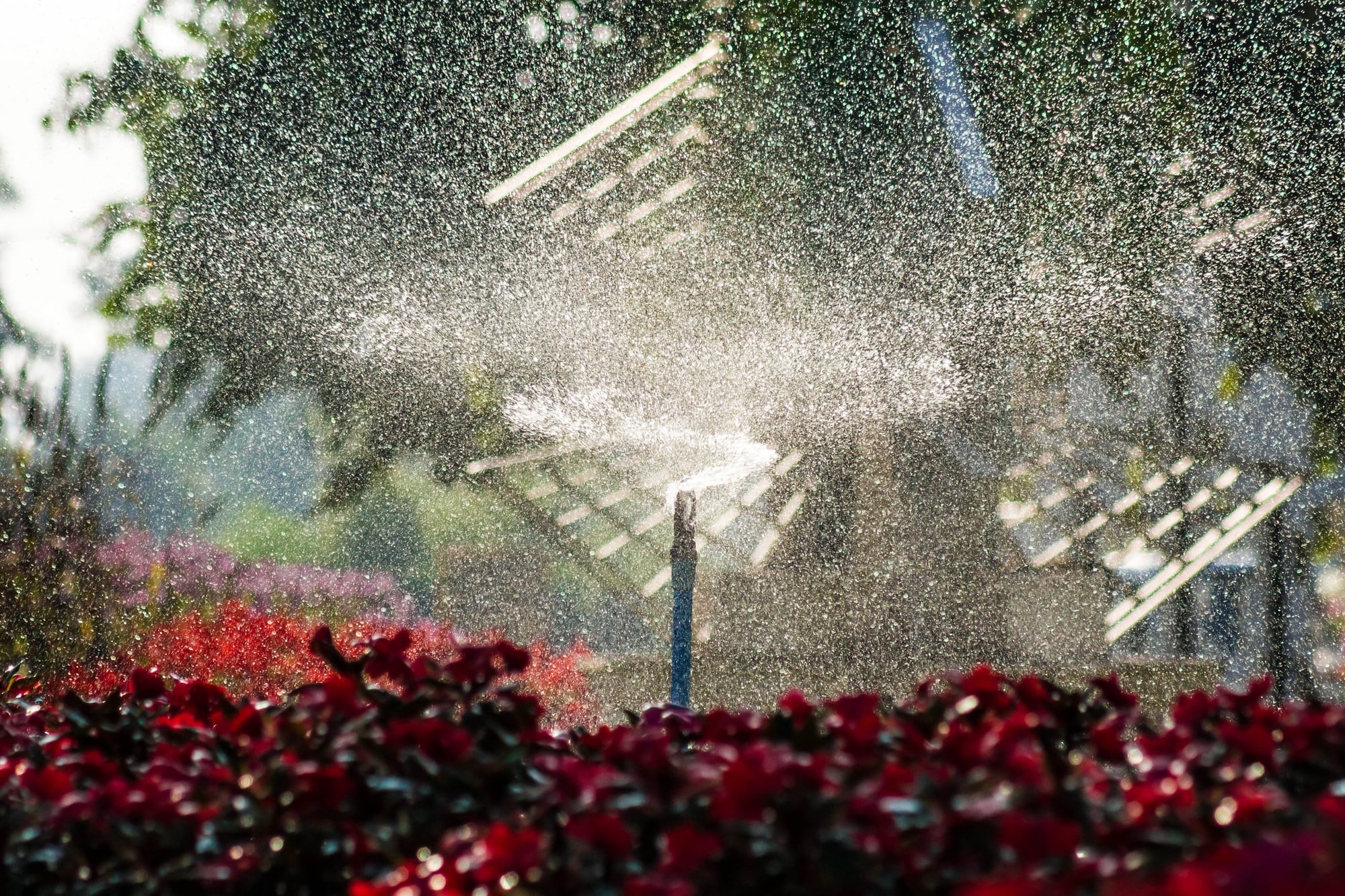
Hungarian men visit women’s houses on Easter Monday to “sprinkle” them with perfume or water — a practice with the charming name “locsolkodás.” The tradition originally involved actual buckets of water but has thankfully evolved into a gentler spritzing with cologne.
Women reward their “sprinklers” with painted eggs, homemade treats, or shots of Hungarian pálinka (fruit brandy). It’s basically a festive excuse for socializing while maintaining centuries-old customs.
Like Go2Tutors’s content? Follow us on MSN.
Processions of Verges in Spain

The Spanish town of Verges hosts an incredibly macabre “Dance of Death” procession — where participants dress as skeletons and perform a midnight dance through torch-lit streets. This medieval tradition dates back to the 17th century and includes performers carrying boxes of ashes and clocks without hands — symbolizing that death comes for everyone regardless of time.
The eerie nighttime spectacle draws thousands despite its absolutely spine-chilling vibe.
French Silent Bells
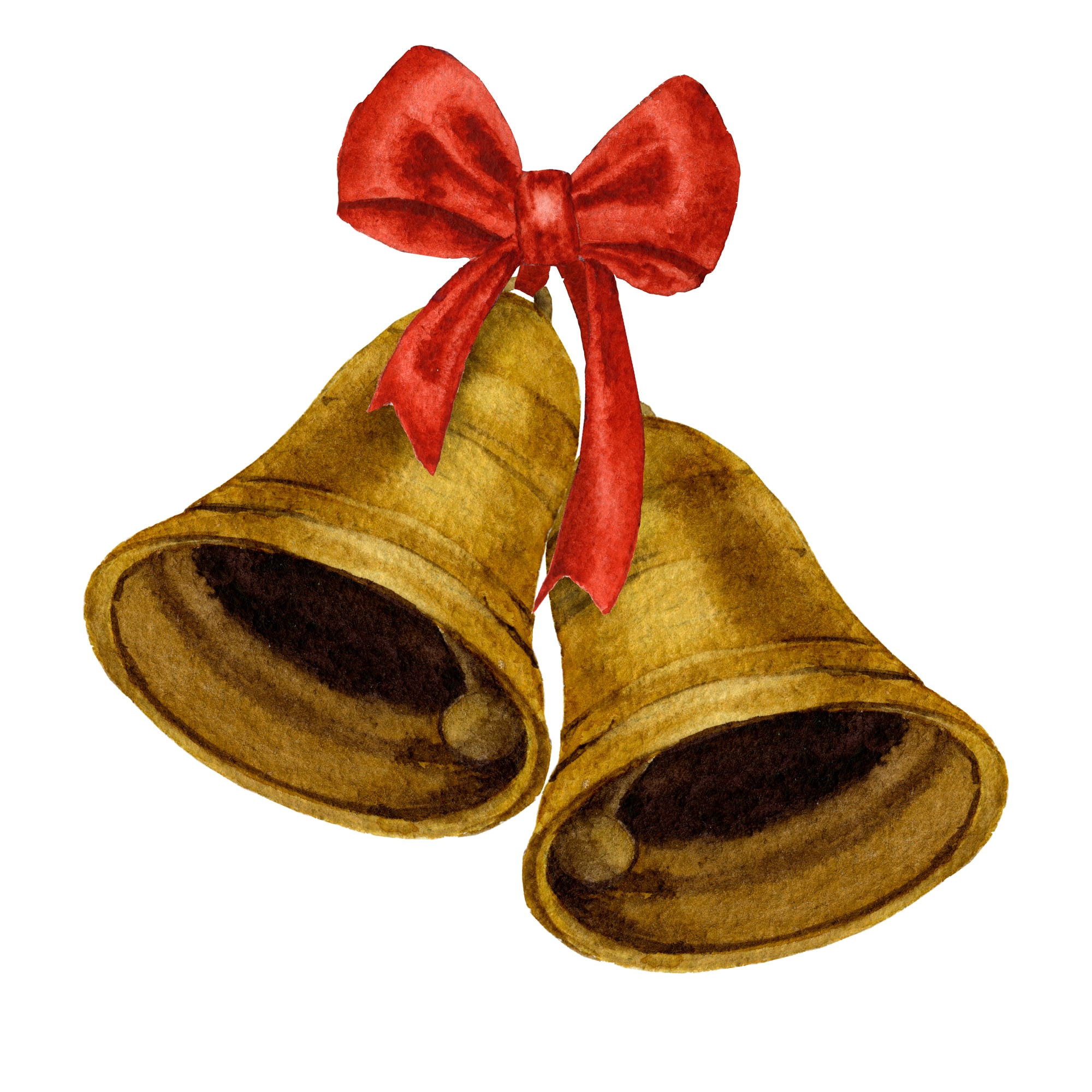
French kids don’t hear about Easter bunnies — instead, they’re told that church bells sprout wings and fly to Rome on Holy Thursday. Parents explain that bells remain silent these days because they’ve traveled to the Vatican for a papal blessing.
Upon their return, these flying bells supposedly scatter treats throughout gardens for children to find. It’s a weirdly magical narrative connecting religious traditions with childhood wonder in a distinctly French way.
Norwegian Easter Crime

Norwegians have the most peculiar Easter tradition imaginable — reading crime novels and binge-watching detective shows during the holiday, called “Påskekrim” (Easter Crime). Publishers actually release special “Easter Thrillers” and TV stations broadcast crime series marathons specifically for the season.
This odd tradition reportedly began in 1923 when a book publisher promoted a crime novel with newspaper ads so realistic that many people thought they were reading about an actual crime.
Like Go2Tutors’s content? Follow us on MSN.
German Easter Fires

Northern German towns build massive bonfires — sometimes several stories tall — to mark Easter. These “Osterfeuer” are symbolic expressions of light over darkness and spring over winter.
Residents gather around the giant fires, drinking beer, socializing, and welcoming spring. Some towns even hold competitions for the tallest and best fire building, turning a humble bonfire into a big community affair that brings entire villages together.
Swedish Easter Witches

Swedish children dress as Easter witches (“påskkärringar”) with painted rosy cheeks and colorful headscarves — then go door-to-door trading handmade drawings for candy. According to folklore, witches flew to a mythical meadow called Blåkulla to dance with the devil during Easter week.
The tradition blends pagan celebrations with Christian holidays, creating Sweden’s springtime version of Halloween with a distinctly Scandinavian twist that feels both familiar and strange to outsiders.
Polish Śmigus-Dyngus

Poland celebrates “Wet Monday” (Śmigus-Dyngus) after Easter — where people absolutely drench each other with water using whatever containers they can find. Originally a pagan fertility ritual, the tradition supposedly increases a young woman’s chances of marriage if she gets properly soaked.
Modern celebrations have evolved into chaotic water fights throughout Polish communities. Nobody’s safe on Śmigus-Dyngus, regardless of age or how nicely they’re dressed.
Like Go2Tutors’s content? Follow us on MSN.
Italian Explosion of the Cart

Florence hosts the “Scoppio del Carro” (Explosion of the Cart) — where a centuries-old wagon packed with fireworks gets ignited by a mechanical dove that flies from inside the cathedral. This elaborately decorated cart travels through city streets pulled by flower-adorned white oxen before the spectacular pyrotechnic display begins.
Tradition holds that a successful explosion ensures good crops and business. The ceremony dates back to the First Crusade and combines religious symbolism with a seriously impressive fireworks show.
Corfu Pot Throwing

Residents of the Greek island of Corfu throw clay pots filled with water from windows and balconies on Holy Saturday — smashing them dramatically on the streets below. This tradition comes with deafening cheers as thousands of clay vessels shatter simultaneously throughout the town.
The custom symbolizes spring’s arrival and new crops emerging from the ground. Locals often collect pottery shards afterward as good luck tokens, turning destruction into a symbol of good fortune.
Haux, France’s Giant Omelette

The small town of Haux, France creates a massive omelette using more than 15,000 eggs to feed up to 1,000 people in the town square. According to local legend, Napoleon once enjoyed an omelette in the region so much that he ordered a giant one for his entire army the next day.
Chefs work together over open fires to create this enormous community meal that brings the entire town together for a shared Easter Monday feast.
Like Go2Tutors’s content? Follow us on MSN.
Finnish Grass Growing
Weeks before Easter, Finnish households create lush green centerpieces for their Easter dinners by sowing grass seeds in shallow dishes. Youngsters use tiny chick or bunny figurines and colored eggs to adorn these miniature pastures.
This custom offers a pleasant burst of greenery before the outdoor landscape has completely thawed from winter’s hold, symbolizing spring’s rejuvenation after Finland’s long, gloomy winters.
Bermuda Kite Flying

Bermudians construct elaborate, colorful kites which they fly on Good Friday, filling the sky with geometric patterns. This tradition supposedly began when a teacher used a kite to illustrate Christ’s ascension to heaven.
The handmade kites, featuring bright colors and geometric designs, often include a “hummer,” a paper attachment that creates a buzzing sound when airborne, adding an auditory element to the visual spectacle.
Bulgarian Egg Fights
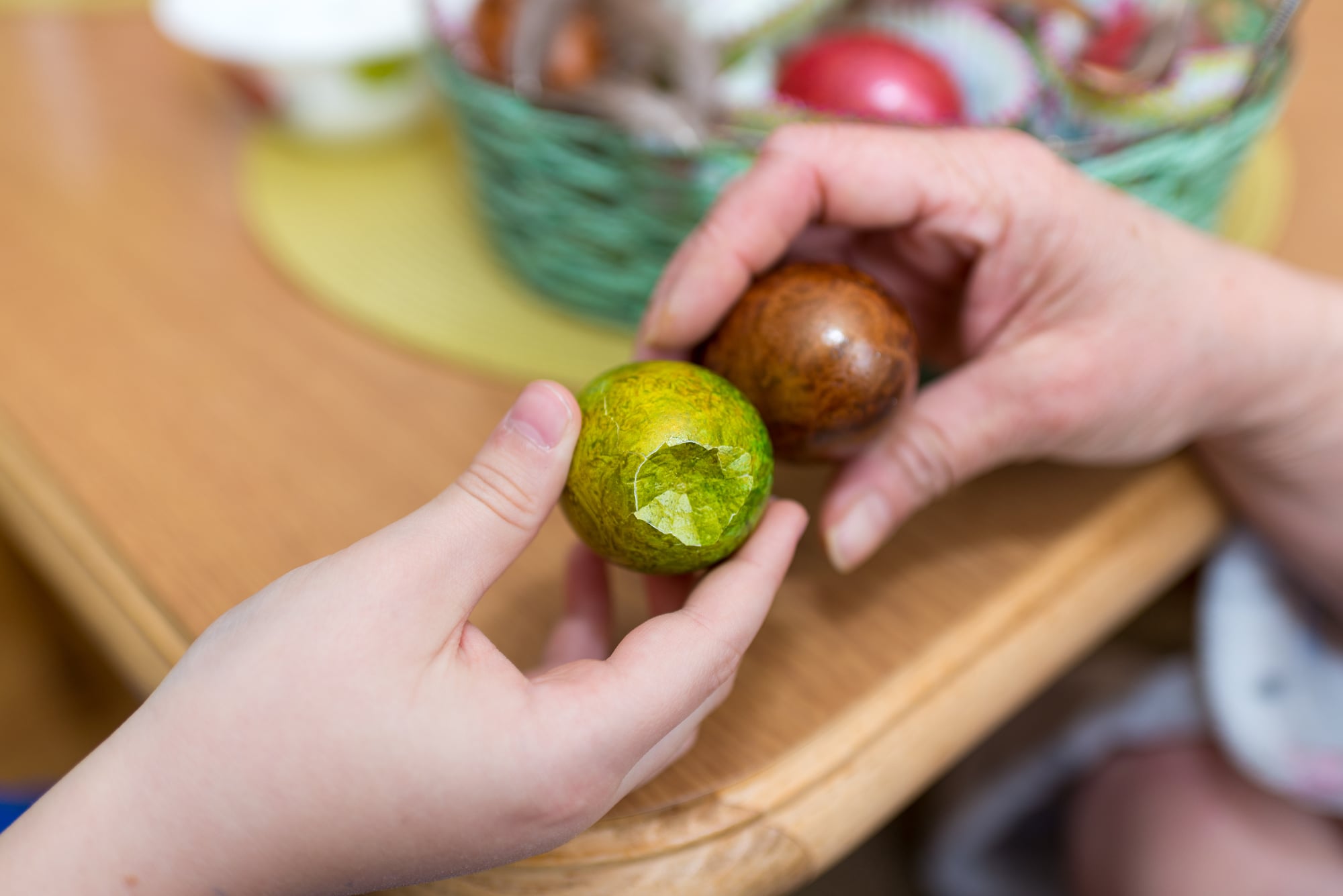
Bulgarians engage in “egg fights” or “egg tapping” contests where participants take turns tapping their eggs against their opponents’. The person whose egg cracks loses and must surrender their egg to the winner.
The last person with an unbroken egg receives good luck for the year. Families spend hours decorating eggs specifically for these friendly competitions, with strategies developing around egg selection and tapping techniques.
Like Go2Tutors’s content? Follow us on MSN.
Philippines Self-Flagellation
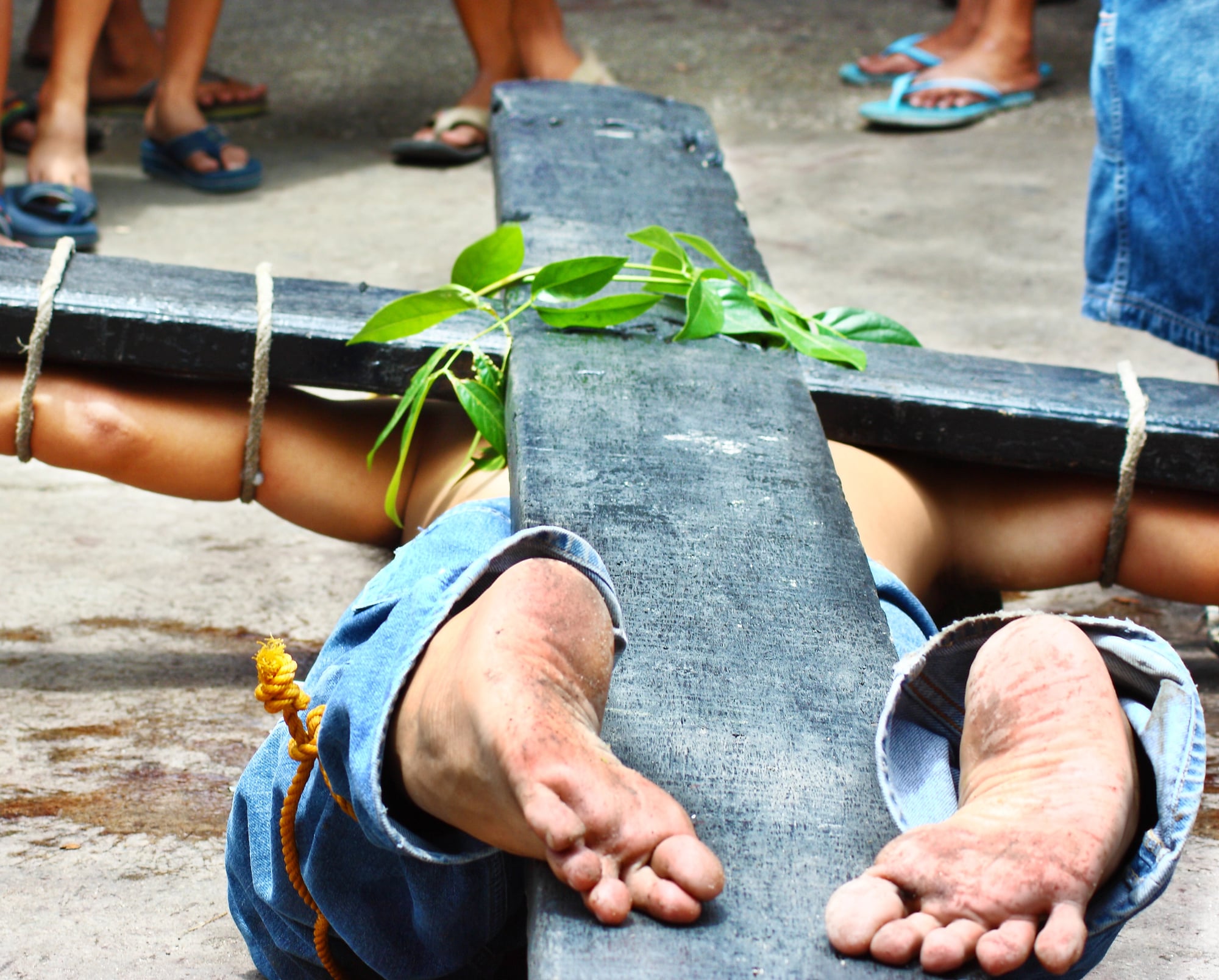
In San Pedro Cutud, devoted Catholics participate in actual crucifixions and self-flagellation during Good Friday processions, with participants carrying wooden crosses through streets and some allowing themselves to be temporarily nailed to crosses.
While the Catholic Church officially discourages these extreme practices, they continue as expressions of devotion and penance. These intense displays of faith draw thousands of tourists despite their controversial nature.
Australian Bilby Promotions
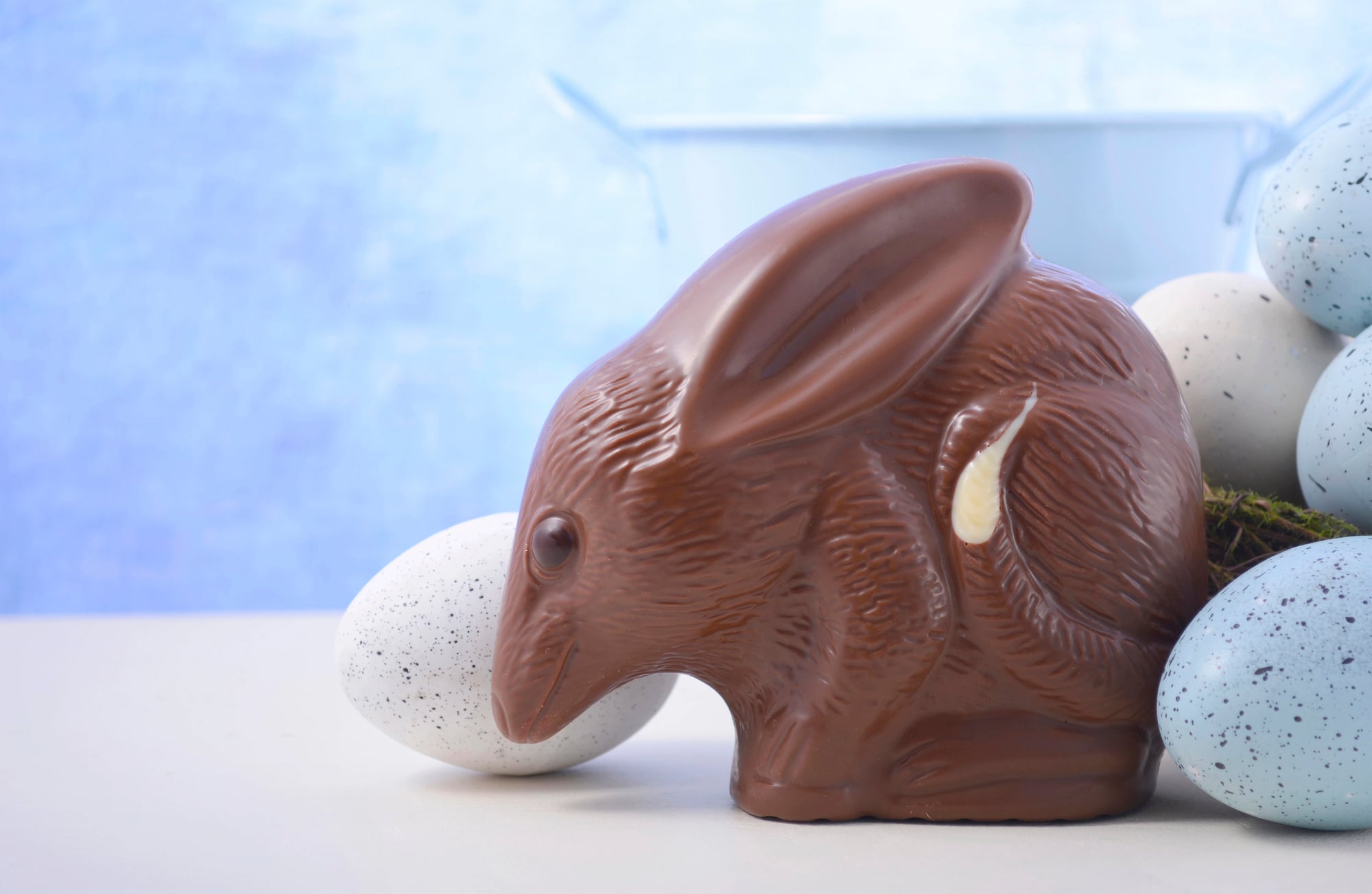
Australians have replaced the Easter Bunny with the Easter Bilby in many celebrations. Since rabbits are considered destructive pests in Australia, conservation groups promoted the endangered bilby (a native marsupial with rabbit-like ears) as an Easter symbol instead.
Chocolate bilbies are now sold throughout Australia during Easter, with portions of proceeds supporting conservation efforts for this threatened native species.
British Bottle Kicking
The village of Hallaton, England hosts “bottle kicking,” a chaotic game resembling rugby but centered around small wooden barrels filled with beer. After a ceremonial hare pie is distributed, two villages compete to carry the barrels across their own boundary streams.
This free-for-all contest involves hundreds of participants in unregulated scrums that can last hours, with few rules beyond prohibitions against eye-gouging and strangling.
Like Go2Tutors’s content? Follow us on MSN.
Beyond Chocolate Bunnies

These weird and wonderful Easter traditions show how celebrations morph to reflect local cultures while still connecting to themes of rebirth and renewal. From chucking pottery to whipping with willow branches, communities worldwide have twisted Easter to include elements that matter to their specific histories.
These customs might seem bizarre to outsiders, but they’re important cultural touchstones that bring people together year after year. They create memories and maintain heritage across generations, linking modern celebrations to centuries-old practices.
No matter what form it takes, Easter remains a time when communities gather, welcome spring, and keep alive the traditions that make their culture unique.
More from Go2Tutors!

- 18 Unexpectedly Valuable Collectibles You Might Have Lying Around
- 20 Little-Known Historical Battles That Had Huge Consequences
- 20 Historical Artifacts That Scientists Can’t Explain
- 15 Inventions That Were Immediately Banned After Being Created
- 20 Actors Who Were Almost Cast in Iconic Roles
Like Go2Tutors’s content? Follow us on MSN.