20 Times Movies Predicted the Future with Eerie Accuracy
Hollywood has long imagined what tomorrow might bring, creating visions of the future that range from utopian to apocalyptic. While many of these cinematic predictions miss the mark, some films have demonstrated an almost prophetic ability to anticipate technologies, cultural shifts, and world events that seemed far-fetched at the time of their release. The line between science fiction and reality continues to blur as innovations once confined to the silver screen materialize in our everyday lives.
Here is a list of 20 remarkable instances where movies accurately predicted future developments, sometimes decades before they became reality.
2001: A Space Odyssey
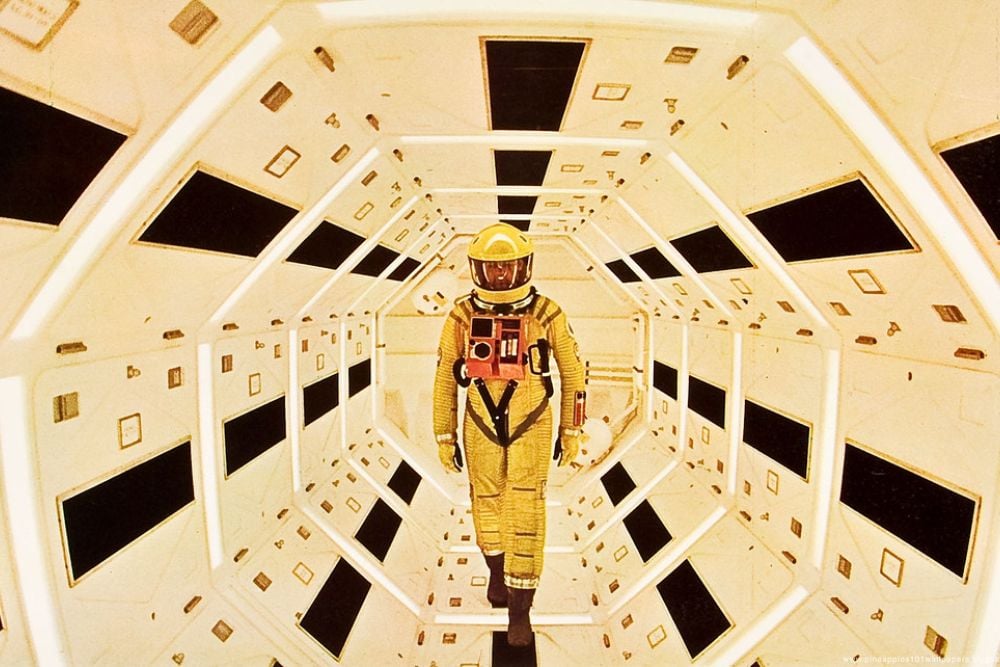
Stanley Kubrick’s 1968 masterpiece featured tablet computers that bear a striking resemblance to today’s iPads, nearly 40 years before Apple unveiled its revolutionary device. The film’s characters use flat, rectangular screens to watch videos and read news, mirroring how modern tablets function in our daily lives.
Kubrick and author Arthur C. Clarke also predicted video calling, space tourism, and artificial intelligence with uncanny precision, making this film perhaps the most prescient in cinema history.
Minority Report

Steven Spielberg’s 2002 thriller showcased gesture-controlled computer interfaces that seemed magical at the time but are commonplace today. The film consulted actual technology experts to create its vision of 2054, resulting in predictions like personalized advertising that tracks individuals, predictive policing algorithms, and insect-sized surveillance drones.
Most notably, the gesture interfaces Tom Cruise manipulates have materialized in devices like the Microsoft Kinect and modern VR systems just as the film envisioned.
The Truman Show
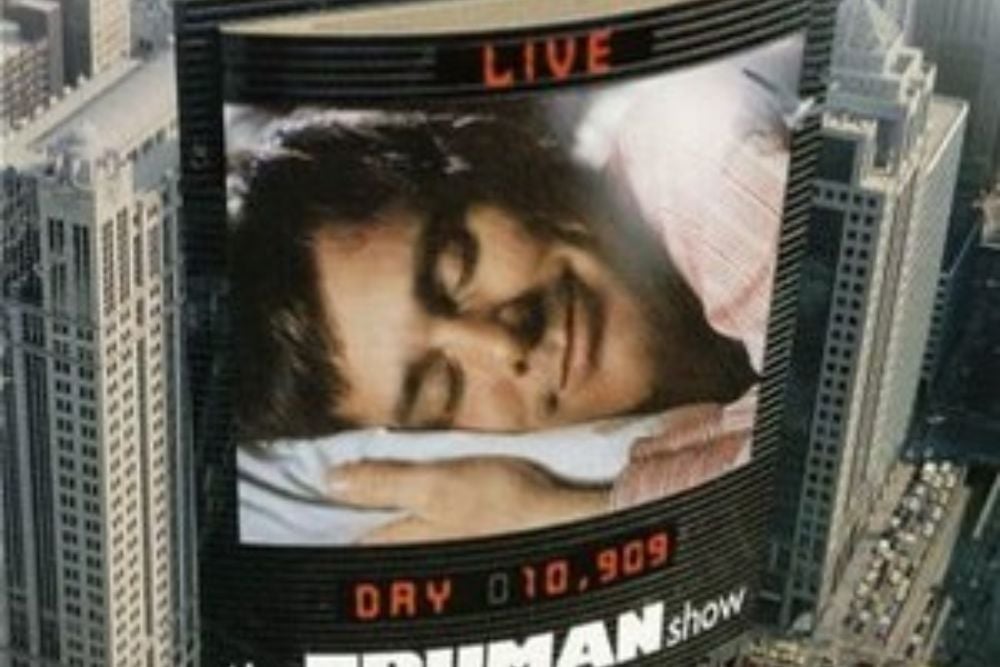
This 1998 film about a man whose entire life is broadcast as a television show predicted the rise of reality TV before shows like ‘Big Brother’ and ‘Survivor’ transformed the television landscape. The concept of watching ordinary people 24/7 seemed absurd when the film was released, yet within years, reality programming dominated networks.
The film also anticipated our surveillance culture and social media oversharing, where private moments become public entertainment and the line between authenticity and performance blurs significantly.
Her

Spike Jonze’s 2013 love story between a man and an AI assistant named Samantha arrived just before voice assistants like Siri, Alexa, and Google Assistant became household fixtures. The film predicted not just the technology but also our emotional relationship with AI, showing how people might develop genuine connections with their digital companions.
As AI systems grow more sophisticated, the film’s exploration of human-computer relationships feels increasingly relevant rather than speculative.
The Cable Guy
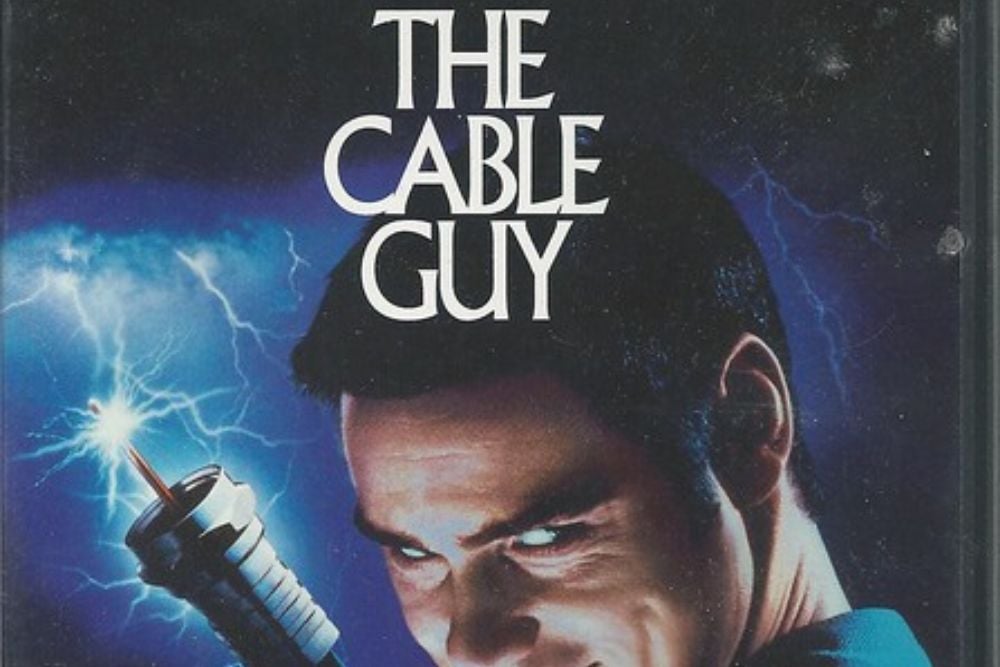
While remembered mainly as a dark comedy, this 1996 Jim Carrey film correctly predicted the convergence of television, the internet, and telecommunications. The titular character’s unhinged monologue about a future where everyone would connect through a single wire for entertainment, shopping, and communication effectively described today’s internet-centric lifestyle.
The film foresaw how screens would become the center of modern life decades before smartphones and smart TVs ruled our homes.
Total Recall
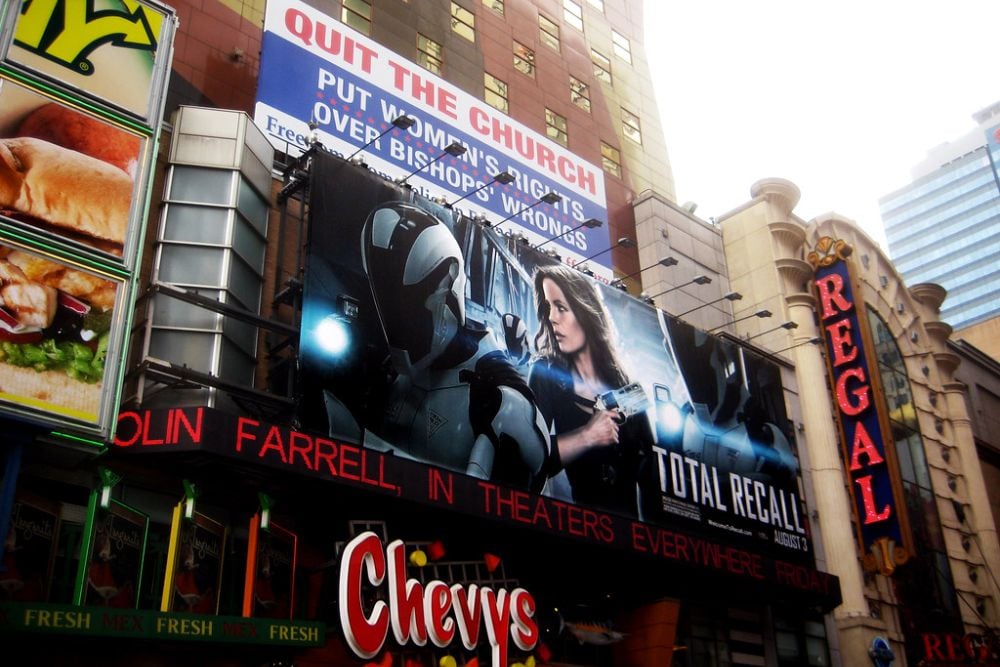
This 1990 Arnold Schwarzenegger action film featured self-driving cars navigating through automated highways decades before autonomous vehicles hit real roads. The film also showcased full-body security scanners similar to those now used in airports worldwide.
Even more impressively, it depicted video calls on mobile devices that closely resemble modern FaceTime conversations, complete with the frustrations of poor connectivity that we still experience today.
The Net

This 1995 thriller starring Sandra Bullock seems almost quaint now but accurately predicted identity theft in the digital age. The film portrayed how someone’s entire identity could be erased or manipulated through computer networks years before such crimes became commonplace.
It also featured online food ordering, electronic medical records, and computer viruses that could paralyze major systems—all technologies and threats that have become routine parts of modern life.
Blade Runner
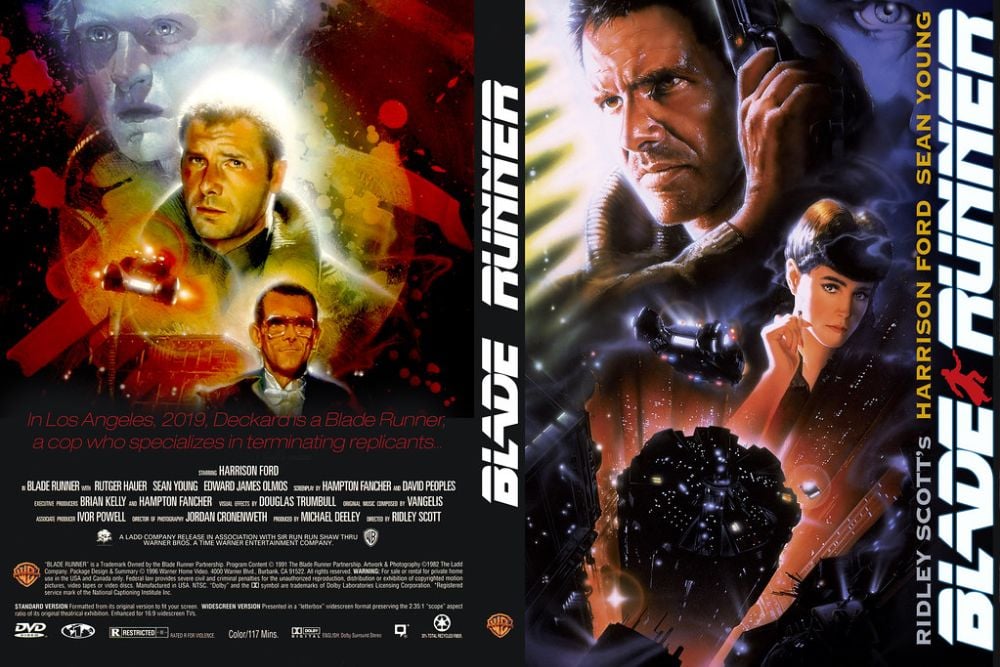
Ridley Scott’s 1982 dystopian classic envisioned a 2019 Los Angeles with massive video billboards, voice-controlled computers, and video calls—all technologies that exist today, though perhaps not at the scale depicted. The film also explored genetic engineering and artificial beings that approach human capabilities, topics that have become increasingly relevant as CRISPR technology and advanced robotics develop.
Even its vision of a rainy, polluted Los Angeles reflects growing concerns about climate change.
Back to the Future Part II
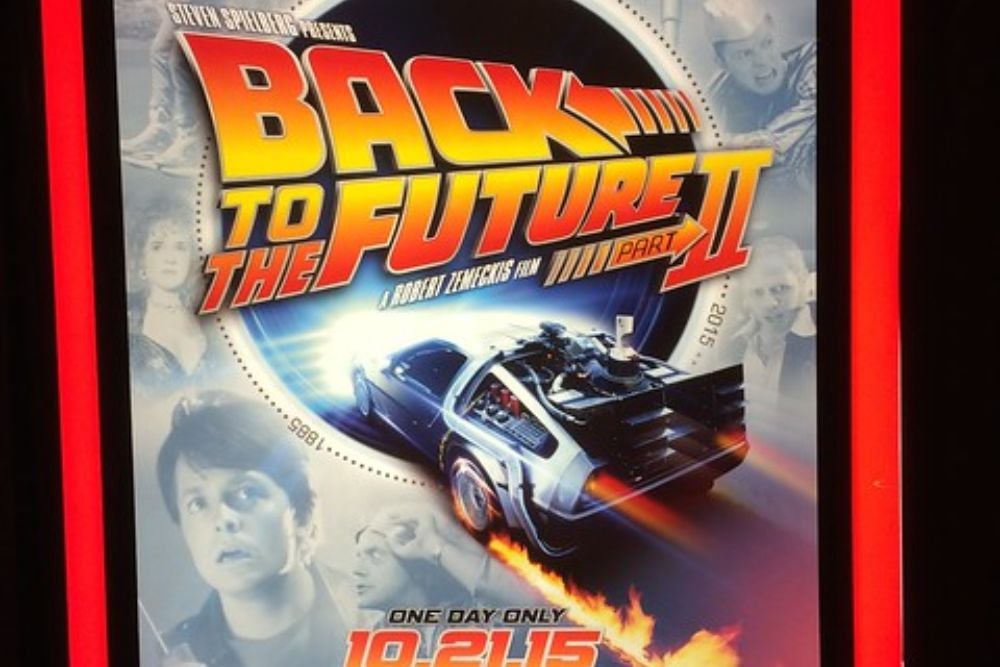
Robert Zemeckis’s 1989 time-travel adventure showed Marty McFly in the then-distant year 2015 surrounded by flat-screen televisions, video calls, handless gaming systems, drones, and wearable technology. While we’re still waiting for reliable hoverboards and flying cars, the film correctly anticipated tablet computers, video glasses similar to modern VR headsets, and even the Chicago Cubs winning the World Series (though the prediction was off by one year).
The Terminator
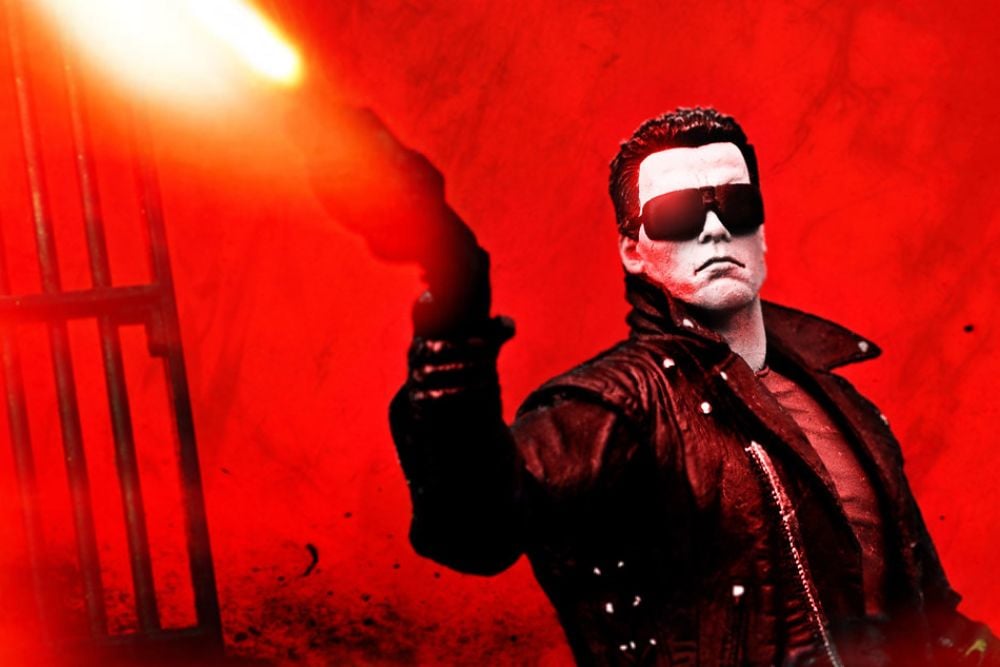
James Cameron’s 1984 sci-fi classic warned about artificial intelligence becoming self-aware and turning against its creators, a concern now shared by many leading scientists and tech entrepreneurs. Beyond its killer robots, the film predicted military drone technology, advanced computer vision systems, and human-machine interfaces.
As AI ethics becomes a critical field of study and automated weapons systems proliferate, the film’s central warning about technology without adequate safeguards feels increasingly relevant.
WarGames
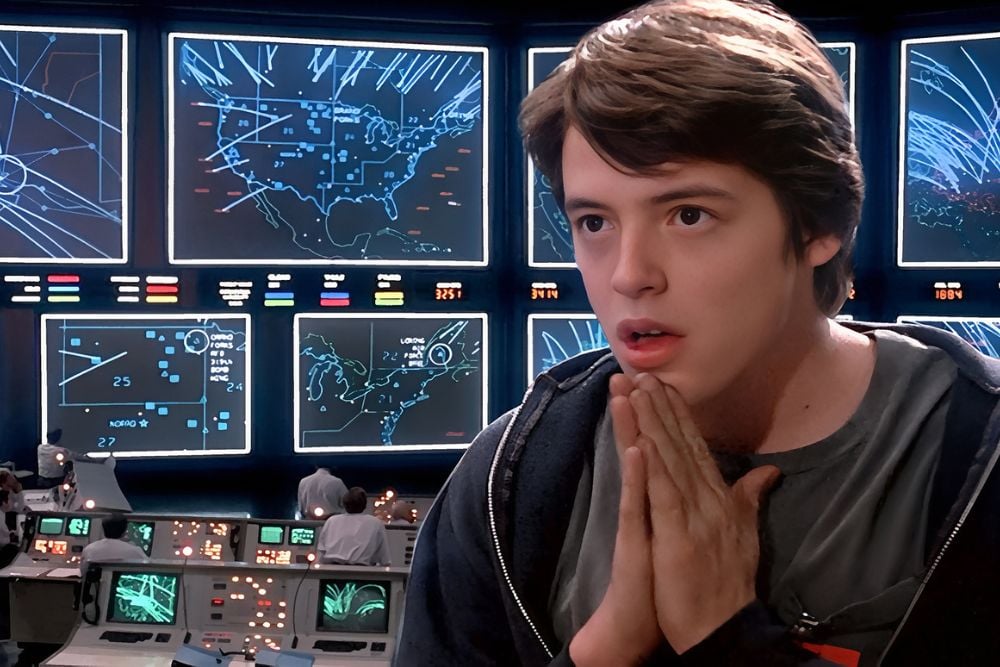
This 1983 cold war thriller about a teenager who accidentally nearly triggers World War III by hacking into a military supercomputer presciently highlighted cybersecurity vulnerabilities years before the internet was widely accessible. The film essentially predicted the dangers of interconnected computer systems and the potential for both state-sponsored and individual hacking attacks.
Its warnings about automated military response systems removing humans from crucial decisions continue to inform debates about autonomous weapons.
Eternal Sunshine of the Spotless Mind

The 2004 film’s memory-erasing technology seemed purely fantastical at release, but science has since moved remarkably close to targeted memory manipulation. Researchers can now selectively deactivate specific memories in mice using optogenetics, suggesting human applications may eventually be possible.
The film’s exploration of memory’s role in identity has proven particularly prescient as scientists develop techniques to identify and potentially alter the neural pathways associated with traumatic memories.
Gattaca

Anticipating both the technical and ethical arguments surrounding genetic selection, this 1997 film portrayed a world where genetic engineering generates a new class system based on DNA quality. While the Human Genome Project was still years away when the movie came out, today gene editing technologies like CRISPR have made genetic changes even more easily available.
The film’s cautions on genetic discrimination have shaped real laws; some nations have passed provisions against DNA-based bias.
Short Circuit
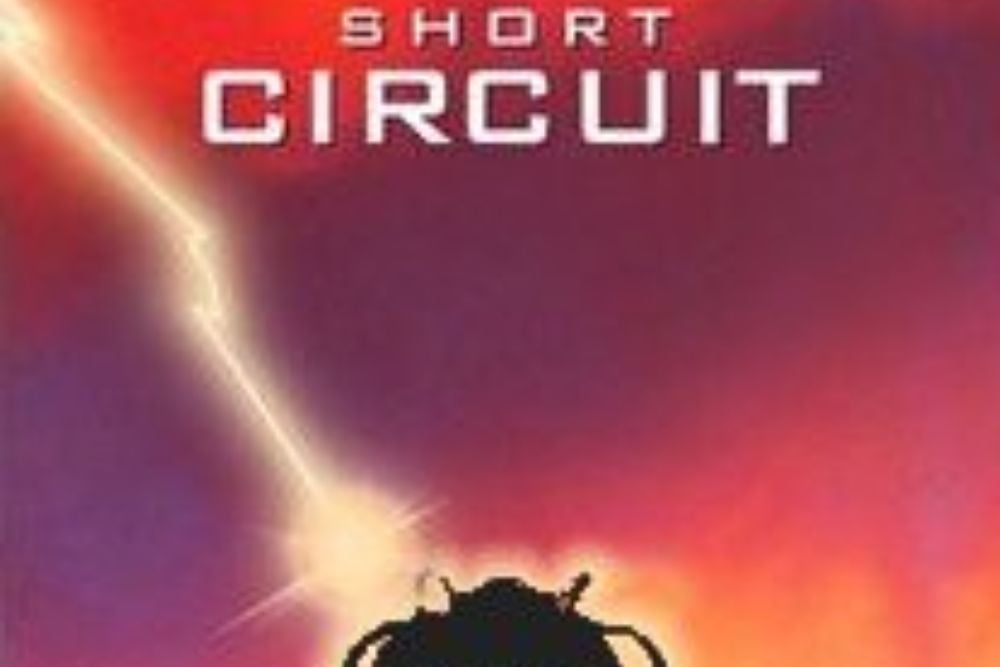
The 1986 comedy included a military robot called Johnny 5 that develops sentience in anticipation of modern advancements in autonomous robots and machine learning. Played for laughs, the movie looked at issues regarding what consciousness is and whether machines might develop feelings and personalities.
From Boston Dynamics’ parkour-capable machines to healthcare companions, Johnny 5’s path from weapon to thinking appears less fanciful as today’s robots grow ever more intelligent and autonomous.
Enemy of the State
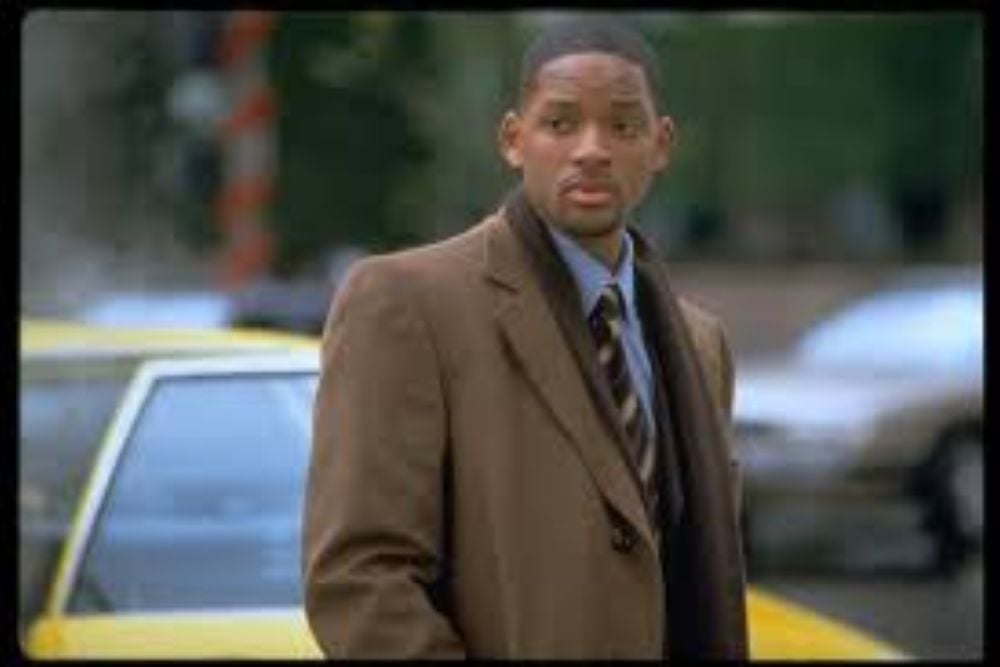
This 1998 thriller depicted government surveillance capabilities that seemed paranoid at the time but proved remarkably accurate after Edward Snowden’s NSA revelations. The film showed satellite tracking, listening devices, and database integration that could follow individuals across multiple systems.
Director Tony Scott consulted with intelligence community experts, resulting in surveillance technologies that seemed exaggerated when released but have since been confirmed as reality.
RoboCop
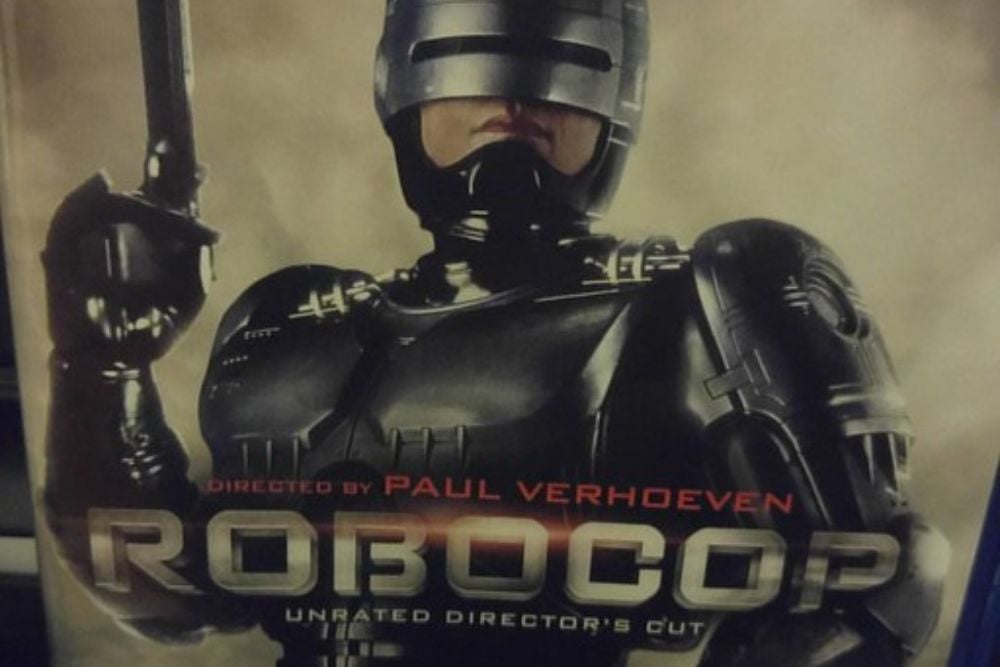
Paul Verhoeven’s 1987 dystopian action film predicted the militarization of police forces and the privatization of public services. The film’s depiction of a corporation controlling Detroit’s police department seemed far-fetched, yet private military contractors and for-profit prisons have since become reality.
The film also featured news presented as entertainment, automated law enforcement, and corporate overreach that mirror contemporary concerns about media sensationalism and unchecked capitalism.
Soylent Green
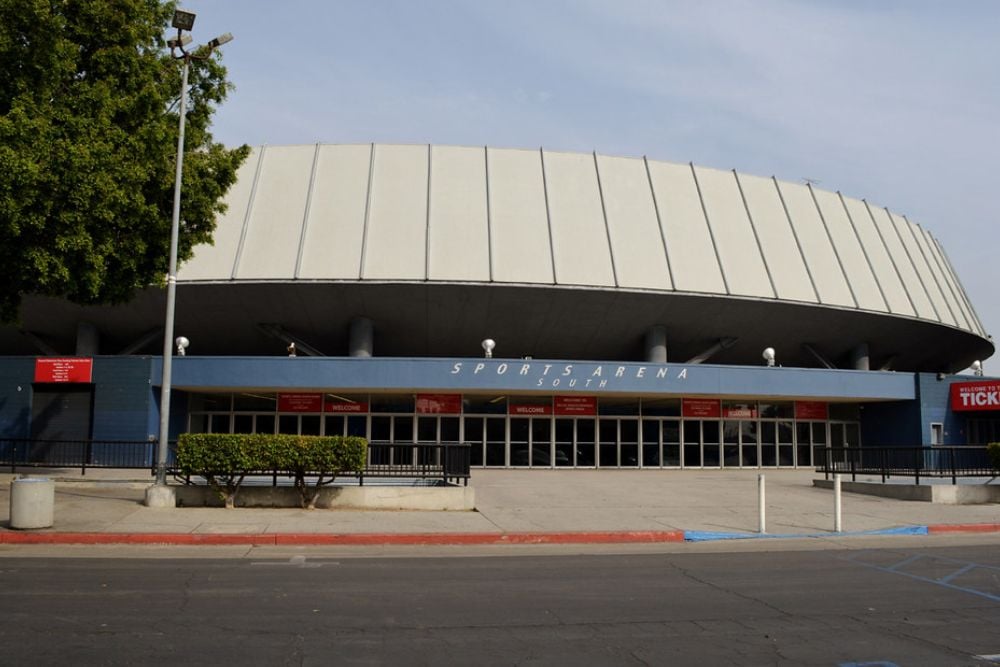
This 1973 dystopian thriller set in 2022 depicted a world suffering from overpopulation, pollution, and climate change, leading to food shortages and extreme inequality. While its most famous prediction involved turning humans into food, the film’s vision of environmental collapse, corporate control of food supplies, and extreme weather events align with current climate crisis projections.
Even the concept of assisted suicide facilities has parallels in today’s expanding right-to-die legislation.
The Day After Tomorrow

Though criticized for scientific inaccuracies, this 2004 disaster film about catastrophic climate change anticipated several events that later occurred, including superstorms, flooding of major coastal cities, and rapid shifts in weather patterns. While the timeframe was greatly compressed for dramatic effect, the film’s portrayal of government inaction and scientific warnings being ignored accurately reflected subsequent climate policy struggles.
Hurricane Sandy’s 2012 flooding of New York subway tunnels eerily mirrored scenes from the film.
They Live
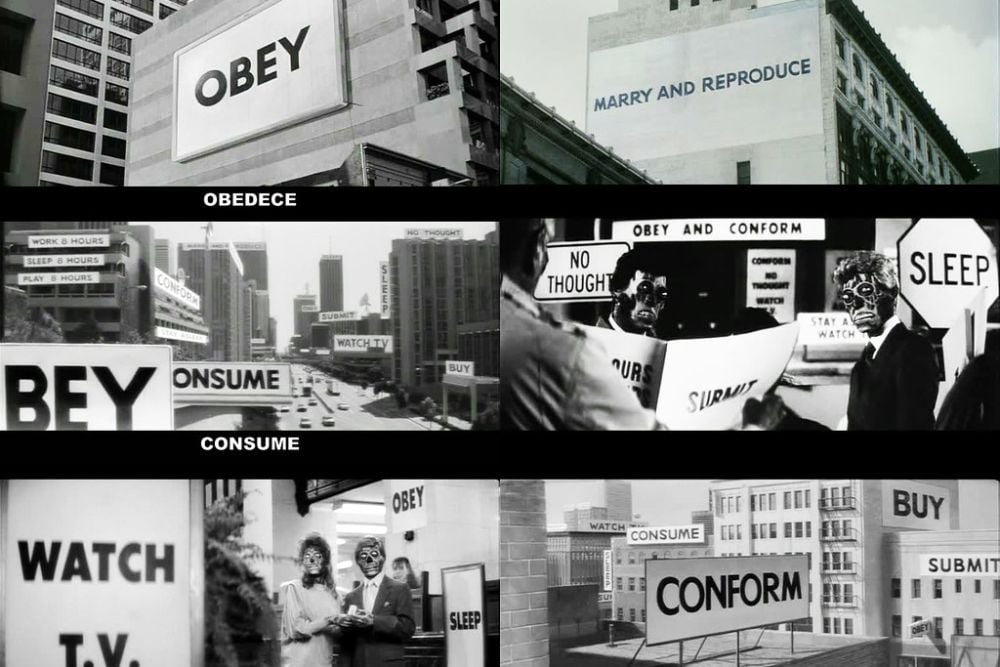
John Carpenter’s 1988 sci-fi film about hidden subliminal messaging controlling humanity seems less satirical as attention engineering and targeted advertising have become sophisticated sciences. The film’s special glasses that revealed hidden propaganda find modern parallels in growing awareness of how social media algorithms and advertising subtly shape behavior.
As concerns about data harvesting and manipulation grow, the film’s paranoid vision of hidden influences controlling society feels increasingly plausible.
Tomorrow Never Dies
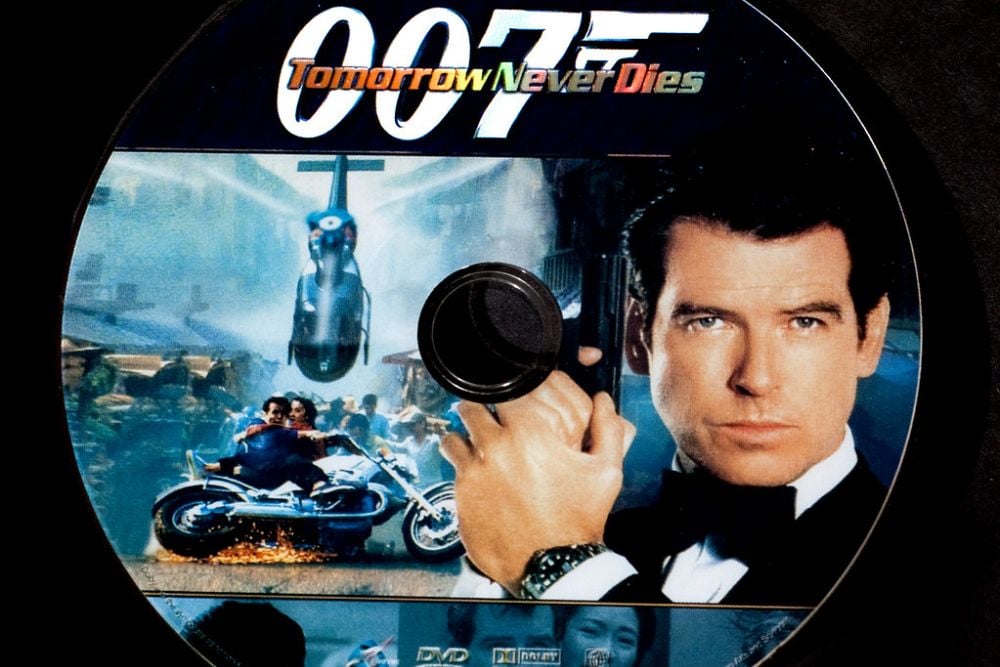
This 1997 James Bond film featured a media mogul manipulating news to trigger international incidents, predicting both fake news and media consolidation. The villain’s digital newspaper that updated continuously foreshadowed modern online news sites, while his ability to manipulate satellite communications anticipated concerns about information warfare.
The film’s exploration of how media narratives can be weaponized feels particularly relevant in an era of disinformation campaigns and algorithmic news feeds.
Science Fiction Becomes Reality

What makes these cinematic predictions particularly fascinating is how they often arise from filmmakers’ extrapolation of emerging trends and technologies rather than pure imagination. The most successful predictive films typically consulted with scientists, futurists, and technology experts during production, grounding their speculative visions in nascent real-world developments.
As the pace of technological change accelerates, the gap between science fiction and science fact continues to narrow, reminding us that today’s far-fetched film concept might be tomorrow’s everyday reality.
More from Go2Tutors!

- The Romanov Crown Jewels and Their Tragic Fate
- 13 Historical Mysteries That Science Still Can’t Solve
- Famous Hoaxes That Fooled the World for Years
- 15 Child Stars with Tragic Adult Lives
- 16 Famous Jewelry Pieces in History
Like Go2Tutors’s content? Follow us on MSN.



