16 Kitchen Tools Invented by Accident
Some of the most brilliant innovations come from complete accidents. While inventors toiled away trying to solve one problem, they stumbled onto solutions for entirely different challenges. The kitchen is packed with gadgets that exist purely because someone made a mistake, spilled something, or watched their original plan go sideways.
These accidental discoveries prove that sometimes the best ideas happen when we’re not even looking for them. Here is a list of 16 kitchen tools that were never supposed to exist in the first place.
Microwave Oven

Percy Spencer was working on radar technology for Raytheon when he noticed something odd—the chocolate bar in his pocket had melted. Instead of dismissing this as an annoying mishap, Spencer got curious and started experimenting with other foods near the magnetron.
Popcorn kernels popped and an egg exploded, leading him to realize he’d discovered a whole new way to cook food using microwave radiation.
Non-Stick Coating

Roy Plunkett was trying to create a new refrigerant gas in 1938 when his experiment produced a waxy, slippery substance instead. This accidental creation sat around for years before someone realized it could revolutionize cookware.
The substance we now know as Teflon transformed frying pans from sticky nightmares into smooth cooking surfaces that barely need oil.
Dishwasher
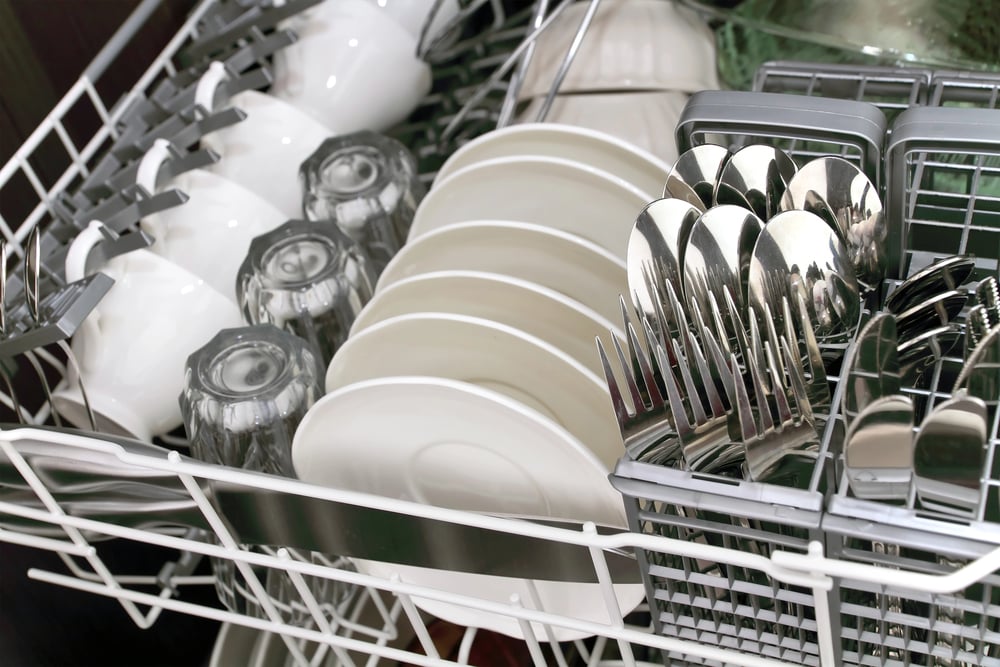
Josephine Cochran got tired of her servants chipping her fine china while washing dishes by hand. She designed a machine with wire compartments that would hold dishes securely while water sprayed over them.
Her invention debuted at the 1893 World’s Fair, though it took decades before electric dishwashers became common in American homes.
Electric Mixer
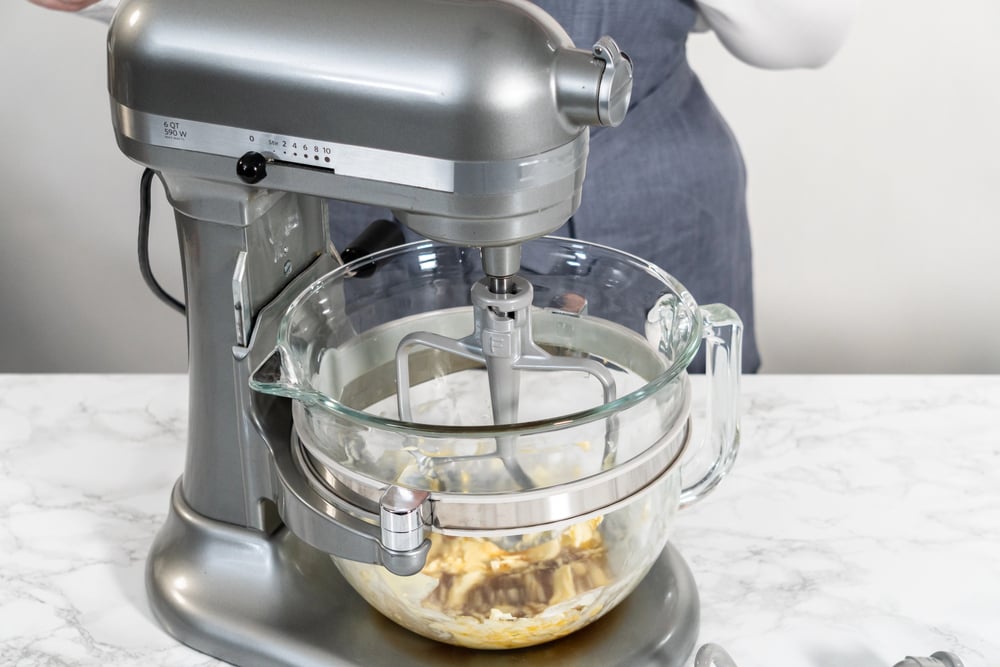
Herbert Johnson was watching a baker mix bread dough with a metal spoon when he realized there had to be a better way. He created a mechanical mixer with a planetary action that could handle heavy dough without the baker breaking a sweat.
The KitchenAid mixer became so reliable that the same basic design is still used in professional kitchens today.
Can Opener

Peter Durand invented the tin can in 1810, but somehow forgot to include instructions on how to open it. For nearly 50 years, people used hammers, chisels, and even bayonets to get into their canned food.
Ezra Warner finally patented the first can opener in 1858, though it looked more like a medieval weapon than a kitchen tool.
Pressure Cooker

Denis Papin was experimenting with steam pressure when he accidentally discovered that high pressure could cook food much faster than traditional methods. His 1679 ‘steam digester’ could turn tough meat tender in minutes rather than hours.
The concept was so ahead of its time that pressure cookers didn’t become popular until World War II rationing made fast cooking essential.
Food Processor
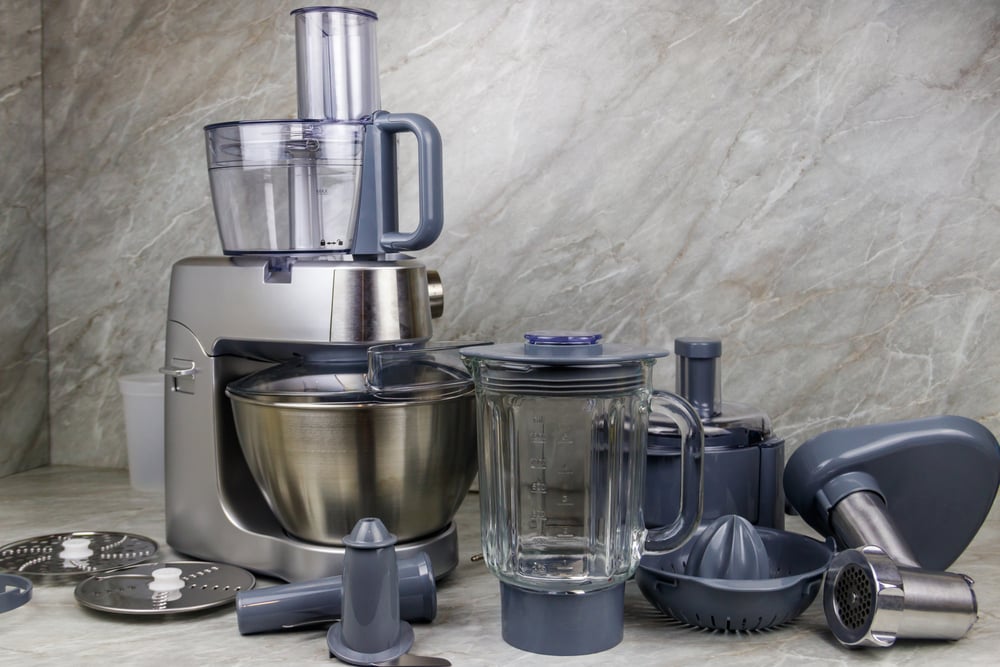
Pierre Verdon was trying to make restaurant food preparation faster when he created a machine that could chop, slice, and puree ingredients in seconds. His Robot-Coupe was originally designed for commercial kitchens, but home cooks demanded a smaller version.
The Cuisinart food processor brought professional-level food prep to everyday kitchens in the 1970s.
Post-it Notes

Spencer Silver was trying to develop a super-strong adhesive for 3M when he accidentally created something that barely stuck at all. His colleague Art Fry later used this ‘failed’ adhesive to create removable bookmarks for his church hymnal.
While not exactly a kitchen tool, these little sticky notes now cover every refrigerator in America with shopping lists and reminders.
Coffee Filter
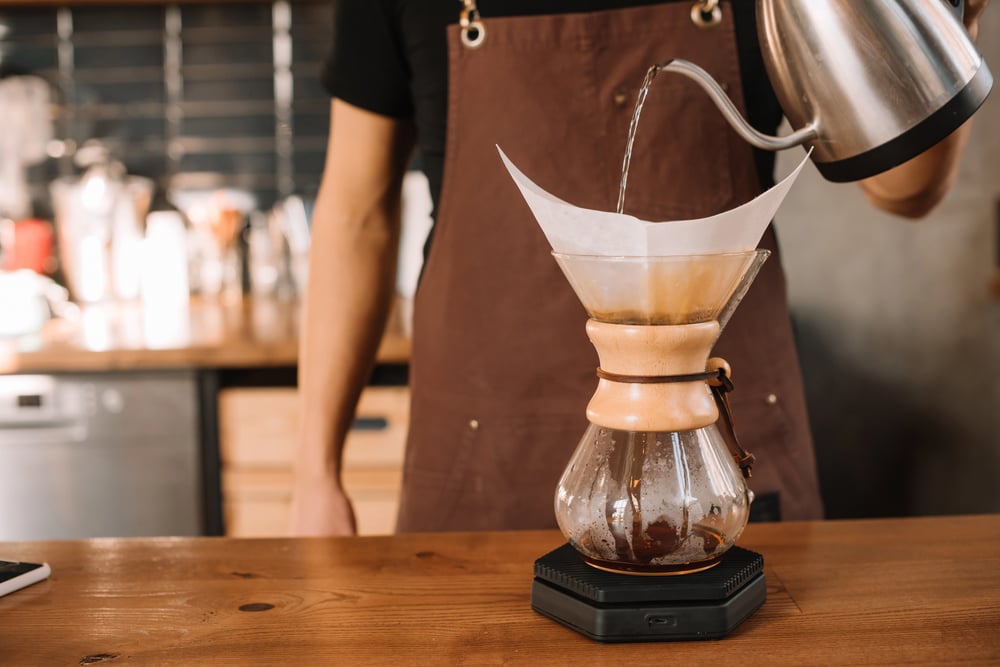
Melitta Bentz got fed up with coffee grounds ending up in her cup every morning. She poked a bunch of tiny perforations in a brass pot and lined it with blotting paper from her son’s school notebook.
This simple solution gave her clear, smooth coffee and launched a company that still bears her name today.
Velcro
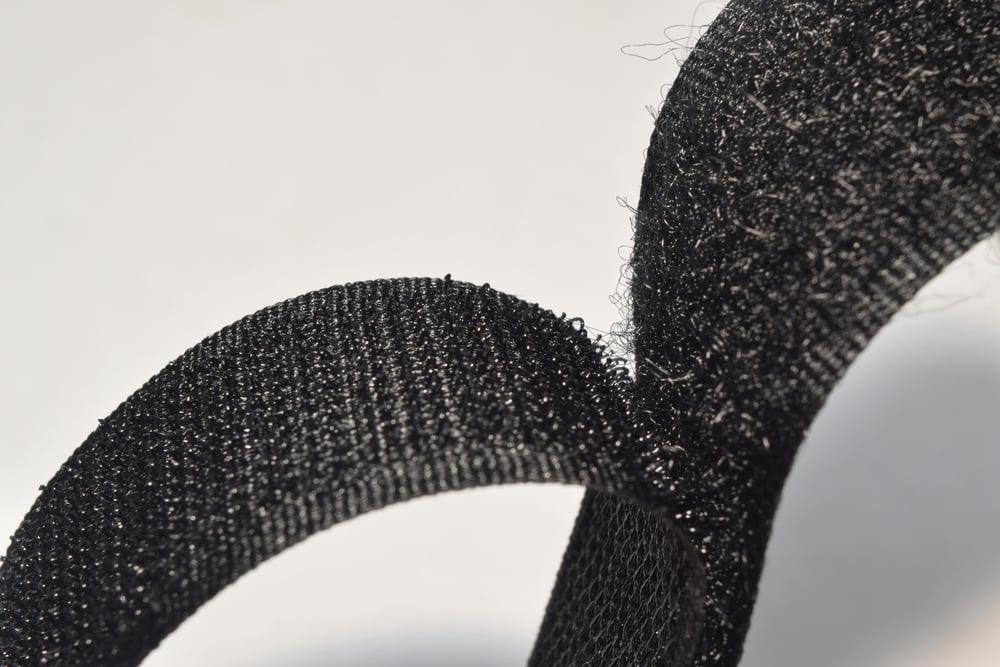
George de Mestral came home from a hiking trip covered in burr seeds that stuck to his clothes and his dog’s fur. Under a microscope, he discovered the seeds had tiny hooks that caught on fabric loops.
This observation led to the creation of Velcro, which eventually found its way onto everything from shoes to kitchen storage containers.
Slinky

Naval engineer Richard James was working on springs to stabilize sensitive ship equipment when he knocked one off his workbench. Instead of just falling, the spring ‘walked’ down a stack of books and onto the floor.
His wife Betty suggested it might make a good toy, leading to one of the most successful playthings ever created.
Super Glue
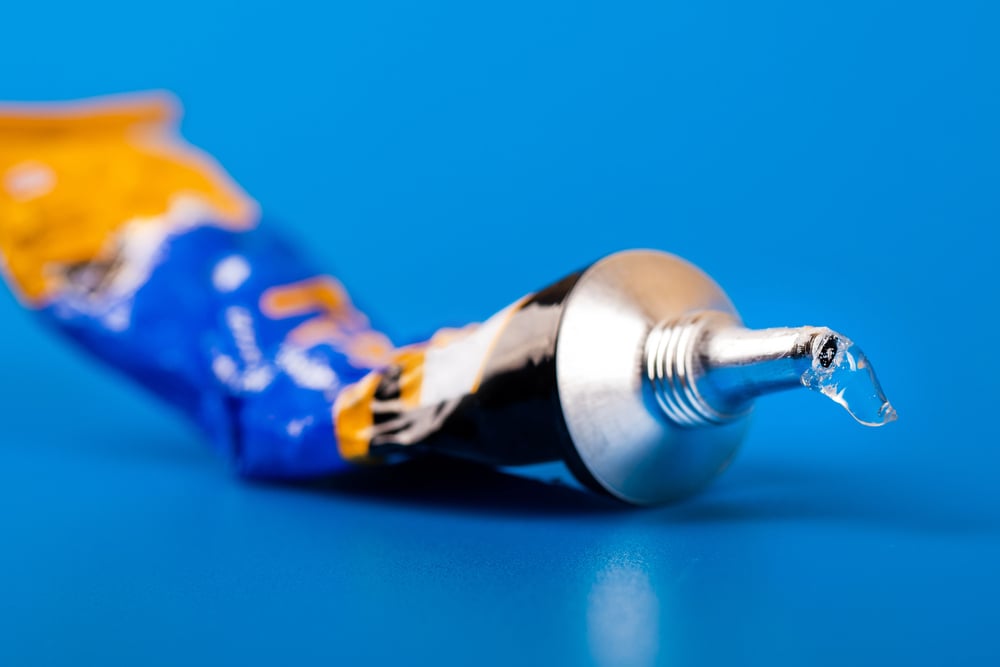
Harry Coover was trying to create clear plastic gun sights during World War II when he stumbled upon cyanoacrylate. The substance was too sticky for his original purpose, so he dismissed it as useless.
Years later, while working on a different project, Coover realized this ‘failed’ experiment could bond almost anything together instantly.
Play-Doh

Noah McVicker created a wallpaper cleaning compound for his family’s soap company, but the product wasn’t selling well. His sister-in-law, a nursery school teacher, discovered that children loved playing with the moldable substance.
The company rebranded its cleaning product as a children’s toy, and Play-Doh became a household staple.
Silly Putty
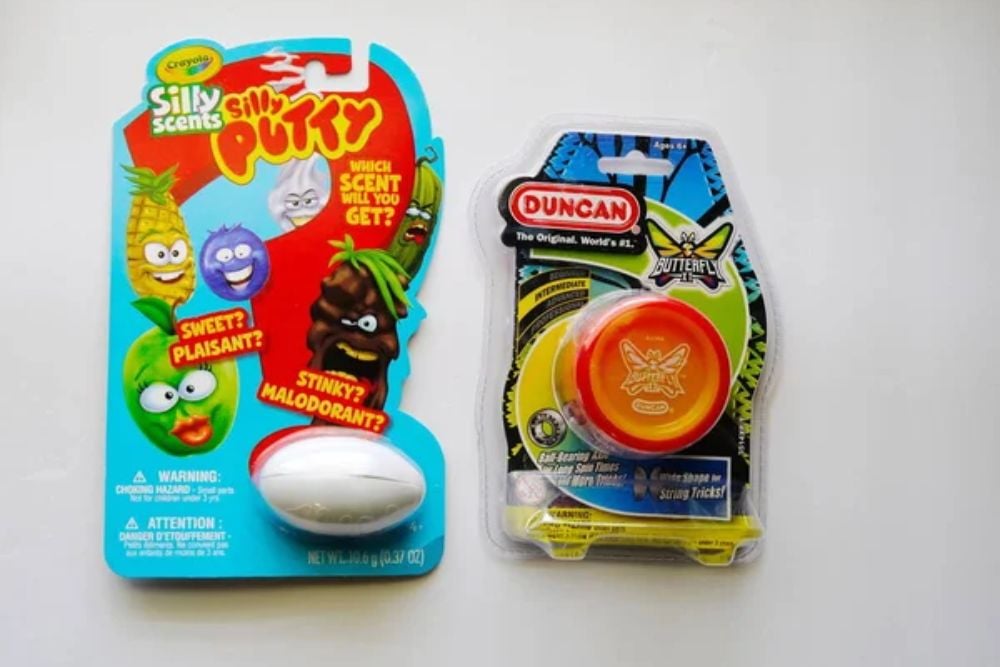
During World War II, scientists were desperately trying to create synthetic rubber when James Wright mixed boric acid with silicone oil. The resulting substance bounced, stretched, and copied newspaper print, but it wasn’t useful for tires or other wartime needs.
It sat in a laboratory drawer until a toy store owner realized kids would love playing with it.
Band-Aid
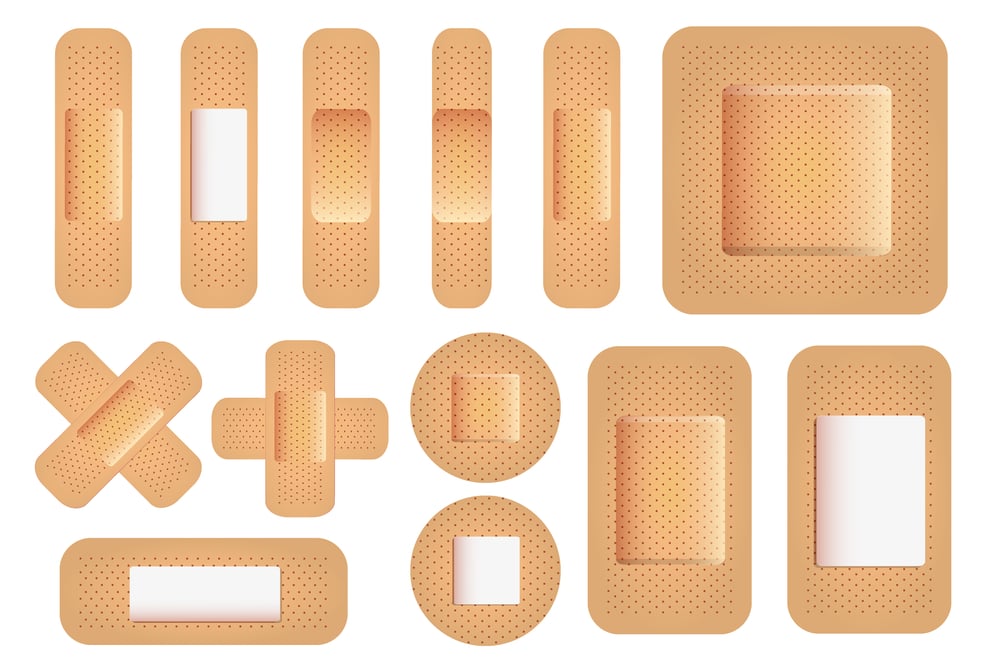
Earle Dickson worked for Johnson & Johnson and had a wife who frequently cut herself while cooking. Tired of applying gauze and tape to her minor wounds every day, he pre-made small bandages by sticking pieces of gauze to strips of tape.
His company saw the potential and turned his home remedy into one of the most recognizable medical products ever.
Bubble Wrap
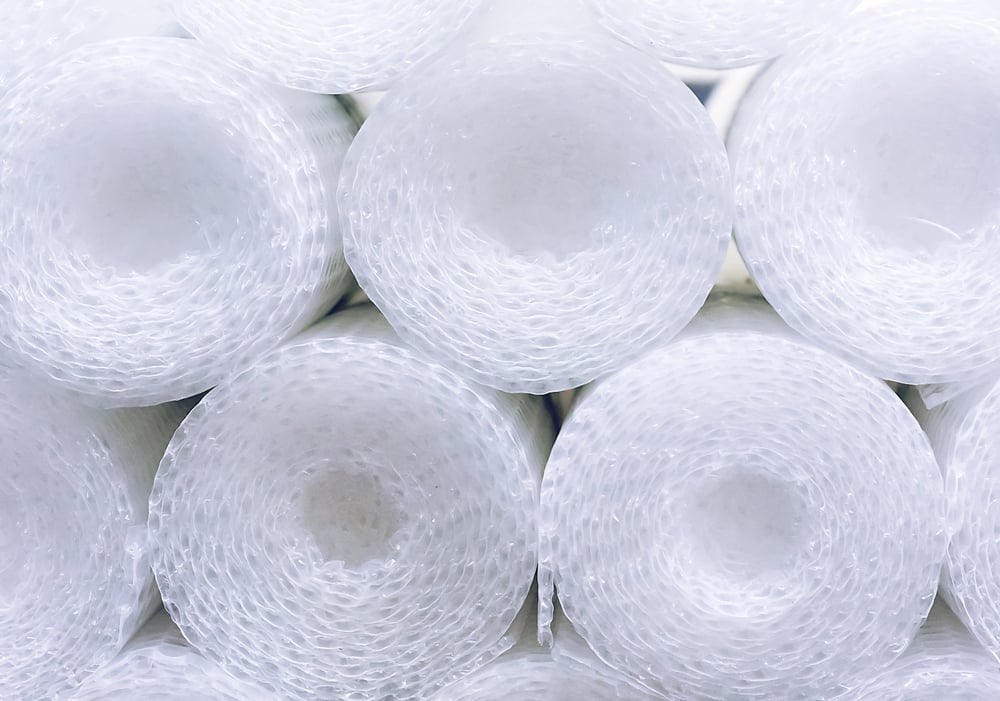
Alfred Fielding and Marc Chavannes were trying to create textured wallpaper by sealing two shower curtains together with air bubbles trapped between them. The wallpaper idea flopped completely, but they discovered their creation made excellent packaging material.
Those satisfying little bubbles now protect fragile items during shipping while providing endless entertainment.
Happy Accidents in Every Kitchen
These accidental inventions remind us that innovation often comes from the most unexpected places. A forgotten drink becomes a frozen treat, a frustrating customer complaint leads to America’s favorite snack, and a failed adhesive ends up on every office worker’s desk.
The next time something goes wrong in your kitchen, take a closer look—you might be holding the next big thing. Sometimes the best discoveries happen when we’re brave enough to see opportunity in our mistakes.
More from Go2Tutors!

- The Romanov Crown Jewels and Their Tragic Fate
- 13 Historical Mysteries That Science Still Can’t Solve
- Famous Hoaxes That Fooled the World for Years
- 15 Child Stars with Tragic Adult Lives
- 16 Famous Jewelry Pieces in History
Like Go2Tutors’s content? Follow us on MSN.