Foods That Once Looked Nothing Like Today’s
It’s tempting to think the fruits and vegetables in today’s supermarkets have always looked this way. Perfect peaches, shiny cucumbers, plump watermelons — they seem eternal. Yet history tells another story. Early versions were small, fibrous, sometimes bitter, and often unrecognizable. Here’s a list of foods whose past appearances would surprise anyone expecting their modern forms.
Watermelon

Ancient paintings reveal watermelons that looked starkly different — pale interiors, tough rinds, and seeds filling nearly every inch. Hardly the sweet red slabs found at summer picnics today. Over centuries, careful selection brought more sugar and richer color, turning it into the fruit most people now picture when hearing the name.
Banana
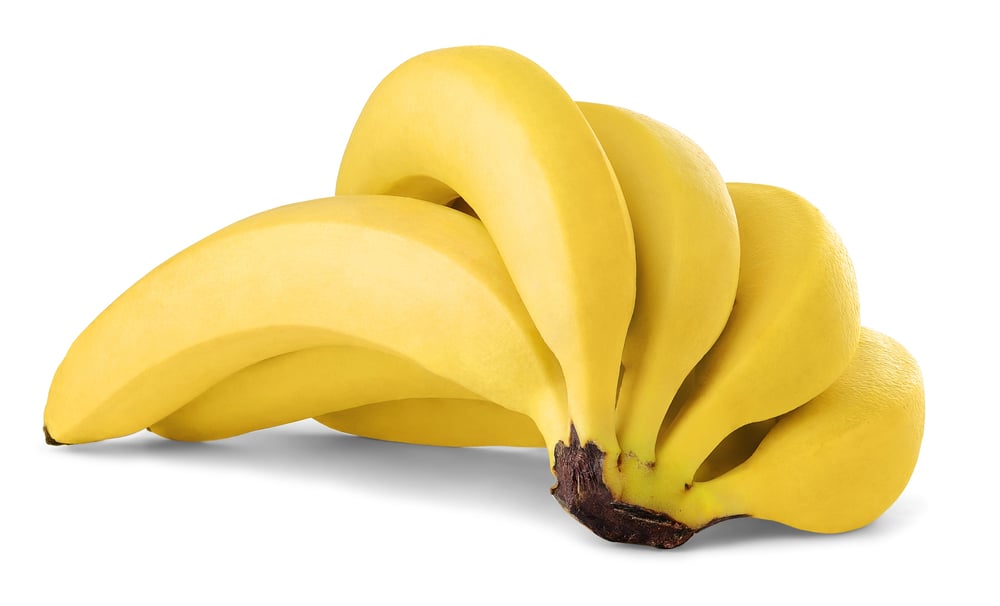
Early bananas weren’t the smooth, seedless snacks sold in neat bunches. They were squat fruits packed with large black seeds — each bite interrupted by crunch. Edible, yes, but inconvenient. Over time, farmers bred them into today’s soft, creamy variety, designed for quick peeling and easy eating.
Carrot

Carrots weren’t originally orange. For hundreds of years, they grew in hues of purple, yellow, and white — often fibrous roots that required effort to chew. Dutch growers deliberately cultivated orange types for flavor and consistency. That version caught on, while the older colors now seem exotic, even though they came first.
Corn

Wild corn, or teosinte, looked almost nothing like today’s golden ears. It bore a few tiny kernels encased in rock-hard shells and resembled grass more than food. Little by little, humans selected for larger, softer kernels. The familiar corn at barbecues is the result of centuries of reshaping one stubborn plant.
Eggplant
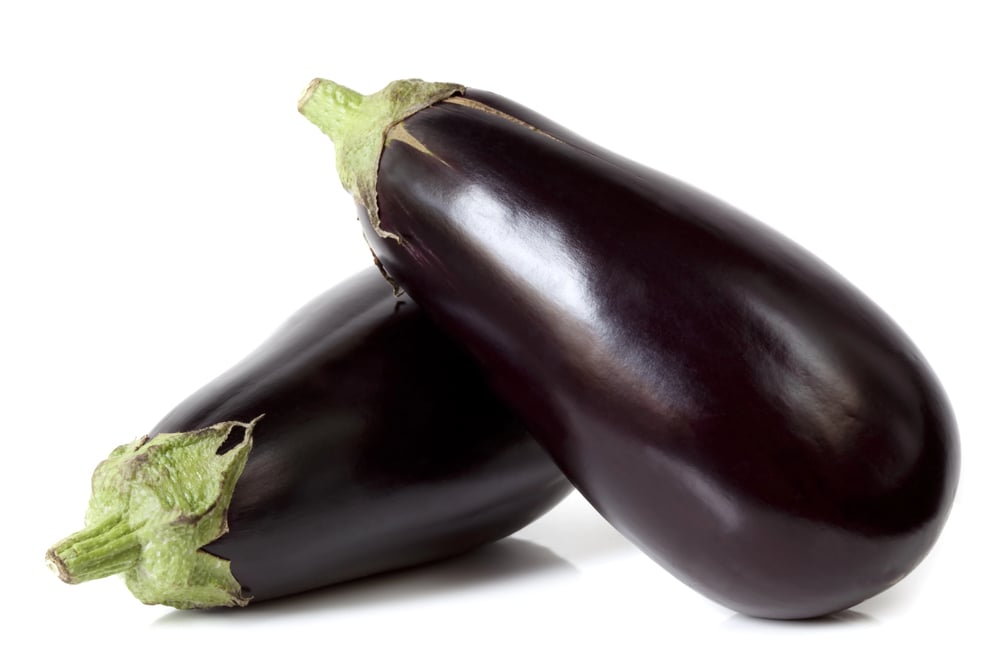
The original eggplants were small, round, and pale — often white or yellow. Some even grew with spines on their stems and leaves. The glossy purple giants filling kitchens now are much newer. And the name “eggplant” lingers, a nod to those first egg-like varieties.
Cucumber
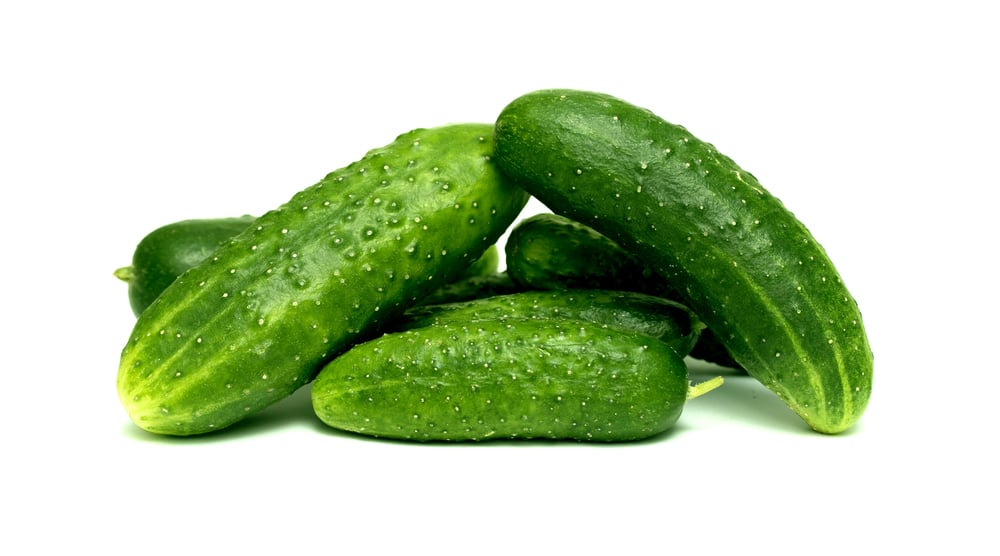
The cucumber’s ancestor was spiny, tough, and so bitter it was nearly inedible. Farmers gradually reduced its sharpness — mellowing flavor and softening skin. Today’s cucumbers are sleek, mild, and often unnervingly uniform. They almost look as though they’ve rolled straight off an assembly line.
Peach
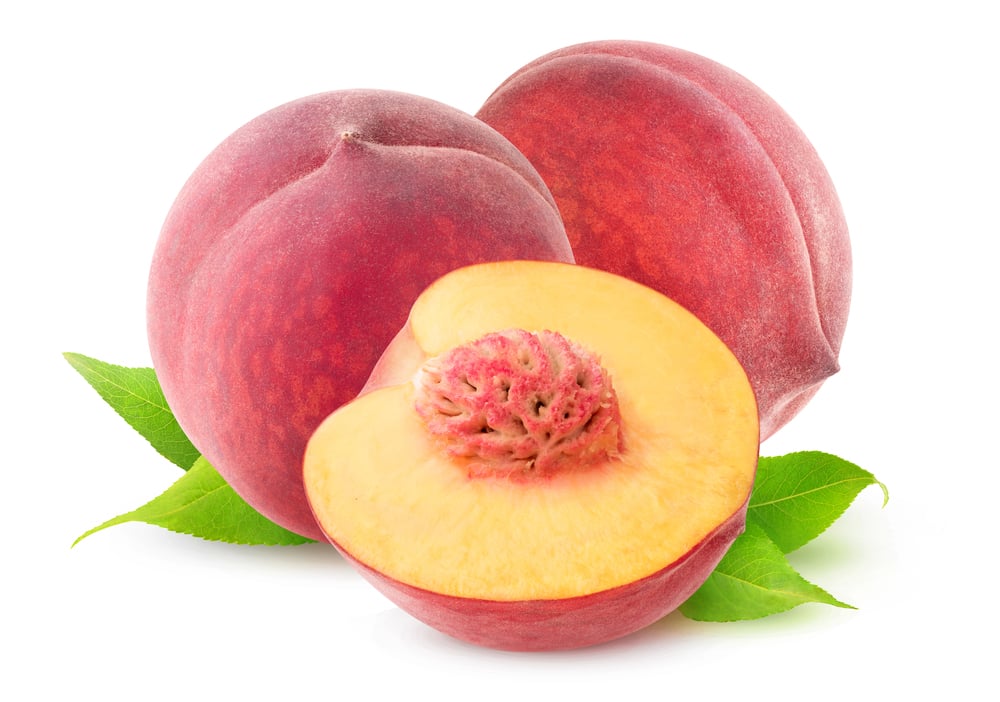
The peach of antiquity resembled a cherry, small with thick skin and a sharp taste. After generations of cultivation, it swelled in size and became soft and sweet. A modern peach bursts with juice at the first bite — sometimes too much, dripping down the wrist. Its ancestor? Dry, sour, and unimpressive.
Tomato
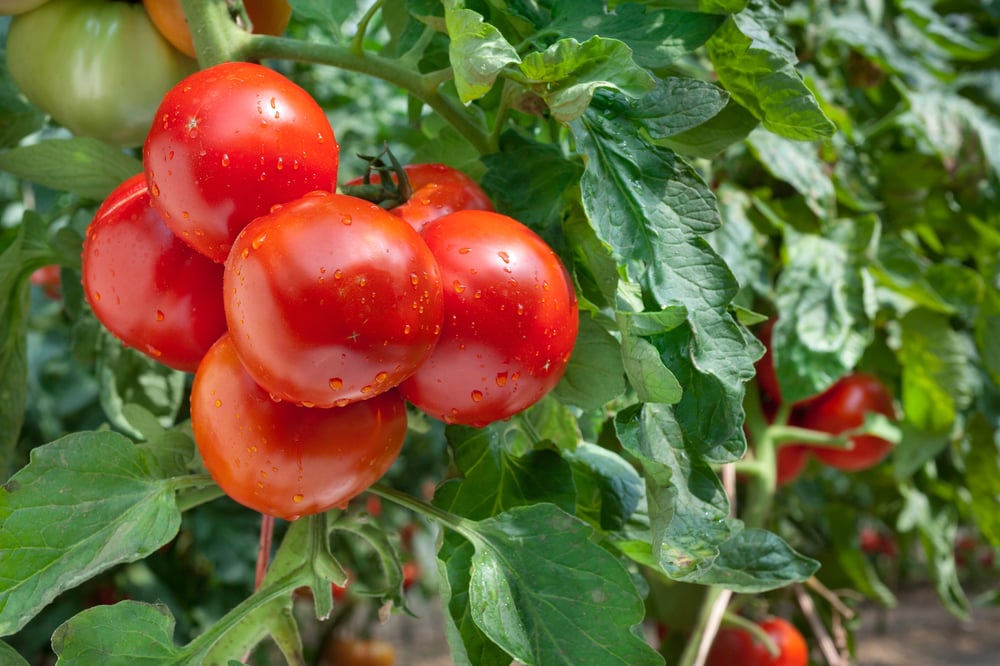
Wild tomatoes were berry-sized, often green or yellow, and had a clean edge. Not exactly the glossy red globes filling grocery baskets today. Selective breeding boosted their size and sweetness. Even so, heirloom tomatoes — with their odd shapes and rainbow colors — still whisper of that wilder past.
Cabbage
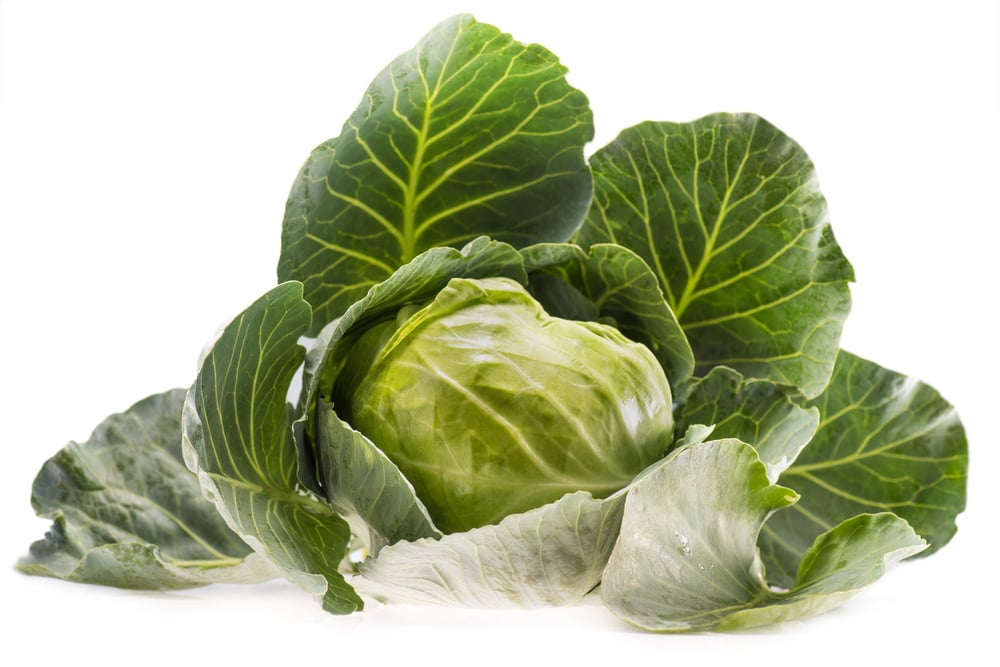
Once, cabbage didn’t form neat, compact heads. It sprawled as loose, rough leaves. Through long cultivation, it was reshaped into today’s tidy bundles. And the story doesn’t end there: kale, broccoli, Brussels sprouts, and cauliflower all share that same ancestor. One plant branching into many familiar forms.
Avocado
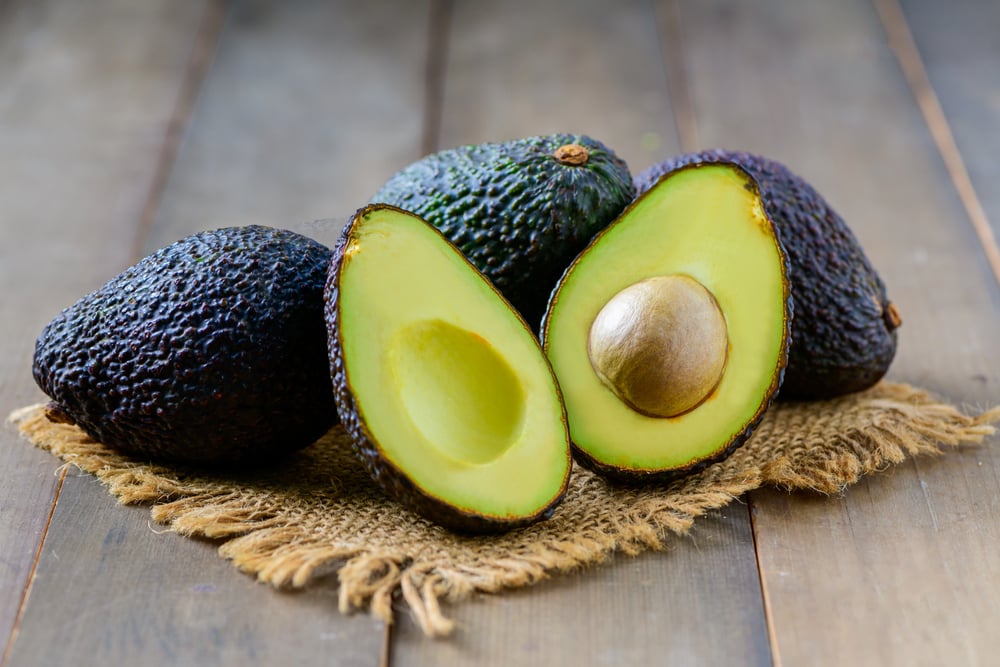
Wild avocados offered little to eat. They carried enormous pits that took up nearly the entire fruit, leaving only thin layers of flesh. Farmers bred them for more pulp, creating the creamy interiors now central to guacamole, sushi rolls, and yes — the famous avocado toast.
Where Flavor Meets History

Modern produce hides centuries of human influence. From pale, seed-packed watermelons to cherry-sized peaches, foods once looked nothing like they do today. Every bite of the fruits and vegetables considered ordinary now carries a story of transformation, trial, and persistence.
More from Go2Tutors!

- The Romanov Crown Jewels and Their Tragic Fate
- 13 Historical Mysteries That Science Still Can’t Solve
- Famous Hoaxes That Fooled the World for Years
- 15 Child Stars with Tragic Adult Lives
- 16 Famous Jewelry Pieces in History
Like Go2Tutors’s content? Follow us on MSN.