16 Largest Diamonds Ever Discovered
Diamonds have mesmerized people for centuries, symbolizing everything from eternal love to incredible wealth. These precious stones form deep within the Earth under extreme pressure and heat, requiring millions of years to develop their brilliant crystalline structure. Most diamonds are relatively small, though some exceptional specimens have emerged from the depths that absolutely dwarf typical gemstones.
Throughout history, miners and prospectors have unearthed massive diamonds that completely redefined what we thought possible from nature’s underground workshops. Here is a list of 16 of the largest diamonds ever discovered, each carrying its own remarkable story of discovery and destiny.
The Cullinan Diamond

The Cullinan Diamond remains the largest gem-quality diamond ever found — weighing an astounding 3,106 carats when discovered in South Africa’s Premier Mine in 1905. This massive crystal was roughly the size of a human fist, yet it showed exceptional clarity despite its enormous proportions. The diamond was eventually cut into nine major stones and 96 smaller gems, with the largest pieces now forming part of the British Crown Jewels.
The Lesedi La Rona

Botswana’s Karowe Mine yielded the Lesedi La Rona in 2015 — a 1,109-carat rough diamond that became the second-largest gem-quality diamond ever recovered. The name means ‘our light’ in the local Tswana language, reflecting the immense pride this discovery brought to the nation. Though it failed to sell at auction initially, the stone was eventually purchased by a British luxury jeweler for $53 million and cut into multiple smaller gems.
The Excelsior Diamond

South Africa’s Jagersfontein Mine produced the Excelsior Diamond in 1893, weighing 995 carats in its rough state. This blue-white diamond was notable for its exceptional quality and lack of significant flaws — making it highly valuable despite being slightly smaller than some other famous finds. The stone was eventually cut into 21 polished gems, with the largest weighing 69.68 carats.
The Star of Sierra Leone
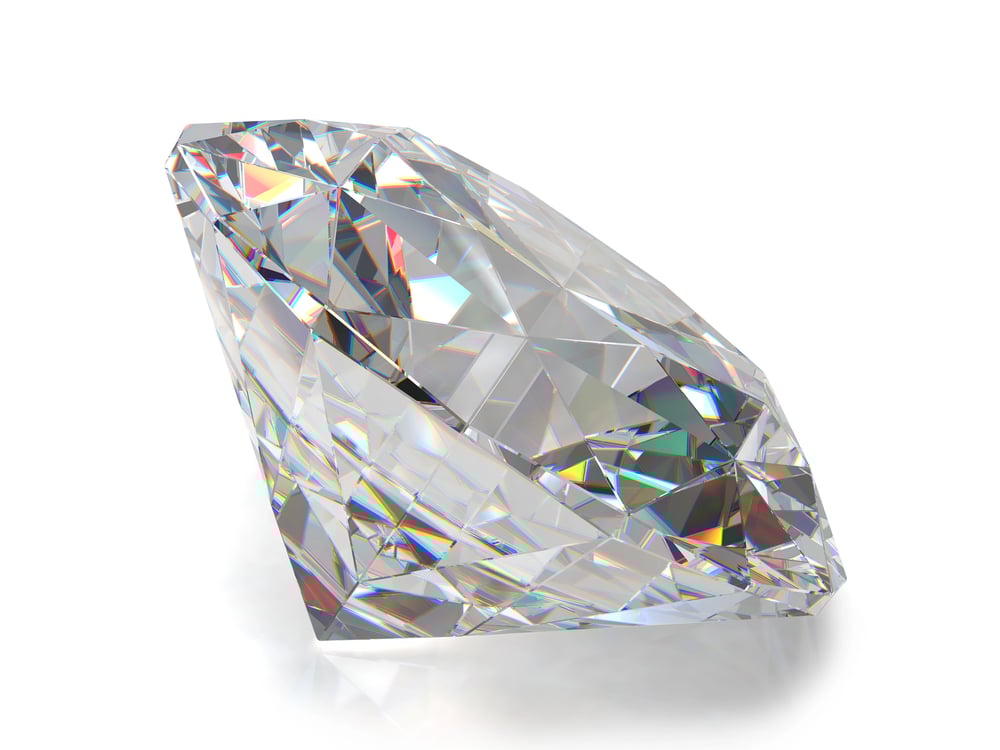
The Star of Sierra Leone emerged from alluvial deposits in 1972, weighing 968.9 carats and representing one of the largest diamonds ever found in West Africa. Local miners working in the diamond-rich gravels discovered this colorless diamond, which displayed remarkable clarity. The stone was cut into 17 gems — with the largest finished diamond weighing 53.96 carats and earning recognition for its exceptional brilliance.
The Incomparable Diamond

Originally weighing 890 carats when discovered in the Democratic Republic of Congo in the 1980s, the Incomparable Diamond lived up to its name with extraordinary golden-brown coloration. A young girl initially found this massive rough diamond in a pile of mining rubble — not recognizing its incredible value. After cutting, the largest polished stone weighed 407.48 carats, making it one of the world’s largest cut diamonds.
The Great Mogul Diamond
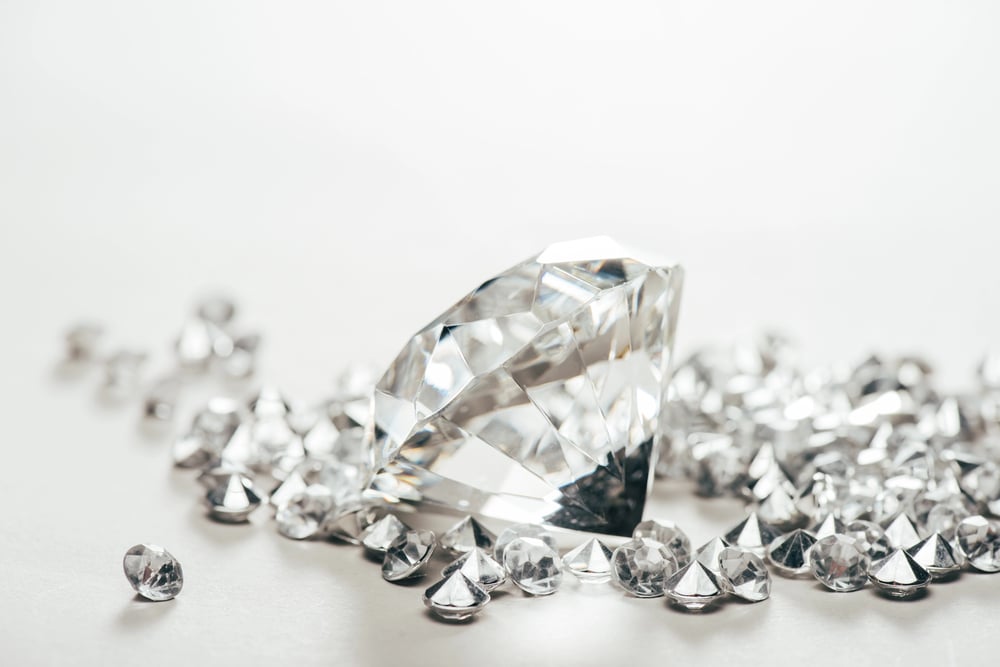
The Great Mogul Diamond, discovered in India’s Kollur Mine around 1650, weighed approximately 787 carats in its rough form. This historic diamond was presented to Shah Jahan — the Mughal emperor who commissioned the Taj Mahal — and was cut by a Venetian lapidary into a 280-carat rose-cut stone. The diamond mysteriously disappeared in the 18th century, though many gemologists believe it may have been recut into the famous Orlov Diamond.
The Woyie River Diamond

Sierra Leone’s diamond fields produced another giant in 1945 when the Woyie River Diamond was discovered, weighing 770 carats. This exceptional stone was found in the country’s diamond-rich river gravels — representing one of the largest diamonds ever recovered from alluvial deposits. The diamond was eventually cut into 30 smaller gems, contributing significantly to Sierra Leone’s reputation as a major diamond-producing nation.
The Golden Jubilee Diamond

Thailand’s gem cutters transformed a 755-carat rough diamond from South Africa’s Premier Mine into the Golden Jubilee Diamond — currently the largest faceted diamond in the world at 545.67 carats. The cutting process took several years, requiring innovative techniques to handle such a massive stone while maintaining its structural integrity. King Bhumibol of Thailand received this golden-brown diamond as a gift, and it now resides in the Royal Palace in Bangkok.
The Vargas Diamond

Brazil’s Minas Gerais region yielded the Vargas Diamond in 1938, weighing 726.6 carats and representing one of South America’s most significant diamond discoveries. This octahedral crystal showed exceptional clarity — named after Brazil’s president at the time, Getúlio Vargas. The diamond was eventually cut into 23 polished gems, with the largest weighing 48.26 carats.
The Jonker Diamond

South Africa’s Elandsfontein Mine produced the Jonker Diamond in 1934, weighing 726 carats and notable for its exceptional blue-white color plus remarkable clarity. The diamond was discovered by Jacobus Jonker — a local prospector who sold it to diamond merchant Harry Winston for a substantial sum. Winston had the stone cut into 12 gems, with the largest weighing 125.35 carats and becoming known as the Jonker I.
The Reitz Diamond
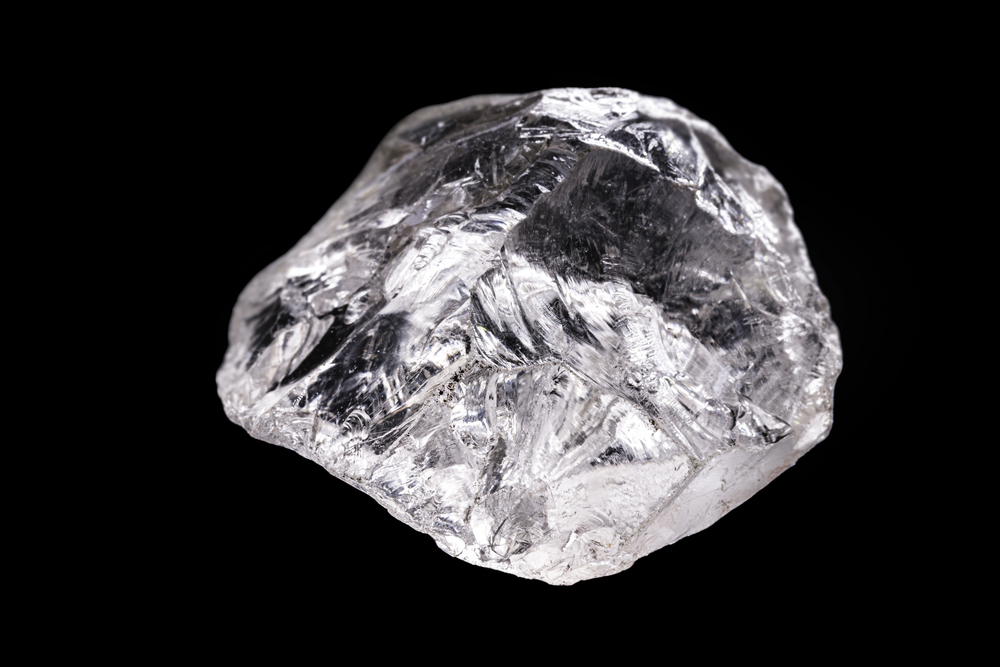
The Reitz Diamond, discovered in South Africa’s Orange Free State in 1895, weighed 650 carats and showed exceptional quality despite some surface imperfections. This diamond was notable for its perfect octahedral crystal structure and remarkable transparency throughout most of its mass. The stone was eventually cut into several smaller gems, though detailed records of its final disposition remain somewhat unclear.
The Jubilee Diamond
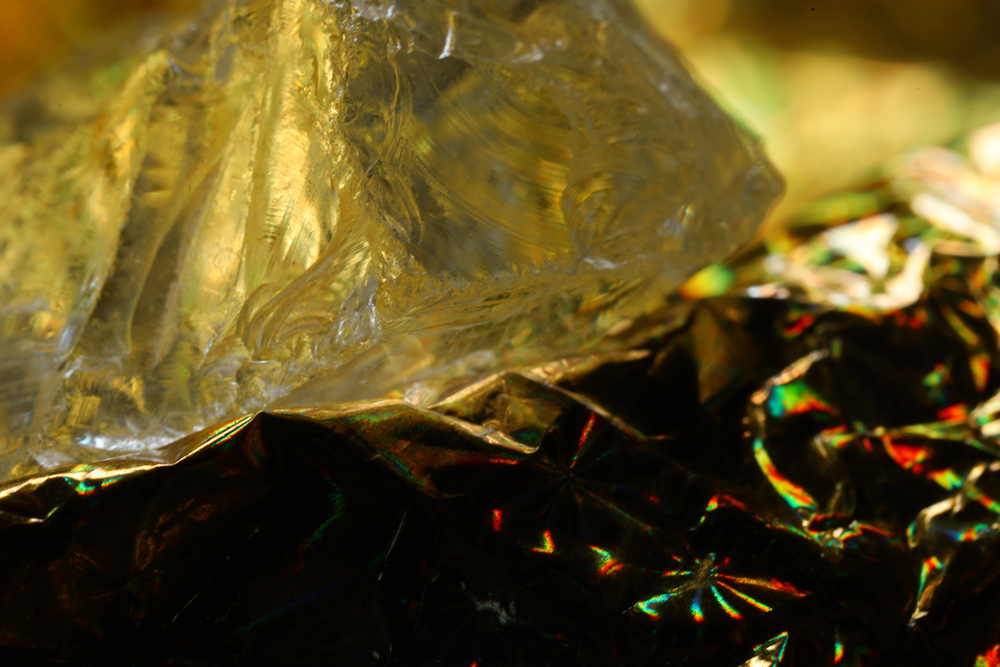
Originally called the Reitz Diamond before being renamed, the Jubilee Diamond weighed 650.8 carats when discovered in South Africa’s Jagersfontein Mine in 1895. This colorless diamond celebrated Queen Victoria’s Diamond Jubilee and was cut into a 245.35-carat cushion-shaped gem. The polished stone became famous for its exceptional brilliance and perfect proportions, representing one of the finest examples of diamond cutting from the Victorian era.
The Dupuis Diamond
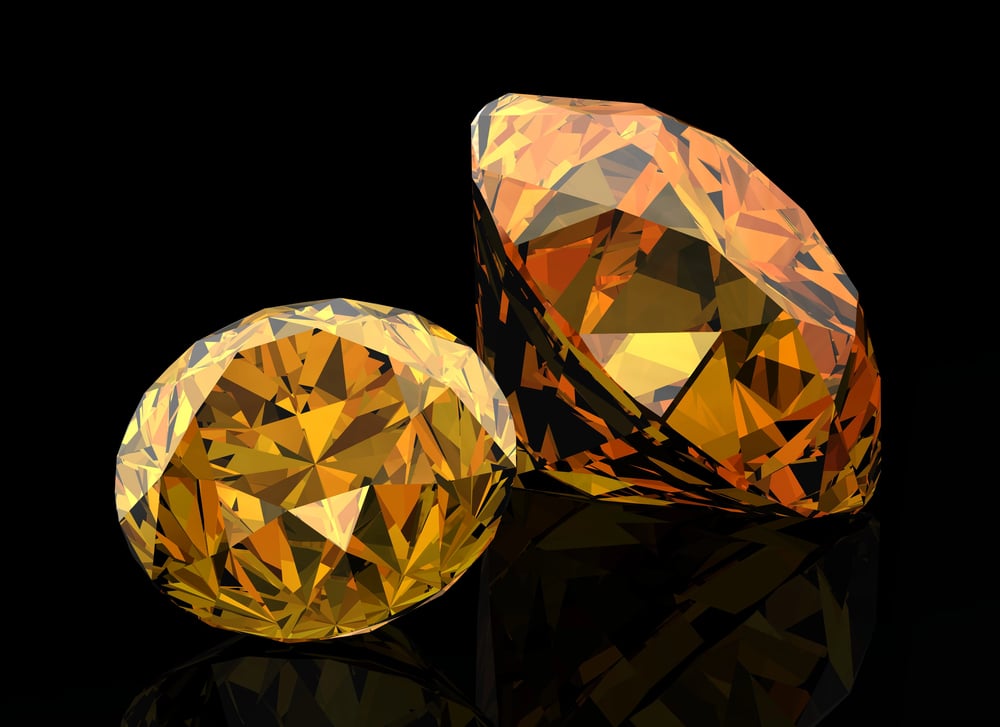
The Dupuis Diamond, found in South Africa’s Kimberley Mine in 1884, weighed 428 carats and represented one of the early major discoveries in the famous mining region. This pale yellow diamond showed excellent clarity, notable for its distinctive crystal formation. The stone was cut into multiple gems, though the exact details of its cutting and current whereabouts remain somewhat mysterious.
The Niarchos Diamond

Weighing 426.5 carats when discovered, the Niarchos Diamond was found in the Letseng Mine in Lesotho in 2006. This exceptional white diamond showed remarkable clarity and was purchased by Greek shipping magnate Stavros Niarchos for his collection. The stone was cut into a spectacular emerald-cut diamond weighing 56.84 carats, known for its exceptional fire and brilliance.
The De Beers Diamond

The De Beers Diamond, discovered in South Africa’s Kimberley Mine in 1888, weighed 428.5 carats and was named after the mining company that would later dominate the diamond industry. This pale yellow diamond showed exceptional clarity and perfect crystal formation, making it highly prized among collectors. The stone was eventually cut into a pear-shaped gem weighing 234.5 carats, representing one of the finest examples of 19th-century diamond cutting.
The Centenary Diamond

The Centenary Diamond was discovered in South Africa’s Premier Mine in 1986, weighing 599 carats in its rough state. This exceptional colorless diamond was notable for its complete lack of internal flaws and perfect crystal structure, making it incredibly rare among large diamonds. Master diamond cutter Gabi Tolkowsky spent three years carefully crafting the stone into a 273.85-carat modified heart-shaped brilliant, creating one of the most perfect large diamonds ever cut.
Nature’s Underground Treasures Continue to Amaze

These colossal diamonds represent more than just geological curiosities. They showcase the incredible forces that shape our planet over millions of years. Each discovery has contributed to our understanding of diamond formation while creating legends that span centuries and continents. From the depths of African mines to the river gravels of Sierra Leone, these giants continue to remind us that Earth still holds secrets waiting to be uncovered. The next record-breaking discovery might be happening right now, deep underground, waiting for the right moment to emerge and capture the world’s imagination once again.
More from Go2Tutors!

- 16 Historical Figures Who Were Nothing Like You Think
- 12 Things Sold in the 80s That Are Now Illegal
- 15 VHS Tapes That Could Be Worth Thousands
- 17 Historical “What Ifs” That Would Have Changed Everything
- 18 TV Shows That Vanished Without a Finale
Like Go2Tutors’s content? Follow us on MSN.



