15 Interesting Facts About Antarctica
Antarctica isn’t just cold—it’s extremely cold. But behind the freezing temperatures and endless ice, this frozen land is full of strange facts and surprises that most people have never heard about.
There are no cities, no trees, and no permanent residents. Yet it still manages to play a big role in how the world works.
It may seem far away, but what happens in Antarctica affects everyone. So let’s dig into some cool facts that make this icy continent way more interesting than it looks on the map.
It’s the coldest place on Earth
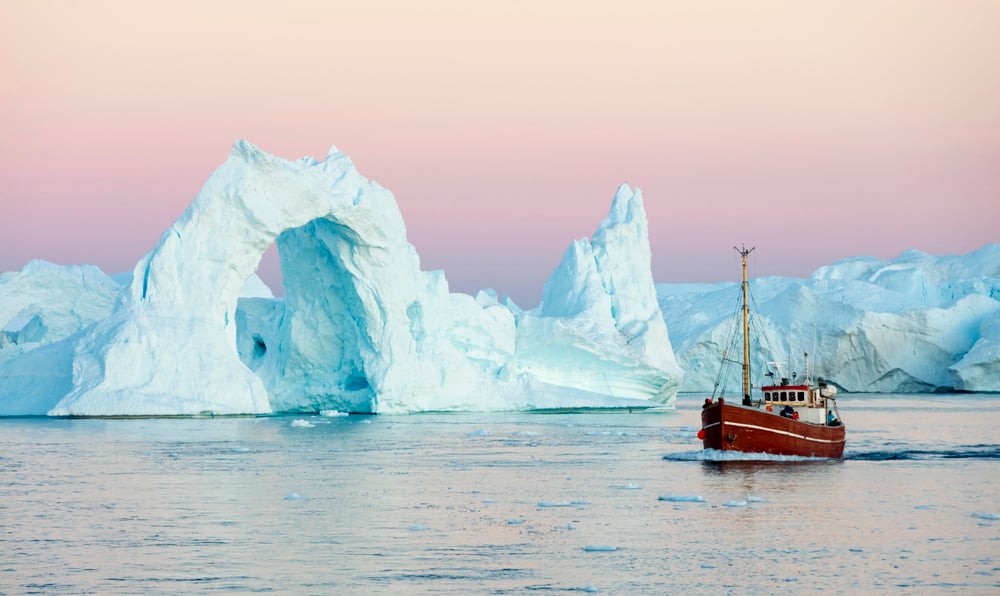
Temperatures in Antarctica can drop lower than anywhere else on the planet. The coldest temperature ever recorded there was minus 128.6 degrees Fahrenheit.
That’s colder than a freezer—way colder. Even during summer, large parts of the continent stay below zero. It’s one place where stepping outside without protection is truly dangerous.
It’s officially a desert
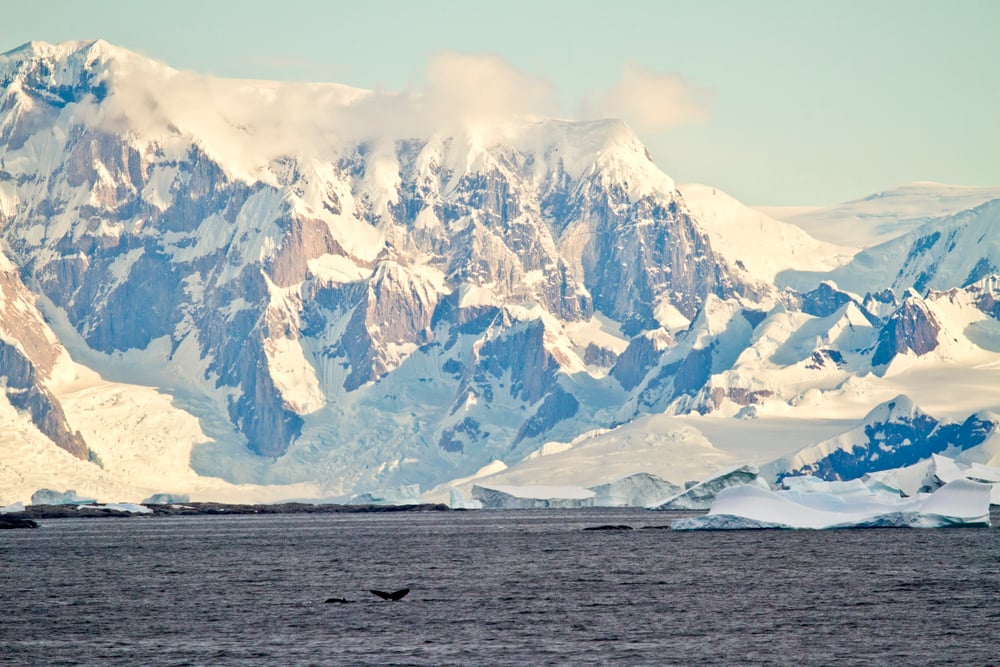
Antarctica gets less rain and snow than some hot deserts. In fact, it’s the driest continent on Earth.
Some parts haven’t seen rain or snow in over two million years. The cold air holds almost no moisture. So even though it looks white and snowy, it’s technically a desert.
Like Go2Tutors’s content? Follow us on MSN.
No country owns it

Unlike every other continent, Antarctica doesn’t belong to any nation. A treaty signed by many countries keeps it free from ownership, war, and business use.
It’s set aside just for peaceful research and cooperation. That makes it a rare example of global agreement. Scientists from around the world work there together.
The ice is miles thick
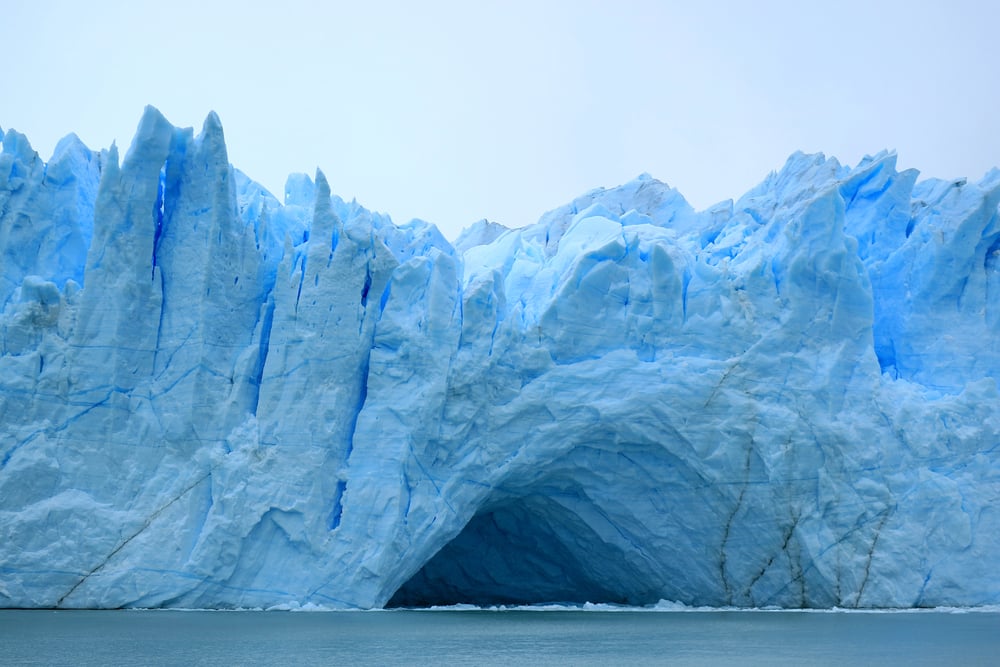
In some spots, the ice in Antarctica is more than two miles deep. That’s thicker than the height of many mountains.
All that frozen water makes up most of the world’s fresh water. If it ever melted completely, sea levels would rise enough to flood many coastal cities.
There’s no sunset for months
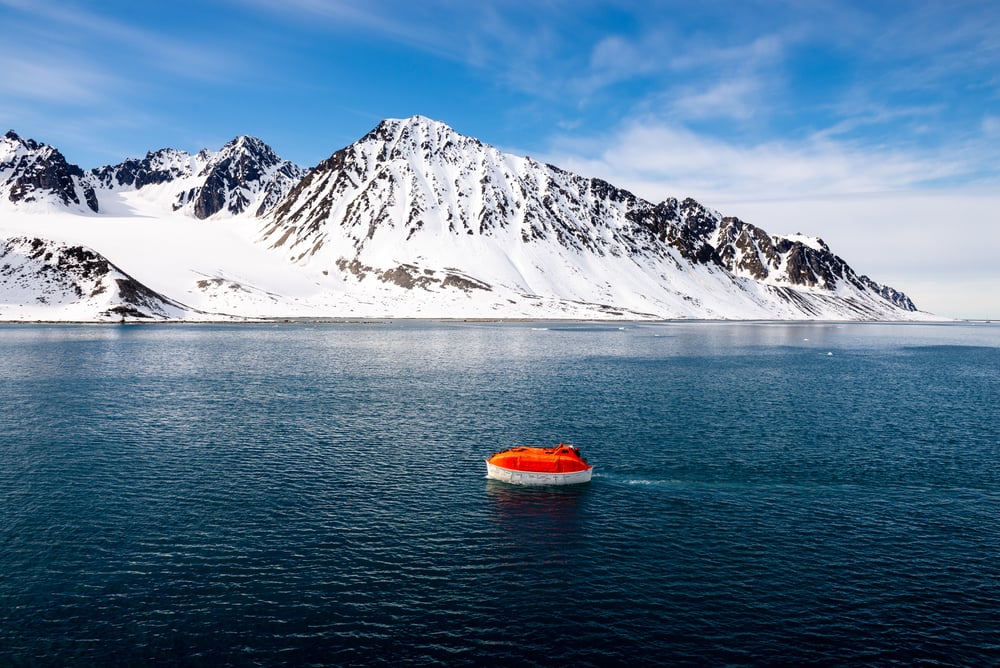
During summer, the sun doesn’t go down for weeks or even months. It just circles in the sky.
In winter, the opposite happens—it stays dark the entire time. These long days and nights can be hard for people to get used to. Some bring special lamps to help with sleep and mood.
Like Go2Tutors’s content? Follow us on MSN.
Penguins live there year-round

Antarctica is home to several penguin species, including the famous emperor penguin. These birds can survive the extreme cold thanks to thick feathers and group huddling.
They slide across the ice on their bellies and dive into freezing waters with ease. Watching them is one of the highlights for visiting scientists.
It has hidden volcanoes

Beneath all that ice, there are volcanoes. Some are still active, including Mount Erebus, which has a lava lake inside.
It’s one of the few volcanoes on Earth that constantly has lava. Eruptions there don’t look like the ones in movies—they’re slow but powerful. And yes, they can melt the ice around them.
Winds there are brutal

Antarctica has some of the strongest winds on Earth. They can blow faster than 200 miles per hour.
These winds make the cold feel even worse and can move snow in giant waves. The fierce gusts are called katabatic winds, and they blow downhill from the high interior of the continent.
Like Go2Tutors’s content? Follow us on MSN.
Life grows in strange places
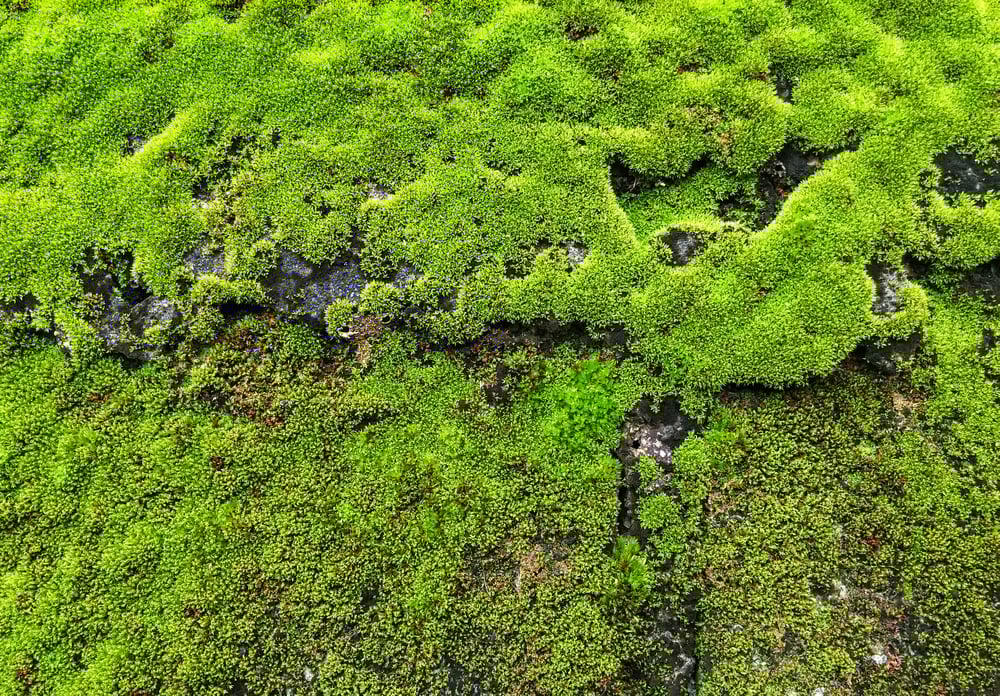
Despite the ice and cold, life finds a way. Tiny plants like moss and lichen grow on rocks in warmer coastal spots.
Some algae even live inside the snow. These small plants are a food source for tiny animals. It’s not a jungle—but it’s not completely lifeless either.
No cities, just science stations
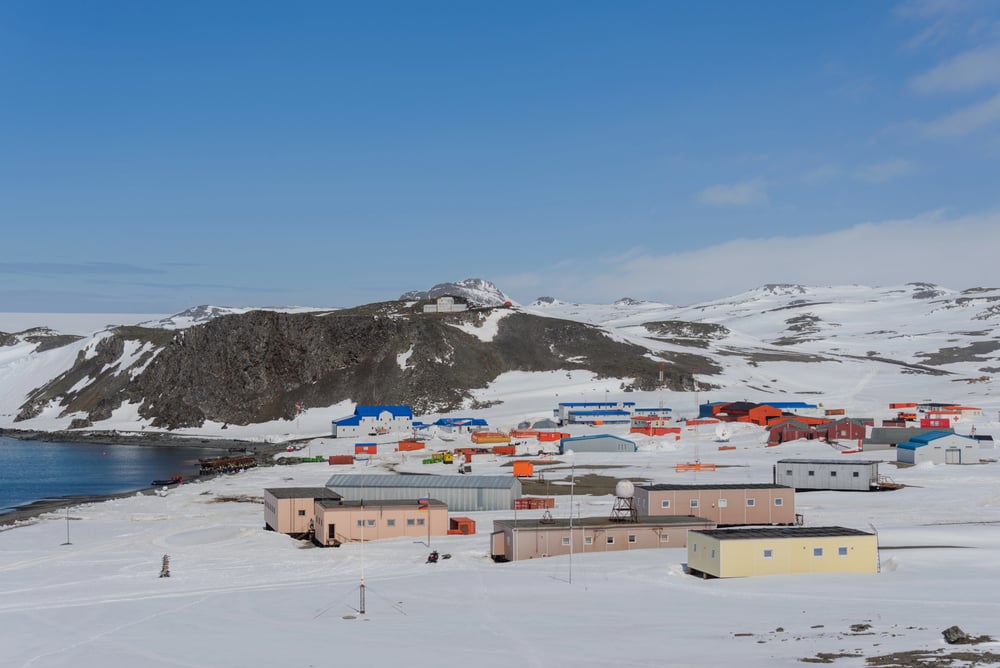
No one lives in Antarctica full-time. Instead, researchers stay at science stations during parts of the year.
Some of these stations look like small villages, complete with kitchens and gyms. Supplies arrive by ship or plane. And when winter comes, most people leave.
There’s a lake under the ice
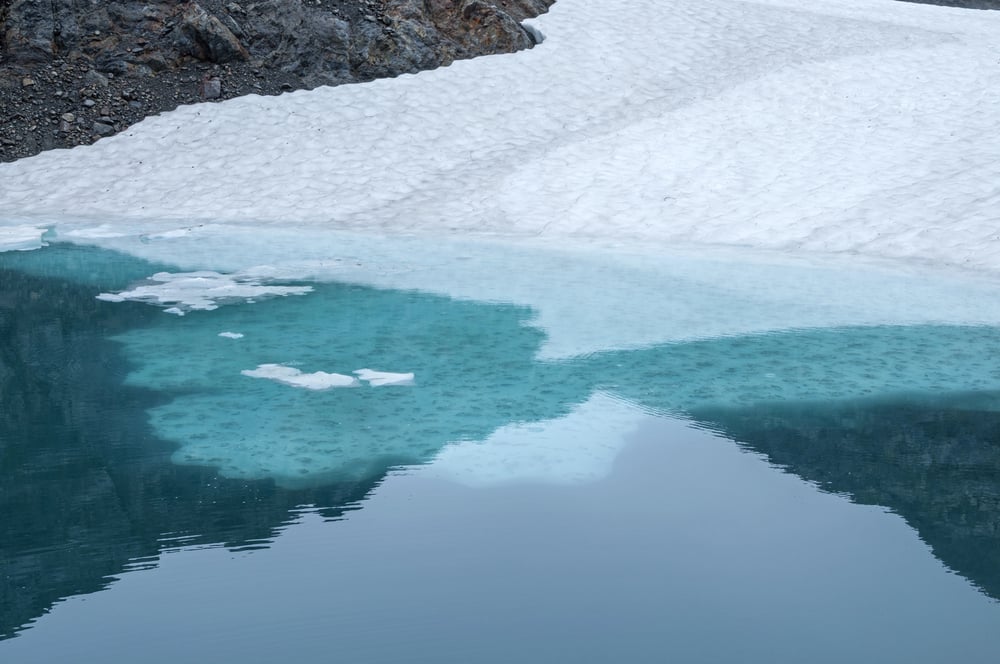
Lake Vostok is buried under more than two miles of ice. It’s one of the largest lakes on Earth, but it hasn’t seen sunlight in millions of years.
Scientists think it may hold unknown forms of life. They’ve drilled into it very carefully to avoid contamination. It’s like a time capsule from another age.
Like Go2Tutors’s content? Follow us on MSN.
It’s shrinking

Parts of Antarctica are losing ice faster than before. Warmer ocean water is melting the edges from below.
This contributes to rising sea levels. Scientists keep close watch on the ice shelves because small changes there can mean big changes for the rest of the world.
Meteorites land here often
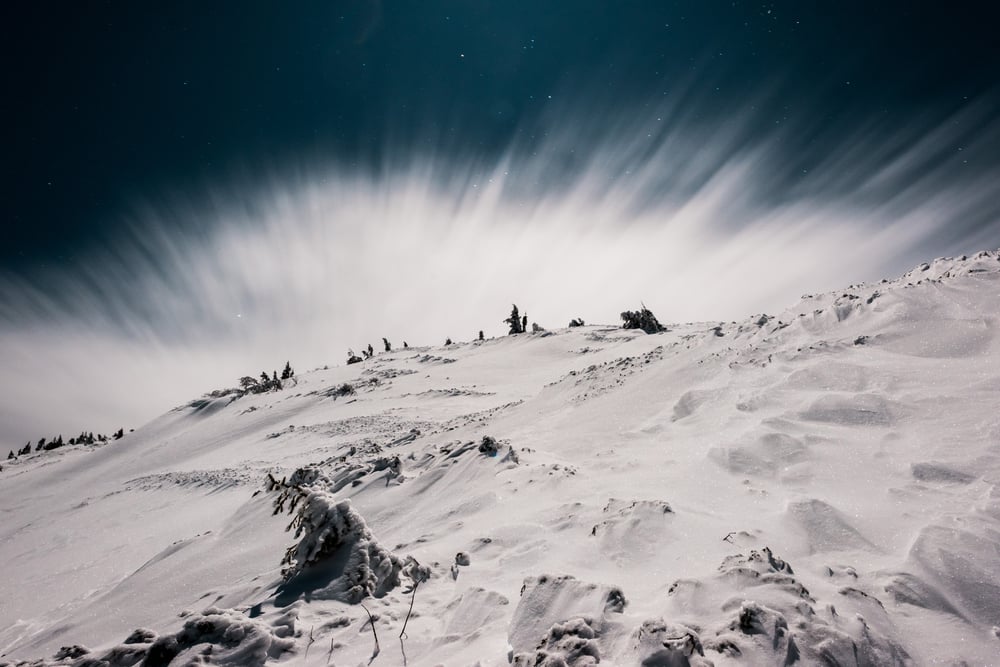
Antarctica is one of the best places on Earth to find meteorites. The dark space rocks stand out against the white snow and ice.
The cold helps keep them well-preserved. Some have even come from the moon or Mars. Researchers go out every year to collect them.
It used to be green

Millions of years ago, Antarctica was not frozen. Fossils show that it once had forests, rivers, and even dinosaurs.
Over time, the continent drifted south and the climate changed. Now, it’s completely different. But those fossils are a reminder of just how much Earth can change.
Like Go2Tutors’s content? Follow us on MSN.
Strange sea life lives nearby

The waters around Antarctica are full of unusual creatures. Some have see-through bodies, others glow in the dark.
Giant jellyfish, toothy fish, and spiky sea stars all live in the icy seas. Many of them can’t be found anywhere else. These animals survive where most others couldn’t.
Why Antarctica still matters

Even though few people ever go there, Antarctica plays a big role in life around the world. Its ice affects sea levels, its winds influence weather, and its wildlife shows how strong nature can be.
What’s frozen today could shape the future. That’s why scientists keep studying it and why it’s worth paying attention to. Antarctica may be far away, but it’s part of everyone’s story.
More from Go2Tutors!

- 16 Historical Figures Who Were Nothing Like You Think
- 12 Things Sold in the 80s That Are Now Illegal
- 15 VHS Tapes That Could Be Worth Thousands
- 17 Historical “What Ifs” That Would Have Changed Everything
- 18 TV Shows That Vanished Without a Finale
Like Go2Tutors’s content? Follow us on MSN.