16 Learning Methods Before Calculators Existed
Math looked completely different before calculators became common. Students had to actually understand numbers and develop mental agility that today’s learners rarely experience.
These weren’t just alternative methods—they were mental workouts that built mathematical intuition and problem-solving skills that lasted a lifetime. Teachers back then knew that struggling through calculations by hand created deeper understanding than pressing buttons ever could.
Here is a list of 16 learning methods that helped students master math before calculators existed.
Slide Rules
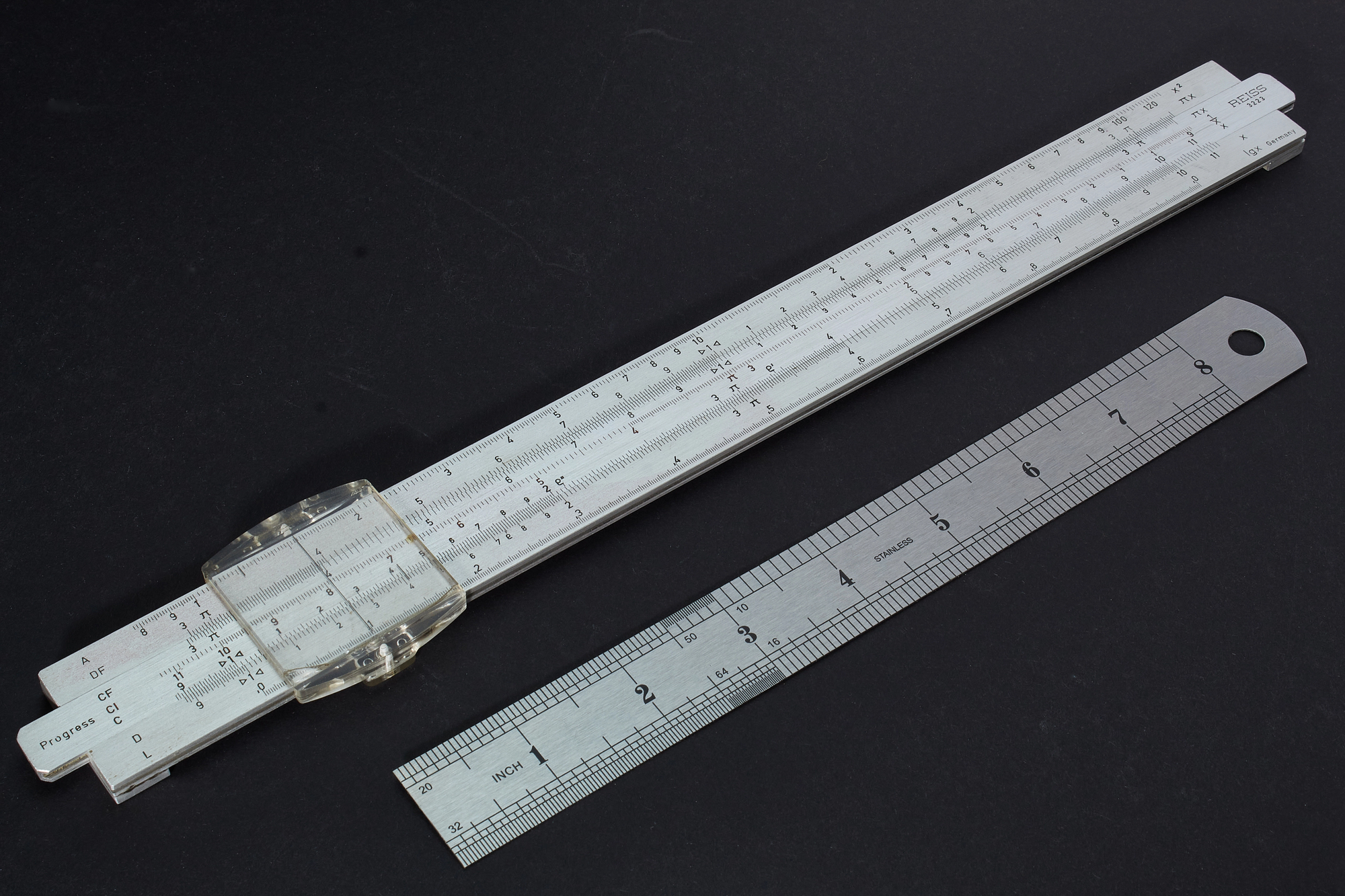
These precision instruments taught logarithms and proportional thinking in ways that made complex calculations manageable. Students learned to estimate answers and understand the relationships between numbers rather than just getting results.
Slide rules required you to know roughly what answer to expect—a skill that prevented major errors.
Multiplication Tables
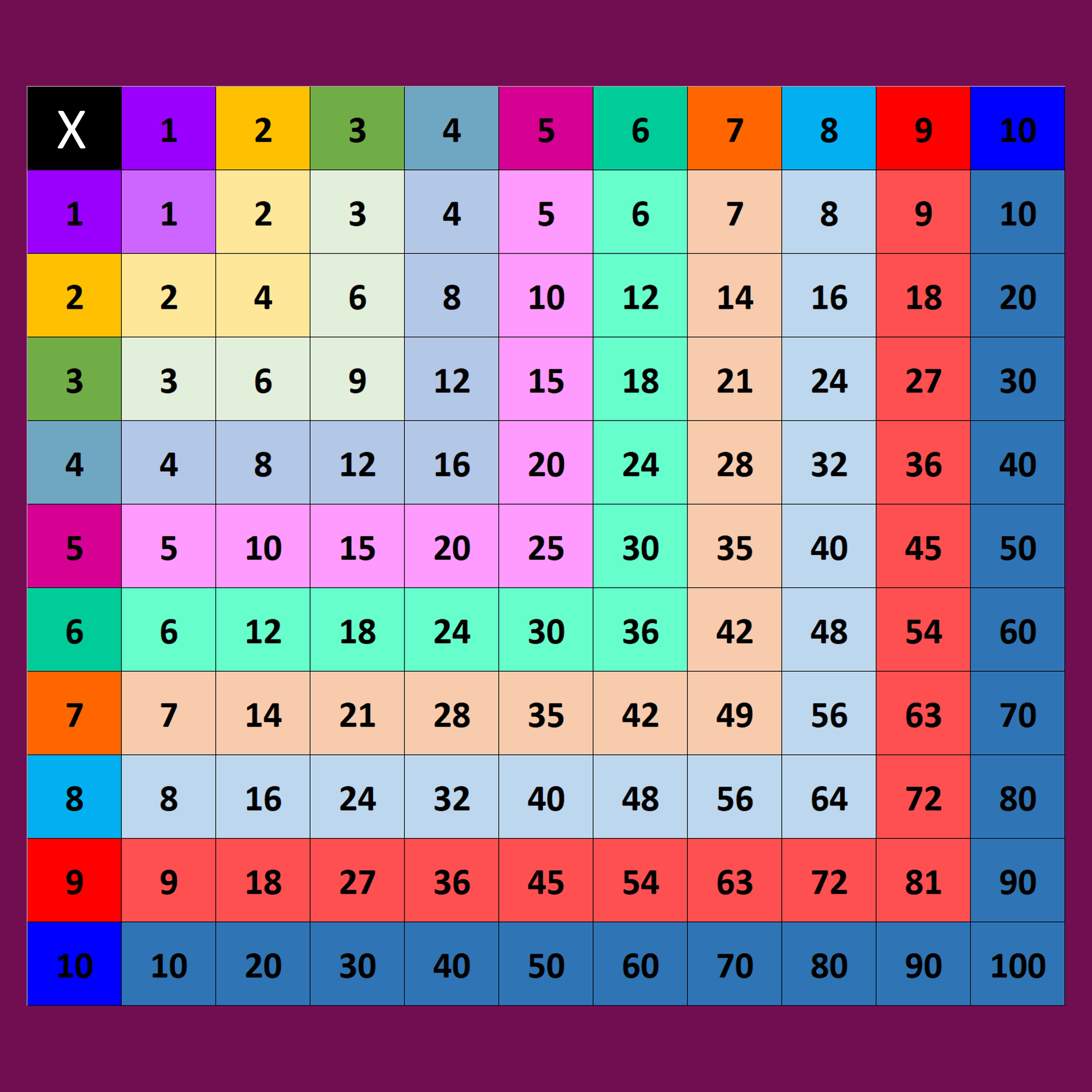
Memorizing times tables up to 12 created instant recall that sped up all future math work. Students chanted these combinations until they became automatic responses.
This foundation made fraction work, algebra, and geometry much easier because basic calculations didn’t slow down complex thinking.
Long Division
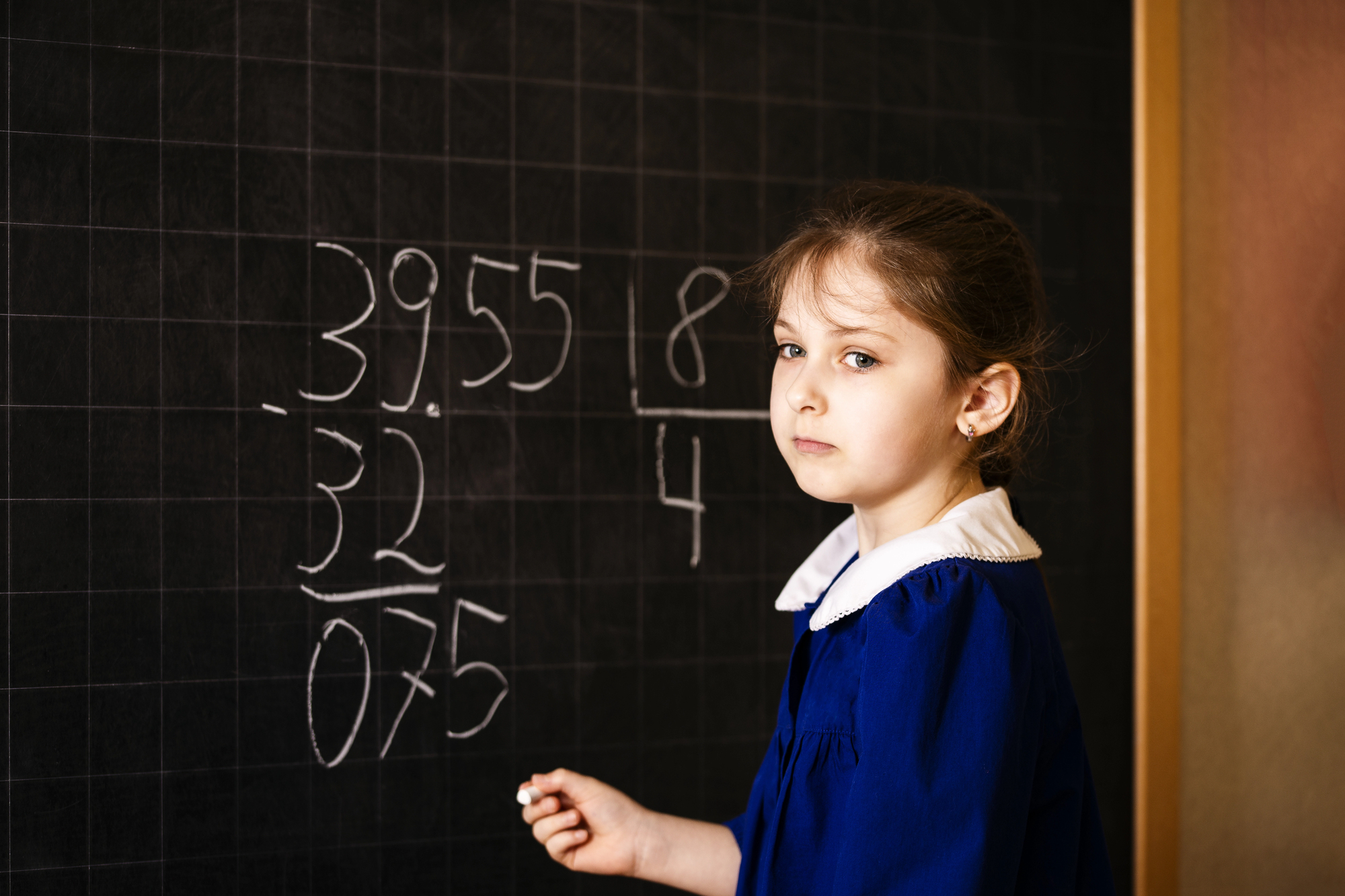
Breaking down large division problems into smaller steps taught systematic problem-solving and patience. Students learned to work methodically through multi-step processes without getting overwhelmed.
This skill translated into approaching any complex problem by breaking it into manageable pieces.
Counting on Fingers

Using fingers for basic addition and subtraction provided a concrete foundation for abstract number concepts. Students learned that math connects to physical reality before moving to mental calculations.
Finger counting helped visual learners understand place value and basic arithmetic operations.
Mental Math Tricks
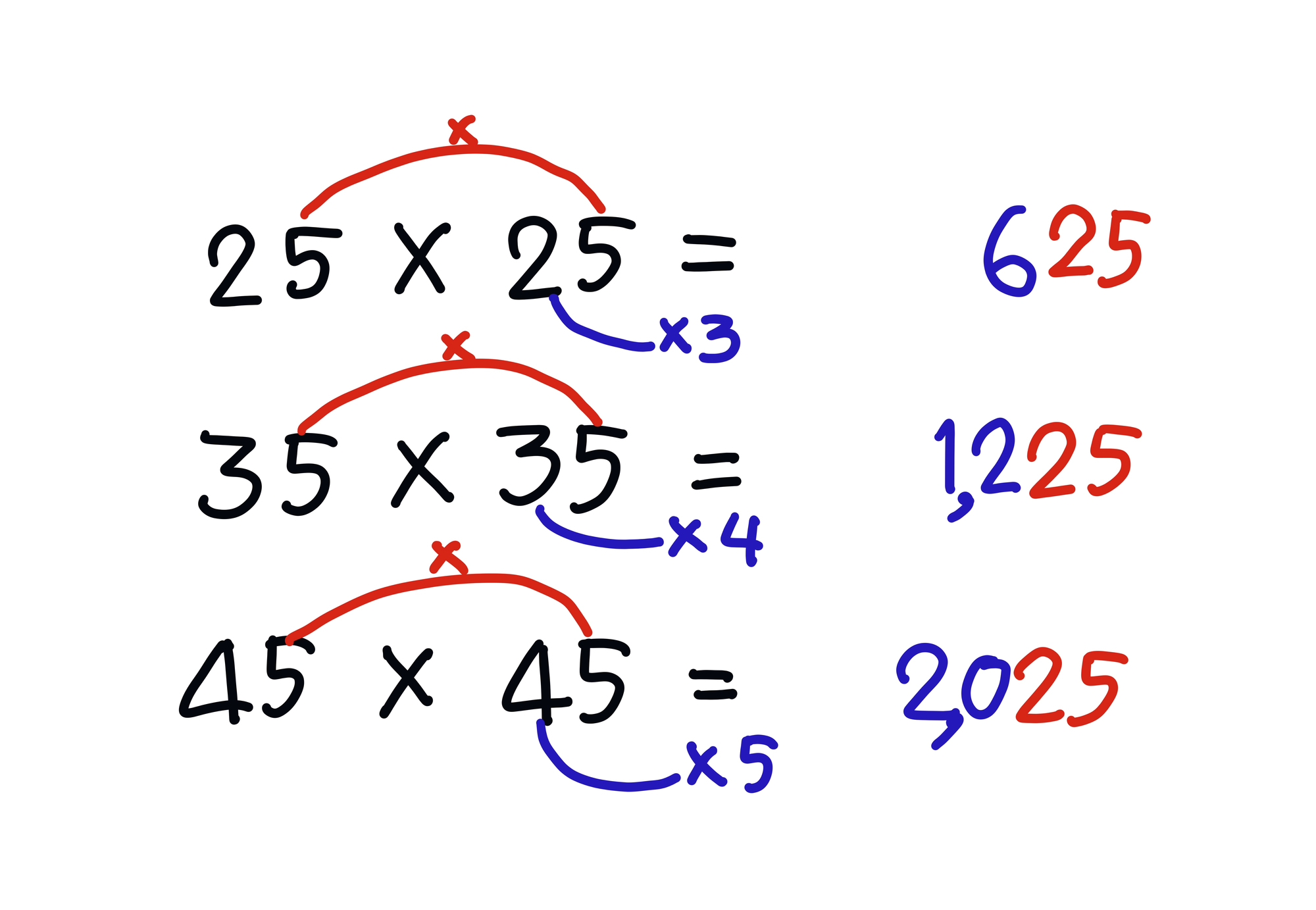
Shortcuts like multiplying by 9 or finding percentages quickly taught pattern recognition and mathematical relationships. Students learned that numbers have predictable behaviors that make calculations easier.
These tricks built confidence and speed that made math feel less intimidating.
Estimation Strategies
Learning to approximate answers before solving problems taught number sense and error detection. Students developed intuition about whether their final answers made sense in context.
This skill prevented the kind of obviously wrong answers that calculators sometimes produce when buttons get pressed incorrectly.
Graph Paper Calculations
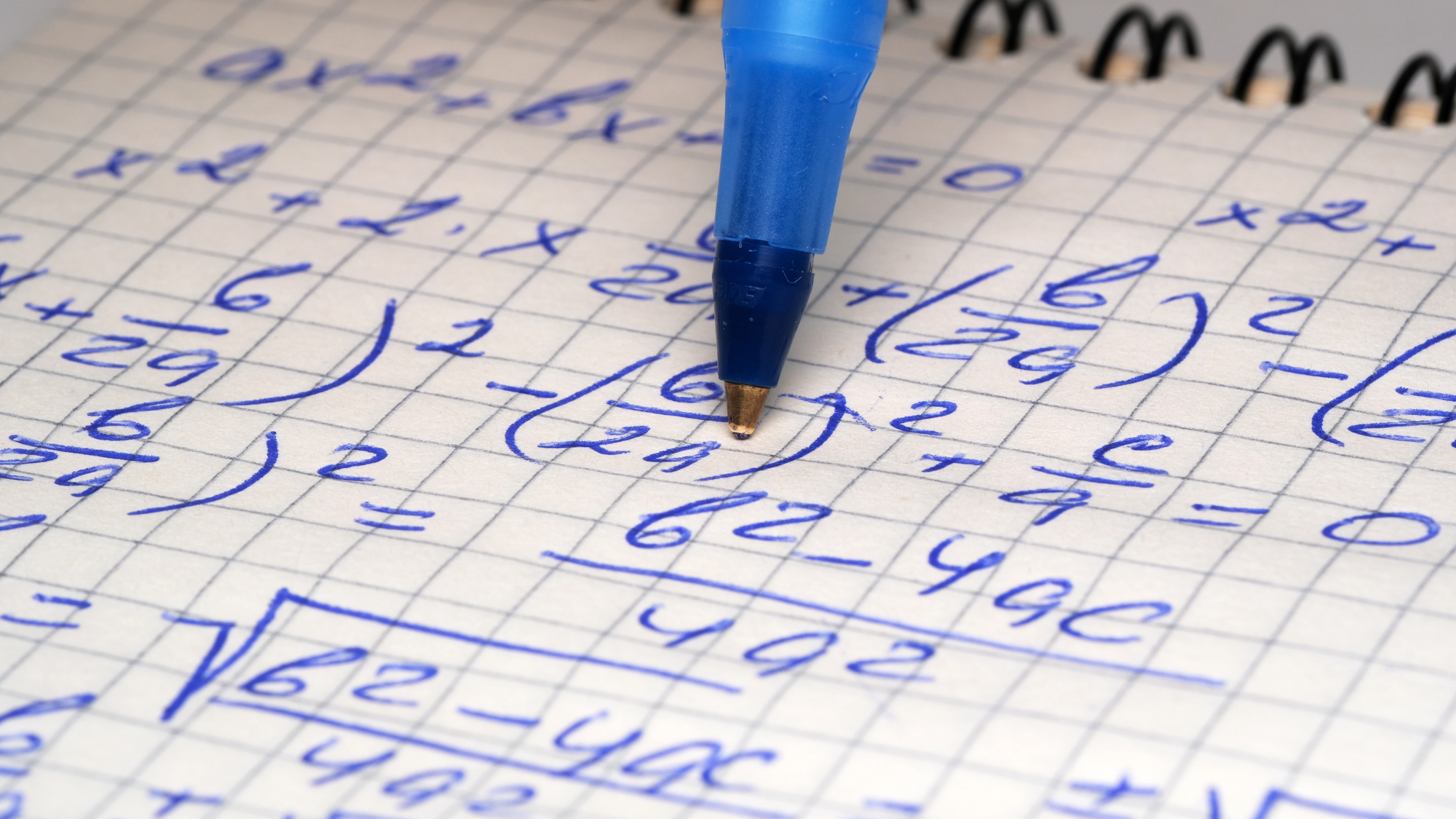
Using grid paper for multiplication and division made mathematical operations visual and systematic. Students learned to organize their work clearly and follow consistent procedures.
This method helped students who struggled with abstract concepts by making math operations concrete and spatial.
Number Lines
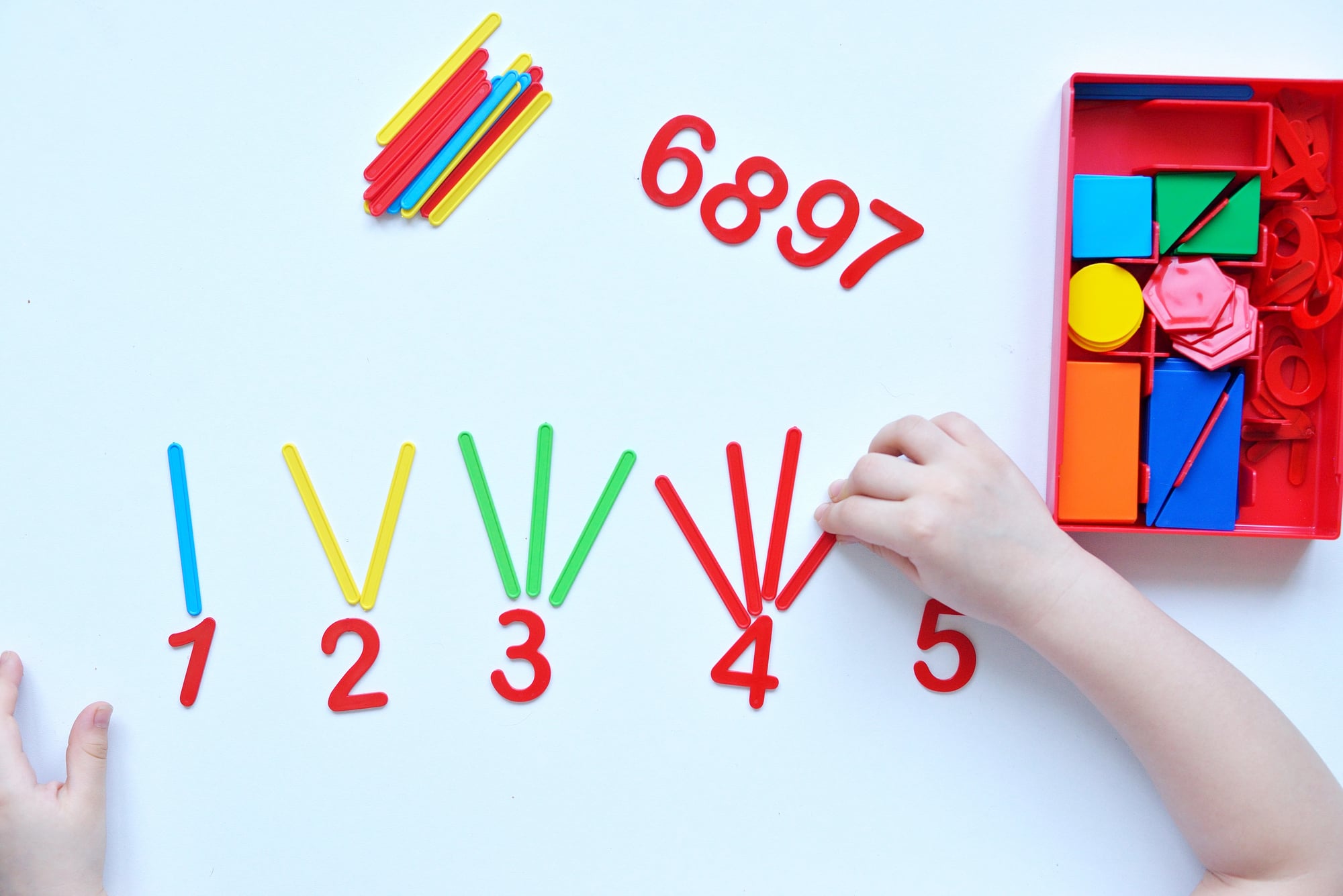
Walking through addition and subtraction on drawn lines taught students to visualize mathematical operations. Students learned that math represents movement and relationships, not just symbols on paper.
Number lines made negative numbers and basic operations intuitive rather than mysterious.
Fraction Bars and Circles
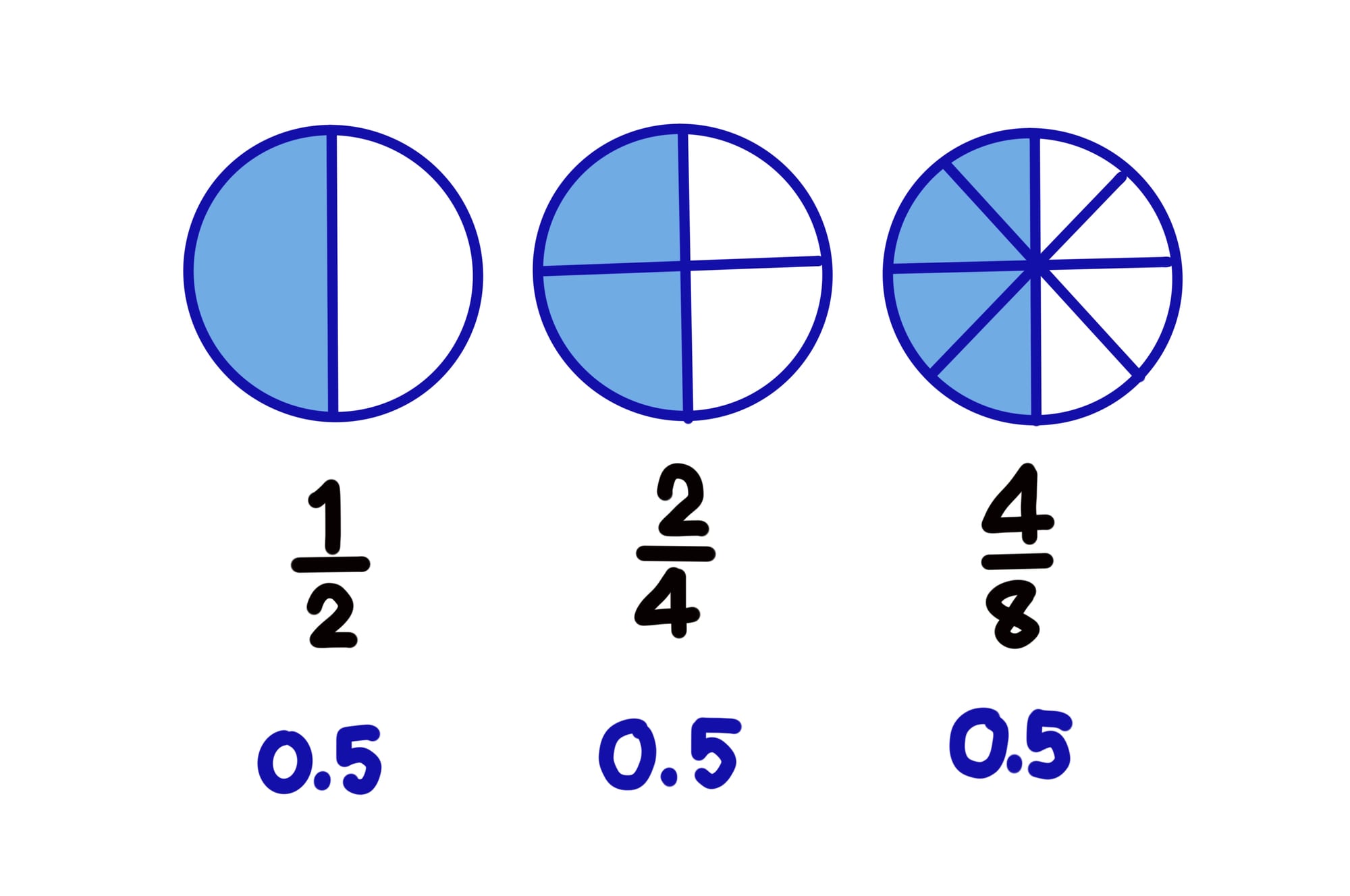
Drawing pictures to represent fractions taught students what these numbers actually mean. Students learned that fractions represent parts of wholes, not just abstract symbols to manipulate.
This visual approach made fraction operations logical rather than just memorized procedures.
Counting Systems
Learning different bases like binary or base-5 taught students that our decimal system isn’t the only way to represent numbers. Students discovered that mathematical principles work across different counting systems.
This understanding built flexibility in mathematical thinking and deeper number sense.
Geometric Construction
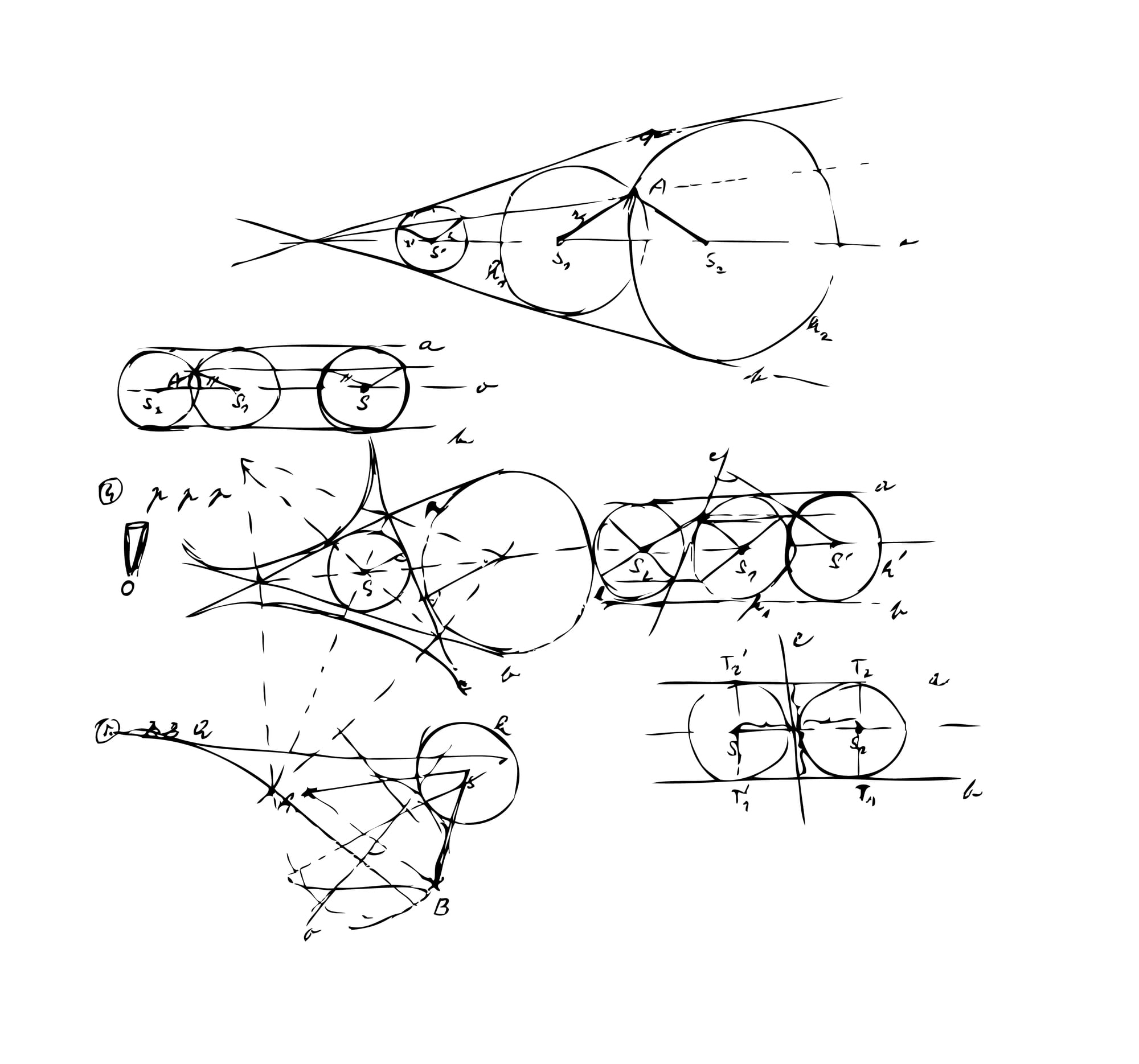
Using compass and straightedge for geometric proofs taught precision and logical reasoning. Students learned that mathematical truths can be demonstrated through careful construction and measurement.
This hands-on approach made abstract geometric concepts concrete and understandable.
Logarithm Tables
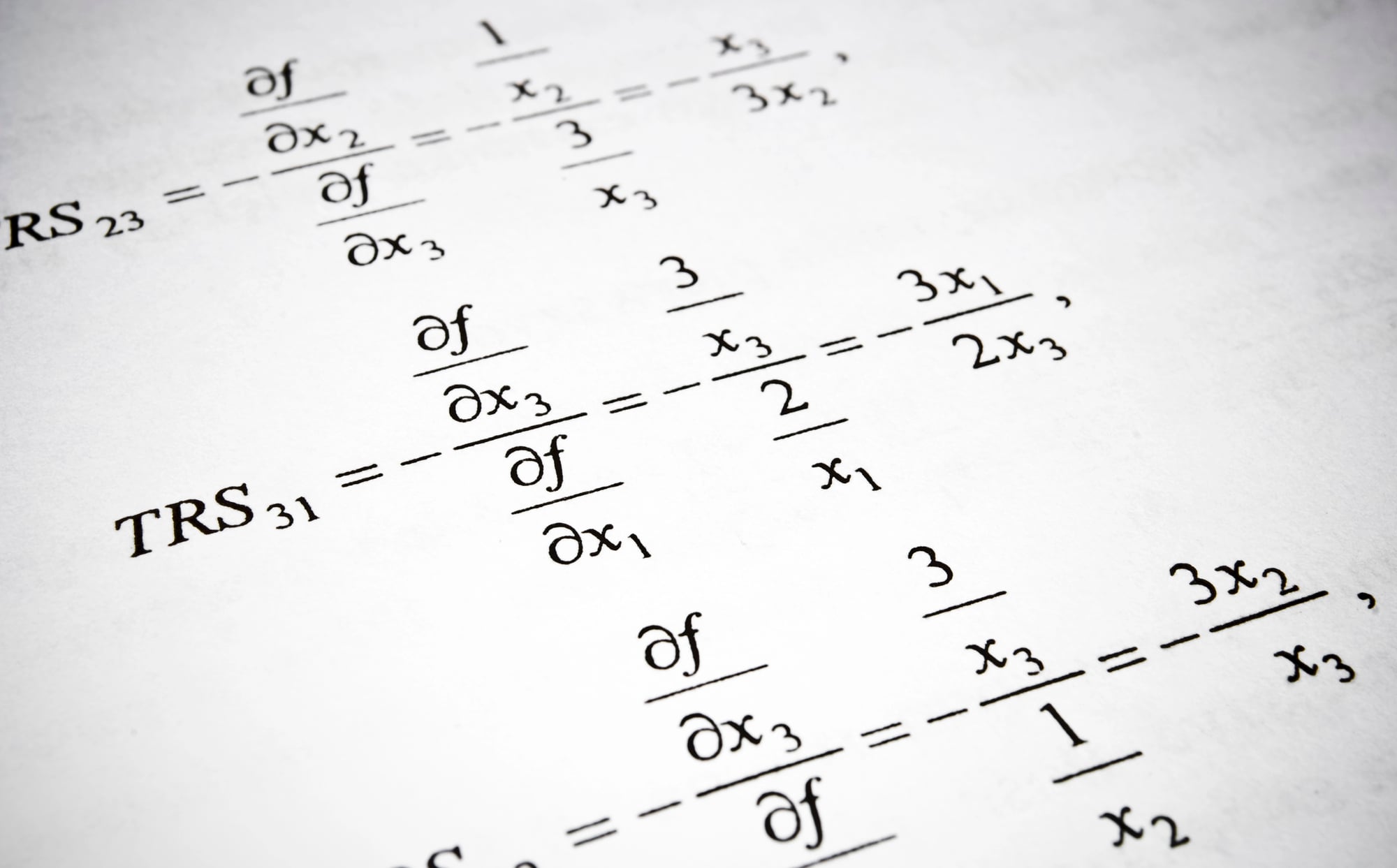
Looking up logarithms in printed tables taught students to work with exponential relationships manually. Students learned that complex calculations could be simplified through understanding mathematical relationships.
This method required students to understand what logarithms actually represent, not just how to use them.
Calculating Machines
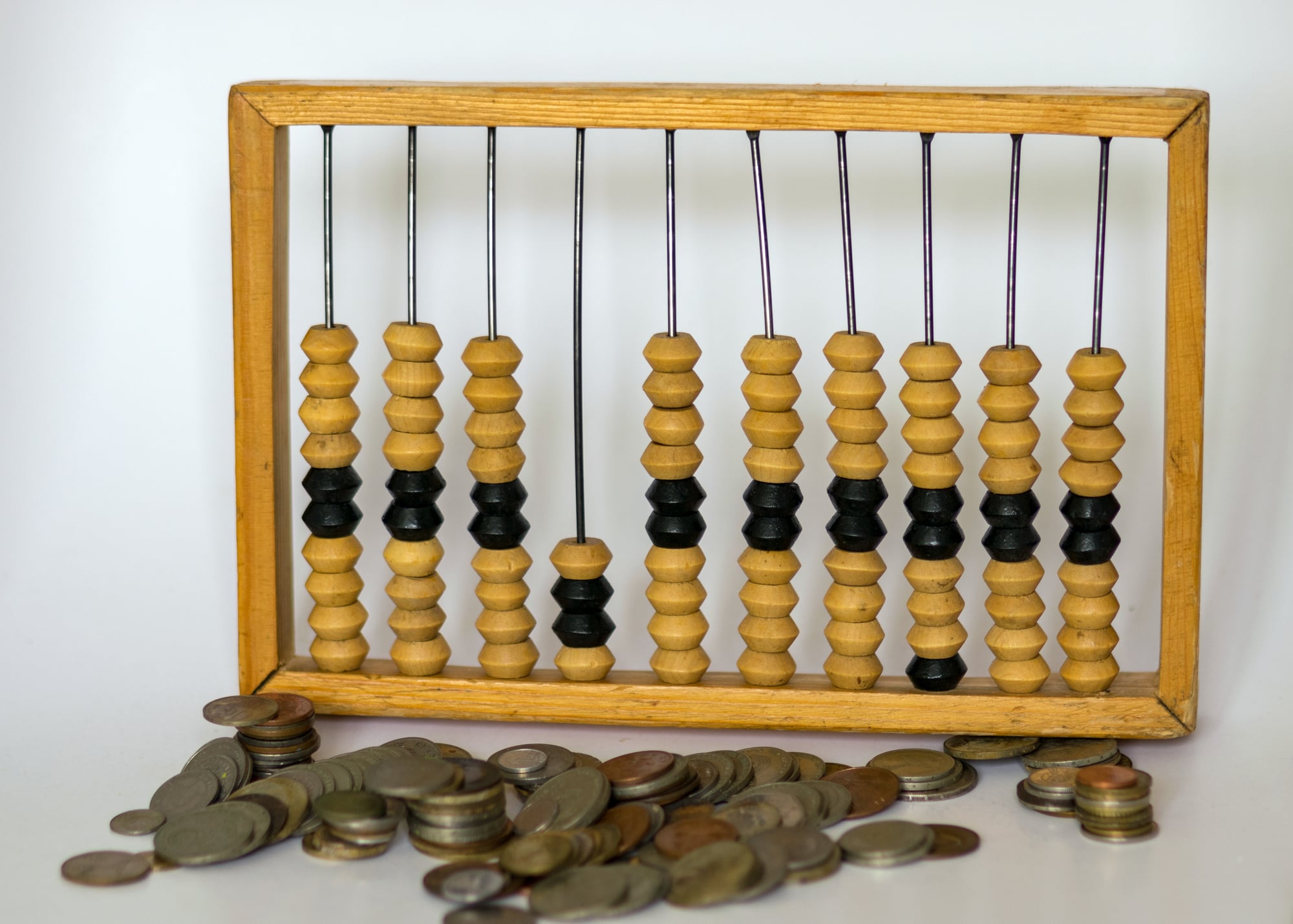
Manual adding machines taught students to understand mechanical computation and verify their work. Students learned that even machines require human judgment and error-checking.
Operating these devices built appreciation for accuracy and systematic approaches to calculation.
Pattern Recognition
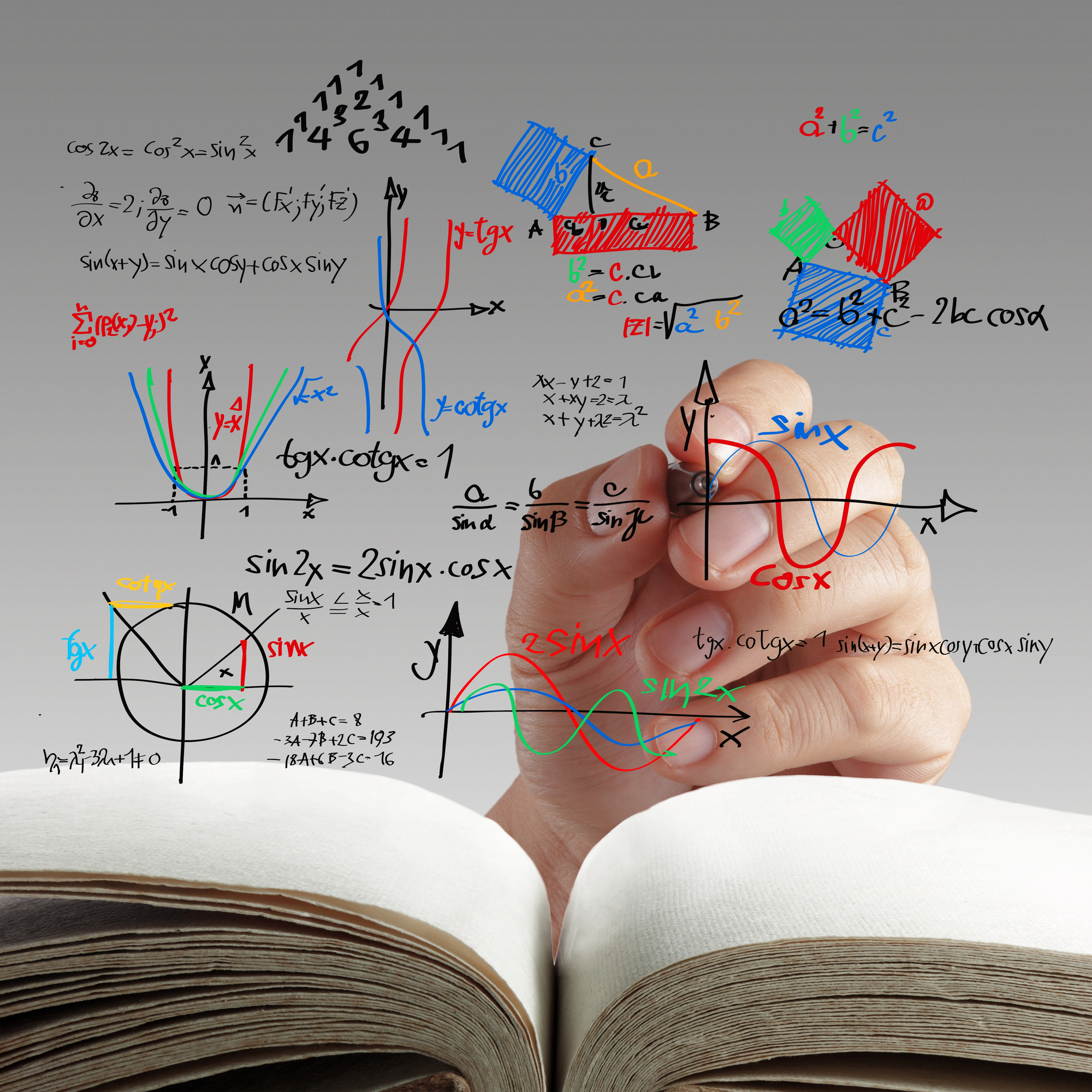
Finding mathematical patterns in sequences taught students to see underlying structures in numbers. Students learned that math follows predictable rules that can be discovered through observation.
This skill helped with everything from factoring to algebraic thinking.
Story Problems
Word problems taught students to translate real-world situations into mathematical language. Students learned that math solves actual problems, not just abstract exercises.
This connection between math and daily life made calculations meaningful and memorable.
Peer Teaching

Students explaining problems to classmates developed deeper understanding through teaching others. Students learned that being able to explain a concept proves you truly understand it.
This method built communication skills while reinforcing mathematical knowledge.
The Foundation That Built Mathematical Minds
These pre-calculator methods created students who understood numbers intuitively and could solve problems creatively. Students developed mental agility and mathematical confidence that served them throughout their lives.
While modern tools have their place, the deep understanding these methods provided remains valuable. Mathematical thinking, not just mathematical answers, determines success in fields that require problem-solving and logical reasoning.
More from Go2Tutors!

- The Romanov Crown Jewels and Their Tragic Fate
- 13 Historical Mysteries That Science Still Can’t Solve
- Famous Hoaxes That Fooled the World for Years
- 15 Child Stars with Tragic Adult Lives
- 16 Famous Jewelry Pieces in History
Like Go2Tutors’s content? Follow us on MSN.



