16 Magazines People Throw Out That Buyers Want
Most people toss old magazines without a second thought, assuming decades-old paper has no value beyond nostalgia. But specific issues, tied to first appearances, historic events, or print runs that were pulled early, have quietly become some of the most searched-for items in paper collectibles.
Action Comics No Longer a Magazine but the Ashcan That Preceded It
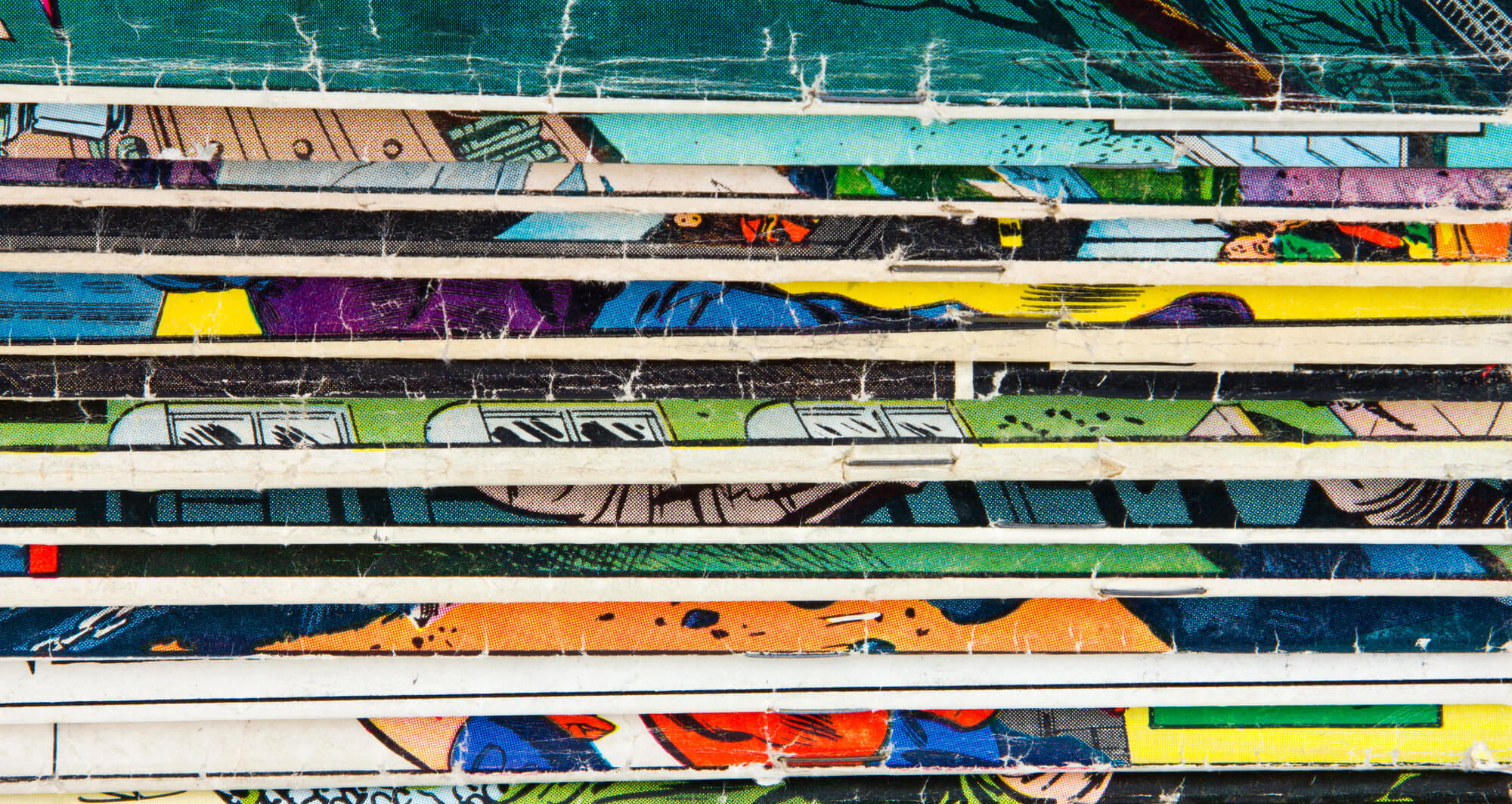
Before Superman appeared in Action Comics No. 1 in 1938, DC distributed a small number of promotional “ashcan” editions to secure the trademark, and surviving copies are almost never found outside institutional archives. Ashcan copies rarely surface in estate sales, but general readers routinely toss early Action Comics reprints without realizing which specific printings hold value.
Playboy Issue Number One from December 1953
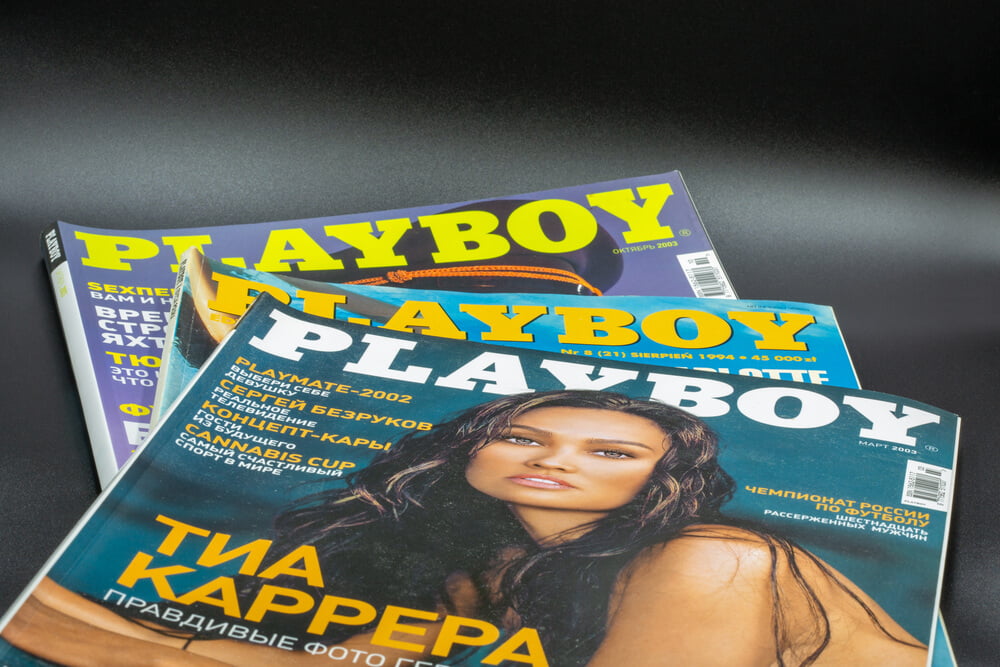
The first issue of Playboy, published in December 1953 and featuring Marilyn Monroe on the cover, is one of the most searched-for magazine collectibles in the United States due to its cultural significance as the launch issue. Condition dependent pricing applies heavily here, since the thin newsprint stock used in that era degrades quickly without careful storage.
Life Magazine’s Pearl Harbor Coverage Issue
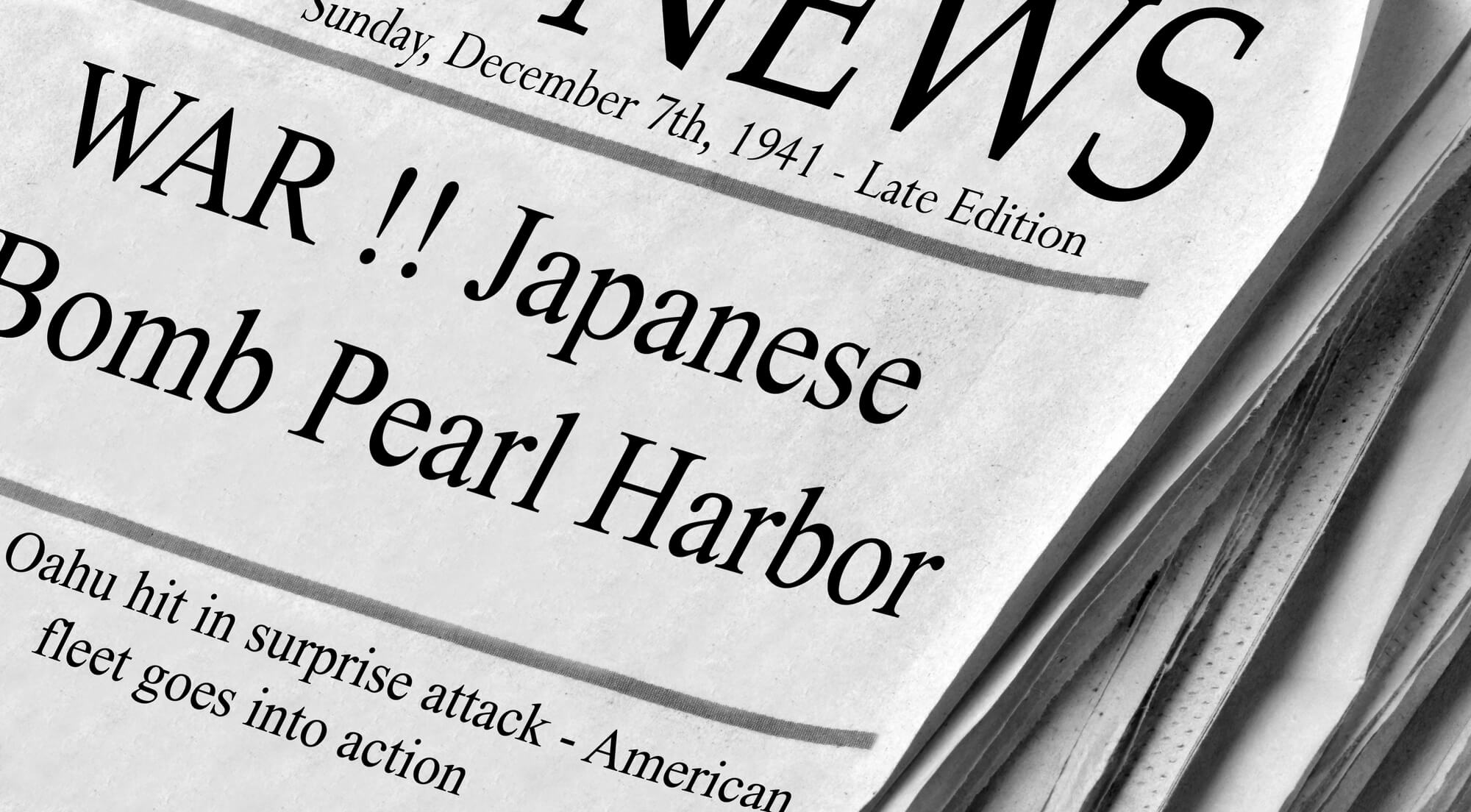
Life magazine’s December 22, 1941 issue, published just two weeks after the attack on Pearl Harbor, carried some of the first widely distributed photographs of the aftermath to reach American households. Because so many copies were read, folded, and discarded during wartime paper drives, surviving intact issues are scarcer than the print run would suggest.
National Geographic’s First Color Photograph Issue
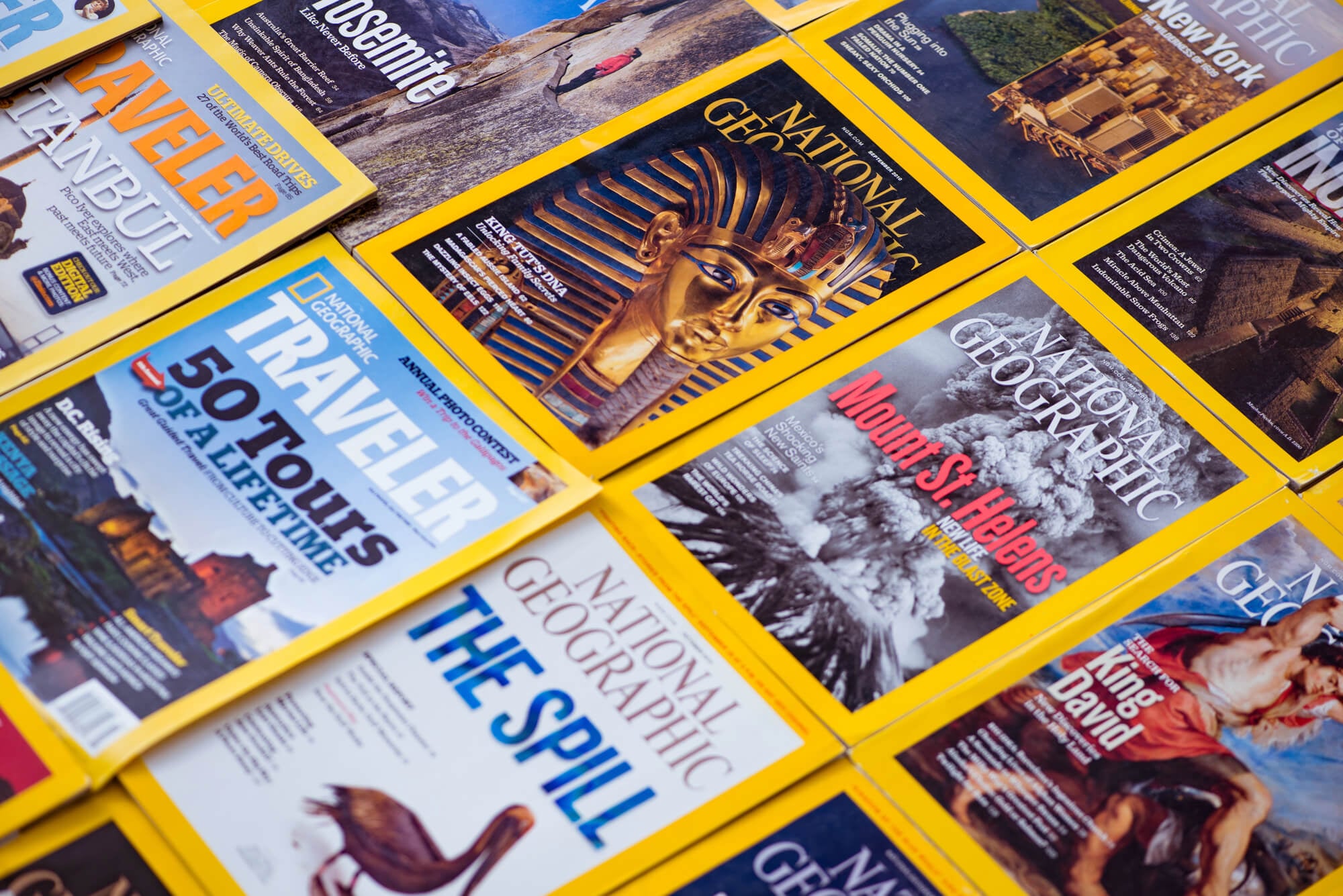
National Geographic’s July 1914 issue included some of the earliest color photography published in an American magazine, using the Autochrome process developed by the Lumiere brothers in France. Early 20th-century issues in general are common in used bookstores, but this specific issue is the one paper collectors search for by name.
TV Guide’s First Issue Featuring the I Love Lucy Star’s Baby
TV Guide’s April 3, 1953 debut issue featured the I Love Lucy cast, timed to coincide with the birth episode that aired the same week. Desi Arnaz Jr. was born January 19, 1953, making him approximately three months old at the time of publication, not a newborn.
First issues of any long-running magazine tend to hold value, and this one benefits from the added novelty of the television tie-in.
Rolling Stone’s First Issue with John Lennon
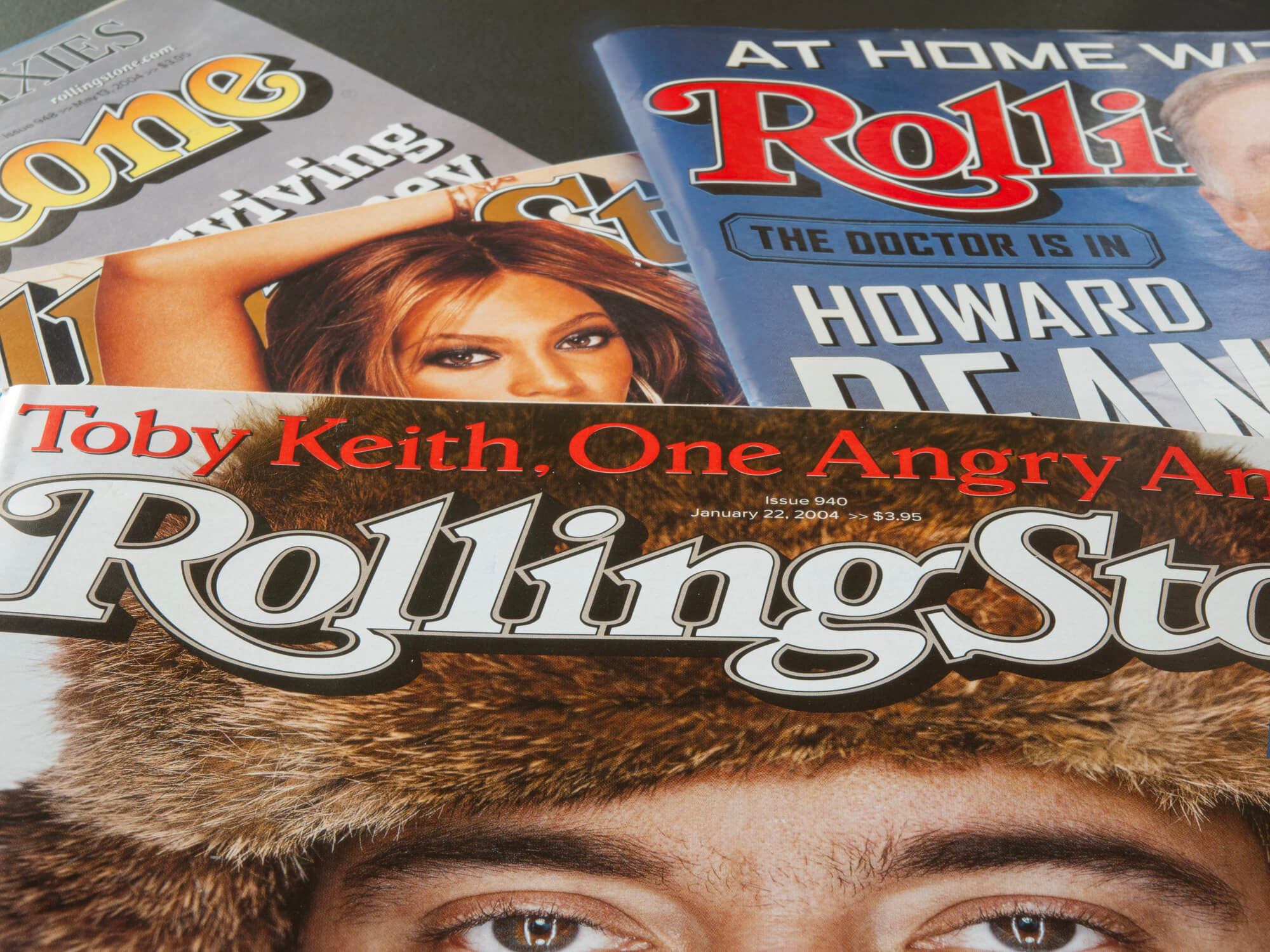
Rolling Stone’s first issue, dated November 9, 1967, featured John Lennon on the cover in a still from the film How I Won the War, marking the magazine’s debut before it became the dominant voice in American music journalism. Original first-run copies, distinguished from later anniversary reprints by paper stock and price markings, are the ones collectors specifically hunt.
Mad Magazine’s Early Comic Book Format Issues
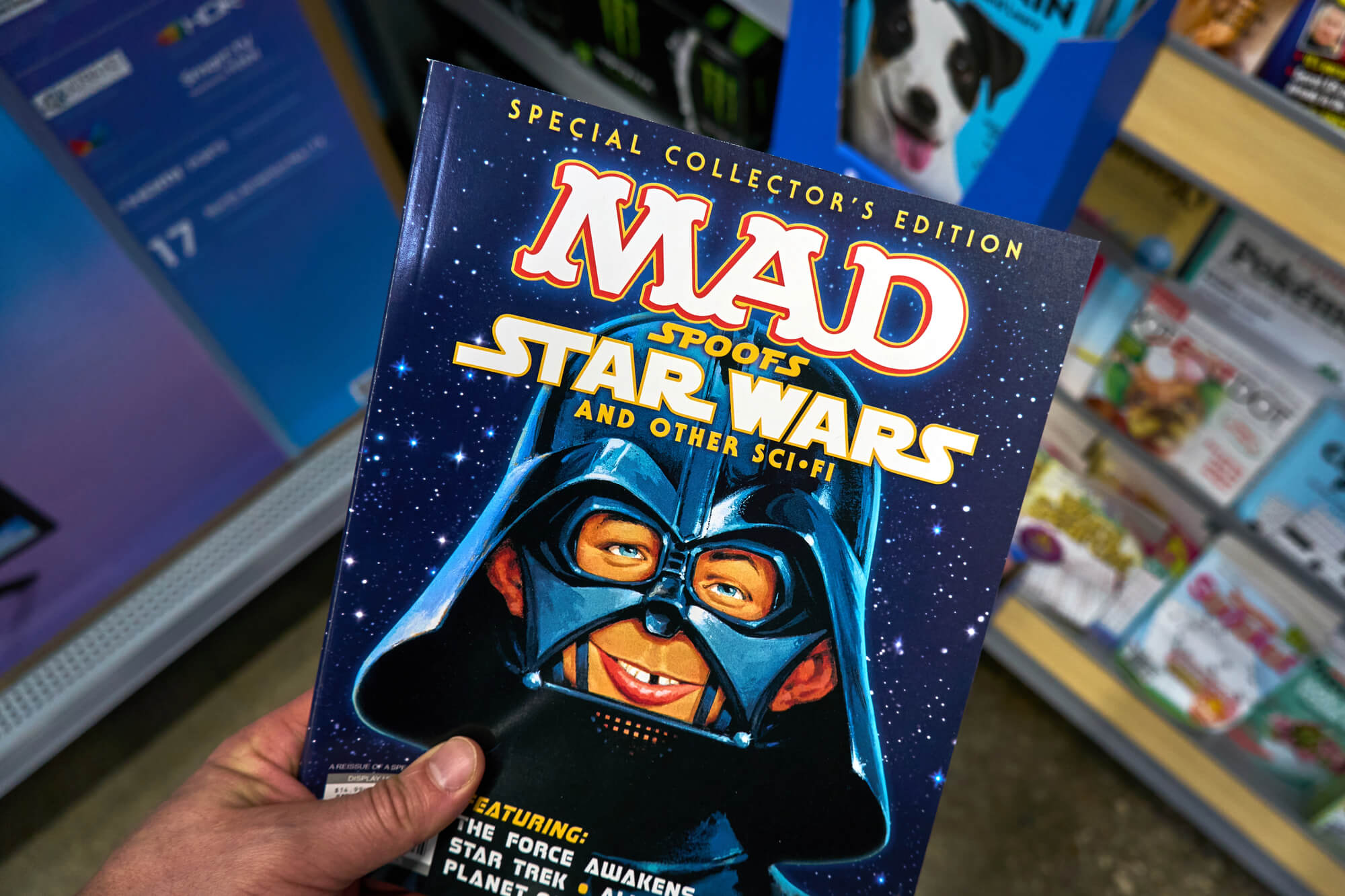
Before Mad transitioned to a magazine format in 1955 specifically to avoid the restrictions of the newly created Comics Code Authority, its first 23 issues were published as a standard comic book. Those early comic-format issues are far scarcer than the magazine-format issues that followed and are frequently misidentified by casual sellers as ordinary comics.
Sports Illustrated’s First Issue from August 1954

Sports Illustrated’s inaugural issue, dated August 16, 1954, featured a night baseball game at Milwaukee’s County Stadium on the cover and included a subscription card that, if still attached, significantly increases the copy’s value to collectors. Most surviving copies have had the card removed, making complete first issues genuinely scarce.
Vogue’s World War II Rationing-Era Issues

Vogue’s issues from 1942 to 1945 documented how American fashion adapted to wartime fabric rationing, making them a specific research target for costume historians and vintage collectors rather than general readers. Because the wartime paper itself was lower grade to conserve resources, well-preserved copies are disproportionately rare.
Ebony Magazine’s First Issue from November 1945

Ebony’s debut issue, published in November 1945 by Chicago-based Johnson Publishing Company, was created to document Black American life and achievement at a time when mainstream magazines routinely ignored it. Its historical significance in American publishing has made original first issues a specific target for institutional archives and private collectors alike.
The Saturday Evening Post Issues with Norman Rockwell Covers
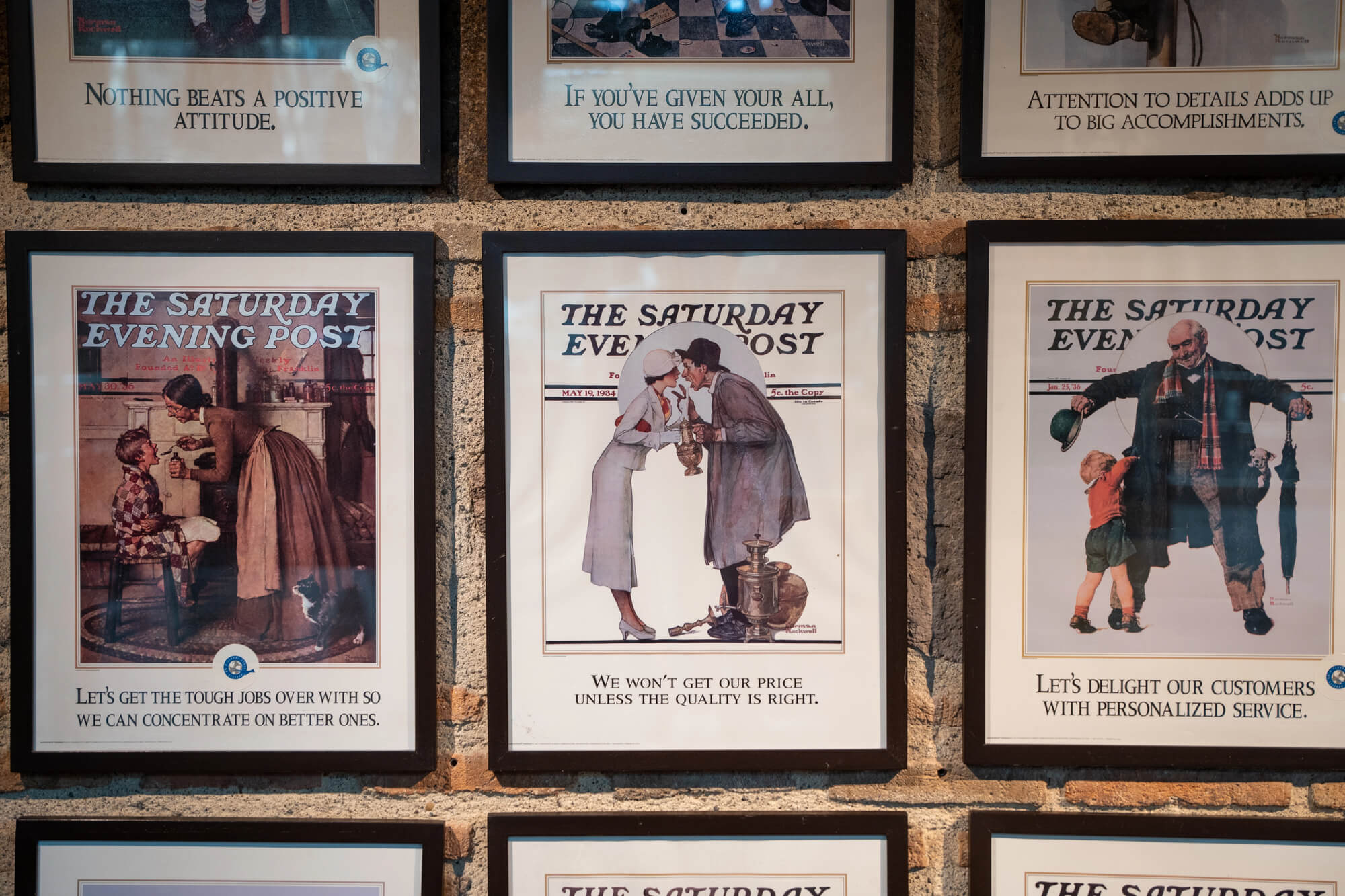
The Saturday Evening Post published over 300 Norman Rockwell cover illustrations between 1916 and 1963, and specific issues, particularly those featuring his most reproduced images like “Freedom from Want,” carry substantially more value than the surrounding issues. Because the magazine had enormous circulation, finding these specific covers in good condition is more about persistence than rarity.
People Magazine’s First Issue Featuring Mia Farrow
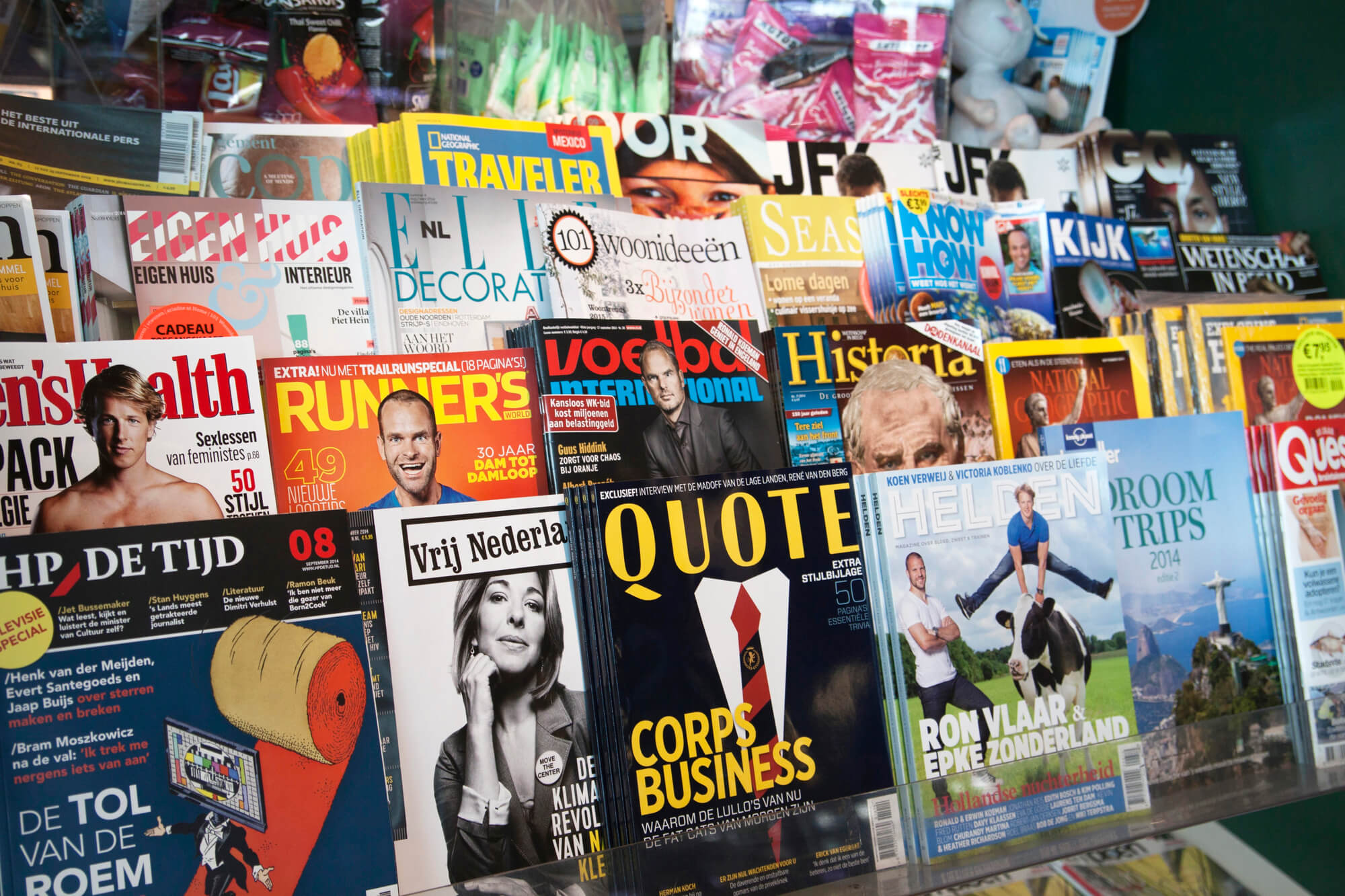
People magazine’s debut issue, dated March 4, 1974, featured actress Mia Farrow on the cover, launching what became one of the best-selling weekly magazines in American publishing history. As with most magazine first issues, condition and completeness of any inserted subscription materials affect resale value significantly.
Interview Magazine’s Andy Warhol Era Issues
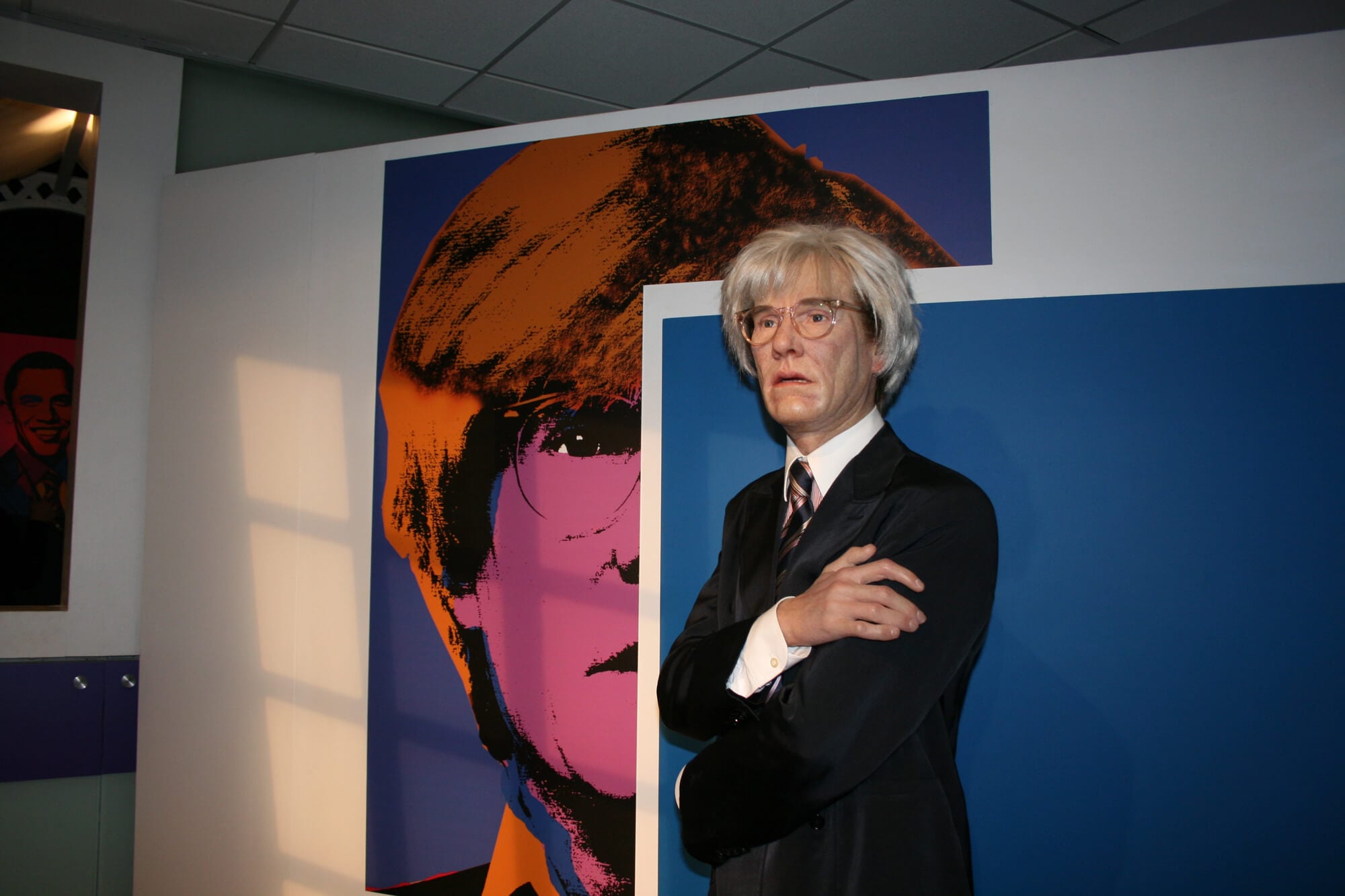
Interview magazine, founded by Andy Warhol in 1969, produced early issues under his direct editorial involvement that are now sought after specifically for their connection to his broader artistic output. Issues featuring cover art or interviews conducted by Warhol himself carry a premium over later issues published after his death in 1987.
Time Magazine’s First Issue from March 1923
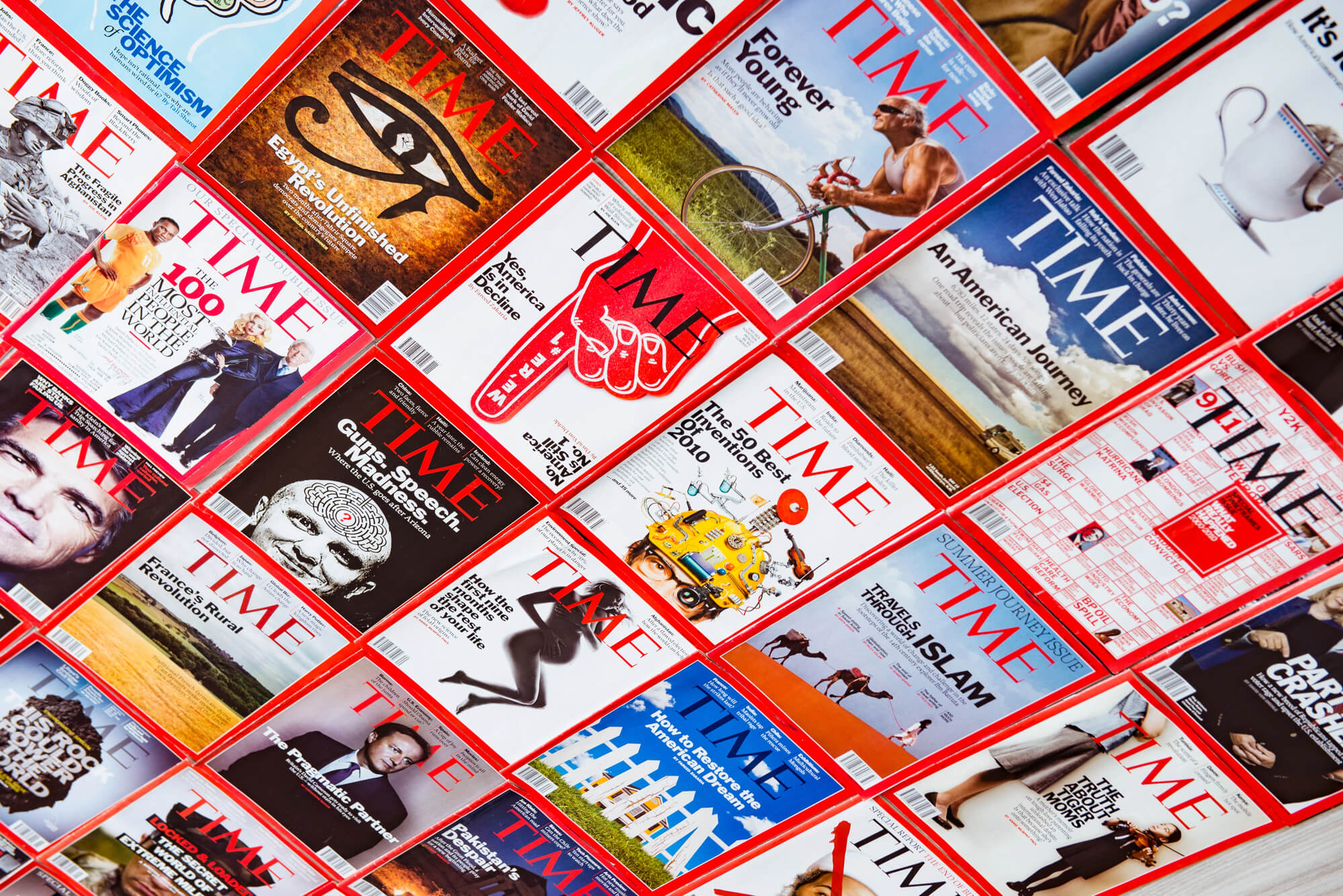
Time’s debut issue, dated March 3, 1923, featured retired House Speaker Joseph Cannon on the cover and marked the launch of what became the dominant American newsweekly for most of the 20th century. Original first issues are scarce enough that even the cheapest available copies typically require significant restoration.
Marvel Comics’ Amazing Fantasy No. 15
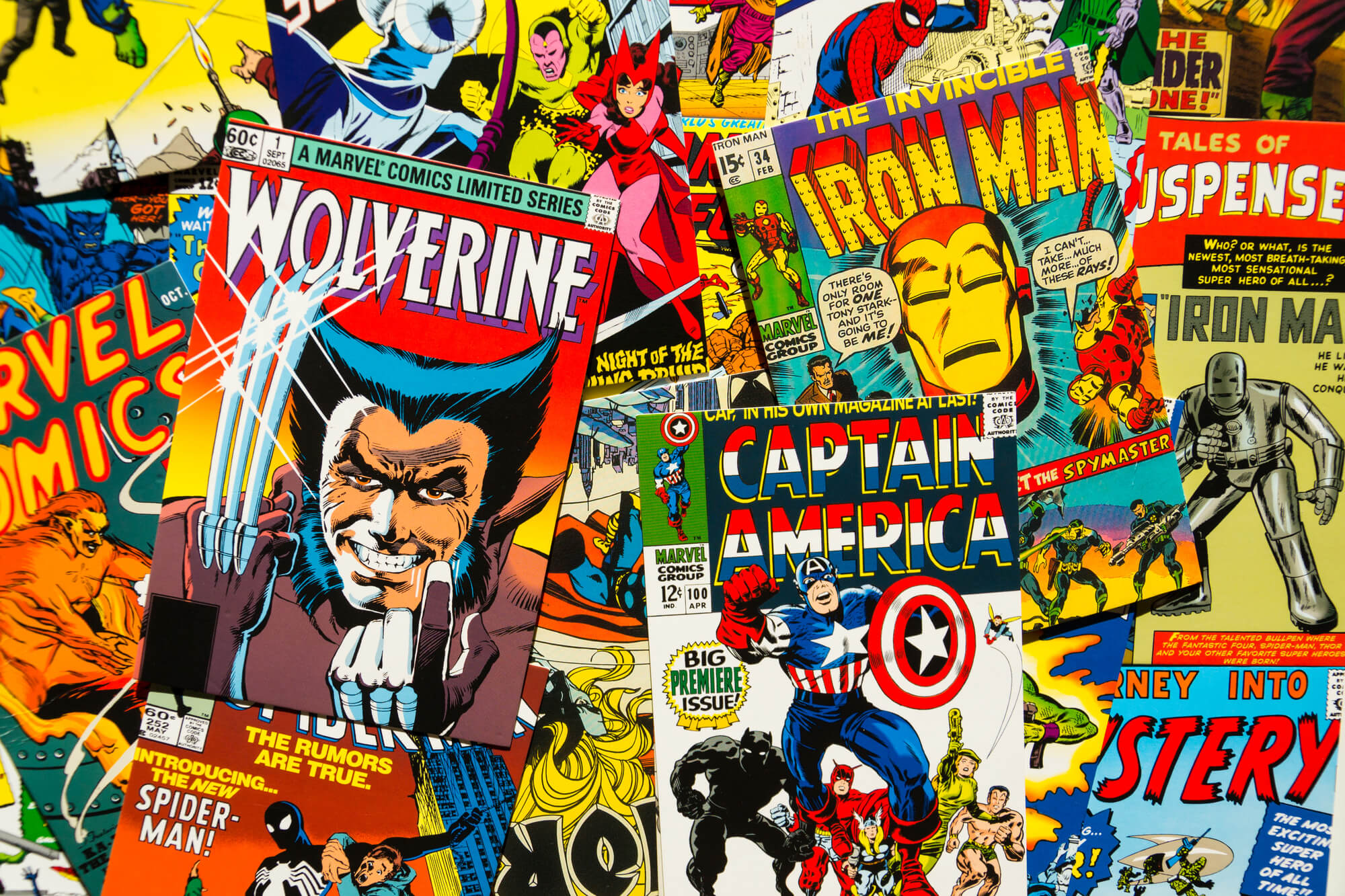
Amazing Fantasy No. 15, published in June 1962, marked Spider-Man’s first appearance and has become one of the most valuable American comic books ever sold, with high-grade copies reaching seven figures at auction. Most surviving copies show significant wear, since the issue was treated as disposable entertainment at the time rather than a future collectible.
Look Magazine’s Civil Rights Era Photojournalism Issues

Look magazine, a Life competitor that ran from 1937 to 1971, published extensive photojournalism coverage of the civil rights movement, and specific issues documenting events like the Selma marches are now sought by historical archives and collectors. The magazine’s larger, less durable paper stock means well-preserved copies are increasingly difficult to source.
The Paper Nobody Meant to Save

There is a particular irony in how magazine collecting works: the value almost never belongs to what was treated as precious at the time. It belongs to what was cheap, disposable, and thrown into a bin the week after it stopped being current, which is exactly why so little of it survived intact.
That scarcity was never intentional. It was simply the byproduct of ordinary people doing what ordinary people do with old paper, and decades later, the accident of who happened to save a box in an attic determines what shows up at auction.
The magazines were never meant to last. That is precisely why the ones that did feel worth chasing.
More from Go2Tutors!

- The Romanov Crown Jewels and Their Tragic Fate
- 13 Historical Mysteries That Science Still Can’t Solve
- Famous Hoaxes That Fooled the World for Years
- 15 Child Stars with Tragic Adult Lives
- 16 Famous Jewelry Pieces in History
Like Go2Tutors’s content? Follow us on MSN.



