16 Major Events Predicted by Old Movies
Hollywood has always been fascinated with imagining what tomorrow might look like. While many futuristic visions turned out to be wildly off-base, some filmmakers demonstrated an almost supernatural ability to predict real-world developments that seemed impossible at the time.
These movies didn’t just entertain audiences—they provided roadmaps for technologies and social changes that would reshape our world decades later. The line between science fiction and reality has become increasingly blurred as innovations once confined to movie screens have materialized in our everyday lives.
Here is a list of 16 major events and technologies that old movies predicted with remarkable accuracy.
Tablet Computers

Stanley Kubrick’s 1968 masterpiece “2001: A Space Odyssey” featured tablet computers that bear a striking resemblance to today’s iPads, nearly 40 years before Apple unveiled its revolutionary device. The astronauts aboard the Discovery One used flat, rectangular screens called “Newspads” to watch videos and read news, mirroring exactly how modern tablets function in our daily lives.
Kubrick even accurately predicted the time period when tablet computers would come into widespread use, with the first iPad hitting store shelves in 2010—just nine years after the movie’s 2001 setting.
Reality Television Boom

Jim Carrey’s 1998 film “The Truman Show” anticipated the rise of reality television and society’s obsession with voyeurism well before shows like “Survivor” launched the modern reality TV boom. The movie depicted a man whose entire life was broadcast as entertainment, predicting how ordinary people would become celebrities and how audiences would develop an insatiable appetite for watching real people’s personal dramas unfold on screen.
Like Go2Tutors’s content? Follow us on MSN.
Video Calling Technology

Ridley Scott’s 1982 film “Blade Runner” featured characters making video calls using technology that closely resembles modern Skype, Messenger, and FaceTime conversations. Arnold Schwarzenegger’s 1990 action film “Total Recall” also depicted video calls on mobile devices that closely resemble modern conversations, complete with the frustrations of poor connectivity that we still experience today.
Both movies showcased this technology decades before it became commonplace.
Self-Driving Cars

Total Recall featured self-driving cars navigating through automated highways decades before autonomous vehicles hit real roads. The movie showed Arnold Schwarzenegger jumping into a robotic taxi with an automated driver named “Johnny Cab.”
While Tesla and Uber work on bringing similar technology to market today, they probably won’t include Schwarzenegger’s chatty robot companion.
Gesture-Based Computing

Steven Spielberg’s 2002 film “Minority Report” showcased gesture-based computing systems where Tom Cruise manipulated data using hand movements in the air. This concept seemed purely fantastical at the time, but devices like the Nintendo Wii and Xbox Kinect later brought gesture controls into millions of homes, proving the movie’s vision was ahead of its time.
Like Go2Tutors’s content? Follow us on MSN.
Airport Security Scanners

Total Recall accurately predicted full-body security scanners at airports decades before they became standard equipment. The 1980 comedy “Airplane II” also featured similar full-body scanning technology, though their version was considerably more revealing than today’s TSA scanners.
Both movies foresaw the need for advanced security screening long before 9/11 changed airport protocols forever.
Giant Digital Billboards

Ridley Scott’s “Blade Runner” featured gigantic digital billboards displaying moving advertisements, which seemed futuristic in 1982 but are now familiar sights in New York’s Times Square, Tokyo’s Shibuya district, and other major cities worldwide. The movie’s vision of overwhelming digital advertising has become reality in urban centers across the globe.
Military Drones
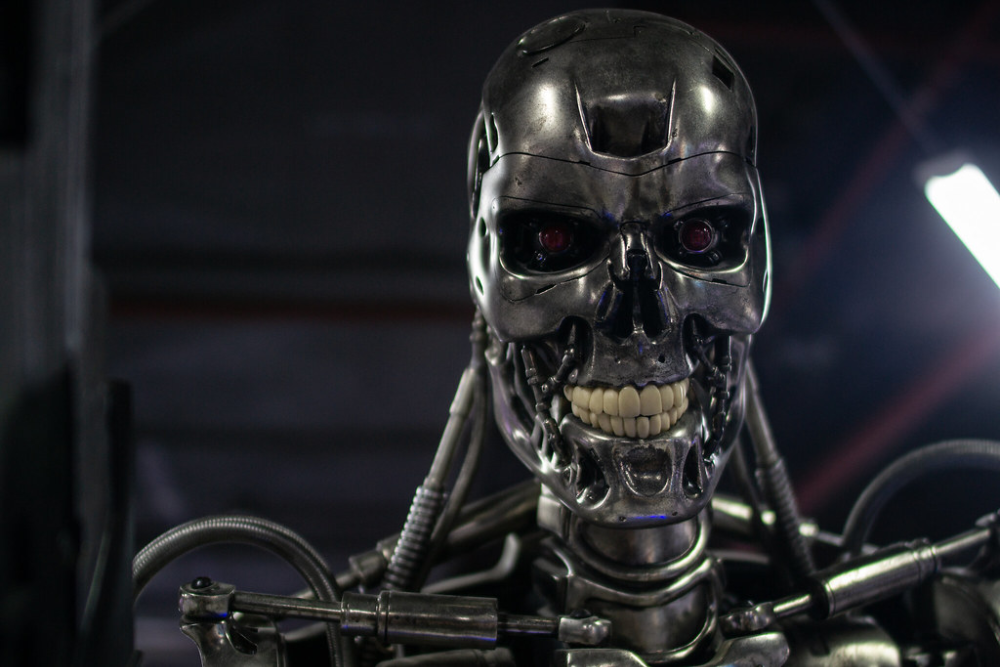
The “Terminator” franchise predicted the existence of military drones and autonomous weapons systems decades before they became standard military equipment. While we thankfully haven’t developed Skynet’s murderous artificial intelligence, military drones are now used extensively in modern warfare, making James Cameron’s vision partially prophetic.
Like Go2Tutors’s content? Follow us on MSN.
Targeted Advertising
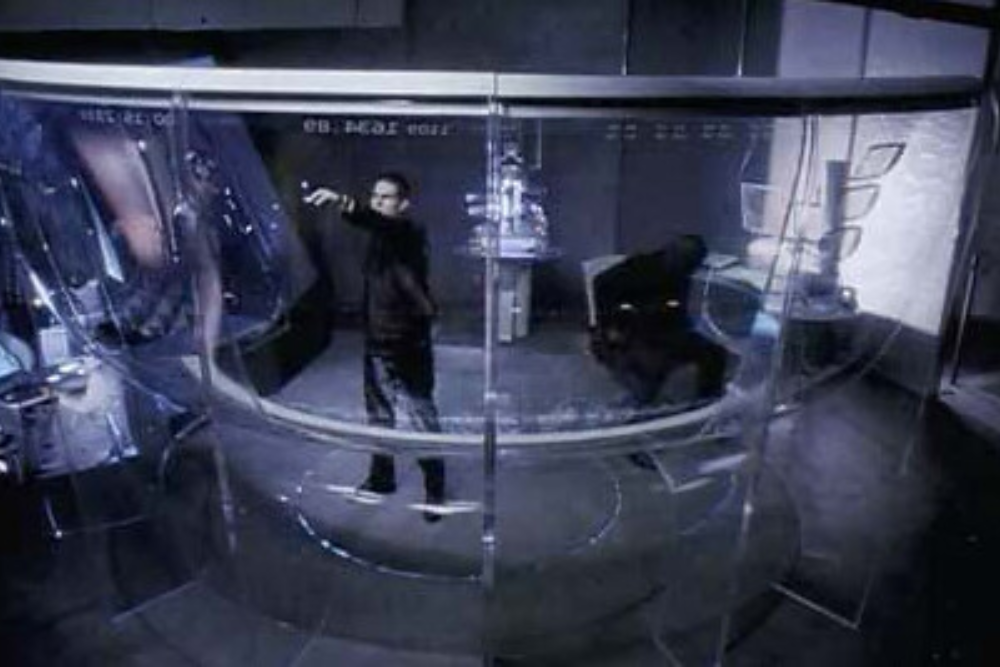
In “Minority Report,” Tom Cruise’s character was constantly bombarded by advertisements that scanned his retinas and called out his name to sell him specific products based on his identity and preferences. This seemed like an invasion of privacy nightmare in 2002, but today’s Facebook and Google advertising algorithms use sophisticated data tracking to deliver personalized ads that feel almost as intrusive as Spielberg’s fictional version.
Smartphone Addiction and Behavior

A remarkable 1947 French film called “Télévision: Oeil de Demain” predicted not only handheld smartphone-like devices but also the antisocial behavior that would come with them. The film showed people walking around staring at screens, bumping into each other while distracted, and even car crashes caused by people looking at their devices instead of paying attention to traffic.
This 75-year-old movie perfectly captured modern smartphone culture.
Smart Home Technology
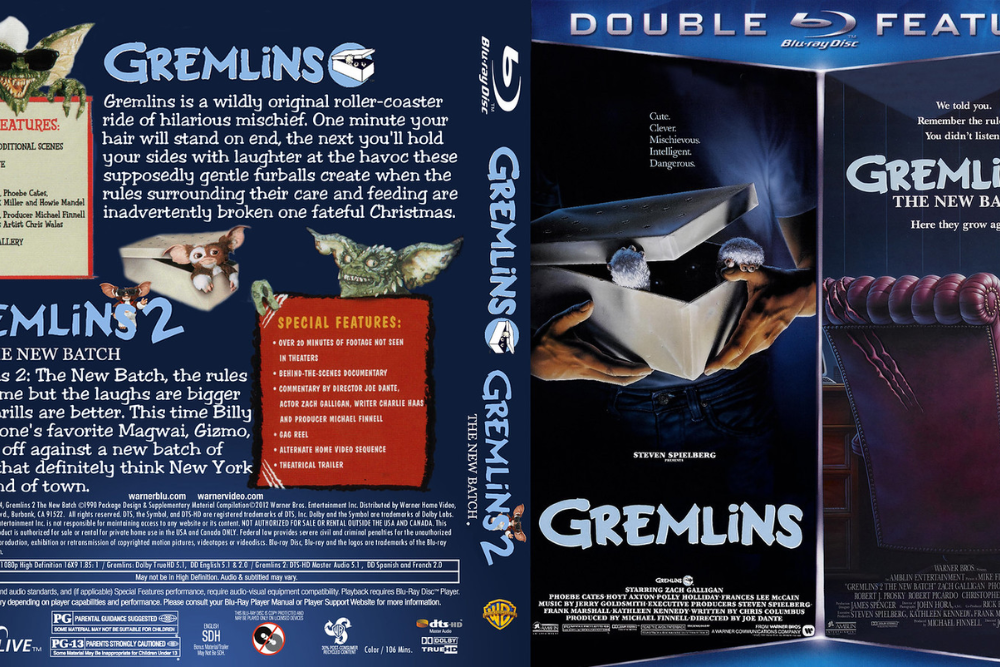
“Gremlins 2: The New Batch” featured the high-tech Clamp Tower skyscraper with automatic doors, lights, and computerized control of virtually everything in the building. While most people remember the movie for its chaotic creatures, the building’s smart automation systems were a precursor to today’s smart home technology that can control lighting, security, and appliances through voice commands or smartphone apps.
Like Go2Tutors’s content? Follow us on MSN.
Wearable Technology

“Back to the Future Part II” predicted wearable technology similar to Google Glass, showing characters wearing electronic devices as accessories. The movie also featured Marty McFly’s kids taking calls on futuristic phones they wore as sunglasses, anticipating how technology would become more integrated into clothing and accessories.
Though Google Glass didn’t achieve mass adoption, smartwatches and fitness trackers have made wearable tech mainstream.
Social Media and Internet Culture
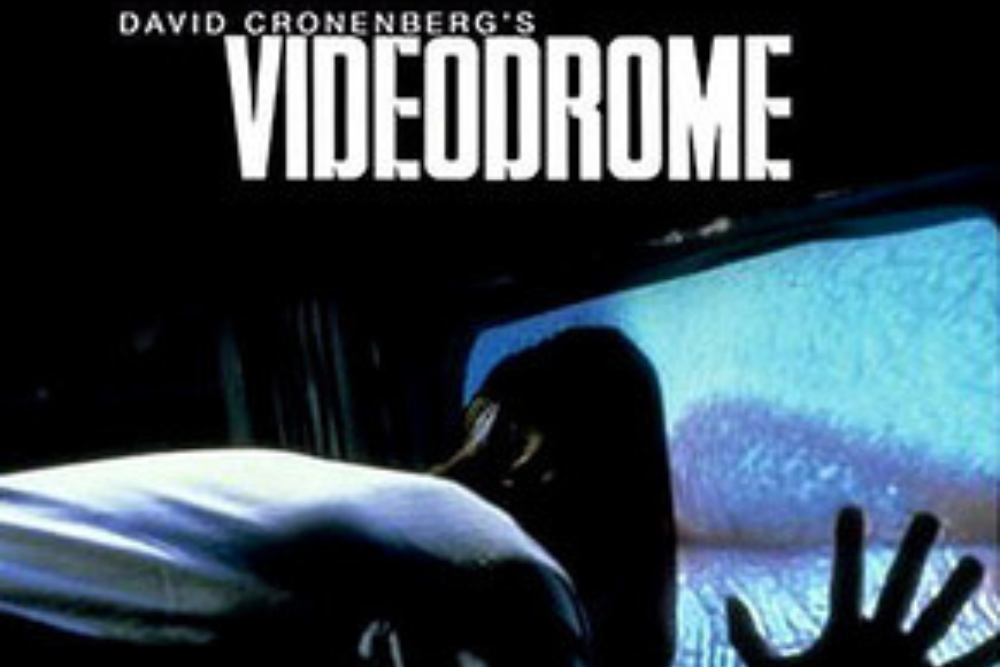
David Cronenberg’s 1983 film “Videodrome” predicted how people would develop digital identities separate from their real selves, essentially forecasting social media personas decades before platforms like Facebook and Instagram existed. The 1996 Jim Carrey film “The Cable Guy” featured a scene where Carrey’s character predicted that Americans would have a convergence of cable TV, computers, and phones all in one device, accurately describing modern smartphones and internet connectivity.
Space Tourism

“2001: A Space Odyssey” featured commercial space travel and space tourism as routine activities. While Kubrick’s vision seemed impossible in 1968, companies like SpaceX, Blue Origin, and Virgin Galactic are now making space tourism a reality for wealthy civilians, proving that his ambitious prediction was simply ahead of its time.
Like Go2Tutors’s content? Follow us on MSN.
Transparent Aluminum
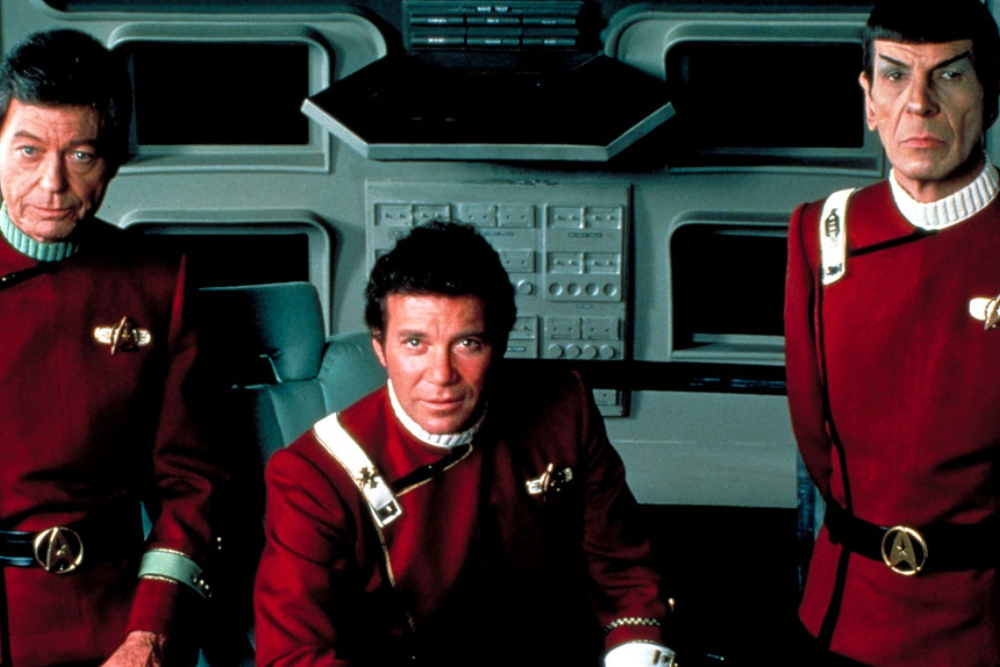
In “Star Trek IV: The Voyage Home,” the character Scotty helped invent transparent aluminum as a futuristic material strong enough to hold massive amounts of water. This seemed purely fictional until 2009, when scientists at the University of Oxford successfully created transparent aluminum by bombarding regular aluminum with powerful X-ray lasers.
The real version may not be ready for whale transportation, but the basic concept proved scientifically achievable.
Climate Change and Environmental Collapse

The 1973 dystopian thriller “Soylent Green,” set in 2022, depicted a world suffering from overpopulation, pollution, and climate change leading to food shortages and extreme inequality. While its most famous prediction involved cannibalism, the film’s vision of environmental collapse, corporate control of food supplies, and extreme weather events align closely with current climate crisis projections and discussions about sustainable food production.
When Fiction Becomes Blueprint
These predictions weren’t just lucky guesses—they represented filmmakers’ deep understanding of emerging trends and human nature. Many of these movies served as inspiration for the inventors and entrepreneurs who eventually made their fictional technologies real.
The relationship between science fiction and actual scientific development continues today, as researchers and engineers often look to movies for creative solutions to technical challenges. While we’re still waiting for flying cars and time travel, these 16 examples prove that sometimes the most outlandish movie ideas are simply glimpses of tomorrow’s reality.
Like Go2Tutors’s content? Follow us on MSN.
More from Go2Tutors!

- 16 Historical Figures Who Were Nothing Like You Think
- 12 Things Sold in the 80s That Are Now Illegal
- 15 VHS Tapes That Could Be Worth Thousands
- 17 Historical “What Ifs” That Would Have Changed Everything
- 18 TV Shows That Vanished Without a Finale
Like Go2Tutors’s content? Follow us on MSN.