Street Foods Turned National Symbols
Food vendors pushing carts through crowded streets have shaped national identities in ways no fancy restaurant ever could. These humble dishes started as quick meals for workers, travelers, and people without time to sit down for proper dining.
Over decades or sometimes centuries, they transformed into something much bigger. They became symbols their countries proudly claim as cultural treasures.
The journey from street corner to national icon reveals how everyday people shape culture from the ground up. These foods earned their status through taste, convenience, and the shared experience of eating them.
Tacos in Mexico
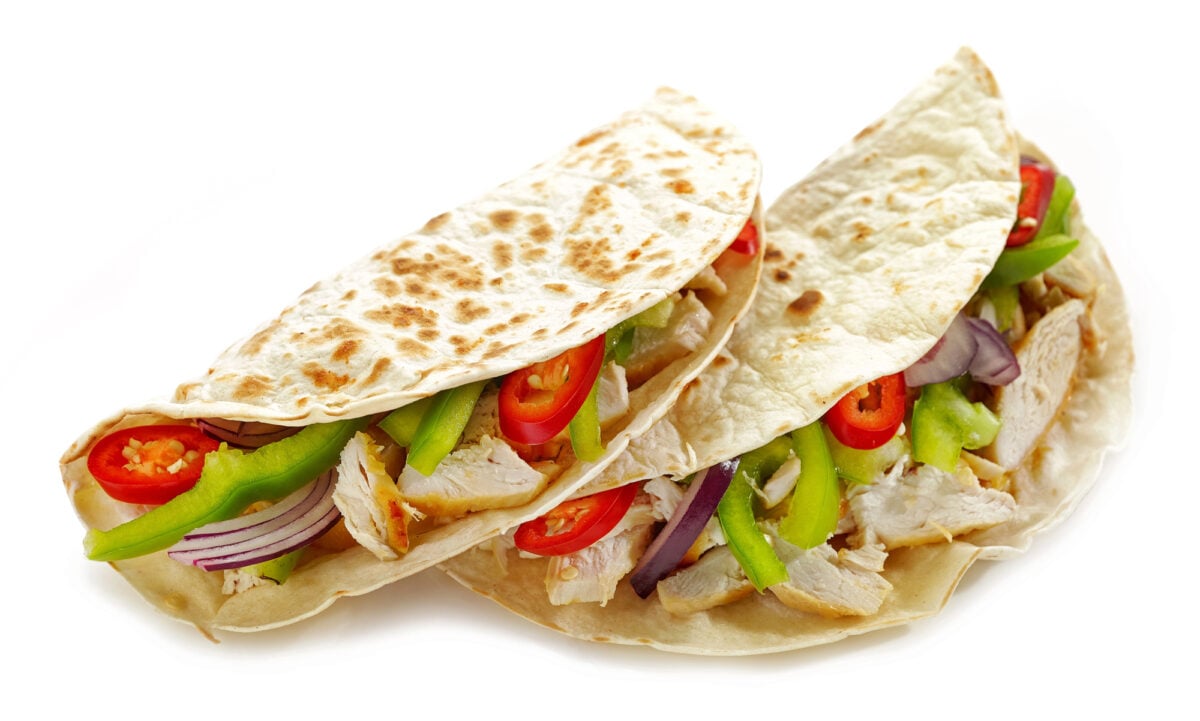
Tacos existed long before Mexico became a country, but they evolved into the ultimate symbol of Mexican cuisine worldwide. Street vendors perfected the art of balancing soft corn tortillas with perfectly seasoned meats, fresh cilantro, onions, and a squeeze of lime.
The beauty lies in simplicity and the endless regional variations that make each taco experience unique. From al pastor spinning on vertical spits to carnitas bubbling in copper pots, street taco stands became gathering places where social classes mixed over shared appreciation for good food.
Mexico exported this street food globally, and now tacos represent Mexican culture so strongly that people around the world immediately associate them with the country.
Hot dogs in America

German immigrants brought sausages to America, but the country transformed them into something distinctly its own. Street vendors at baseball games, on busy New York corners, and at county fairs made hot dogs accessible to everyone regardless of income or social standing.
The simplicity of a grilled sausage in a soft bun topped with mustard, ketchup, relish, or onions became deeply connected to American casual dining culture. Regional variations emerged, from Chicago’s garden-on-a-bun style to New York’s simple mustard-and-sauerkraut approach, but the core concept remained the same.
Hot dogs at street carts became so embedded in American culture that they appear at every major celebration, sporting event, and summer cookout.
Pho in Vietnam

Vietnamese pho started as a northern street food in the early 20th century, sold by vendors carrying portable kitchens on shoulder poles. The aromatic beef broth simmered for hours with spices like star anise, cinnamon, and ginger created a complex flavor that belied its humble street origins.
Rice noodles, thin slices of beef, and fresh herbs came together in a bowl that provided complete nutrition for working people. After the Vietnam War, refugees brought pho to countries worldwide, where it became the dish that introduced people to Vietnamese cuisine.
The street food that once sustained laborers now represents Vietnamese culinary tradition on the global stage, with pho shops found in cities across every continent.
Currywurst in Germany

Post-World War II Berlin gave birth to currywurst when Herta Heuwer started serving sliced sausages with curry-spiced ketchup from her street stand in 1949. Germans embraced this fusion of local sausage tradition with curry powder obtained from British soldiers as their own creation.
The dish spread through Berlin and eventually across Germany, becoming so popular that the country consumes roughly 800 million currywursts annually. Street stands, known as imbiss, serve currywurst with fries or bread rolls, creating a quick meal that office workers, students, and tourists all seek out.
Germany even opened a museum dedicated to currywurst, cementing its status as more than just street food but a cultural institution.
Falafel in the Middle East

Multiple Middle Eastern countries claim falafel as their own, which actually proves how deeply this street food embedded itself in regional identity. Ground chickpeas or fava beans mixed with herbs and spices, formed into orbs, and deep-fried created protein-rich food that vendors could prepare quickly and sell cheaply.
Tucked into pita bread with tahini sauce, pickles, and salad, falafel became the region’s answer to fast food centuries before that term existed. The dish spread with Middle Eastern diaspora communities, becoming the food that represented their heritage abroad.
Arguments over falafel’s exact origins continue precisely because so many countries consider it central to their national cuisine.
Satay in Southeast Asia

Skewered and grilled meat served with peanut sauce became Indonesia’s gift to street food culture, though Malaysia and Thailand developed their own beloved versions. Street vendors grilled satay over charcoal, creating smoky flavors that mixed with sweet, spicy peanut sauce in ways that made the simple concept of meat on a stick into something special.
The portability and finger-food nature of satay made it perfect for busy streets where people ate while walking or standing. Indonesia considers satay important enough that it appears at formal state dinners alongside its street food origins.
The dish represents how Southeast Asian cuisine balances sweet, salty, and spicy flavors in ways that define the region’s cooking style.
Crêpes in France

Brittany street vendors turned simple buckwheat pancakes into a French national treasure that now appears everywhere from Parisian street corners to high-end restaurants. The thin pancakes could be filled with anything from ham and cheese to Nutella and bananas, making them suitable for any meal.
Street crêpe stands became fixtures in French cities, with the sight and smell of batter spreading across hot griddles drawing crowds. France elevated the humble crêpe to represent French casual dining culture, and tourists specifically seek out street crêpe vendors as part of the authentic French experience.
The dish shows how France takes simple ingredients and techniques, then refines them into something that feels both accessible and sophisticated.
Arepas in Venezuela and Colombia
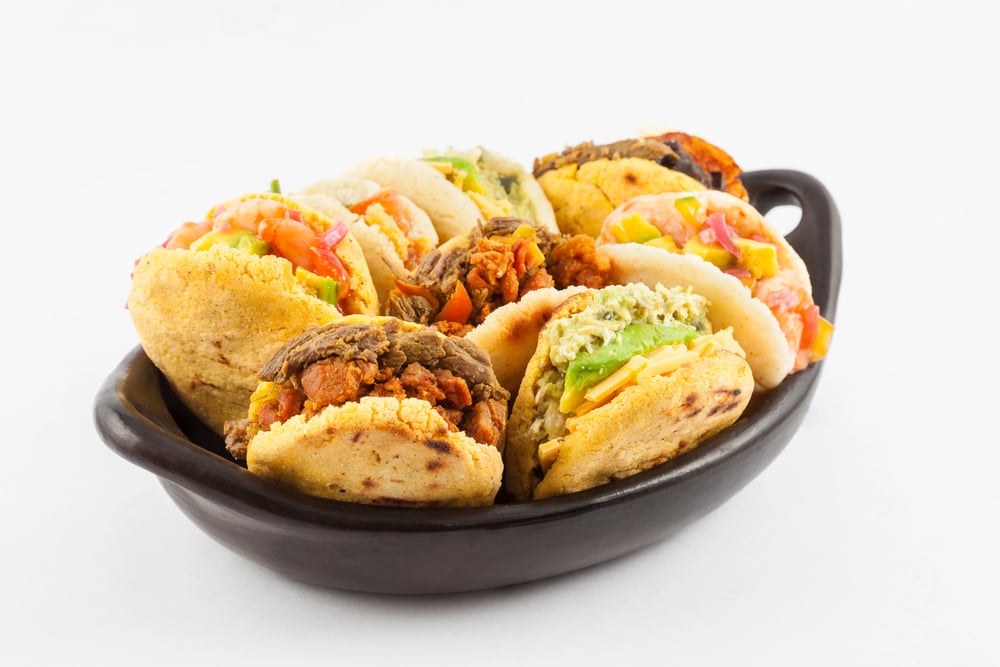
Corn cakes grilled or fried until crispy outside and soft inside became the canvas for countless fillings that define Venezuelan and Colombian street food. Vendors stuff arepas with shredded beef, black beans, cheese, avocado, or dozens of other combinations depending on region and preference.
The pre-Columbian origins of arepas mean they connect modern street food culture to indigenous traditions that predate European colonization. Both Venezuela and Colombia claim arepas as their national dish, with friendly rivalry over whose version tastes better and who invented various preparations.
The street food became so important that Venezuelan immigrants opened arepas stands worldwide, making it their calling card in new countries.
Bánh mì in Vietnam

French colonial influence collided with Vietnamese ingredients to create bánh mì, a sandwich that transcended its origins to become a Vietnamese icon. Street vendors fill crispy baguettes with combinations like grilled pork, pâté, pickled vegetables, cilantro, and chili peppers that create flavor profiles distinctly different from French sandwiches.
The contrast between the French bread and Vietnamese fillings represents Vietnam’s history of taking foreign influences and making them unmistakably Vietnamese. After gaining popularity at street carts throughout Vietnam, bánh mì spread globally and now appears on menus at restaurants charging prices that early street vendors could never have imagined.
The sandwich symbolizes Vietnamese adaptability and culinary creativity in ways that resonate with the country’s historical experience.
Empanadas in Latin America

Stuffed pastries fried or baked appeared in various forms across Spain and Portugal, but Latin American countries transformed empanadas into regional specialties that vary dramatically by country. Argentine beef empanadas differ from Chilean versions, which differ again from Colombian varieties, yet all trace back to street vendors selling portable meals to working people.
The convenience of eating a complete meal wrapped in pastry made empanadas perfect for street food, where customers needed to eat quickly without utensils. Each country developed such distinct empanada styles that locals can identify regional origins by the dough, filling, and preparation method.
The shared concept of empanadas across Latin America actually strengthens rather than dilutes their importance to individual national cuisines.
Pad Thai in Thailand

Thailand’s government actively promoted pad Thai as the national dish in the 1930s and 1940s, but street vendors made it genuinely popular through decades of perfecting the recipe. Stir-fried rice noodles with eggs, tofu, shrimp, peanuts, and tamarind sauce became the dish foreigners most associate with Thai cuisine.
Street carts serving pad Thai appeared on virtually every busy corner in Thai cities, with each vendor developing signature variations that kept customers loyal. The dish balanced sweet, sour, salty, and spicy flavors in ways that exemplified Thai cooking principles.
Thailand succeeded in creating a national food symbol through intentional promotion, but only because street vendors made pad Thai taste good enough that people actually wanted to eat it regularly.
Churros in Spain and Latin America

Spanish street vendors frying strips of dough and coating them with cinnamon sugar created a treat that spread throughout the Spanish-speaking world. Churros became the breakfast or snack that people grabbed from street carts on their way to work or after late nights out.
Dipped in thick hot chocolate, churros turned into a social experience where friends gathered at street stands or small cafés. Spain considers churros part of its culinary heritage, while countries like Mexico developed their own variations and relationships with the fried dough.
The simple preparation and irresistible taste helped churros become one of those foods that immediately signals Spanish or Latin American culture to people worldwide.
Döner kebab in Turkey and Germany

Turkish folks carried döner kebab to Germany during the ’70s – soon it turned into a go-to bite that locals now see as their own. Instead of just eating, they embraced it; spiced meat spun on a spit, sliced into flatbread with veggies and dressing made for fast, satisfying fuel.
In Berlin, you’ll find well over a thousand spots selling it – locals munch way more than those back in Turkey. Over time, debates popped up: is this dish really Turkish or actually German?
Both sides say it’s theirs. That shift – from foreign import to daily favorite – proves how newcomers can deeply change what people eat in new homelands.
Jerk chicken in Jamaica

Jamaican roadside cooks grill chicken on smoky pimento wood, slathered in spicy rubs – this style grew tightly tied to the nation’s culture. It started with Taino natives and Africans using chilies and herbs to keep meat fresh.
These open-air spots, usually old oil barrels turned into ovens, pulled folks in with rich scents of fire and seasoning. Getting jerk right means mixing sharp heat, subtle sweet notes, and deep smoke – a craft honed over countless cookouts.
Thanks to smart local pushes, this bold flavor went global, turning up in stores and eateries far beyond the island.
Souvlaki in Greece

Ancient Greeks already liked meat on sticks, yet today’s quick-bite souvlaki evolved into a go-to everyday meal across the nation. Instead of fancy methods, they focus on fresh stuff tossed together – grilled chunks tucked in pita, topped with tomato, onion, along with cool tzatziki.
That combo offers everyone, whether local or traveler, an easy handheld bite highlighting real Greek tastes. Across towns and islands, roadside grills popped up everywhere, feeding crowds one no-frills plate at a time.
Because this snack means so much to how Greeks see their food, folks who move overseas often start souvlaki spots just to stay tied to tradition.
Takoyaki in Japan

Osaka’s street sellers came up with takoyaki back in ’35 – little round bites made from wheat mix stuffed with bits of octopus, which quickly took off as the city’s go-to roadside treat. These are cooked using unique panned griddles that need real timing to toss just right mid-bake.
Once done, they get slathered in tangy sauce, creamy mayo, fluttering fish shavings, plus a sprinkle of sea greens – not only tasty but kinda fun to watch. Folks gather around as cooks spin batch after batch fast, cracking jokes or shooting the breeze while flipping each orb without missing a beat.
It’s less about eating and more like catching a live show on the sidewalk. Osa ka treats this snack like hometown pride, lining whole blocks with stalls going head to head for hungry passersby.
More than flavor, it shows how laid-back and warm the city feels next to stiff, uptight Tokyo.
Where roads supply cities
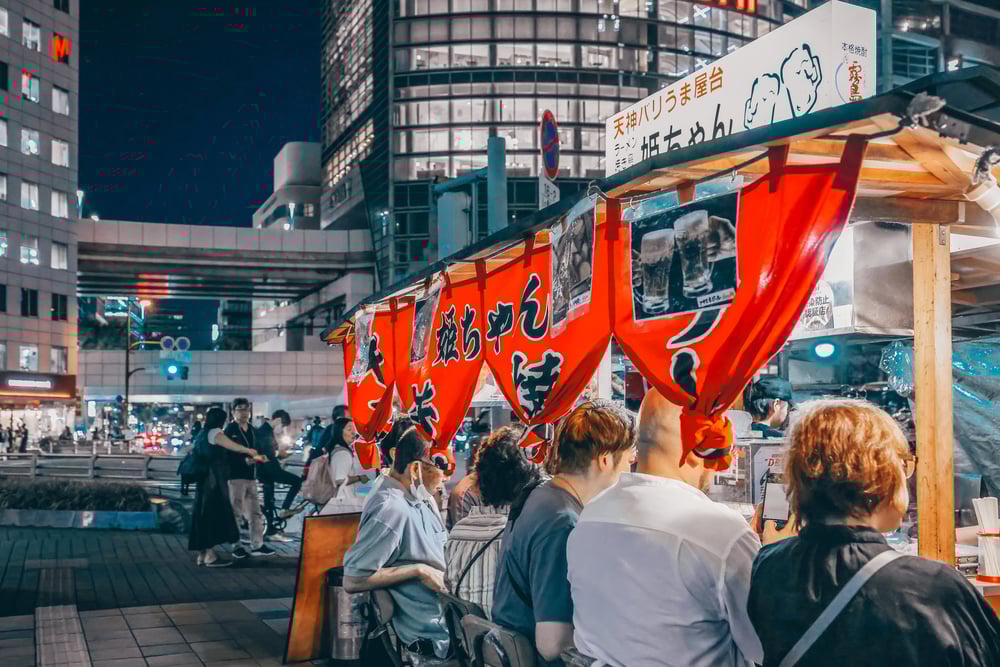
Street food sellers weren’t trying to become icons or stand for a nation overseas. Instead, they aimed to serve tasty meals fast to those with empty stomachs – meals that wouldn’t break the bank.
Yet along the way, something shifted; each bite took on deeper meaning. These foods began holding pieces of memory, custom, flavor – things folks linked to where they came from, who they were.
Countries saw the value in what street sellers built – now those meals are seen as key parts of heritage, something to guard and share. Next time you eat tacos, pho, or similar fare, remember: it began on crowded sidewalks, then turned into icons that shape whole countries.
More from Go2Tutors!

- The Romanov Crown Jewels and Their Tragic Fate
- 13 Historical Mysteries That Science Still Can’t Solve
- Famous Hoaxes That Fooled the World for Years
- 15 Child Stars with Tragic Adult Lives
- 16 Famous Jewelry Pieces in History
Like Go2Tutors’s content? Follow us on MSN.