16 Marketing Stunts That Worked Too Well
Marketing campaigns are supposed to grab attention, but sometimes they grab way more than anyone bargained for. What starts as a clever idea to boost sales can spiral into a cultural phenomenon, public relations nightmare, or uncontrollable frenzy that leaves companies scrambling to manage the chaos they created. These campaigns succeeded beyond their creators’ wildest dreams—and sometimes beyond their worst nightmares.
The most memorable marketing stunts often work because they tap into something deeper than simple product awareness. Here is a list of 16 marketing campaigns that became too successful for their own good, creating consequences that lasted far longer than anyone expected.
War of the Worlds Radio Broadcast
Orson Welles’ 1938 radio adaptation of H.G. Wells’ science fiction novel was meant to be an entertaining Halloween broadcast for CBS. The realistic news bulletin format convinced thousands of listeners that Martians were actually invading Earth, causing widespread panic across the country.
Police stations were flooded with calls, people fled their homes, and some even reported seeing the alien ships themselves, proving how powerful the media could be in shaping public perception.
Pepsi Points Campaign
Pepsi’s 1996 promotion offered prizes in exchange for points collected from their products, including a joke entry for a military Harrier jet worth 7 million points. College student John Leonard found a loophole that allowed him to buy points directly and demanded his jet, leading to a lengthy legal battle.
The campaign generated massive publicity but cost Pepsi far more in legal fees and embarrassment than they ever anticipated from what was supposed to be a lighthearted promotion.
Like Go2Tutors’s content? Follow us on MSN.
Boston Tea Party Marketing
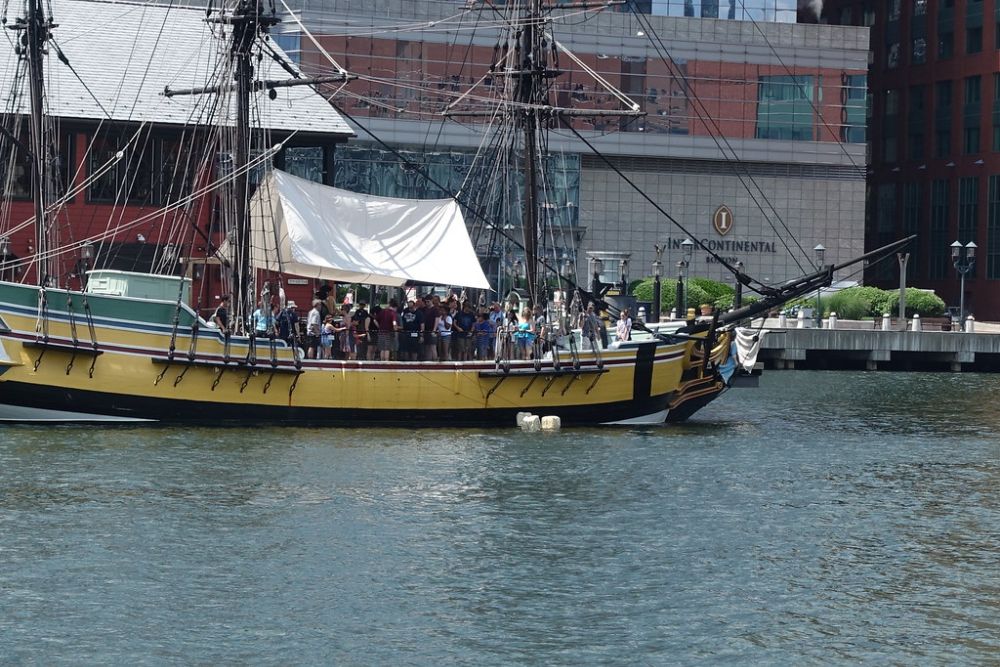
Samuel Adams beer created a guerrilla marketing campaign in the 1980s that encouraged people to dump competitors’ beer into Boston Harbor as a modern tea party protest. The stunt worked too well when environmental groups began protesting the beer dumping, and city officials threatened legal action for polluting the harbor.
The campaign had to be quickly abandoned, but not before generating significant controversy and unintended environmental activism.
McDonald’s Monopoly Fraud
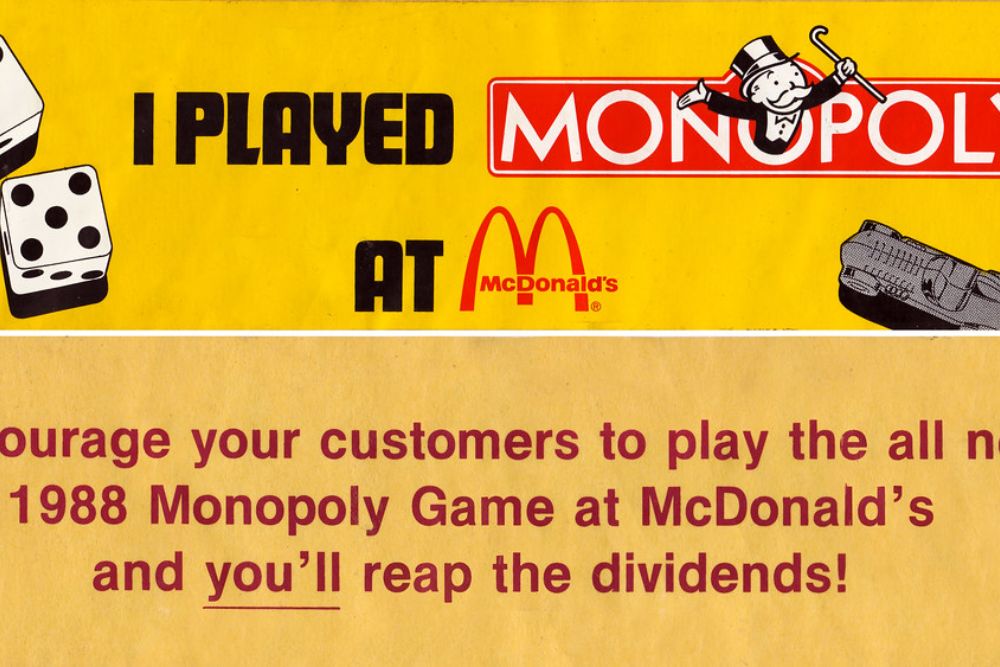
McDonald’s Monopoly game became one of the most popular fast food promotions ever, driving massive sales increases whenever it ran. However, the campaign worked so well that it attracted organized crime—a security company employee stole winning pieces for over a decade, distributing them to friends and accomplices.
The fraud wasn’t discovered until 2001, revealing that almost no legitimate customers had won major prizes, leading to FBI investigations and multiple arrests.
Taco Bell Liberty Bell
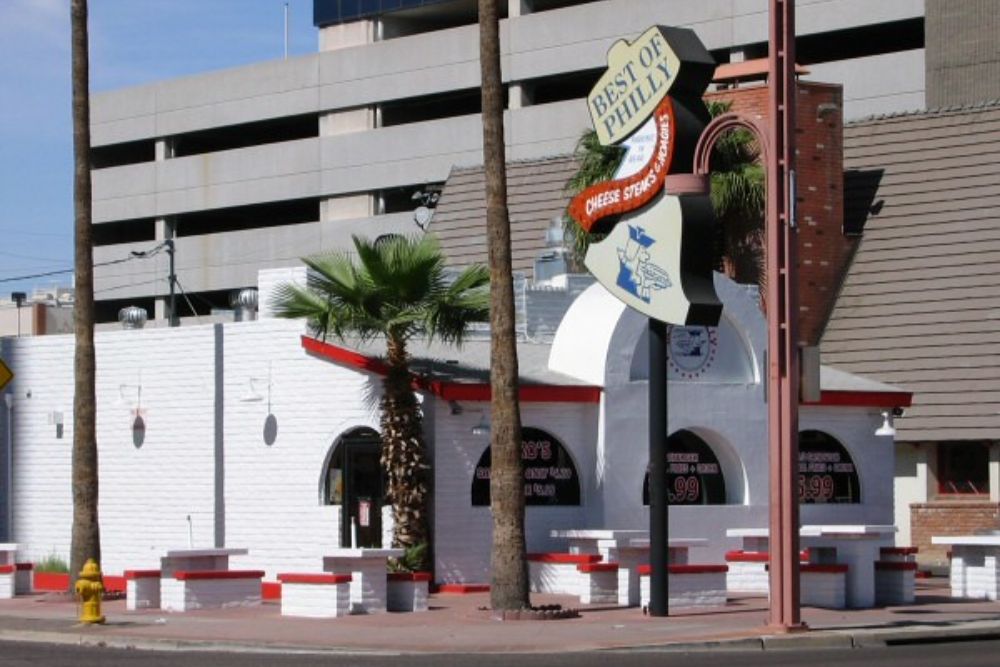
In 1996, Taco Bell announced they had purchased the Liberty Bell and were renaming it the ‘Taco Liberty Bell’ as part of their effort to help the government reduce debt. Thousands of outraged Americans called the National Park Service before the company revealed it was an April Fool’s Day prank.
The stunt generated enormous publicity and sales, but also genuine anger from people who felt the company had gone too far in mocking American symbols.
Like Go2Tutors’s content? Follow us on MSN.
Blair Witch Project Marketing
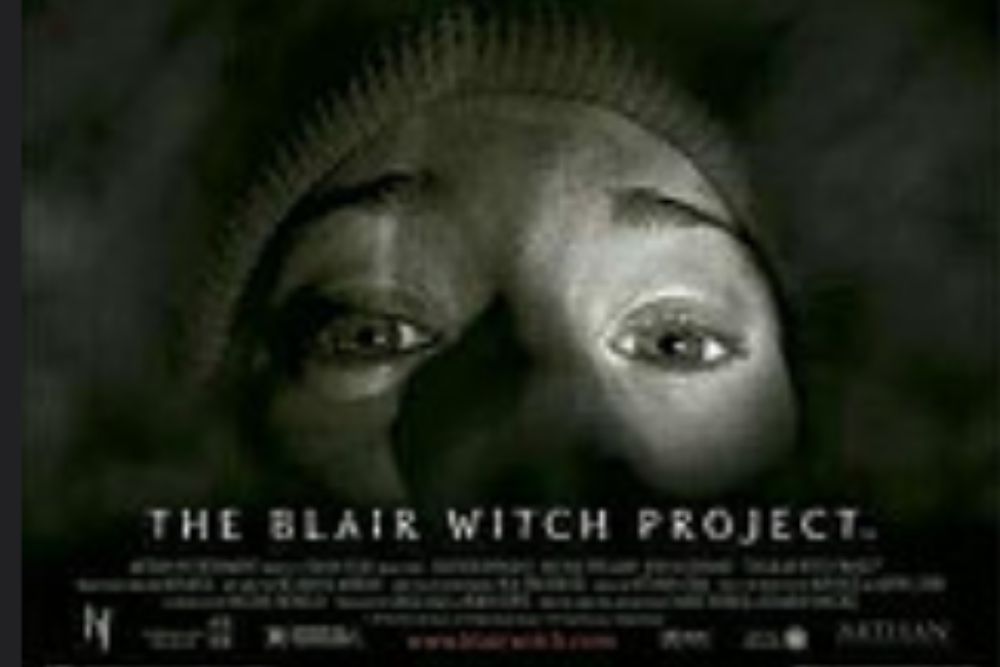
The 1999 horror film’s marketing campaign presented the fictional story as real documentary footage, creating fake missing person reports and websites about the Blair Witch legend. The campaign was so convincing that many moviegoers believed they were watching actual found footage of missing filmmakers.
While this made the low-budget film incredibly successful, it also sparked debates about truth in advertising and the ethics of deceiving audiences for entertainment.
Cartoon Network’s Mooninite Scare
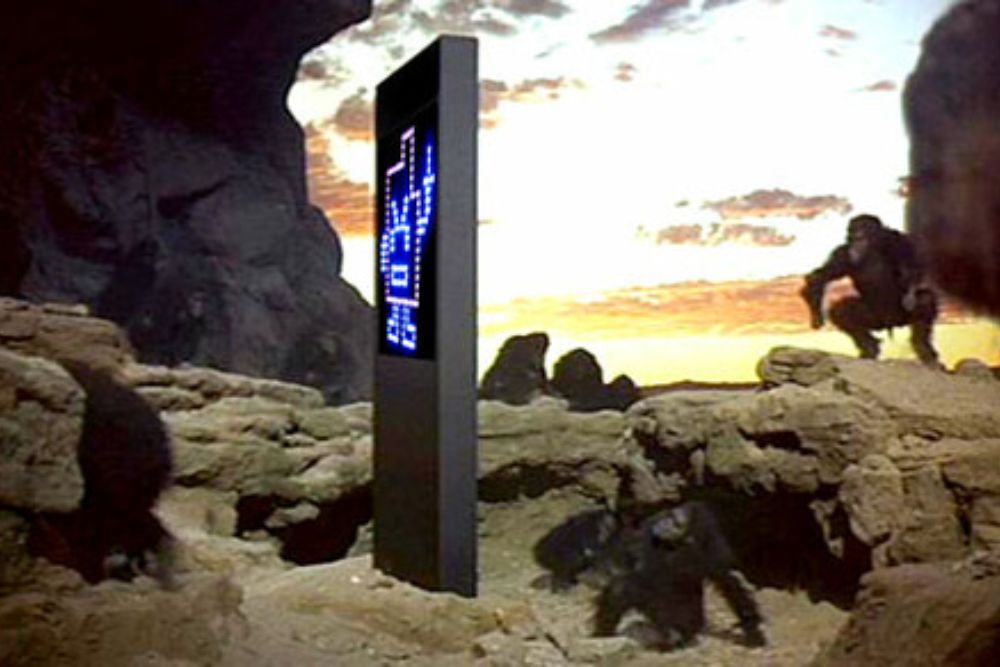
Adult Swim promoted their show ‘Aqua Teen Hunger Force’ in 2007 by placing LED signs featuring cartoon characters around Boston. The electronic devices were mistaken for bombs, shutting down major transportation systems and triggering a city-wide terror alert.
The campaign cost the network millions in fines and legal settlements, while two employees were arrested, turning a simple promotional stunt into a national security incident.
Snapple’s Giant Popsicle
Snapple attempted to break a world record in 2005 by creating a 25-foot-tall popsicle in New York’s Union Square. The frozen treat began melting faster than expected in the summer heat, flooding nearby streets with sticky kiwi-strawberry liquid.
The fire department had to be called to hose down the area, and the event was shut down early, creating a memorable disaster that overshadowed the actual product promotion.
Like Go2Tutors’s content? Follow us on MSN.
Microsoft’s Windows 95 Launch
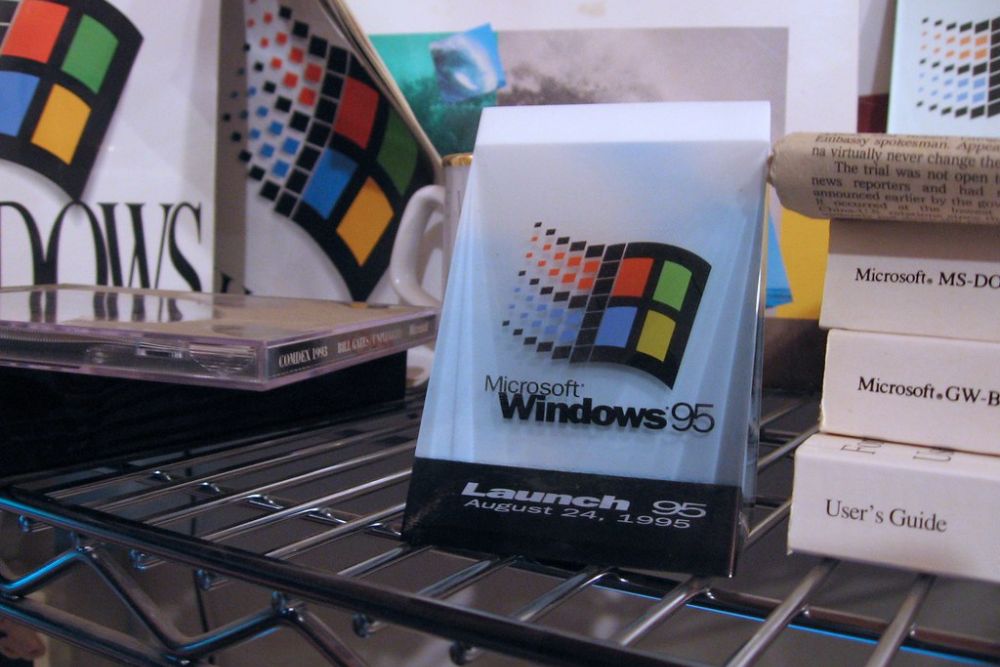
Microsoft bought the entire print run of The Times of London on August 24, 1995, to promote Windows 95, giving away free copies across the UK. The campaign was so successful that it created massive crowds at computer stores worldwide, with some locations experiencing stampedes and shortages.
While Windows 95 became hugely successful, the launch events sometimes resembled rock concerts more than software releases, overwhelming retailers and creating safety concerns.
IHOP Becomes IHOb
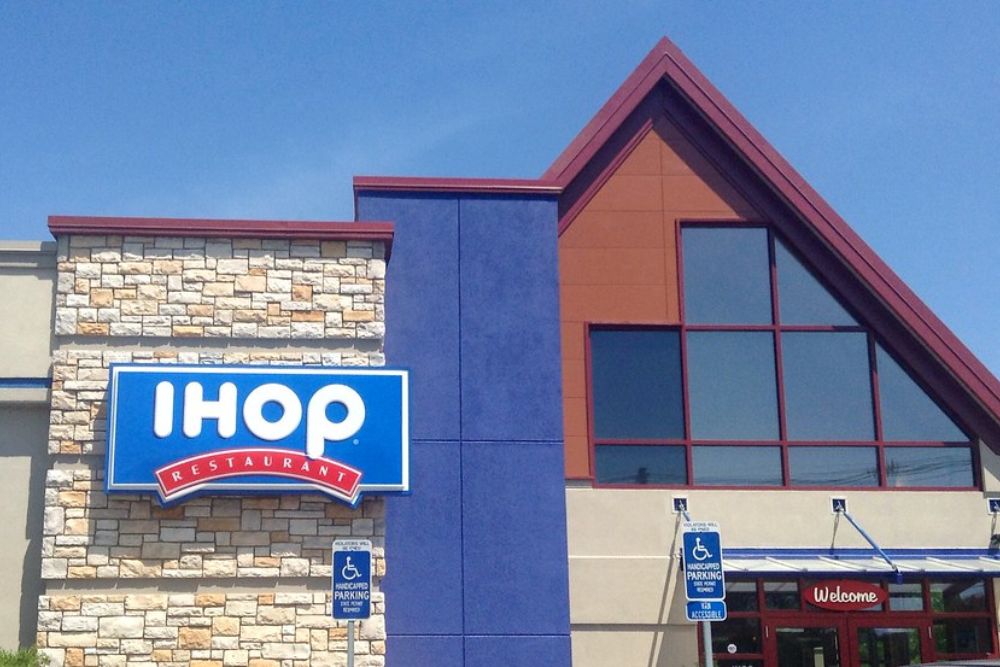
In 2018, IHOP temporarily changed its name to ‘IHOb’ (International House of Burgers) to promote their burger menu. The campaign generated massive social media buzz and news coverage, but also confused and alienated longtime customers who associated the brand with pancakes.
The company had to quickly clarify that pancakes were still their main focus, but the stunt had already created lasting uncertainty about their brand identity.
Burger King’s Left-Handed Whopper
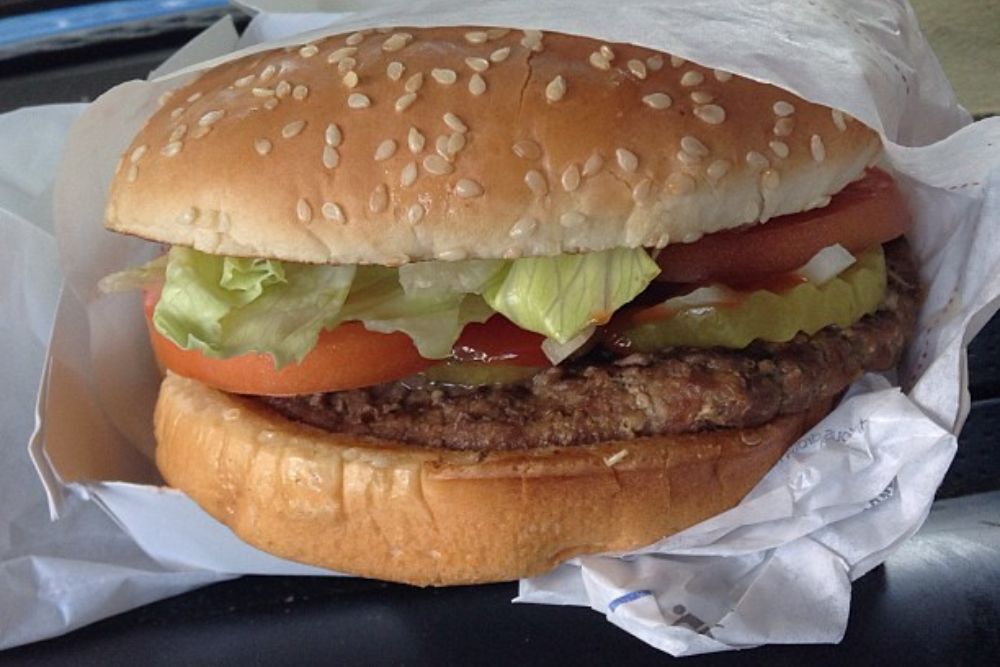
Burger King’s 1998 April Fool’s Day advertisement claimed they had developed a ‘Left-Handed Whopper’ with ingredients rotated 180 degrees for left-handed customers. Thousands of customers visited restaurants asking for the special burger, while others specifically requested the ‘right-handed’ version.
The prank was so believable that it required extensive cleanup efforts and employee training to handle the confused customers who kept arriving for weeks afterward.
Like Go2Tutors’s content? Follow us on MSN.
Sony’s Fake Movie Critics
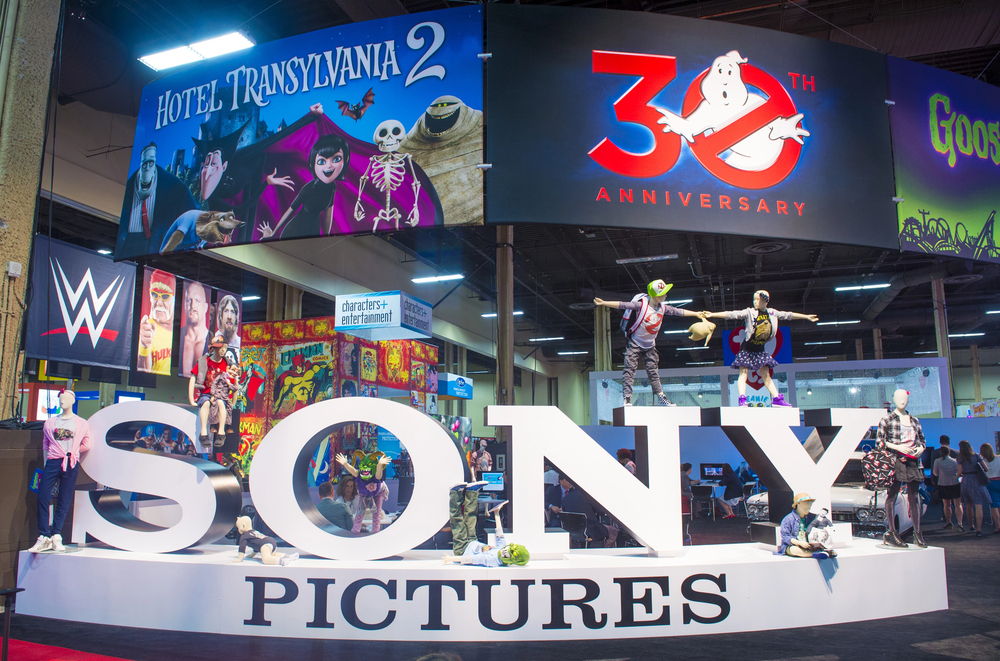
Sony Pictures created fake critic David Manning to provide positive quotes for their movies in 2001, inventing glowing reviews for films that were receiving poor reception from real critics. The scheme worked initially, helping boost box office sales, but investigative reporting exposed the fraud.
The revelation led to lawsuits, fines, and permanent damage to Sony’s credibility, proving that manufactured praise could backfire spectacularly when discovered.
Aqua Teen Hunger Force Boston Panic
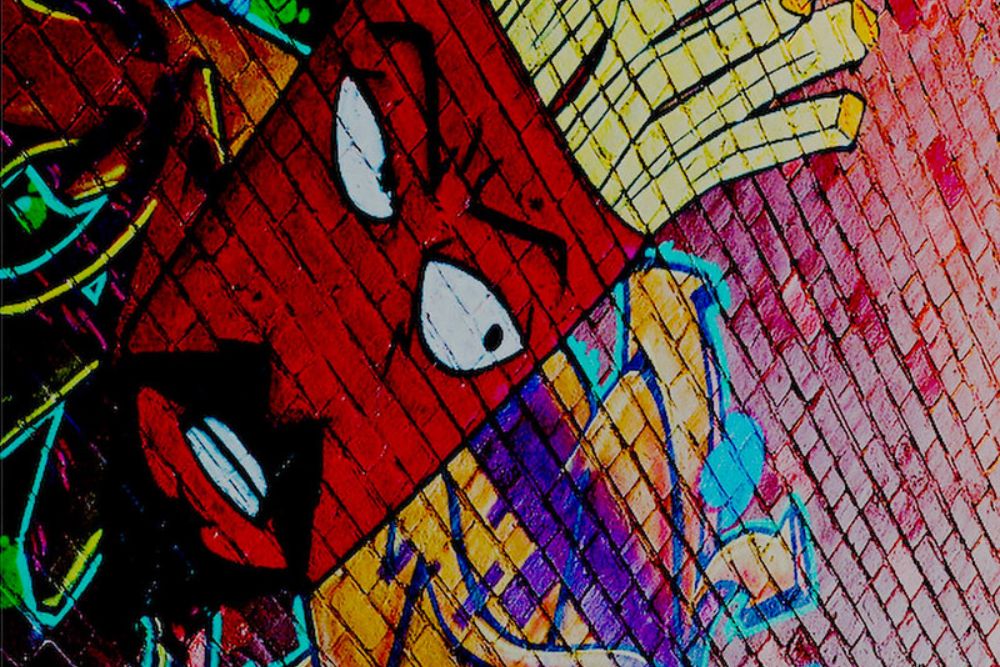
Turner Broadcasting’s 2007 guerrilla marketing campaign for ‘Aqua Teen Hunger Force’ placed LED advertisements throughout ten cities, but Boston authorities mistook them for explosive devices. The city shut down highways, bridges, and waterways while bomb squads investigated the electronic signs.
The campaign cost Turner $2 million in settlements and created a template for how not to conduct guerrilla marketing in post-9/11 America.
Volkswagen’s Diesel Deception
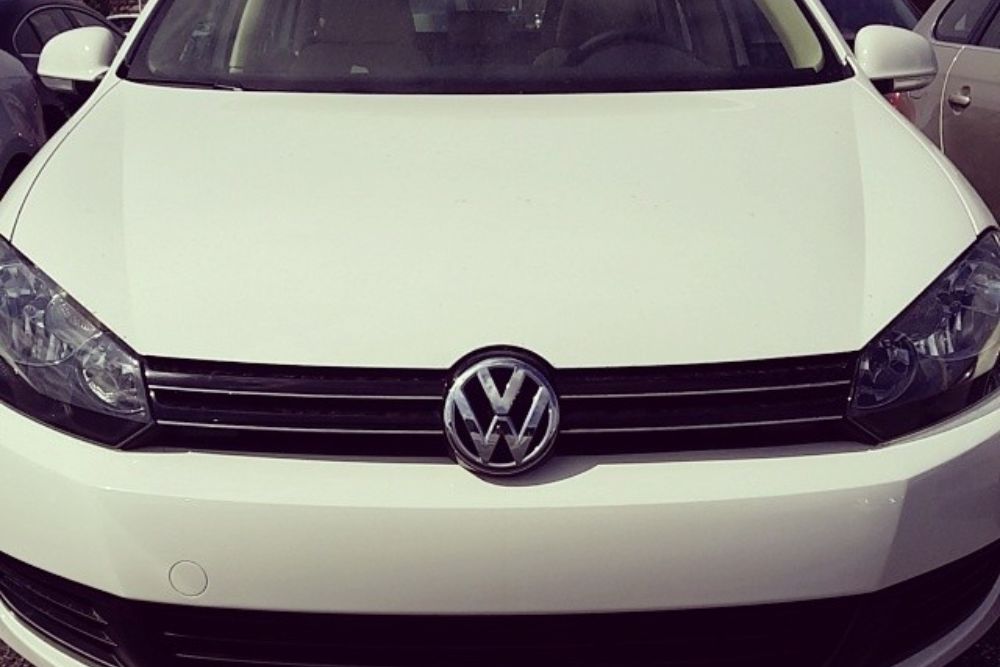
Volkswagen’s ‘Clean Diesel’ marketing campaign promoted their vehicles as environmentally friendly alternatives to gas engines. The company installed software that detected emissions testing and temporarily reduced pollution output during inspections.
When the deception was discovered in 2015, it cost Volkswagen over $30 billion in fines and settlements, destroyed their reputation for honesty, and led to criminal charges against executives.
Like Go2Tutors’s content? Follow us on MSN.
KFC’s Double Down Launch
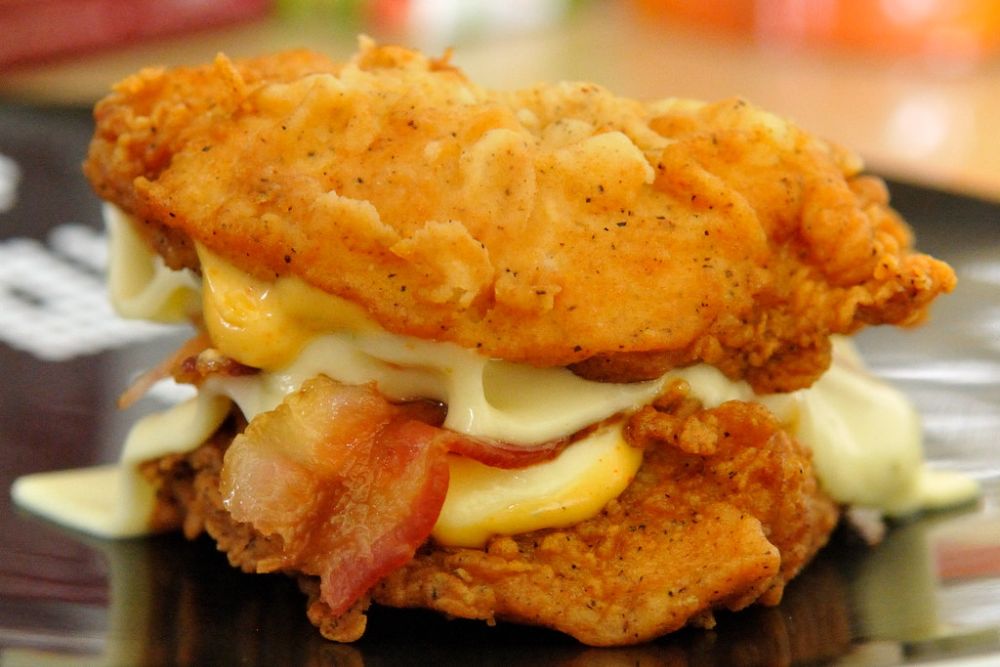
KFC’s 2010 introduction of the Double Down—a sandwich using fried chicken instead of bread—was meant to create buzz around their brand. The campaign succeeded too well, generating nationwide debates about American eating habits and obesity while attracting protests from health advocacy groups.
The sandwich became a cultural lightning rod that overshadowed KFC’s other menu items and forced them to defend their entire business model.
Netflix’s Squid Game Marketing
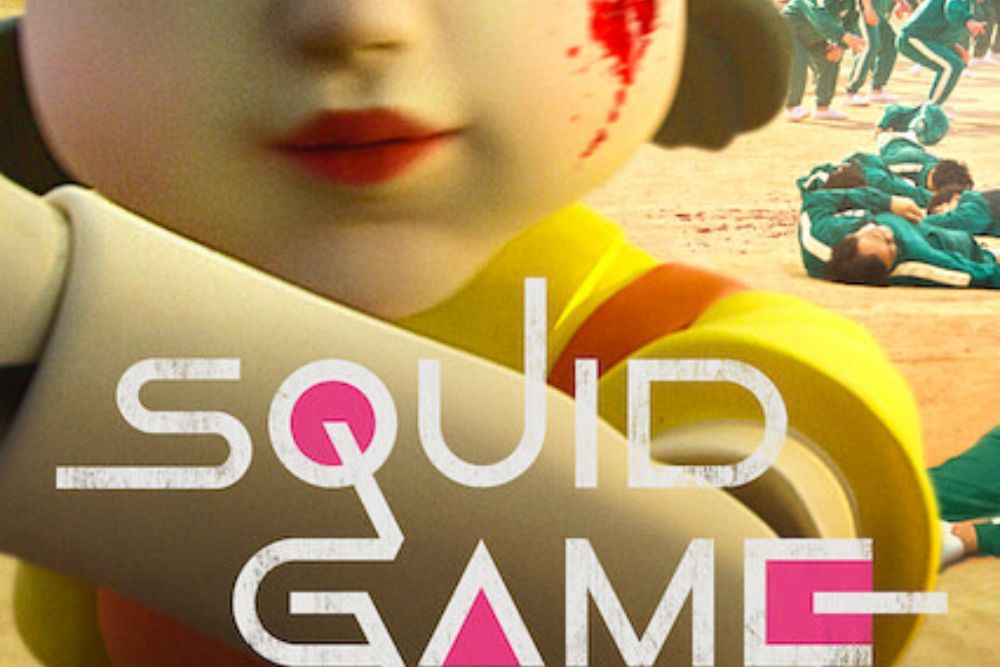
Netflix’s promotion of ‘Squid Game’ included real-life versions of the show’s deadly games at various events and experiences. The marketing was so effective that it sparked copycat events worldwide, some of which resulted in injuries when participants took the competitions too seriously.
The campaign’s success created a global phenomenon but also raised concerns about promoting content that glorified violence, forcing Netflix to add disclaimers and modify their promotional approach.
When Success Becomes the Problem

These marketing campaigns prove that getting exactly what you wish for can be more challenging than not getting it at all. Companies learned that capturing public attention is like lighting a fire—once it starts spreading, you can’t always control where it goes or how much damage it might cause.
The most effective campaigns often succeed because they touch something deeper than product features or pricing, but that same emotional connection can spiral beyond anyone’s ability to manage. Modern marketers study these examples not just for their creativity, but as cautionary tales about the responsibility that comes with wielding the power to influence public behavior and perception.
Like Go2Tutors’s content? Follow us on MSN.
More from Go2Tutors!

- 16 Historical Figures Who Were Nothing Like You Think
- 12 Things Sold in the 80s That Are Now Illegal
- 15 VHS Tapes That Could Be Worth Thousands
- 17 Historical “What Ifs” That Would Have Changed Everything
- 18 TV Shows That Vanished Without a Finale
Like Go2Tutors’s content? Follow us on MSN.