16 Measurement Units Based on Body Parts
Since their bodies are the most available resource, humans have traditionally used them to measure their environment. Prior to the invention of standardized rulers and measuring tapes, people measured sizes and distances using their fingers, arms, and feet.
This practical approach produced an interesting set of measurement units that demonstrate how our predecessors understood the relationship between the human form and the physical world. In addition to being practical, these body-based metrics were remarkably constant across communities and frequently represented the typical proportions of their users.
16 measurement units that came from different sections of the human body are listed here.
Foot
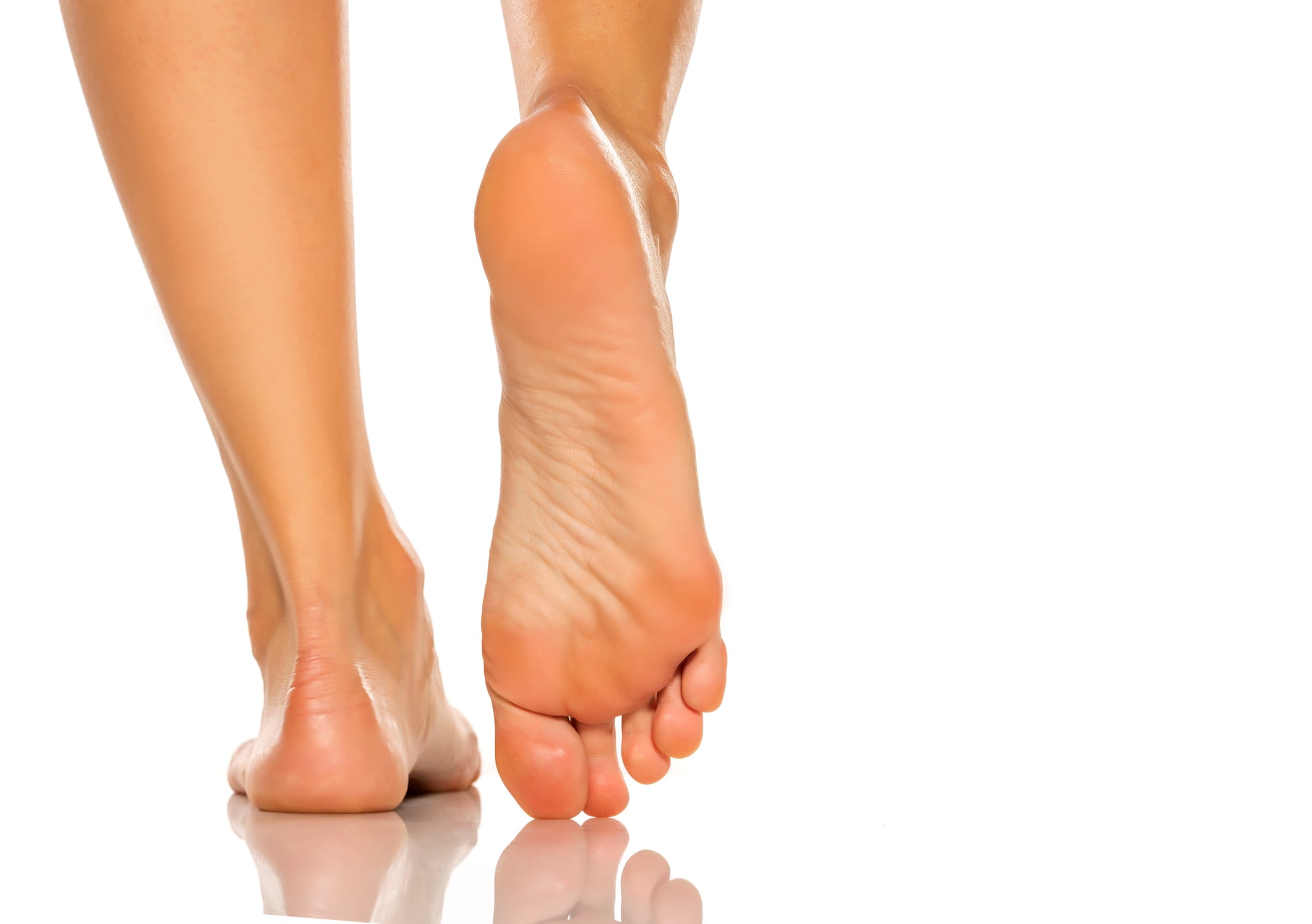
The foot, which is literally based on the length of a human foot, is still one of the most well-known body-based measurements. Variations of this unit were employed by ancient societies ranging from Egypt to Rome, albeit the precise length varied greatly depending on whose foot was used as the reference.
The idea of measuring distances with your own foot feels as natural today as it did thousands of years ago, even though the standardized 12-inch foot of today came about much later.
Cubit
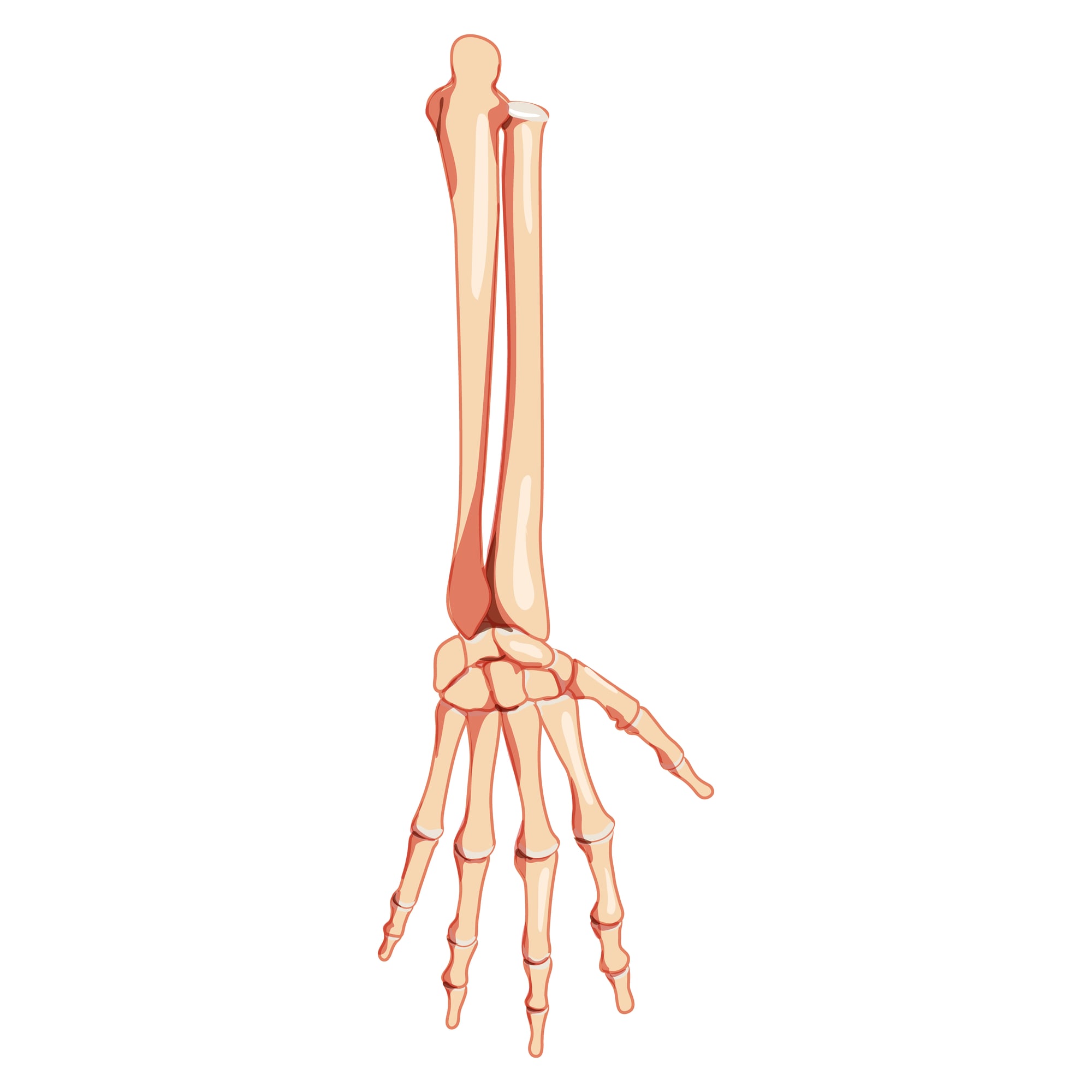
Ancient builders relied heavily on the cubit, which measured from the elbow to the tip of the middle finger. This unit proved especially useful in construction because workers could quickly estimate lengths using their own arms.
The Egyptian royal cubit stretched about 20.6 inches, while the common cubit measured roughly 18 inches, showing how even body-based measurements could become standardized for important projects like pyramid construction.
Span
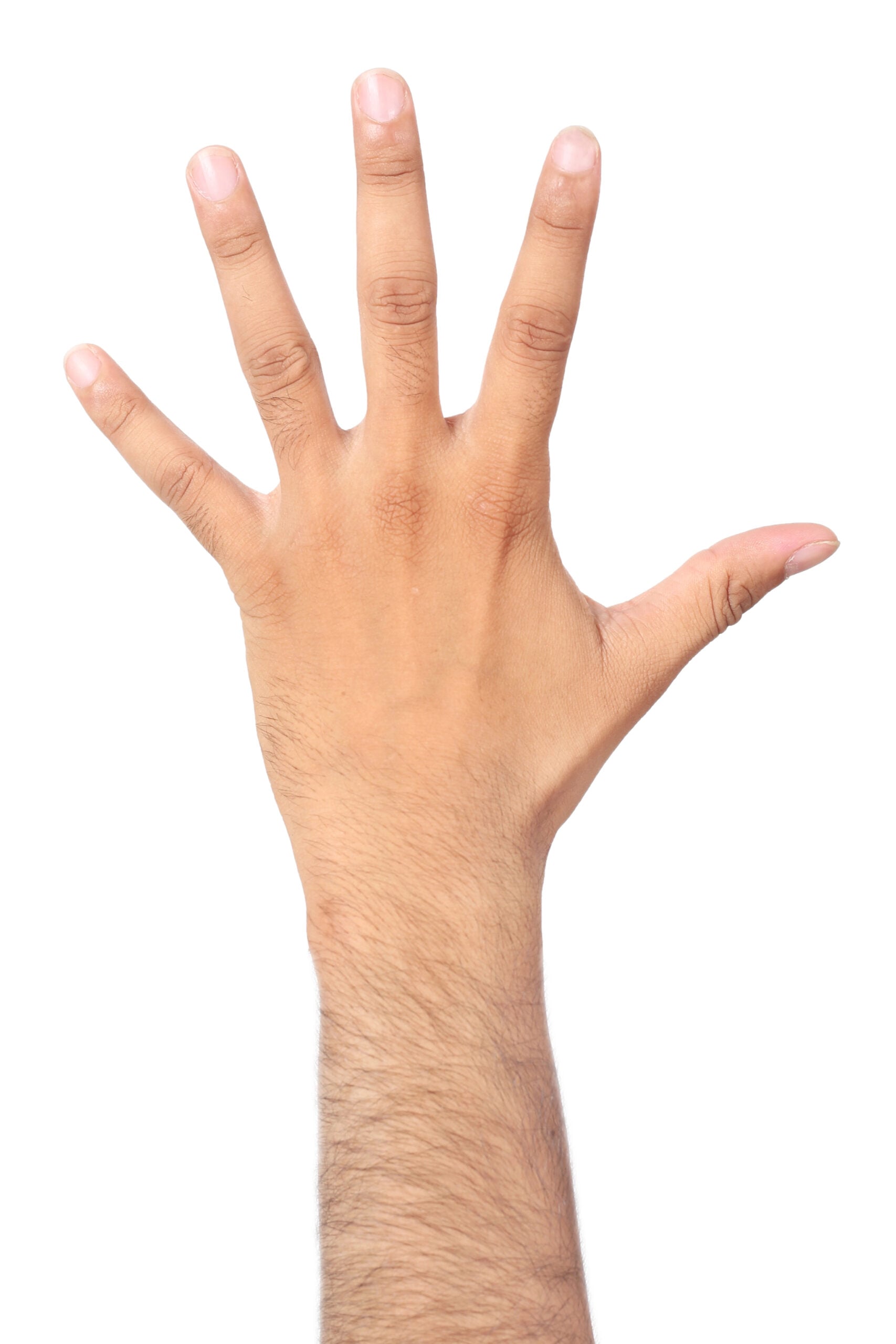
The span represents the distance from thumb tip to pinky tip when your hand is fully stretched out. This measurement typically equals about 9 inches for most adults, making it perfect for measuring smaller objects or spacing.
Carpenters and craftsmen particularly valued the span because they could use it without putting down their tools, simply spreading their fingers to gauge dimensions.
Palm
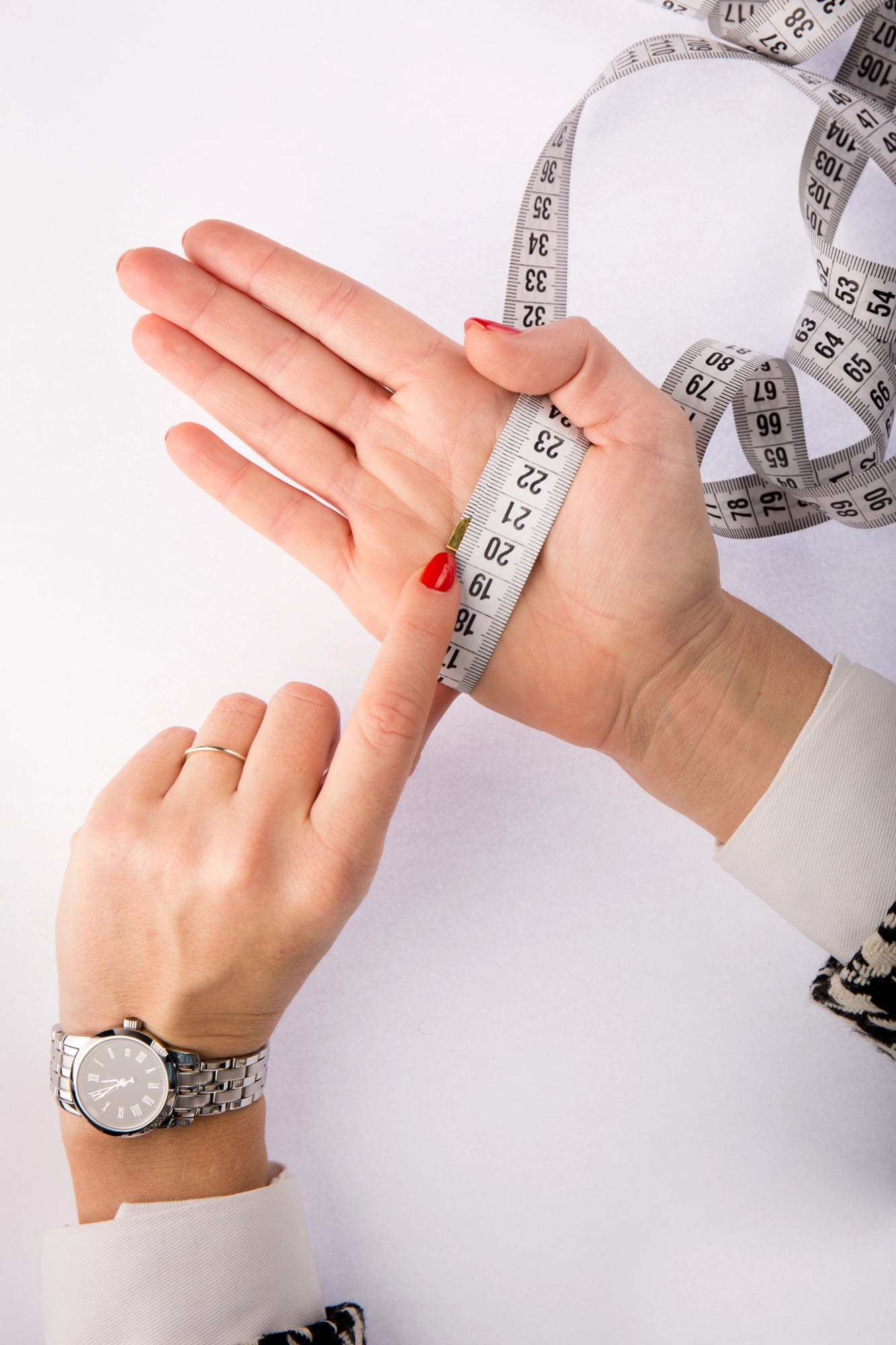
Also known as a hand’s breadth, the palm measured the width of four fingers placed side by side, excluding the thumb. This unit typically measured about 3 inches and proved invaluable for measuring the height of horses—a practice that continues today.
The consistency of this measurement across different people made it reliable enough for trade and construction purposes.
Digit
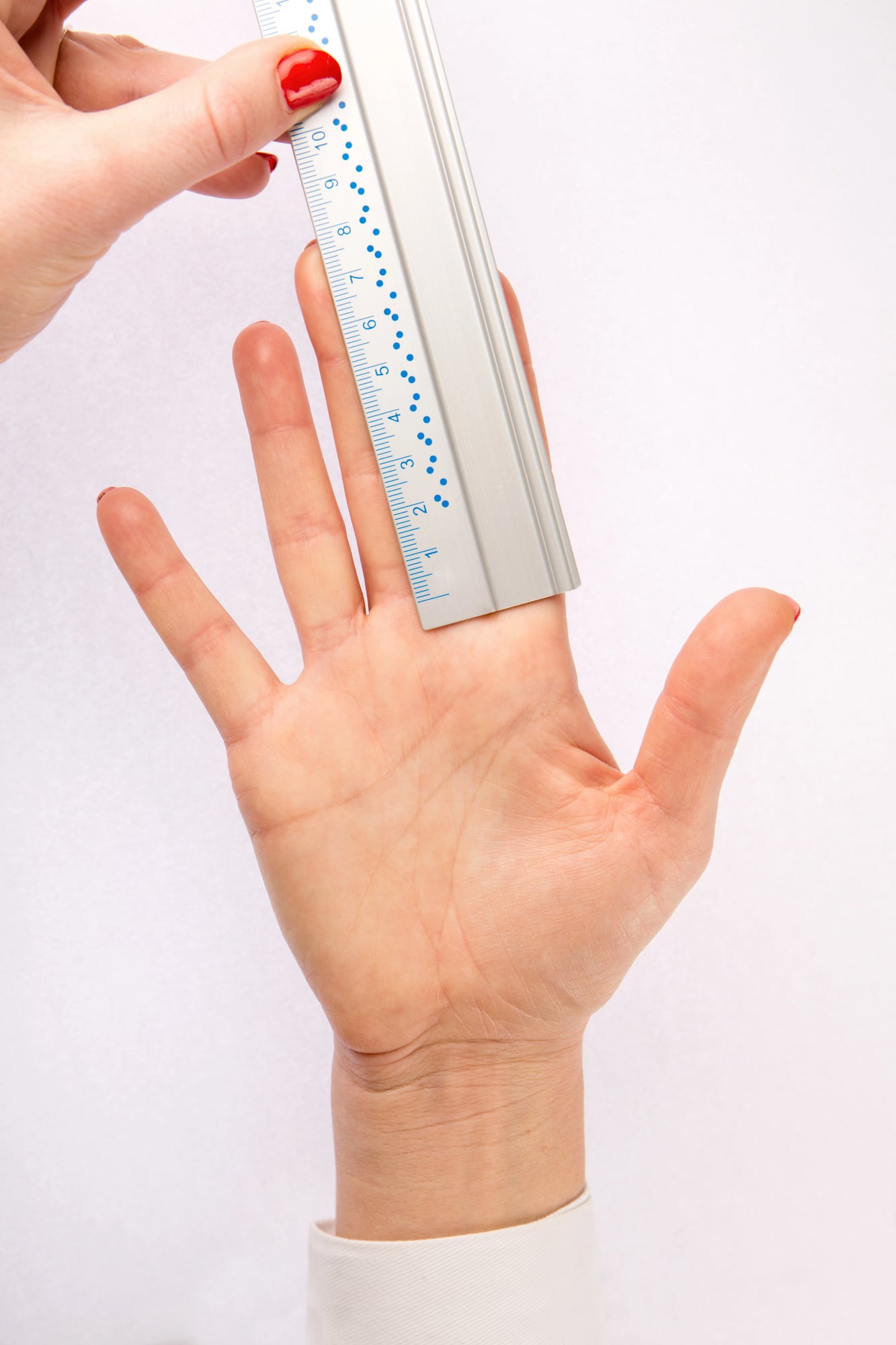
The digit represented the width of a single finger, usually the middle finger at its widest point. Romans particularly favored this measurement, setting it at about three-quarters of an inch.
Multiple digits could be combined to measure larger objects, and the digit often served as a subdivision of larger units like the palm or foot.
Fathom
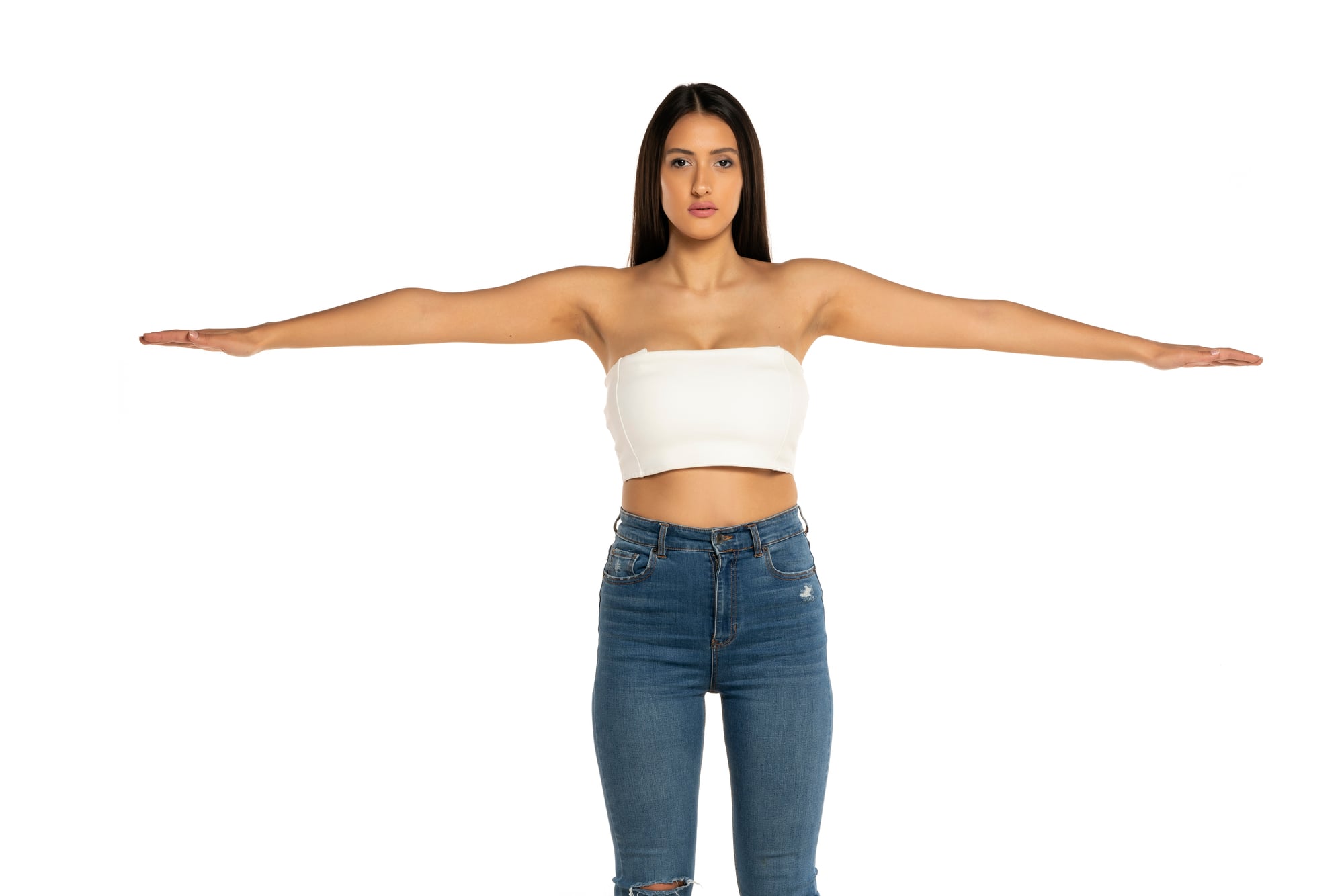
Sailors and rope makers created the fathom by measuring the span of outstretched arms from fingertip to fingertip. This distance typically equals a person’s height and measures about 6 feet.
The fathom became essential for measuring water depth and rope lengths, remaining in nautical use even today because of its practical relationship to human proportions.
Pace
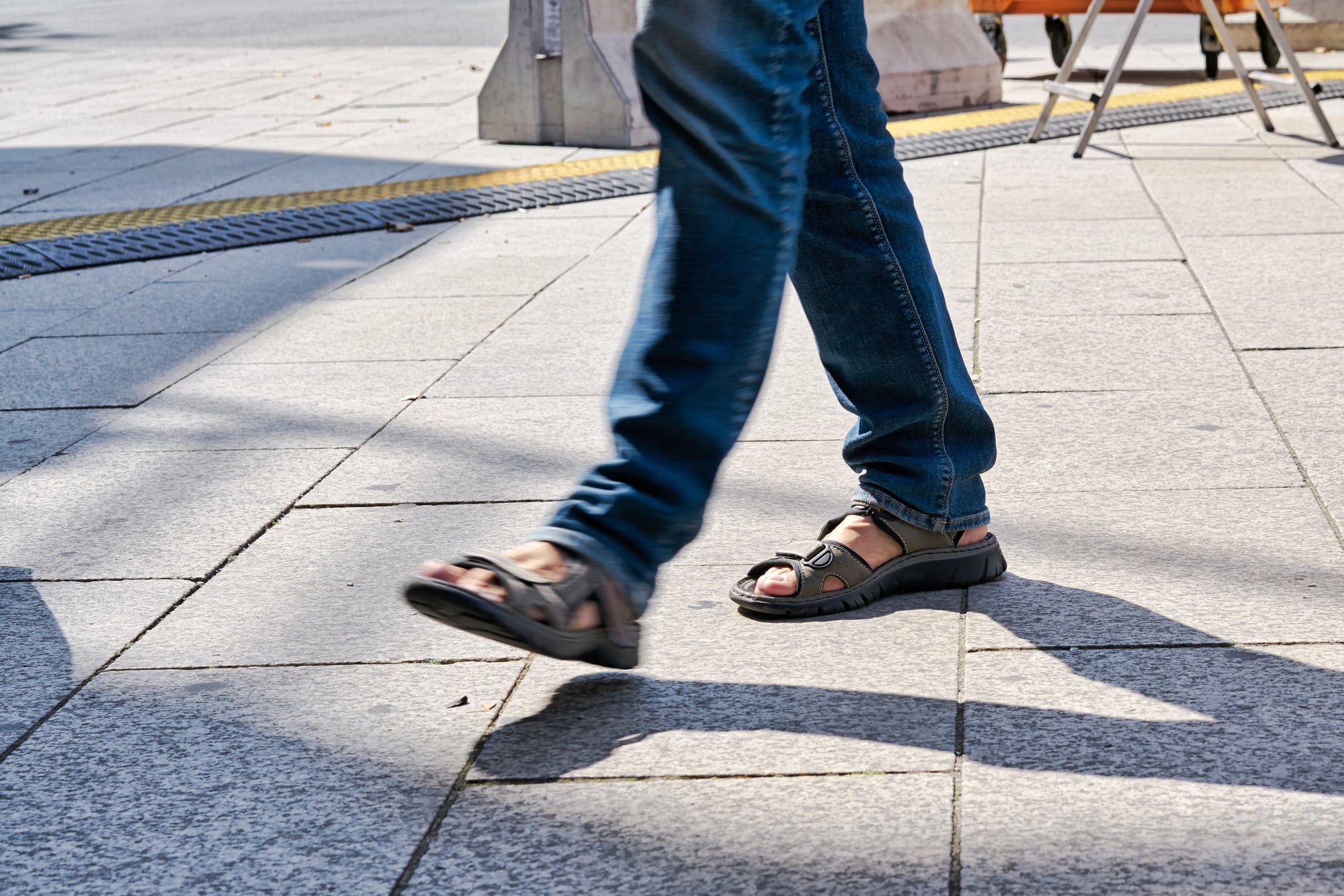
The pace measured the length of a single step, from where one foot lifts off to where the same foot touches down again. Roman soldiers used paces to measure distances during marches, with 1,000 paces forming the basis for the mile.
This measurement varied more than others since walking styles differ, but it provided a practical way to estimate distances while traveling on foot.
Ell
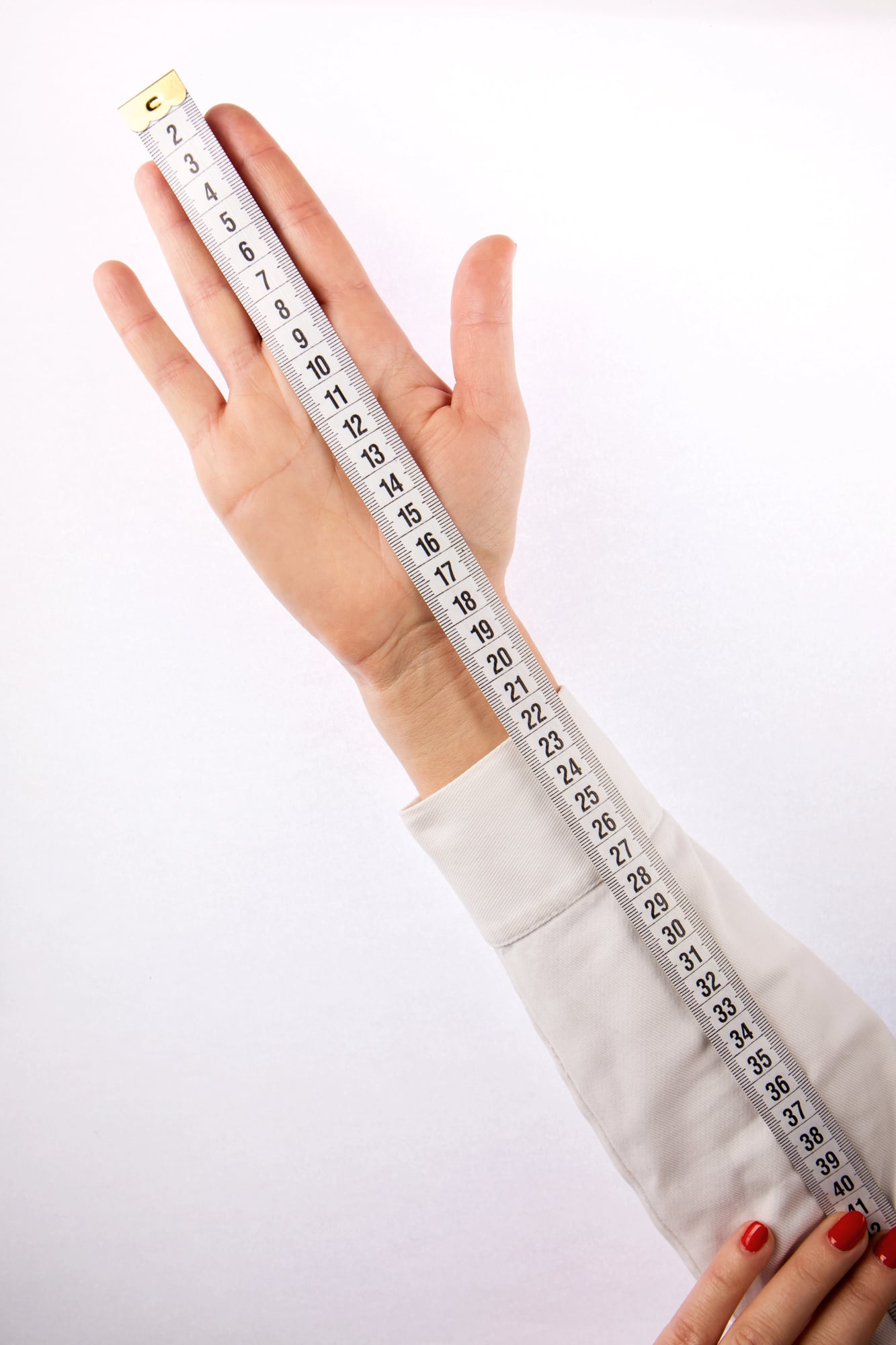
The ell extended from the elbow to the fingertips, similar to a cubit but often measuring slightly longer at about 45 inches. English cloth merchants relied heavily on ells to measure fabric, and the consistency of this body measurement helped establish fair trade practices.
Different regions developed their own standard ells, but all traced back to this fundamental arm measurement.
Hand
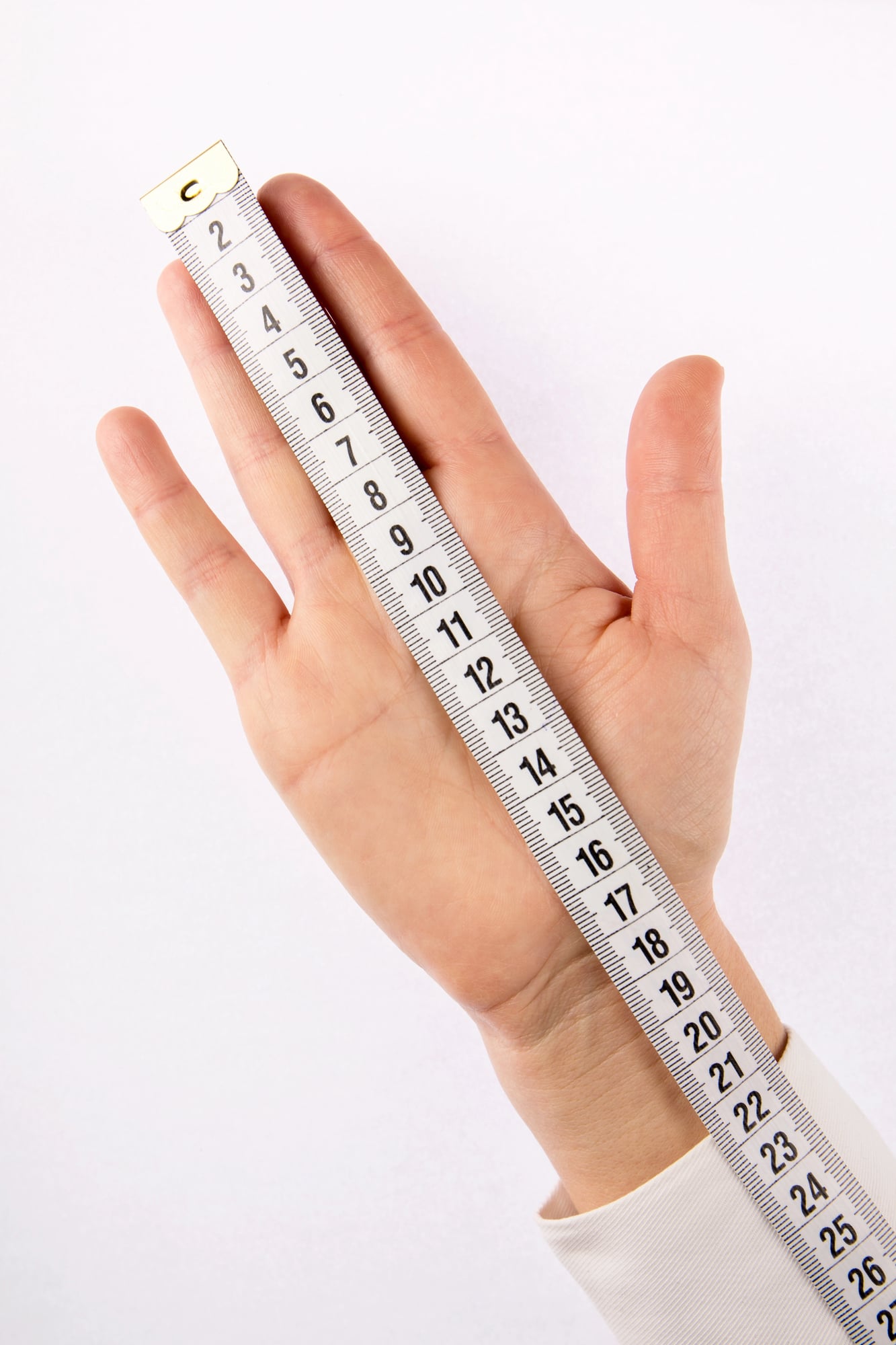
Beyond the palm measurement, the hand also referred to the width of a clenched fist or about 4 inches. This measurement gained particular importance in measuring horse height, where it remains the standard unit today.
The hand provided a convenient size reference that people could visualize easily, making it useful for describing objects of moderate size.
Shaftment
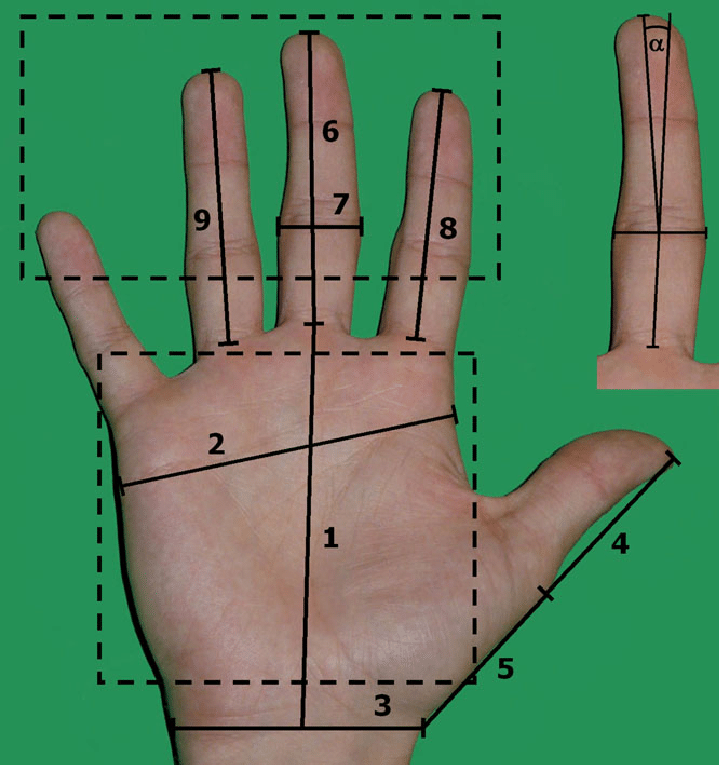
The shaftment combined the span with the width of a fist, measuring from the extended thumb to the opposite side of a clenched fist. This somewhat awkward measurement typically stretched about 6.5 inches and found use primarily in measuring arrow shafts and similar cylindrical objects.
While less common than other body measurements, it demonstrates how craftsmen adapted basic body proportions to their specific needs.
Finger
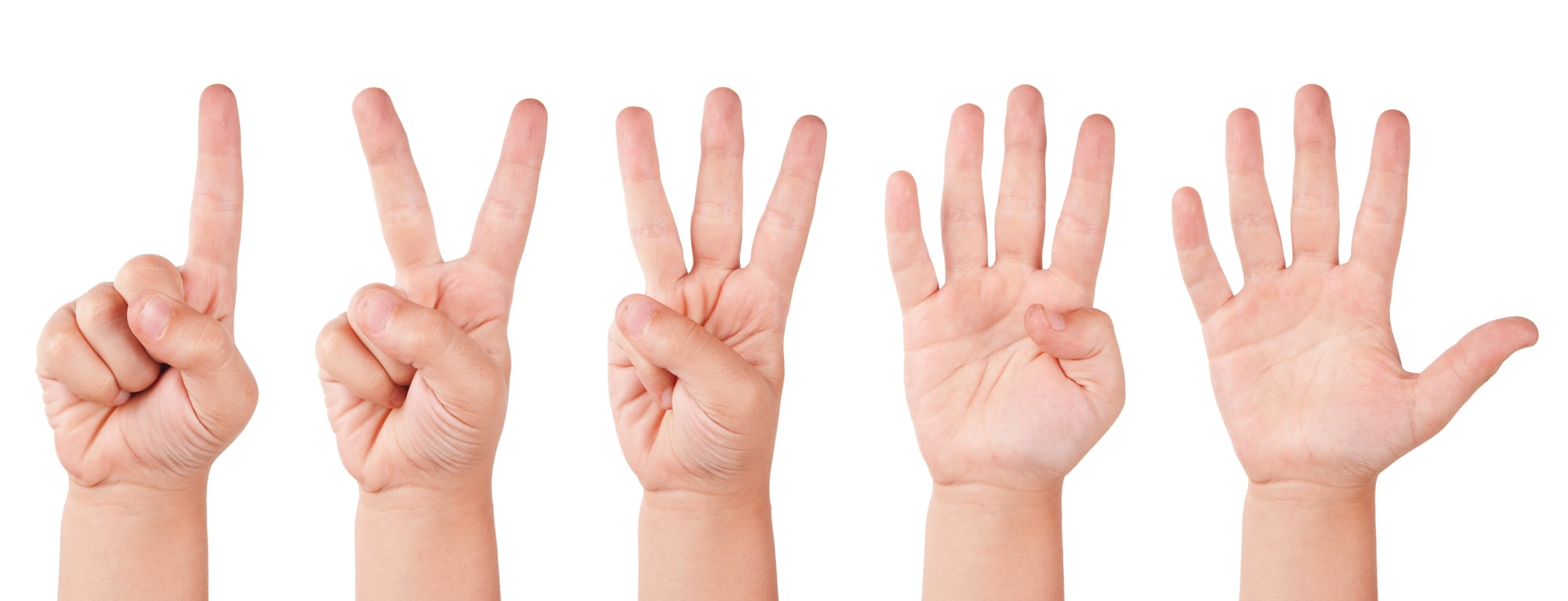
The finger measurement represented the width of a single finger, typically the index finger. At roughly three-quarters of an inch, this tiny unit helped measure small objects and served as a subdivision of larger measurements.
Jewelers and fine craftsmen particularly appreciated having such a precise, small unit based on something as accessible as their own finger.
Nail
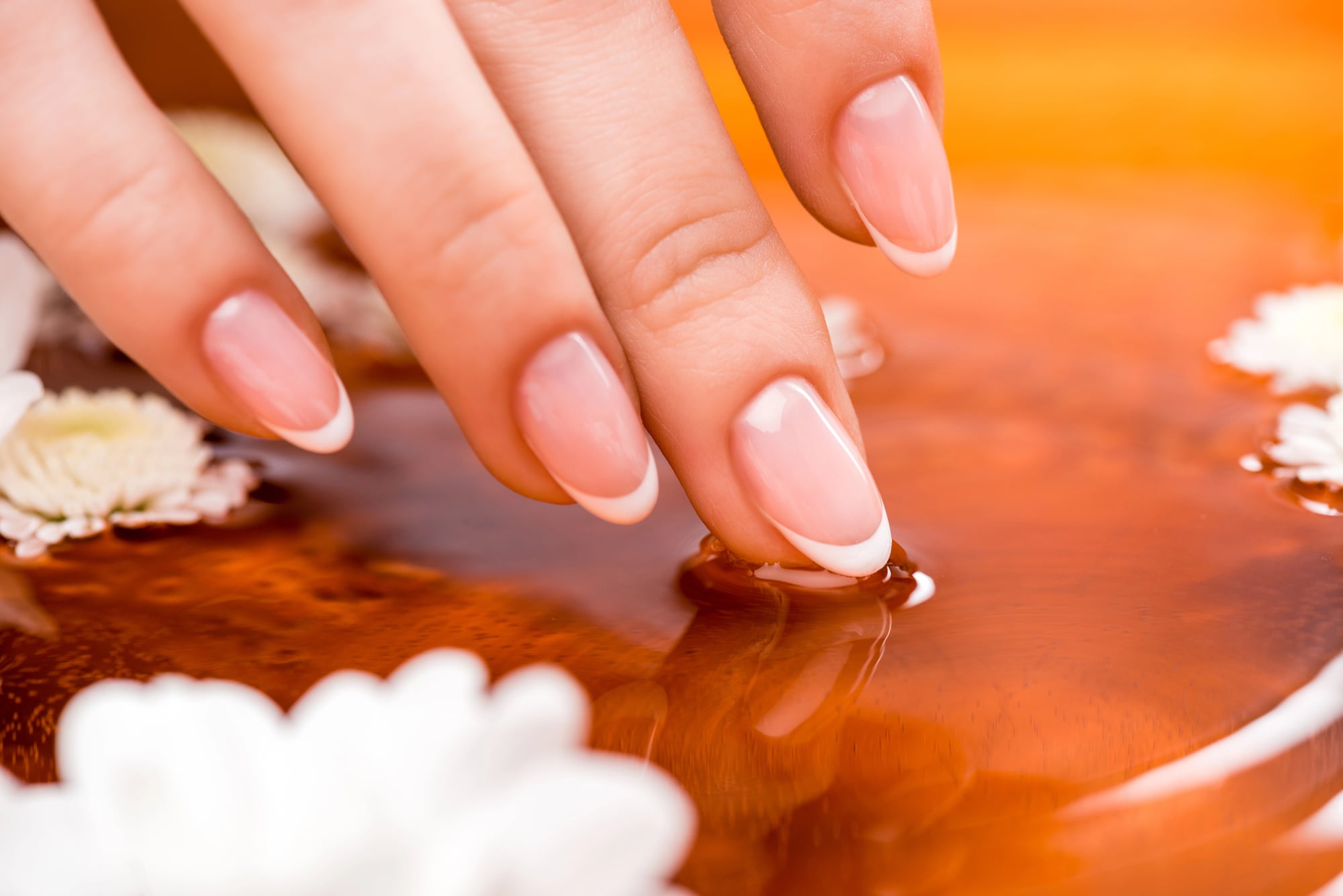
The nail measured the length of a fingernail, typically about 2.25 inches or one-sixteenth of a yard. This measurement found use in cloth trading, where merchants needed precise small measurements.
The nail demonstrates how even the smallest parts of the human body could provide useful measurement standards when precision mattered in commerce.
Barleycorn
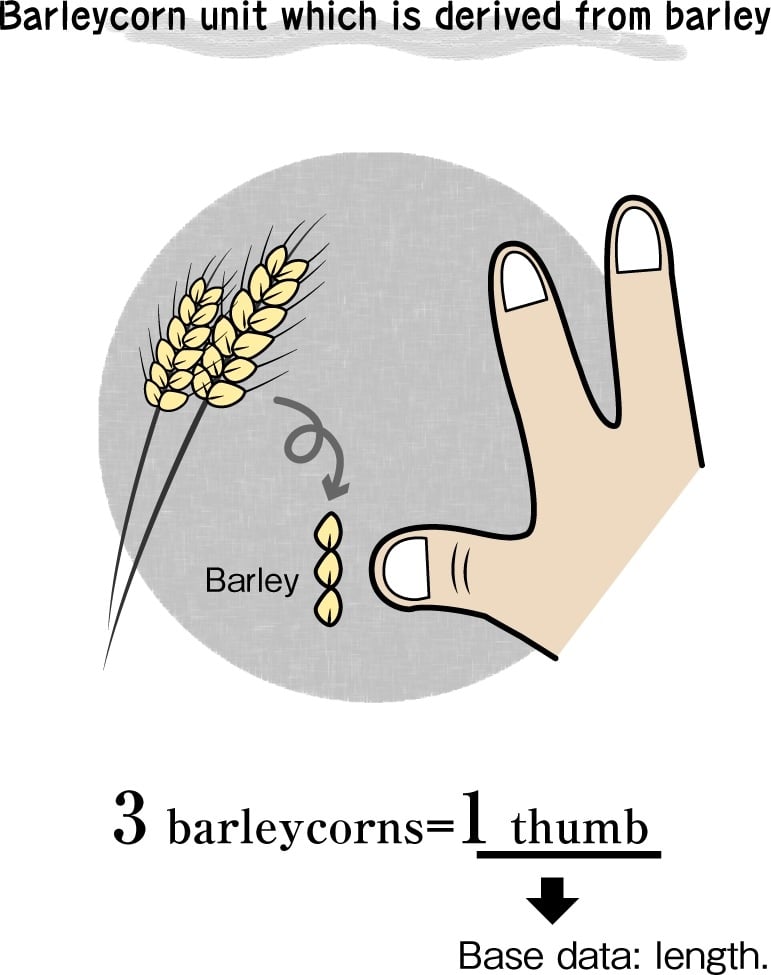
While not directly a body part, the barleycorn related to body measurements as it originally measured the length of a grain of barley, which approximated the width of a thumb. At one-third of an inch, three barleycorns equaled one inch in the English system.
This agricultural measurement connected food production to human proportions, showing how body-based measurements influenced even grain-related standards.
Rod

The rod, also called a perch or pole, measured about 16.5 feet and supposedly represented the combined length of the left feet of 16 men as they left church on Sunday morning. This colorful origin story, whether true or not, illustrates how communities created standardized measurements from individual body parts.
The rod became crucial for land measurement and property boundaries.
Furlong

The furlong originated from the distance an ox could plow without resting, but it also connected to human measurements as one-eighth of a mile measured in paces. At 660 feet, the furlong represented 220 yards or 1,320 paces, directly linking agricultural work to human walking patterns.
This measurement bridged the gap between individual body measurements and larger land distances.
League

The league measured the distance a person could walk in an hour, typically about 3 miles. While this varied based on terrain and walking speed, it provided a practical way to describe longer distances in human terms.
Different cultures developed their own league standards, but all connected back to the fundamental human experience of walking and estimating time and distance together.
Connecting Ancient Wisdom to Modern Life
Human creativity frequently begins with the most basic resources available—our own selves—as these body-based measurements remind us. Even though we currently use accurate digital tools and clearly defined units, knowing these historical measurements enables us to recognize the extraordinary ingenuity with which our ancestors addressed real-world issues.
You’re engaging in a measurement custom that has been practiced for thousands of years and in innumerable cultures the next time you estimate a distance using your own foot or arm span.
More from Go2Tutors!

- The Romanov Crown Jewels and Their Tragic Fate
- 13 Historical Mysteries That Science Still Can’t Solve
- Famous Hoaxes That Fooled the World for Years
- 15 Child Stars with Tragic Adult Lives
- 16 Famous Jewelry Pieces in History
Like Go2Tutors’s content? Follow us on MSN.