16 Mineral Finds That Rewrote Geology
Throughout Earth’s history, certain mineral discoveries have acted like geological plot twists — completely changing how scientists understand our planet. These weren’t just pretty rocks sitting in museum cases. They were game-changers that forced geologists to tear up textbooks and start over. From tiny crystals that revealed Earth’s age to space rocks that explained planetary formation, these minerals opened entirely new chapters in Earth science.
Each discovery represented a moment when everything scientists thought they knew got turned upside down. Some finds revealed that Earth was far older than anyone imagined, while others showed that life and geology were more intertwined than previously thought.
Here is a list of 16 mineral finds that fundamentally rewrote our understanding of geology.
Zircon
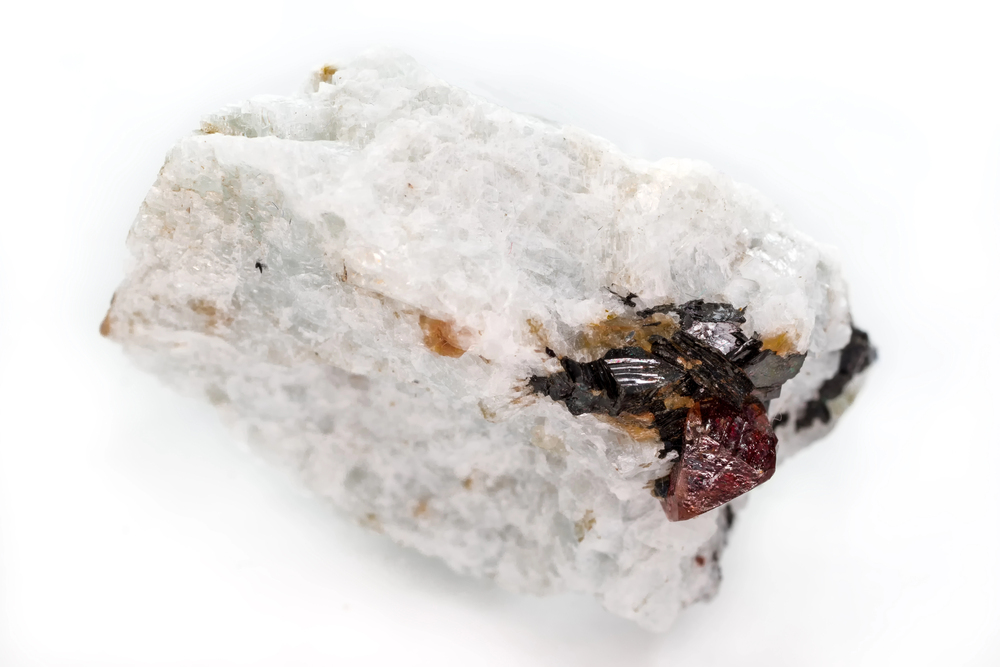
When scientists realized zircon’s amazing age-recording properties, it became geology’s ultimate timekeeper. Each crystal of this small mineral functions as a natural clock because the uranium it contains decays to lead at a predictable rate.
Western Australia is home to the oldest zircon grains, which are 4.4 billion years old. That demonstrates how Earth survived its violent early bombardment period and formed much earlier than scientists first thought.
Uranium-bearing Pitchblende
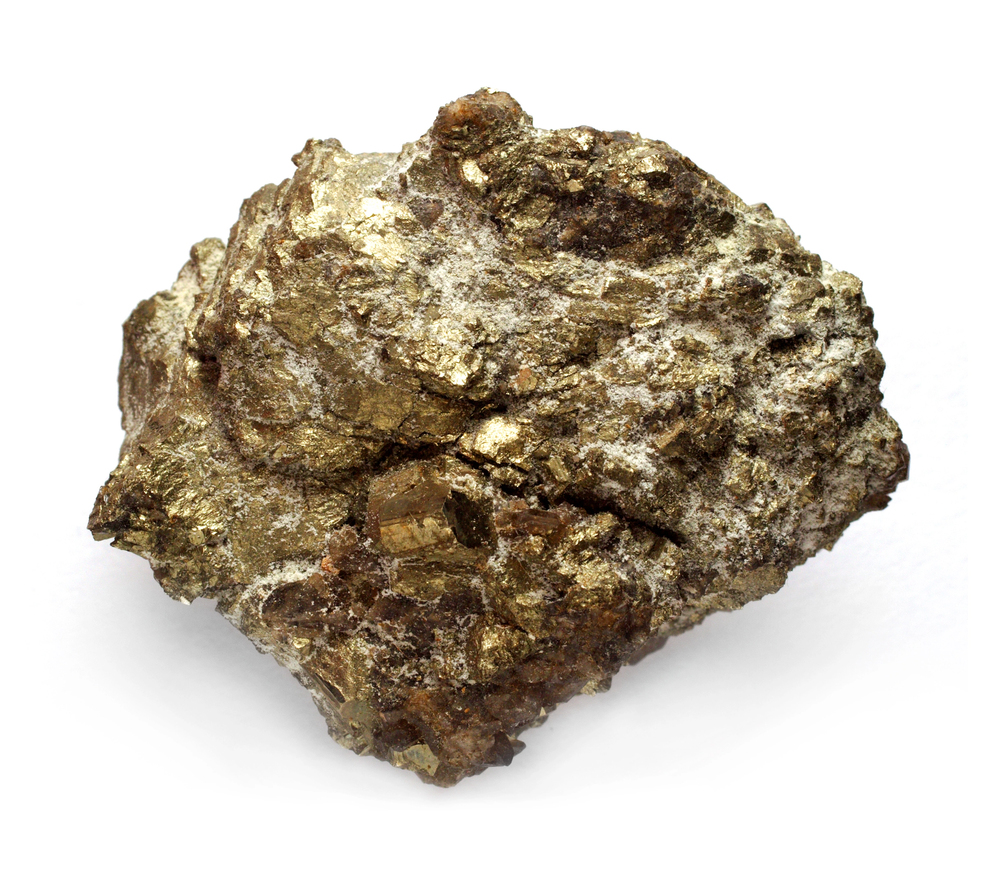
The atomic age began in 1789 when German scientist Martin Heinrich Klaproth discovered uranium in pitchblende. Geological dating was also transformed by it.
Geologists’ first accurate technique for establishing the absolute age of rocks was made possible by this dense, dark mineral, which served as the basis for their understanding of radioactive decay. We would still be speculating about Earth’s timeline without uranium dating, rather than being aware that it dates back 4.6 billion years.
Quartz Crystal Structure
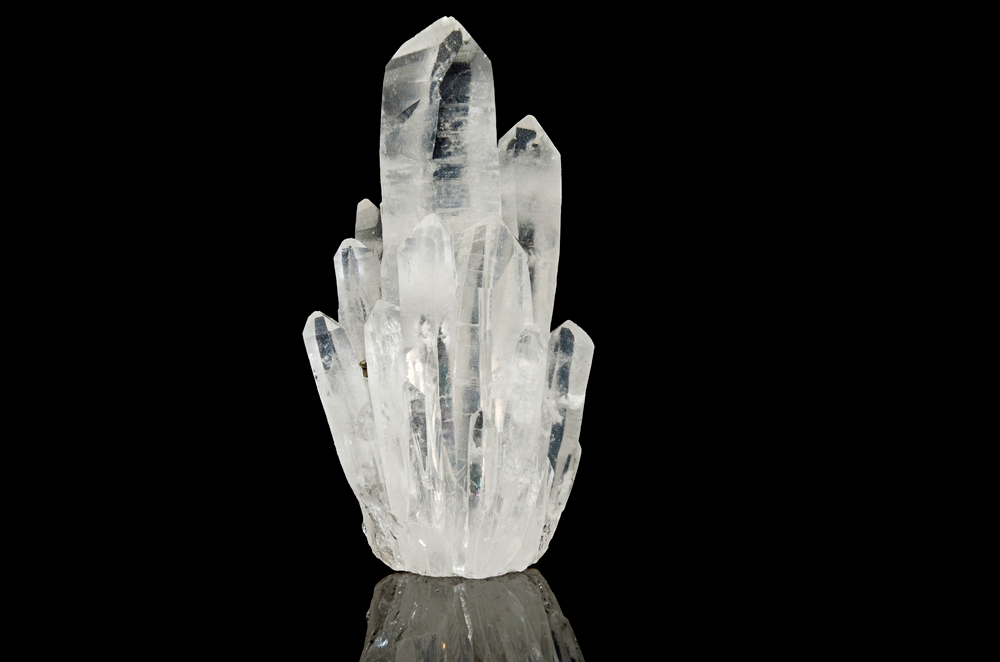
In the 17th century, Nicolas Steno made a noteworthy discovery while studying quartz. Quartz crystals always join at precise 60-degree angles, regardless of their size or shape.
This discovery demonstrated that minerals obey exact geometric laws and established the foundation for contemporary crystallography. Later, in 1880, the Curie brothers discovered that quartz had piezoelectric properties, which allowed crystals to produce electricity when under pressure.
Diamond in Kimberlite
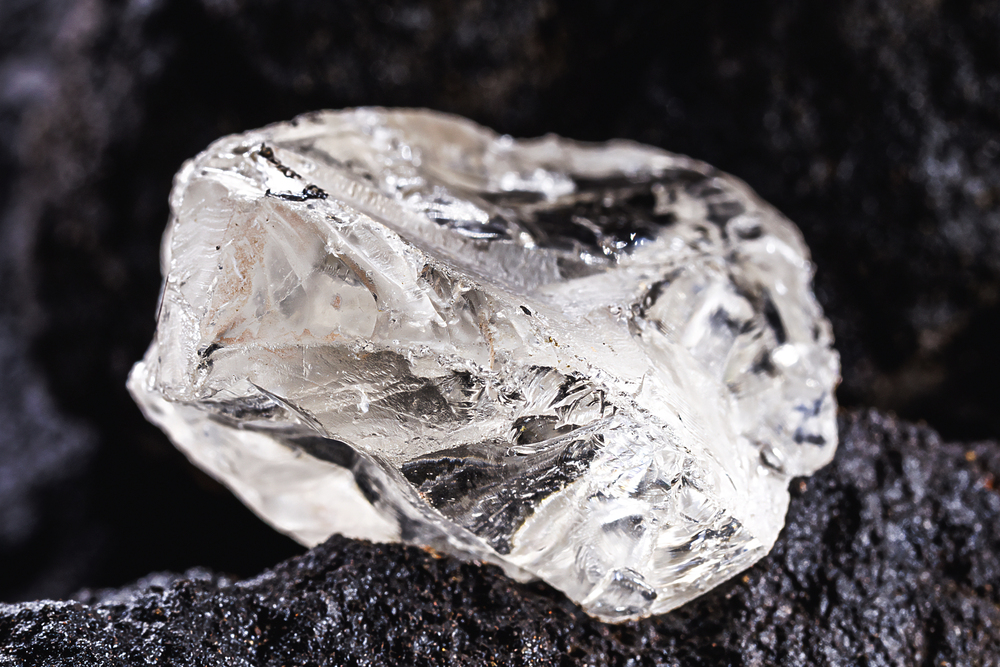
The first diamond found within kimberlite rock in South Africa fundamentally changed how geologists viewed Earth’s interior. These diamonds, formed 90 miles beneath the surface, acted like geological messengers — carrying information about the deep mantle.
Scientists realized that studying diamond inclusions was like getting a direct sample from Earth’s unreachable depths. This revealed the composition and conditions of the planet’s interior for the first time.
Olivine Inclusions in Diamonds
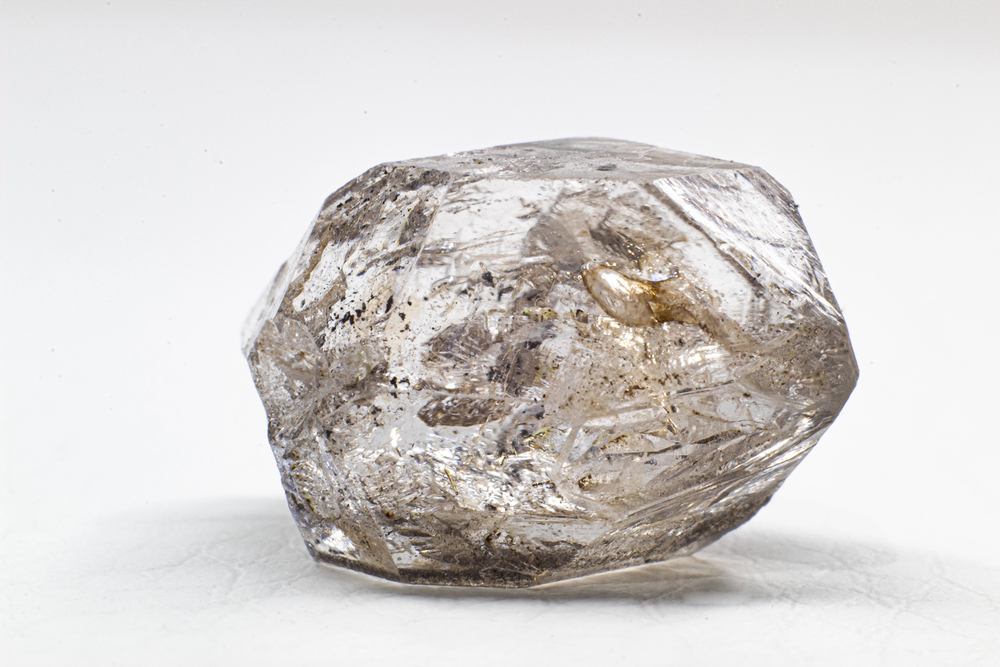
When researchers discovered olivine trapped inside diamonds from Siberian kimberlites, they unlocked a new way to study Earth’s mantle. These tiny green crystals, preserved perfectly within their diamond hosts, provided the first direct evidence of mantle composition.
They also revealed pressure conditions deep underground. The discovery showed that diamonds form in specific temperature and pressure zones — revolutionizing understanding of how deep Earth processes work.
Changesite-(Y)
China’s 2022 discovery of this lunar mineral from Chang’e-5 samples marked only the sixth mineral ever found on the Moon. This transparent phosphate crystal, just 10 microns wide, revealed that lunar volcanism continued much longer than scientists thought.
The find rewrote lunar geological history. It showed that the Moon remained geologically active billions of years after formation — challenging previous models of planetary evolution.
Magnetite with Biological Origins
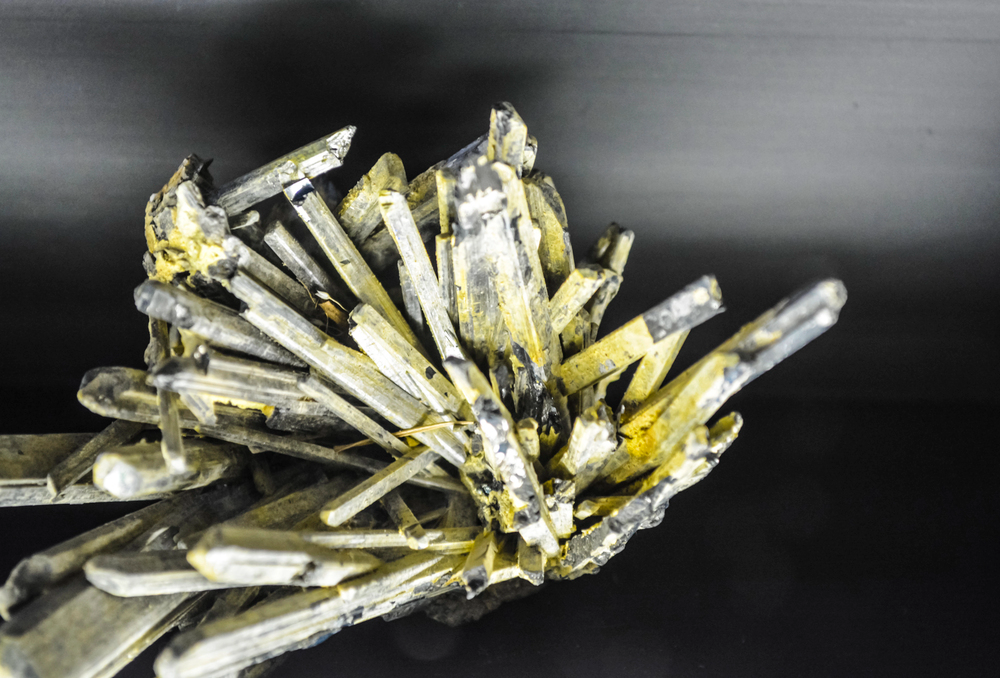
The discovery that some magnetite crystals are produced by living bacteria completely changed how geologists interpret magnetic signatures in rocks. These tiny biological compasses, created by magnetotactic bacteria, showed that life has been influencing Earth’s geological record for billions of years.
This finding blurred the line between biology and geology — creating the new field of geobiology.
High-Pressure Polymorphs
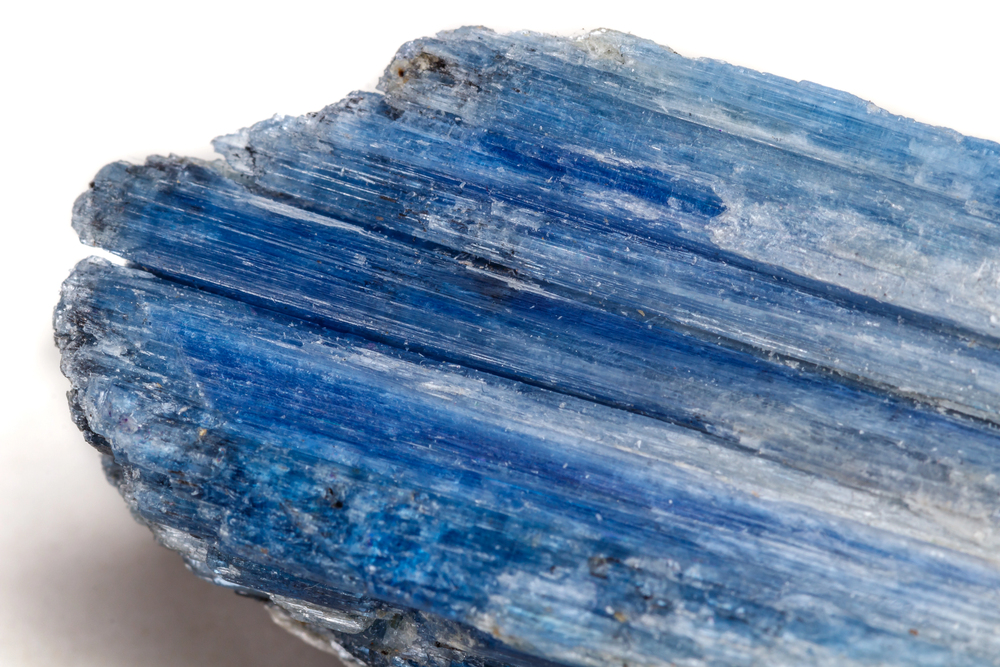
Scientists studying meteorite impact sites discovered that familiar minerals like olivine and feldspar can transform into entirely different crystal structures under extreme pressure. These high-pressure polymorphs, impossible to create in normal surface conditions, revealed that Earth’s deep interior contains mineral phases completely unknown at the surface.
The discovery revolutionized understanding of planetary interiors — particularly mantle dynamics.
Shocked Minerals from Meteor Crater
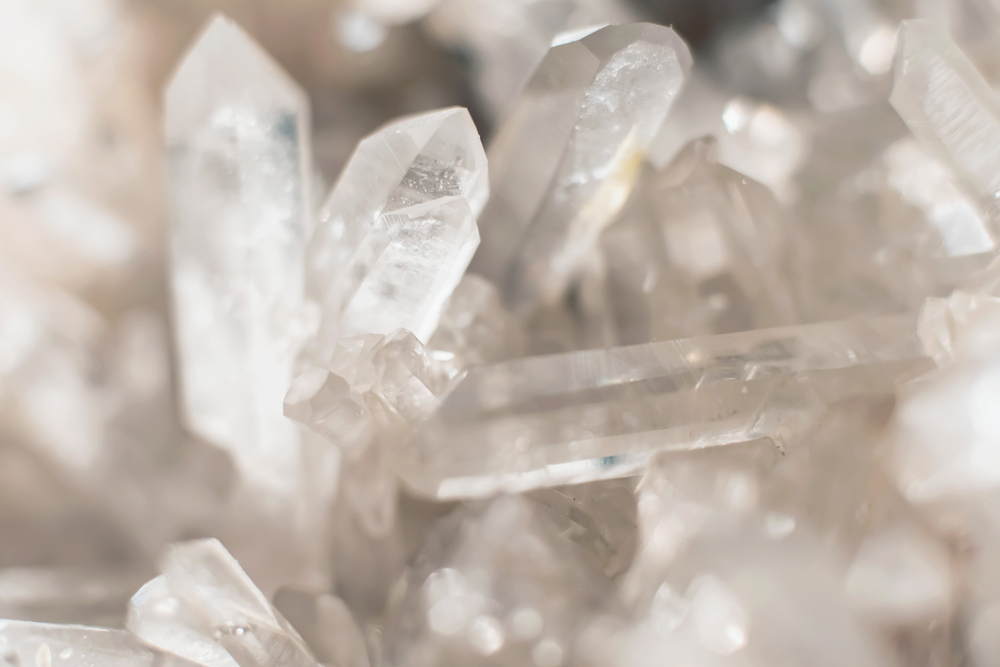
Grove Karl Gilbert’s study of shocked minerals at what’s now Barringer Crater in Arizona provided the first scientific evidence that meteorites could create massive impact craters. These minerals, twisted and deformed by incredible pressures, showed signatures that only extraterrestrial impacts could create.
This discovery fundamentally changed how geologists viewed crater formation — revealing impact events as major geological processes.
Ringwoodite
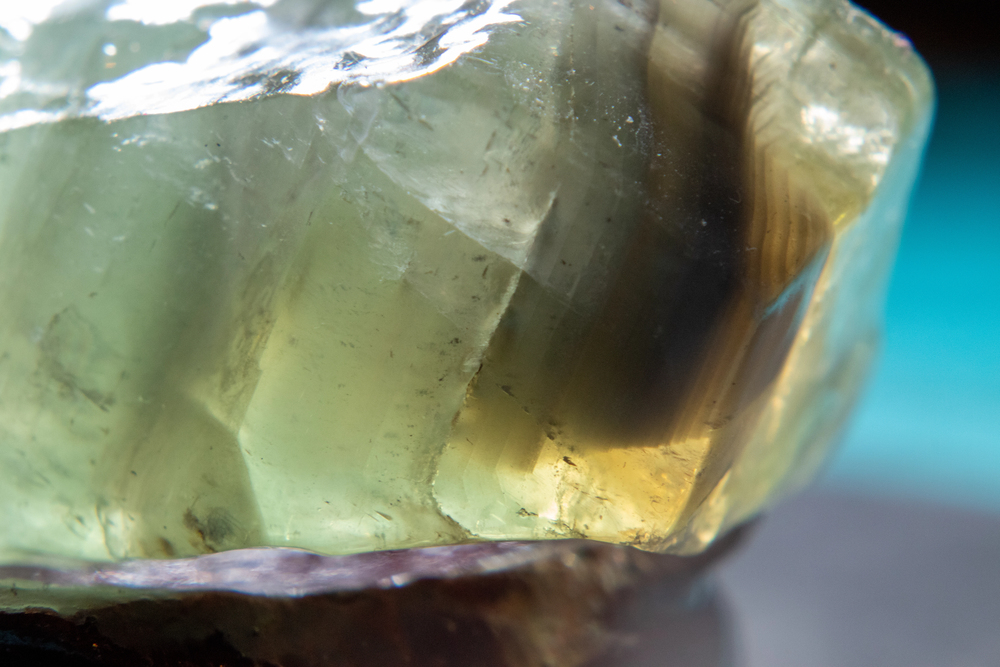
This high-pressure form of olivine, named after Australian geologist Ted Ringwood, exists only in Earth’s transition zone between 250-400 miles deep. When scientists found ringwoodite containing significant amounts of water, it revealed that Earth’s interior holds vast oceans worth of water locked in crystal structures.
This discovery rewrote understanding of the planet’s water cycle — showing that the deep Earth is far from the dry, solid mass once imagined.
Stishovite
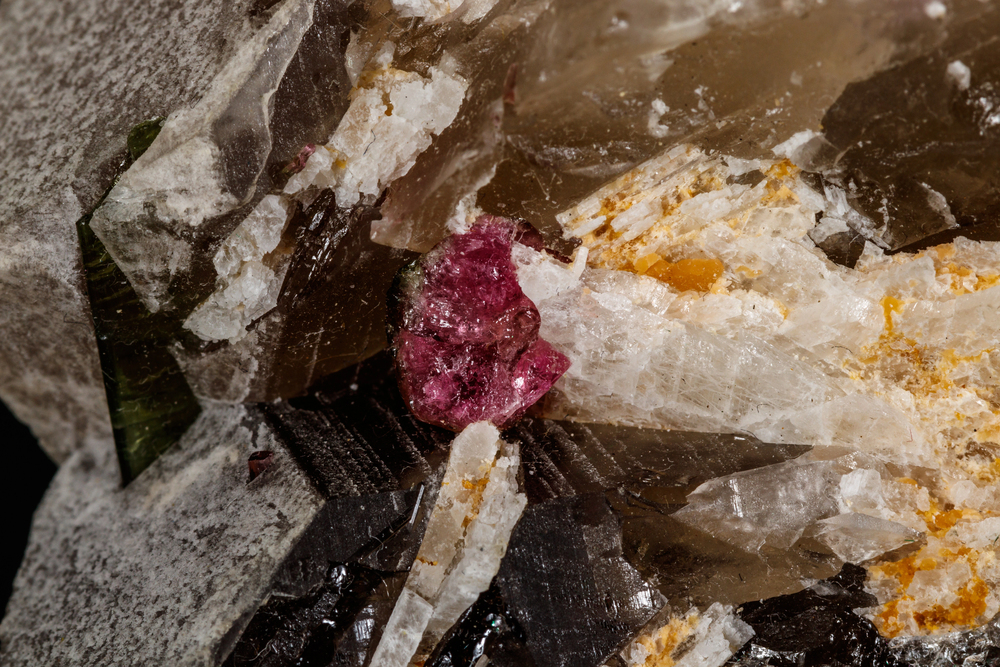
This ultra-high-pressure form of quartz, denser than normal quartz by 60%, can only form under conditions of extreme meteorite impact or deep mantle pressure. Its discovery in impact craters proved that some geological features could only result from extraterrestrial collisions.
Stishovite became a diagnostic mineral for identifying ancient impact sites, revealing that meteorite bombardment played a much larger role in Earth’s history than previously recognized.
Coesite
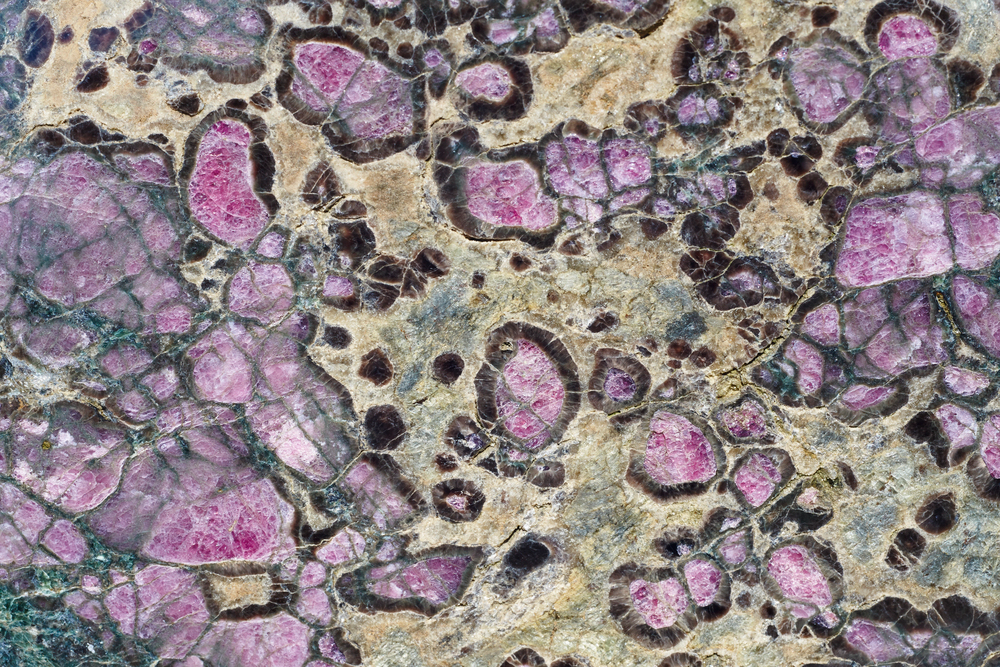
Another high-pressure silica mineral, coesite forms only under pressures exceeding 20,000 times atmospheric pressure. When geologists found coesite in surface rocks, it provided undeniable proof of ancient meteorite impacts or ultra-deep crustal burial and subsequent uplift.
This discovery revolutionized understanding of crustal dynamics while showing that rocks could travel much deeper into Earth than anyone imagined possible.
Perovskite
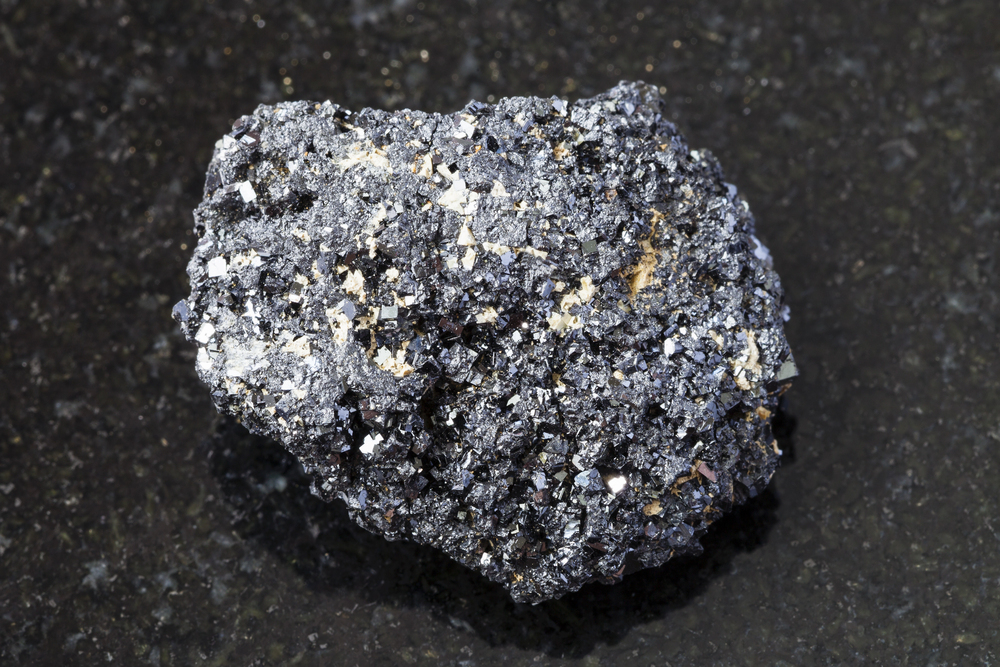
This calcium titanium oxide mineral gave its name to an entire family of crystal structures that dominate Earth’s lower mantle. The discovery that perovskite structure can accommodate many different chemical compositions explained how the deep Earth stores and transports elements.
This finding revolutionized understanding of mantle composition, though it also showed that the lower mantle operates under completely different rules than surface geology.
Post-Perovskite
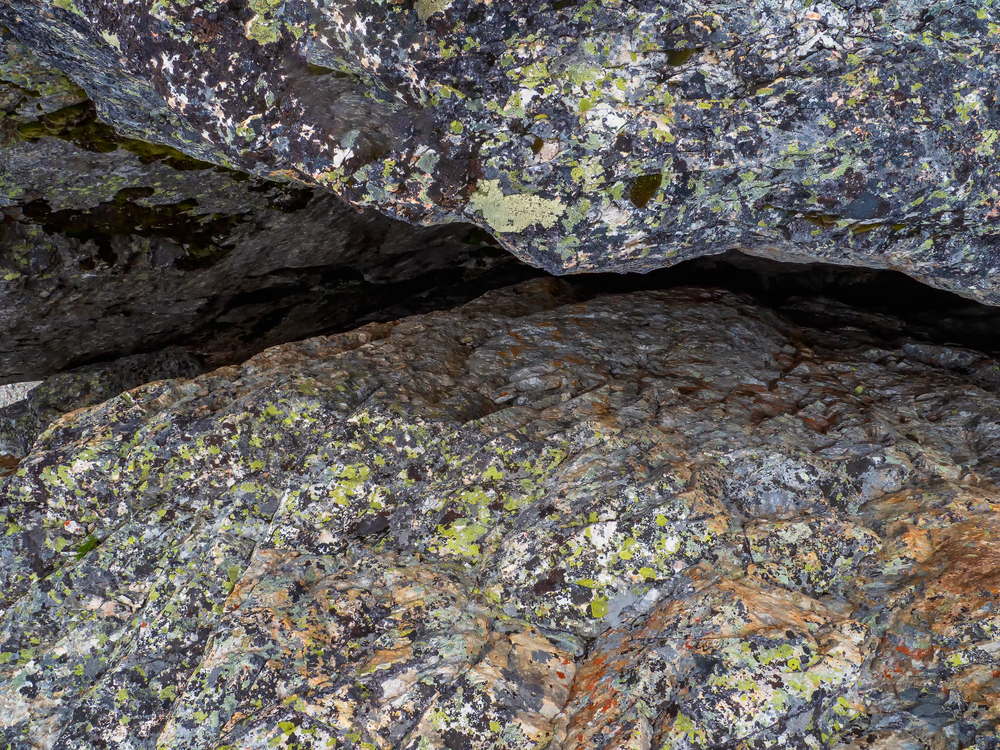
In 2004, scientists discovered that even perovskite breaks down under the extreme conditions near Earth’s core-mantle boundary, transforming into post-perovskite. This discovery explained mysterious seismic anomalies detected at the bottom of the mantle.
It revealed that Earth’s deepest regions contain mineral phases with unique properties. The finding showed that the core-mantle boundary is far more complex and dynamic than previously thought.
Majorite
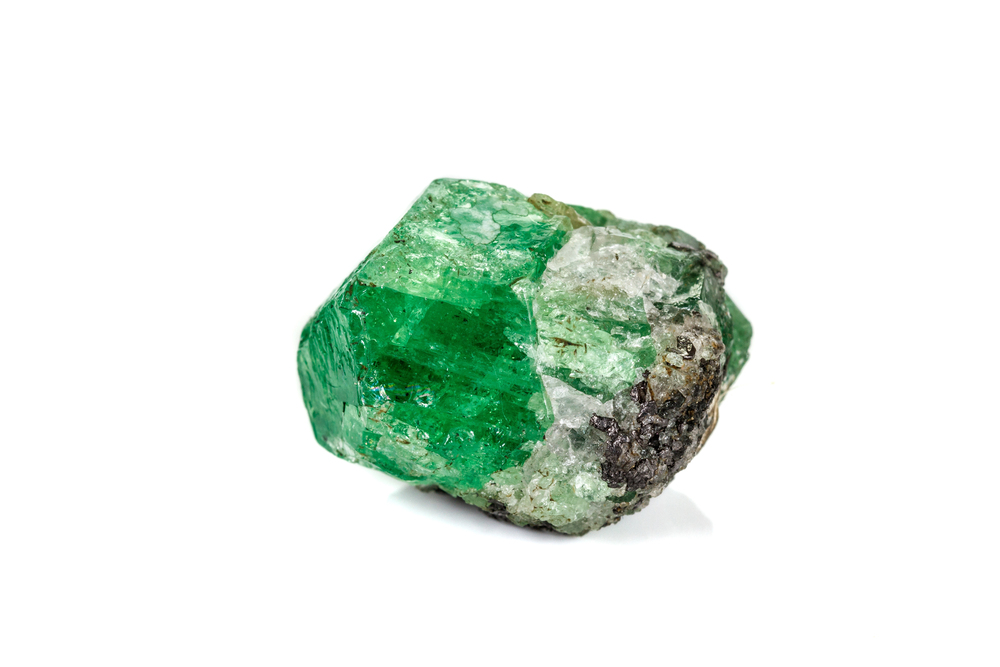
This high-pressure garnet found in diamonds from the transition zone revealed that familiar surface minerals undergo radical transformations in Earth’s deep interior. Majorite contains excess silicon in its crystal structure, something impossible under surface conditions.
Its discovery in diamond inclusions proved that the transition zone between upper and lower mantle has unique mineral assemblages that control how materials move through Earth’s interior.
Akimotoite
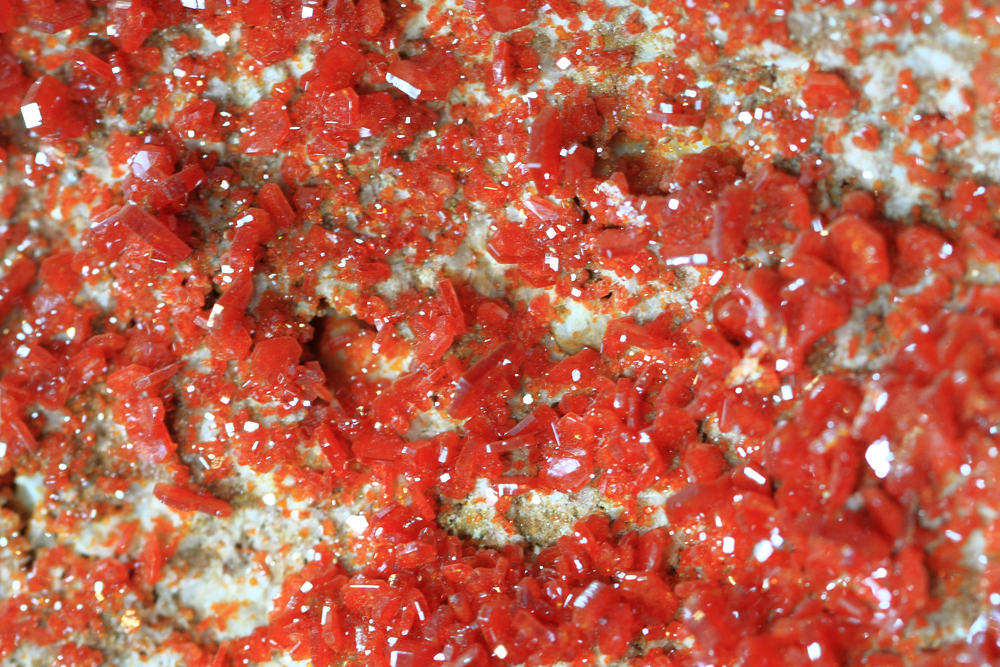
This mineral, which bears the name of Syun-iti Akimoto, a Japanese high-pressure researcher, is another form of pyroxene that occurs in extreme deep-Earth conditions. Akimotoite, which was discovered in shocked meteorites and is thought to be present in Earth’s transition zone, demonstrated how common surface minerals change into something completely different under mantle conditions.
This finding demonstrated the layered nature of the Earth’s interior while also providing an explanation for seismic velocity changes observed at particular depths.
The Deep Connection
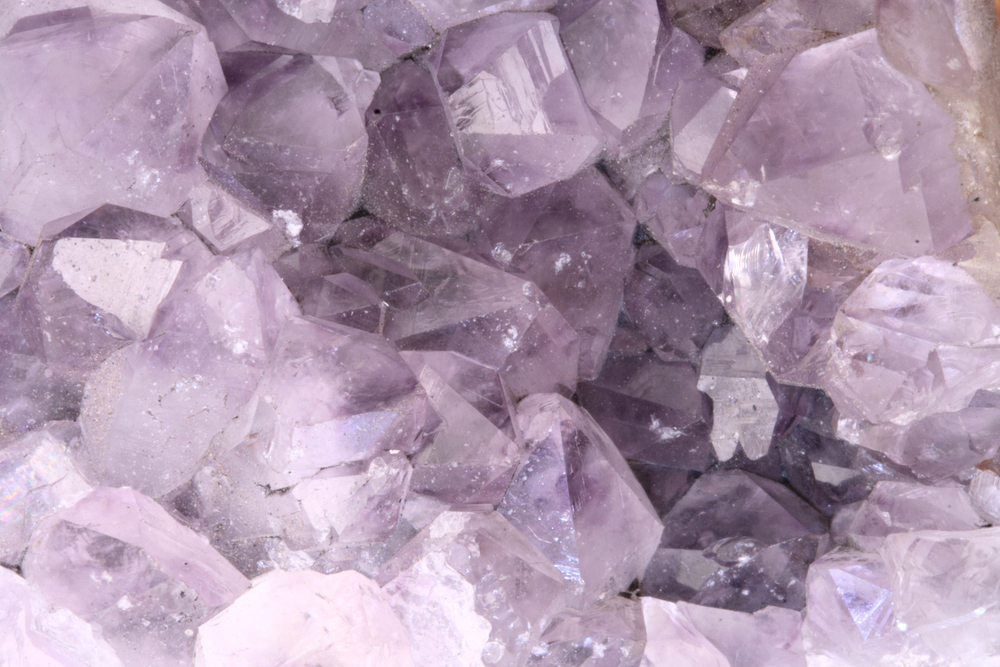
These mineral discoveries didn’t just add new species to geology textbooks. They fundamentally changed how we understand our planet’s past, present, and future.
From revealing Earth’s true age through zircon dating to showing how life influences rock formation through biological magnetite, each find opened new windows into geological processes. Today’s geologists work with a far richer understanding of Earth’s complexity, knowing that our planet’s story involves everything from cosmic bombardments to bacterial architects, all recorded in the mineral kingdom’s crystal structures.
More from Go2Tutors!

- The Romanov Crown Jewels and Their Tragic Fate
- 13 Historical Mysteries That Science Still Can’t Solve
- Famous Hoaxes That Fooled the World for Years
- 15 Child Stars with Tragic Adult Lives
- 16 Famous Jewelry Pieces in History
Like Go2Tutors’s content? Follow us on MSN.



