16 Most Expensive Artifacts Ever Pulled from the Deep Sea
The ocean keeps its secrets well, wrapped in salt and silence thousands of feet below the surface. When those secrets finally surface, they arrive dripping with both seawater and dollar signs.
Deep-sea salvage operations have pulled fortunes from the depths — ancient treasures, modern disasters, and everything in between that fate decided to claim for the seafloor.
These discoveries don’t just represent monetary value. They’re time capsules, frozen moments of human ambition, tragedy, and craftsmanship that somehow survived the crushing darkness where most things simply disappear forever.
Titanic’s Artifacts Collection
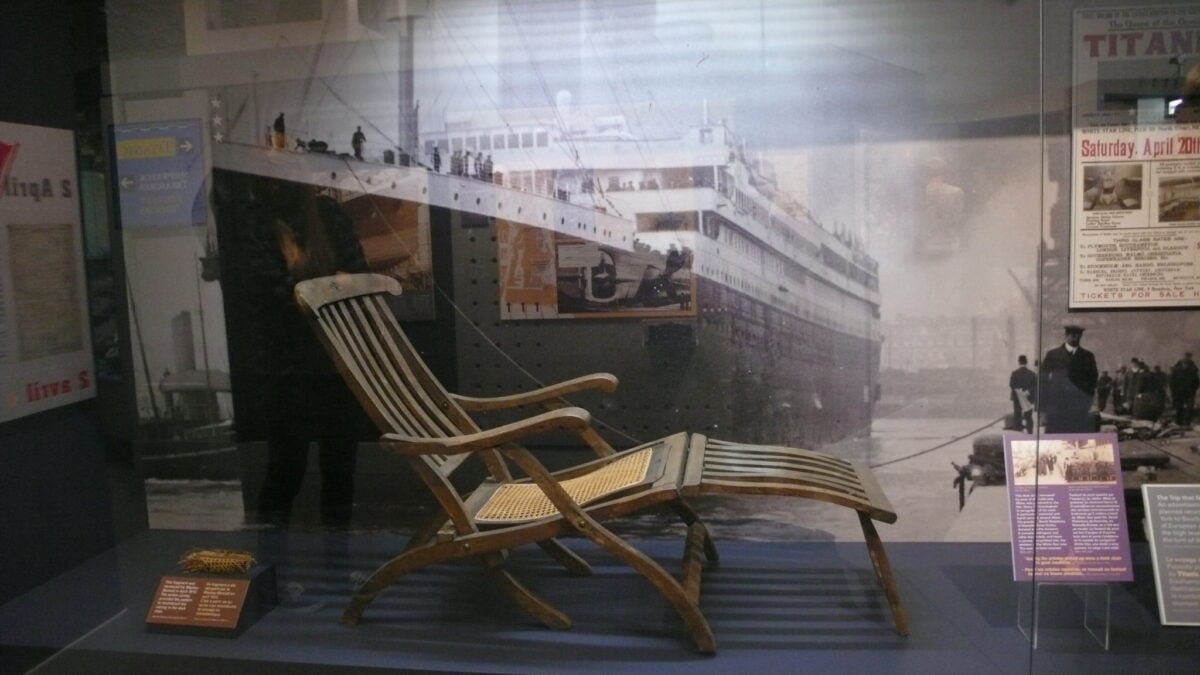
The Titanic’s debris field spans over 2,000 feet across the ocean floor. Every piece tells a story that someone paid dearly to hear.
Personal effects from the wreck have sold for astronomical sums at auction. A violin case belonging to bandleader Wallace Hartley fetched $1.7 million — more than most people’s houses.
The instrument itself, which he reportedly played as the ship went down, was authenticated through a complex process involving marine archaeologists and forensic experts. Letters, jewelry, and even pieces of the ship’s hull have commanded six-figure prices from collectors who want to own a fragment of history’s most famous maritime disaster.
The Uluburun Shipwreck Cargo
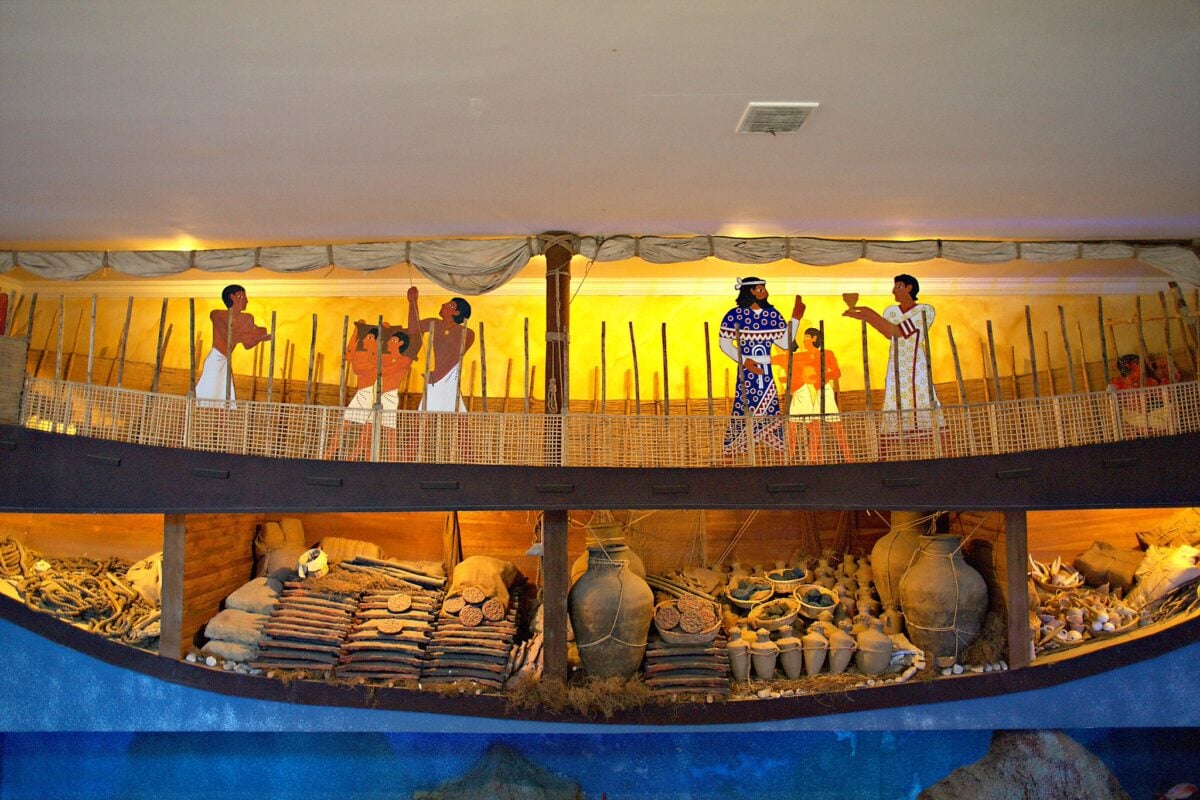
Picture a Bronze Age Costco floating across the Mediterranean 3,400 years ago. That’s essentially what the Uluburun shipwreck represents — a floating department store of the ancient world that never made it to its final destination.
The cargo manifest reads like a greatest hits of Bronze Age luxury: ten tons of copper ingots, one ton of tin, ebony logs from Africa, elephant tusks, ostrich eggs, jewelry made from amber and gold, and even a gold scarab bearing the name of Queen Nefertiti. The total value, adjusted for historical significance and rarity, exceeds $50 million.
But here’s what makes it priceless (and this isn’t hyperbole — museums actually use that word): it represents the oldest known international trade network, proving that globalization isn’t particularly new, just slower when you’re using wooden ships instead of container vessels.
RMS Republic’s Gold Coins
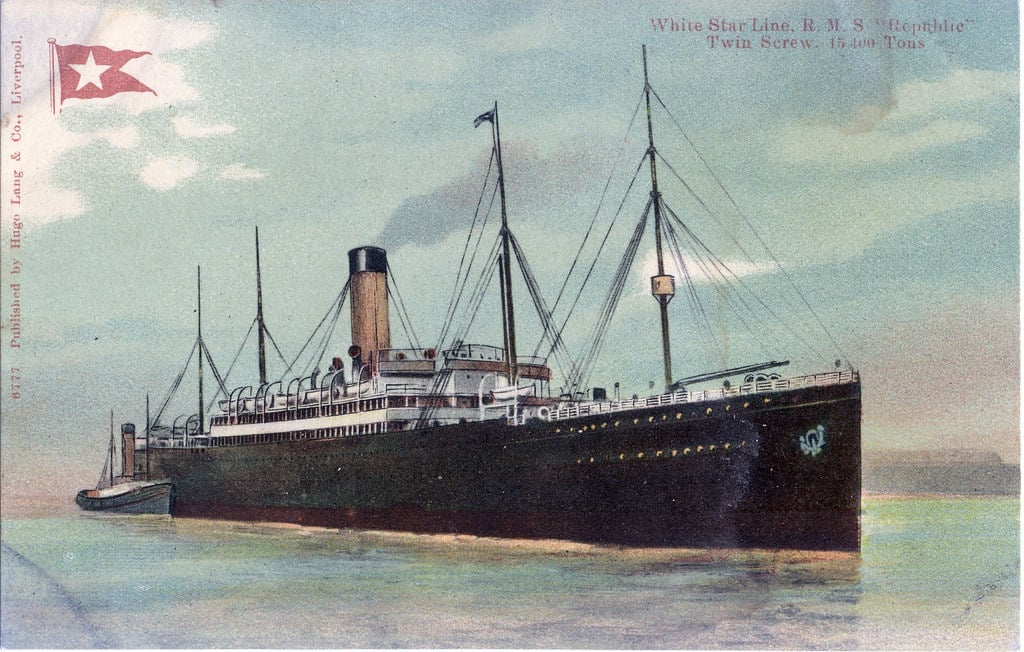
The Republic went down in 1909 carrying what treasure hunters claim was $3 billion worth of gold coins destined for European banks. The ship collided with another vessel off Nantucket, and despite rescue efforts that saved most passengers, the cargo sank to the bottom of the Atlantic.
Recovery efforts have been ongoing for decades, with various salvage companies claiming rights to the wreck and its contents. The legal battles over who gets to keep what they find have been almost as complex as the actual diving operations.
So far, recovered coins have sold for millions at auction, but the majority of the alleged treasure remains on the seafloor, assuming it was ever there to begin with.
SS Central America’s California Gold
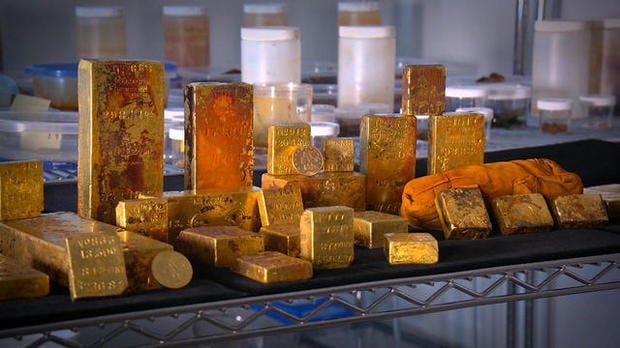
This one actually lived up to the hype. The SS Central America sank in 1857 during a hurricane, taking with it roughly $150 million worth of California gold rush treasure — and that’s in 1857 dollars.
When salvage operations finally reached the wreck in the 1980s, they found exactly what they were looking for. Gold bars, coins, and nuggets in pristine condition, protected by the cold, oxygen-poor environment of the deep ocean.
One gold ingot alone sold for over $8 million. The total recovered treasure exceeded $100 million in modern value, making it one of the most successful deep-sea treasure recoveries in history.
The irony wasn’t lost on anyone: gold that was heading east to fuel the American economy ended up sitting on the ocean floor for 131 years, earning exactly zero interest.
Antikythera Mechanism
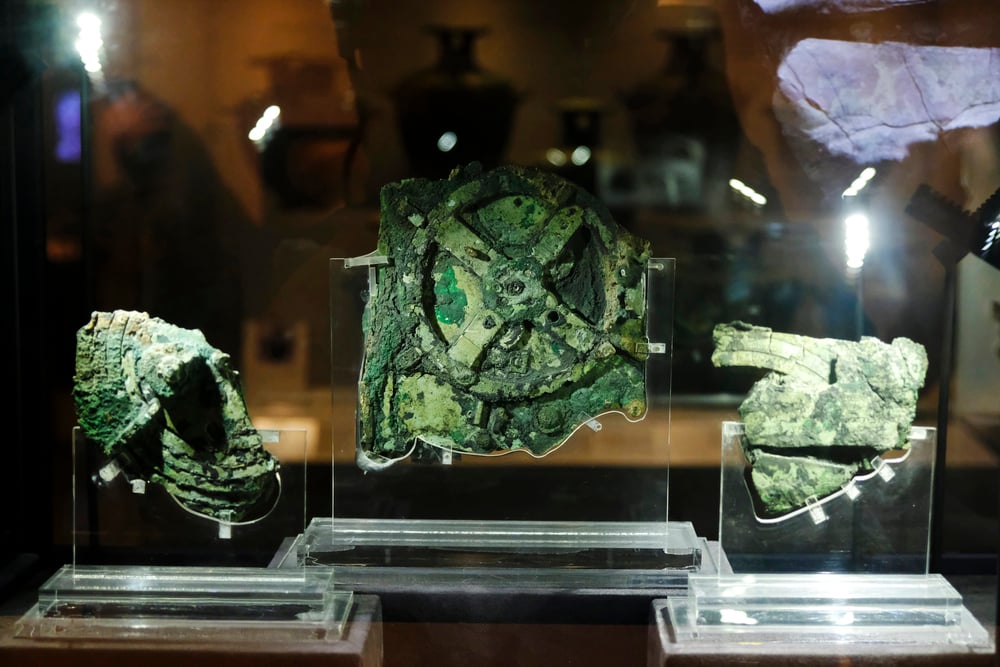
Sometimes the most expensive thing you can pull from the ocean isn’t gold or silver — it’s proof that everything you thought you knew about ancient technology was wrong.
The Antikythera Mechanism, discovered in a Roman shipwreck off the Greek island of Antikythera, is essentially an ancient Greek computer. Built around 100 BCE, this bronze device could predict the positions of the sun, moon, and planets with remarkable accuracy.
It contains gear trains more complex than anything that would appear again until 18th-century clockmaking. The device is considered priceless by archaeologists and historians, but insurance companies have valued it at over $20 million for exhibition purposes.
Which seems low for something that rewrote the history of human technological achievement, but insurance companies aren’t known for their appreciation of paradigm shifts.
Nuestra Señora de Atocha Treasure
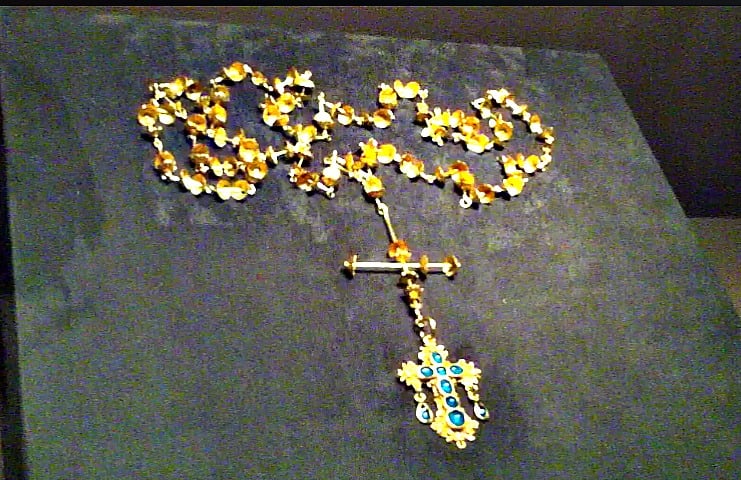
Mel Fisher spent 16 years looking for the Atocha. Sixteen years of diving, searching, going broke, and dealing with investors who thought he’d lost his mind.
Then he found it. The Spanish galleon, which sank in a 1622 hurricane off the Florida Keys, was carrying the equivalent of $450 million in today’s money.
Silver bars, gold chains, emeralds the size of golf orbs, and coins by the thousands. Fisher’s team recovered treasure worth over $400 million, making it one of the richest shipwreck discoveries ever.
The find vindicated Fisher’s obsession and made him wealthy beyond imagination. And yet (because there’s always an “and yet” with treasure hunting), the legal battles over salvage rights, state ownership, and investor claims dragged on for years.
Turns out finding the treasure was the easy part compared to keeping it.
HMS Sussex Gold
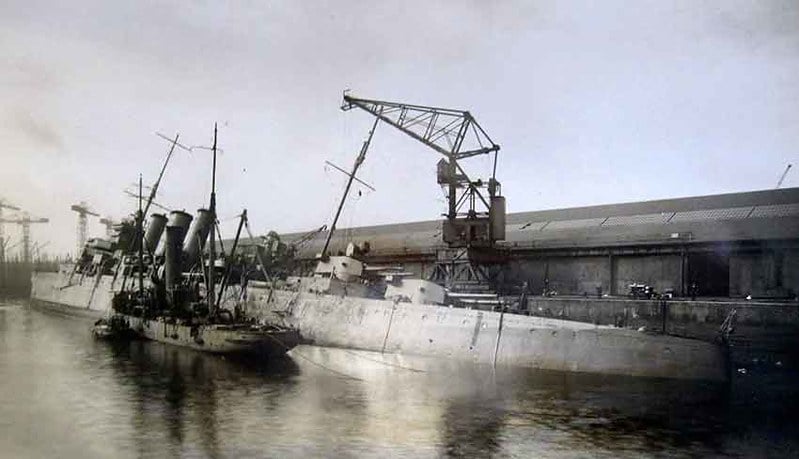
The HMS Sussex represents everything frustrating about deep-sea treasure hunting wrapped up in one extremely expensive package.
The British warship sank in 1694 during a storm in the Mediterranean, reportedly carrying ten tons of gold coins intended to pay allies in the War of the League of Augsburg. The wreck was located in 2001 at a depth of 2,800 feet, but here’s where it gets complicated: the Spanish government claims ownership of anything found in their territorial waters, the British government considers it a war grave, and the salvage company that found it wants their contractual share.
The estimated value of the cargo is $4 billion, but legal complications have prevented any significant recovery operations. So the gold sits there, accumulating legal fees instead of interest, while lawyers argue about who owns what and whether anyone should be allowed to touch it at all.
The Belitung Shipwreck Ceramics
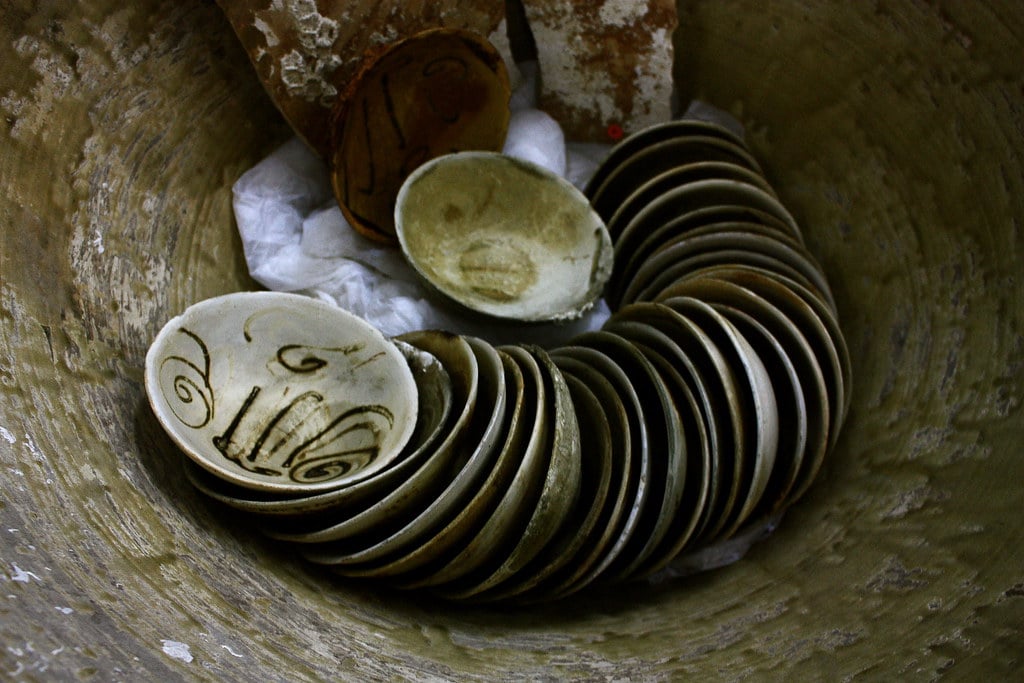
Ninth century. Tang Dynasty.
A ship loaded with Chinese ceramics heading west along the maritime Silk Road never made it to its destination.
The Belitung shipwreck, discovered off Indonesia, contained over 60,000 pieces of Tang Dynasty pottery, gold, silver, and spices. The ceramics alone represent the largest collection of Tang Dynasty maritime trade goods ever discovered, giving archaeologists unprecedented insight into early global commerce.
While individual pieces have sold for hundreds of thousands of dollars, the collection’s true value lies in its completeness — it’s a snapshot of international trade from over a thousand years ago, preserved in saltwater like a time capsule that nobody meant to create.
SS Gairsoppa Silver
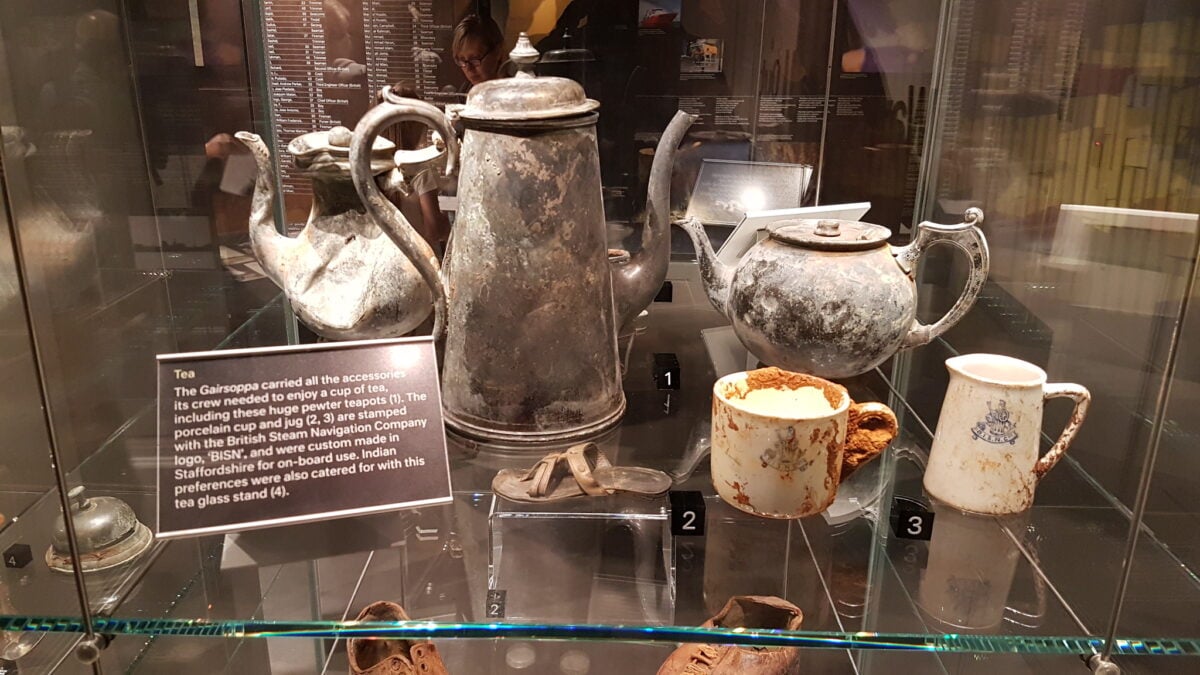
During World War II, German U-boats turned the Atlantic into a graveyard for Allied shipping. The SS Gairsoppa was carrying 7 million ounces of silver when a torpedo sent it to the bottom in 1941.
In 2011, Odyssey Marine Exploration located the wreck 4,700 feet down and began recovery operations. They’ve retrieved over 1.4 million ounces of silver so far, worth approximately $38 million at current prices.
The recovery continues, making it one of the deepest and most valuable silver salvage operations ever undertaken. The irony is pointed: silver that was meant to fund Britain’s war effort against Nazi Germany finally made it to market 70 years late, outlasting the war, the Reich, and most of the people who originally shipped it.
Caesarea Sunken Treasure
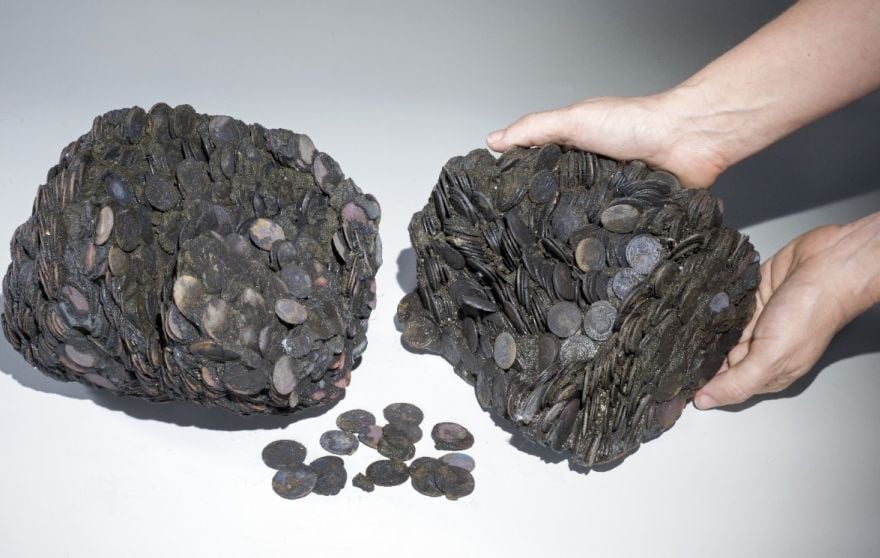
Not all underwater treasure comes from shipwrecks. Sometimes the ocean just decides to claim entire harbors, buildings and all.
The ancient Roman port of Caesarea, built by Herod the Great around 25 BCE, now lies partially submerged off the Israeli coast. Archaeological diving operations have recovered gold coins, jewelry, bronze statues, and marble artifacts worth millions of dollars.
But the real treasure isn’t the individual objects — it’s the preservation of an entire ancient harbor complex, complete with warehouses, temples, and residential areas. The site continues to yield artifacts that provide insight into Roman engineering, trade practices, and daily life.
Each diving season brings new discoveries, making it one of the most consistently productive underwater archaeological sites in the Mediterranean.
The Bronze Age Cape Gelidonya Wreck
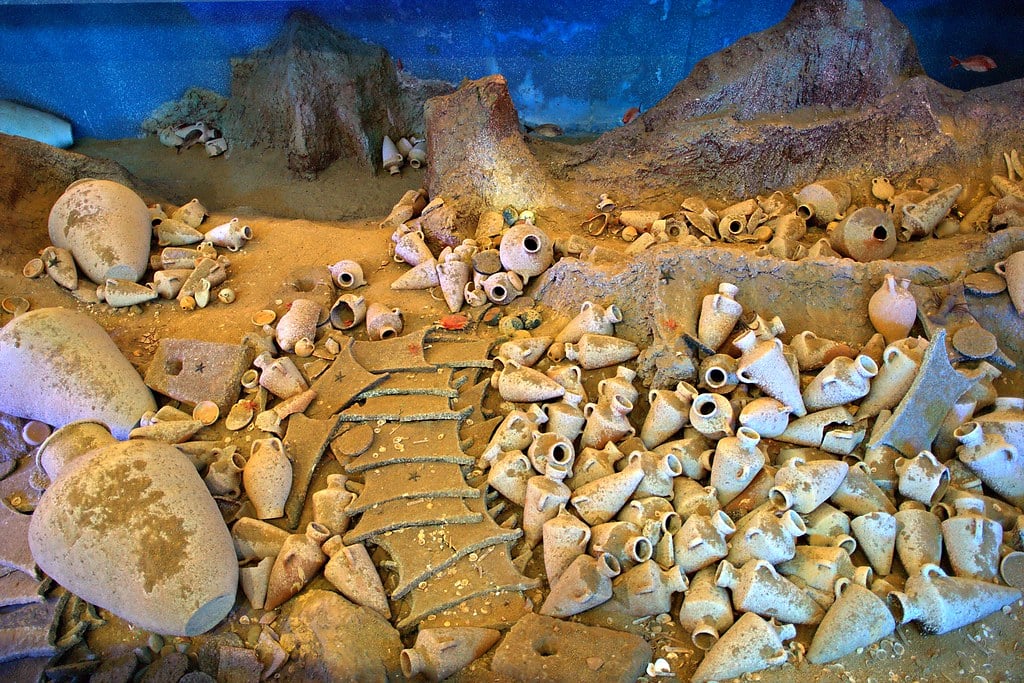
This wreck changed everything archaeologists thought they knew about Bronze Age seafaring, which turns out to be worth quite a lot in academic circles.
The Cape Gelidonya wreck, dating to around 1200 BCE, was the first ancient shipwreck to be excavated entirely underwater using archaeological methods. The cargo of copper and tin ingots, bronze tools, and personal effects revealed details about Late Bronze Age trade networks that written records had only hinted at.
While the monetary value of the recovered artifacts is in the tens of millions, the historical value is incalculable. This wreck proved that sophisticated maritime trade existed much earlier than previously believed and established underwater archaeology as a legitimate scientific discipline.
Dokos Shipwreck Pottery
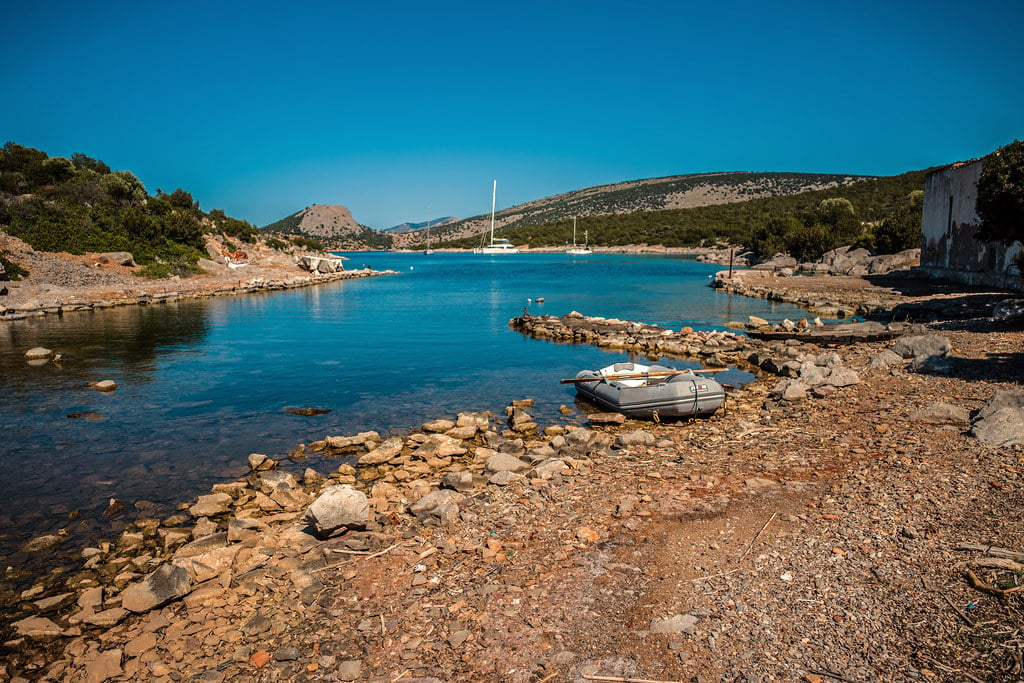
The Dokos shipwreck wins the prize for being older than anyone expected a shipwreck could be. Dating to around 2700-2200 BCE, it’s quite possibly the oldest known shipwreck in the world.
Located off the Greek island of Dokos, the wreck site contained hundreds of pottery vessels that have provided unprecedented insight into Early Bronze Age seafaring and trade. The ceramics, now worth several million dollars collectively, represent some of the earliest evidence of organized maritime commerce in the Aegean.
The discovery pushed back the timeline for sophisticated navigation and long-distance sea trade by centuries, proving that humans were braving the open ocean with valuable cargo far earlier than anyone had imagined.
Roman Antikythera Wreck Statues
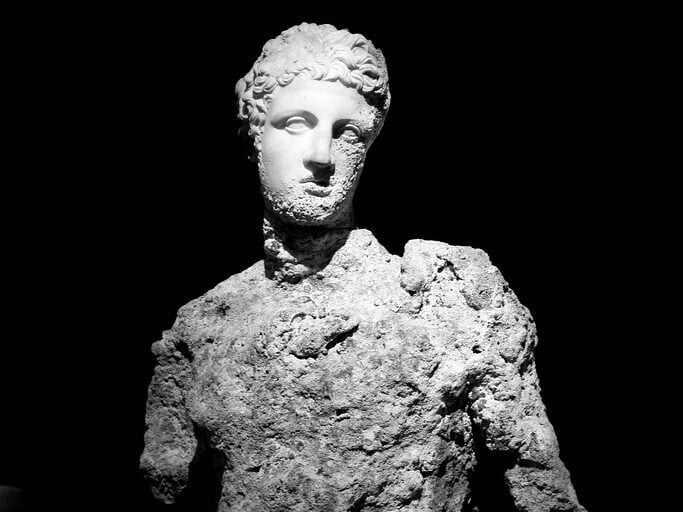
The same wreck that gave us the Antikythera Mechanism kept on giving. Bronze and marble statues, apparently looted from Greece by Romans with expensive taste, have been recovered in multiple diving expeditions spanning over a century.
The bronze statues alone are worth tens of millions of dollars, representing some of the finest examples of ancient Greek sculpture ever recovered. A bronze arm discovered in recent expeditions suggests there are more complete statues still buried in the sediment.
Each piece recovered adds to our understanding of ancient art, trade in stolen artifacts (some things never change), and the Roman appetite for Greek culture. The site continues to yield discoveries, proving that even well-explored wrecks can surprise you if you keep looking.
Ottoman Gold from Bom Jesus Wreck
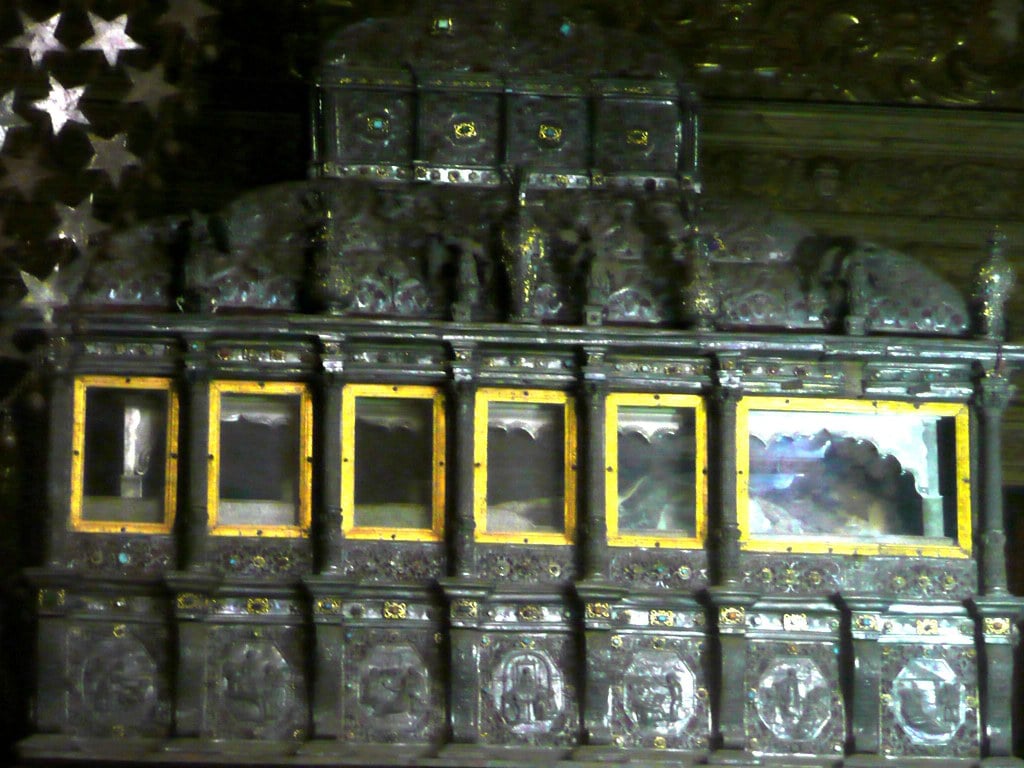
The Bom Jesus, a Portuguese vessel that sank off the Namibian coast around 1533, was discovered in 2008 by diamond miners working the shoreline. They weren’t looking for shipwrecks, but they found one anyway.
The wreck contained over 2,000 gold coins from Spain and Portugal, worth approximately $13 million. But the real surprise was the cargo: elephant tusks, copper ingots, and other trade goods that revealed details about early European commerce with Africa.
The coins represent one of the largest collections of early 16th-century Iberian gold ever found, providing numismatists and historians with pristine examples of currency from the height of the Age of Exploration.
La Galga Spanish Treasure
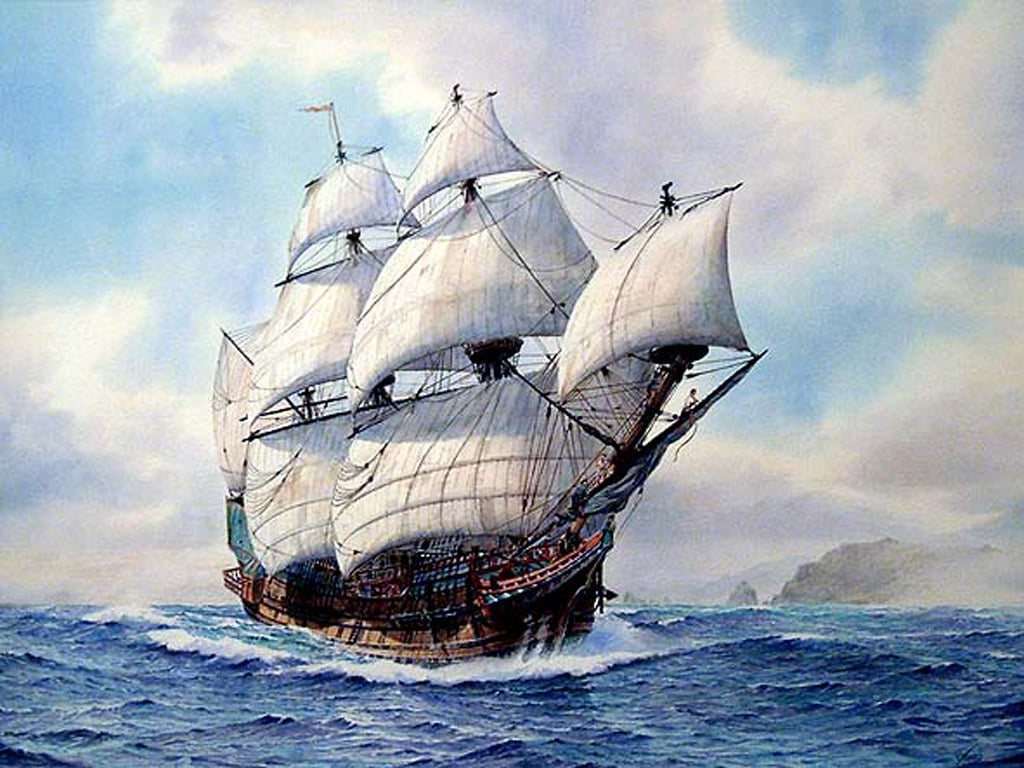
The Spanish fleet system was designed to protect valuable cargo from pirates and storms. It worked most of the time.
La Galga wasn’t most of the time.
The Spanish merchant vessel sank in 1750 off the Virginia coast during a storm, carrying silver coins, gold jewelry, and religious artifacts back to Spain from the New World. Recent recovery operations have yielded treasure worth over $2 million, but much of the cargo remains buried under shifting sands in relatively shallow water.
The wreck represents the tail end of Spain’s colonial treasure fleet system, when the New World was still producing wealth but Spain was already losing its grip on global maritime dominance.
Uluburun Glass Ingots
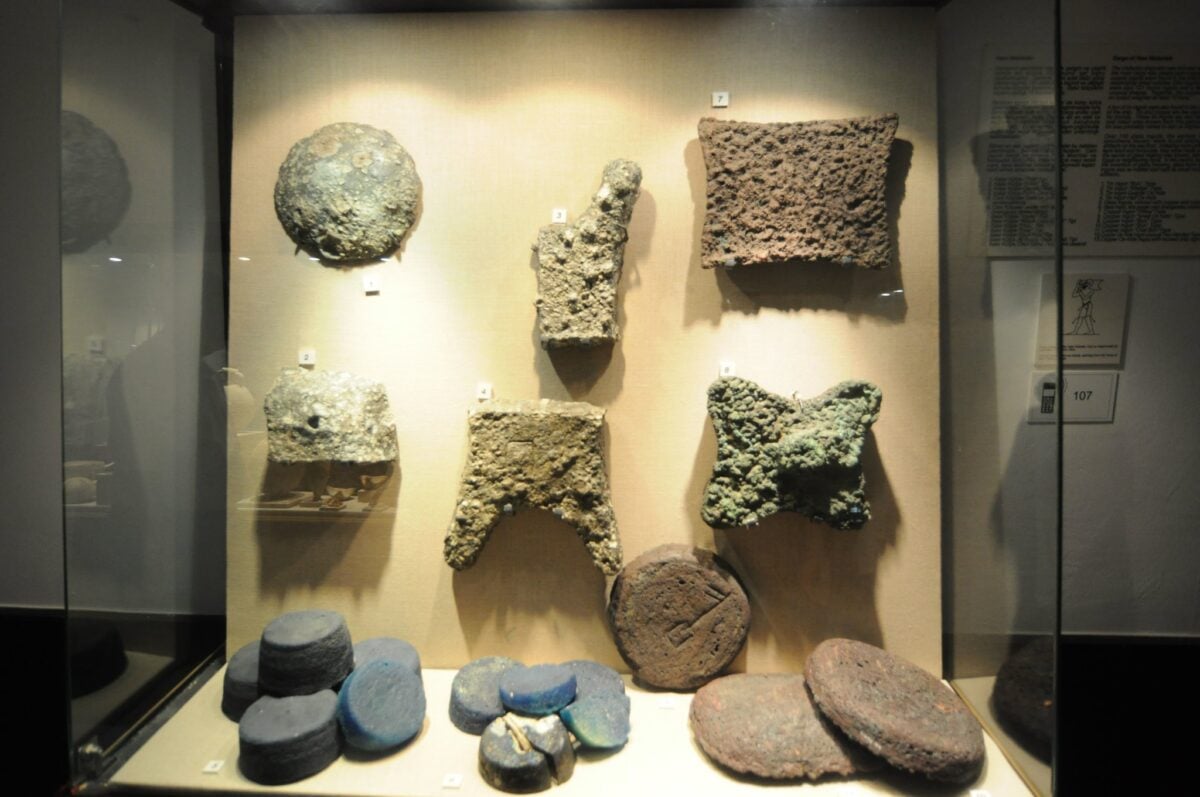
The same Bronze Age wreck that yielded massive amounts of copper and luxury goods also contained something that changed our understanding of ancient glass production: over 175 cobalt blue glass ingots.
These weren’t just pretty objects — they were raw material for glassmakers, shipped from workshops in Mesopotamia to craftsmen throughout the Mediterranean. Chemical analysis revealed that the glass was made using cobalt sources that could only have come from specific mines in Iran, proving that trade networks 3,400 years ago were more sophisticated and far-reaching than anyone had imagined.
Individual ingots have sold for tens of thousands of dollars, but their scientific value far exceeds their auction price. They’re physical evidence of globalization in the Bronze Age, which is worth more than money to people who study how human civilization developed.
Treasures That Time Forgot
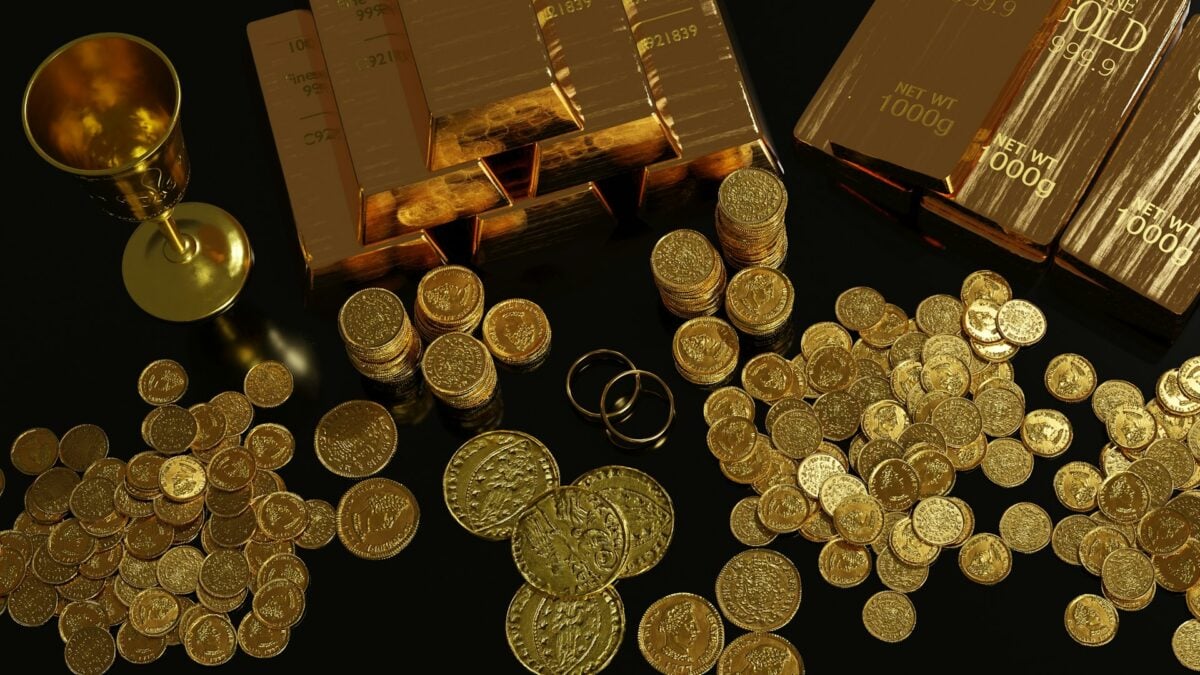
The ocean doesn’t care about human ambition, trade routes, or careful planning. It takes what it wants and keeps it as long as it chooses.
These artifacts spent decades, centuries, or millennia in cold, dark silence before technology and determination brought them back to the surface.
Each recovery represents a conversation between past and present — ancient craftsmanship meeting modern engineering, historical mystery meeting contemporary science. The price tags attached to these discoveries reflect more than just monetary value.
They represent the cost of curiosity, the value of knowledge, and humanity’s persistent refusal to let the past stay buried. Even when it’s buried under three miles of seawater.
More from Go2Tutors!

- The Romanov Crown Jewels and Their Tragic Fate
- 13 Historical Mysteries That Science Still Can’t Solve
- Famous Hoaxes That Fooled the World for Years
- 15 Child Stars with Tragic Adult Lives
- 16 Famous Jewelry Pieces in History
Like Go2Tutors’s content? Follow us on MSN.