17 Government Experiments That Went Horribly Wrong
Throughout history, governments have conducted countless experiments in the name of science, national security, and public health. While some have led to groundbreaking discoveries, others have resulted in catastrophic failures that cost lives, destroyed communities, and violated basic human rights.
Here is a list of 17 government experiments that went horribly wrong, each serving as a stark reminder of what happens when scientific ambition meets poor judgment and inadequate oversight.
MKUltra Mind Control Program

The CIA’s MKUltra program ran from 1953 to 1973, attempting to develop mind control techniques through psychological torture and chemical experiments. Researchers administered LSD to unwitting subjects — including mental patients and prisoners — often without their knowledge or consent. The program caused permanent psychological damage to countless victims. It ultimately failed to produce any viable mind control methods.
Tuskegee Syphilis Study
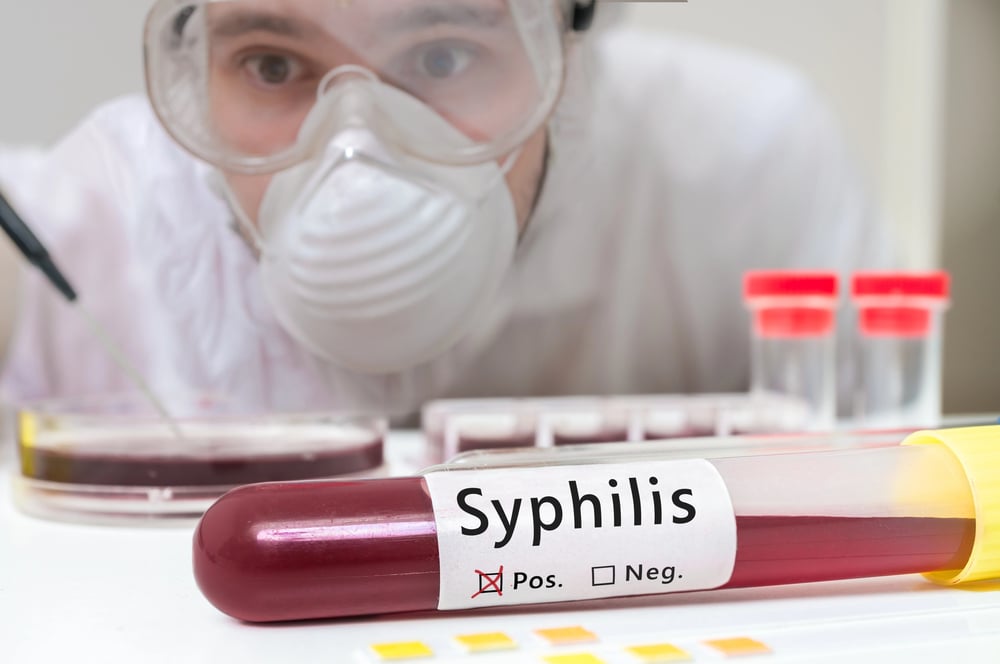
From 1932 to 1972, the U.S. Public Health Service conducted an unethical study on untreated syphilis in rural Black men in Alabama. Researchers told participants they were receiving free healthcare for ‘bad blood’ yet never informed them they had syphilis or provided proper treatment, even after penicillin became available. The study was only stopped after a whistleblower exposed it to the media — but not before 128 participants had died from syphilis-related complications.
Operation Crossroads Nuclear Tests
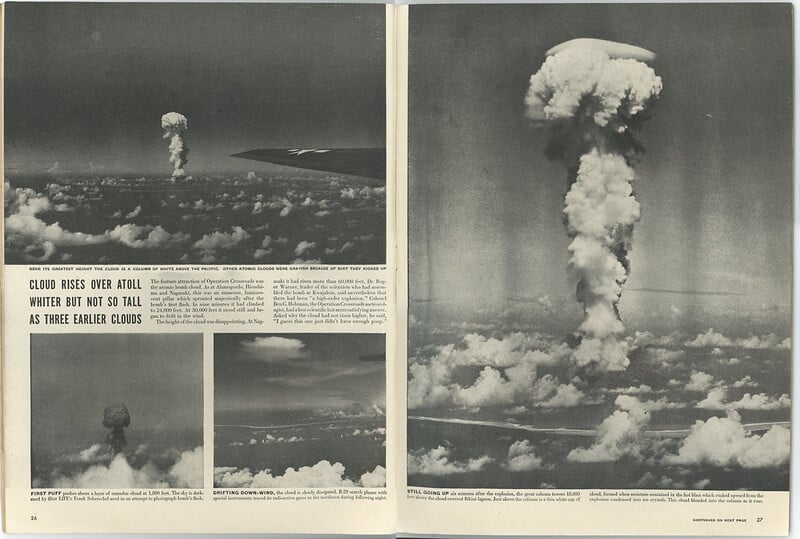
In 1946, the U.S. military detonated two atomic bombs at Bikini Atoll to test their effects on naval vessels. The explosions contaminated the surrounding area with radioactive fallout, forcing the permanent relocation of the Bikini Atoll inhabitants. Thousands of military personnel were also exposed to dangerous levels of radiation — leading to increased cancer rates among veterans.
Project 112 Chemical Weapons Testing

Between 1962 and 1973, the U.S. military conducted secret chemical and biological weapons tests on American troops and civilians. Service members were exposed to nerve agents, mustard gas, and other toxic substances without being told about the risks. Many participants later developed serious health problems, including cancer and neurological disorders, though the government only acknowledged the program’s existence decades later.
Guatemalan Syphilis Experiments

From 1946 to 1948, U.S. researchers deliberately infected Guatemalan prisoners, soldiers, and mental patients with syphilis and gonorrhea to test the effectiveness of penicillin. The experiments were conducted without informed consent — causing the deaths of at least 83 people. The program remained secret for over 60 years until a researcher discovered documents in 2010.
Agent Orange Testing
The U.S. military sprayed millions of gallons of Agent Orange and other herbicides over Vietnam from 1962 to 1971, ostensibly to remove jungle cover. The chemical cocktail contained dioxin — a highly toxic compound that caused cancer, birth defects, and other serious health problems in both Vietnamese civilians and American veterans. The environmental and human health consequences continue to this day.
Human Radiation Experiments
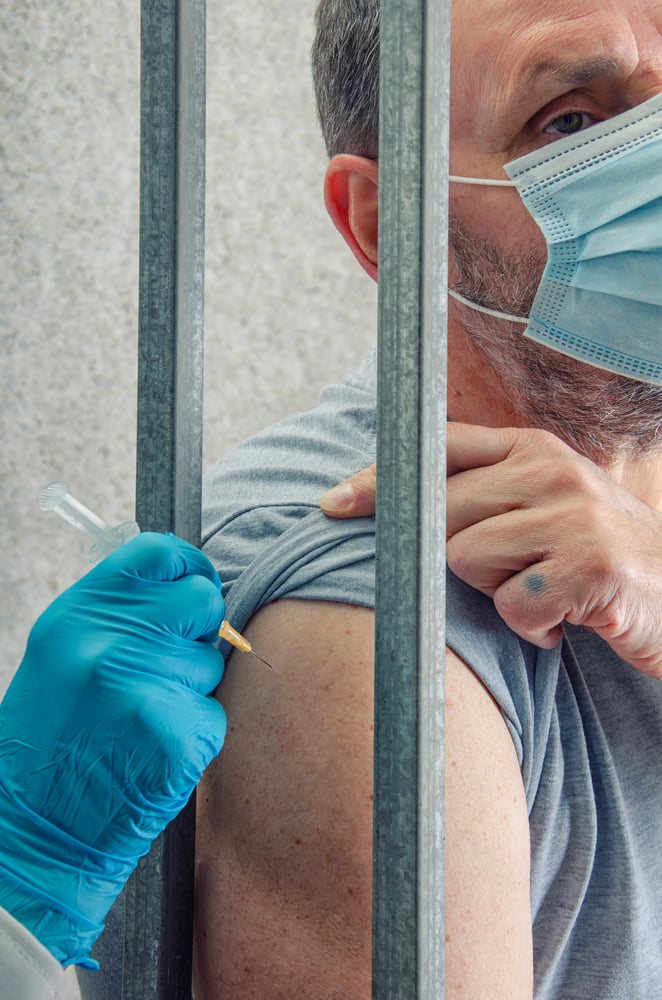
Between the 1940s and 1970s, government researchers conducted hundreds of radiation experiments on American citizens, including prisoners, hospital patients, and children. Subjects were injected with plutonium, fed radioactive oatmeal, and exposed to radiation in various ways — often without their knowledge. These experiments caused cancer, genetic damage, and other serious health problems.
Edgewood Arsenal Chemical Experiments
— Photo by micheleursi.hotmail.com
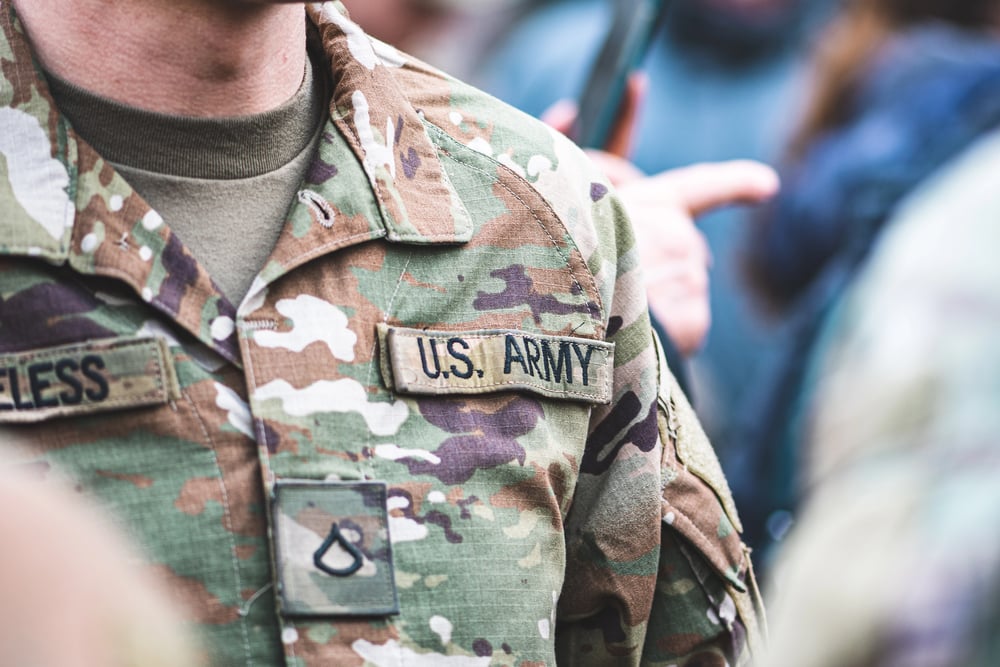
From 1955 to 1975, the U.S. Army tested chemical weapons and drugs on approximately 7,000 soldiers at Maryland’s Edgewood Arsenal. Participants were exposed to LSD, nerve agents, and other dangerous substances — with many suffering long-term psychological and physical effects. The Army promised that the experiments were safe and voluntary, yet many soldiers later reported they were coerced into participating.
Operation LAC Biological Warfare Test
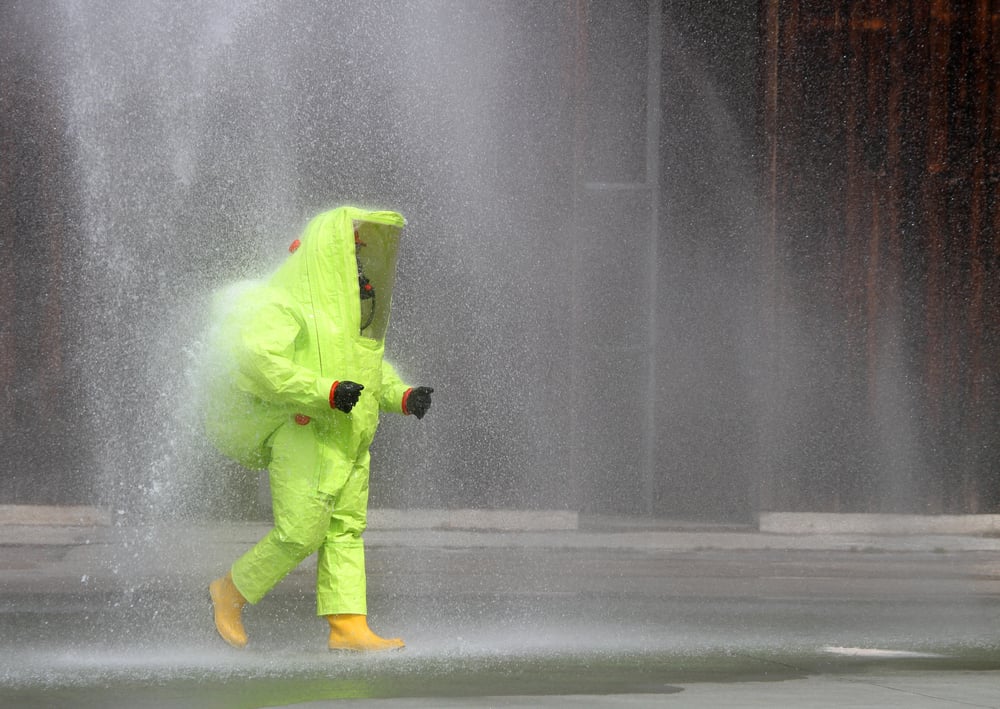
In 1950, the U.S. Navy secretly sprayed bacterial aerosols over San Francisco to test biological warfare capabilities. The bacteria, thought to be harmless, actually caused serious infections in several people — and may have contributed to the death of at least one person. The test was conducted without the knowledge or consent of the city’s residents.
Stargate Project Remote Viewing
For over 20 years, the CIA and military spent millions of dollars trying to develop psychic spies who could gather intelligence through ‘remote viewing.’ Despite extensive testing and training — the program never produced any actionable intelligence or demonstrated genuine psychic abilities. The project was finally shut down in 1995 after being deemed a complete failure.
Nevada Atmospheric Nuclear Testing
Between 1951 and 1962, the U.S. conducted 100 atmospheric nuclear tests in Nevada, exposing thousands of military personnel and civilians to radioactive fallout. The government assured residents that the tests were safe, but many later developed cancer and other radiation-related illnesses. The ‘downwinders’ in Utah, Nevada, and Arizona bore the brunt of the health consequences.
Prison Malaria Experiments
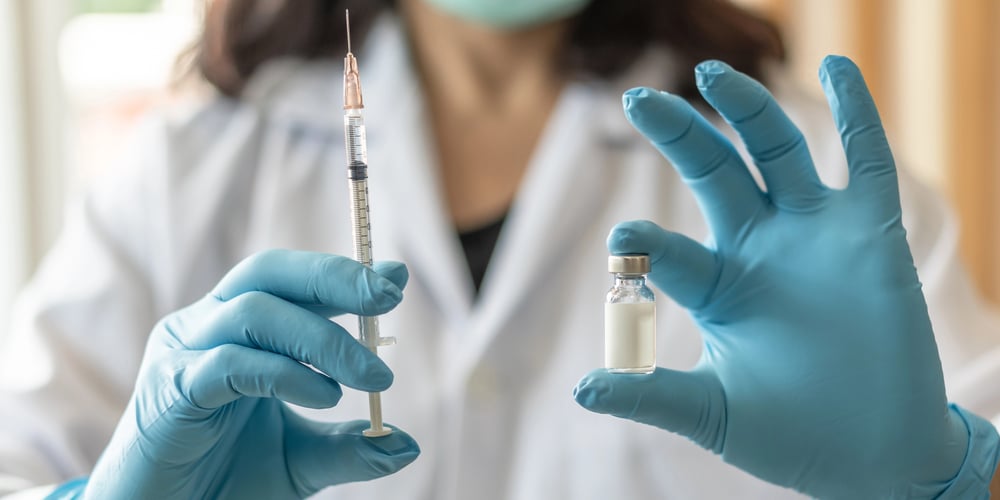
During World War II, the U.S. government infected hundreds of prisoners with malaria to test experimental treatments and vaccines. While some prisoners volunteered, many were coerced with promises of reduced sentences or better treatment. The experiments caused severe illness and, in some cases, death while producing limited scientific value.
Operation Paperclip Nazi Scientists
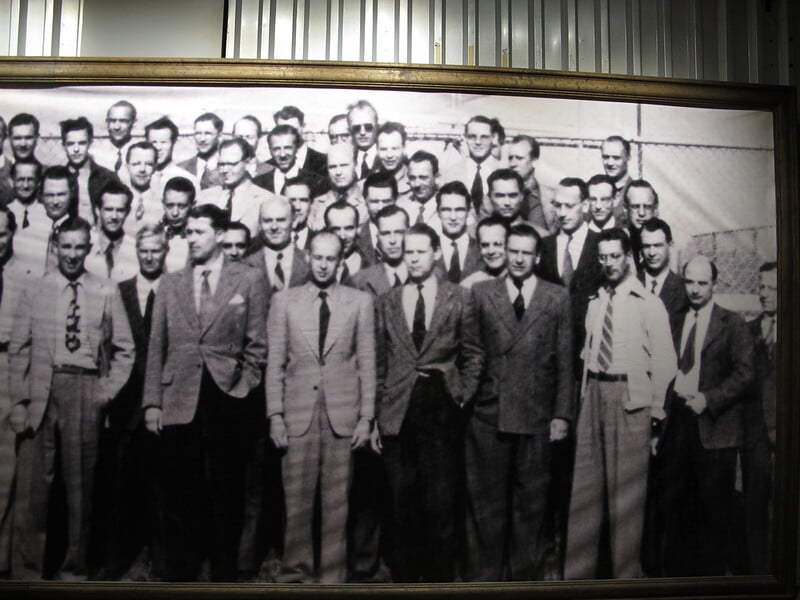
After World War II, the U.S. secretly recruited former Nazi scientists, including those who had conducted horrific human experiments. These scientists were given new identities and positions in American research programs while bringing their unethical practices with them. The operation compromised American moral standards and may have influenced later unethical government experiments.
Fernald School Radioactive Oatmeal Study

In the 1940s and 1950s, researchers at the Fernald School for developmentally disabled children fed radioactive oatmeal to students to study calcium absorption. The children, who had no capacity to consent, were told they were joining a ‘science club’ and would receive special treats. Many later developed cancer and other health problems as a result of the radiation exposure.
Project ARTICHOKE Interrogation Techniques

The CIA’s Project ARTICHOKE, active from 1951 to 1953, sought to develop enhanced interrogation techniques using drugs, hypnosis, and psychological manipulation. Subjects included prisoners, mental patients, and foreign nationals, many of whom suffered permanent psychological damage. The program was a precursor to MKUltra yet was equally unsuccessful in achieving its goals.
Holmesburg Prison Experiments
— Photo by f11photo
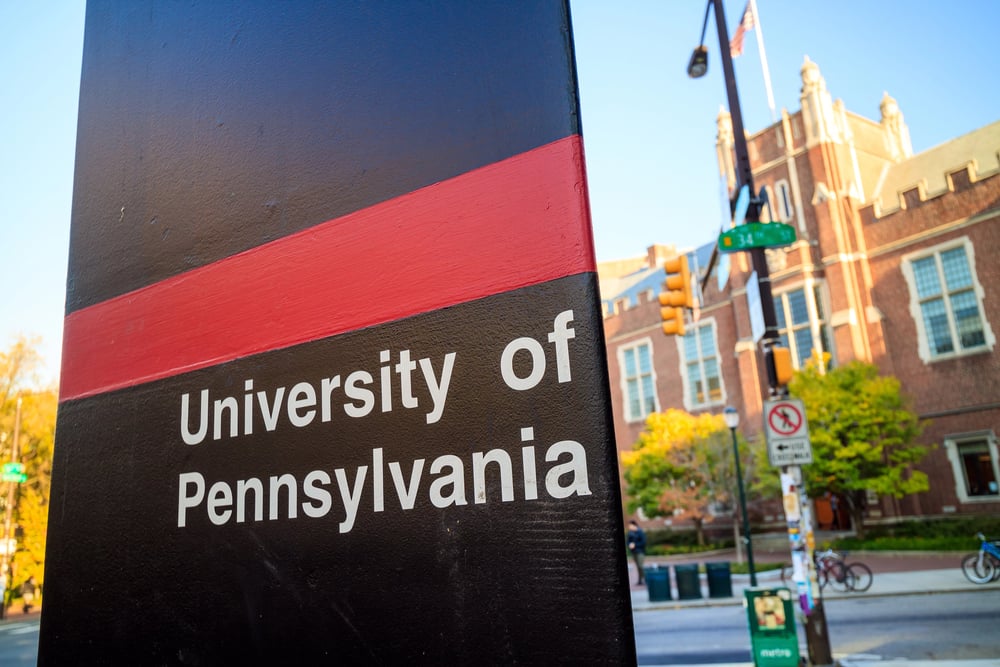
From the 1950s to 1970s, University of Pennsylvania researchers conducted hundreds of experiments on prisoners at Holmesburg Prison, including exposing them to chemical agents, viruses, and fungi. The predominantly Black and poor inmates were paid small amounts for their participation but weren’t informed of the risks. Many suffered permanent scarring, illness, and psychological trauma.
Operation Green Run Radioactive Release
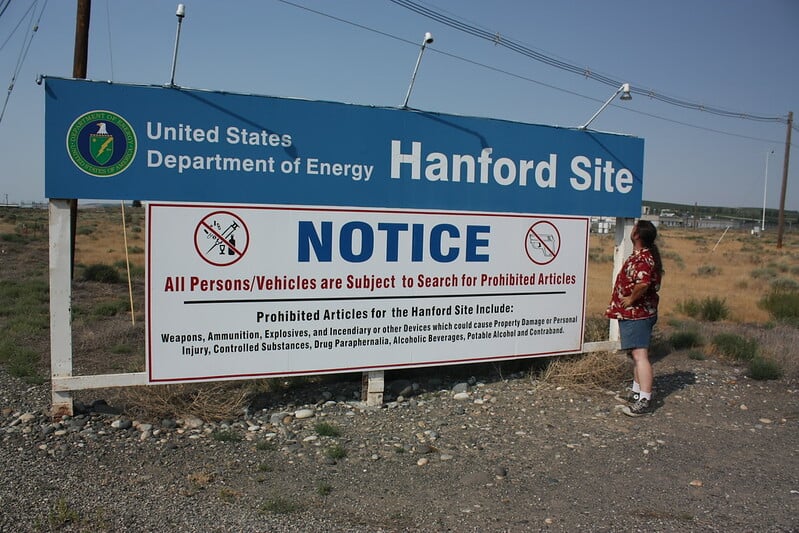
In 1949, the U.S. government secretly released radioactive particles from the Hanford Nuclear Reservation in Washington state to test methods for detecting Soviet nuclear activities. The release contaminated a large area and exposed thousands of people to radiation without their knowledge. The experiment provided little useful intelligence while potentially causing cancer and other health problems in the exposed population.
Lessons Written in Suffering

These experiments represent some of the darkest chapters in government science, where the pursuit of knowledge and national security override basic human rights and ethical standards. The legacy of these programs continues to influence modern research ethics and has led to stricter oversight of government experimentation. While we can’t undo the harm caused by these failed experiments, we can ensure that their victims’ suffering serves as a permanent reminder of the importance of ethical conduct in scientific research.
More from Go2Tutors!

- 16 Historical Figures Who Were Nothing Like You Think
- 12 Things Sold in the 80s That Are Now Illegal
- 15 VHS Tapes That Could Be Worth Thousands
- 17 Historical “What Ifs” That Would Have Changed Everything
- 18 TV Shows That Vanished Without a Finale
Like Go2Tutors’s content? Follow us on MSN.