Snow Days Used to Mean Something Entirely Different Before Remote Learning
There was a specific kind of silence that came with a snow day — not the quiet of a weekend or a holiday, but something more electric, almost stolen. You’d wake up earlier than usual for some reason, catch the particular quality of light bouncing off white outside your window, and know before anyone said a word.
Then the radio confirmation, the school name read aloud, and the whole day cracked open like a gift nobody had wrapped. That version of a snow day is functionally extinct now.
What replaced it is more efficient, certainly more educational — and completely beside the point.a
The Phone Tree Era
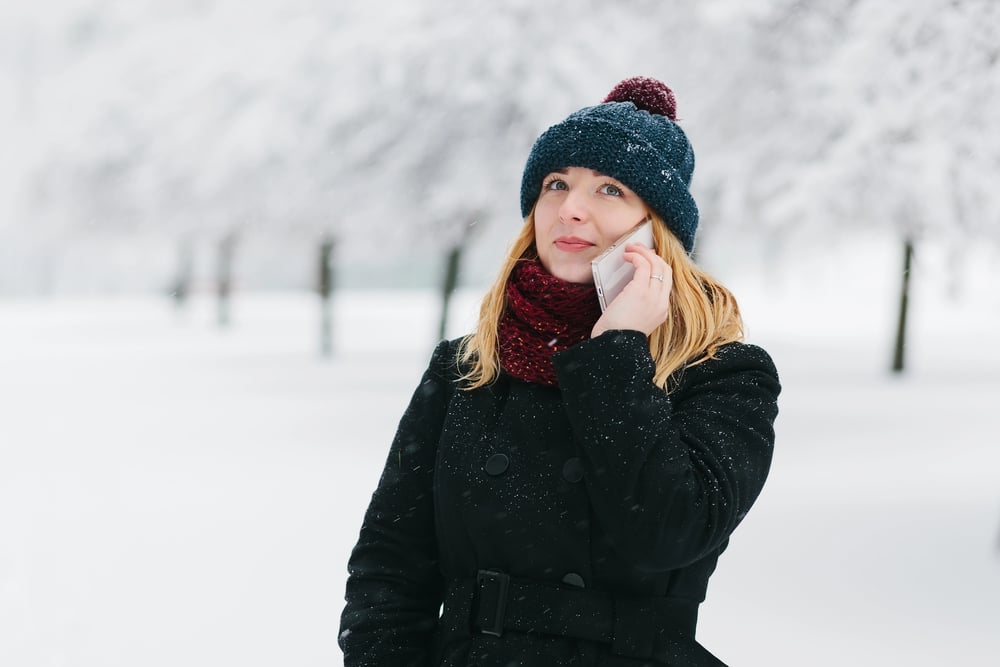
Snow day announcements used to travel through neighborhoods the way rumors did: imperfectly, person to person, and with genuine stakes. One parent called another, that parent called two more, and somewhere in the chain, information always got garbled — a two-hour delay becoming a full cancellation by the third household.
So you dressed for school anyway, just in case, standing by the door with your boots already on, which is a very specific form of childhood tension that no push notification has ever replicated.
The Radio Ritual
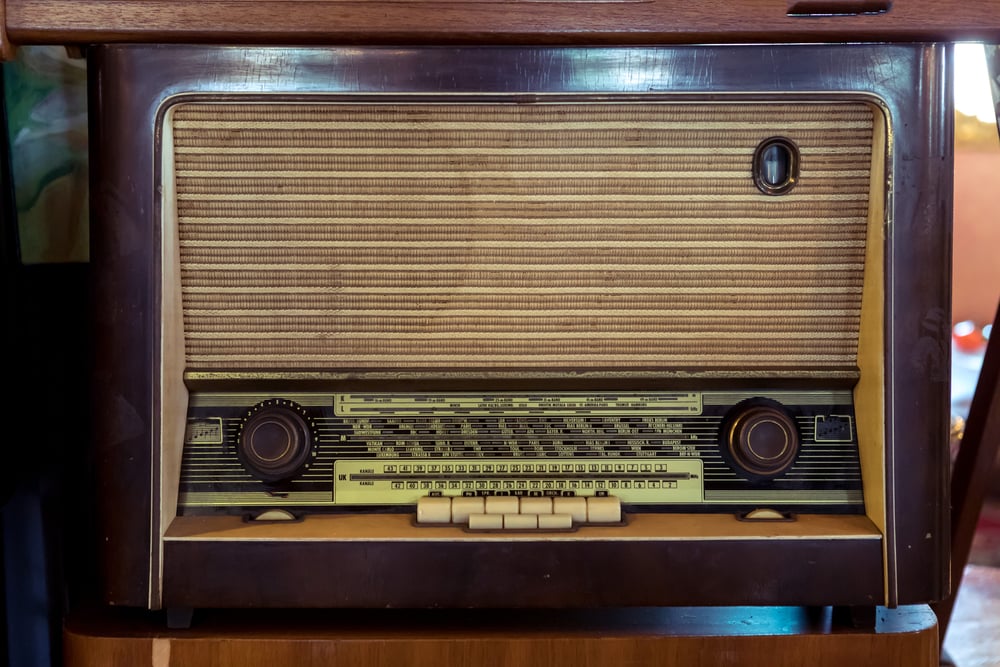
There is something almost ceremonial about the way snow day culture once orbited the AM radio. You’d lie on the kitchen floor with your ear near the speaker, listening to a man read school names in alphabetical order — Brookfield, Caldwell, Cedar Ridge — your whole body tightening as he worked toward yours.
It was the most attentive kids ever got to a piece of audio.
What “Learning Loss” Meant Back Then

Learning loss on a snow day used to mean one missed page of a worksheet, maybe a postponed spelling test. Nobody fretted over it in any formal sense — teachers factored weather into the year, principals called it a wash, and life moved on.
The idea that a single day of unstructured indoor time could permanently derail academic progress would have struck most 1990s school administrators as frankly neurotic.
The Architecture of a Real Snow Day

A snow day had structure, even without a schedule — and that’s the part people misremember as chaos. Morning was slow: cereal, cartoons, the particular pleasure of sitting in pajamas past 9 a.m.
Afternoon meant going outside until your fingers went numb, coming back in, drinking something hot, and doing it again, which is a rhythm that requires nothing from a teacher and teaches something anyway.
The Invention of Remote Learning’s “Snow Day Problem”

Remote learning didn’t kill the snow day through malice — it killed it through convenience, which is almost worse. The moment a school district realized that every student technically had access to a device and an internet connection, the logic of canceling school for weather collapsed like a folded card table.
Turns out “we can still hold class” is a sentence that was always technically true; it just required a global disruption in education infrastructure to make anyone act on it.
What Kids Actually Did All Day

Snow days were not secretly educational, and there’s no point pretending otherwise. Kids watched television, ate whatever they could reach in the pantry, argued with siblings, and eventually wandered outside where they proceeded to do things their parents would have preferred not to know about.
And yet, something about being left entirely to your own devices for six hours — without a structured outcome, without a learning objective — built a quiet capacity for boredom management that is genuinely undervalued now.
The Superintendent as Weather Oracle
Before weather apps existed on every phone, the school superintendent occupied a strange cultural role: the one adult whose judgment about three inches of forecasted snowfall had binding power over thousands of children’s mornings. Families would speculate about particular superintendents the way people speculate about referees — this one was cautious, that one was famously stubborn about closures, the new one hadn’t been tested yet by a real storm.
It was an oddly personal relationship between a bureaucrat and a community, forged entirely through weather decisions.
The Guilt-Free Nature of It

Snow days were morally clean in a way that remote learning days simply are not. Nobody felt behind. Nobody logged on to check what they’d missed.
The snow fell, school was closed, the day was yours — and there was a collective agreement, unspoken but total, that this was simply what happened. Remote learning introduced a new and exhausting variable: the possibility that you could always be doing more, which is a thought that has no business visiting a twelve-year-old during a blizzard.
Regional Snow Day Culture
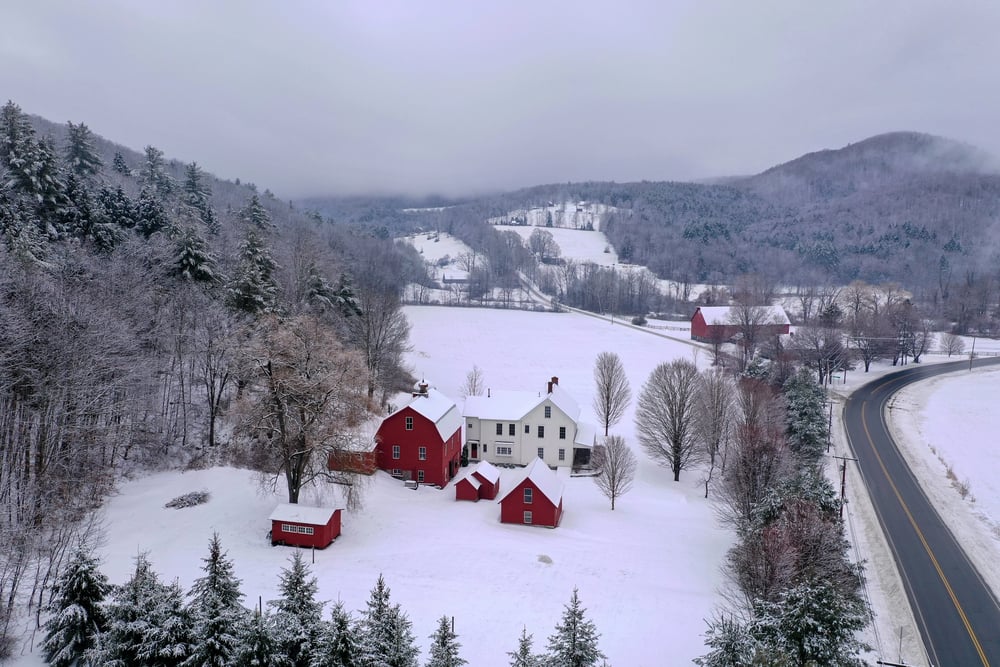
A snow day in Vermont meant something entirely different from a snow day in Georgia. In Vermont, four inches barely registered — but in Atlanta, the same accumulation could close schools for three days and make local news across the country.
That regional texture mattered; it meant a snow day carried local meaning, tied to specific geography and specific weather patterns and specific community decisions about what was manageable. Remote learning flattened all of that into a single question: does the Wi-Fi work?
The Role of Siblings

Snow days were one of the few unscheduled contexts in which siblings actually spent a full day together without anyone supervising the dynamic. Alliances formed and collapsed over which channel to watch.
Territory was negotiated — who got which couch cushion, who controlled the thermostat, who had eaten the last of the good cereal. It was low-stakes chaos, but it was social in a way that staring at separate screens in separate rooms during a remote learning day genuinely is not.
What Teachers Did With Them

Teachers, for the record, did not spend snow days lesson planning. They shoveled their own driveways, watched the same daytime television, and experienced the same unscheduled gift the students did — which was the other half of the snow day equation that tends to get overlooked.
The day off was shared, distributed evenly across the school community, and that mutuality was part of what made it feel like a reprieve rather than a gap.
The Snow Day as Social Equalizer
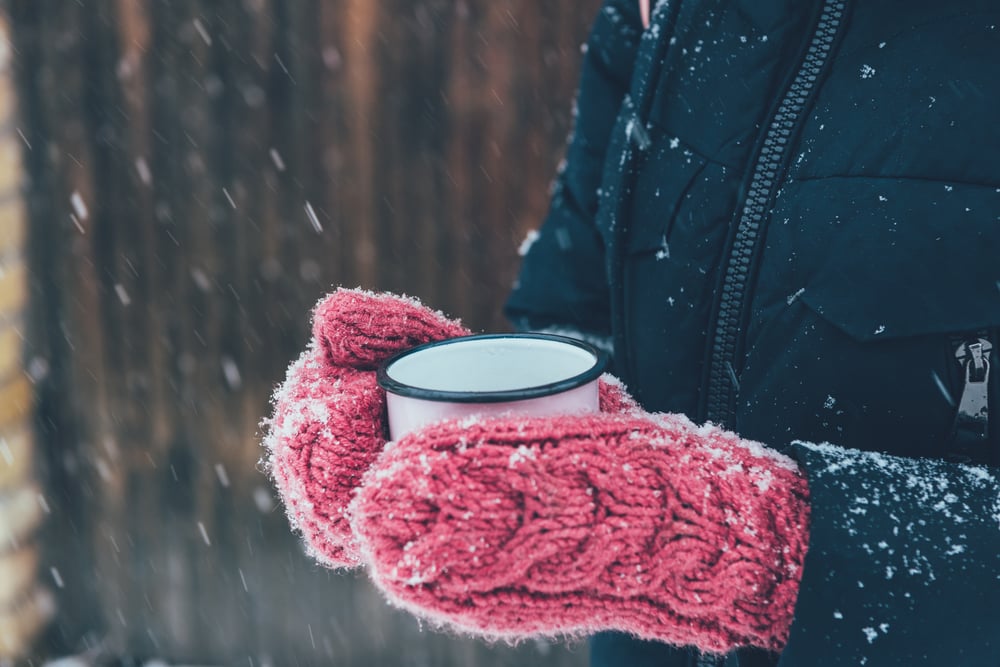
Every kid in the district got the same snow day, regardless of what neighborhood they lived in or what their house looked like inside. Remote learning exposes something uncomfortable: not every student has reliable internet, a quiet workspace, a device that works properly, or adults at home who can help navigate a sudden digital classroom.
The snow day, in its blunt analog simplicity, never asked those questions. It just closed the school and let everyone figure out the day on their own terms.
The Weather Channel as Entertainment

Before the Weather Channel became a background hum on televisions in airport terminals, it was appointment viewing on a snow day — kids actually watched the local forecast loop with the same investment most adults brought to a playoff game. You wanted confirmation, then re-confirmation, then an update.
The crawl at the bottom of the screen with school closings listed alphabetically was appointment content in the truest sense, curated for an audience of exactly you.
The Day After
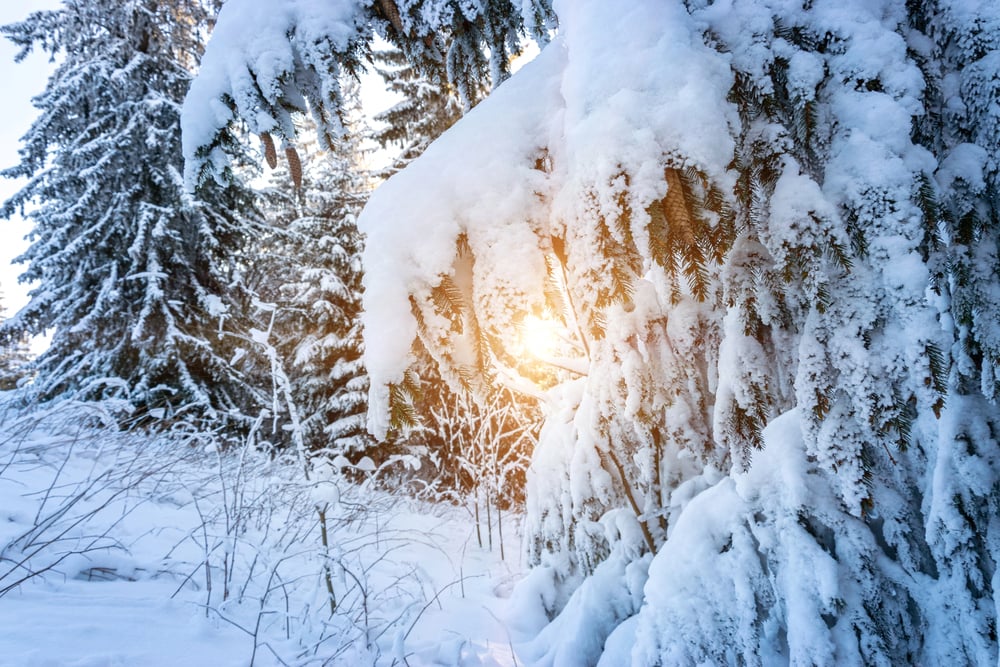
The day after a snow day had its own specific texture: the hallways louder than usual, homework technically due but loosely enforced, teachers slightly more human for having been away. There was a collective re-entry, a collective acknowledgment that something had happened outside the school’s control, and the week recalibrated around it without complaint. That recalibration is gone now.
A remote learning day slides back into the regular schedule without a seam, as if the storm was simply a background inconvenience nobody is permitted to discuss.
When the Decision Was Agonized Over
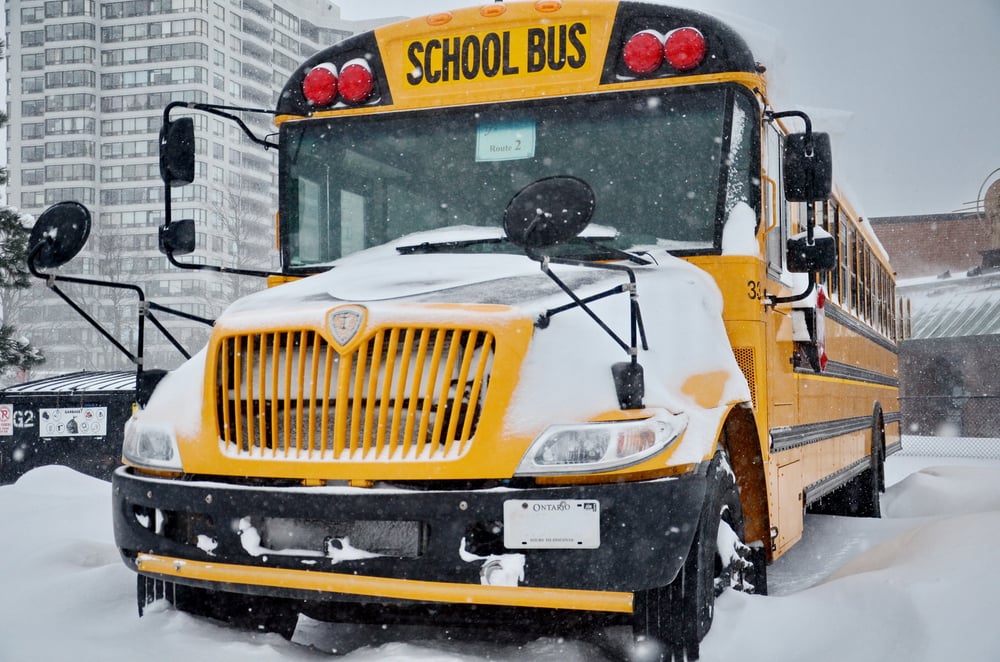
School districts didn’t make snow day calls casually — superintendents were sometimes up before 4 a.m., calling road crews, checking weather radar, calculating bus routes across rural stretches where a mile of untreated road could mean a bus in a ditch. The weight of that decision was real, and when a superintendent called school off, it meant something.
It meant conditions were genuinely dangerous. Remote learning short-circuits that entire moral calculation with a single logistical workaround: if the building is closed but the class continues, nobody has to decide anything uncomfortable.
What Was Actually Being Protected
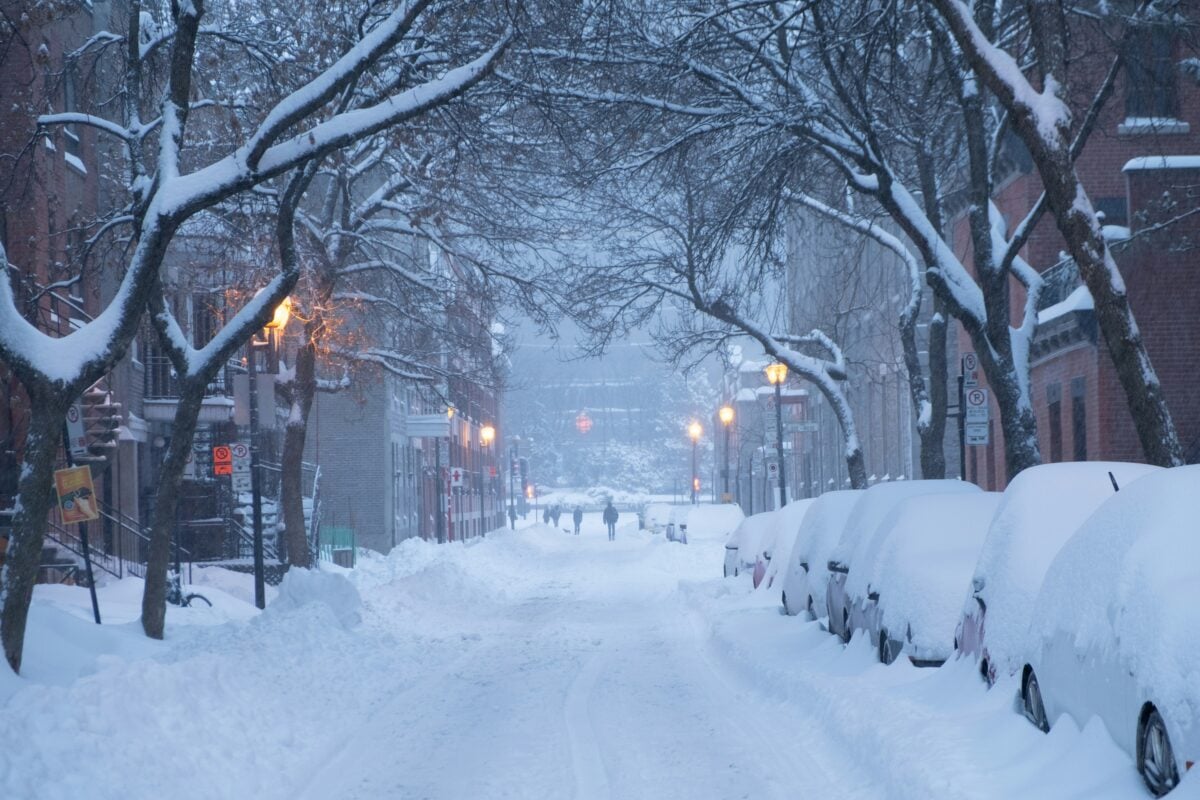
Snow days protected something harder to name than academic time — they protected the idea that childhood is not infinitely schedulable, that weather is a legitimate interruption, and that some things are allowed to simply stop. The creep of productivity culture into every corner of adult life is well-documented, but its arrival in elementary school — via the logic that a snow day is a lost day unless it becomes a learning day — is a particular kind of loss that doesn’t show up on any standardized test.
When Snow Days Start Becoming Rare
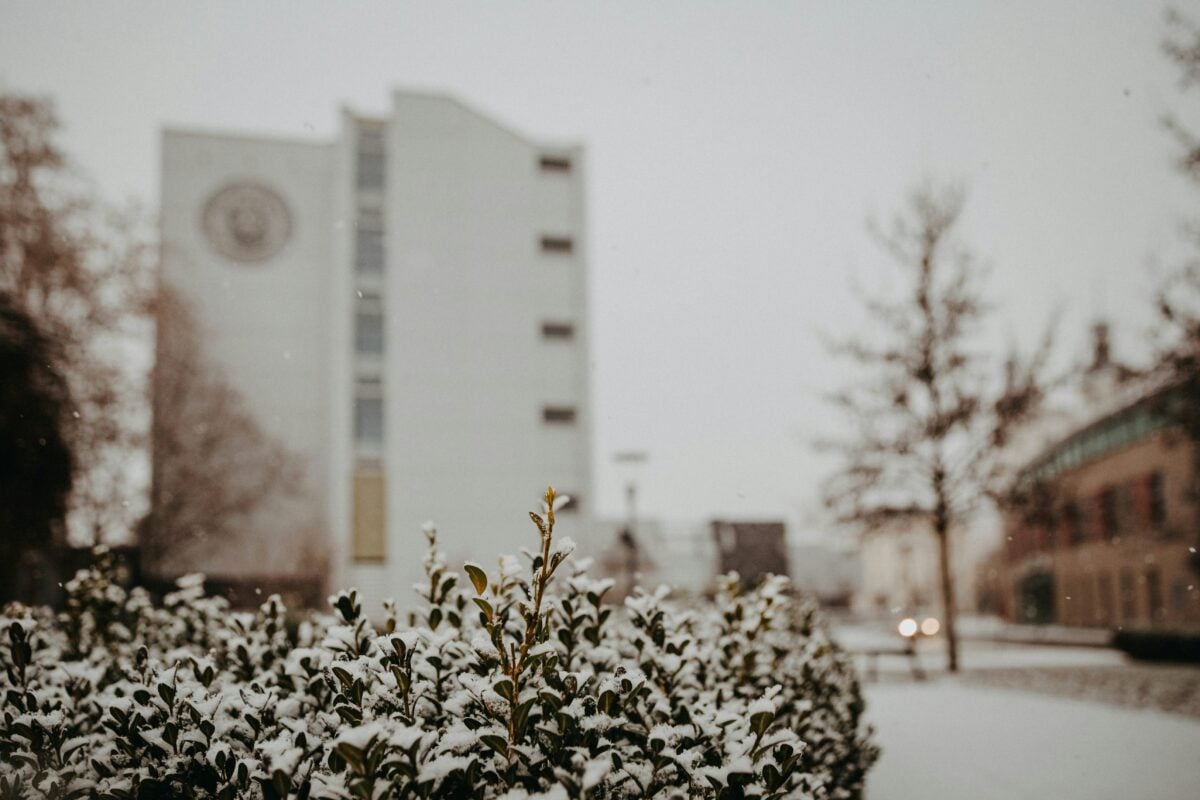
Some school districts have already moved to a formal policy of eliminating traditional snow days entirely, replacing them with pre-designated remote learning days built into the calendar before the year even begins. Students in those districts will grow up without ever experiencing the particular vertigo of a canceled school day — the way the morning reorganized itself, the way plans collapsed and something better took their place.
That’s not a catastrophe. But it’s worth naming as a loss, even a small one, even if the world keeps moving regardless.
What the Snow Is Left to Do
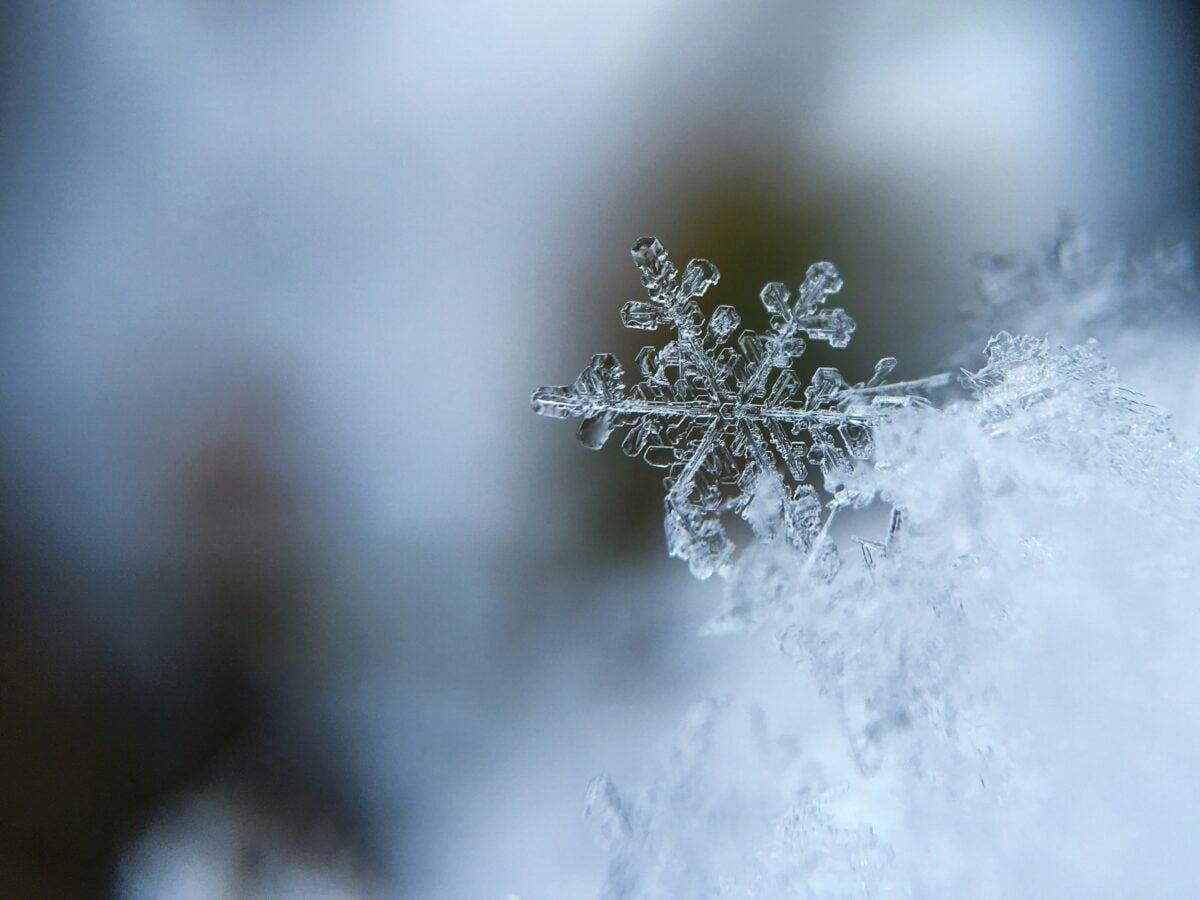
Snow still falls, indifferent to the school calendar now. It piles up against the doors, closes roads, bends tree branches into improbable shapes — and somewhere inside a house that used to go quiet and slow on mornings like this, a child opens a laptop and logs into a video call.
The snow does its old work. Nobody stops to notice.
More from Go2Tutors!

- The Romanov Crown Jewels and Their Tragic Fate
- 13 Historical Mysteries That Science Still Can’t Solve
- Famous Hoaxes That Fooled the World for Years
- 15 Child Stars with Tragic Adult Lives
- 16 Famous Jewelry Pieces in History
Like Go2Tutors’s content? Follow us on MSN.



