16 Most Powerful Military Aircraft That Exist
The sky has always been a battlefield, but today’s military aircraft make the fighter planes of old wars look like toys. These flying machines cost millions, sometimes billions, of dollars to build and represent the peak of what humans can create when engineering meets warfare.
They fly faster than sound, carry enough firepower to level cities, and use technology that seems pulled straight from science fiction. Let’s take a look at the aircraft that dominate the skies and make other countries think twice before starting trouble.
F-22 Raptor
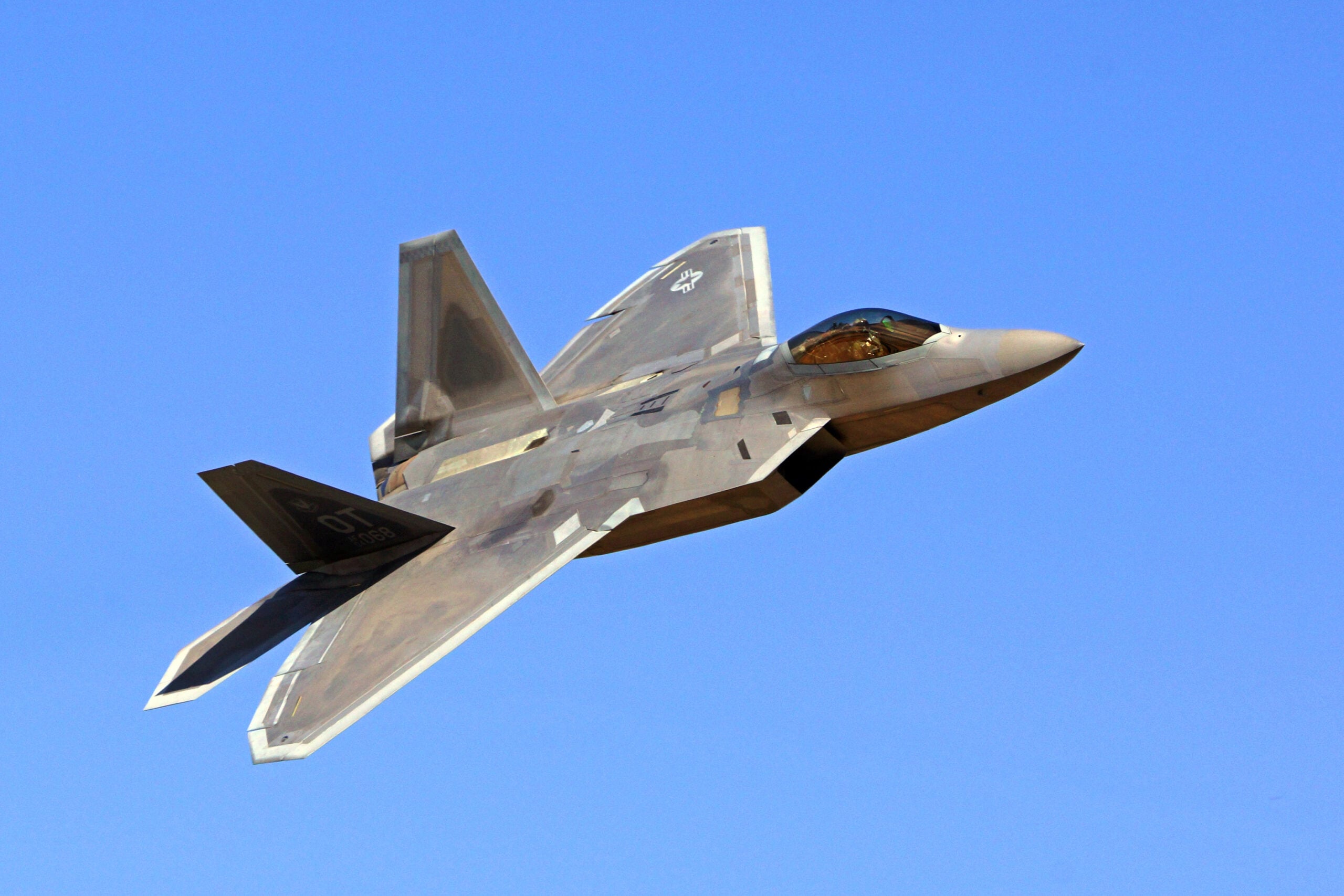
The F-22 Raptor stands as America’s crown jewel of air superiority, and it’s the kind of aircraft that makes enemy pilots nervous just knowing it exists. This stealth fighter can sneak up on targets without showing up on radar, then strike before anyone knows what hit them.
It cruises at speeds exceeding 1,500 miles per hour and can perform moves that would tear apart older aircraft. The price tag sits around $150 million per plane, which explains why the U.S. stopped making them after building just 187.
Even today, no other country has managed to match what the Raptor brings to a fight.
B-2 Spirit
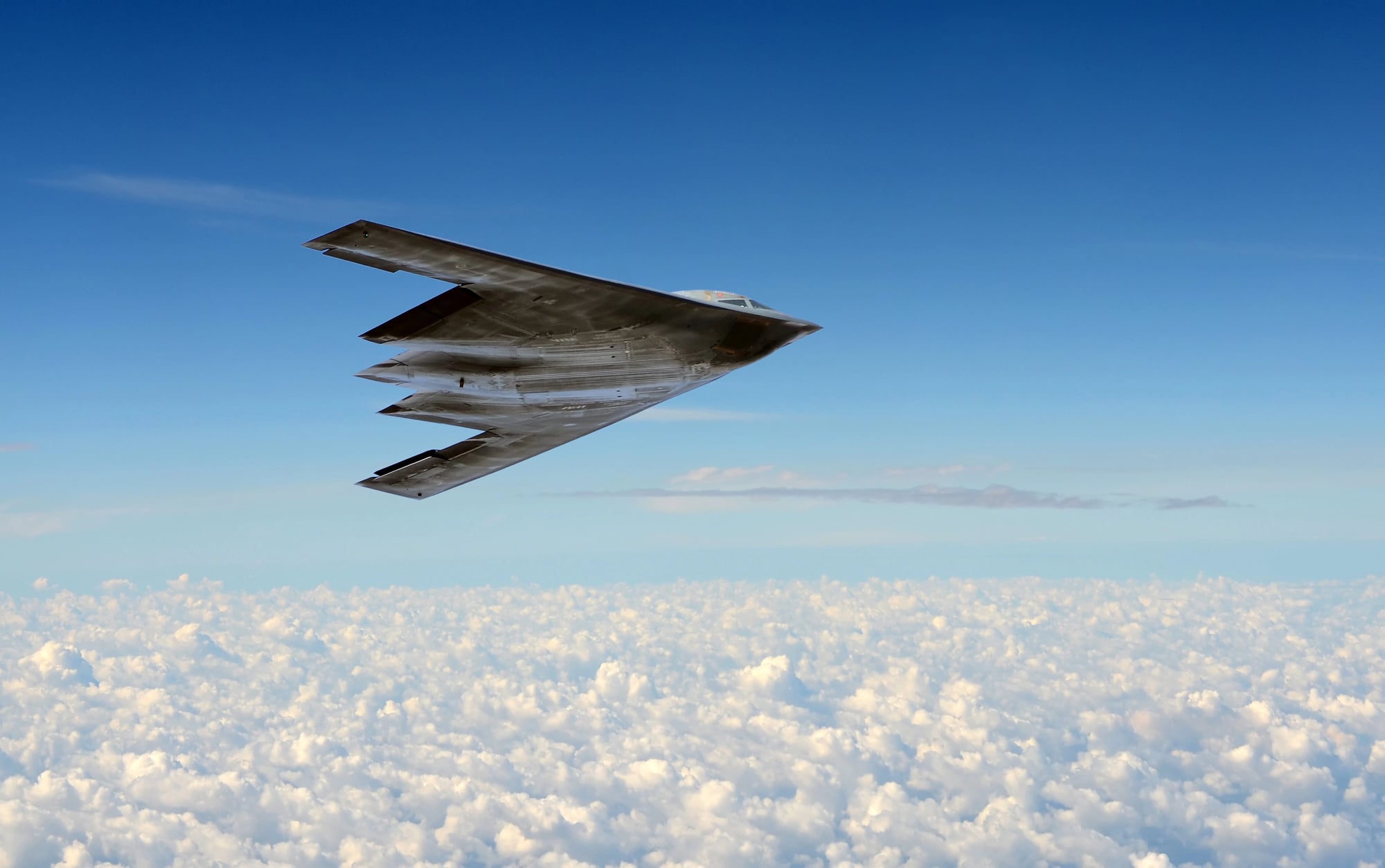
This bomber looks like something aliens would fly, with its smooth black triangle shape that seems to defy normal aircraft design. The B-2 Spirit costs over $2 billion each, making it pound-for-pound the most expensive military aircraft ever built.
It can fly from Missouri to anywhere on Earth, drop 40,000 pounds of bombs with pinpoint accuracy, then return home without ever being detected. Only 21 of these bombers exist, and they require climate-controlled hangars because their special radar-absorbing skin is incredibly delicate.
When one takes off, it usually means something serious is about to happen somewhere in the world.
F-35 Lightning II
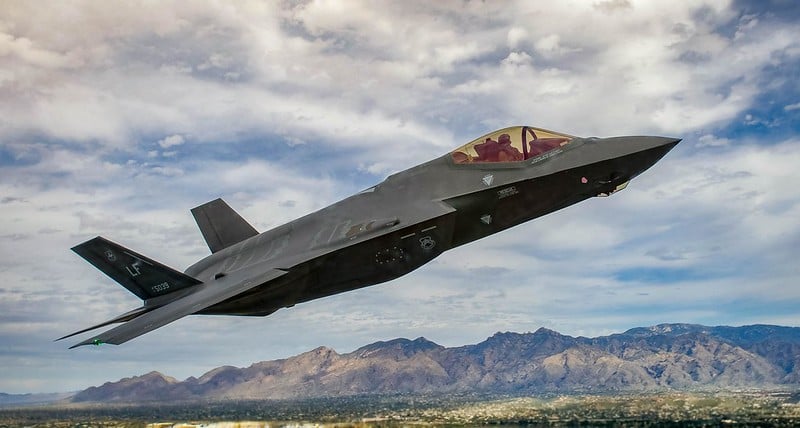
The F-35 represents a completely different approach to modern air combat, serving as a jack-of-all-trades that multiple countries share. This aircraft comes in three versions for the Air Force, Navy, and Marines, with the Marine variant able to land vertically like a helicopter.
Its helmet system lets pilots see through the aircraft itself, giving them a 360-degree view of everything around them. More than 900 F-35s now fly for the United States and its allies, making it the most common advanced stealth fighter in service.
Critics say it tries to do too many things at once, but supporters point out that it keeps getting better with software updates.
Su-57 Felon
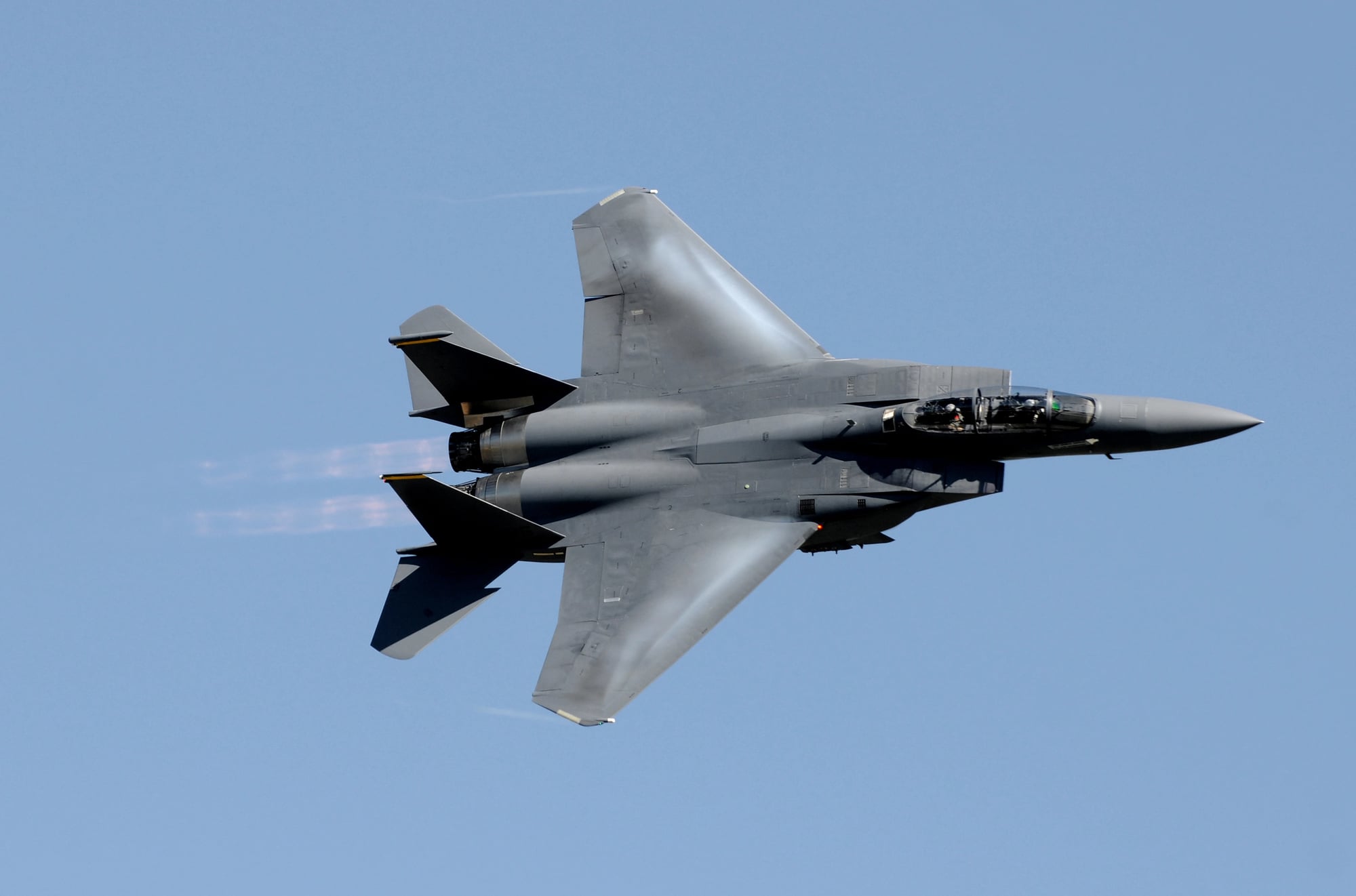
Russia’s answer to American stealth fighters finally entered service after years of delays and setbacks. The Su-57 combines traditional Russian aircraft strengths like extreme maneuverability with modern stealth technology, though experts debate how stealthy it actually is.
It carries its weapons internally to reduce radar signature and uses thrust vectoring to perform turns that seem physically impossible. Production has been painfully slow, with only a handful currently flying, and the war in Ukraine has made building even harder.
Still, on paper at least, this aircraft gives Russian pilots something that can compete with Western fifth-generation fighters.
AC-130 Gunship
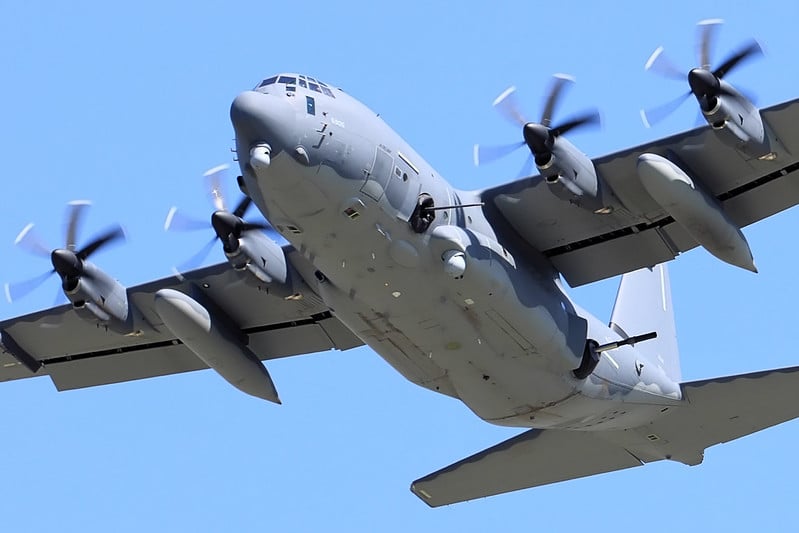
The AC-130 takes a regular cargo plane and transforms it into a flying weapons platform that ground troops absolutely love having overhead. It circles above battlefields at night, using advanced sensors to track enemies, then unleashes devastating firepower from cannons and precision weapons.
The largest gun it carries is a 105mm howitzer, the same weapon used by ground artillery units. These gunships move relatively slowly and need air superiority to survive, but in the right conditions they provide unmatched close air support.
Soldiers on the ground call them ‘angels’ because hearing one arrive means help has arrived.
F-15EX Eagle II
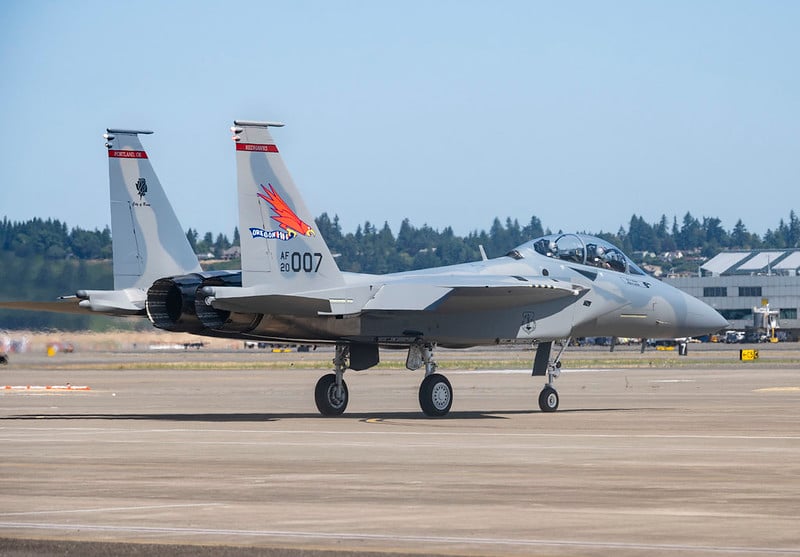
The F-15 first flew in the 1970s, yet this newest version proves that old designs can still pack a serious punch when updated properly. The Eagle II carries more weapons than stealth fighters and costs far less to operate, making it perfect for missions where sneaking around isn’t necessary.
It can haul 29,500 pounds of bombs and missiles, nearly twice what an F-35 can carry. The Air Force plans to buy lots of these because they complement stealth aircraft perfectly and can fly missions that don’t require invisibility.
Plus, the F-15 family has never lost in air-to-air combat, a record that speaks for itself.
Chengdu J-20
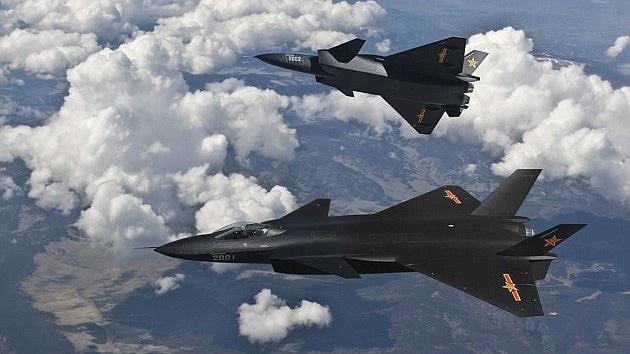
China kept this aircraft secret until it suddenly appeared during a test flight, surprising Western intelligence agencies that didn’t expect Chinese stealth technology to advance so quickly. The J-20 is huge for a fighter, suggesting it prioritizes range and weapons capacity over pure agility.
It entered service around 2017 and China has built hundreds since then, though exact numbers remain classified. The engines currently used are less powerful than China wants, but newer domestic engines are reportedly in development.
Whether it can truly match American stealth fighters remains unknown since it’s never been tested in actual combat.
AH-64 Apache
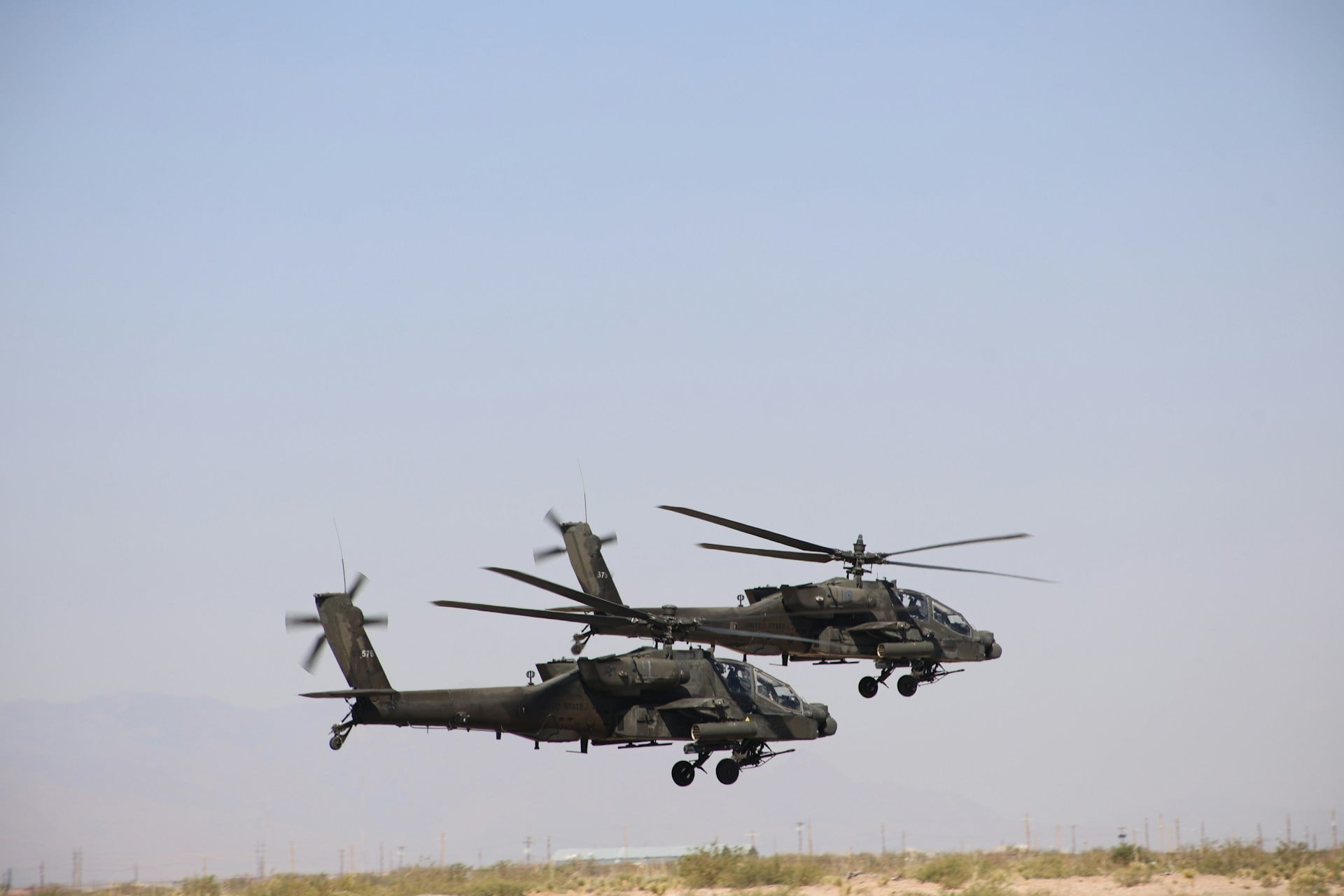
This attack helicopter has become so famous that most people recognize its distinctive shape immediately. The Apache hunts tanks and other ground targets using Hellfire missiles and a 30mm chain gun that fires 625 rounds per minute.
Two crew members sit in tandem, with the weapons officer in front operating the sensors and guns while the pilot in back handles flying. The targeting system links to the crew’s helmets, letting them aim weapons simply by looking at targets.
It’s been in service since 1986 and continues getting upgrades that keep it deadly against modern threats.
B-1B Lancer
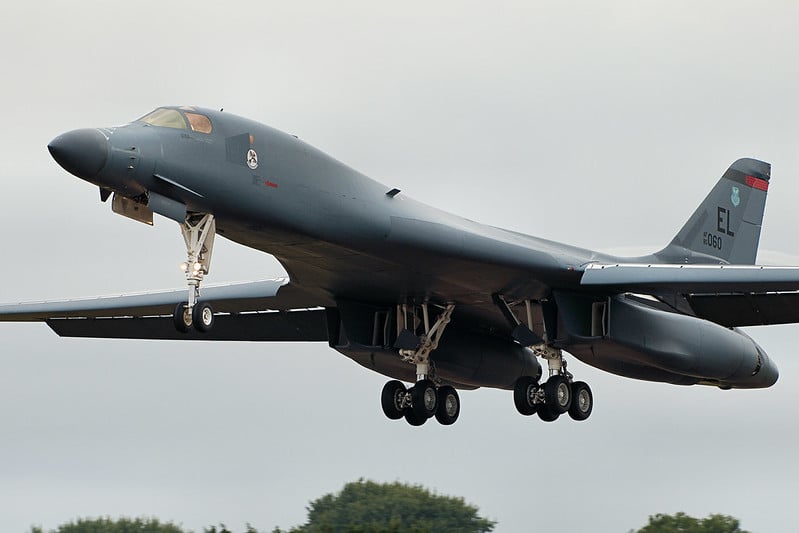
The B-1 Lancer was originally designed to sneak past Soviet defenses at low altitude during the Cold War, but today it serves a different role. This massive bomber now focuses on carrying huge amounts of conventional weapons and dropping them with precision.
It holds the record for heaviest payload of guided weapons ever dropped in combat, achieved during operations against ISIS. The four engines push it to supersonic speeds, making it the fastest bomber currently flying.
Maintenance is expensive and time-consuming, which means fewer Lancers fly now than in previous years.
Dassault Rafale
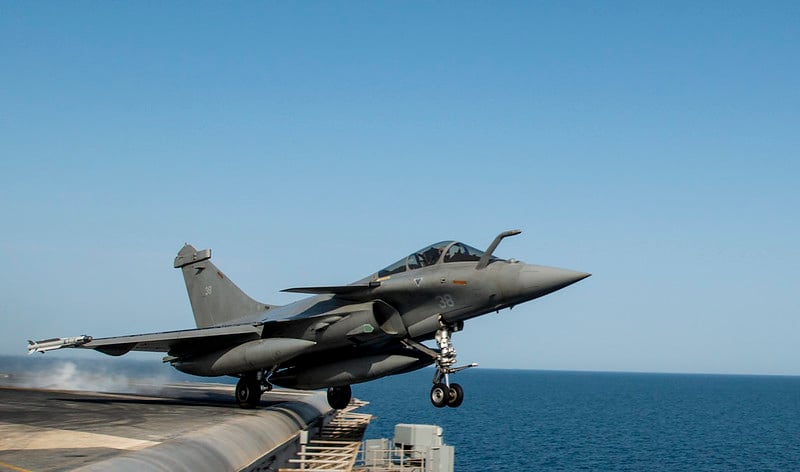
France’s Rafale proves that smaller countries can still build world-class fighters without American help. This multi-role aircraft handles air superiority, ground attack, and reconnaissance equally well, giving French forces tremendous flexibility.
It’s seen real combat over Libya, Mali, Syria, and Iraq, proving its capabilities against actual threats. India, Egypt, and several other countries have bought Rafales because they deliver excellent performance without the political strings attached to American aircraft.
The design emphasizes reliability and ease of maintenance, making it practical for countries that can’t afford huge support infrastructures.
V-22 Osprey
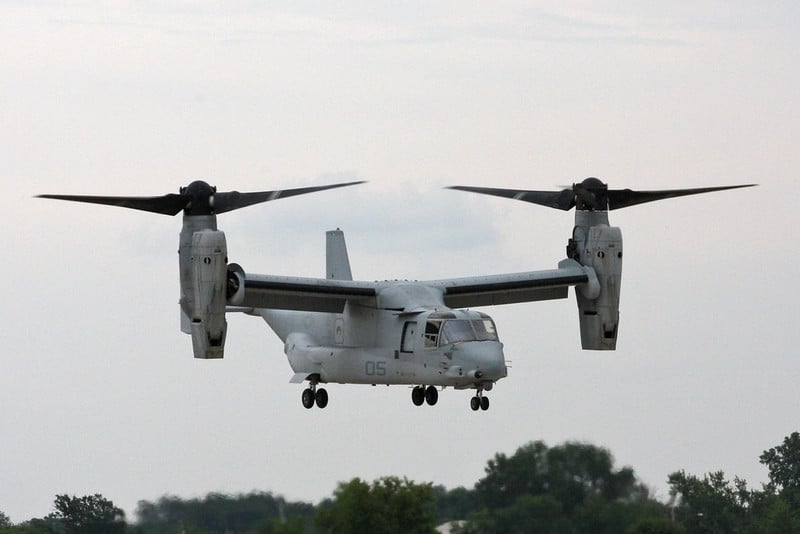
The Osprey looks bizarre because it is bizarre, combining airplane wings with helicopter rotors that tilt to switch between vertical and horizontal flight. This lets it carry troops and cargo into tight spaces that regular planes can’t reach, then fly away at 280 miles per hour.
Development was plagued with crashes that killed dozens of people, leading many to question if the design was fundamentally flawed. Despite ongoing concerns about safety, the Marines and Air Force depend on it for missions requiring speed and vertical capability.
Nothing else can deliver combat troops as far and as fast while still landing on small ships or in jungle clearings.
Eurofighter Typhoon
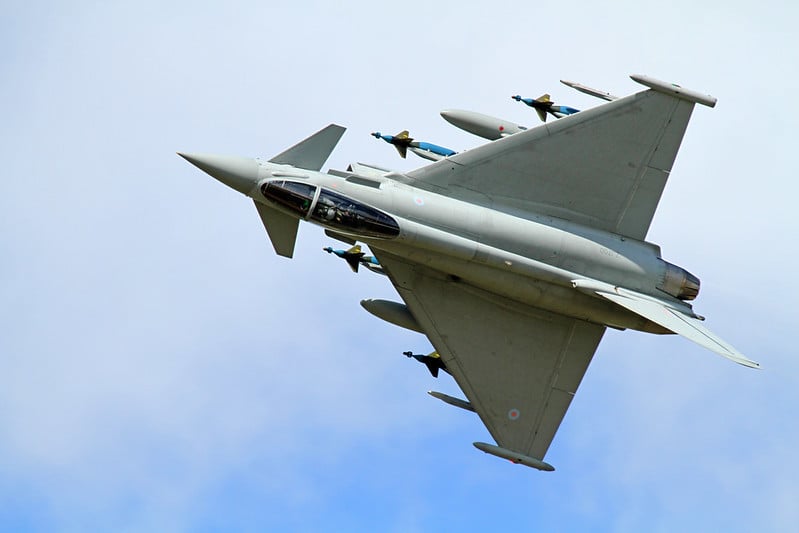
Four European nations teamed up to build this nimble jet, splitting expenses while assembling parts in different locations. Thanks to strong engines and sharp aerodynamic design, the Typhoon dominates dogfights by dodging rivals with ease.
Pilots from the UK, Germany, Italy, and Spain fly it – as do many overseas buyers – giving it wide use around the globe. Delays pushed back its launch, plus prices climbed higher than expected, issues often seen in joint defense efforts.
Yet crews love how it flies and fights; constant updates keep it competitive today.
C-130 Hercules
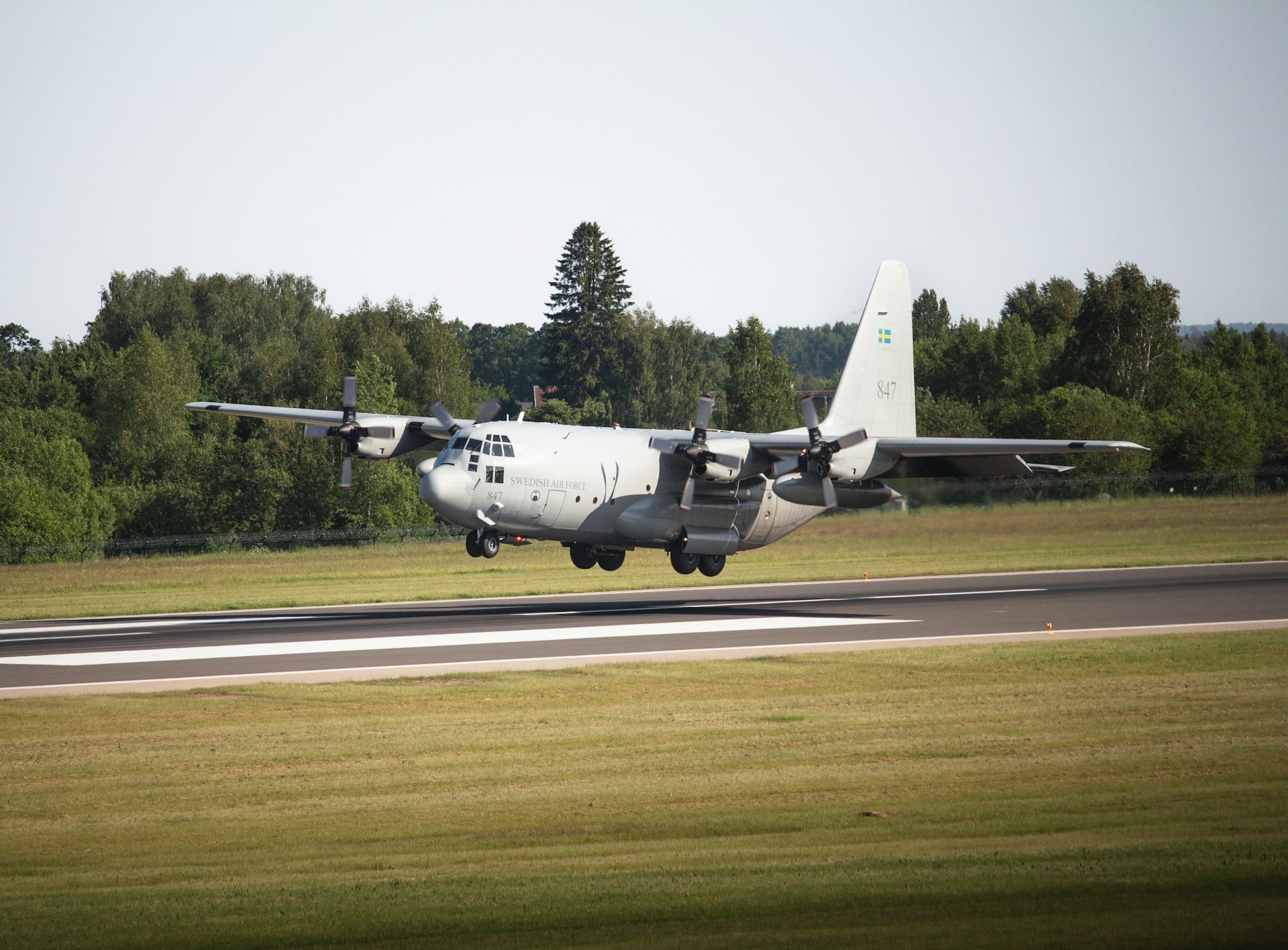
This tough cargo jet’s been in action since 1956 – older than many grandmas and grandpas – but brand-new models still come out now. Instead of waiting for perfect runways, the C-130 delivers soldiers, gear, or crates straight into bumpy backcountry strips big planes can’t handle.
Beyond hauling loads, it’s taken on wild roles like chasing storms, dropping water on wildfires, or helping commandos sneak behind enemy lines. Around four dozen nations stick with Hercules jets – not because they’re flashy, but ‘cause they work well, cost less, and adapt fast.
Its original frame works so well, swapping it for a modern version keeps failing every time someone tries.
MQ-9 Reaper
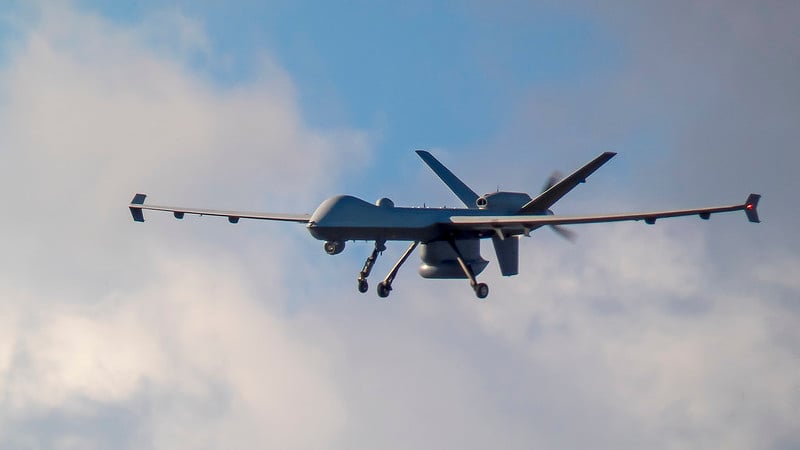
The Reaper transformed how wars are fought – pilots now run attacks from distant locations, far removed from danger. Instead of being on-site, they control the machine through screens and signals across continents.
Equipped with Hellfire rockets and precision-guided munitions, it can hover nonstop for a full day or longer, scanning below. While circling high above, it searches patiently until something worth hitting shows up.
Forces have relied on it heavily against terrorist networks, especially where sending crewed jets is risky or complicated. Some question whether killing from afar feels too detached or cold.
Yet leaders argue that taking out threats fast – with no pilot in harm’s way – is a clear advantage. Upgrades continue pushing limits, making future versions smarter and able to do more tasks on their own.
Su-35 Flanker-E
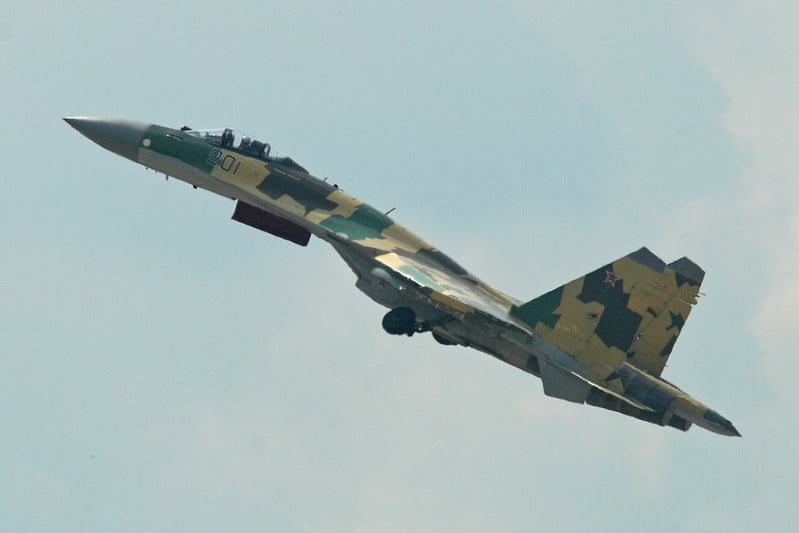
Russia grabbed its trusted Su-27 blueprint, then tweaked almost every part to build a seriously tough jet. Instead of just copying, they added thrust vectoring so the Su-35 can twist mid-air like it’s breaking gravity – tight turns, quick stall recovery, better than most Western jets.
A strong radar plus long-range missiles means it can hit targets way before getting close. These planes get sold to allies such as China or Egypt, helping Moscow spread high-end weapons tech across continents.
Sure, it won’t vanish on radar – but speed, power, and firepower more than make up for that when things go head-to-head.
A-10 Thunderbolt II
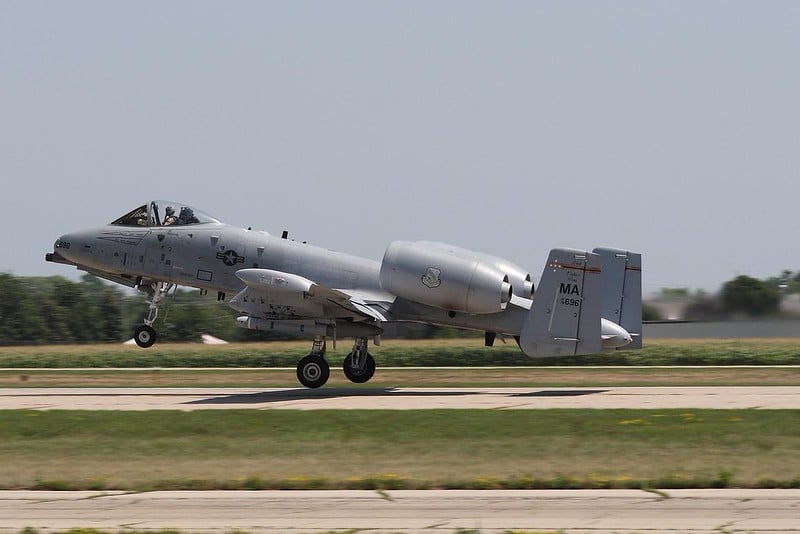
The Air Force has wanted to scrap the A-10 for ages – yet troops on the ground swear by it, so lawmakers won’t let it go. Ugly? Sure.
But this plane packs a monstrous 24mm gun firing shells as big as soft drink cans. Instead of zipping high and fast like fighters, it crawls at low levels, an easy target now but great for backing up infantry.
Around the cockpit sits a thick titanium shell; even when hit hard, it limps home. Soldiers nicknamed it Warthog, and hearing that cha-chunk of its cannon means help’s arrived.
Sky dominance redefined
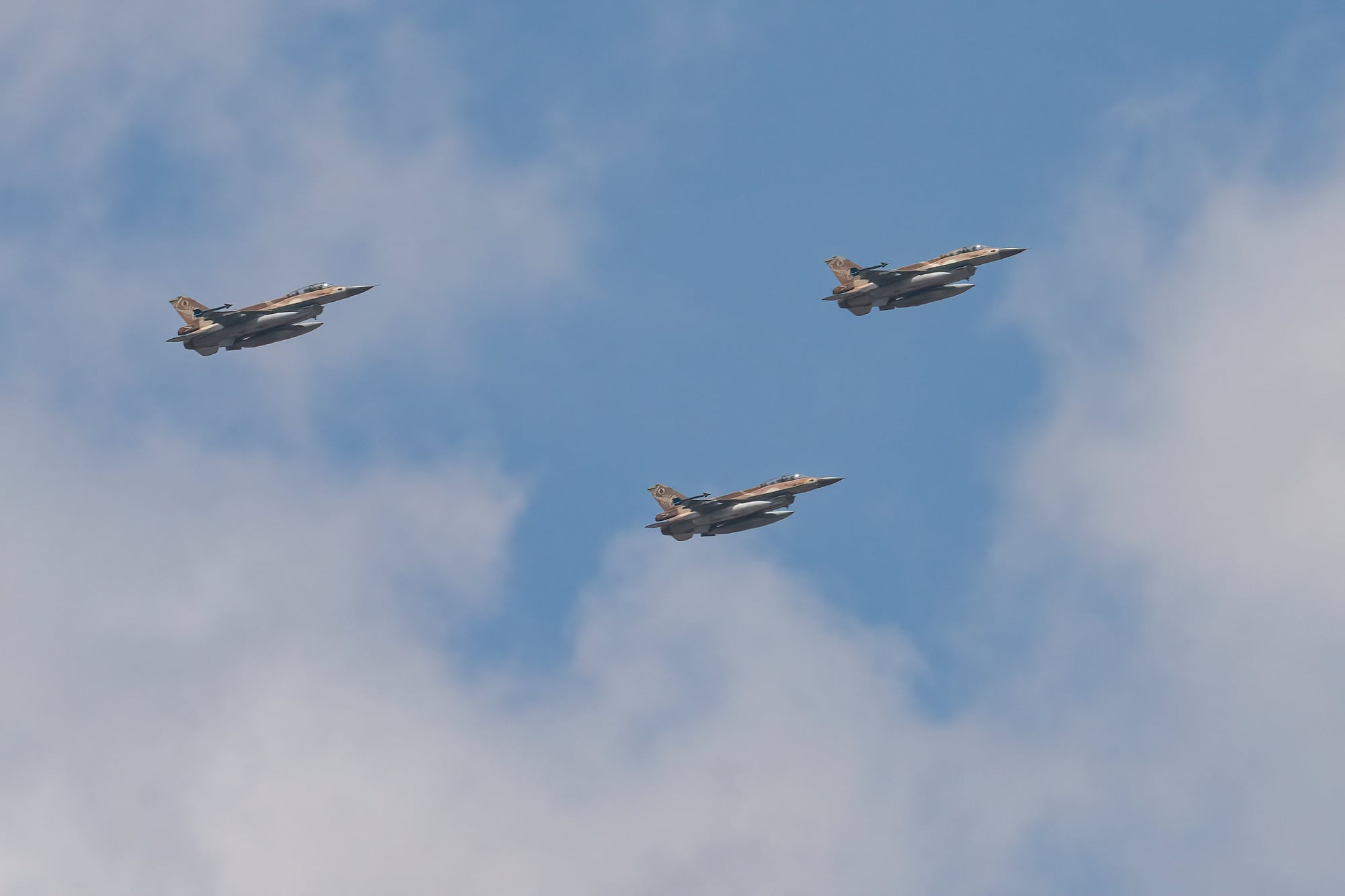
These planes are more than chunks of steel and wires. They’re born from countries spending big to lead in the endless push for air dominance.
A few have fought in wars, whereas some sit ready – for fights nobody wants. New models are being built right now, aiming at greater skills and steeper costs.
At this moment, they own the sky, proving that strong air forces still shape how today’s battles unfold.
More from Go2Tutors!

- The Romanov Crown Jewels and Their Tragic Fate
- 13 Historical Mysteries That Science Still Can’t Solve
- Famous Hoaxes That Fooled the World for Years
- 15 Child Stars with Tragic Adult Lives
- 16 Famous Jewelry Pieces in History
Like Go2Tutors’s content? Follow us on MSN.