IKEA Product Names and Their Real Meanings
Walking through Ikea feels like stumbling through a Swedish dictionary where every other word sounds vaguely familiar but means nothing to you. BILLY, KALLAX, MALM—they roll off the tongue easily enough, but what do they actually mean? The Swedish furniture giant doesn’t just slap random syllables on products.
Each name follows a system that makes perfect sense if you speak Swedish or know Swedish geography. For everyone else, it’s just pleasant-sounding nonsense that somehow helps you remember which bookshelf you own.
BILLY Isn’t a Person
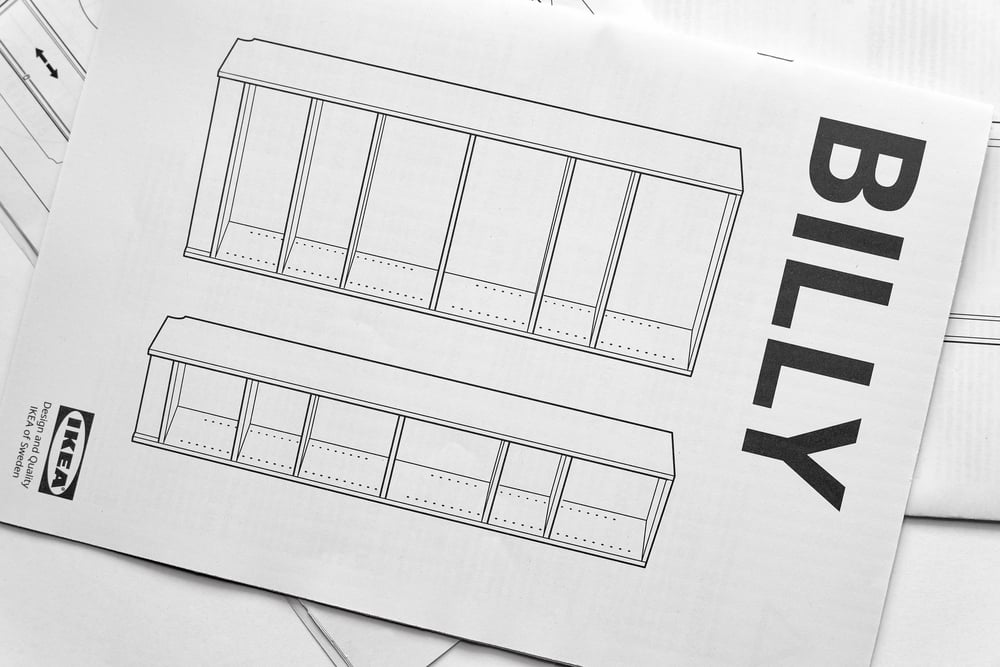
The BILLY bookcase doesn’t honor anyone named Billy. In Swedish, “billy” refers to a type of shelving or bookshelf itself.
Ikea named one of its most successful products after the general category it belongs to. Over 100 million BILLY bookcases have been sold since 1979.
That’s more than one bookcase for every person in Germany. The design barely changed over four decades because it already worked. Simple, functional, affordable—everything Ikea wants to represent.
POÄNG Describes What It Does
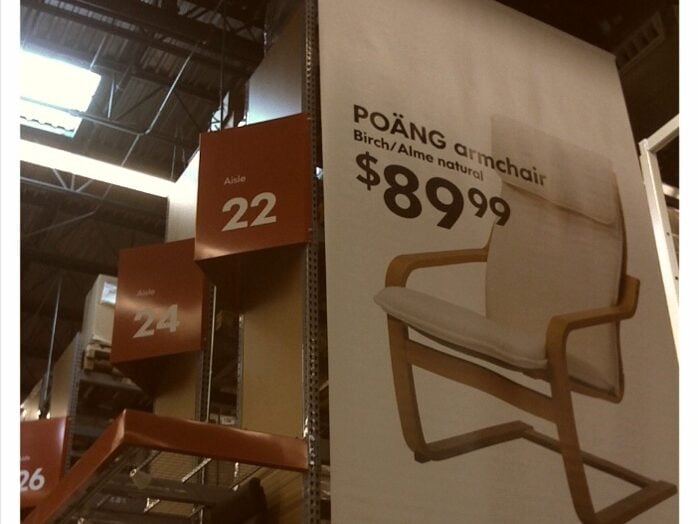
POÄNG means “point” or “score” in Swedish, but it also relates to elasticity and spring. The chair’s defining feature is its bent wood frame that flexes when you sit.
The name captures that bounce perfectly. Arne Jacobsen designed the original concept in 1976, and it became one of Ikea’s signature pieces.
You probably sat in one at a friend’s house at some point. The design shows up everywhere because it costs less than a nice dinner but lasts for years.
KALLAX Comes From a Swedish Lake
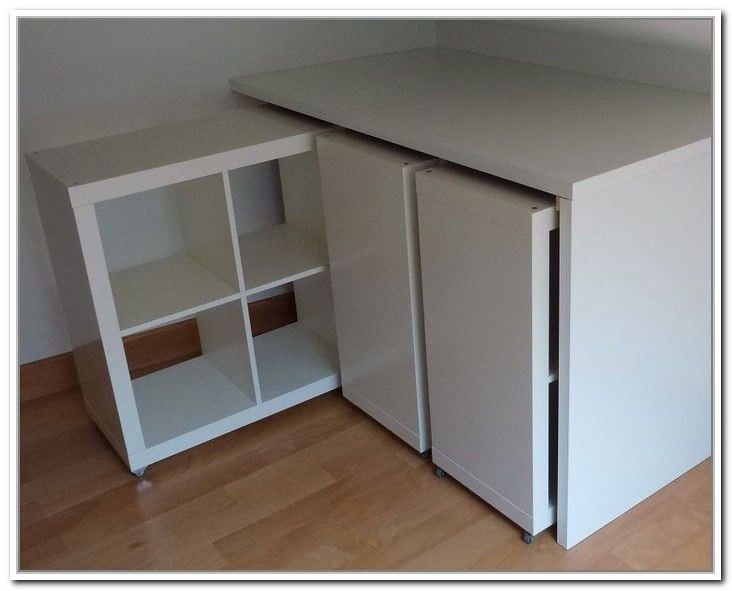
Kallax is a lake in northern Sweden, not far from the Arctic Circle. Ikea names most of its storage furniture after Swedish places.
The KALLAX shelving unit replaced the similar EXPEDIT line in 2014. Customers panicked. Online communities formed to discuss the differences.
Some people hoarded EXPEDIT units before they disappeared completely. The change mostly involved slight dimension adjustments, but Ikea fans take their cube storage seriously.
MALM References an Industrial City
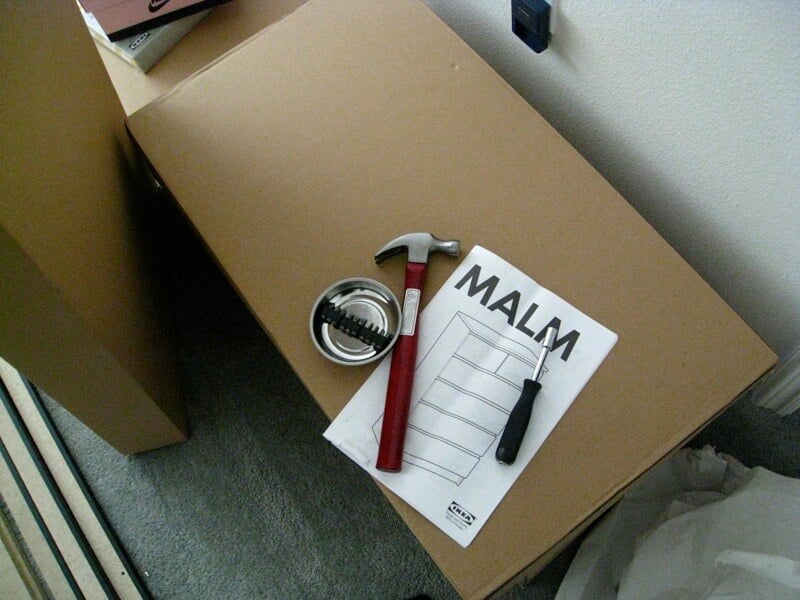
Malmö sits in southern Sweden as the country’s third-largest city. The MALM furniture series includes beds, dressers, and nightstands.
All of them feature clean lines and minimal decoration. The city itself has an industrial history, which matches the straightforward design aesthetic.
Ikea doesn’t explain why specific places get matched with specific furniture types. You just accept that your dresser shares a name with a Swedish port city.
EKTORP Is a Stockholm Neighborhood
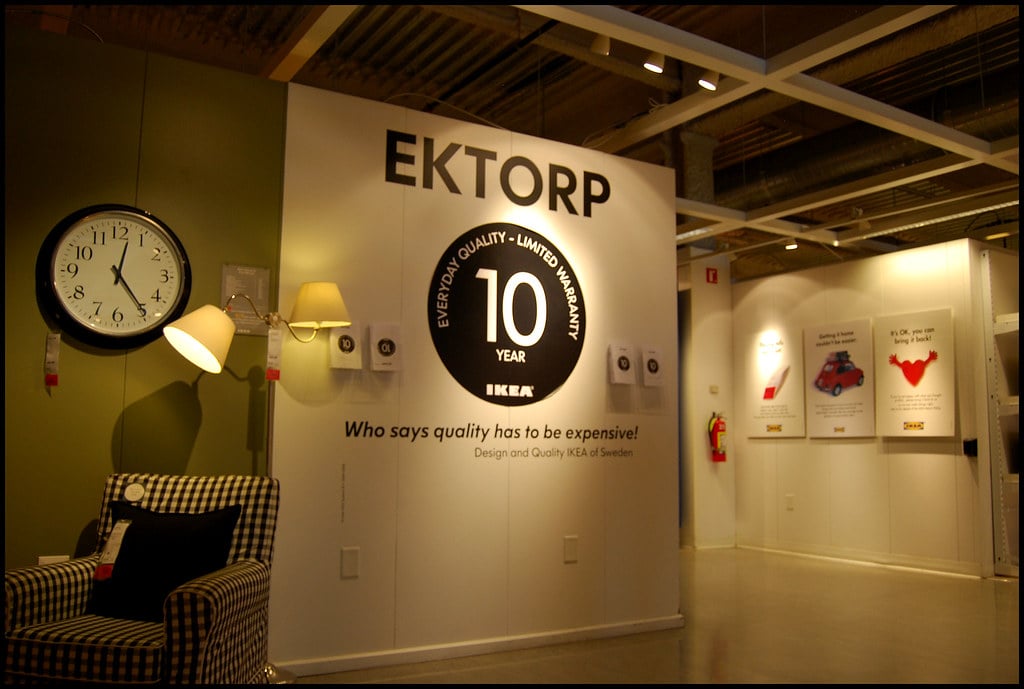
The EKTORP sofa takes its name from a quiet residential area in southern Stockholm. The sofa itself became famous for its washable covers and overstuffed comfort.
Interior designers often mock it as basic, but millions of people own one anyway. The slipcover system means you can change colors without buying new furniture.
Spill coffee on it? Throw the cover in the washing machine. That practicality matters more than design awards.
Ikea rotates products in and out of production, but EKTORP stayed available for over twenty years before being discontinued in some markets. The neighborhood it’s named after continues existing, unchanged by furniture trends.
HEMNES Honors a Norwegian Town
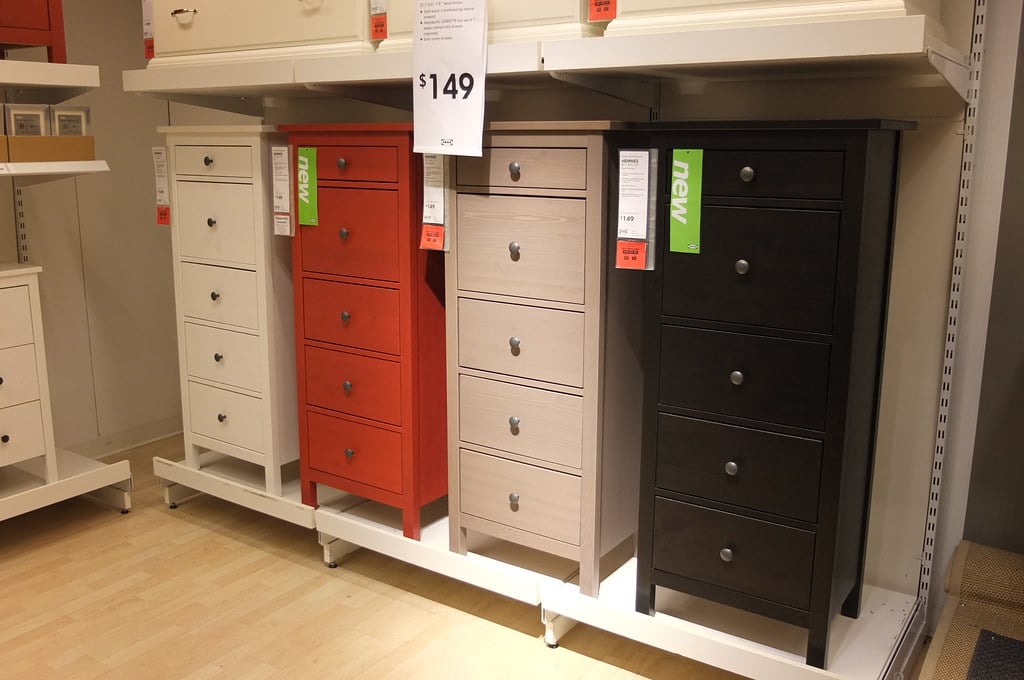
HEMNES is actually in Norway, not Sweden. The town sits above the Arctic Circle in Nordland county. Ikea doesn’t limit its naming system to Swedish geography exclusively.
The HEMNES furniture series features traditional styling with visible wood grain and simple details. It contrasts with Ikea’s more modern lines and appeals to people who want furniture that looks less contemporary.
The naming choice references Nordic heritage broadly rather than Swedish identity specifically. Or maybe someone at Ikea just liked the sound of it.
Companies don’t always explain their decisions.
LACK Means Varnish
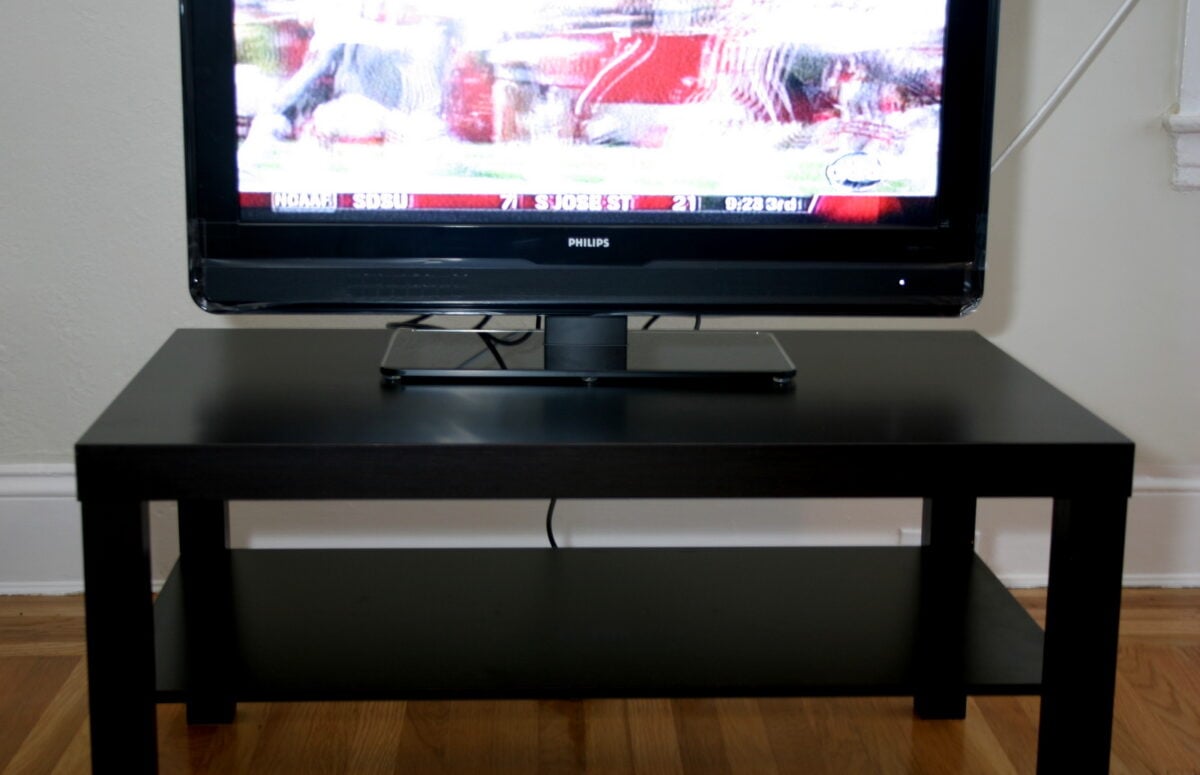
LACK translates to “lacquer” or “varnish” in Swedish. The LACK table features a glossy finish that justifies the name.
These tables cost less than most takeout dinners. They’re hollow inside, which keeps them light and cheap to produce.
You can assemble one in about ten minutes with minimal tools. The LACK table appears in countless apartments and dorm rooms because it’s functional enough and basically free.
The hollow construction means they’re not particularly durable. Put too much weight on one and the top might cave in.
But at that price point, nobody expects heirloom quality. You use it for a few years and replace it when you move.
STOCKHOLM Shows Premium Status
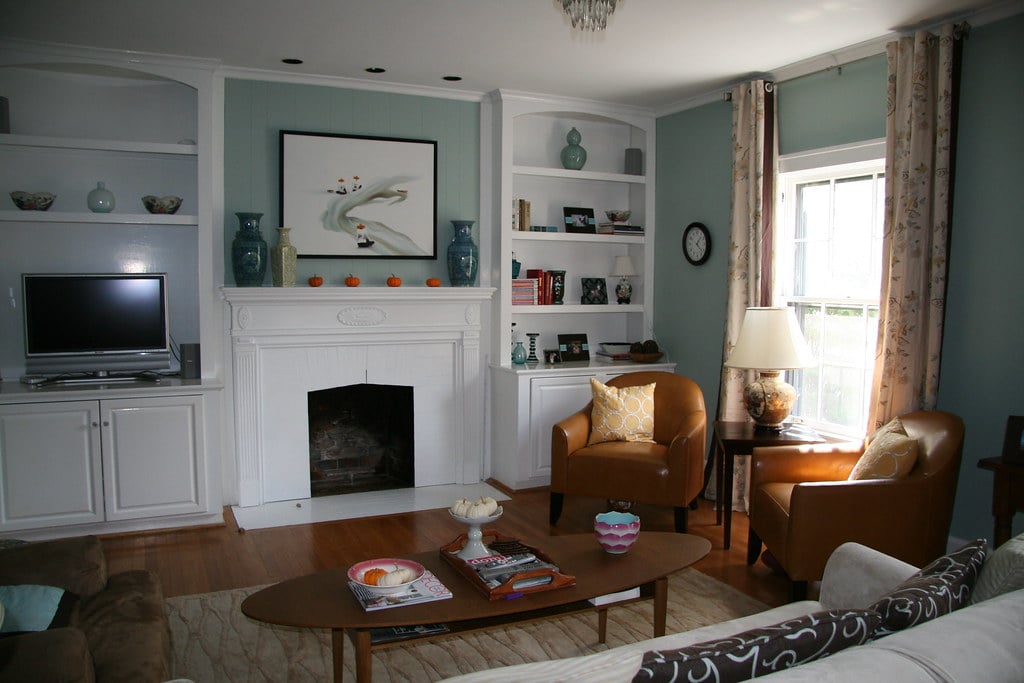
When Ikea names something STOCKHOLM, they’re signaling higher quality and price. The capital city represents the premium tier in their naming hierarchy. STOCKHOLM series furniture uses solid wood, genuine leather, and better construction methods. Prices reflect that upgrade.
You’re paying five or ten times more than a LACK table, but you’re getting furniture that might actually last. The walnut veneer STOCKHOLM coffee table became particularly popular.
It looks expensive, which it is by Ikea standards. The design won awards and shows up in design magazines.
Naming it after Sweden’s most important city reinforces that positioning.
KLIPPAN Sits on the West Coast
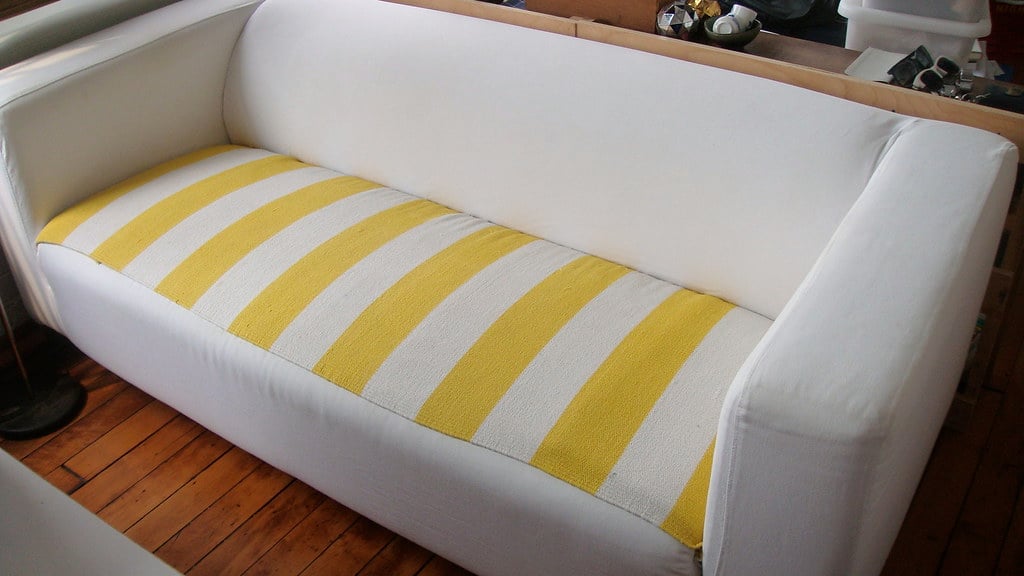
KLIPPAN is a small town in southern Sweden, though there’s also a neighborhood in Gothenburg with the same name. The KLIPPAN sofa offers compact seating that fits in tight spaces.
The two-seater version works well in apartments where a full-size sofa won’t fit. Like EKTORP, it features removable covers for easy cleaning.
The design stays simple and inoffensive. You’d never call it exciting, but it does its job.
RÄSKOG Gets Lost in Translation
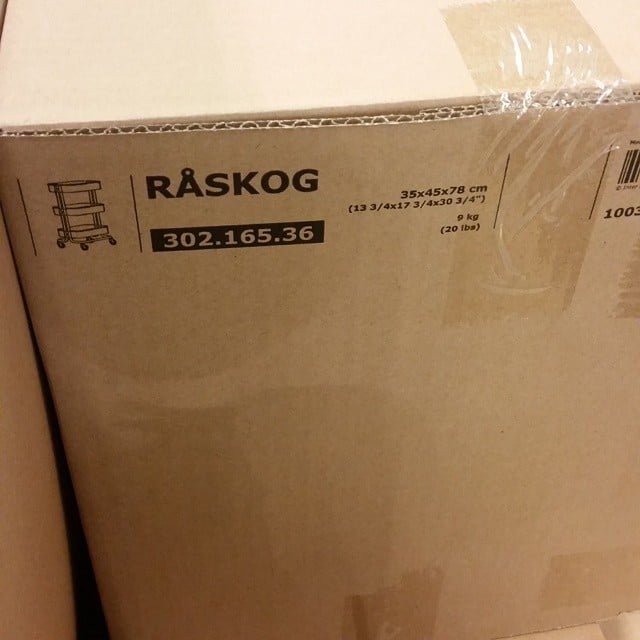
RÄSKOG translates roughly to “shrimp thicket” or relates to coastal vegetation in Swedish. The RÄSKOG cart became hugely popular among craft enthusiasts and organizing fanatics.
The three-tiered design holds supplies, and the wheels make it mobile. Beauty bloggers use them for makeup storage.
Artists fill them with paint supplies. The actual meaning of the name barely matters when the product works this well.
The cart showed up on Pinterest so frequently it became a meme. People found hundreds of uses Ikea never intended.
That happens when you create something simple and versatile enough. The Swedish name just makes it feel more special than “utility cart.”
FINTORP Refers to Market Stalls
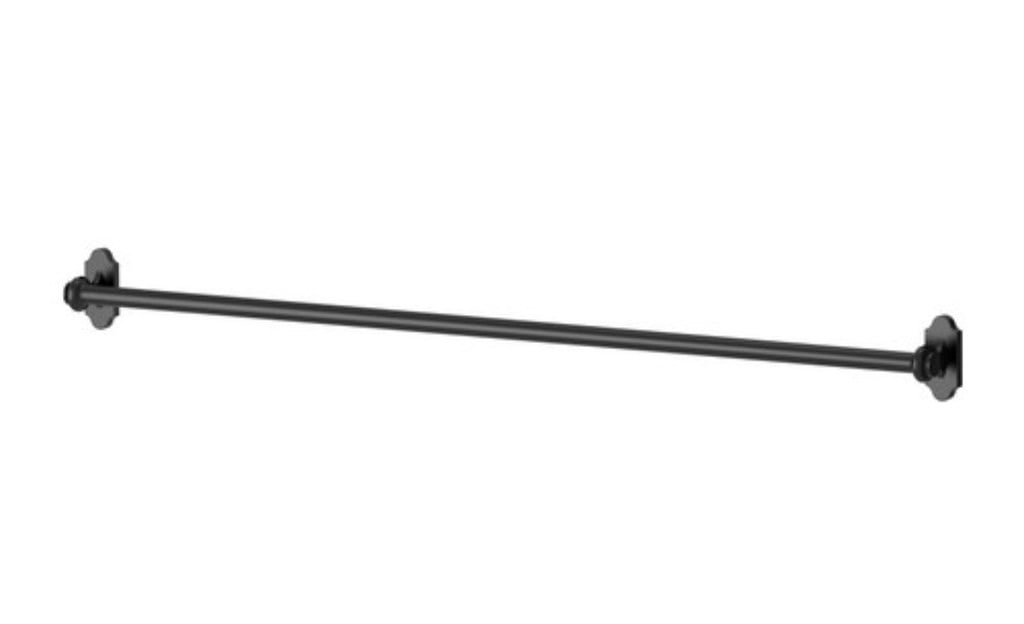
FINTORP combines “fin,” meaning nice or fine, and “torp,” meaning small farm or cottage. But it also relates to market stalls or trading posts.
The system lets you hang utensils, containers, and accessories on rails mounted to your wall. It maximizes vertical space in small kitchens.
The modular nature means you customize it exactly to your needs. Kitchen organization systems don’t usually get memorable names.
FINTORP sounds friendlier than “wall-mounted rail system,” which helps when you’re trying to convince yourself that buying more kitchen gadgets makes sense.
VARDAGEN Means Everyday
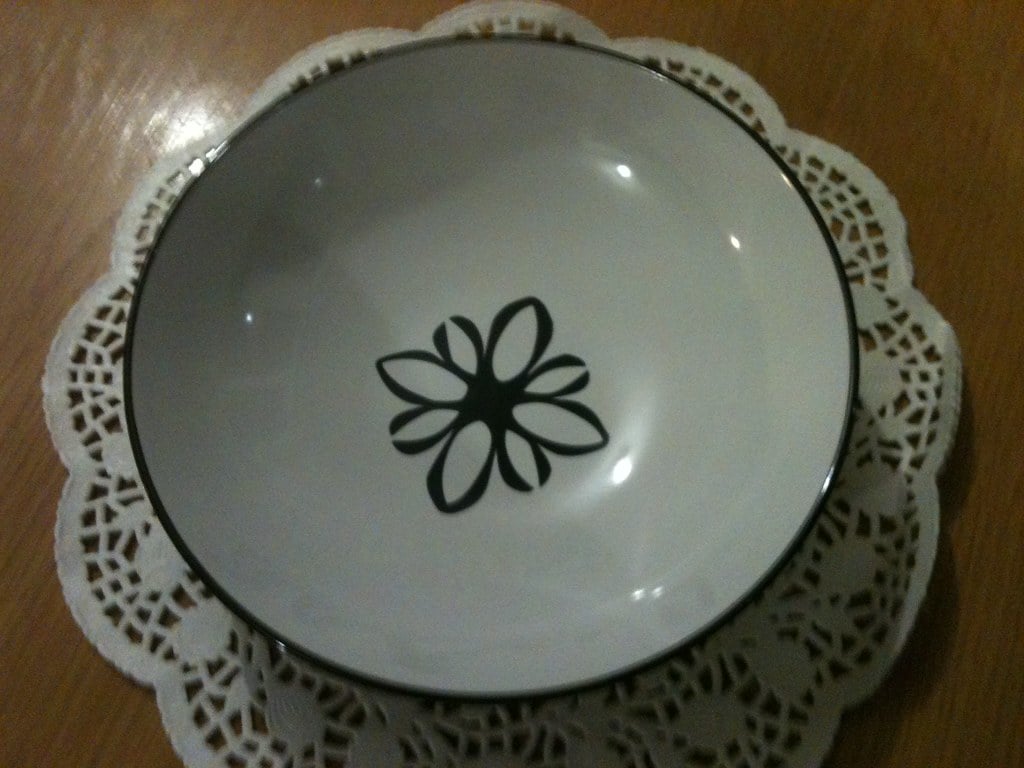
VARDAGEN translates directly to “everyday” or “weekday” in Swedish. The product line includes basic dishes, glasses, and kitchenware.
The name tells you exactly what you’re getting—ordinary, functional items for daily use. No special features, no design flourishes.
Just plates and bowls that hold food at reasonable prices. Sometimes the most honest name is the most boring one.
LILLABO Is the Children’s Railway
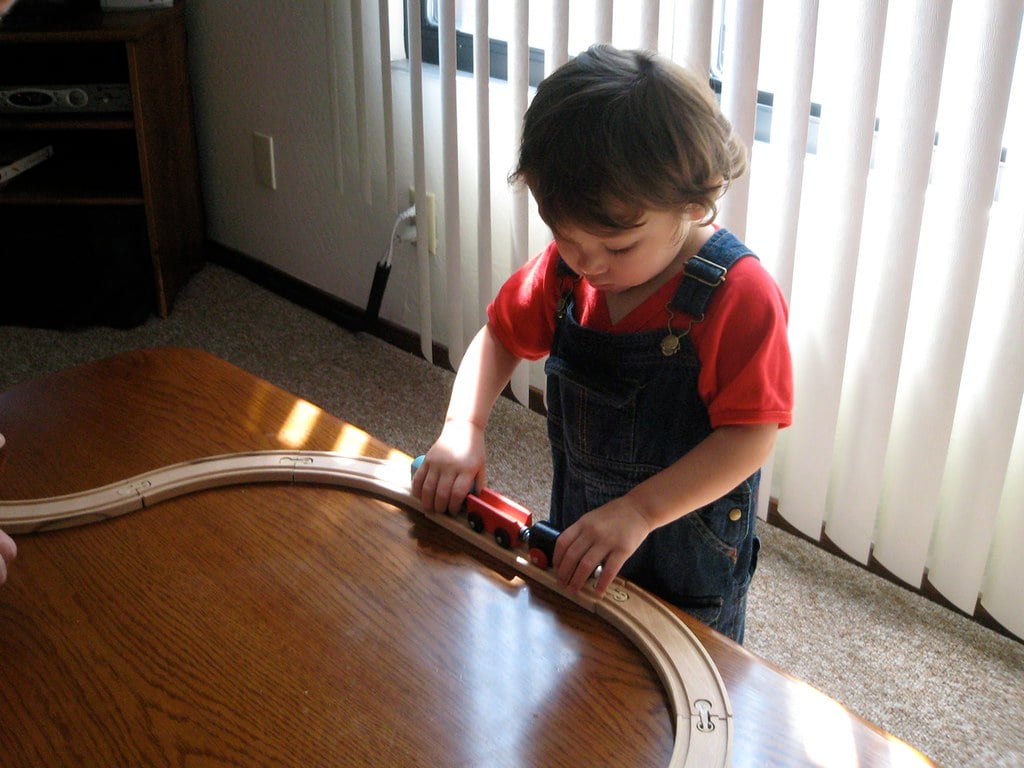
LILLABO means “little cottage” or “small farm” in Swedish. Ikea uses it for their toy train set line.
The wooden railway pieces connect to form layouts. They’re compatible with other major toy train brands, which parents appreciate.
The trains themselves are simple—basic shapes painted in primary colors. Children push them around manually. No batteries, no electronics.
The name evokes a pastoral Swedish childhood that may or may not reflect reality.
RIBBA Frames Your Memories
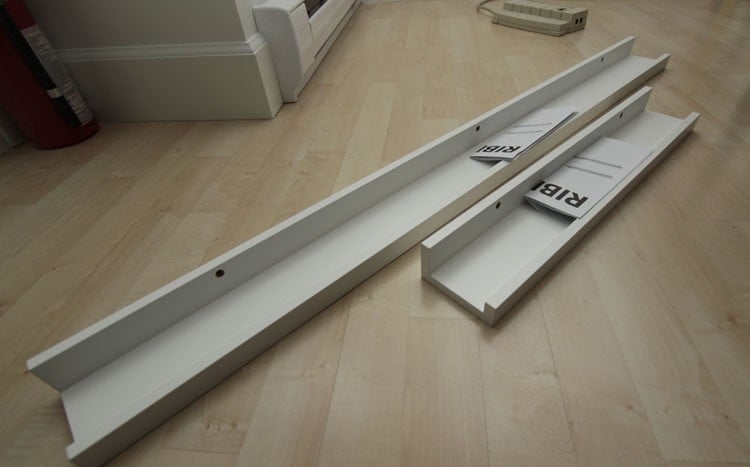
RIBBA means “rib” or “slat” in Swedish, which makes sense for a frame. The RIBBA picture frame became one of Ikea’s best-selling accessories.
The deep frame allows for matting or three-dimensional objects. Crafters discovered you could put things other than photos inside.
Shadow boxes, dried flowers, memorabilia—RIBBA frames hold it all. The name might refer to wooden ribs or structural elements, though Ikea has never confirmed that interpretation.
SMYCKA Flowers Never Die

SMYCKA means “adorn” or “decorate” in Swedish. Ikea applies this name to their artificial flowers and plants.
The name promises decoration without the maintenance. SMYCKA flowers don’t need water or sunlight.
They don’t wilt or drop petals. They just sit there looking reasonably convincing from across the room.
For people who kill every plant they touch, SMYCKA offers guilt-free greenery. The quality varies wildly.
Some SMYCKA items look obviously fake. Others fool people until they try to water them.
But they all share that Swedish name that makes plastic flowers sound sophisticated.
The Method Behind the Madness
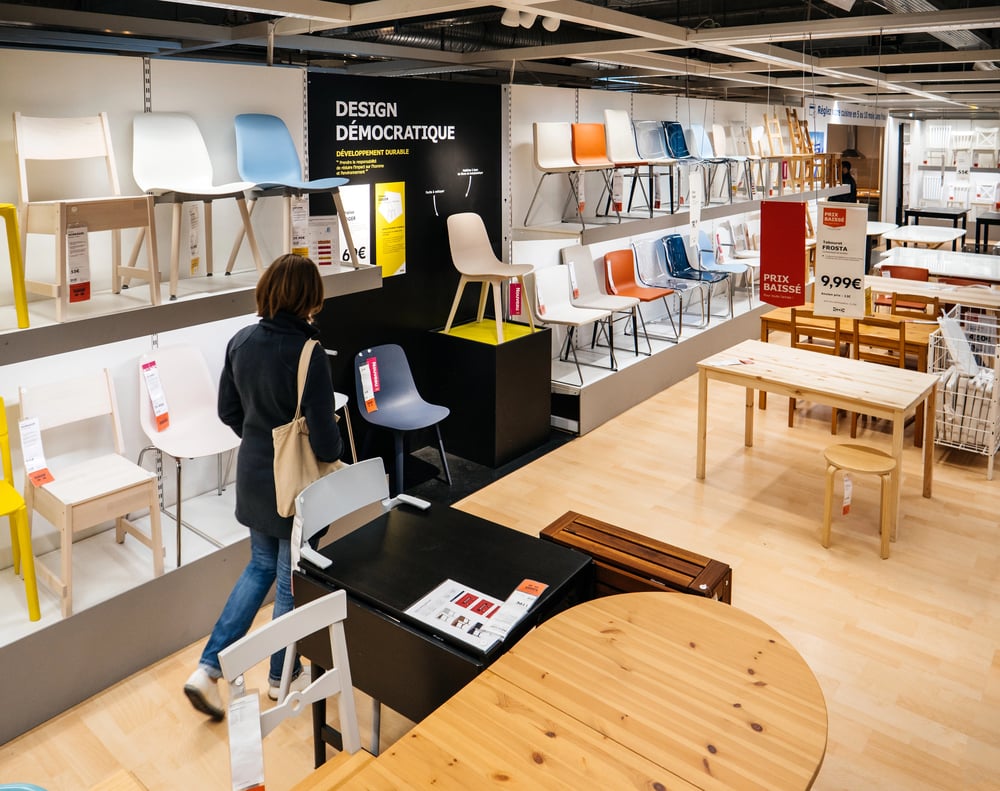
Ikea’s naming system follows specific rules. Bookcases and shelving units get named after professions or Scandinavian place names.
Beds, wardrobes, and hall furniture take Norwegian place names. Dining tables and chairs use Finnish place names.
Textiles and curtains get named after Swedish towns and places. The system helps employees and reduces confusion in global operations.
Sometimes the names just sound good. Marketing teams test how words feel in different languages.
They avoid names that sound like profanity or carry unfortunate meanings in major markets. The process involves more research than you’d expect for naming a lamp.
What the Names Really Do
Truth is, what words mean isn’t the main point. A person doesn’t pick a BILLY bookcase since “billy” translates to shelf in Sweden.
Price draws them in. So does usefulness.
Then there’s the fact that most homes already have one. Odd-sounding Swedish labels stick around on purpose – they echo clean lines, smart use of space, fairness for all.
Even if the definitions slip by unnoticed, those names catch attention, stay put in memory, roll off the tongue just right. That chair you sit in remembers your stories more than its name ever could.
Not far from where you first opened the box, time settled into the fabric of the POÄNG. Moving day after day, the MALM learned how heavy memory can get without saying a word.
Names stick around quietly while life fills up the corners. What matters grows slowly inside drawers and frames, not on maps or labels.
A label might point north but it cannot tell what warmth looks like. Strange names stick easier when they feel close to home.
BILLY slips out more naturally than something harder to say. MALM sits on the tongue without tripping it.
Most people outside Sweden find these sounds just unusual enough to notice, yet clear enough to try. A hint of distance makes things interesting, so long as they do not vanish into confusion.
Familiarity hides in rhythm, not meaning. What stays is the shelf, the drawer, the table – never how it was spelled.
More from Go2Tutors!

- The Romanov Crown Jewels and Their Tragic Fate
- 13 Historical Mysteries That Science Still Can’t Solve
- Famous Hoaxes That Fooled the World for Years
- 15 Child Stars with Tragic Adult Lives
- 16 Famous Jewelry Pieces in History
Like Go2Tutors’s content? Follow us on MSN.



