16 Natural Disasters That Created Tourist Attractions
Nature has a strange way of turning tragedy into beauty. What begins as destruction, chaos, and sometimes heartbreaking loss can eventually transform into some of the world’s most stunning and popular destinations. These places remind us that even in devastation, there’s often something remarkable waiting to emerge.
Here’s a list of 16 natural disasters that, over time, became must-see tourist attractions. You might be surprised to learn the dramatic backstories behind some of these famous locations.
Crater Lake, Oregon
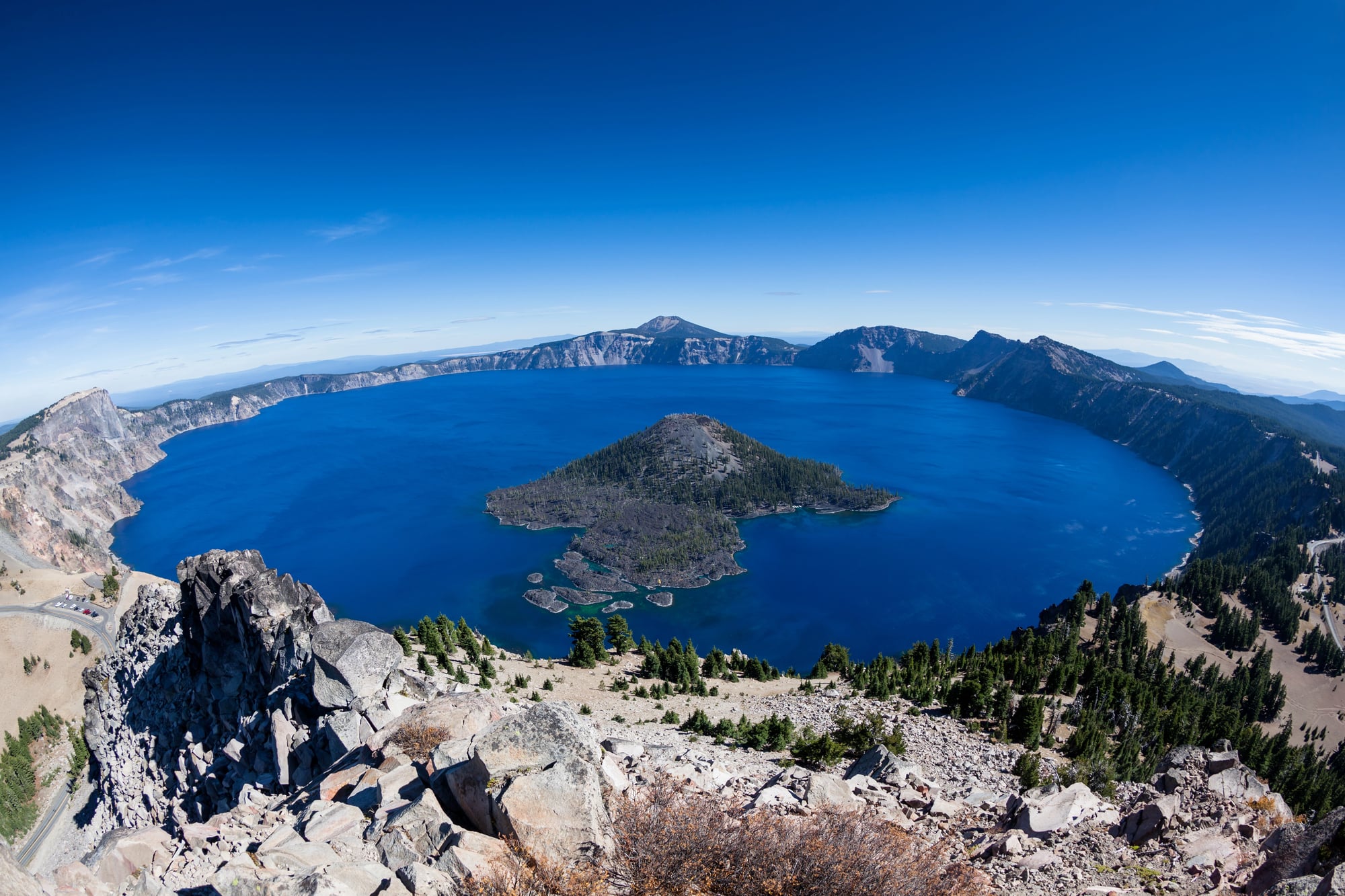
This breathtakingly deep blue lake sits inside what was once Mount Mazama, a towering volcano that collapsed around years ago. The catastrophic eruption was so massive that it created a caldera nearly six miles wide, which eventually filled with pristine rainwater and snowmelt.
Today, Crater Lake National Park draws hundreds of thousands of visitors who come to marvel at the crystal-clear waters and take boat tours to Wizard Island, a small volcanic cone that emerged from the lake floor.
Yellowstone National Park
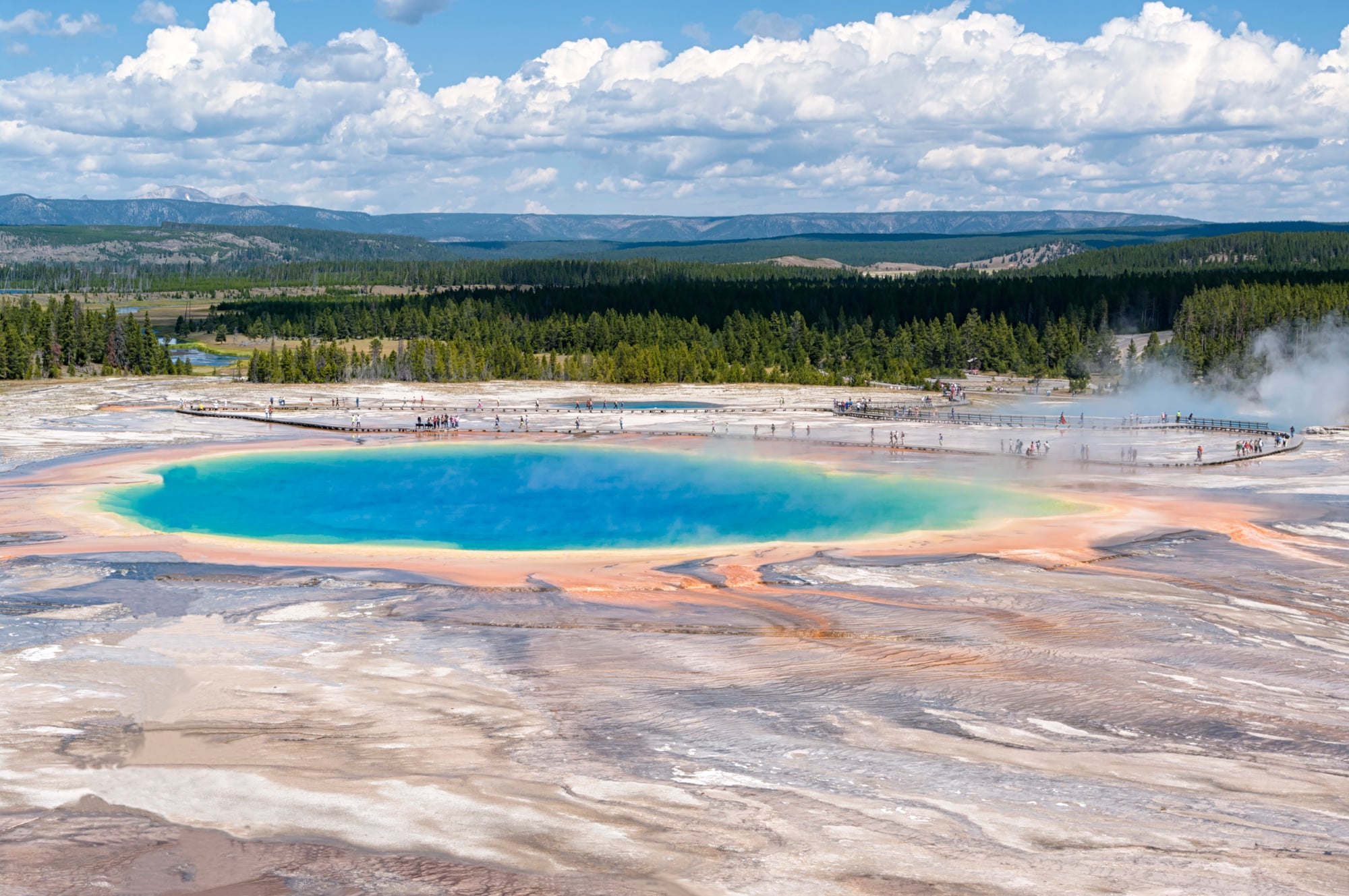
The entire Yellowstone region sits atop one of the world’s largest active volcanic systems, and much of what tourists love about the park exists because of ancient catastrophic eruptions. The last major eruption occurred about years ago, creating the Yellowstone Caldera and setting the stage for the geothermal features we see today.
Old Faithful, the Grand Prismatic Spring, and hundreds of other geysers and hot springs exist because molten rock still simmers relatively close to the surface.
Like Go2Tutors’s content? Follow us on
Pompeii, Italy

Mount Vesuvius buried this Roman city in AD, preserving it under layers of volcanic ash like a time capsule. The tragedy that killed thousands of residents also created one of the world’s most fascinating archaeological sites.
Visitors can walk through ancient streets, peer into perfectly preserved homes, and see plaster casts of victims caught in their final moments, making it one of Italy’s most visited attractions.
Mount St. Helens, Washington

The eruption of Mount St. Helens was devastating, reducing the mountain’s height by over feet and destroying everything within miles. However, the blast zone has become a living laboratory and tourist destination where people can witness how nature recovers from catastrophe.
The Johnston Ridge Observatory offers spectacular views of the crater, and hiking trails let visitors explore the slowly regenerating landscape.
Giant’s Causeway, Northern Ireland
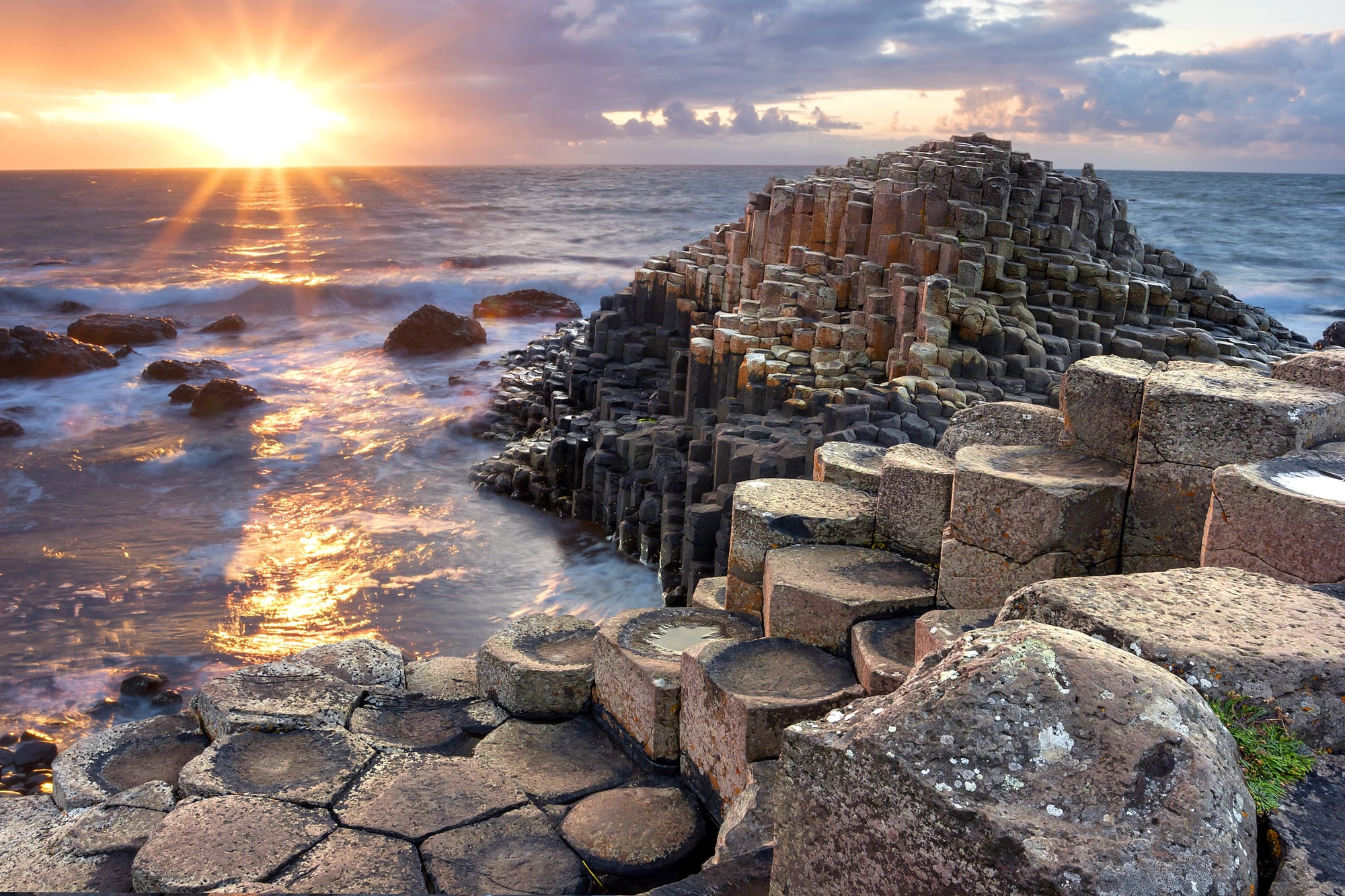
This UNESCO World Heritage site looks like something from a fantasy novel, with its interlocking hexagonal columns of basalt rock. The causeway formed around millions of years ago during intense volcanic activity, when molten lava cooled rapidly and contracted into these geometric shapes.
Legend says the Irish giant Finn MacCool built it as a pathway to Scotland, but the real geological story is just as impressive.
Like Go2Tutors’s content? Follow us on
Devils Tower, Wyoming
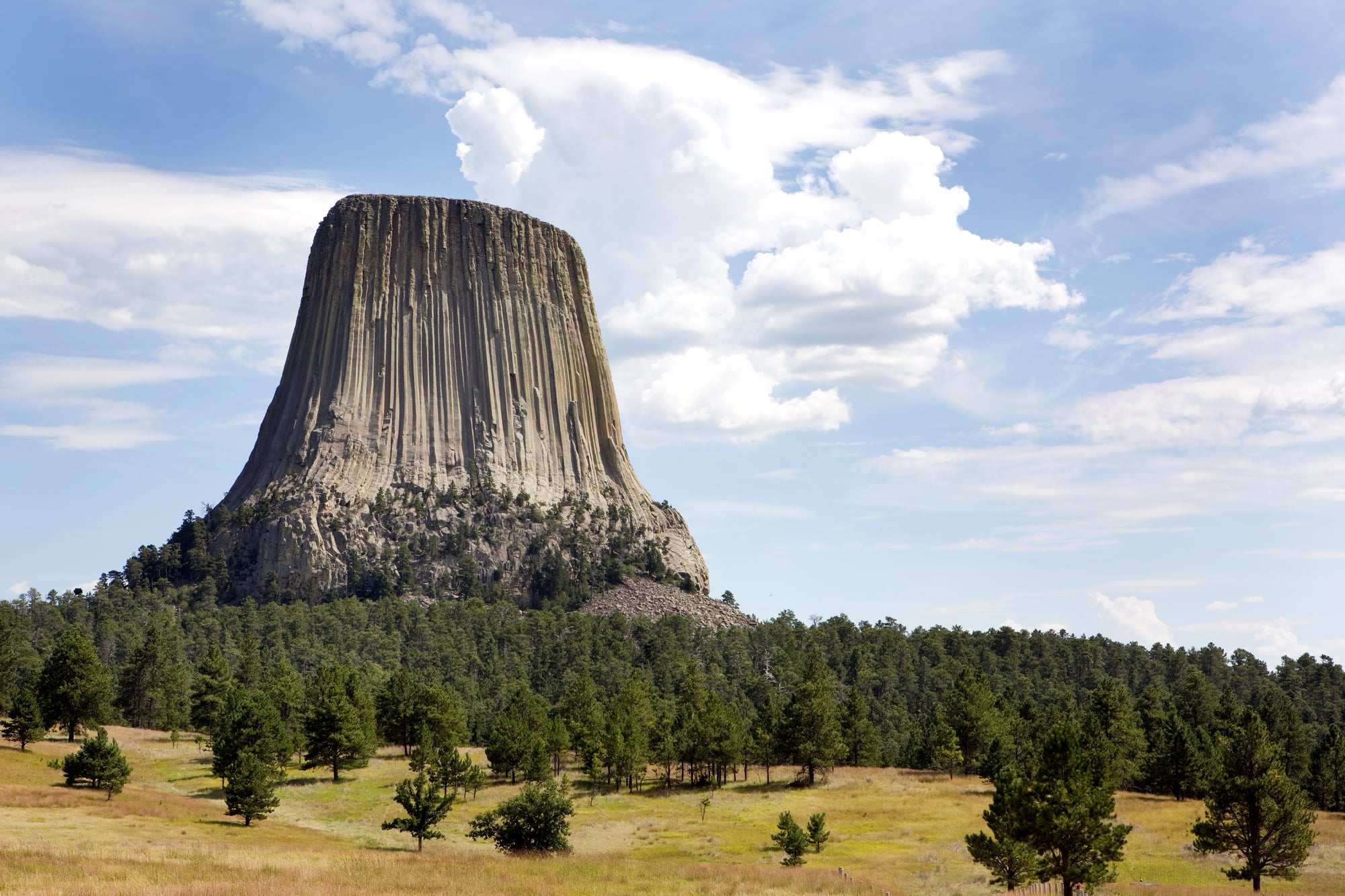
Rising feet above the surrounding landscape, Devils Tower is the remnant of an ancient volcanic neck that formed millions of years ago. The softer rock around it eroded away over time, leaving this dramatic monolith that looks almost alien against the Wyoming plains.
Rock climbers and tourists flock here to challenge themselves on its vertical columns or simply to photograph this geological wonder that served as the alien landing site in ‘Close Encounters of the Third Kind.’
Santorini, Greece

The iconic white buildings and blue domes of Santorini perch on the rim of a massive volcanic caldera created by one of history’s most powerful eruptions around years ago. The Minoan eruption was so catastrophic that it may have contributed to the collapse of the Minoan civilization and inspired the legend of Atlantis.
Today, the crescent-shaped island with its dramatic cliffs and stunning sunsets attracts millions of visitors who come for the romance and spectacular views.
Meteor Crater, Arizona
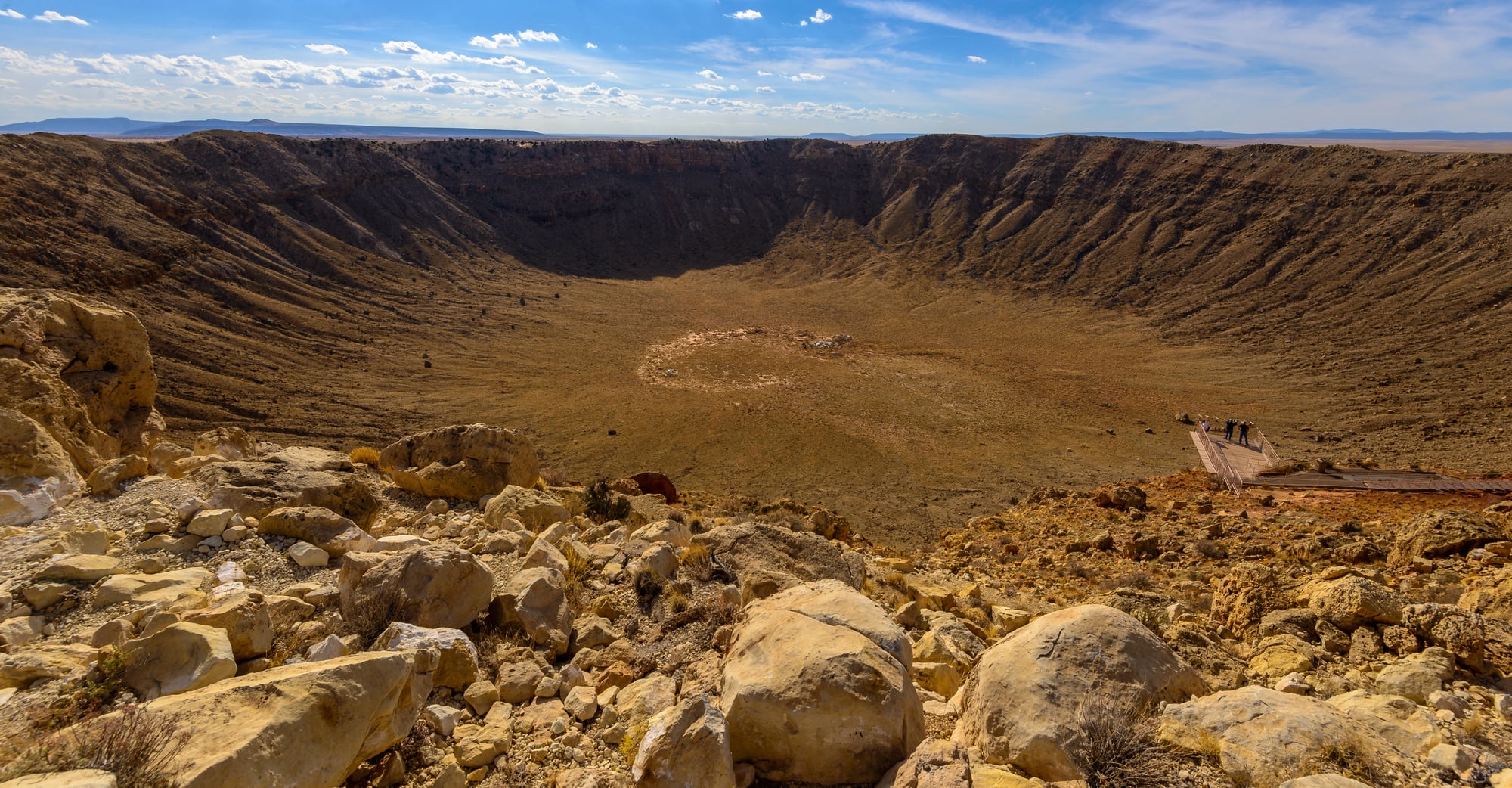
About years ago, a meteorite traveling at miles per hour slammed into the Arizona desert, creating a crater nearly a mile wide and feet deep. This perfectly preserved impact site is one of the best examples of a meteorite crater on Earth and draws visitors who want to see evidence of our planet’s violent cosmic encounters.
The visitor center offers educational programs about asteroids and the role they’ve played in Earth’s history.
Like Go2Tutors’s content? Follow us on
Valley of Ten Thousand Smokes, Alaska
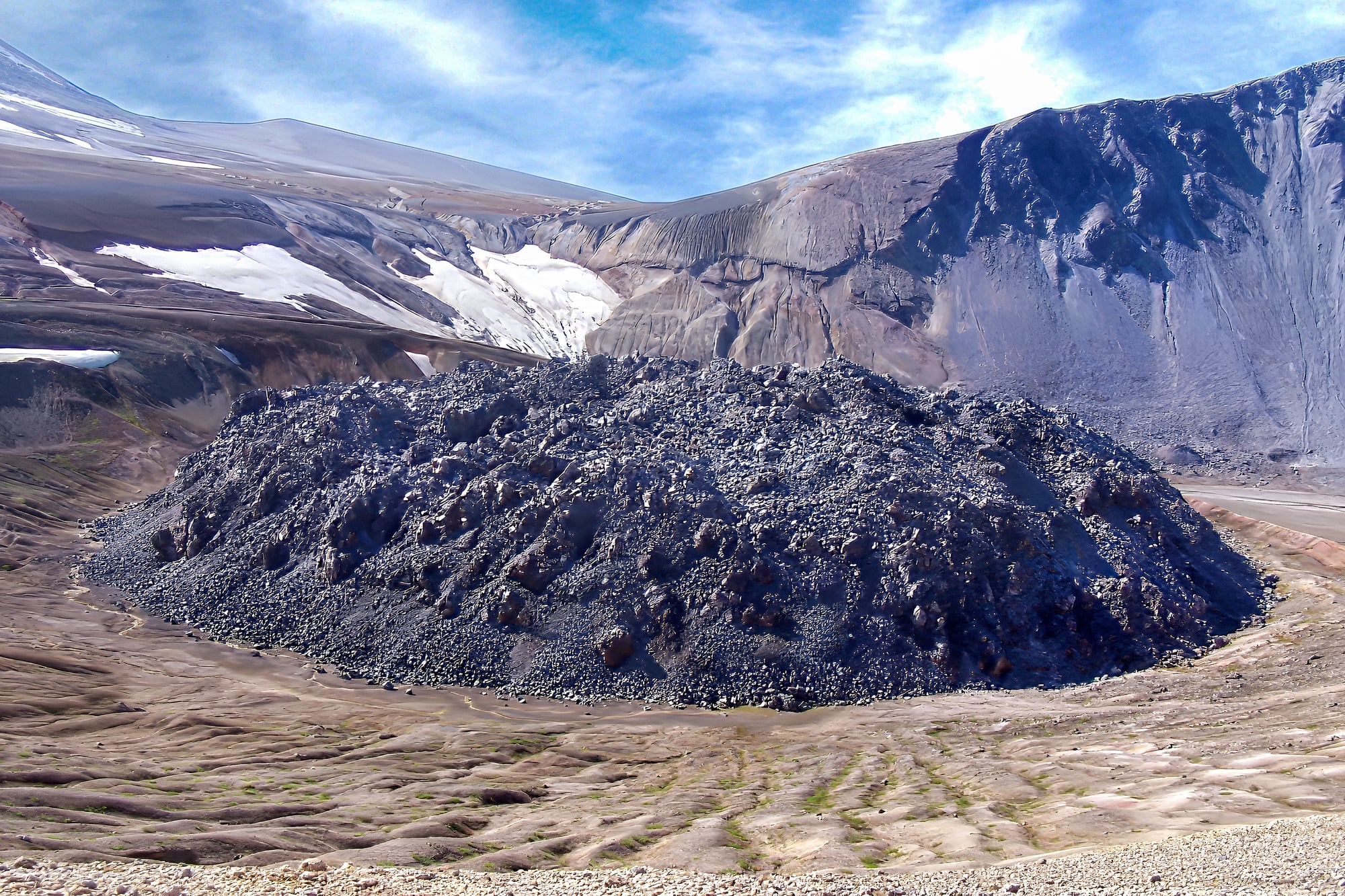
The eruption of Novarupta was one of the most powerful volcanic events of the century, creating this otherworldly landscape of steaming vents and ash deposits. The explosion was so intense that it could be heard miles away in Juneau, and ash fell as far as Vancouver.
Today, visitors to Katmai National Park can explore this lunar-like terrain and learn about one of the most significant volcanic events in recorded history.
Kilauea, Hawaii

This active volcano on the Big Island has been erupting almost continuously since, creating new land and destroying homes in equal measure. The ongoing volcanic activity has made Kilauea one of Hawaii’s top tourist attractions, where visitors can safely observe active lava flows, explore lava tubes, and witness the raw power of Earth’s geological processes.
Hawaii Volcanoes National Park offers hiking trails and viewing areas where tourists can experience the planet’s creative forces firsthand.
Mammoth Hot Springs, Wyoming
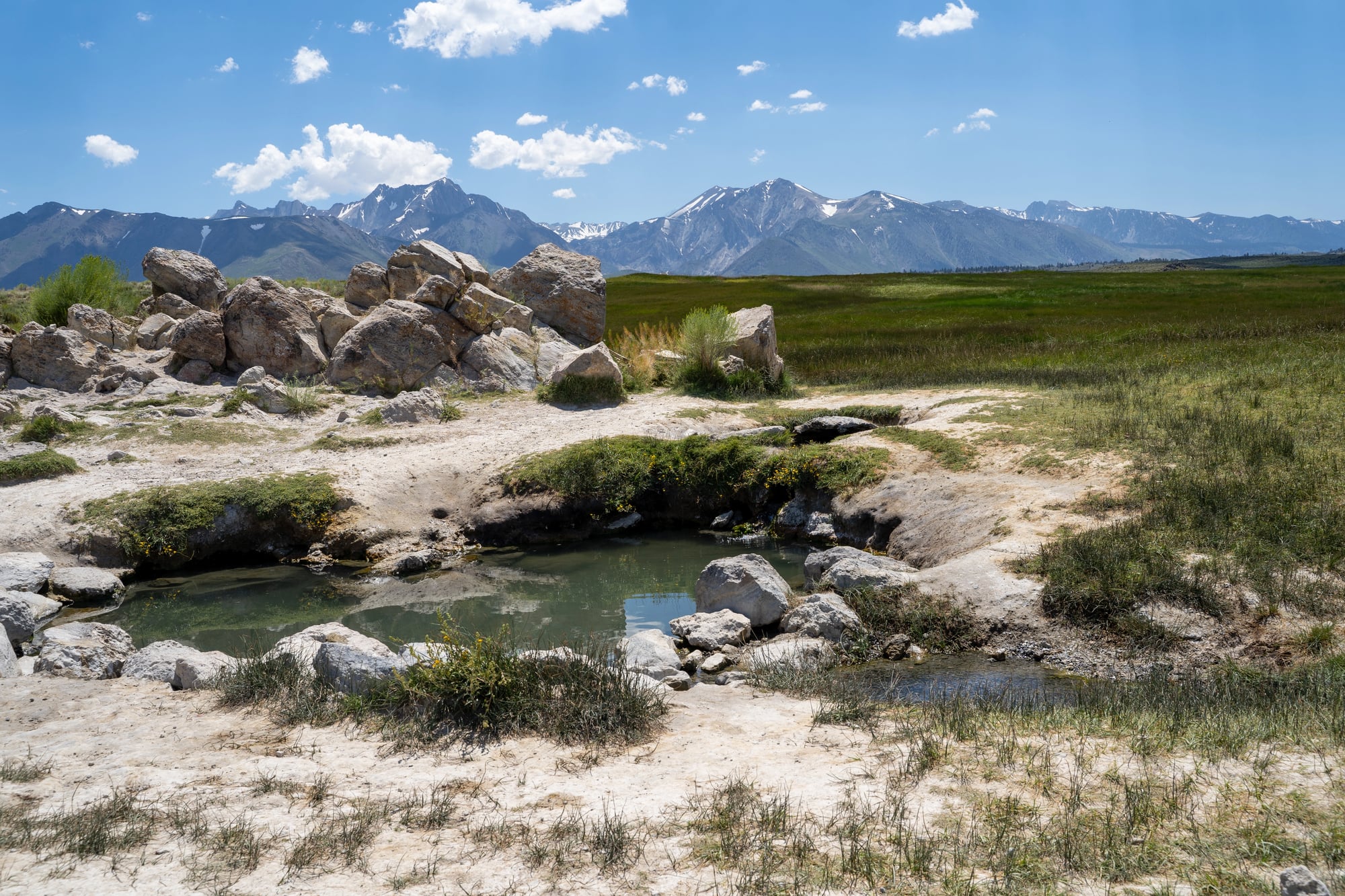
These terraced limestone formations in Yellowstone look like frozen waterfalls, but they’re actually the result of thousands of years of geothermal activity. Hot water rises through limestone bedrock, dissolving calcium carbonate and depositing it in spectacular stepped formations.
The springs continue to change shape as mineral-rich water flows over them, creating a dynamic landscape that attracts photographers and nature lovers from around the world.
Like Go2Tutors’s content? Follow us on
Carlsbad Caverns, New Mexico

These massive underground chambers formed over millions of years as sulfuric acid dissolved limestone bedrock, creating one of the world’s most impressive cave systems. The natural disaster was slow-motion, as acidic groundwater gradually carved out rooms large enough to hold football stadiums.
Today, visitors can descend feet underground to explore the Big Room, which covers acres and features stunning stalactites and stalagmites.
Niagara Falls

The falls formed about years ago when glacial melting created the Great Lakes and carved out the Niagara River. The massive ice sheets retreating at the end of the last Ice Age essentially sculpted this natural wonder, which continues to erode backward at about one foot per year.
The falls have become one of North America’s most popular honeymoon destinations and tourist attractions, drawing millions of visitors who come to witness the thundering power of gallons of water plunging over the edge every second.
Bryce Canyon, Utah
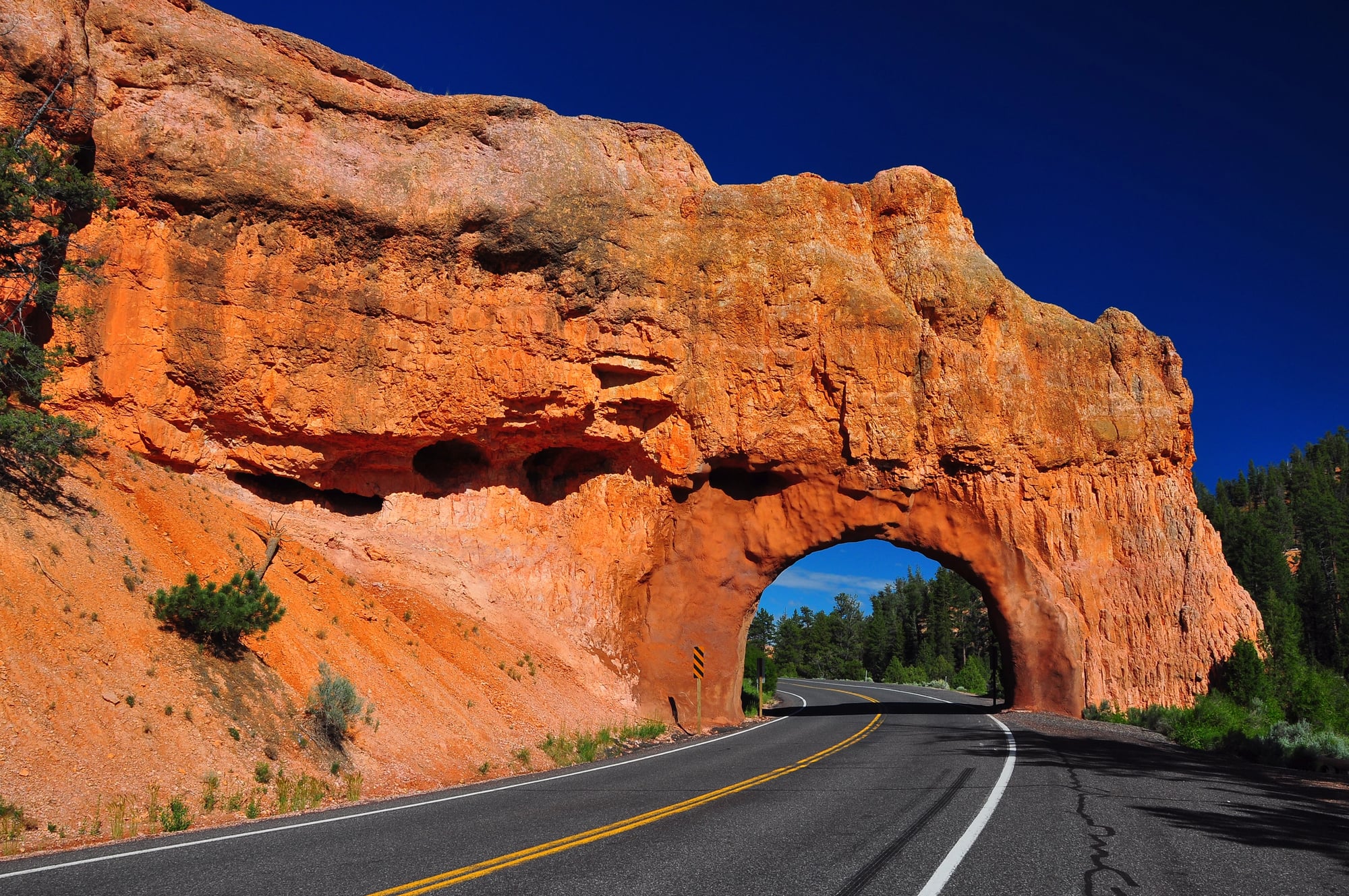
Despite its name, Bryce Canyon isn’t actually a canyon but a series of natural amphitheaters carved by millions of years of erosion, frost, and geological upheaval. The colorful rock formations called hoodoos were created through a combination of tectonic activity lifting the plateau and water gradually wearing away softer rock layers.
The result is a landscape so surreal and beautiful that it attracts over two million visitors annually who come to hike among the red and orange stone spires.
Like Go2Tutors’s content? Follow us on
Grand Canyon, Arizona
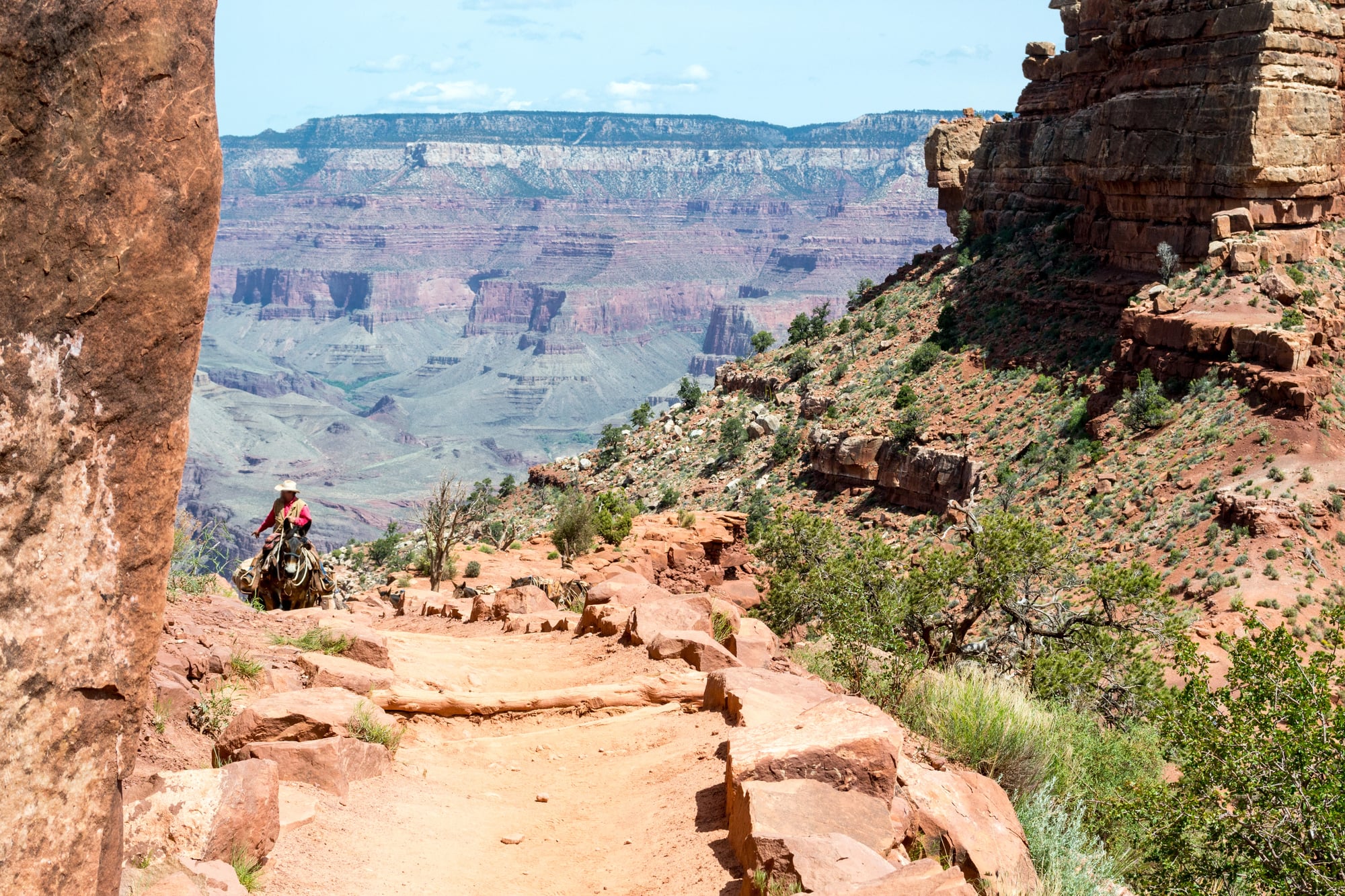
The Colorado River spent about six million years carving through layers of rock to create this mile-deep chasm, exposing nearly two billion years of geological history. This ongoing natural process of erosion has created one of the world’s most recognizable landmarks and a UNESCO World Heritage Site.
Every year, millions of tourists visit to peer into the canyon’s depths, take helicopter tours, or raft the Colorado River to experience the same forces that created this natural wonder.
Mount Rushmore Area

While Mount Rushmore itself is a human creation, the granite cliff face that made the sculpture possible was formed by massive geological upheavals millions of years ago. The Black Hills region emerged through violent tectonic forces that pushed ancient rock formations skyward, creating the perfect canvas for the presidential faces.
The surrounding area, shaped by these ancient geological disasters, has become a major tourist destination where visitors can learn about both natural and human history.
When Destruction Becomes Wonder

These natural disasters remind us that devastation and beauty often go hand in hand in our planet’s story. The same volcanic eruptions that wiped out entire civilizations created islands where millions now vacation, and the geological upheavals that once shook the earth now provide breathtaking vistas for tourists with cameras.
Perhaps there’s something hopeful in knowing that even our planet’s most violent moments can eventually become sources of wonder, education, and inspiration for future generations.
Like Go2Tutors’s content? Follow us on
More from Go2Tutors!

- 16 Restaurant Chains That Went Too Fast
- 12 Things Sold in the 80s That Are Now Illegal
- 15 Strange Things People Have Tried to Ban (And Failed)
- 16 Collectibles People Tossed Out Too Soon
- 17 Myths from Your Childhood That Were Actually Based on Real Things
Like Go2Tutors’s content? Follow us on



