16 Obsolete Tech Skills Nobody Needs Anymore
However, technology is not just adding new things, it is also removing old ones. We may not even realize the day our old skills became outdated and no longer needed.
What once took patience, memorization, and technical knowledge to accomplish is now done behind the scenes. But is this a commentary more on our brains and less on our technology? Or is this just a result of our technology becoming more streamlined, our devices more refined, and our processes more invisible?
It seems we have lost whole routines in our technology. But what are some of these old technologies and skills we once thought defined us in the digital age? Let’s take a look at 16 old technologies and what happened to them.
What old habits have we lost in our modern technology?
Programming A VCR Clock

Programming a VCR was once a small technological rite of passage. The blinking ‘12:00’ on countless living room displays became a running cultural joke.
Setting the clock required navigating tiny buttons labeled ‘menu,’ ‘channel,’ and ‘set,’ often with cryptic instructions in a printed manual. Recording a show added another layer of complexity.
Start time, end time, channel selection, and tape length all had to align perfectly. One error meant missing an episode. Streaming platforms eliminated the entire routine.
The anxiety of scheduling television has been replaced by instant playback.
Rewinding Cassette Tapes With A Pencil
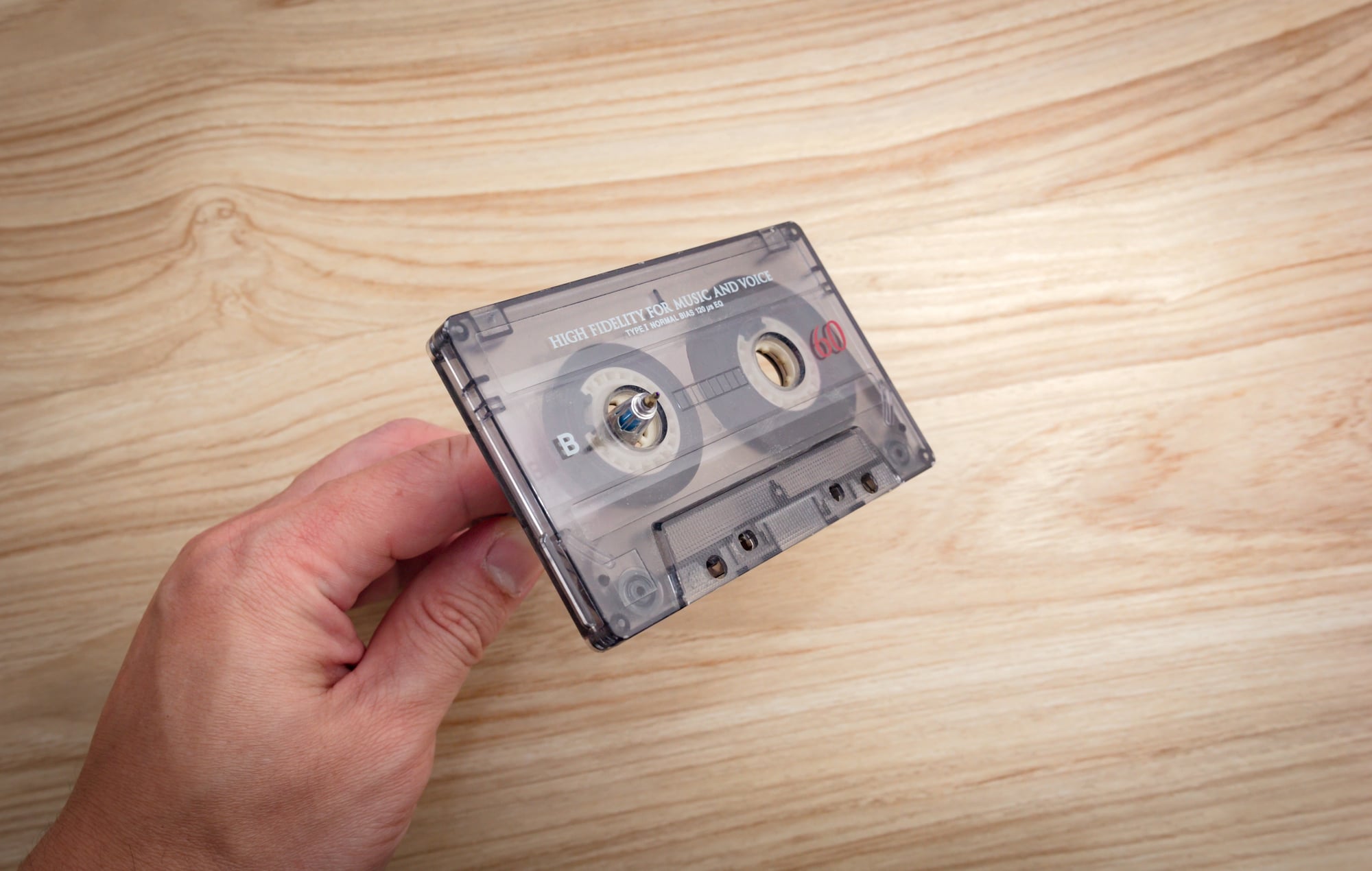
Cassette tapes offered portability but also fragility. When tape ribbon spilled out or tangled, inserting a pencil into the reel allowed users to wind it back carefully.
It was a small mechanical workaround that required understanding how the tape physically moved. Digital audio erased the problem entirely. Music now lives in files, immune to physical knots or snapped ribbons.
Using Dial-Up Internet
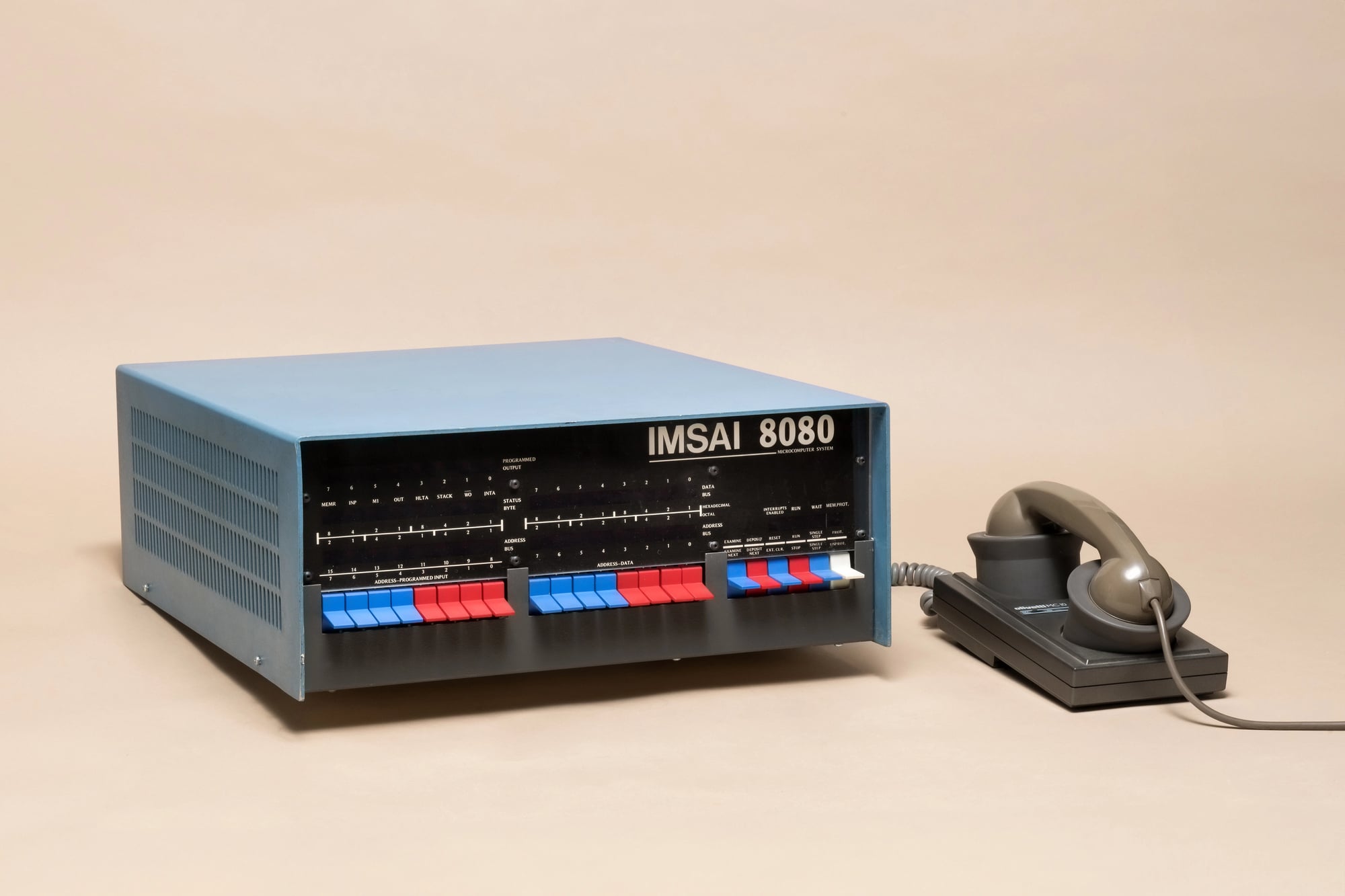
Connecting to the internet once required patience. A modem produced a sequence of tones as it negotiated a connection through a phone line.
While connected, no one could use the household phone. Speeds were slow, downloads uncertain, and interruptions common.
Broadband and fiber connections eliminated the ritual of listening for a handshake tone. Today, internet access feels ambient — always present, rarely questioned.
Adjusting Rabbit-Ear Antennas

Television reception used to depend on manually adjusting metal antennas. A few degrees of movement could turn static into clarity.
Someone often stood near the screen while another called out instructions from across the room. Cable and streaming services replaced that dance entirely.
Signal strength is now a background function rather than a physical adjustment.
Burning CDs
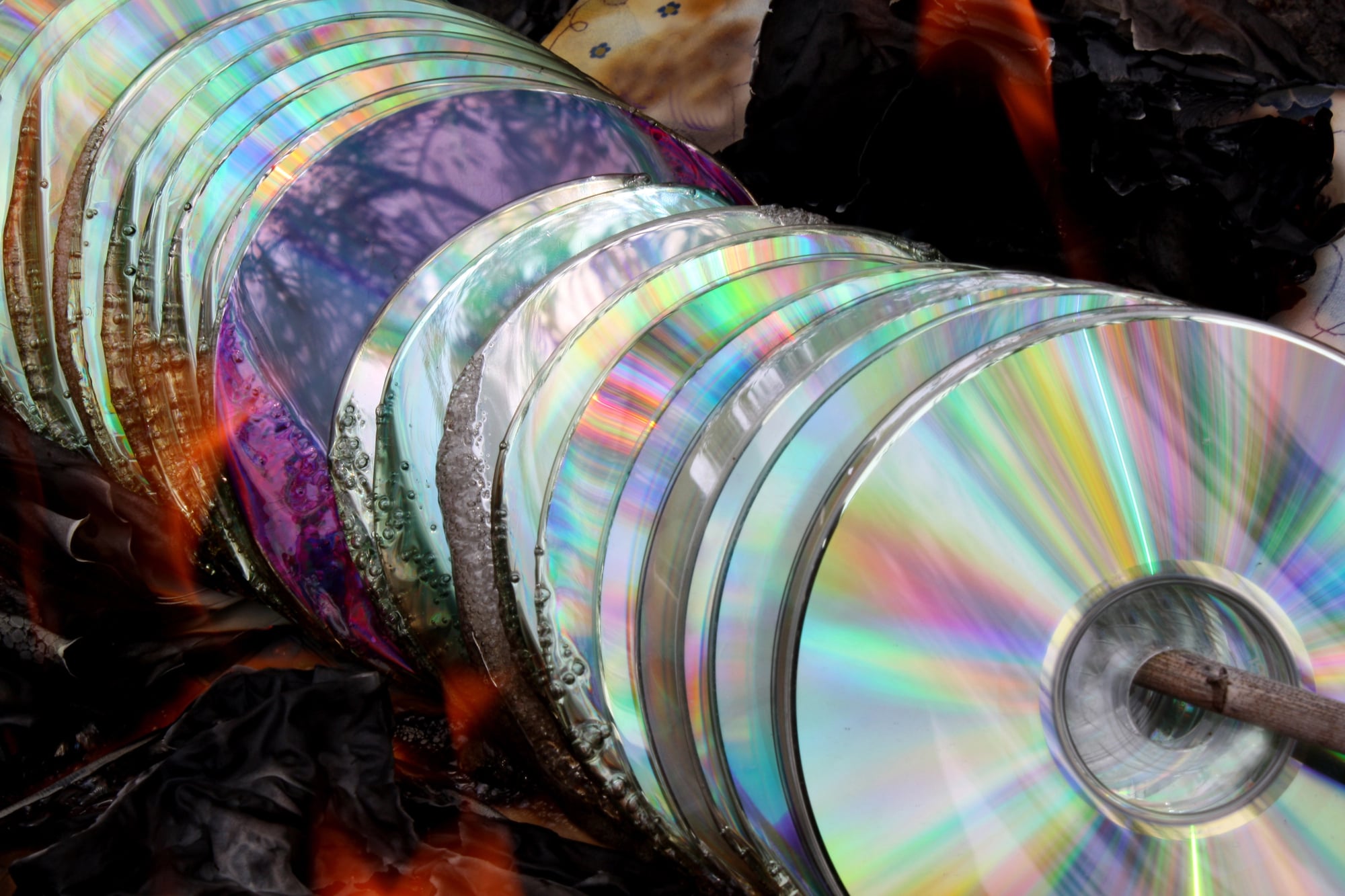
Creating a mix CD once required selecting tracks, checking disc capacity, and waiting through a careful burning process. An interruption could ruin the disc.
Optical drives have largely vanished from laptops. Streaming platforms and cloud libraries made physical storage unnecessary for most users.
The ritual of labeling a blank disc with a marker has become nostalgic rather than practical.
Defragmenting A Hard Drive
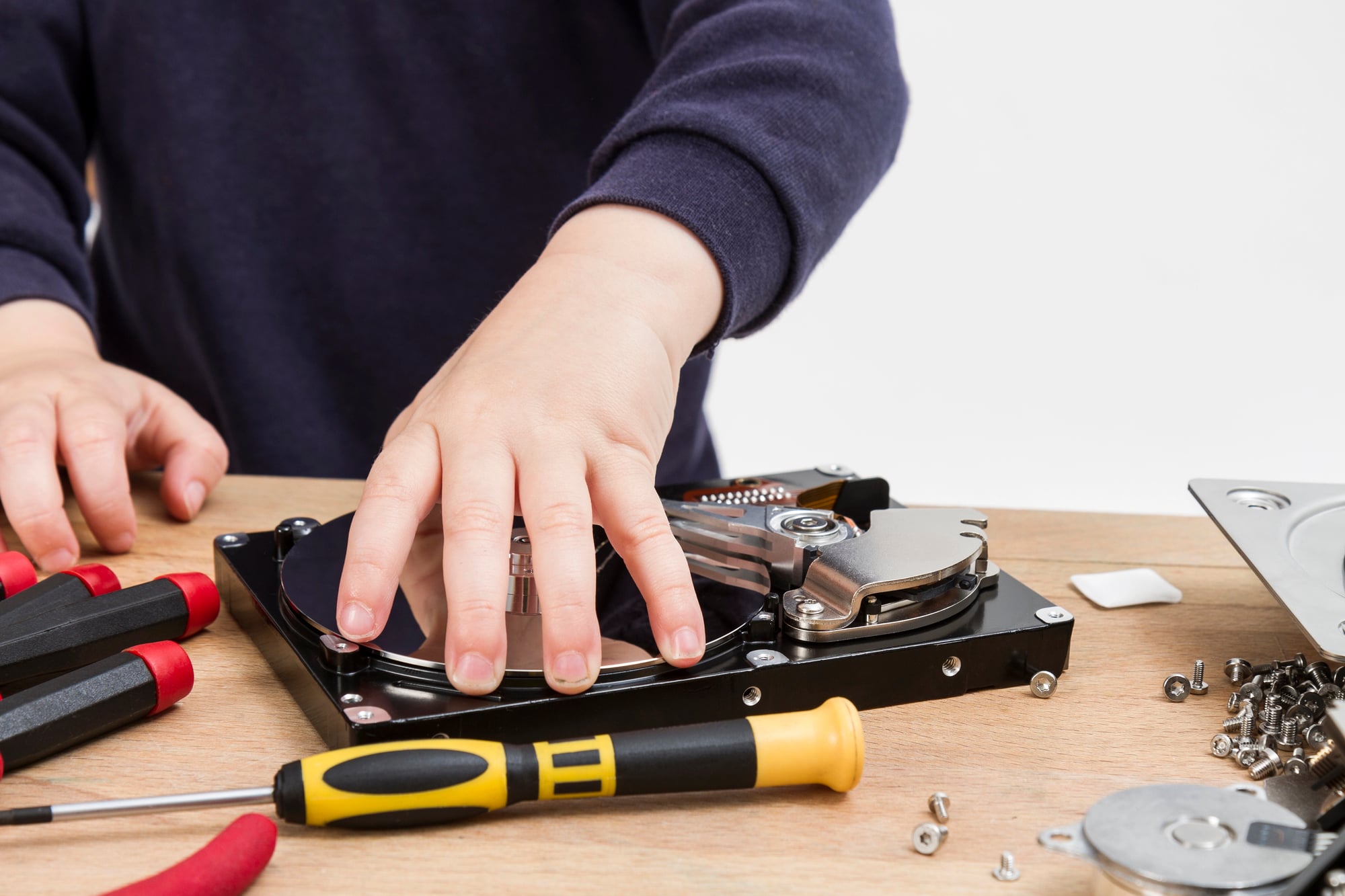
Older computers required manual disk defragmentation to reorganize scattered data blocks. Users watched colorful grids slowly rearrange files to improve performance.
Solid-state drives function differently and rarely need such intervention. The visual satisfaction of optimizing storage has been replaced by silent background processes.
Using A Fax Machine
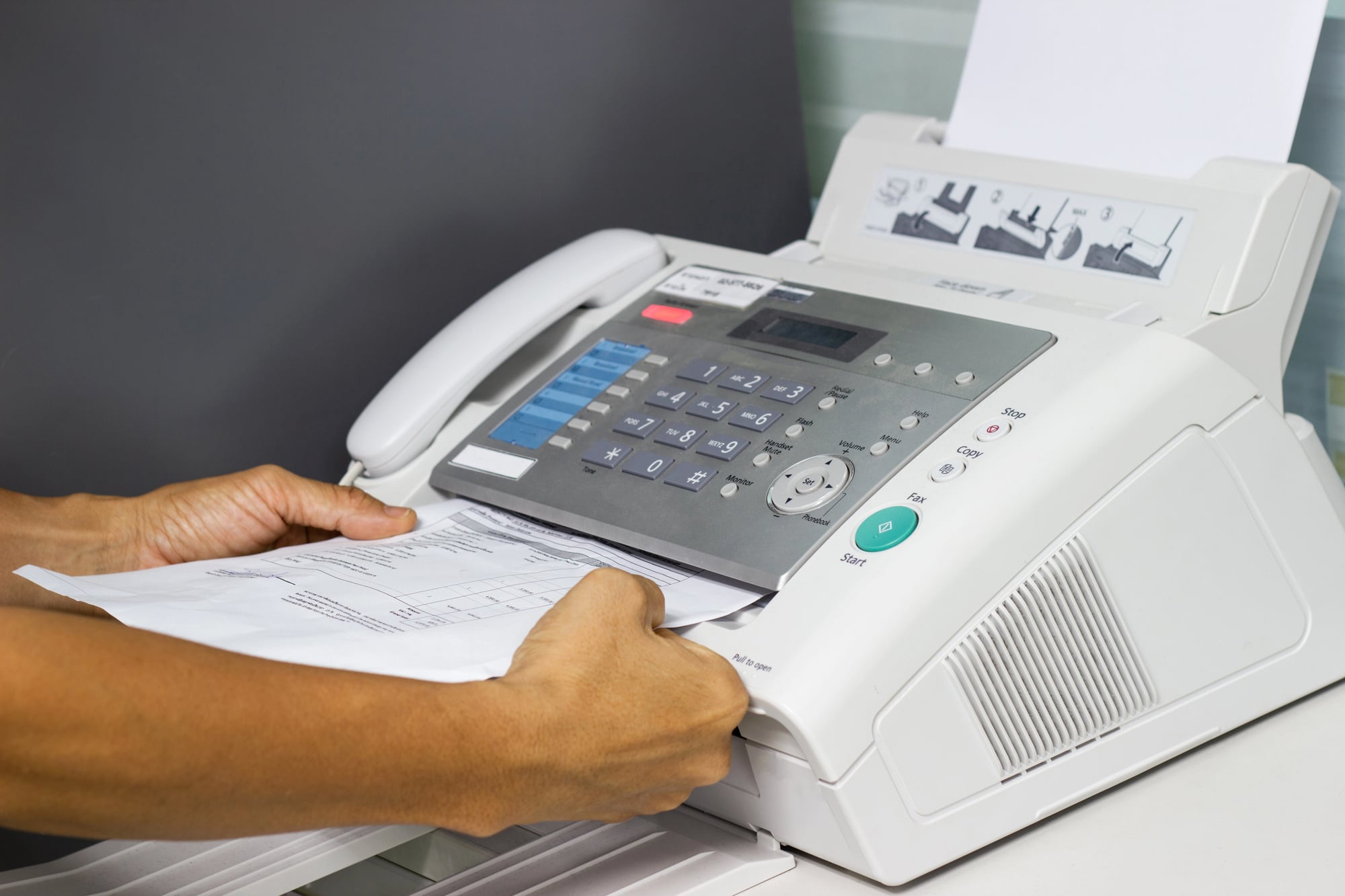
Fax machines once symbolized modern communication. Documents were scanned, transmitted over phone lines, and printed remotely.
Today, email attachments and digital signatures handle nearly all document exchange. While some institutions still use fax for compliance reasons, it no longer represents cutting-edge efficiency.
T9 Texting
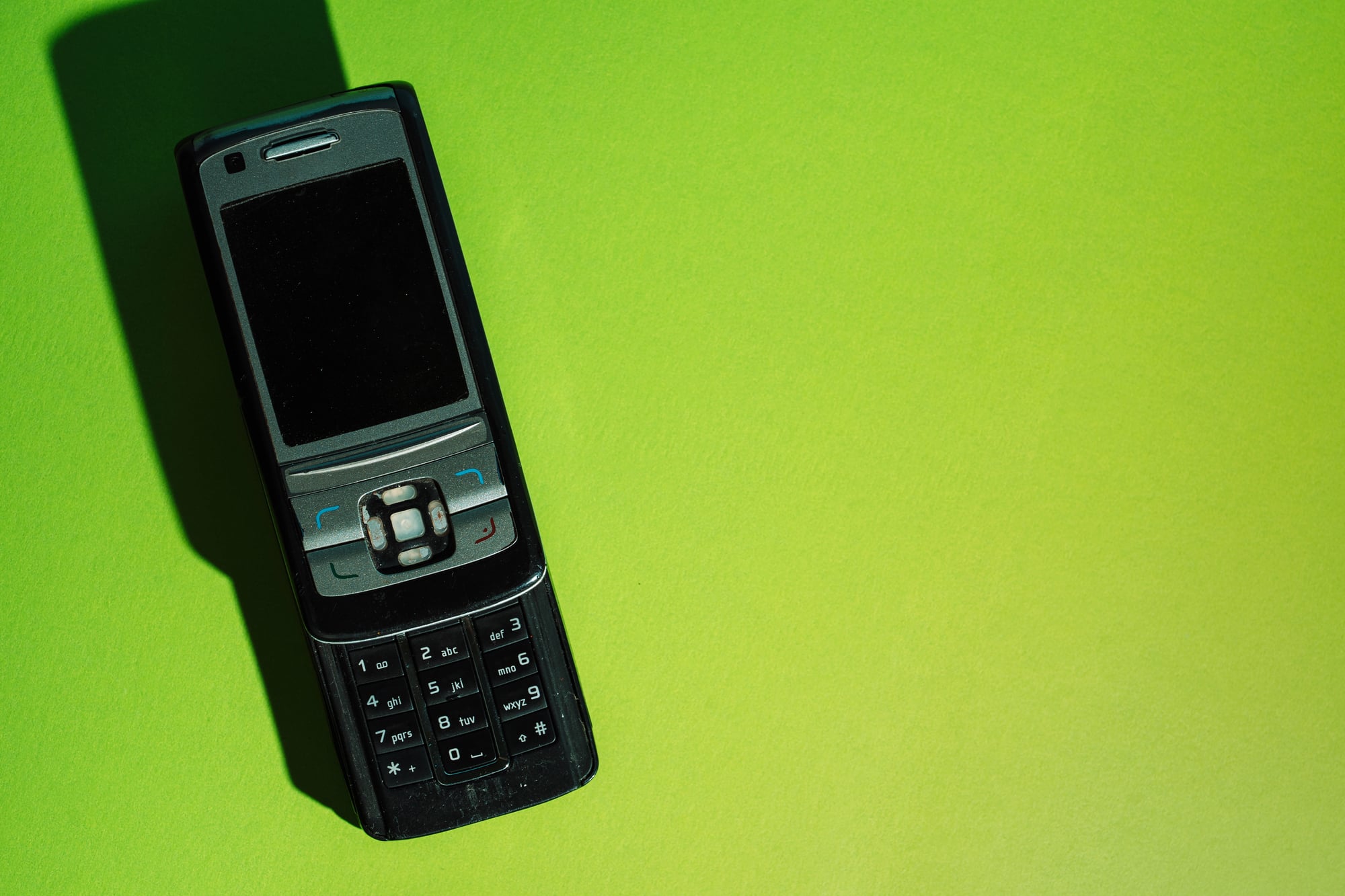
Before touchscreen keyboards, texting meant pressing numeric keys multiple times to produce letters. Predictive text helped, but typing required deliberate rhythm.
Full keyboards on smartphones eliminated the multi-tap method. What once required memorized key patterns now feels unnecessarily slow.
Installing Software From Floppy Disks
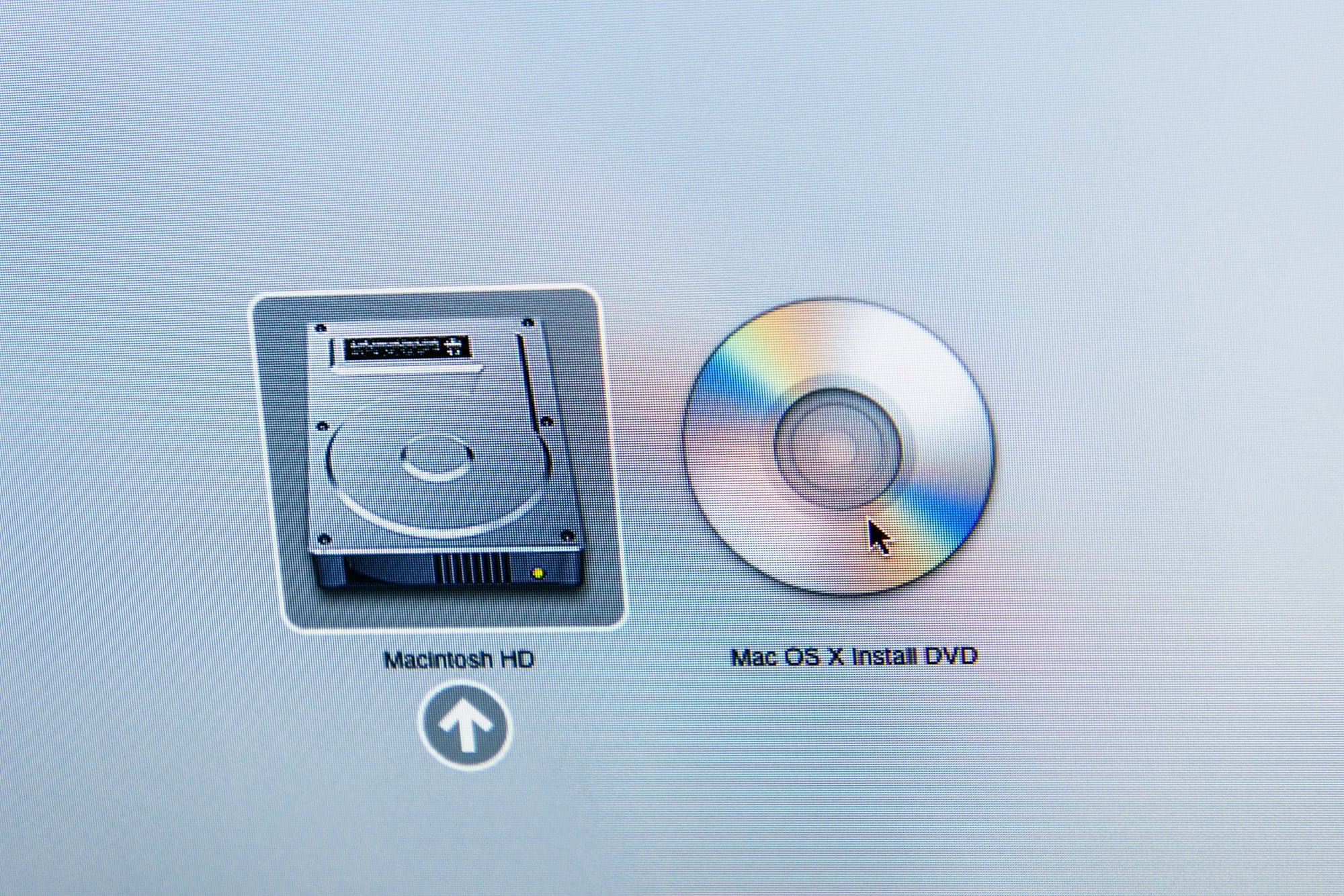
Software installation once involved feeding multiple floppy disks into a computer in sequence. Each disk carried a portion of the program.
The process demanded attention and physical presence. Downloads and cloud-based services removed that friction.
Installation often happens invisibly in the background.
Developing Film In A Darkroom

Photography required technical knowledge of chemical baths, exposure timing, and careful handling in low light. Darkrooms demanded precision.
Digital cameras replaced chemical development with instant previews. Film persists as an artistic medium, but it is no longer a mainstream necessity.
Configuring BIOS Settings
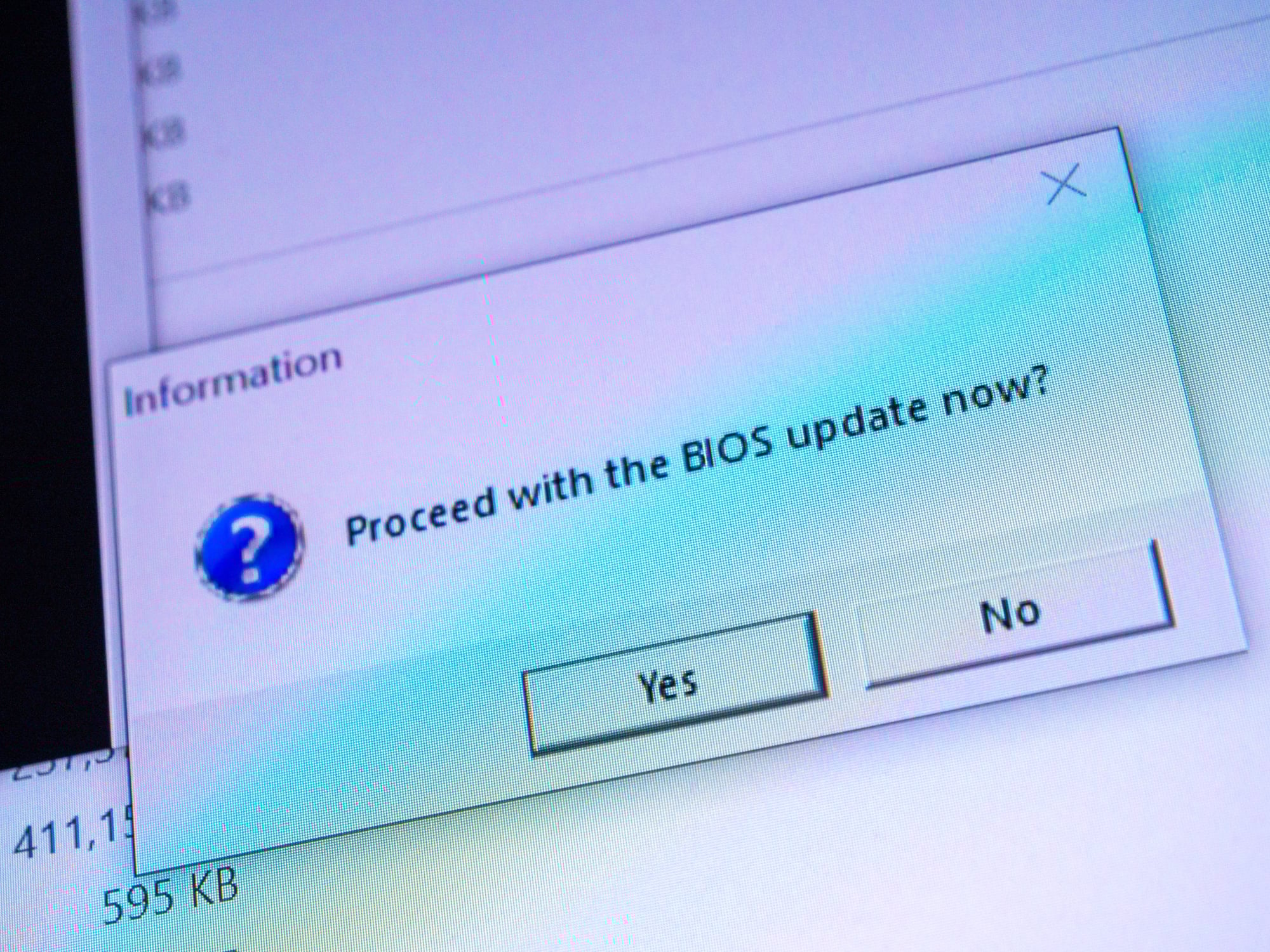
Accessing a computer’s BIOS once meant pressing specific keys during startup to adjust hardware settings. Missteps could prevent a system from booting properly.
Modern systems hide such settings behind streamlined interfaces. Most users never encounter firmware menus at all.
Using A Payphone
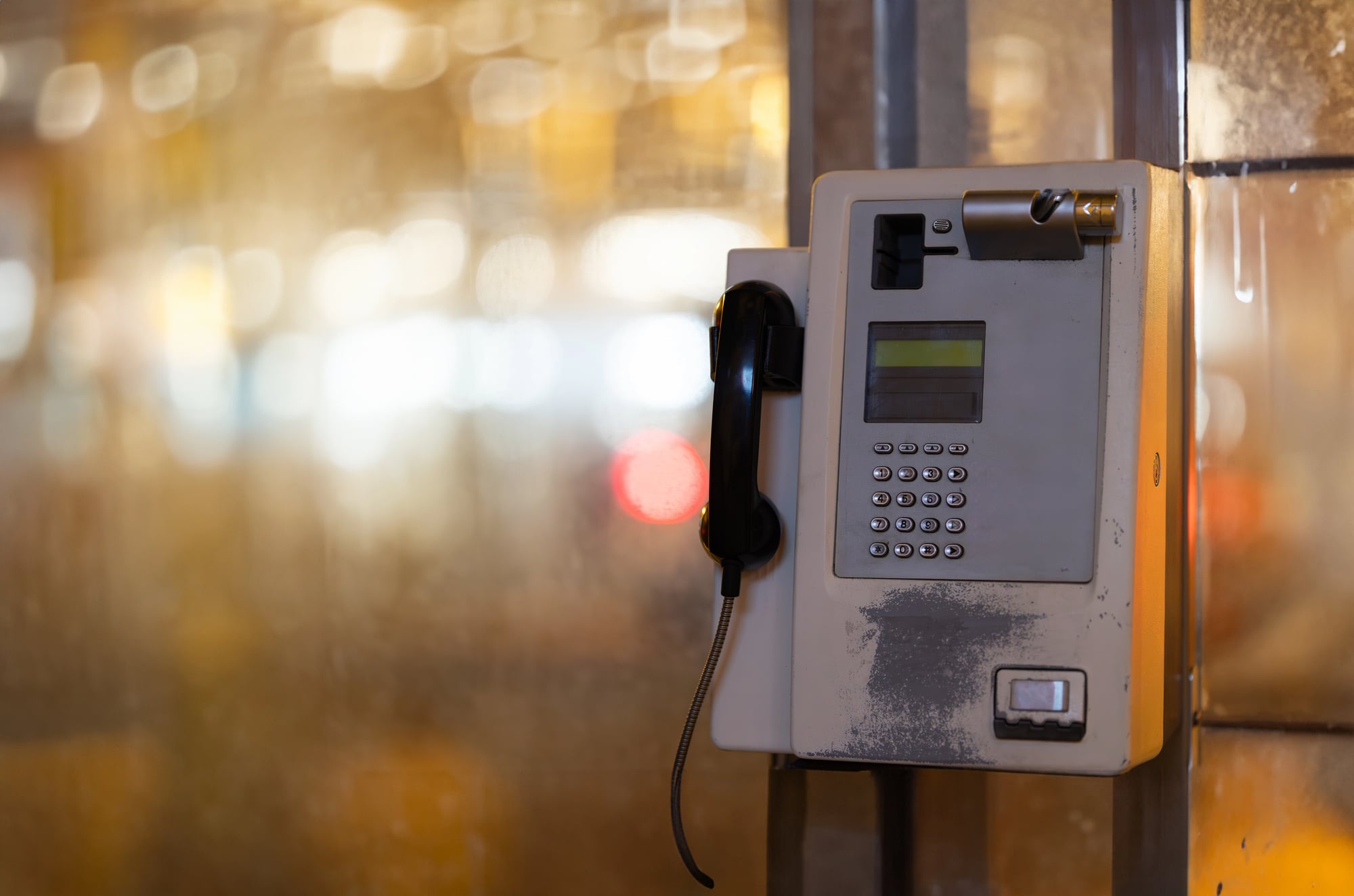
Payphones once required coins, memorized phone numbers, and sometimes operator assistance. Long-distance calls demanded planning.
Mobile phones eliminated the need entirely. The public phone booth has largely disappeared from city streets.
Printing MapQuest Directions

Before GPS navigation, drivers printed turn-by-turn instructions from websites like MapQuest. Missing a turn required manual recalculation.
Smartphone navigation apps adjust routes in real time. Paper directions now feel cumbersome rather than clever.
Balancing Analog Audio Levels

Recording audio once required manually adjusting gain levels to avoid distortion. Engineers watched needles bounce within safe zones.
Digital recording software automatically manages levels for casual users. What once required training now happens with minimal intervention.
Setting Up A Pager
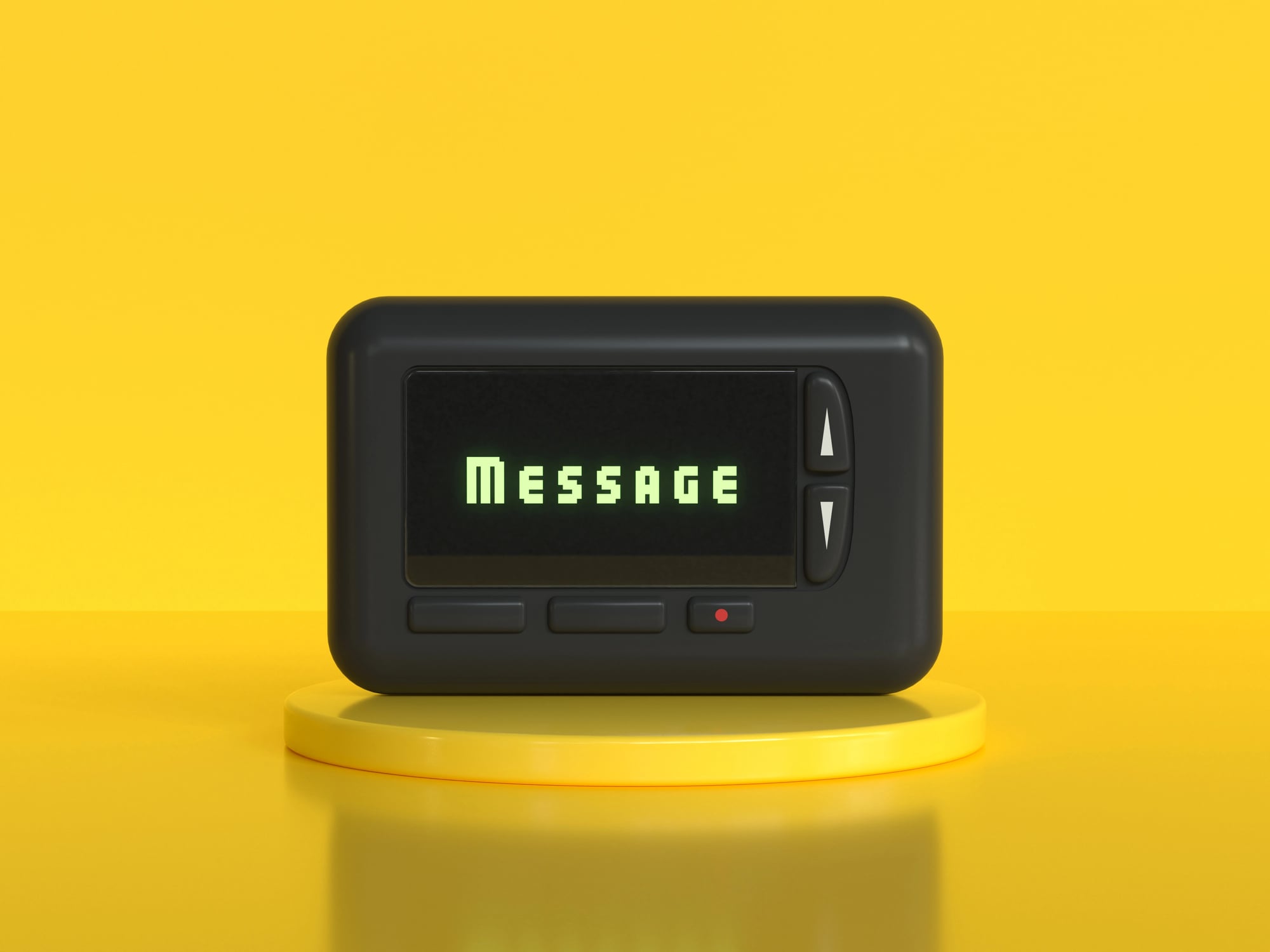
Pagers delivered numeric alerts indicating a callback request. Understanding pager codes was part of professional communication.
Mobile phones replaced pagers with direct voice and text communication. The skill of decoding numeric alerts faded quickly.
Troubleshooting CRT Monitors
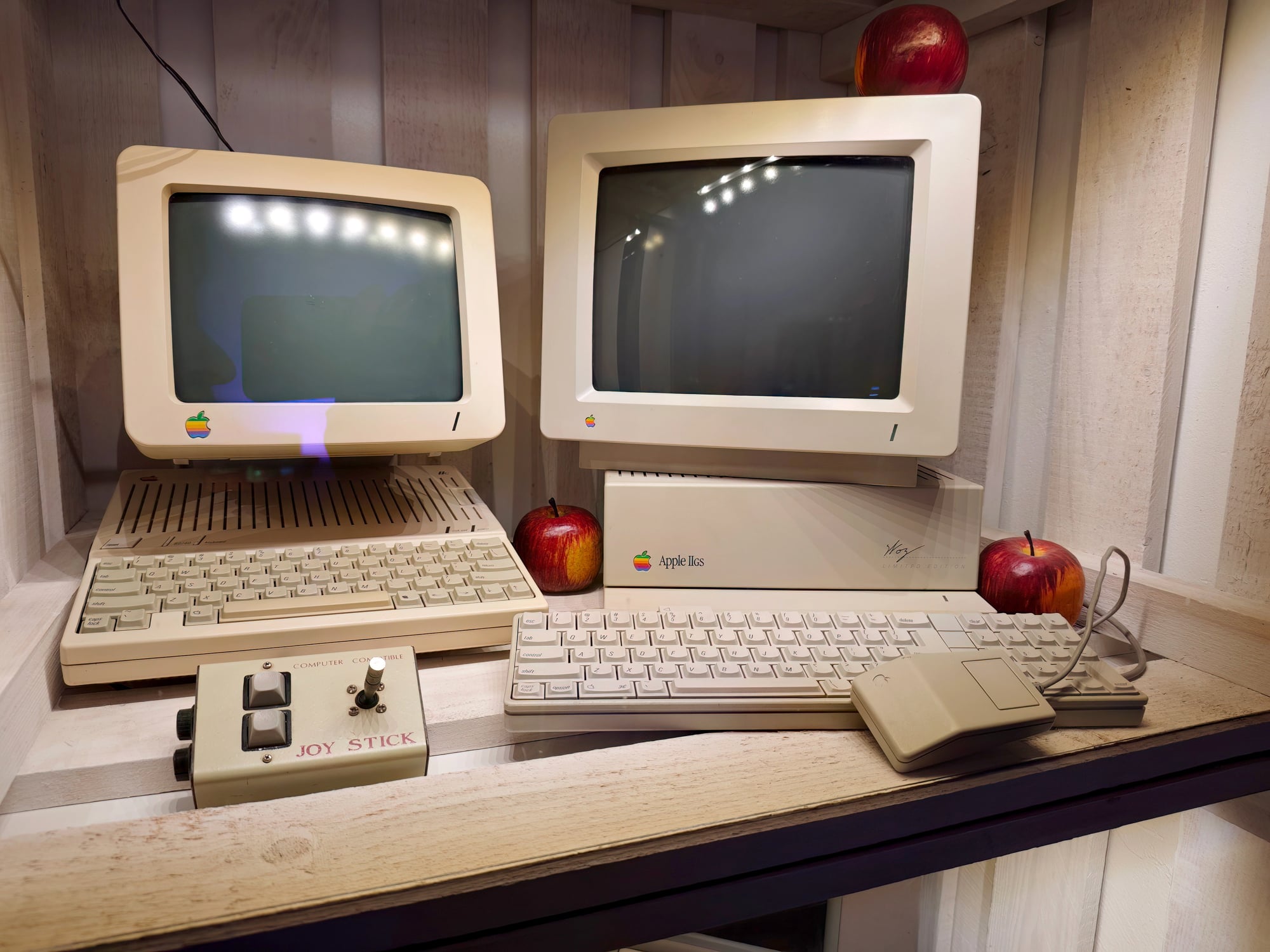
Cathode-ray tube monitors sometimes required degaussing to correct color distortion. Users pressed physical buttons to reset magnetic interference.
Flat-screen displays eliminated the need for such adjustments. The bulky monitors and their quirks are largely museum pieces.
Why Obsolescence Is Inevitable
Each generation excels with the tools that the next will find overly complicated. The obsolescence of such knowledge is not a fall, but a sign of improvement.
Technology tries to eliminate barriers, and sometimes succeeds. Still, there is something interesting about the rate with which this knowledge becomes passé.
The teenager in the 1990s might have considered themselves highly computer literate if they could navigate the BIOS settings or install a driver. What is considered normal now will be considered passé in the future.
The only skill that has been relevant across the years is the ability to adapt. The devices change, the interfaces change, the clock blinks away.
And somehow, amidst this shift, an entire generation’s knowledge becomes trivia instead of practical skill.
More from Go2Tutors!

- The Romanov Crown Jewels and Their Tragic Fate
- 13 Historical Mysteries That Science Still Can’t Solve
- Famous Hoaxes That Fooled the World for Years
- 15 Child Stars with Tragic Adult Lives
- 16 Famous Jewelry Pieces in History
Like Go2Tutors’s content? Follow us on MSN.