13 Household Chores That Used to Matter
Technology has completely transformed our homes in ways our grandparents couldn’t have imagined. Tasks that once consumed entire afternoons now happen with the flip of a switch or press of a button. The daily rhythm of household maintenance has shifted dramatically — leaving behind chores that were once essential to keeping a home running smoothly.
Many of these forgotten tasks required skill, patience, and considerable physical effort that modern conveniences have rendered obsolete. Here is a list of 13 household chores that used to be essential parts of daily life yet have largely disappeared from our routines.
Beating Rugs
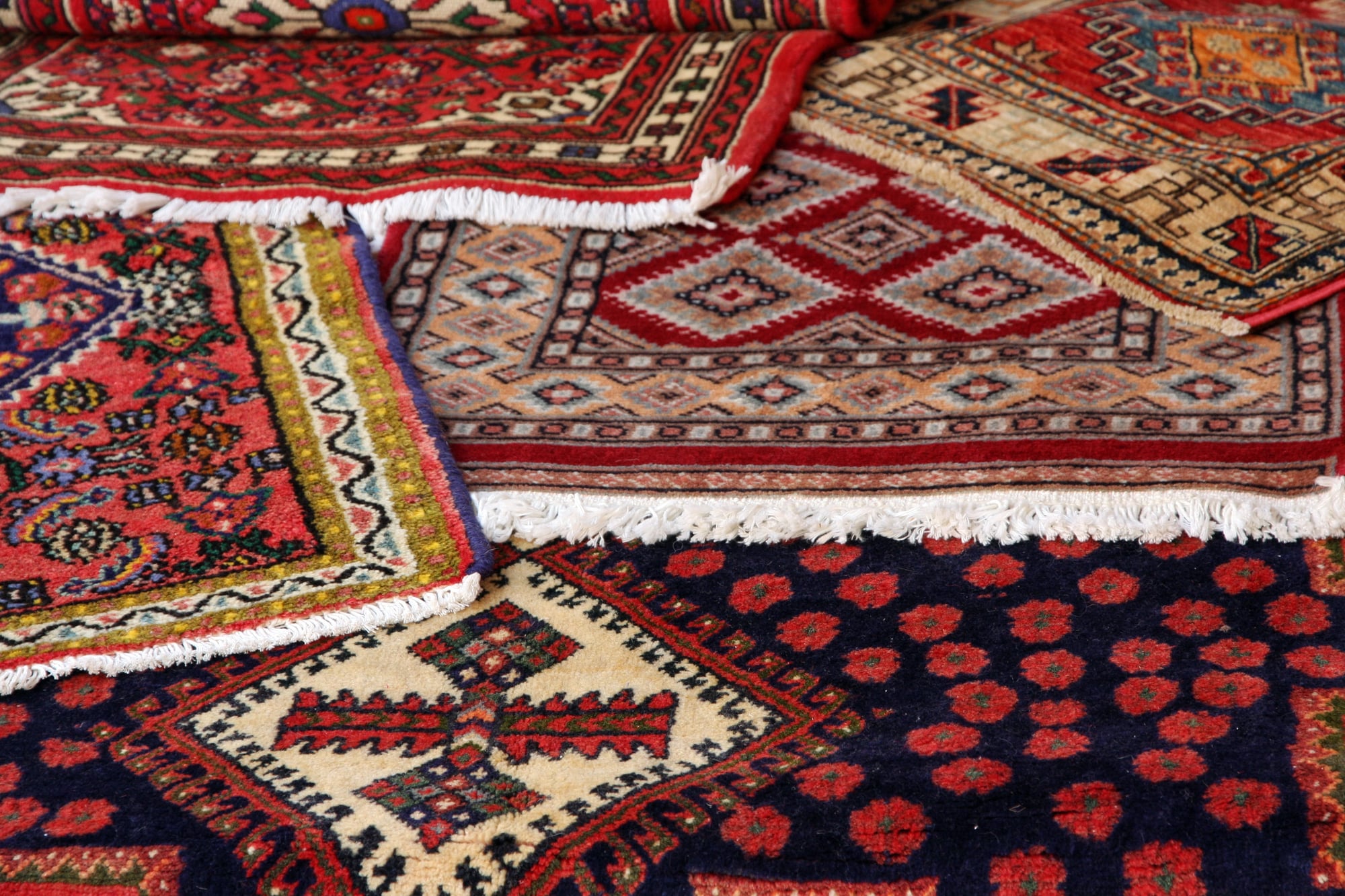
Long before vacuum cleaners became commonplace, homeowners had to physically remove dust and dirt from their carpets. This meant hauling heavy rugs outside — then beating them with special paddle-like tools or carpet beaters.
The process was absolutely exhausting and time-consuming, often requiring multiple family members to lift and maneuver large rugs. Dust clouds would billow everywhere, making it a messy job that had to be done regularly to maintain any semblance of cleanliness.
Churning Butter
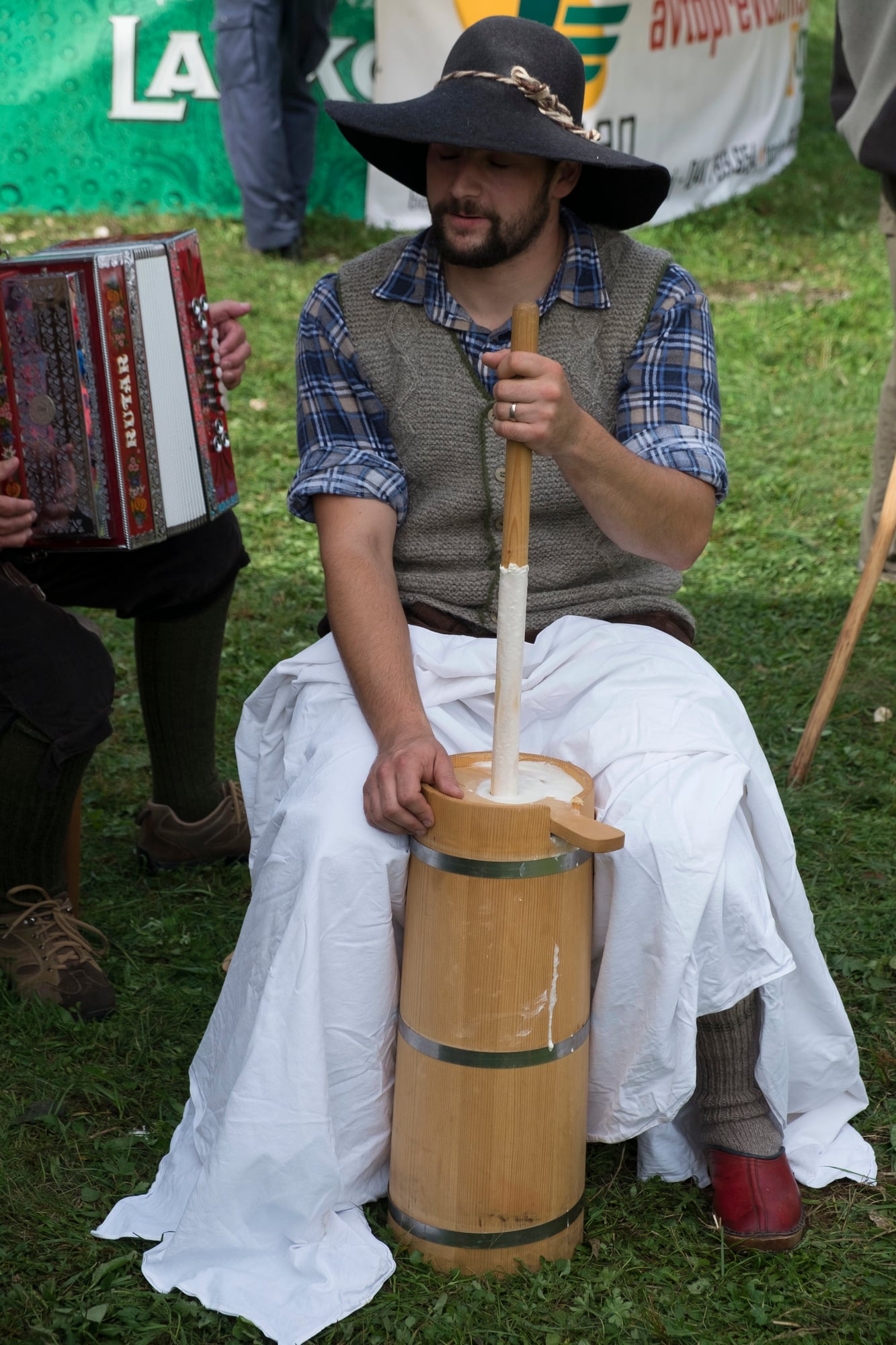
Making butter at home was a weekly necessity before refrigeration and commercial dairy products became widely available. Families would collect cream from their milk, then spend hours churning it by hand using wooden churns with long handles.
The repetitive motion required considerable strength and endurance — while the timing had to be absolutely perfect to achieve proper consistency. Children often took turns at this tedious task, which could take anywhere from 30 minutes to several hours depending on temperature and cream quality.
Hauling Water
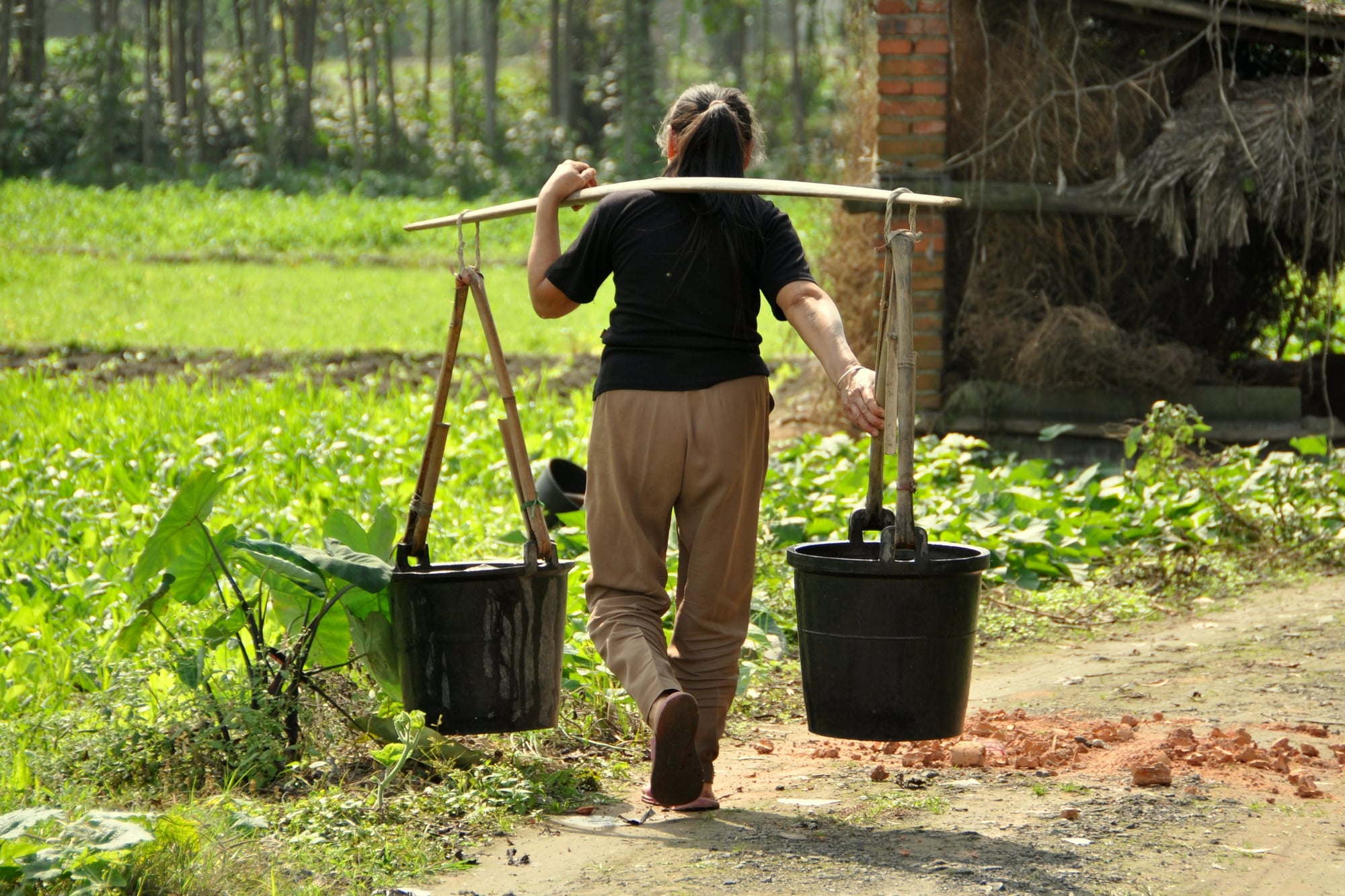
Running water wasn’t always guaranteed, even in established towns and cities. Many households relied on wells, streams, or public pumps for their water supply — requiring daily trips with buckets or barrels.
This chore became particularly demanding during winter months when sources might freeze over completely. Families had to plan their water usage carefully, often storing large quantities for cooking, cleaning, and bathing, making water conservation a constant concern.
Stoking Fires

Maintaining heat throughout the day meant constantly feeding wood or coal into stoves and fireplaces. Someone had to wake up early to rekindle fires that had died down overnight — then continue the task throughout the day to keep homes warm.
This involved chopping, kindling, arranging logs properly, and understanding how different materials burned at various rates. The job became especially crucial during harsh winters when letting a fire die could mean hours of discomfort while trying to restart it.
Preserving Food

Without refrigerators, families spent considerable time preserving food through canning, drying, curing, and salting methods. Late summer and fall were particularly busy seasons as people prepared for winter months when fresh food would be scarce.
This process required specific knowledge about safe preservation methods — often involving the entire household working together to process large quantities of fruits, vegetables, and meats. The stakes were high since improperly preserved food could spoil, leaving families without adequate nutrition during lean times.
Making Soap

Commercial soap wasn’t readily available or affordable for many families, so making it at home became a regular necessity. This involved collecting animal fat, mixing it with lye made from wood ash — then carefully managing the chemical reaction that created soap.
The process was dangerous due to the caustic nature of lye, requiring precise measurements and timing. Soap-making typically happened seasonally when families had accumulated enough fat from butchering animals.
Washing Clothes by Hand
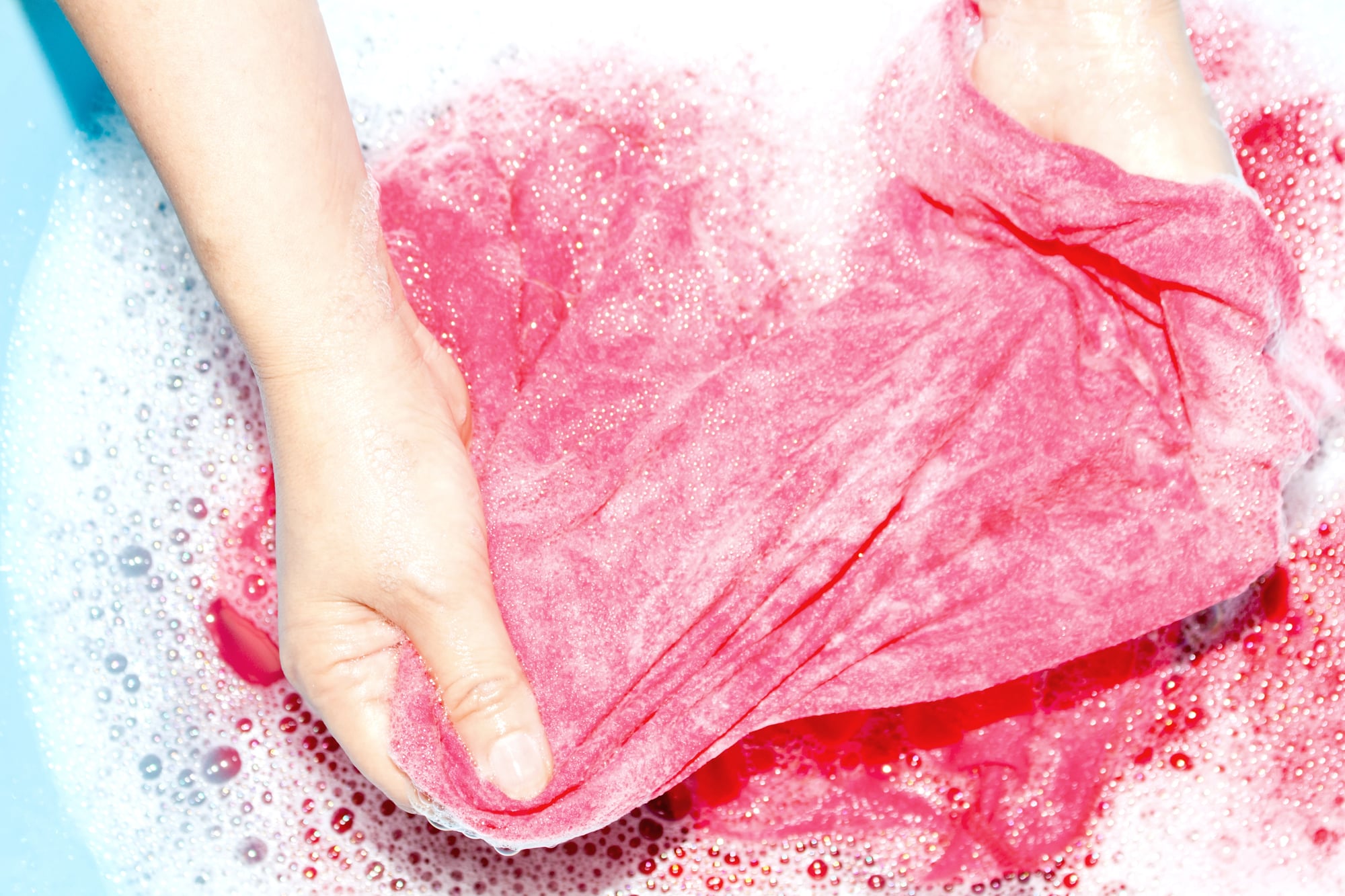
Before washing machines existed, laundry was an all-day affair that typically happened once weekly. Clothes had to be scrubbed on washboards using homemade soap — then rinsed multiple times in clean water.
Heavy items like blankets and coats required considerable physical strength to wring out and hang properly. The entire process, from heating water to drying clothes — could consume most of a day while leaving many people with sore hands and aching backs.
Ironing with Heated Irons

Electric irons didn’t exist, so people used heavy metal irons that were heated on stoves or over open fires. Multiple irons were needed since they cooled quickly — requiring frequent reheating during the ironing process.
The weight of these irons made the task physically demanding, while getting the temperature right required experience to avoid scorching delicate fabrics. Many households maintained special iron holders and heating stands to manage this cumbersome process.
Trimming Wicks and Filling Oil Lamps
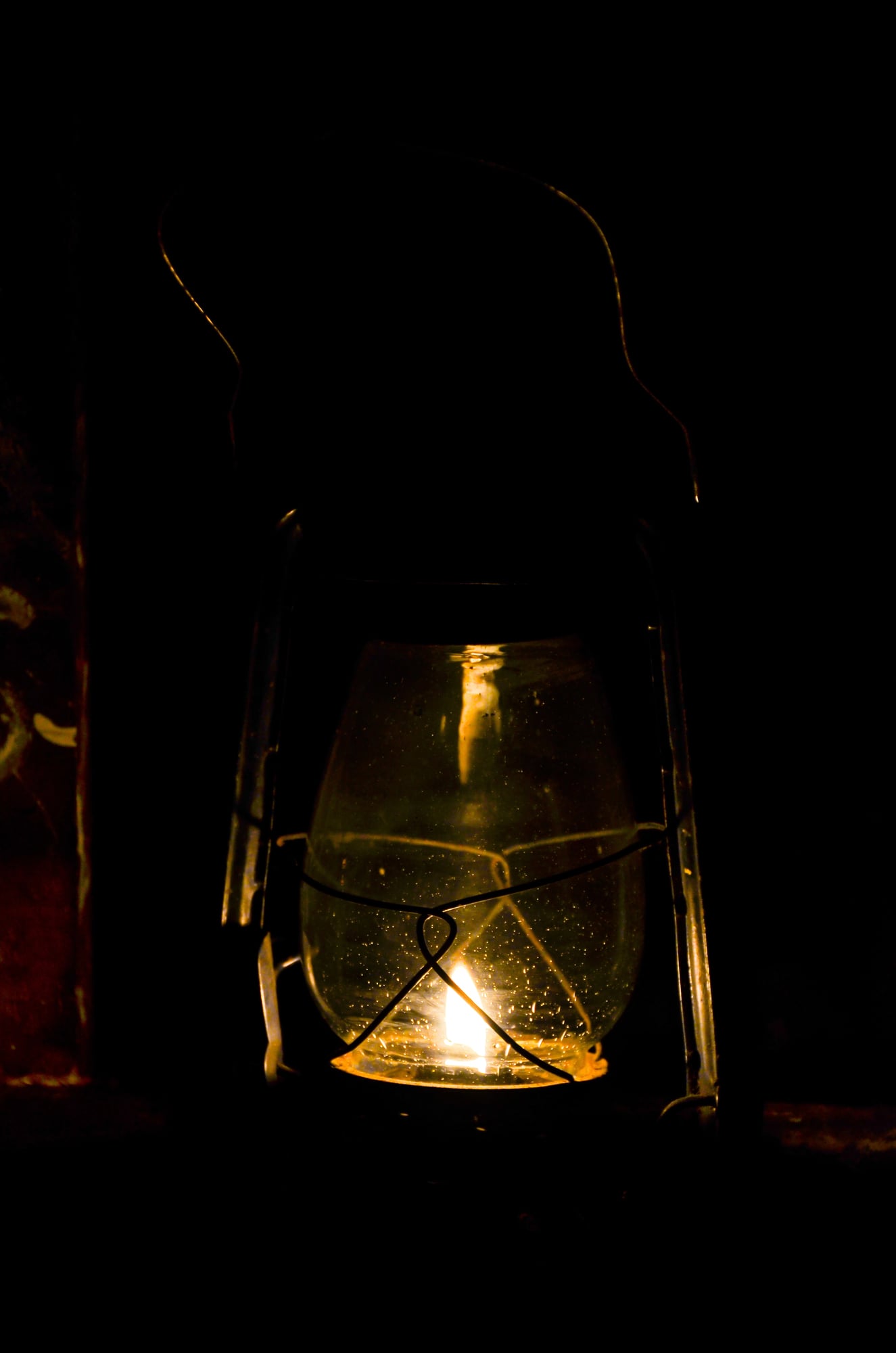
Before electric lighting, maintaining oil lamps was a daily chore that couldn’t be neglected under any circumstances. Wicks had to be trimmed regularly to prevent excessive fumes— ensuring proper light output throughout the evening.
Lamps needed frequent refilling with whale oil, kerosene, or other available fuels, though the glass chimneys required cleaning to remove soot buildup. This maintenance was essential since poorly maintained lamps provided inadequate light while posing serious fire hazards.
Splitting Kindling
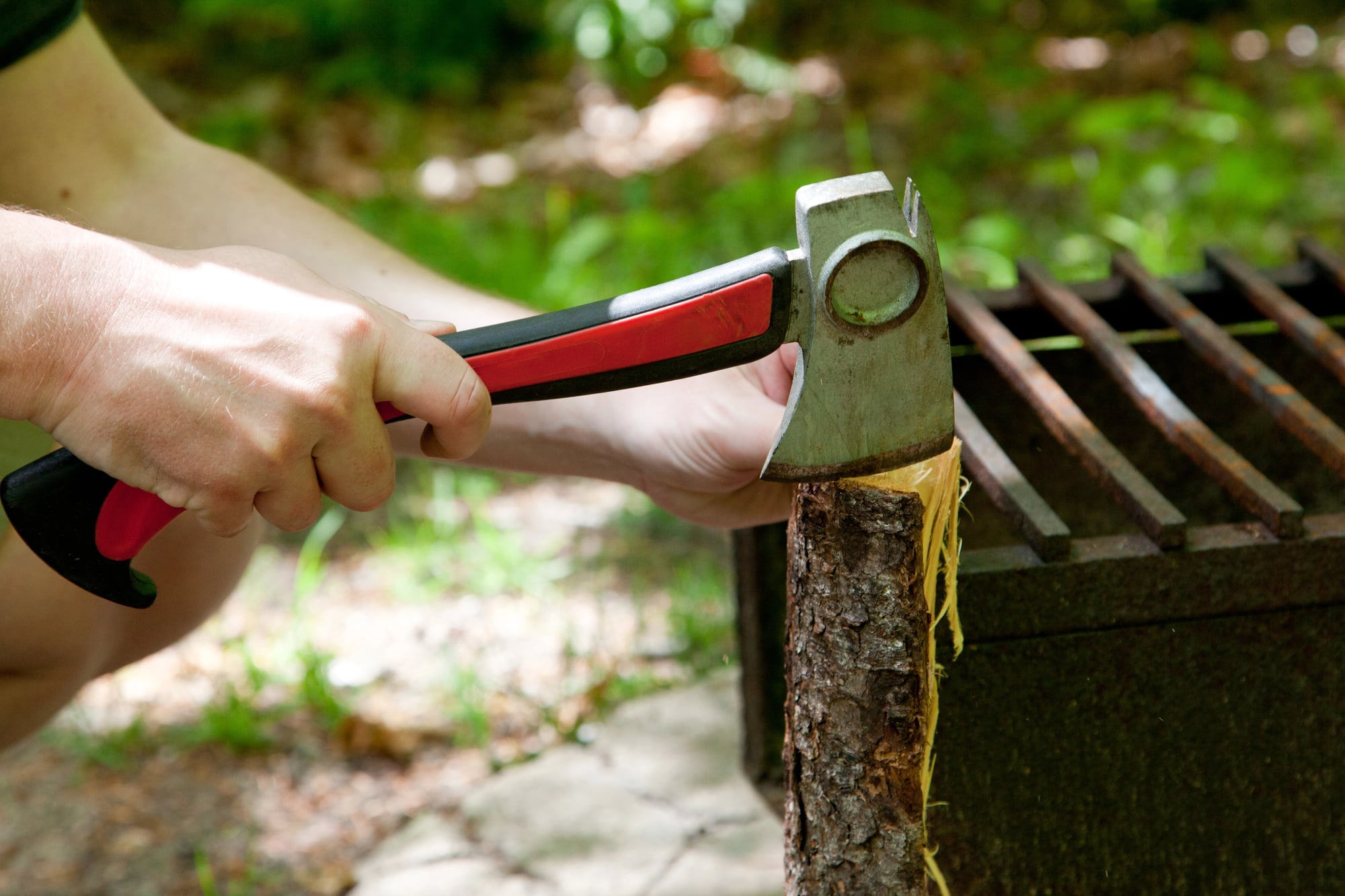
Keeping fires burning required a constant supply of properly sized wood — which meant regularly splitting logs into smaller pieces suitable for starting fires. This task required considerable skill with an axe or hatchet plus substantial physical effort throughout the process.
Different types of wood had to be split using various techniques, while having the right size kindling ready was crucial for quickly starting fires when needed. Many families spent hours each week preparing enough kindling to last through extended cold periods.
Milking Cows

Families with dairy cows faced the unchanging routine of milking twice daily, every single day of the year. This chore couldn’t be postponed or skipped since cows needed regular milking to stay healthy and continue producing milk.
The task required getting up early and going out in all weather conditions, including bitter cold winters and sweltering summers. Proper milking technique was essential to avoid injuring the cow while ensuring clean, safe milk for the family.
Drawing Water from Wells

Even households with their own wells faced daily work drawing water using hand-operated pumps or bucket systems. Deep wells required significant effort to bring water to the surface, especially during dry periods when water levels dropped substantially.
Well maintenance was also crucial since contaminated water could make the entire family ill. Many people had to develop strong arm and back muscles just from this daily necessity.
Polishing Silver and Brass
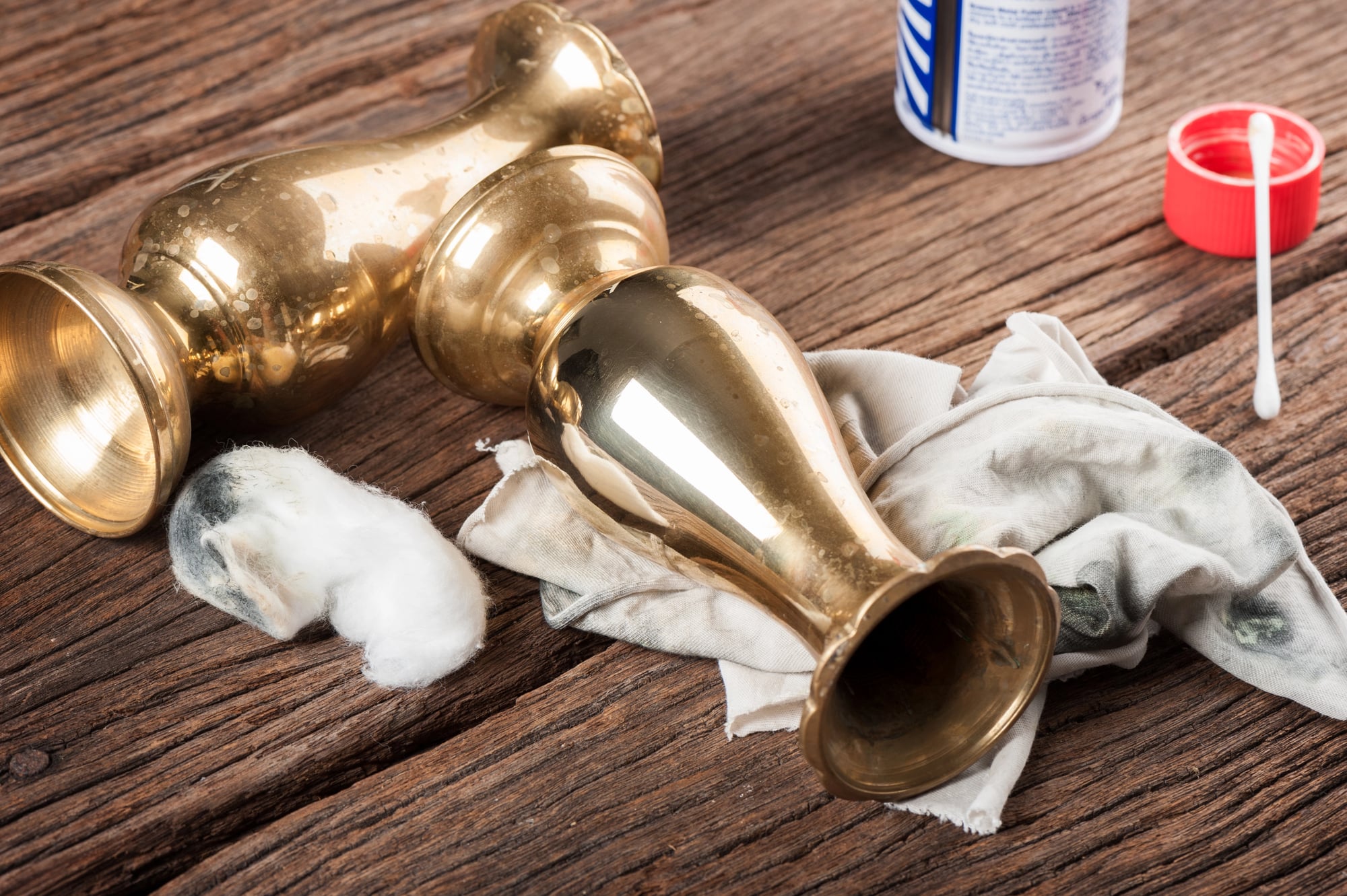
Metal household items required regular polishing to prevent tarnishing while maintaining their appearance and function. This wasn’t just about looks though, since tarnished metals could affect the taste of food and beverages served in them.
The polishing process used various homemade compounds while requiring careful attention to avoid scratching delicate surfaces. Many households had numerous metal items including candlesticks, serving pieces, and decorative objects that all needed regular maintenance.
The Modern Convenience Revolution

These forgotten chores remind us how dramatically our daily lives have changed through technological advancement. What once required hours of physical labor now happens automatically or with minimal effort.
Though we’ve gained tremendous convenience and freed up time for other pursuits, we’ve also lost some of the practical skills and physical resilience that previous generations took for granted. The transformation of household work reflects broader changes in how we live, work, and spend our time in the modern world.More from Go2Tutors!
More from Go2Tutors!

- The Romanov Crown Jewels and Their Tragic Fate
- 13 Historical Mysteries That Science Still Can’t Solve
- Famous Hoaxes That Fooled the World for Years
- 15 Child Stars with Tragic Adult Lives
- 16 Famous Jewelry Pieces in History
Like Go2Tutors’s content? Follow us on MSN.