15 Wedding Gowns That Made Fashion History
Beyond simply dressing a bride, wedding gowns can change cultural norms, capture special moments, and even completely rewrite the rules. Some gowns go beyond their ceremonies to become a permanent part of fashion history, from queens who ignited global trends to Hollywood celebrities who defied convention.
These are not simply lovely gowns that are once photographed and then forgotten. They altered perceptions of bridal attire, impacted designers, and spawned innumerable copies.
Every gown on the list is an authentic historical garment or a documented couture design. This is a list of fifteen wedding dresses that changed the course of fashion.
Queen Victoria (1840)

Bridal fashion was forever altered when Queen Victoria married Prince Albert in 1840 and wore a white silk satin gown with Honiton lace. Prior to Victoria, royal brides usually wore gowns that were richly colored, silver, or gold to show off their wealth and status.
Victoria made the sensible decision to wear white in order to promote the faltering Honiton lace industry and highlight British craftsmanship. She showed the lace’s enduring significance to her family by using it again for her children’s christening dresses.
Grace Kelly (1956)

Hollywood actress Grace Kelly married Prince Rainier III of Monaco in 1956 wearing a gown designed by MGM costume designer Helen Rose, gifted by MGM as part of her contract. The dress required 25 yards of silk taffeta, 100 yards of silk net, and 125-year-old Brussels rose point lace, with 36 seamstresses working six weeks to create it.
Over 30 million television viewers watched the Monaco wedding, making the dress instantly iconic. The dress influences countless brides and designers, with its lace sleeves and classic elegance remaining timeless.
Jacqueline Kennedy (1953)
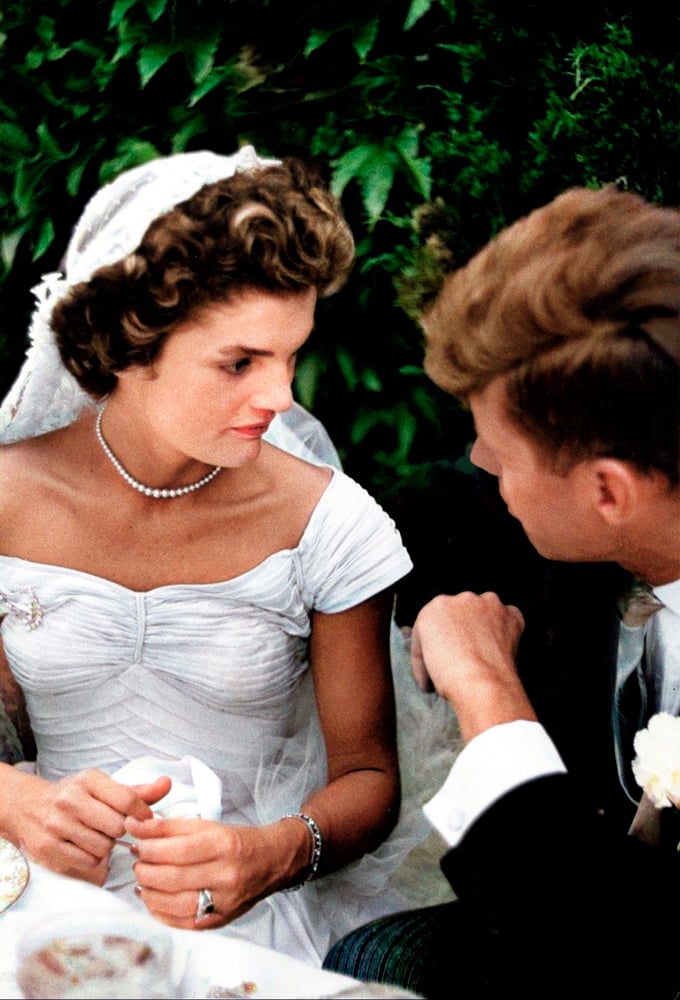
Jacqueline Bouvier married John F. Kennedy in 1953 wearing an Ann Lowe creation that nearly didn’t make it to the wedding. The ivory silk taffeta gown featured an off-the-shoulder neckline and full bouffant skirt made from nearly 50 yards of fabric.
Designer Ann Lowe, a pioneering African-American fashion designer, faced disaster when her studio flooded just days before the wedding, destroying the dress and requiring her to remake it entirely. Lowe remained uncredited in the press at the time, despite creating one of the most iconic American wedding gowns.
Princess Diana (1981)

Princess Diana’s 1981 wedding dress designed by husband-and-wife team David and Elizabeth Emanuel became the most famous gown of the 1980s. Made from ivory silk taffeta and antique Carrickmacross lace, the dress featured 10,000 hand-sewn pearls, elaborate embroidery, and puffed sleeves that defined the decade’s aesthetic.
Its 25-foot train remains the longest in royal wedding history. Approximately 750 million people worldwide watched the wedding, making the dress instantly recognizable around the globe.
Kate Middleton (2011)

Kate Middleton married Prince William in 2011 wearing a Sarah Burton for Alexander McQueen gown that perfectly balanced tradition with modernity. The dress featured an ivory satin bodice with long lace sleeves inspired by Grace Kelly’s iconic gown, intricate floral-patterned lace overlay, and 58 hand-sewn buttons down the back.
A Victorian-style semi-bustle and 9-foot train completed the elegant silhouette. The gown sparked immediate worldwide interest and influenced bridal fashion trends, with lace sleeves becoming particularly popular.
Meghan Markle (2018)
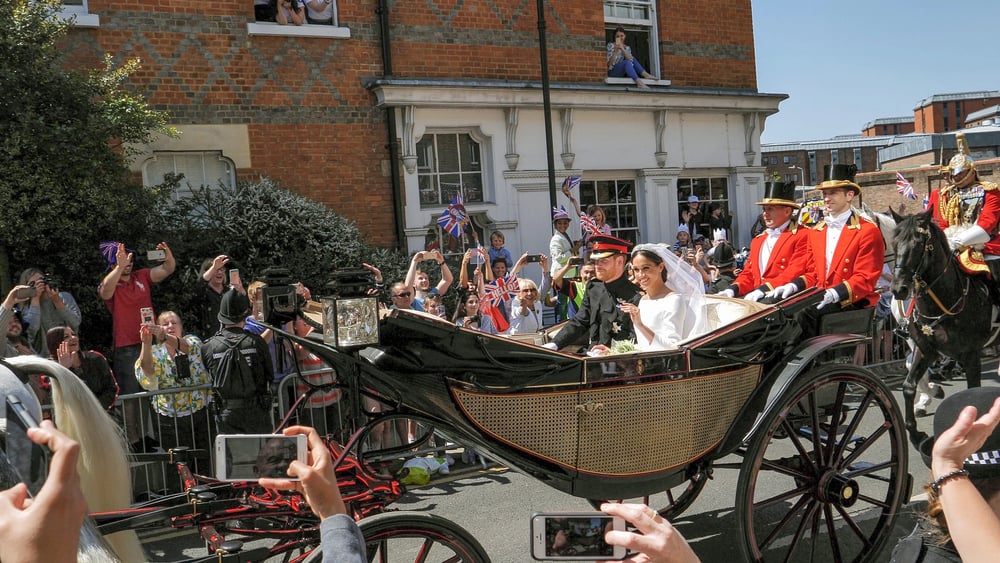
Meghan Markle’s 2018 wedding to Prince Harry featured a minimalist Givenchy gown designed by Clare Waight Keller. The boat-neck design in pure white silk cady fabric represented a modern, streamlined approach to royal bridal wear.
The 16-foot veil was hand-embroidered with flora from all 53 Commonwealth nations, representing unity and inclusion. The dress marked a departure from heavily embellished royal gowns and influenced a trend toward cleaner, more architectural bridal designs.
Queen Elizabeth (1947)
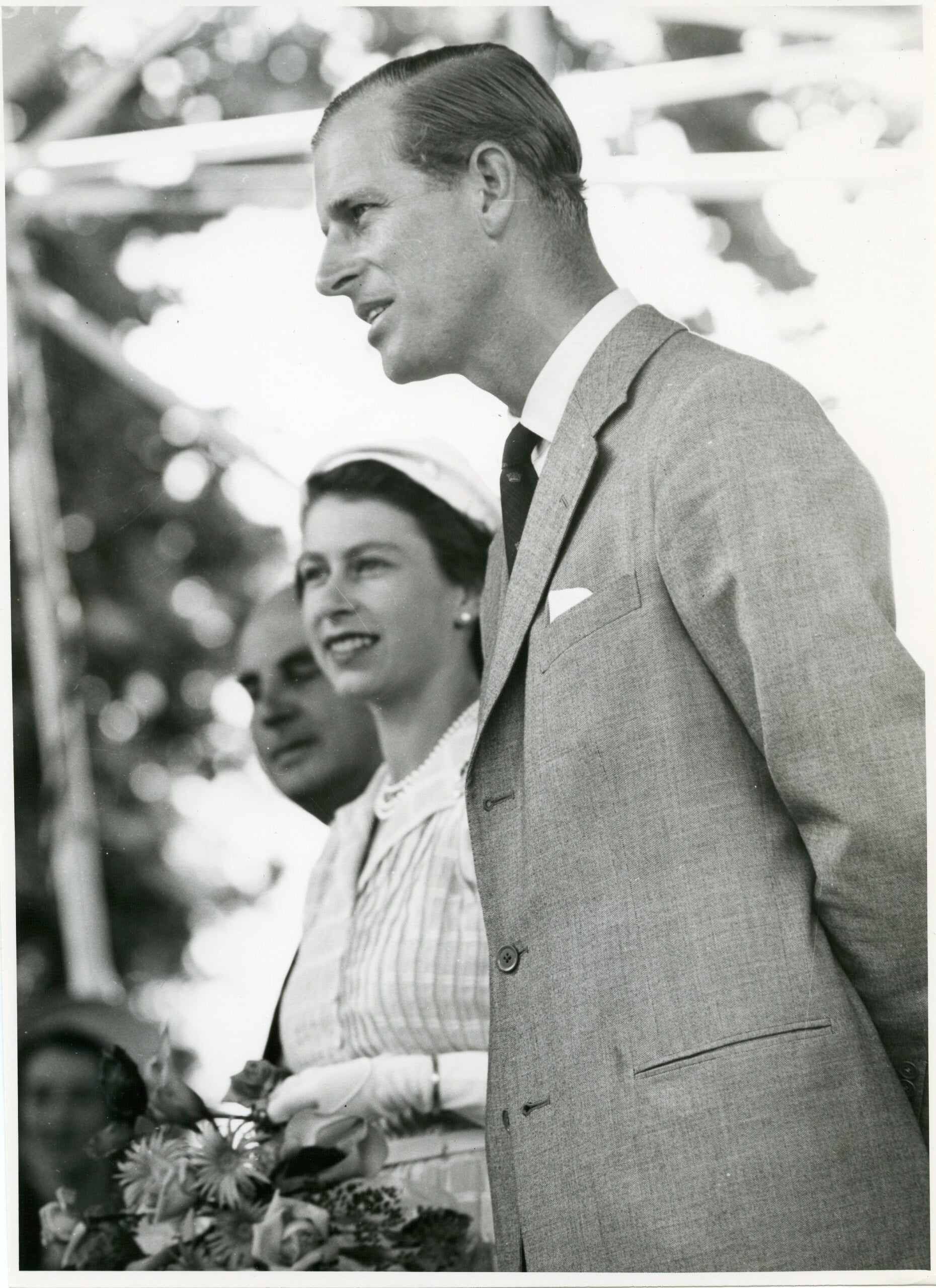
Princess Elizabeth married Prince Philip in 1947 wearing a Norman Hartnell gown during Britain’s post-war rationing period. She used ration coupons, with additional grants by the government, to purchase the fabric given the occasion’s significance.
The dress featured crystals and 10,000 seed pearls imported from America, with intricate embroidery throughout. The wedding lifted national spirits during austere times and set traditions that future royal weddings would follow.
Audrey Hepburn (1954)

Fashion icon Audrey Hepburn married actor Mel Ferrer in 1954 wearing a trendsetting tea-length dress designed by Pierre Balmain for her civil ceremony in Switzerland. The unique gown featured full sleeves, a high neck, and a circle skirt that departed from traditional floor-length bridal styles.
She finished the look with a beautiful floral crown instead of a veil. The dress established Hepburn’s reputation as a style innovator and made tea-length wedding dresses fashionable.
Bianca Jagger (1971)

Bianca Jagger married rock star Mick Jagger in 1971 wearing an Yves Saint Laurent jacket with a white skirt, wide-brimmed hat, and veil. The ensemble completely challenged traditional bridal expectations by incorporating a tailored blazer instead of a gown.
Her Saint-Tropez ceremony look was sleek, striking, and decades ahead of its time. The outfit helped pioneer the tailored bridal suit trend and redefined what it meant to be a bride.
Carolyn Bessette Kennedy (1996)
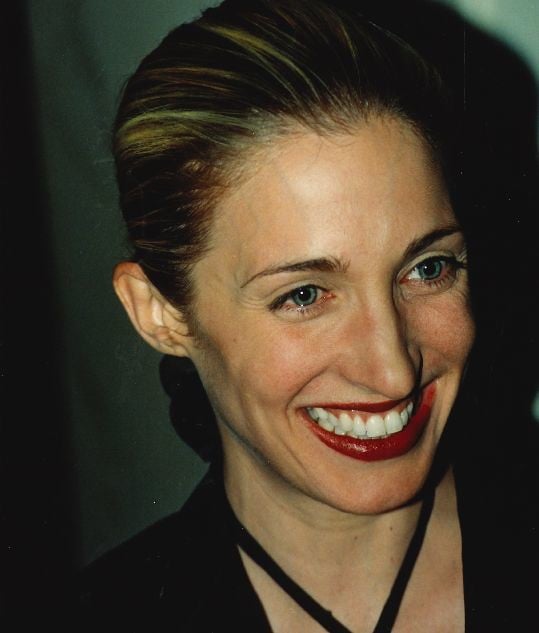
Carolyn Bessette married John F. Kennedy Jr. in 1996 wearing a custom bias-cut Narciso Rodriguez gown that captured 1990s minimalism. The figure-hugging slip dress made from silk crepe, with an estimated cost of $40,000, was a complete departure from the elaborate styles of previous decades.
The dress launched Rodriguez’s career and made minimalist, understated bridal wear fashionable. The gown’s influence continues in modern sleek bridal designs.
Gwen Stefani (2002)

No Doubt singer Gwen Stefani married Gavin Rossdale in 2002 wearing a custom white-to-rose pink gradient gown by John Galliano for Dior. The dress featured a white bodice that gradually deepened to pink at the hem, completely breaking from white wedding dress tradition.
Stefani’s bold choice demonstrated her unique aesthetic and popularized colored and nontraditional bridal palettes. The gown remains one of the most talked-about celebrity wedding dresses for its daring departure from convention.
Kate Moss (2011)

Supermodel Kate Moss married musician Jamie Hince in 2011 wearing a vintage-inspired cream dress designed by John Galliano. The 1920s-silhouette gown featured bias-cut styling and shimmering embellishments throughout.
Moss paired the dress with a distinctive veil adorned with embroidered flowers and wore it with bare feet during parts of the celebration. The bohemian-chic look inspired a 1920s glamour revival in bridal fashion.
Priscilla Presley (1967)
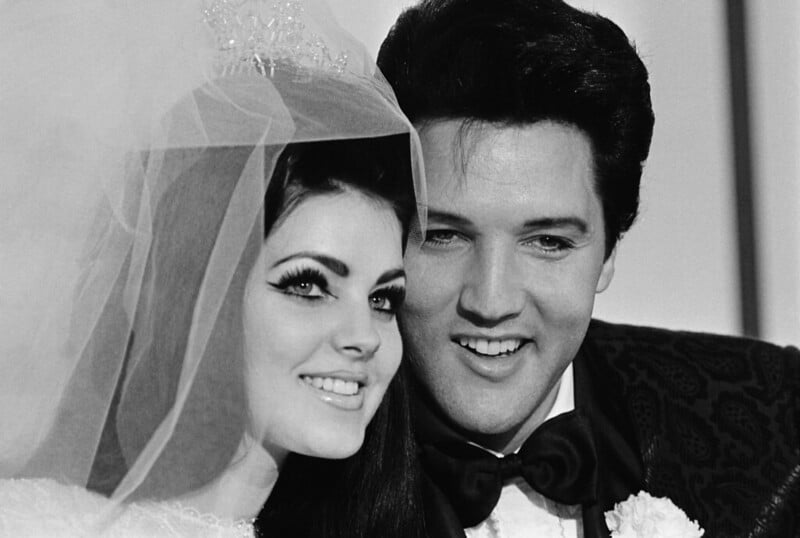
Priscilla Beaulieu married Elvis Presley at the Aladdin Hotel in Las Vegas in 1967 wearing a flowing silk chiffon gown she self-designed with help from a local dressmaker. The dress featured a beaded neckline, long sleeves, and embodied late 1960s fashion perfectly.
She accessorized with a sky-high bouffant hairstyle, tiara, and lace veil that defined the era’s aesthetic. The look captured the fashionable spirit of marrying the king of rock and roll.
Portia de Rossi (2008)
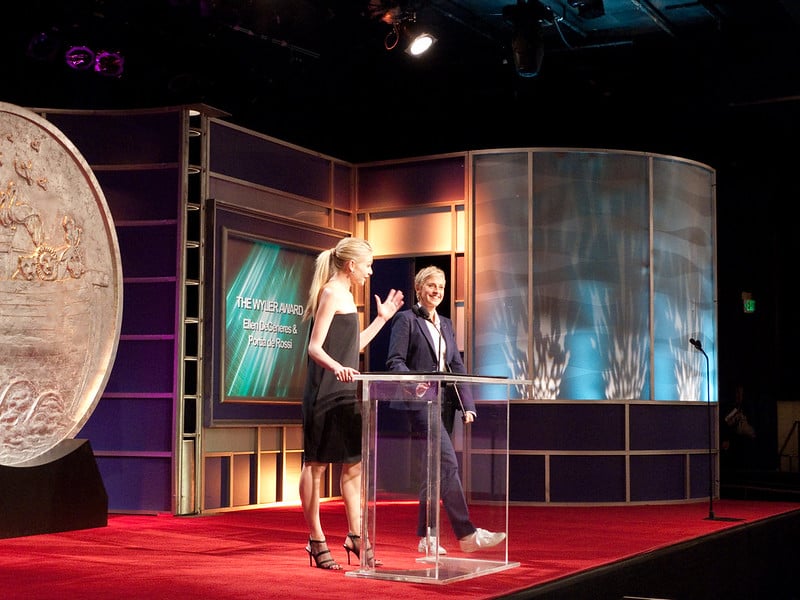
When Portia de Rossi married Ellen DeGeneres in 2008, she wore a Zac Posen dress that combined an ivory tuxedo bodice with a blush pink tulle skirt. Fashion history was created by the unexpected color and the elaborate button detailing on the open back.
Brides all over the world were immediately inspired to think about blush pink wedding dresses by the dress. Her audacious decision popularized non-traditional and colorful bridal palettes.
Carolyn Roehm (1985)

In 1985, fashion designer Carolyn Roehm married investor Henry Kravis while wearing a dress she had created herself. The dress displayed her best design skills and had a full skirt and fitted bodice.
Being a well-known fashion icon, her wedding gown inspired full-bodied bridal silhouettes of the 1980s. The dress set industry standards and showed how designers could create their own ideal bridal vision.
From Tradition to Revolution
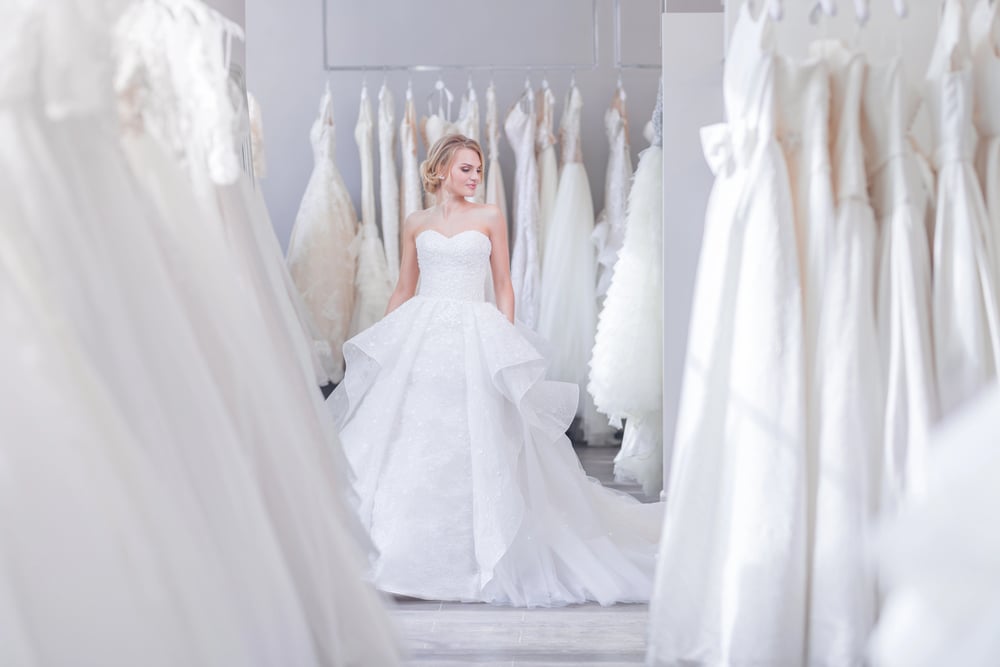
These wedding dresses demonstrate that bridal fashion captures cultural moments and subverts social norms, reflecting much more than just personal taste. Every dress was a turning point, from Queen Victoria’s white gown that started a centuries-old custom to Bianca Jagger’s suit that completely changed the rules.
Whether they are looking for bold innovation or classic elegance, modern brides continue to be inspired by these timeless styles. Because they dared to make statements that went beyond their wedding days, these gowns have endured.
More from Go2Tutors!

- The Romanov Crown Jewels and Their Tragic Fate
- 13 Historical Mysteries That Science Still Can’t Solve
- Famous Hoaxes That Fooled the World for Years
- 15 Child Stars with Tragic Adult Lives
- 16 Famous Jewelry Pieces in History
Like Go2Tutors’s content? Follow us on MSN.



