25 Photos Of Abandoned Malls in America
Shopping malls used to be the heart of American suburbs. Families spent weekends wandering through department stores, teenagers hung out at food courts, and parents dragged kids from store to store during back-to-school season.
But times change. Online shopping took over, anchor stores closed, and developers moved on to newer projects.
What remains are vast, empty structures that tell stories of retail’s past. These abandoned malls sit across the country, from small towns to major cities.
Some closed decades ago while others shut down just recently. Walking through them feels strange—escalators frozen mid-step, storefronts with faded signs, food courts where no one eats anymore.
Each one captures a specific moment when the crowd stopped coming and the lights went out for good.
Rolling Acres Mall, Akron, Ohio

Rolling Acres opened in 1975 and thrived for decades. The mall anchored the community, drawing shoppers from across the region with stores like Macy’s and JCPenney.
But by the early 2000s, crime increased and stores started leaving. The mall closed in 2008, leaving behind a massive structure that decayed rapidly.
Nature took over fast. Water damage created puddles across the floors, and mold spread through the carpeted areas.
The skylights, once bringing in natural light, now let in rain that pooled on the ground. Birds nested in the rafters and plants grew through cracks in the concrete.
The building stood until 2017 when it was finally demolished. Before that happened, photographers captured haunting images of the deteriorating interior—empty escalators, collapsed ceilings, and storefronts covered in graffiti.
Dixie Square Mall, Harvey, Illinois

This mall closed in 1978, making it one of the longest-standing abandoned malls in the country. It opened in 1966 and served the Chicago suburbs for just over a decade before economic decline hit the area.
What kept it famous, though, was its role in the 1980 film “The Blues Brothers.” The famous car chase scene was filmed inside the already-abandoned mall.
For more than 30 years, the building sat empty while vandals and scavengers stripped it down. Graffiti covered every wall, and the interior became a dumping ground.
Local officials debated what to do with it for decades. The structure finally came down in 2012, but photos from those intervening years show just how quickly a building can fall apart when left alone.
Randall Park Mall, North Randall, Ohio

When it opened in 1976, Randall Park Mall was one of the largest shopping centers in the world. The building covered over two million square feet and hosted hundreds of stores.
For years, it served as the premier shopping destination for Cleveland-area residents. But suburban flight and economic troubles in the region led to its slow decline.
The last anchor store closed in 2009, and by 2014 the entire mall sat empty. The vast parking lots, once packed with cars, became completely deserted.
Amazon later bought the property and demolished the structure to build a fulfillment center. Before the demolition, urban explorers documented the eerie emptiness—long corridors with no shoppers, empty fountain areas, and escalators that would never move again.
Cloverleaf Mall, Chesterfield, Virginia

Cloverleaf Mall opened in 1972 and served Richmond-area shoppers for over three decades. The mall featured the typical anchor stores and specialty shops that defined suburban retail.
But competition from newer shopping centers pulled customers away, and by the early 2000s, the mall struggled to keep tenants. It closed in 2008.
The building sat abandoned for years while developers argued over what to do with the property. During that time, the interior deteriorated.
Roof leaks caused water damage, and vandals broke in repeatedly. The structure was demolished in 2015, but photographs from those abandoned years show empty storefronts with mannequins still posed in windows, food court tables covered in debris, and hallways stretching into darkness.
Owings Mills Mall, Owings Mills, Maryland

This Baltimore-area mall opened in 1986 and immediately became a shopping hotspot. It featured high-end stores and drew crowds from across the region.
But the 2008 recession hit retail hard, and anchor stores began closing. Macy’s left in 2008, and JCPenney followed in 2010.
The mall limped along for a few more years before closing completely in 2015. The abandoned building showed signs of decay quickly.
Skylights cracked, letting water pour onto the tile floors below. Escalators stopped working, and plants started growing in corners where moisture collected.
Developers eventually tore down the structure to make room for new residential and commercial space. Photos from before the demolition captured the eerie atmosphere of empty retail space—silent corridors where music once played and crowds once gathered.
Charleston Town Center, Charleston, West Virginia

This downtown mall opened in 1983 and served as a key anchor for Charleston’s urban core. The multi-level structure featured a glass atrium and attracted steady foot traffic for years.
But economic challenges in West Virginia and the shift to online shopping took their toll. Anchor stores closed one by one, and by the late 2010s, the mall was struggling.
The pandemic dealt the final blow. The mall closed in 2021, leaving behind a massive structure in the heart of downtown.
The building sits mostly empty now, with only a few stores clinging on. Photographs show long hallways with closed metal gates, empty escalators leading to vacant upper floors, and the atrium where natural light still streams through but illuminates nothing but empty space.
Forest Fair Mall, Cincinnati, Ohio

Forest Fair opened in 1989 as one of the largest malls in the United States. The massive structure included an indoor theme park, multiple anchor stores, and hundreds of retail spaces.
It was supposed to be a shopping destination that would draw visitors from across the Midwest. Instead, it struggled almost from the start.
Nearby competition and a weak opening lineup of stores hurt the mall. Major retailers left early, and the theme park closed within a few years.
The mall went through multiple ownership changes and rebranding attempts but never recovered. Today, most of the building sits empty.
The few remaining tenants occupy tiny corners of the vast structure. Photos show endless corridors with no stores, empty parking garages, and sections where the lights don’t even turn on anymore.
Jamestown Mall, Florissant, Missouri

Jamestown Mall served St. Louis suburbs from 1973 until its closure in 2008. For decades, it was a thriving shopping destination with all the major department stores and a steady flow of customers.
But crime in the surrounding area increased, and shoppers started going elsewhere. Stores left, and the mall entered a death spiral.
After closing, the building sat abandoned for years. Vandals broke in repeatedly, covering walls with graffiti and destroying fixtures.
Homeless people found shelter inside during winter months. The roof leaked badly, creating pools of standing water throughout the structure.
Demolition began in 2014 and took several years to complete. Before the building came down, photographers captured images of total decay—collapsed ceilings, flooded hallways, and storefronts stripped bare.
Mid Rivers Mall, St. Peters, Missouri
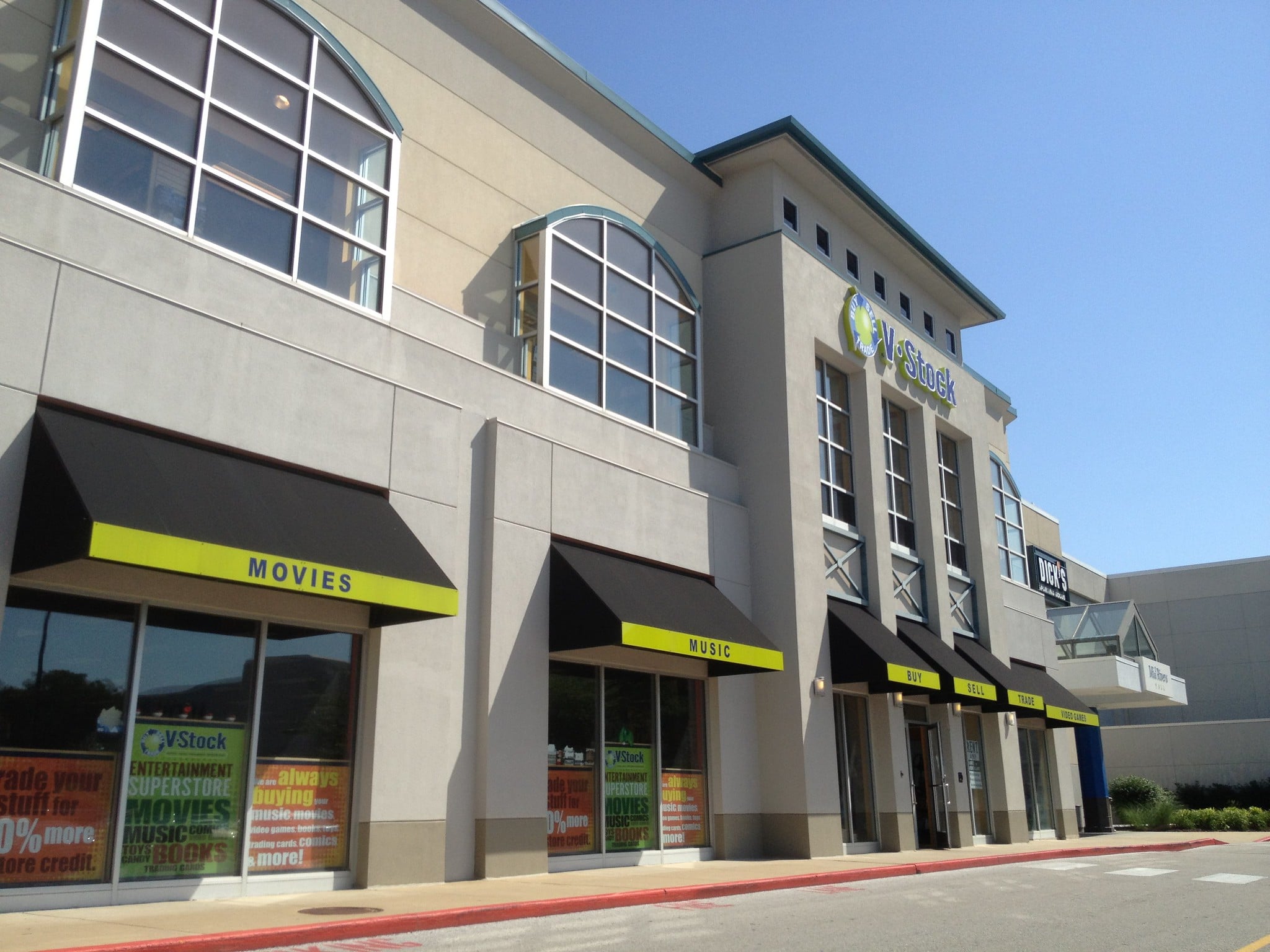
This St. Louis-area mall opened in 1987 and enjoyed success for about two decades. It featured popular anchor stores and drew families from across the region.
But changing shopping habits and competition from newer developments hurt business. Anchor stores closed, and by the early 2010s, the mall was in serious trouble.
It closed in 2019. The building hasn’t sat empty long compared to some others, but signs of abandonment are already visible.
Parking lots remain mostly empty, and grass grows through cracks in the pavement. Inside, closed storefronts line silent hallways, and the food court sits quiet.
The property is slated for redevelopment, but for now it stands as another example of retail’s changing landscape.
Northridge Mall, Milwaukee, Wisconsin

Northridge opened in 1972 and served Milwaukee’s north side for decades. The mall featured major retailers and drew steady crowds through the 1980s and 1990s.
But the area around the mall changed, crime increased, and retailers started leaving. By the early 2000s, the mall was struggling badly.
It closed in 2003. The building sat empty for years while city officials and developers debated its future.
During that time, vandals gutted the interior. Water damage from roof leaks spread throughout the structure, and mold grew across walls and floors.
The city eventually demolished most of the building, but one anchor store remained standing for years afterward. Photos from the abandoned period show complete devastation—torn-down walls, exposed infrastructure, and entire wings reduced to rubble.
Richland Mall, Richland, Washington

This small-town mall opened in 1979 and served the Tri-Cities area of Washington state. For years, it provided the only significant shopping option in the region.
But when newer developments opened nearby, shoppers migrated. The mall tried various strategies to stay relevant but couldn’t compete.
It closed in 2016. The building sat mostly empty afterward, with just a few tenants holding on in isolated corners.
The main concourses went dark, and the iconic central fountain was drained. Plans call for redeveloping the site into a mixed-use space, but progress has been slow.
Meanwhile, the structure shows increasing signs of neglect—faded signs, broken fixtures, and empty parking lots overtaken by weeds.
White Flint Mall, Kensington, Maryland

White Flint opened in 1977 and served as an upscale shopping destination for suburban Washington, D.C. The mall featured luxury retailers and attracted affluent shoppers for decades.
But plans to redevelop the surrounding area into a walkable urban center meant the mall’s days were numbered even before it started struggling.
Major anchor stores closed, and by 2015 the mall was dead. The building was demolished to make way for new high-density development.
Before it came down, photographers documented the abandoned interior—gleaming tile floors reflecting no one, escalators frozen in place, and storefronts dark behind security gates.
The upscale atmosphere made the emptiness feel even stranger.
Euclid Square Mall, Euclid, Ohio

This Cleveland-area mall opened in 1977 and thrived for about two decades. It served the predominantly African American community of Euclid with major retailers and local shops.
But economic challenges in the region and changing retail trends led to declining sales. Stores left gradually, and by the mid-2000s the mall was mostly empty.
It closed in 2016. The building sat abandoned briefly before demolition began.
During that time, urban explorers captured images of the empty structure—long corridors lined with closed gates, a silent food court, and a central atrium where shoppers once gathered. The site is now being redeveloped, but photos from the abandoned period serve as documentation of suburban retail’s decline.
Century III Mall, West Mifflin, Pennsylvania

Century III opened in 1979 and was once the largest mall in Pittsburgh. The massive structure featured every major retailer and drew huge crowds for decades.
But competition from newer developments and the shift to online shopping hurt business badly. Macy’s closed in 2018, effectively killing the mall.
The mall shut down in 2019. The building sits largely abandoned now, though a few businesses cling to space on the edges.
Most of the interior is dark and empty. The vast parking lots sit vacant, and weeds grow throughout.
Developers have proposed various redevelopment plans but nothing has moved forward yet. Photos show empty hallways stretching into darkness, closed storefronts, and an eerie quiet where crowds once shopped.
Sharpstown Mall, Houston, Texas
Sharpstown opened in 1961, making it Houston’s first major shopping center. For decades, it anchored the Sharpstown neighborhood and drew shoppers from across the city.
But demographic changes in the area and competition from newer malls led to declining traffic. By the 1990s, the mall was struggling.
It finally closed in 2020. The building sat mostly empty for years before that, with just a handful of tenants keeping the lights on.
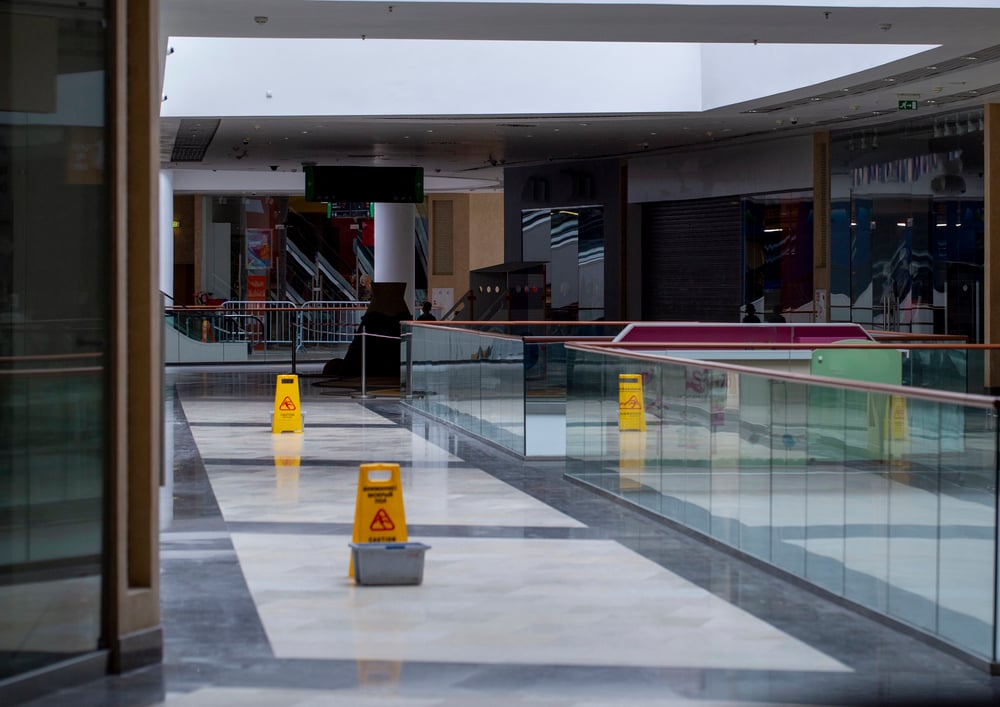
The structure is slated for demolition to make way for mixed-use development. Before redevelopment began, photographers documented the abandoned mall—empty storefronts with original 1960s details, a quiet food court, and hallways where few people walked anymore.
Marley Station Mall, Glen Burnie, Maryland

This Baltimore-area mall opened in 1987 and enjoyed strong business for years. It served the Anne Arundel County suburbs with popular stores and restaurants.
But anchor stores began closing in the 2010s, and foot traffic dropped. By 2020, the mall was in serious decline.
The pandemic pushed it over the edge. Most remaining stores closed, and the mall effectively died.
Plans call for redeveloping the property into a mixed-use center, but for now much of the building sits empty. Photos show closed storefronts, empty corridors, and parking lots with few cars.
The mall isn’t officially abandoned yet, but it’s heading that way.
Eastland Mall, Tulsa, Oklahoma

Eastland opened in 1976 and served Tulsa’s east side for decades. The mall featured standard anchor stores and drew steady crowds through the 1980s and 1990s.
But crime in the surrounding area increased, and shoppers started avoiding the location. Retailers left, and the mall entered terminal decline.
It closed in 2016. The building sat empty until demolition began in 2018.
During those years, vandals stripped the interior and covered walls with graffiti. Roof leaks caused extensive water damage, and entire sections of the mall became unusable.
Before demolition, urban explorers documented the decay—collapsed ceiling tiles, flooded hallways, and storefronts ransacked by scavengers.
Lakeside Mall, Sterling Heights, Michigan

Lakeside opened in 1976 and became one of metro Detroit’s premier shopping destinations. The large mall featured major department stores and attracted shoppers from across the region.
But retail’s decline hit Michigan hard, and anchor stores began closing. Sears left in 2018, JCPenney in 2020, and Macy’s in 2021.
The mall closed in 2022. The structure sits empty now, with developers planning to redevelop the site.
The interior already shows signs of abandonment—empty storefronts, dark hallways, and silent escalators. Photos capture the eerie transition from busy shopping center to vacant structure, a transformation that happened remarkably fast.
Great Mall of the Great Plains, Olathe, Kansas

This Kansas City-area mall opened in 1997 as an outlet shopping center. It featured discounted brand-name stores and drew bargain hunters from across the region.
But the concept never quite worked in that location. Foot traffic remained lower than expected, and stores struggled to stay profitable.
The mall closed in 2015. The building sat empty for years until a church purchased part of the structure.
Most of the building remains vacant. Photos show long corridors with closed storefronts, a central atrium that once echoed with shoppers’ voices, and parking lots reclaimed by nature.
The mall’s relatively recent vintage makes its abandonment feel especially sudden.
Metrocenter Mall, Phoenix, Arizona

Metrocenter opened in 1973 and was Arizona’s first enclosed shopping mall. For decades, it served as Phoenix’s shopping hub, drawing crowds from across the sprawling metro area.
The massive structure featured multiple anchor stores and hundreds of smaller retailers. But competition from newer developments and crime in the surrounding area led to its slow death.
It closed in 2020. The building sits abandoned now, awaiting demolition and redevelopment.
The structure shows clear signs of neglect—broken windows, empty parking lots, and storefronts stripped of signage. Inside, the once-bright corridors are dark, and the central courtyard where people used to gather sits silent.
Photos capture the contrast between the mall’s former glory and its current desolation.
Sunrise Mall, Brownsville, Texas

Sunrise opened in 1979 and served South Texas shoppers for decades. The mall featured typical anchor stores and local businesses that drew families from Brownsville and surrounding towns.
But economic challenges along the border and changing retail habits hurt the mall badly. Major stores left, and foot traffic dropped.
The mall closed in 2021. Plans call for redeveloping the site, but the building sits largely empty now.
Only a few tenants remain in isolated corners. Most of the structure is dark and quiet.
Photos show empty hallways, closed metal gates, and a food court where nobody eats. The tropical Texas weather has already started taking its toll, with moisture damage visible throughout the structure.
Chapel Hill Mall, Akron, Ohio

Chapel Hill opened in 1967 and served Akron’s west side for decades. The mall featured the standard anchor stores and local retailers that defined suburban shopping.
But Rolling Acres Mall opened nearby in 1975, pulling shoppers away. Chapel Hill struggled to compete and went into decline.
It closed in 2009. The building sat empty for years before demolition began in 2016.
During that time, vandals and scavengers gutted the interior. Water damage from roof leaks spread throughout the structure.
Before demolition, photographers documented the extensive decay—collapsed sections, graffiti covering every surface, and entire wings reduced to rubble. The mall’s early closure made it one of Ohio’s longest-abandoned retail spaces.
Fairlane Town Center, Dearborn, Michigan

Fairlane opened in 1976 and was once one of metro Detroit’s premier malls. The structure featured unique architecture with soaring ceilings and modern design elements.
It drew shoppers from across the region for decades. But retail’s decline hit hard, and anchor stores began closing one by one.
The mall struggled through the 2010s and closed major portions during the pandemic. Most of the structure now sits empty, though a few stores remain.
Plans call for redeveloping the site, but progress has been slow. Photos show vast sections with closed storefronts, empty escalators, and hallways where few people walk.
The mall isn’t fully abandoned yet, but it’s clearly dying.
Lincoln Mall, Matteson, Illinois

Lincoln opened in 1973 and served Chicago’s south suburbs for decades. The mall featured major department stores and drew families from surrounding communities.
But crime increased in the area, and shoppers started going elsewhere. Retailers left gradually, and by the early 2010s the mall was failing.
It closed in 2015. The building sat empty until demolition began in 2019.
During those years, vandals stripped fixtures and covered walls with graffiti. Roof damage let water pour into the structure, creating standing pools throughout the building.
Before demolition, urban explorers documented the devastation—collapsed ceilings, destroyed storefronts, and corridors filled with debris.
Cary Towne Center, Cary, North Carolina

Back in 1979, Cary Towne Center swung open its doors to meet the needs of a fast-spreading Raleigh area. With familiar big-name anchors inside, foot traffic flowed without much fuss for quite some time.
Then sleeker spots started rising close by, drawing customers with fresh appeal. Store after store packed up, slipping out one by one until silence filled most corners.
By the middle of the 2010s, wide-open hallways told the story of what used to be. The doors shut for good in 2021.
Instead of stores and shoppers, there are plans – housing stacked with shops might rise one day. Right now though, silence fills most rooms.
Walk through, you see blank windows, hallways dim under flickering lights, asphalt cracked where dandelions crowd out tire tracks. Growth surges around it, new homes popping up like mushrooms after rain.
That emptiness stands out even more because everything else is moving fast.
When Retail Goes Quiet

Inside these walls, memories hum beneath flickering lights. A different world lived here once – slow, predictable, full of routine visits.
Every December, parents lined up with children waiting for a man in red. First paychecks came from behind counters that smelled like grease and sugar.
Weekends unfolded without schedules, just steps echoing across tile floors. Empty now, these places wonder what happens next.
Torn down entirely, some of them will vanish without a trace. Mixed-use spots – apartments above, shops below – could rise where others once stood.
Slow decay takes hold in a handful, stuck in place with nothing changing. Out there, behind every closed door and silent hallway, a shift unfolds – quiet yet certain.
When people stop showing up, what once thrived begins fading within weeks. These images capture that moment: familiar places hollowed out by quiet abandonment.
Not with warning, but simply by being left behind. What stands now are shells where crowds used to gather daily.
Change arrives not through drama, but absence piling up day after day.
More from Go2Tutors!

- The Romanov Crown Jewels and Their Tragic Fate
- 13 Historical Mysteries That Science Still Can’t Solve
- Famous Hoaxes That Fooled the World for Years
- 15 Child Stars with Tragic Adult Lives
- 16 Famous Jewelry Pieces in History
Like Go2Tutors’s content? Follow us on MSN.