Rare Albino Animals
The animal kingdom is full of color—from brilliant blue jays to striped zebras to spotted leopards. Albino animals break that mold, appearing with pure white skin, pink eyes, and an almost unreal appearance. This genetic condition prevents pigment production, creating creatures that are both beautiful and vulnerable.
Albino Alligator

An albino alligator looks like a prehistoric ghost gliding through water. Extremely rare in the wild, their white skin offers no camouflage, making them easy targets for predators.
Zoos often house these creatures, where their pale pink eyes and translucent skin fascinate visitors.
Albino Deer
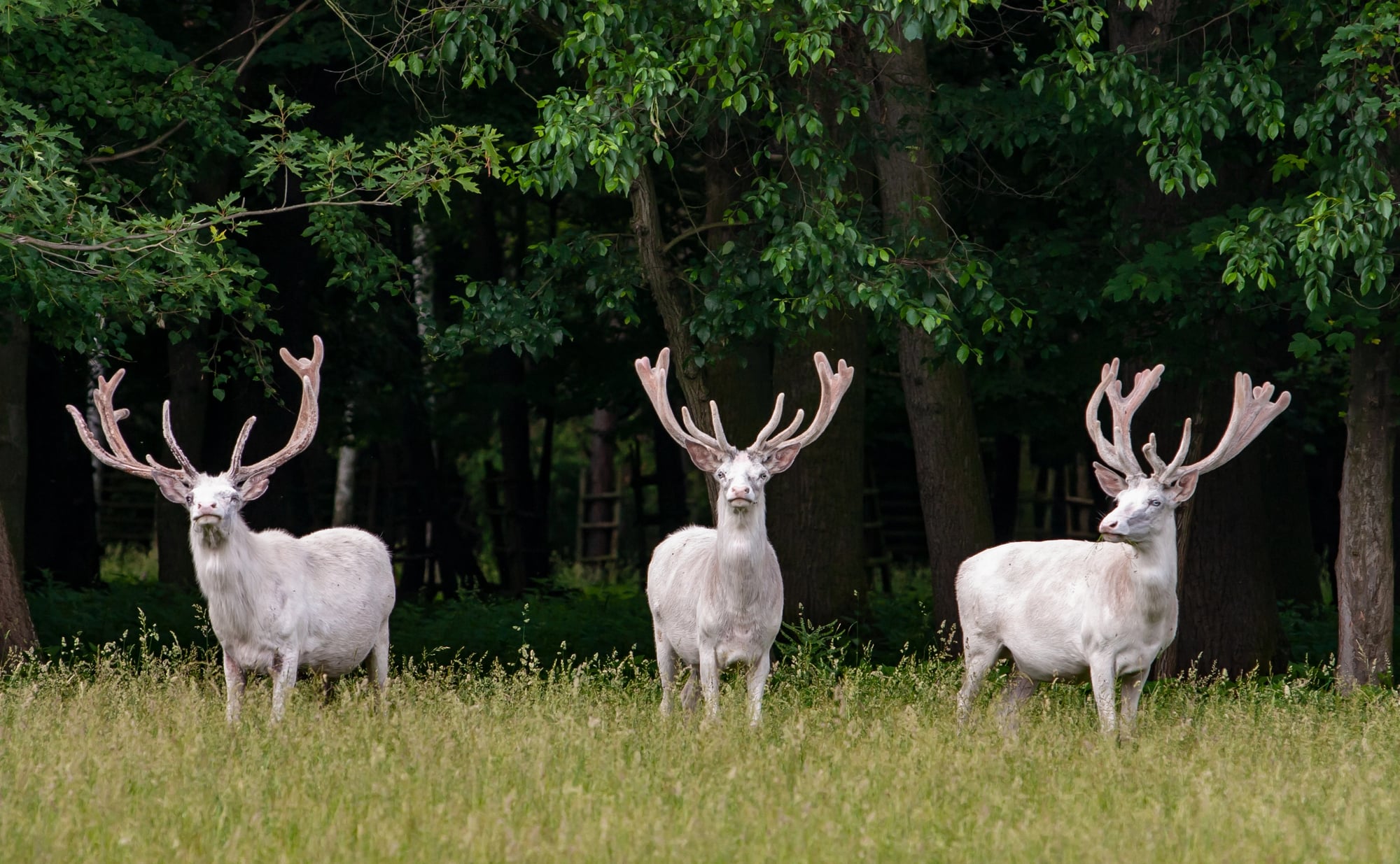
White deer have long been symbols of mystery or sacredness. An albino deer stands out against green forests, making survival difficult.
Despite challenges from predators and other deer, some live for years, becoming local legends.
Albino Penguin

Instead of black and white, an albino penguin is pure white except for dark eyes. In Antarctica, this can help with camouflage against snow, but social hierarchies make it harder for them to integrate into colonies.
Albino Peacock

An albino peacock’s tail is pure white with hints of transparency. While breathtaking, females often prefer traditionally colored males, creating mating challenges.
Zoos prize these birds for their rarity and elegance.
Albino Python

A white python looks like a ghost moving through vegetation. Without camouflage, survival in the wild is difficult.
Albino pythons thrive mainly in captivity, where their striking appearance is highly sought after.
Albino Zebra

A zebra without stripes loses social, thermoregulation, and predator-confusing advantages. Albino zebras are rarely seen in the wild, and most that survive become research subjects or zoo residents.
Albino Koala

Albino koalas appear almost pure white against eucalyptus trees. Camouflage loss makes survival in the wild extremely difficult.
Zoos often house them, where they become beloved attractions.
Albino Crocodile

These massive reptiles look both majestic and alien. White coloring makes hunting and survival in the wild nearly impossible, but captive albino crocodiles draw attention wherever they are kept.
Albino Kangaroo

An albino kangaroo stands out against the Australian outback, losing the natural protection of its typical reddish-brown coat. Rare sightings are mostly in zoos or wildlife facilities.
Albino Porcupine

While strikingly white, albino porcupines still retain their defensive quills. Occasional wild survival occurs, and sightings in sanctuaries amaze visitors.
Albino Orangutan

These intelligent primates appear almost entirely white, making social integration challenging. Most documented albino orangutans live in captivity, symbolizing conservation efforts.
Albino Rabbit

Albino rabbits are common in captivity but extremely vulnerable in the wild due to predators spotting them easily. Domestic protection allows them to thrive despite their lack of camouflage.
Albino Bear

A white bear eliminates natural camouflage in forests. Documented cases are rare and of high scientific interest, with most sightings in specific regions.
Albino Elephant

White elephants are extraordinarily rare. Social challenges in herds occur, but predators are less of a threat due to their massive size..
Albino elephants often become protected symbols.
Albino Owl
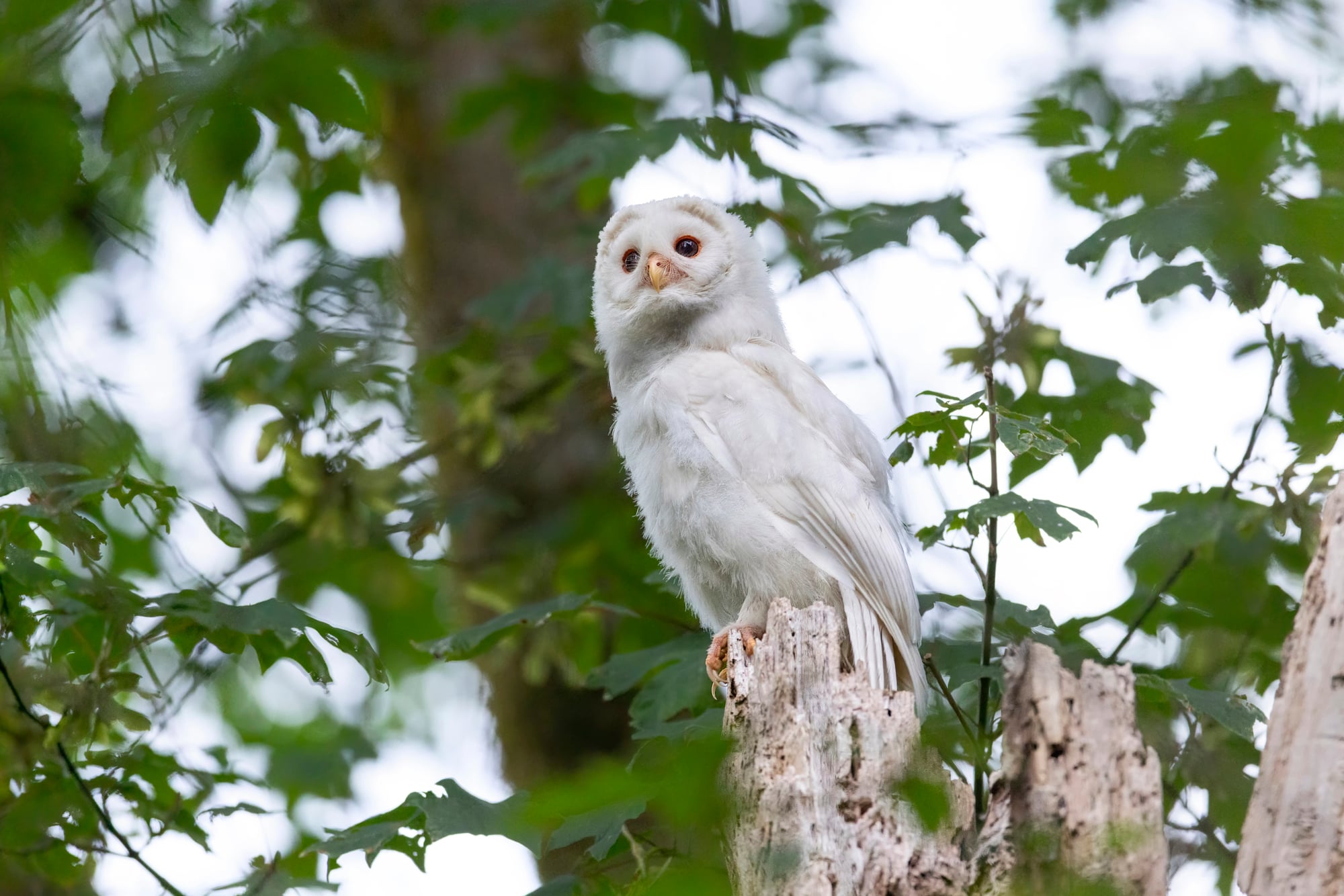
With pure white feathers and pink eyes, albino owls appear almost supernatural. They lose daytime camouflage but are less affected at night.
Occasional sightings inspire folklore and local legend.
When White Becomes Rare

Albinism highlights the importance of pigmentation in survival. While it complicates life in the wild, captive settings allow albino animals to thrive, be studied, and captivate human imagination.
Witnessing one is seeing nature defy the odds.
More from Go2Tutors!

- The Romanov Crown Jewels and Their Tragic Fate
- 13 Historical Mysteries That Science Still Can’t Solve
- Famous Hoaxes That Fooled the World for Years
- 15 Child Stars with Tragic Adult Lives
- 16 Famous Jewelry Pieces in History
Like Go2Tutors’s content? Follow us on MSN.