16 Rare Desert Plants and Blooming Flowers
Deserts might seem dry and empty at first glance, but they’re full of surprising beauty if you know where to look. Beneath the harsh sun and inside that cracked soil live some of the toughest and most unique plants in the world. These plants don’t just survive—they bloom, thrive, and sometimes even look more colorful than a regular garden. They’ve figured out how to turn hard conditions into something amazing.
Let’s take a walk through some of the rarest desert plants and blooming flowers that quietly brighten the world’s driest places.
Ghost plant
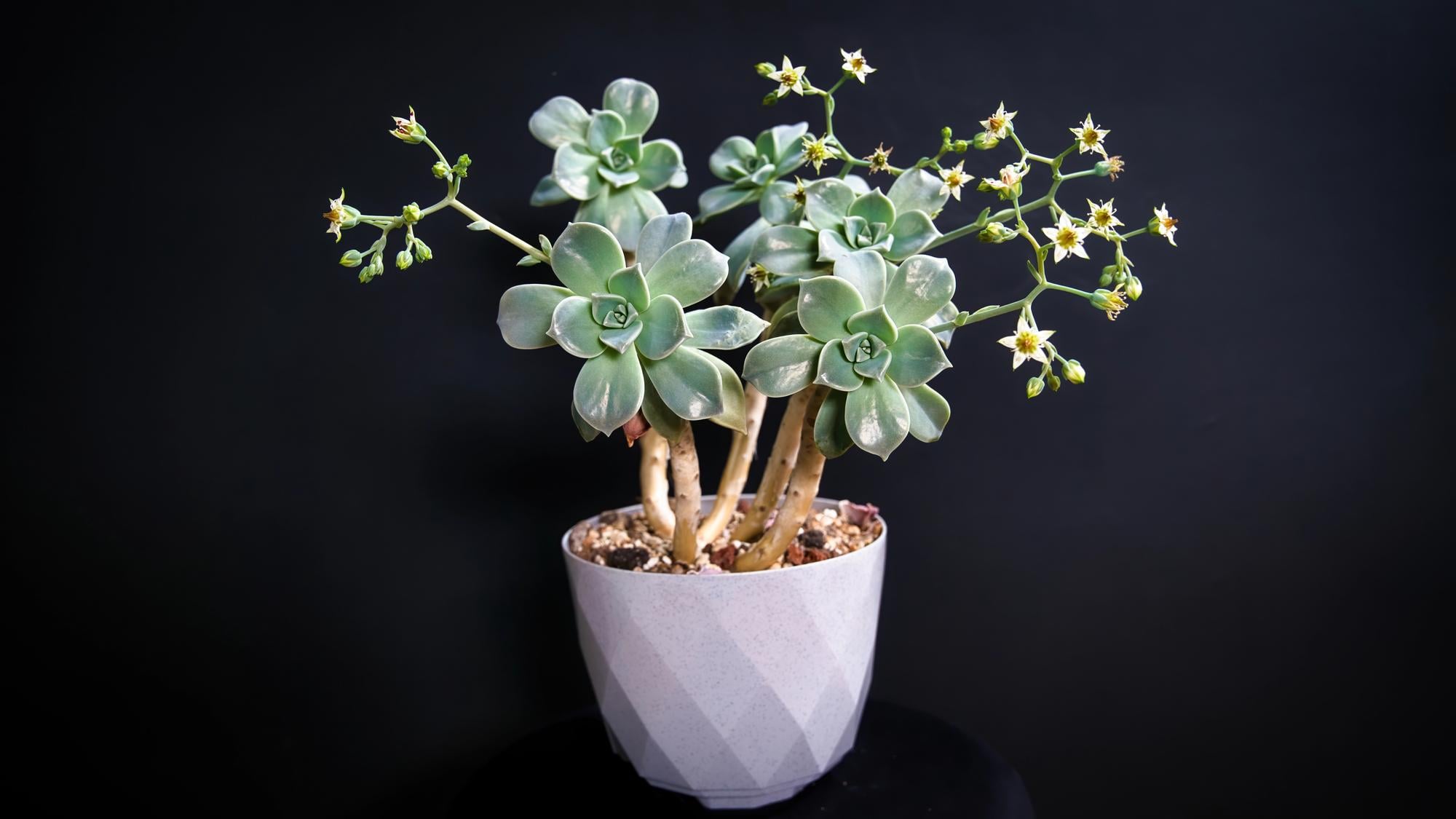
This plant looks like it doesn’t belong in the desert at all. The ghost plant has pale gray or light purple leaves that seem almost fake because of their soft, waxy glow. It stores water in its thick, fleshy leaves, making it perfect for dry places. When it blooms, the yellow flowers stand out sharply against the dusty landscape. It’s not just rare—it’s quietly beautiful.
Desert five-spot
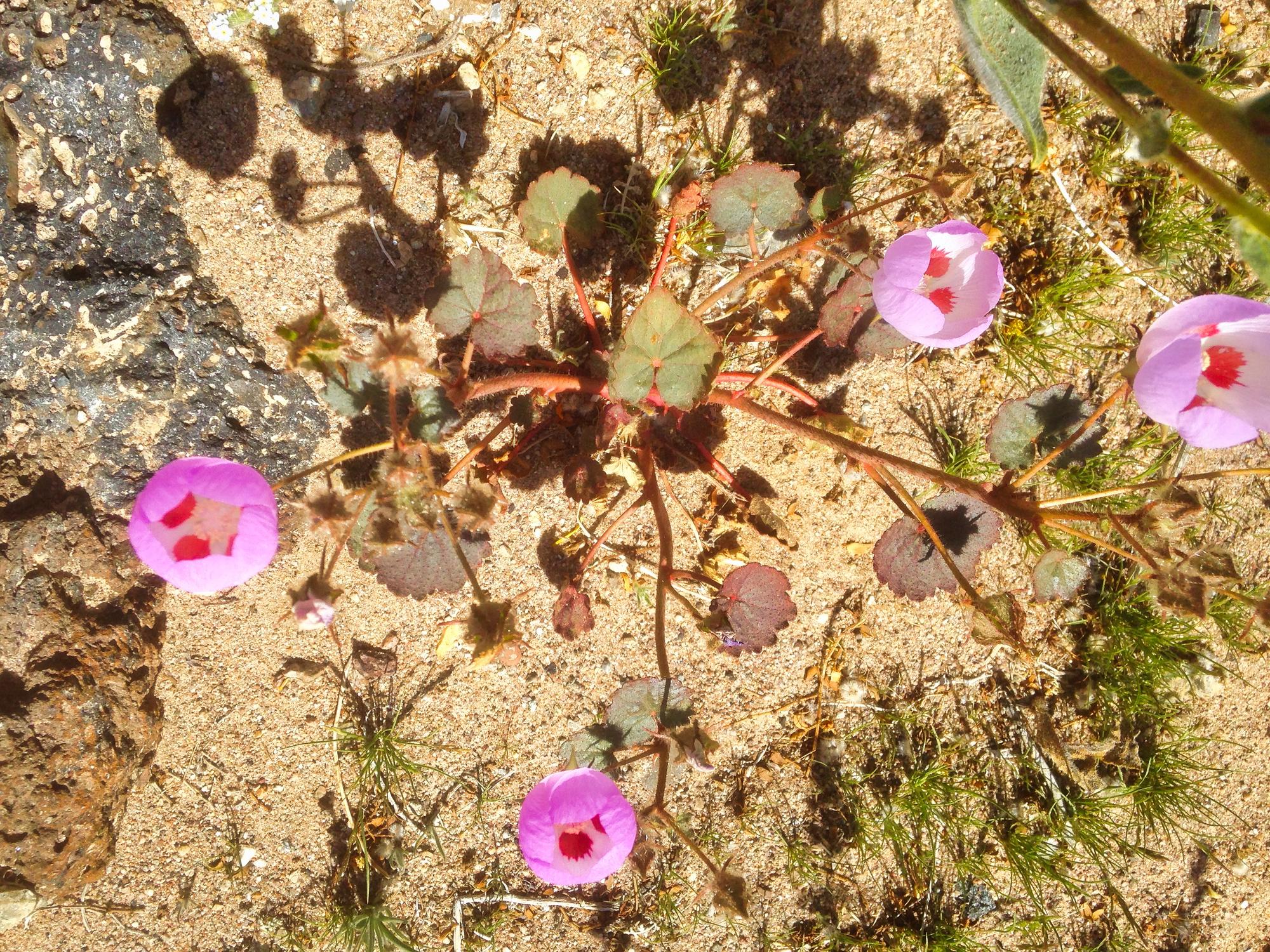
You might miss it if you’re not paying attention, but the desert five-spot is one of the most charming flowers out there. It has soft pink petals, each with a dark purple dot at the base—hence the name. This flower pops up after spring rains and doesn’t last long, which makes spotting it feel like winning a small prize. It tends to grow low to the ground, hugging the soil tightly to stay cool. Not everyone gets to see it, which makes it even more special.
Like Go2Tutors’s content? Follow us on MSN.
Welwitschia
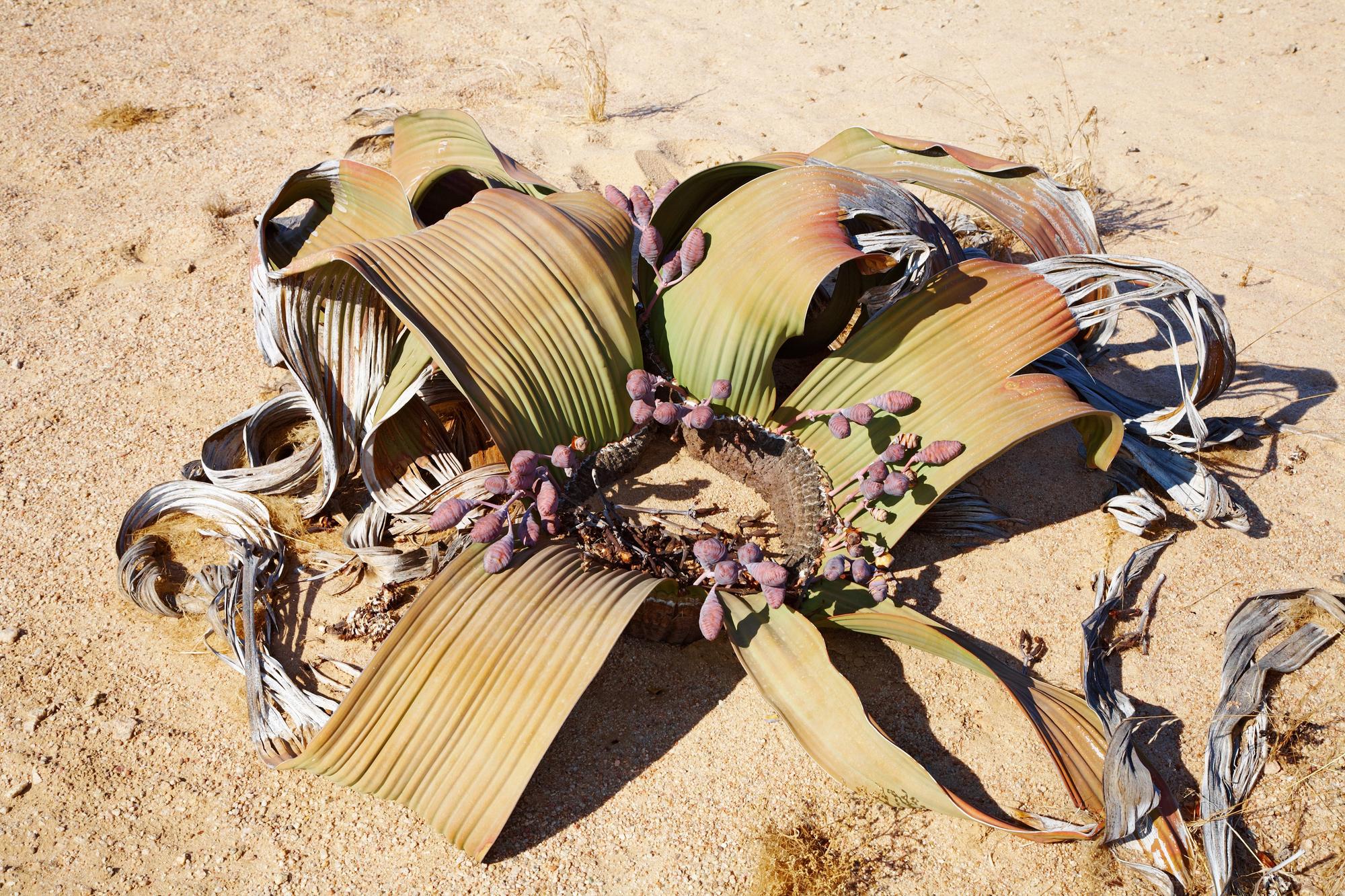
This plant looks more like a mistake than something real. Found only in the Namib Desert, the welwitschia grows just two long, thick leaves that never stop growing. They get shredded and twisted by wind and sand over time, but the plant keeps going, living for hundreds—sometimes over a thousand—years. It pulls moisture from fog rather than rain, proving nature can be very creative when it needs to be.
Saguaro cactus blossom
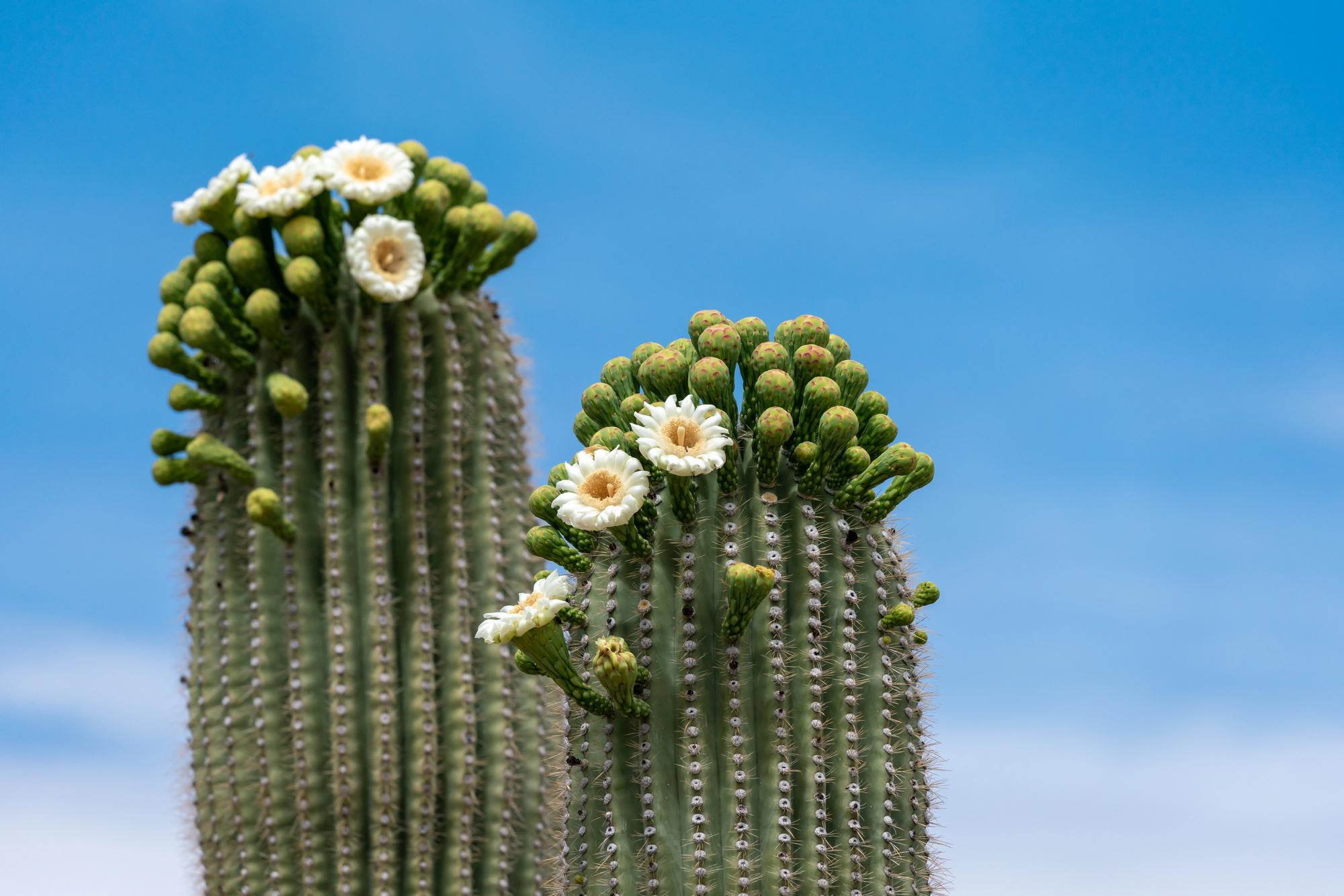
The saguaro is already famous, but its flower? That’s the real star. This giant cactus grows tall and spiny, but in late spring, it surprises everyone with large, creamy white flowers that open at night. They’re pollinated by bats and bees before closing again the next day. The flowers bloom at the very top of the plant, so you may need to look up to see them. These blossoms are actually Arizona’s state flower—pretty cool for something that grows in the desert.
Desert lily
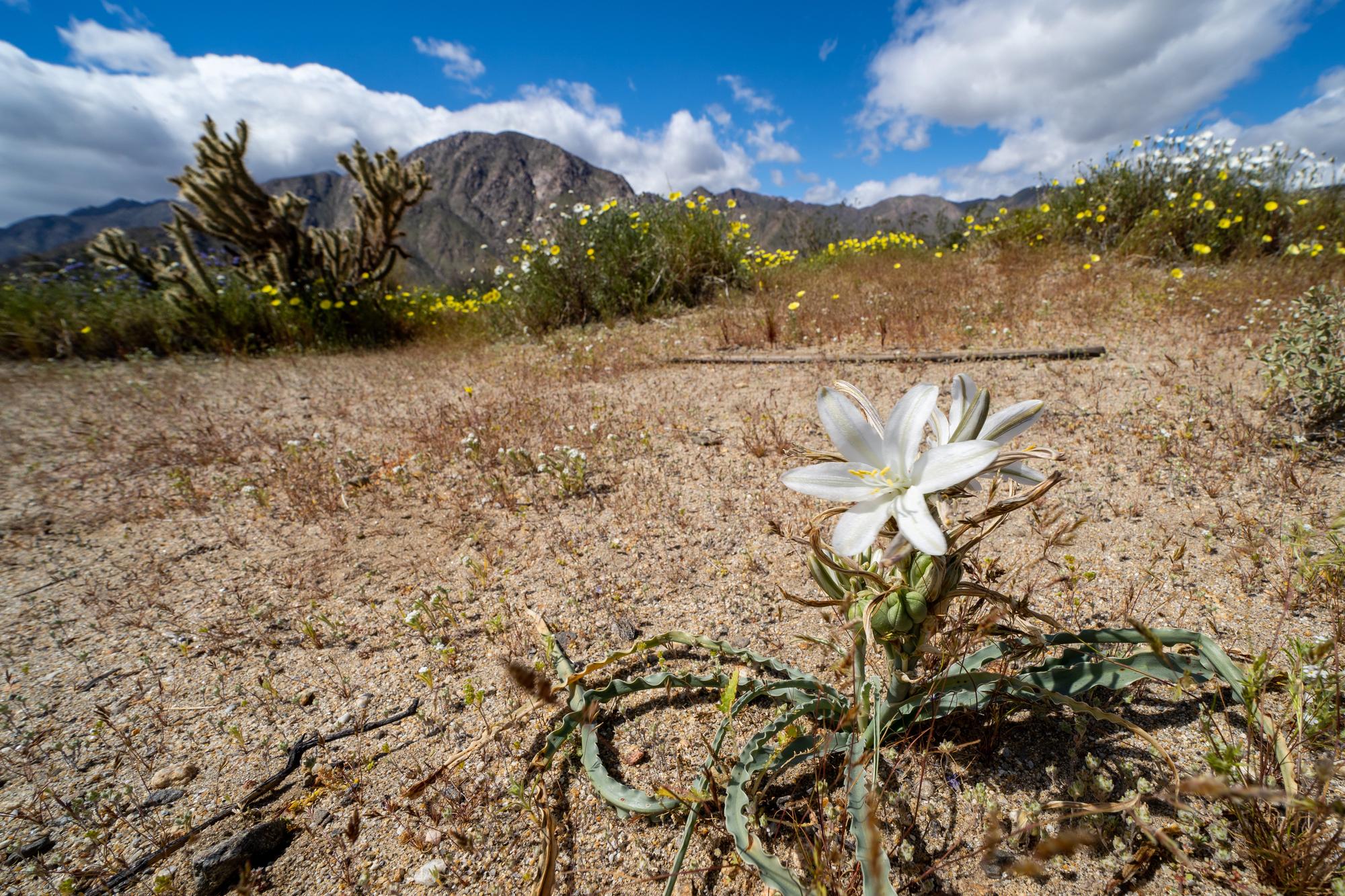
Despite the name, this isn’t the kind of lily you’d find in a florist’s shop. The desert lily pushes through dry sand, and when it blooms, it gives off white, star-shaped flowers that smell sweet. It usually blooms after rare winter rains, often popping up in the middle of nowhere like a surprise gift. Its beauty is soft and classic, looking like it belongs in a vase instead of out in the wild. But it’s tougher than it looks.
Like Go2Tutors’s content? Follow us on MSN.
Boojum tree
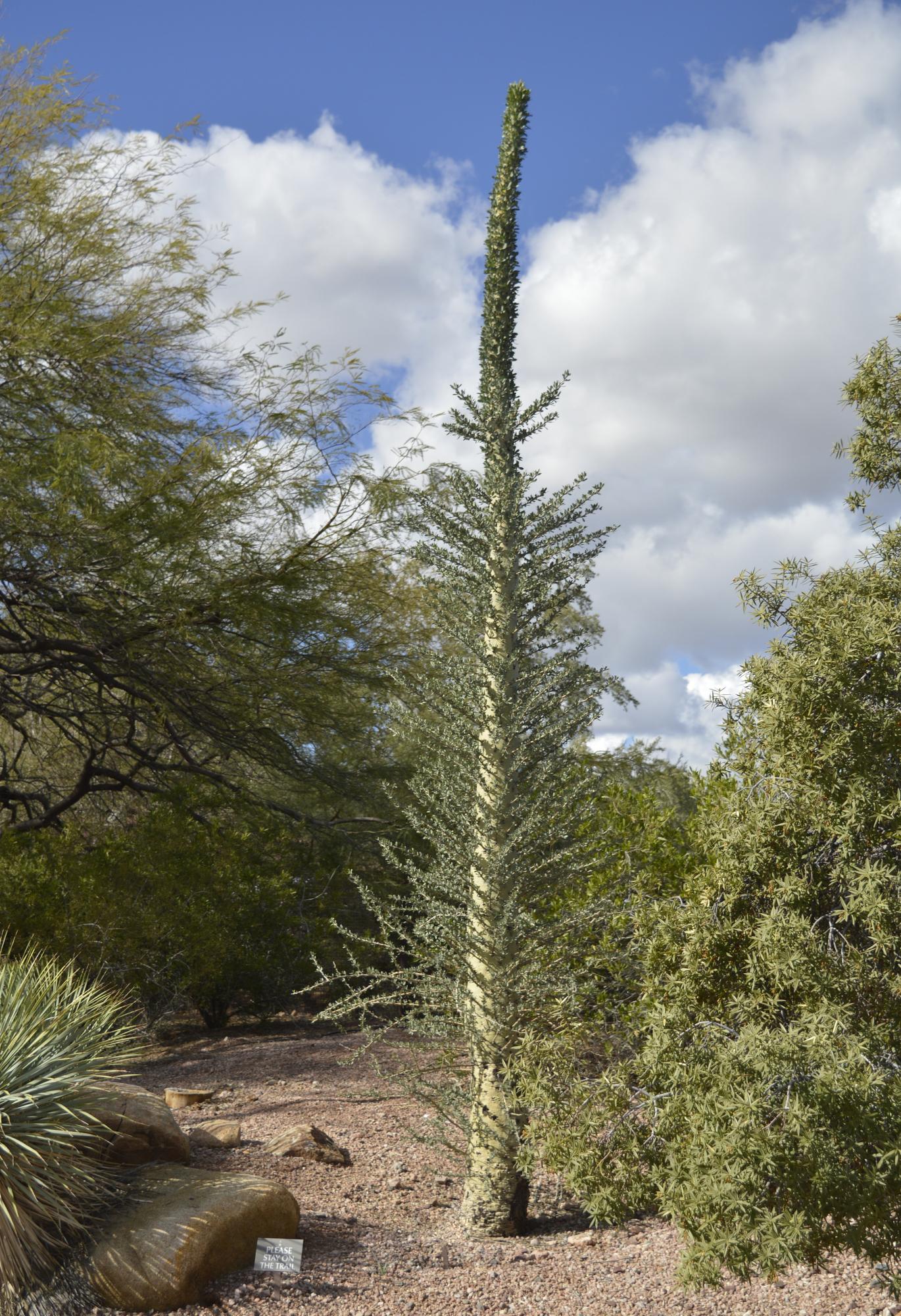
With a name like boojum, you know it has to be something odd. This tree grows tall but has a narrow trunk that looks like a giant upside-down carrot. Native to Baja California, it almost seems like it doesn’t belong on Earth. During the bloom season, it’s covered in small white flowers that attract bees. Its strange shape and rare location make it one of the desert’s most unusual sights.
Joshua tree bloom
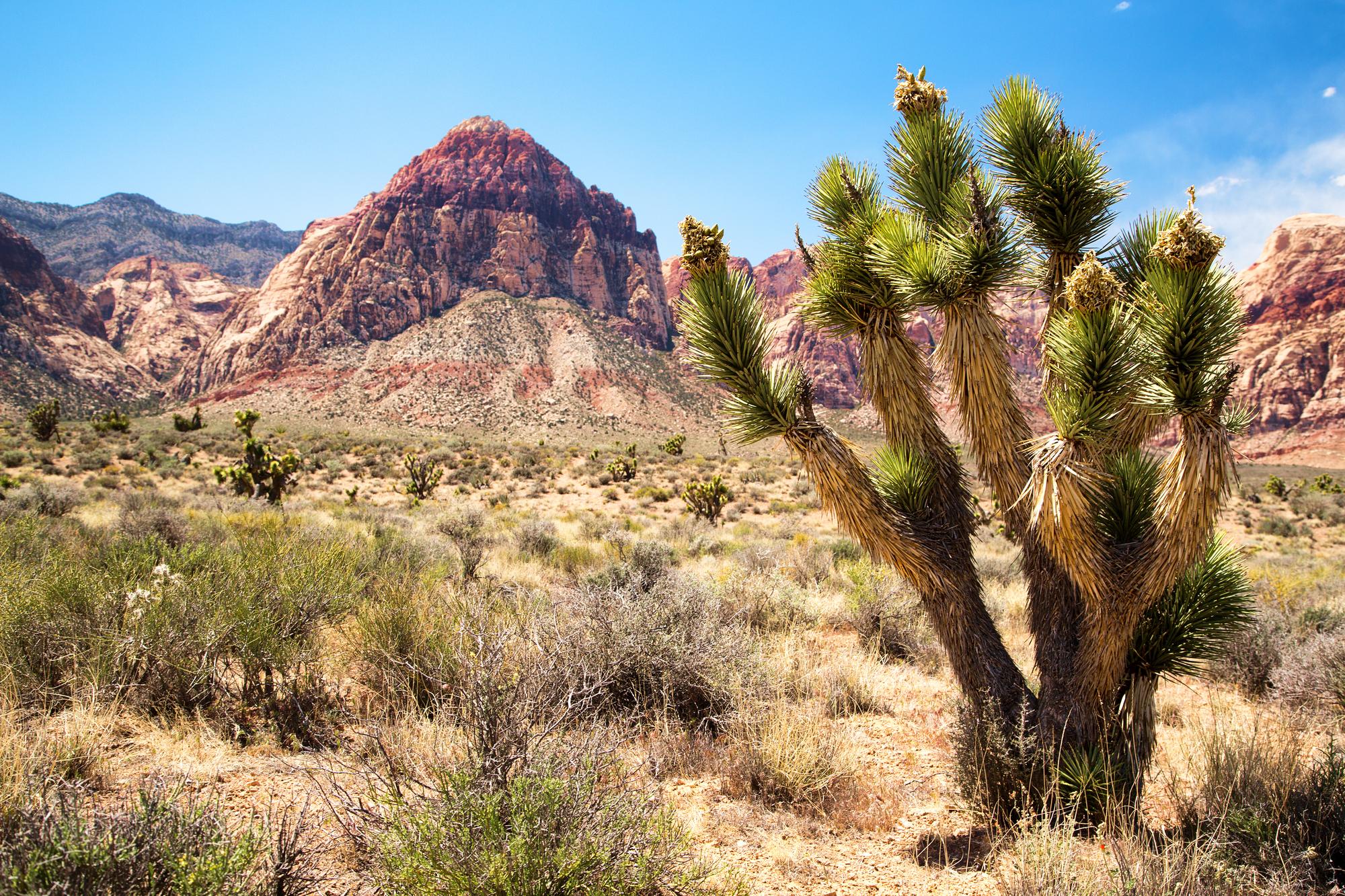
Most people recognize the spiky shape of the Joshua tree, but its flowers are less known. When it decides to bloom, usually in spring, it grows clusters of greenish-white flowers at the ends of its branches. The bloom depends on having a cold winter, which doesn’t always happen in the desert, so the flowering can be hit or miss. These blooms attract moths, which are also needed to pollinate the tree. It’s a quiet and clever relationship.
Sand verbena
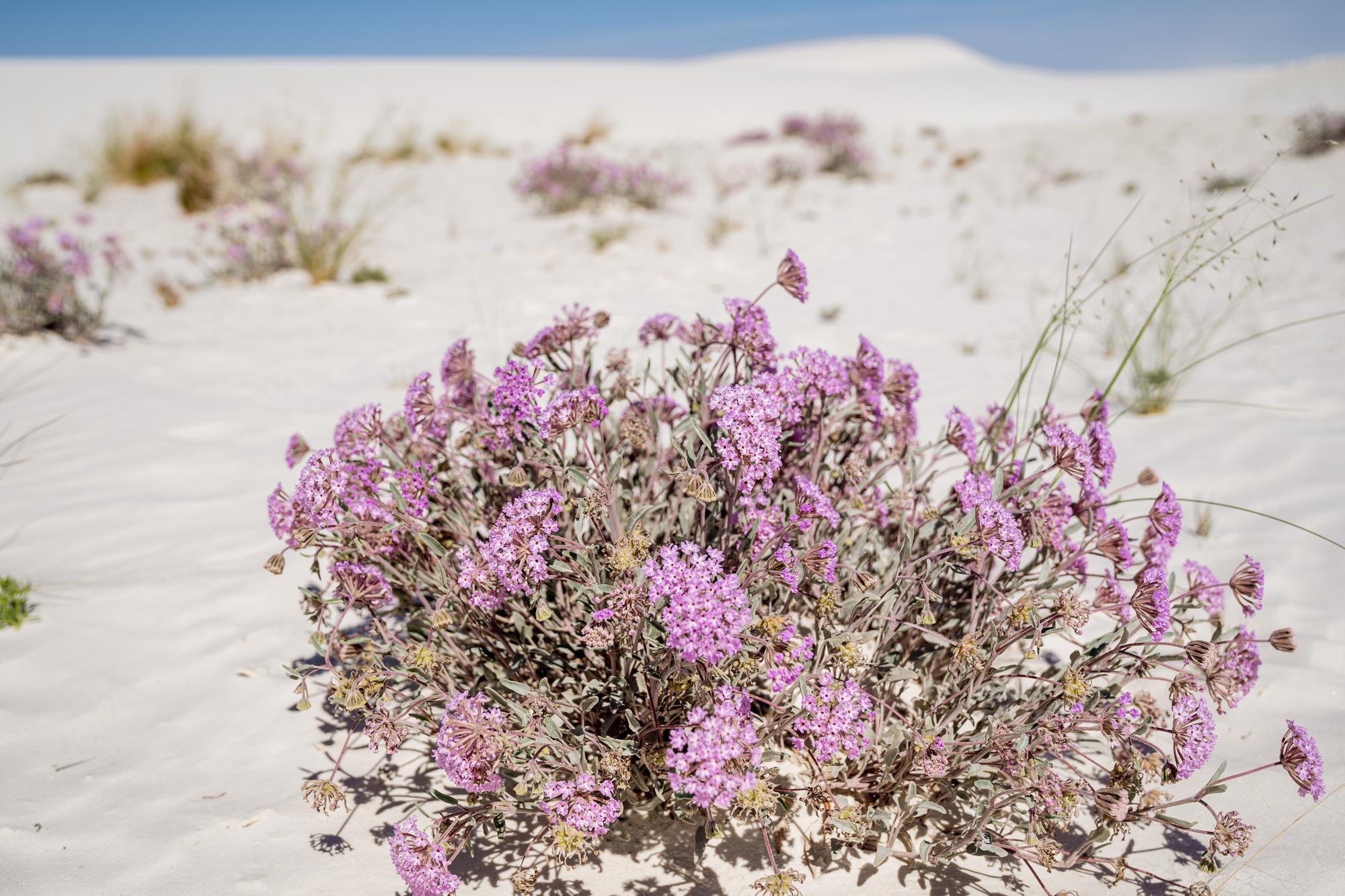
After a good rain, the sand verbena turns dry land into a carpet of color. This plant grows in clusters and produces bright purple or pink flowers that look almost too cheerful for the desert. Its sweet scent spreads with the breeze, especially in the early morning or late evening. It’s one of the few plants that can transform a rough desert landscape into a soft, colorful field. But it doesn’t last long—once the heat returns, it disappears.
Like Go2Tutors’s content? Follow us on MSN.
Fishhook barrel cactus
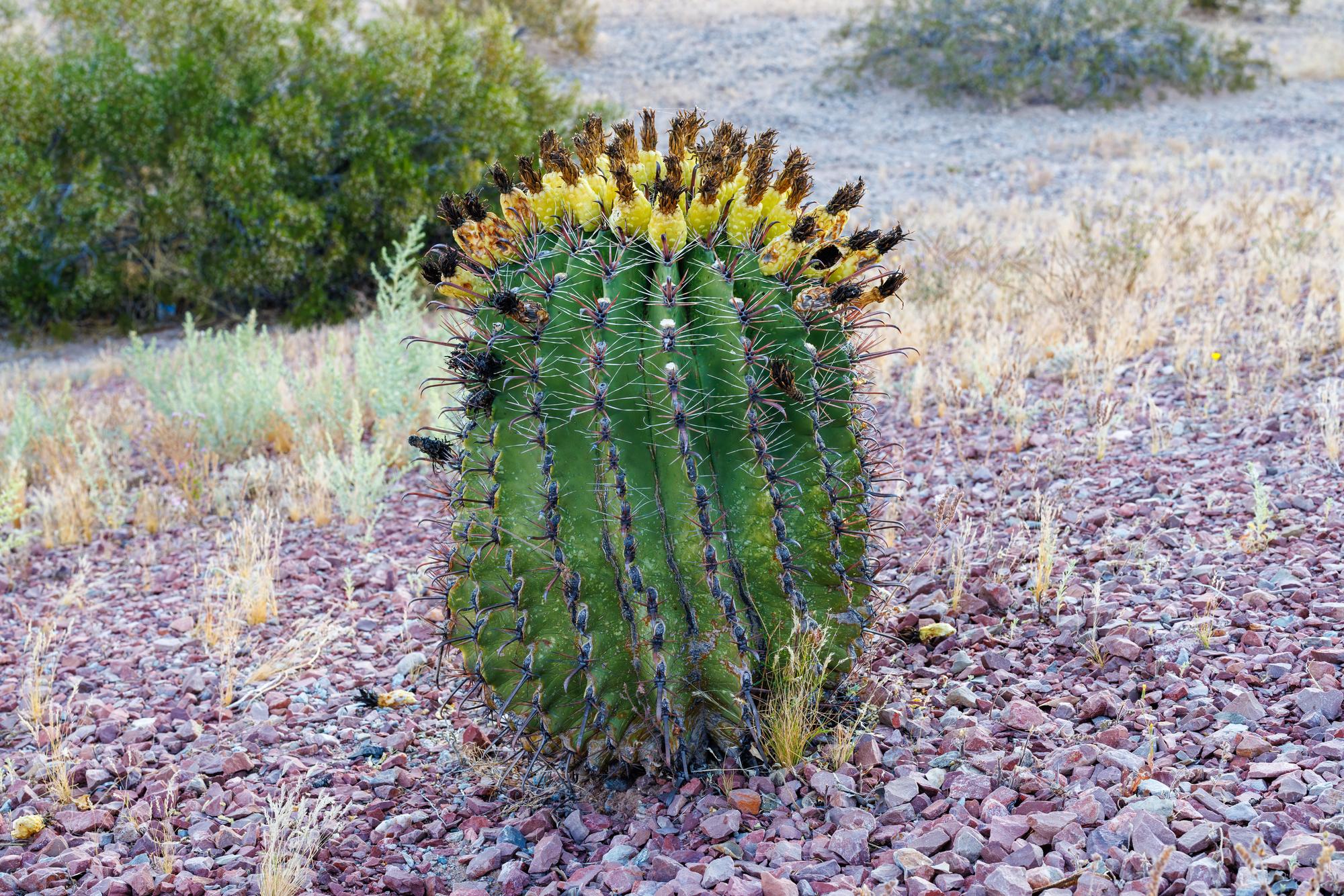
It’s round, fat, and covered in hooked spines that look like they mean business. But in the summer, this cactus shows a softer side. It blooms with yellow or orange flowers that form a crown on top. The flowers are small but bright, creating a ring that looks like a tiny fire on its head. People also call it “compass cactus” because it often leans toward the southwest.
Ocotillo
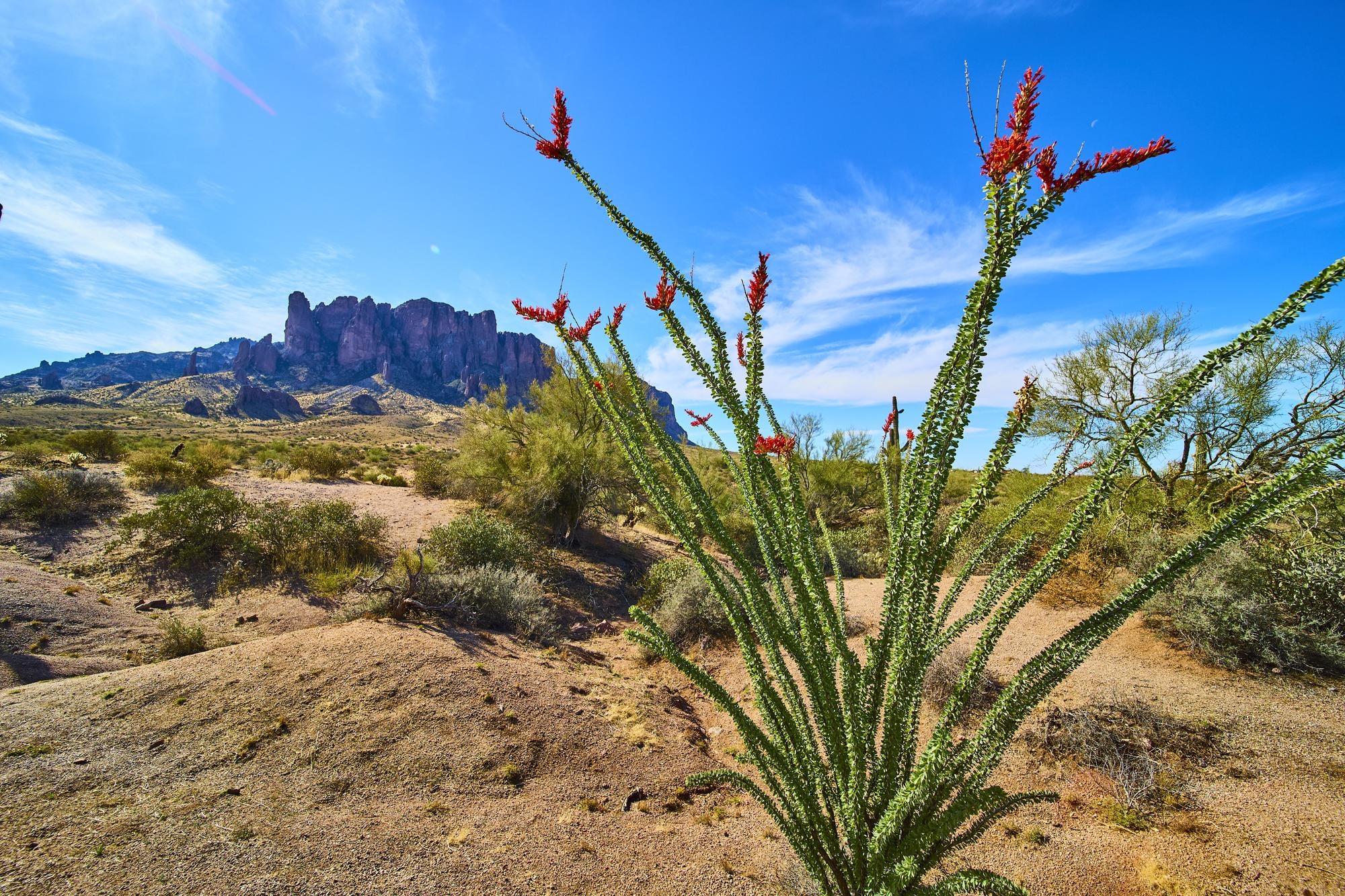
This plant looks like a bunch of dry sticks poking out of the ground—until it rains. Then everything changes. The stems grow green leaves overnight, and bright red flowers appear at the tips, looking like small torches. Hummingbirds love it, and so do people who are lucky enough to see it bloom. Even though it’s called a cactus by some, it’s not one—it just lives like one.
Parry’s penstemon
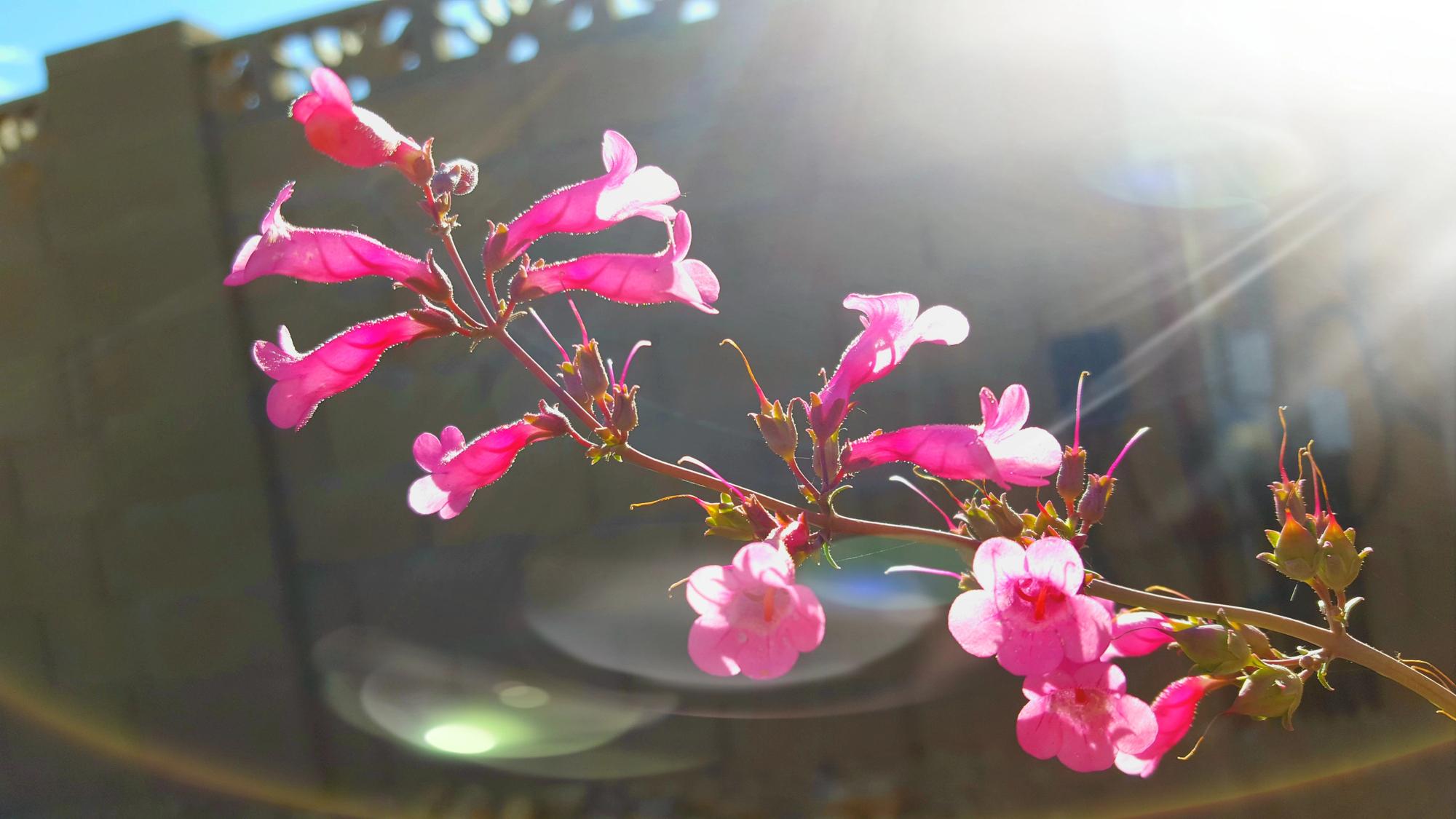
If you see tall stalks covered in pink or reddish flowers while walking in the desert, that might be Parry’s penstemon. This plant brings vertical color to flat, brown landscapes. The flowers are shaped like tubes, perfect for hummingbirds to dip their beaks into. It grows in rocky or sandy soil and doesn’t need much to thrive. A small rain is enough to wake it up.
Like Go2Tutors’s content? Follow us on MSN.
Devil’s claw

With a name like that, you’d expect something scary. And the seed pods do look like claws. But the plant itself has delicate pink or purple flowers and soft green leaves. It grows low to the ground and tends to spread out. People have used the seed pods for crafts, but it’s the bloom that really gives this plant its quiet charm.
Beavertail cactus
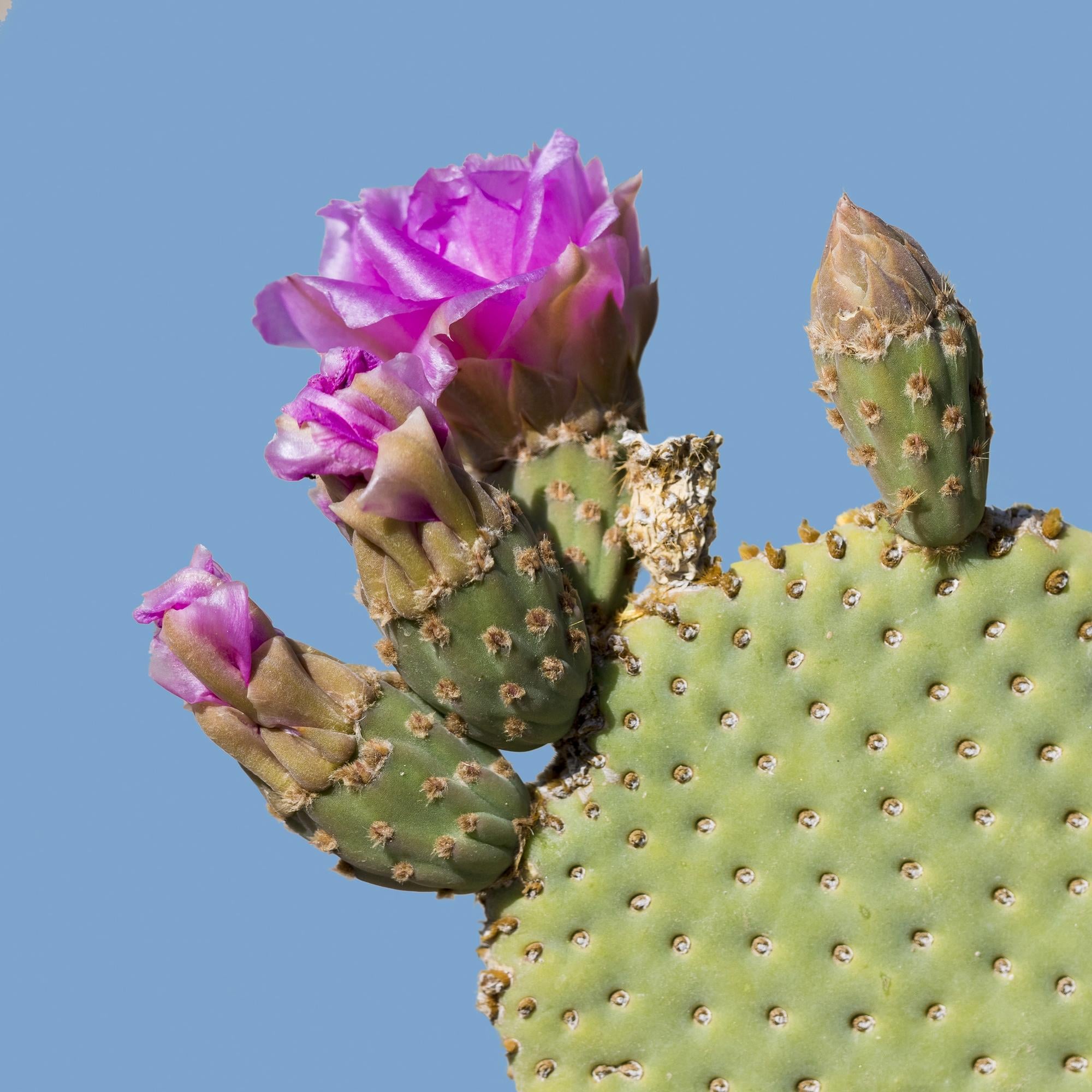
Flat, paddle-shaped stems and bright magenta flowers make this cactus a standout. The flowers look like giant roses growing out of something that definitely doesn’t look like a rose bush. They bloom in spring, often right after the first warm weeks. You can find them across the southwestern United States, but the bloom is still something you don’t forget easily. It’s tough, bold, and a little flashy.
Fairy duster
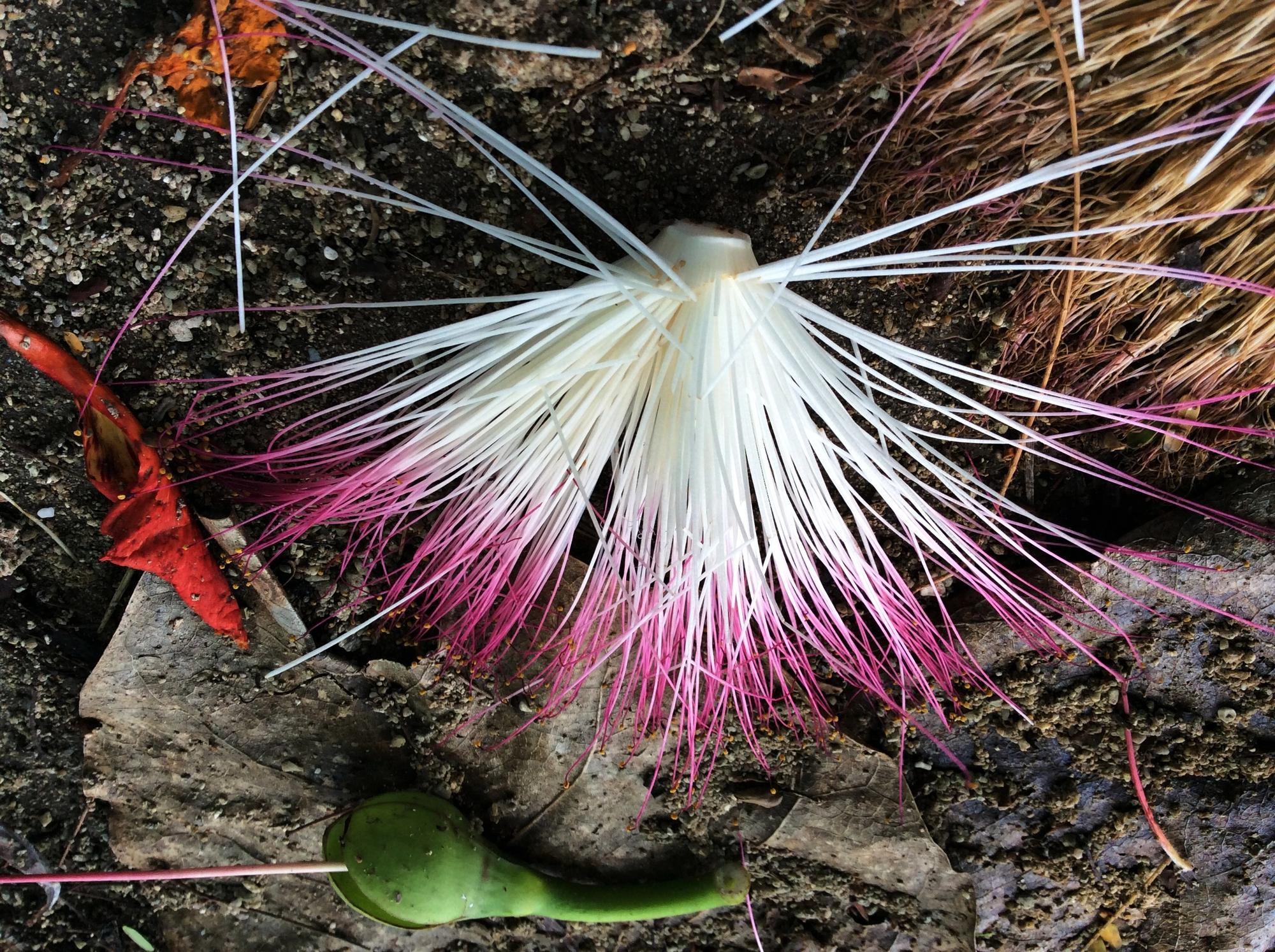
The name sounds sweet, and the plant lives up to it. Fairy duster produces pink, fluffy flowers that look like tiny powder brushes. The blooms appear on small shrubs, often hidden among rocks and sand. It doesn’t need much water and thrives in hot places. Birds and insects are drawn to it, and honestly, people are too.
Like Go2Tutors’s content? Follow us on MSN.
Desert mariposa lily
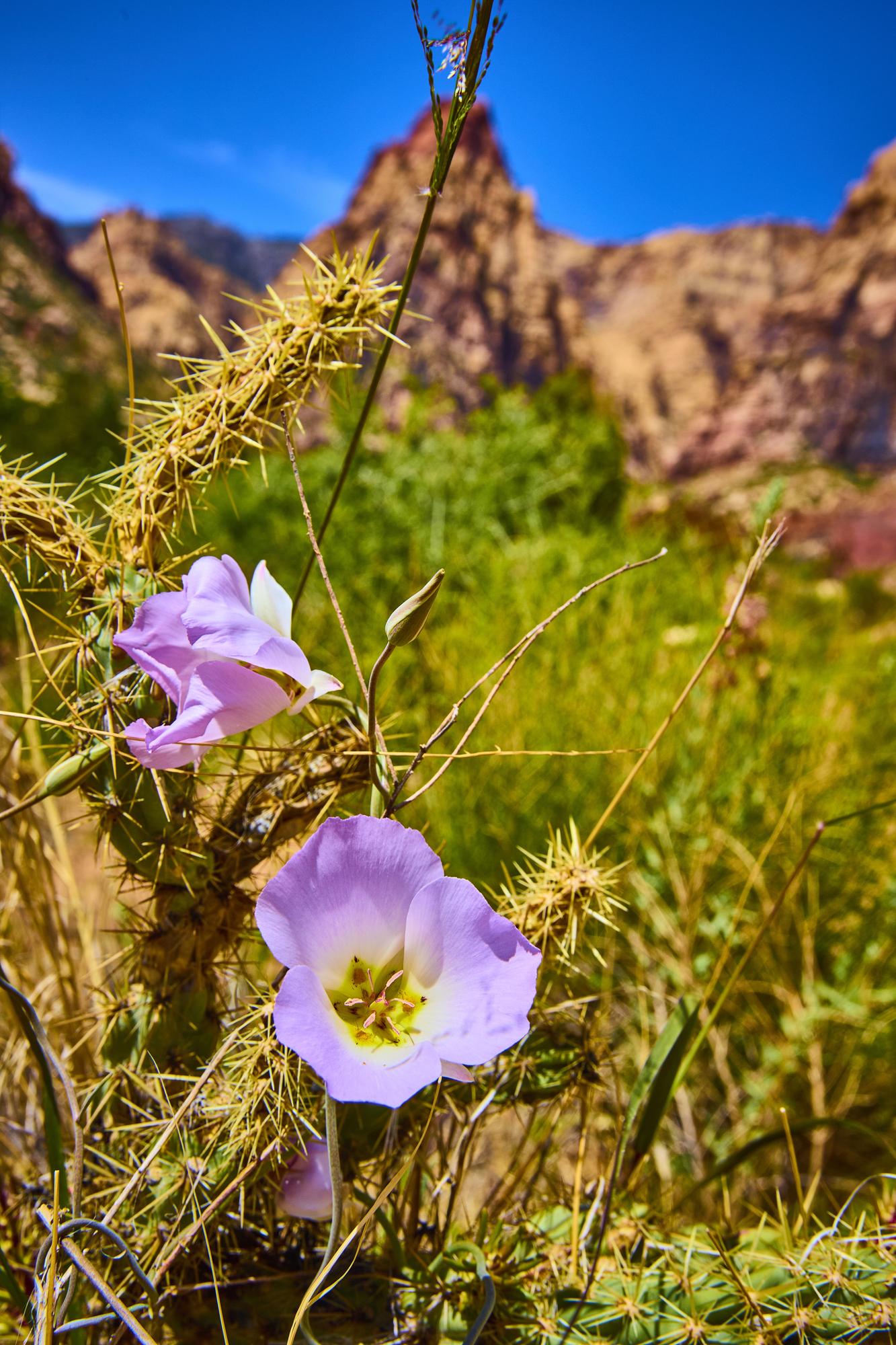
This flower looks like it belongs in a painting. It has soft petals in shades of orange, yellow, or white, with detailed patterns near the center. It blooms in spring, usually in grassy or sandy desert patches. The plant stays hidden underground for most of the year, only coming out when the weather is just right. It’s rare to find, but unforgettable once you do.
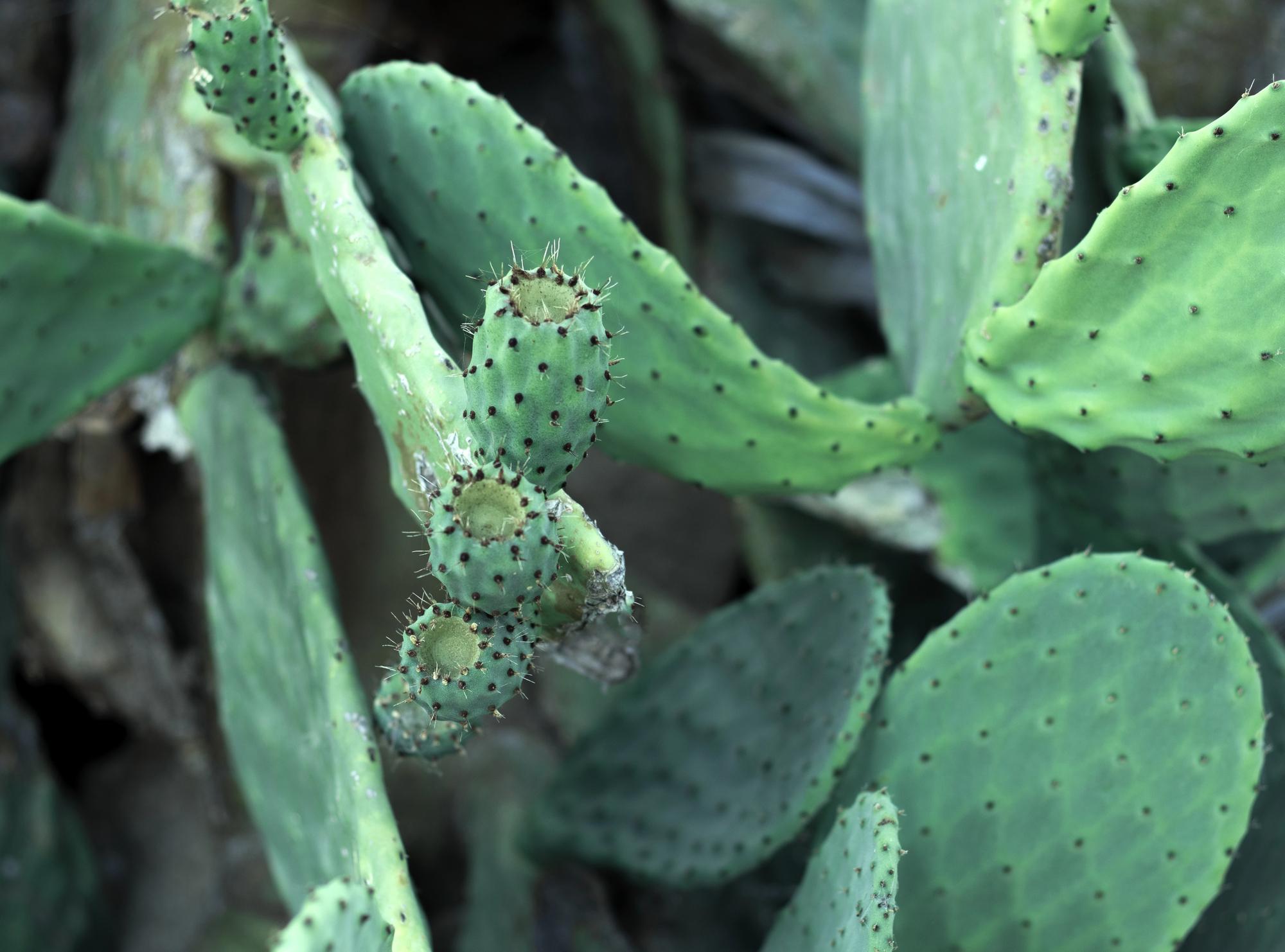
Pancake prickly pear
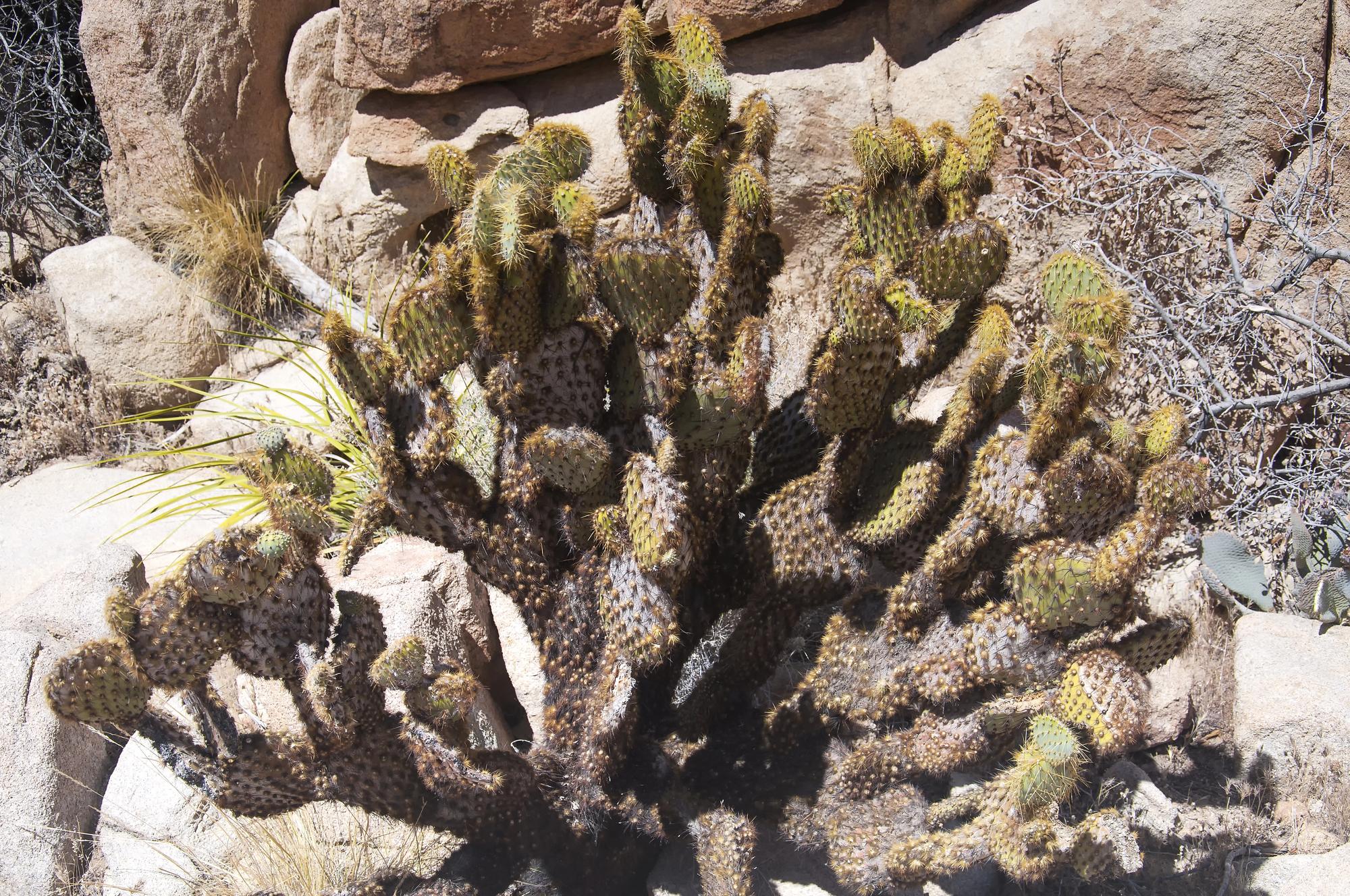
This cactus looks like stacks of green pancakes with sharp spines sticking out. But when it flowers, it changes the whole picture. Bright yellow or orange blooms open on top of the pads, attracting bees and other pollinators. The contrast between the flat, dusty pads and the colorful flowers is striking. It’s a simple reminder that even the harshest-looking plants can still bloom.
When dry earth gives back
What makes these desert plants special isn’t just how rare they are—it’s how they find ways to survive and even shine in places where most things give up. They don’t bloom all the time, and they don’t always stand tall, but when they do, it’s worth noticing. These plants prove that beauty doesn’t need perfect conditions. Sometimes, it grows best when life is hardest.
From ancient, twisted trees to tiny flowers that vanish in days, desert blooms teach something without saying a word. In quiet places, on dry ground, life still finds a way to show off its color.
Like Go2Tutors’s content? Follow us on MSN.
More from Go2Tutors!

- 16 Historical Figures Who Were Nothing Like You Think
- 12 Things Sold in the 80s That Are Now Illegal
- 15 VHS Tapes That Could Be Worth Thousands
- 17 Historical “What Ifs” That Would Have Changed Everything
- 18 TV Shows That Vanished Without a Finale
Like Go2Tutors’s content? Follow us on MSN.



