Cars That Run On Vegetable Oil
You’ve probably heard someone mention it at a party or seen a video online. Cars running on french fry grease.
It sounds too weird to be true, but people have been doing it for decades. The car pulls up, and instead of gasoline fumes, you smell something like a fast-food restaurant.
This isn’t some fringe experiment anymore. Thousands of drivers have converted their vehicles to run on vegetable oil.
Some do it to save money. Others want to reduce their environmental impact.
A few just like the idea of pulling up to a restaurant and asking for their waste oil.
The Science Actually Works

Diesel engines can run on vegetable oil because Rudolf Diesel originally designed them that way. He demonstrated his engine at the 1900 World’s Fair using peanut oil.
The engine doesn’t care much whether you pour in petroleum diesel or plant oil. Both provide the energy needed for combustion.
The main difference comes down to viscosity. Vegetable oil is thicker than diesel fuel, especially when cold.
Modern diesel engines expect a certain thickness. If the oil is too thick, it doesn’t spray properly through the fuel injectors.
That’s where the complications begin.
Converting Your Diesel Vehicle

Most conversions involve installing a second fuel tank. You start the engine on regular diesel, let it warm up, then switch to vegetable oil once everything is hot.
Before you shut down, you switch back to diesel to flush the vegetable oil from the fuel lines. The heating system is crucial.
You need to warm the vegetable oil before it reaches the engine. Some kits use engine coolant to heat the oil.
Others use electric heaters. The goal is getting the oil thin enough to flow properly through your fuel system.
Single-tank systems exist too. These heat the fuel more aggressively and often require additional modifications to the fuel pump and injectors.
They’re simpler to use but more complex to install.
Not All Oils Are Equal

Fresh vegetable oil works great. You can buy it from grocery stores or restaurant supply companies.
Soybean oil is common because it’s cheap. Canola oil works well in colder climates because it stays thinner.
Peanut oil has a higher energy content but costs more. Used cooking oil is free if you can find restaurants willing to give it away.
Some places charge a small fee. Others have contracts with biodiesel companies.
You’ll need to filter it carefully before putting it in your tank. French fry oil works differently than oil used for fish.
Animal fats can work too, but they solidify at higher temperatures. That limits them to warm weather or requires even more aggressive heating systems.
Biodiesel Is Different

People often confuse straight vegetable oil with biodiesel. They’re not the same thing.
Biodiesel goes through a chemical process that changes its molecular structure. You can pour biodiesel directly into any diesel engine without modifications.
Straight vegetable oil is just filtered cooking oil. You need a converted engine to use it.
The trade-off is cost. Making biodiesel requires chemicals and equipment.
Filtering vegetable oil just needs time and simple filters. Biodiesel also has better cold-weather performance.
It doesn’t gel up as easily as straight vegetable oil. But you’re paying someone else to process it, which defeats part of the purpose for many vegetable oil enthusiasts.
The Money Question

Vegetable oil conversions cost between $800 and $3,000 depending on the system. If you’re handy, you can build your own for less.
Professional installations cost more but come with warranties. Free waste oil makes the economics attractive.
You’re essentially driving for the cost of filters. Even if you buy fresh oil, you’re usually paying less per gallon than diesel fuel.
But you need to drive enough miles to justify the upfront conversion cost. The savings depend on current diesel prices and how much you drive.
Someone commuting 50 miles a day breaks even much faster than a weekend driver. Maintenance costs can be higher because you’re running an experimental fuel system.
What Your Engine Gets From It

Plant oils contain energy, just like petroleum. A gallon of vegetable oil has about 90% of the energy in a gallon of diesel.
You’ll notice a small decrease in fuel economy. Most drivers report losing 5-10% compared to diesel.
Power output drops slightly too. You’re not going to win any drag races.
But for normal driving, you won’t really notice the difference. Trucks hauling heavy loads might feel it more.
The engine runs quieter on vegetable oil. That’s one of the pleasant surprises people mention.
The exhaust smells different too, though that’s more about what comes out the back than how the engine performs.
Winter Becomes Complicated

Cold weather is the biggest challenge with vegetable oil. Below 50 degrees, most oils start to thicken. Below freezing, they can turn into gel.
Your engine won’t start if the fuel lines are full of solidified vegetable oil. You need to park in a heated garage or use engine block heaters.
Some people install fuel tank heaters too. Others switch back to regular diesel during winter months.
The heating requirements depend on your climate and the type of oil you’re using. Canola oil handles cold better than soybean oil.
But even canola struggles when temperatures drop below zero. Biodiesel blends work better in cold weather, which is why some vegetable oil users switch to biodiesel in winter.
Finding Your Fuel Source

Chinese restaurants go through a lot of cooking oil. So do donut shops and fried chicken places.
You need to build relationships with kitchen managers. Show up regularly.
Bring clean containers. Make their lives easier by taking a waste product off their hands.
Some cities have collection programs now. Restaurants put their waste oil in special bins, and companies pick it up to make biodiesel.
That makes free oil harder to find. You’re competing with commercial operations.
Buying fresh oil from grocery stores works but costs more. Restaurant supply stores sell it in bulk.
You can also find agricultural suppliers who sell soybean oil by the barrel. The prices vary based on commodity markets.
Legal Gray Areas

Your vehicle warranty disappears the moment you modify the fuel system. Manufacturers won’t cover any damage they can trace to vegetable oil use.
That includes the fuel pump, injectors, and engine components. Some states tax vegetable oil as motor fuel.
You’re supposed to report your usage and pay road taxes. Other states haven’t figured out their policy yet.
The laws keep changing as more people experiment with alternative fuels. Emissions regulations can be tricky too.
Your vehicle might not pass inspection after conversion. Some places test the fuel in your tank.
Others just check the exhaust. You need to research local rules before converting.
Keeping It Running
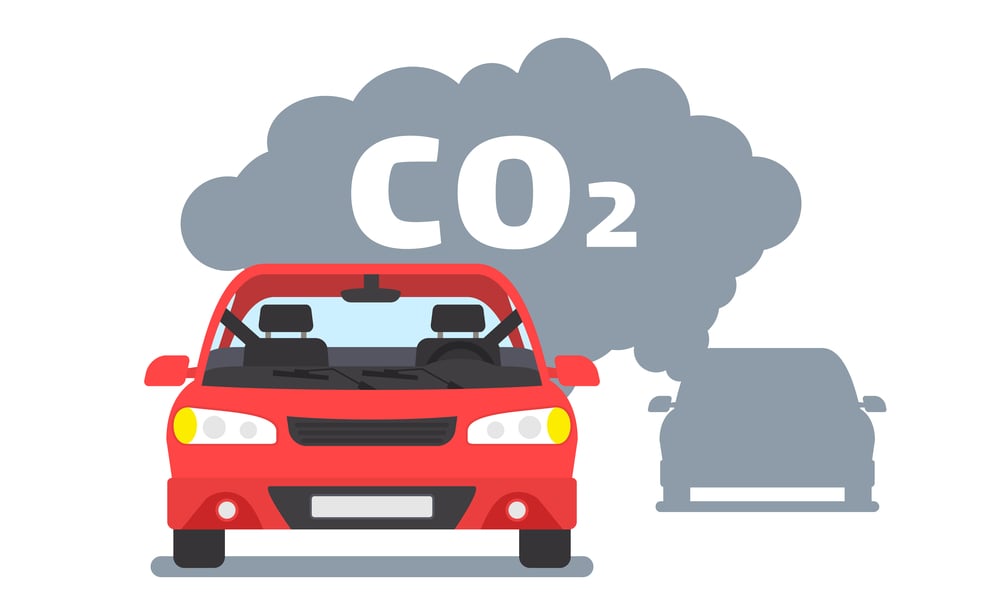
Vegetable oil leaves more deposits than diesel. Carbon builds up faster.
You need to change your oil more frequently. Some people recommend every 3,000 miles instead of the usual 5,000-7,500.
Fuel filters clog faster too. Keep spares in your trunk.
You might need to change them on the road. Used cooking oil is harder on filters than fresh oil. All those food particles have to go somewhere.
Injectors can gum up over time. Using additives helps.
So does occasionally running straight diesel to clean things out. Some long-term vegetable oil users rebuild their injectors more often than normal.
The Smell Factor
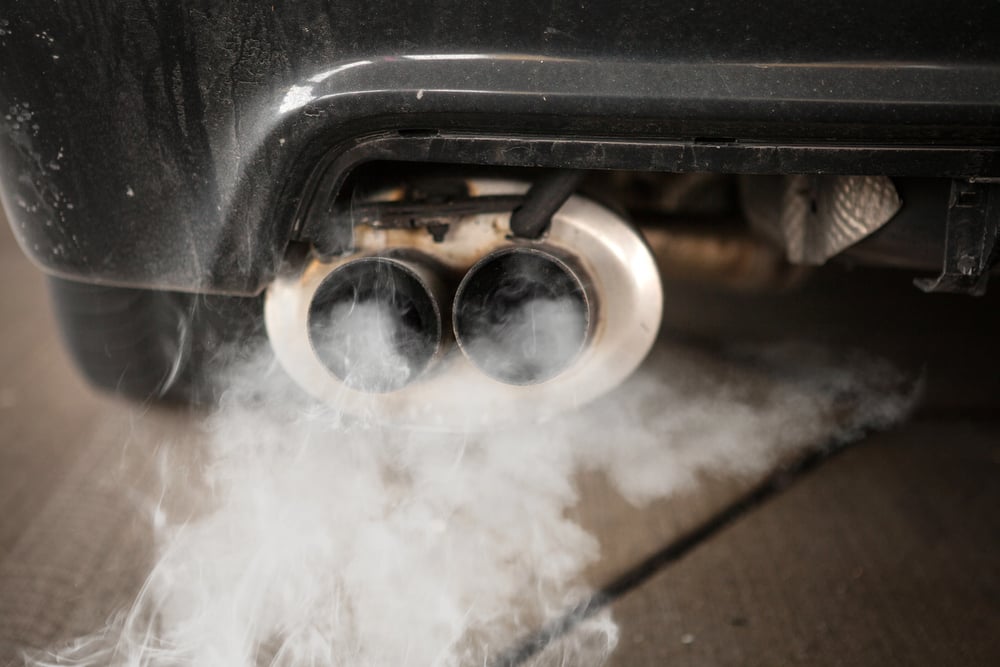
Your exhaust will smell like whatever oil you’re burning. French fry oil makes your car smell like a fast-food restaurant.
Donut oil smells sweet. It’s not unpleasant, just unusual.
Some people love it. Others get tired of the attention.
Strangers will stop you at gas stations to ask questions. You become an ambassador for alternative fuels whether you want to or not.
The smell inside the car is usually minimal. But if you’re carrying drums of used cooking oil in your trunk, that’s different.
Good containers with tight seals help. So do keeping the oil outside until you’re ready to filter it.
When Restaurants Close

Your fuel source can disappear overnight. Restaurants go out of business.
Management changes. Someone else offers to pay for the oil.
You need backup sources. Building a network of restaurants takes time.
Don’t rely on one place. Have three or four regular spots.
That way you’re not stranded if one stops providing oil. Some vegetable oil drivers form co-ops.
They share sources and buy filtering equipment together. You split the work of collecting and processing oil. It’s more efficient than everyone doing it alone.
The Community Around It

Starting out can feel tough, yet support shows up fast online. Folks who run cars on cooking grease gather in digital spaces.
Sharing stories comes naturally there – especially about clogged filters or cloudy fuel. One person might explain how they found cheap oil at a diner, while another warns about cold weather gelling.
Hard lessons turn into useful notes passed along. Nobody acts like they knew it all from day one.
Meetups happen when community teams bring people together. Seeing various conversion setups face to face makes a difference.
Help with fitting comes from seasoned drivers, sometimes out of kindness. What flows between them – tips, fixes, stories – holds it all together.
Now things feel different because fuel costs keep shifting. Diesel used to be low, so few paid attention.
High rates come back, then suddenly old fryer grease grabs curiosity again. Through every jump and fall, the steady ones never leave.
Prices dance up and down, yet some faces stay fixed.
Where It Stands Today

Oil from plants powers very few rides on the road. Most spotlight goes to battery cars or machines burning hydrogen.
Still, plug-ins demand uncommon minerals plus networks of power spots. Plant juice runs only if engines burn diesel, along with bits bought at hardware shops.
Solving the climate problem won’t happen just because someone hauls used cooking oil from diners. Yet cutting back on fossil fuel habits is within reach.
For certain folks, that choice weighs heavier than always having a pump nearby. Convenience takes a back seat when purpose steps forward.
Easy to grasp, this tech doesn’t demand an engineering degree. No expert background needed – just curiosity helps.
Hands-on folks find it clicks because they see moving parts do real work. Unlike abstract battery science, you can feel what’s happening here.
More from Go2Tutors!

- The Romanov Crown Jewels and Their Tragic Fate
- 13 Historical Mysteries That Science Still Can’t Solve
- Famous Hoaxes That Fooled the World for Years
- 15 Child Stars with Tragic Adult Lives
- 16 Famous Jewelry Pieces in History
Like Go2Tutors’s content? Follow us on MSN.



