15 Fires That Changed City Planning Forever
Throughout history, devastating fires have served as harsh teachers, forcing cities to rethink how they build and organize their communities. These catastrophic events, while tragic, often sparked revolutionary changes in urban design, building codes, and safety regulations that still protect us today. From ancient Rome to modern times, each major conflagration has left behind lessons written in ash and rebuilt with wisdom.
The aftermath of these disasters typically follows a familiar pattern: shock, mourning, investigation, and then transformation. Here is a list of 15 fires that fundamentally altered how cities approach planning and construction.
Great Fire of Rome (64 AD)

The Great Fire of Rome burned for six days and seven nights, destroying roughly two-thirds of the ancient city. Emperor Nero, contrary to the myth about him fiddling, actually organized relief efforts and opened his own palaces to house the homeless.
The rebuilding process introduced the world’s first comprehensive building codes, requiring wider streets, fire-resistant materials, and height restrictions on buildings. Nero’s new regulations mandated that buildings be constructed with stone and brick rather than wood, while wider boulevards served as firebreaks and the city implemented one of the first organized fire departments.
Great Fire of London (1666)

London’s Great Fire started in a bakery on Pudding Lane and consumed about 80% of the medieval city within the old Roman walls. The blaze destroyed over 13,000 houses and 87 churches, including the original St. Paul’s Cathedral.
Christopher Wren seized this opportunity to redesign London with wider streets, brick construction requirements, and better drainage systems. The rebuilding introduced standardized building heights and party walls between buildings, effectively ending the era of timber-framed construction in the city center.
Great Chicago Fire (1871)
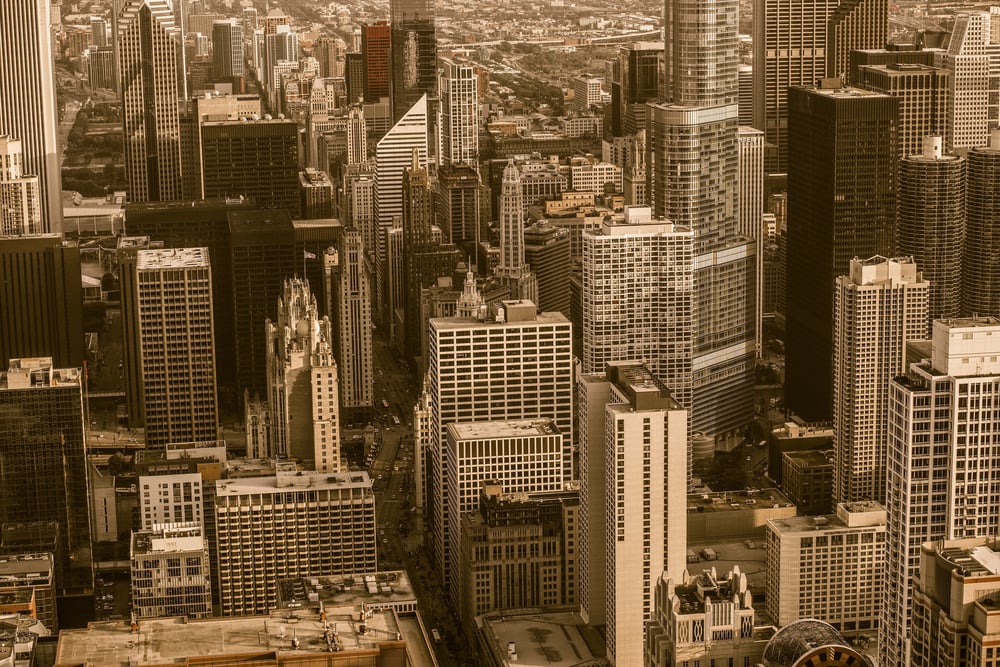
Chicago’s legendary fire allegedly started when Mrs. O’Leary’s cow kicked over a lantern, though this story was later revealed as newspaper fiction. The fire burned for three days, destroying about 17,400 structures across 2,100 acres and leaving roughly 300,000 people homeless.
The disaster cleared the way for Chicago to rebuild with revolutionary new materials and techniques. The reconstruction introduced steel-frame construction and fireproof building materials to American cities, with Chicago becoming a testing ground for the world’s first skyscrapers built with fire-resistant steel frames.
Great Baltimore Fire (1904)

Baltimore’s downtown fire burned for 30 hours straight, consuming over 1,500 buildings across 70 city blocks. The disaster highlighted a critical flaw in American firefighting: different cities used different sized fire hose couplings, making mutual aid nearly impossible.
When fire departments from nearby cities arrived to help, their hoses couldn’t connect to Baltimore’s hydrants. This incompatibility disaster led to the standardization of firefighting equipment across the United States and stricter building codes requiring fire-resistant construction materials.
San Francisco Earthquake and Fire (1906)
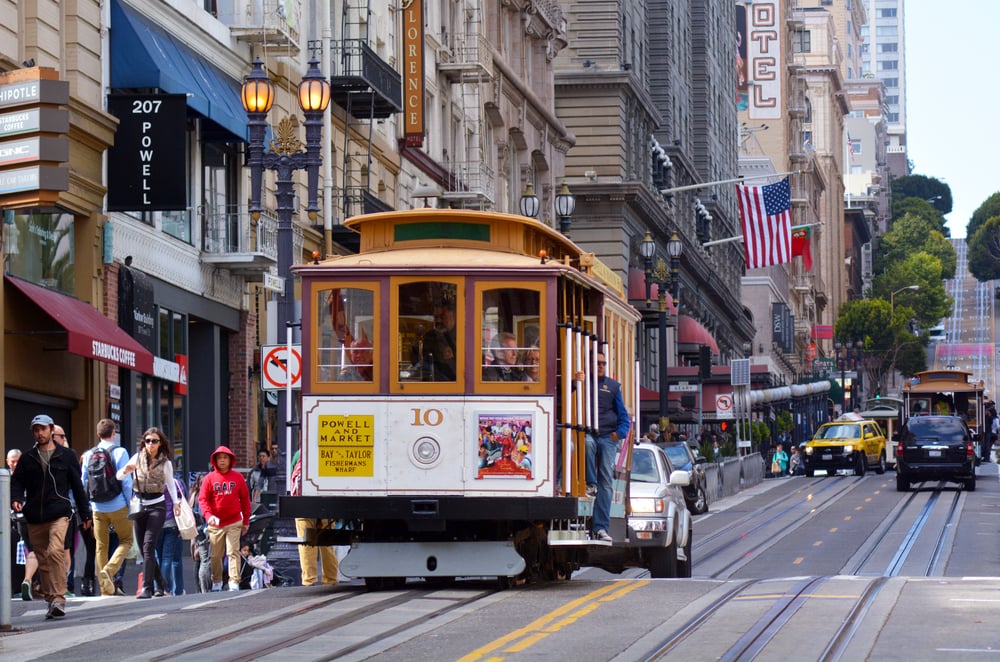
The Great San Francisco Earthquake triggered fires that burned for three days, ultimately destroying about 80% of the city. Ironically, the fires caused more damage than the earthquake itself, as broken gas lines and water mains created a perfect storm of ignition sources and inadequate firefighting capability.
The disaster prompted a complete rethinking of seismic building design. San Francisco’s reconstruction introduced earthquake-resistant building techniques, comprehensive fire prevention systems, and one of America’s first comprehensive zoning laws separating different types of development.
Triangle Shirtwaist Factory Fire (1911)
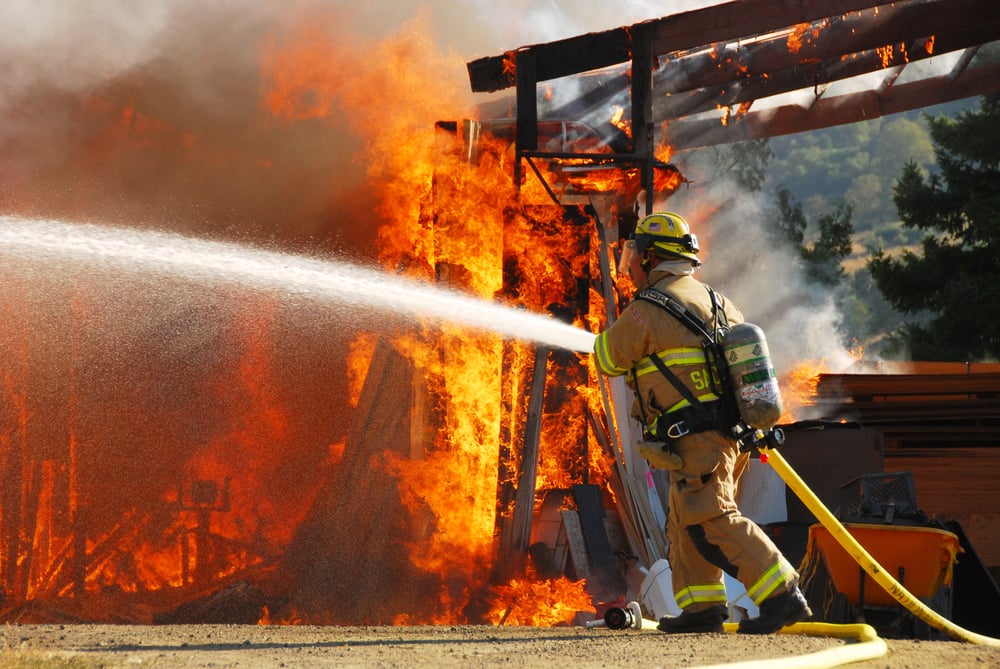
This New York City industrial fire killed 146 garment workers, mostly young immigrant women, who found themselves trapped by locked exits and inadequate fire escapes. The tragedy exposed horrific working conditions in American factories and galvanized the labor movement.
Public outrage over the preventable deaths led to sweeping reforms in workplace safety and building design. The fire sparked comprehensive labor legislation and building code reforms that required multiple exits, fireproof stairwells, and regular safety inspections for all types of buildings.
Great Tokyo Fire (1657)

Known as the Meireki Fire, this catastrophe destroyed about 60% of Tokyo (then called Edo) and killed over 100,000 people. The fire started during a funeral ceremony and spread rapidly through the city’s densely packed wooden structures.
The disaster prompted Japan’s feudal government to completely restructure the capital city’s layout and building practices. The reconstruction introduced wider streets, stone foundations, strategically placed temples as firebreaks, and mandated open spaces that became some of Tokyo’s first public parks.
Peshtigo Fire (1871)

The same night as the Great Chicago Fire, an even deadlier blaze consumed Peshtigo, Wisconsin, killing between 1,200 and 2,400 people. This forest fire swept through lumber towns with unprecedented speed and intensity, creating its own weather system with tornado-like fire whirls.
The disaster led to new understanding of wildfire behavior and forest management practices. The tragedy prompted the development of firebreaks around communities in forested areas, influenced early forest conservation policies, and established protocols for mass evacuation from wildfire-threatened areas.
Coconut Grove Fire (1942)
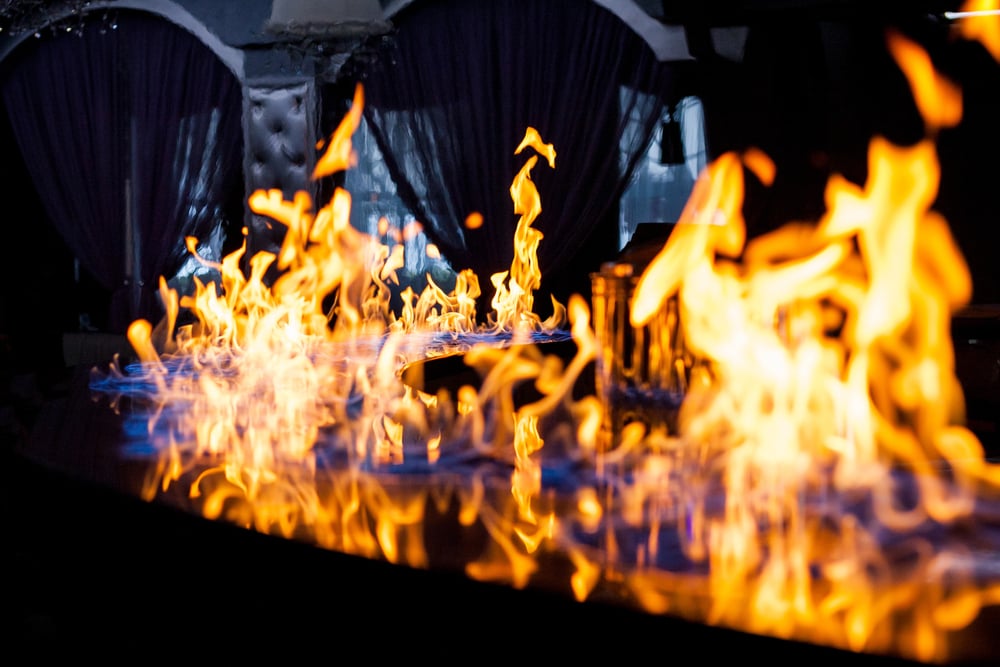
Boston’s Coconut Grove nightclub fire killed 492 people in just 15 minutes, making it one of the deadliest nightclub fires in history. Patrons found themselves trapped by locked exits, revolving doors that jammed, and highly flammable decorations.
The tragedy revolutionized fire safety codes for entertainment venues and public gathering spaces. The disaster led to regulations requiring outward-opening exit doors, illuminated exit signs, strict occupancy limits, and fire-resistant interior decorations for all public buildings.
Our Lady of the Angels School Fire (1958)

This Chicago school fire killed 92 students and 3 nuns, shocking the nation and exposing dangerous conditions in educational facilities. The fire started in a basement stairwell and spread rapidly through the building’s wooden floors and walls.
Many victims were trapped in second-story classrooms with windows too high to escape from and inadequate fire safety equipment. The tragedy prompted comprehensive school safety reforms including mandatory fire drills, improved detection systems, fire-resistant construction materials, and better exits that established the safety standards we expect in educational buildings today.
MGM Grand Fire (1980)

Las Vegas’s MGM Grand hotel fire killed 85 people and injured over 650, primarily from smoke inhalation in the high-rise tower. The fire started in a restaurant and spread rapidly through the casino level, with smoke traveling up stairwells and elevator shafts to trap guests on upper floors.
The disaster highlighted the unique challenges of firefighting in high-rise buildings. This fire led to comprehensive high-rise safety regulations including improved smoke detection systems, pressurized stairwells, better communication systems for emergency responders, and upgraded fire suppression systems in hotels and casinos nationwide.
Düsseldorf Airport Fire (1996)

A devastating fire at Germany’s Düsseldorf Airport started when welding sparks ignited flammable materials in a flower shop, ultimately killing 17 people and injuring 88. The blaze spread rapidly through the terminal building, creating toxic smoke that trapped people in various areas.
The incident exposed critical flaws in airport fire safety and emergency response procedures. The disaster prompted international aviation authorities to revise airport fire safety standards, requiring better fire suppression systems in terminal buildings, improved evacuation procedures, and stricter controls on construction materials used in airport facilities worldwide.
Grenfell Tower Fire (2017)

London’s Grenfell Tower fire killed 72 people and exposed dangerous flaws in modern high-rise construction and fire safety regulations. The blaze spread rapidly up the building’s exterior cladding system, trapping residents in their apartments.
The tragedy revealed how cost-cutting measures and inadequate safety oversight had created deadly conditions in public housing. The disaster prompted a complete review of building safety regulations in the UK, led to the banning of certain cladding materials, improved evacuation strategies for high-rise buildings, and stricter enforcement of fire safety codes in residential towers globally.
Station Nightclub Fire (2003)

Rhode Island’s Station nightclub fire killed 100 people and injured over 200 when pyrotechnics ignited soundproofing foam during a rock concert. The rapid spread of toxic smoke and the crowd’s rush toward the main entrance created a deadly stampede.
The tragedy highlighted the dangers of flammable materials in entertainment venues and inadequate exit capacity. The fire led to stricter regulations on pyrotechnics in indoor venues, requirements for fire-resistant soundproofing materials, and reviews of occupancy limits and exit requirements for entertainment venues to ensure safe evacuation during emergencies.
Oakland Firestorm (1991)

The Oakland Hills fire destroyed nearly 3,000 structures and killed 25 people, demonstrating how urban sprawl into wildfire-prone areas creates new challenges for city planners. The fire spread rapidly through neighborhoods with narrow, winding streets that hindered firefighting efforts and limited evacuation routes.
The disaster showed how suburban development patterns can increase fire risk. This wildfire influenced urban planning in fire-prone regions across the western United States, requiring defensible space around homes, fire-resistant landscaping, improved access roads for emergency vehicles, and better coordination between urban fire departments and wildland firefighting agencies.
When Flames Forge the Future

These 15 catastrophic fires demonstrate how tragedy often becomes the catalyst for progress in urban design and public safety. Each disaster taught planners, architects, and lawmakers valuable lessons about fire behavior, building materials, and human nature during emergencies.
Modern cities owe much of their safety to the hard-won wisdom gained from these devastating events. Today’s building codes, fire departments, and emergency response systems reflect centuries of learning from catastrophic fires, ensuring that while we can’t prevent all fires, we’ve become much better at surviving them and rebuilding stronger than before.
More from Go2Tutors!

- The Romanov Crown Jewels and Their Tragic Fate
- 13 Historical Mysteries That Science Still Can’t Solve
- Famous Hoaxes That Fooled the World for Years
- 15 Child Stars with Tragic Adult Lives
- 16 Famous Jewelry Pieces in History
Like Go2Tutors’s content? Follow us on MSN.



