16 Routes Once Used by Escaped Convicts
Throughout history, escaping prison wasn’t just about slipping past guards—it was about navigating the outside world without getting caught. From backwoods hideouts to storm drains and swamps, escaped convicts have relied on creative and dangerous routes to make their getaway.
Here is a list of 16 routes once used by escaped convicts—paths carved out by desperation, strategy, and a bit of nerve.
Libby Prison Tunnels

During the Civil War, Union officers tunneled their way out of Libby Prison in Richmond, Virginia. The route started beneath a fireplace and extended beneath a street to a warehouse outside the walls.
It took weeks of digging, often in darkness and silence, but over 100 men crawled through it to freedom.
Alcatraz Raft Route
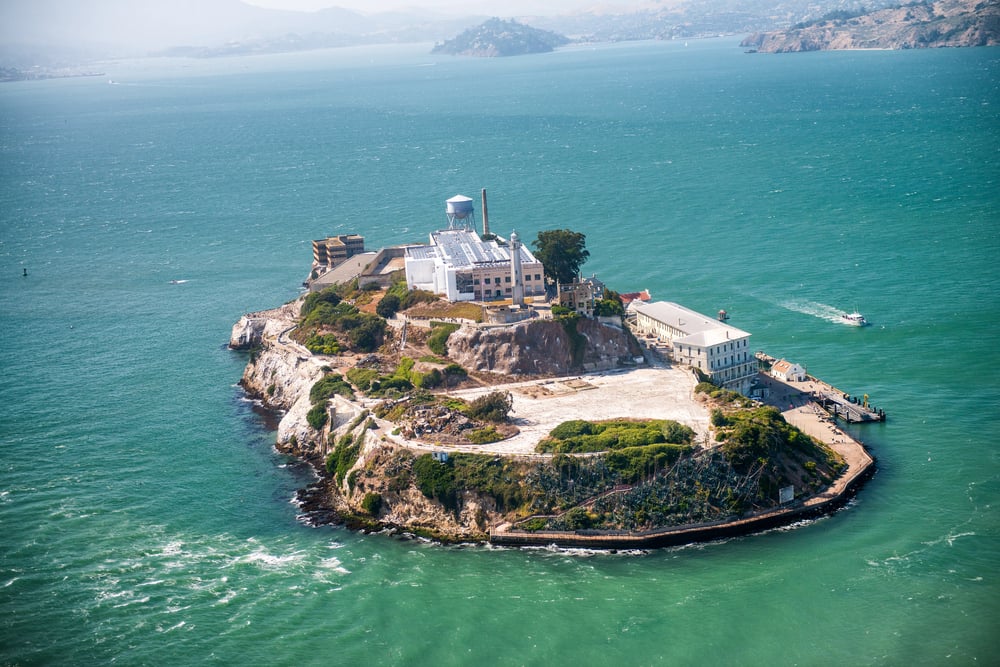
Three inmates famously escaped Alcatraz in 1962 using a homemade raft made from raincoats. They slipped through a utility corridor, climbed a vent pipe, and launched into the cold San Francisco Bay.
Authorities claimed they drowned, but no bodies were ever found—and pieces of the raft later turned up miles away.
Like Go2Tutors’s content? Follow us on MSN.
Sugar Cane Fields

In the southern U.S., escaped prisoners once hid and traveled through sugar cane fields. The thick plants grew over ten feet tall, offering a maze of cover.
Local farmers sometimes spotted movement but rarely saw more than rustling stalks before the escapees slipped away.
Colditz Castle Attic Route
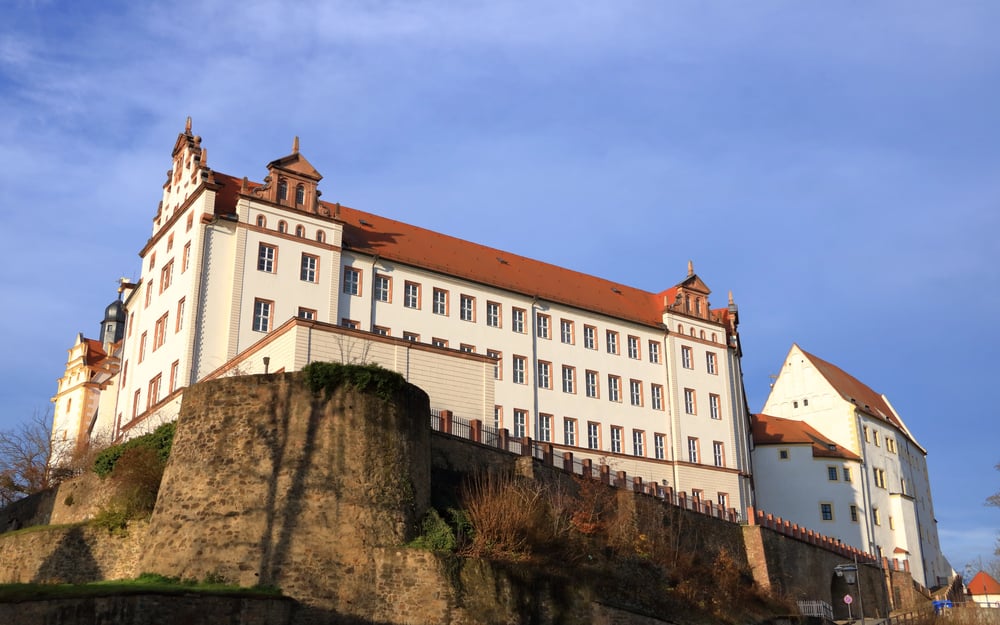
At Colditz Castle in Germany, Allied POWs during WWII used attic spaces and false walls to sneak past guards. One group even built a glider in the attic in case they needed to fly off the roof.
While that plan never launched, many still escaped using hidden routes tucked into the castle’s upper floors.
Devil’s Island Jungle Trail
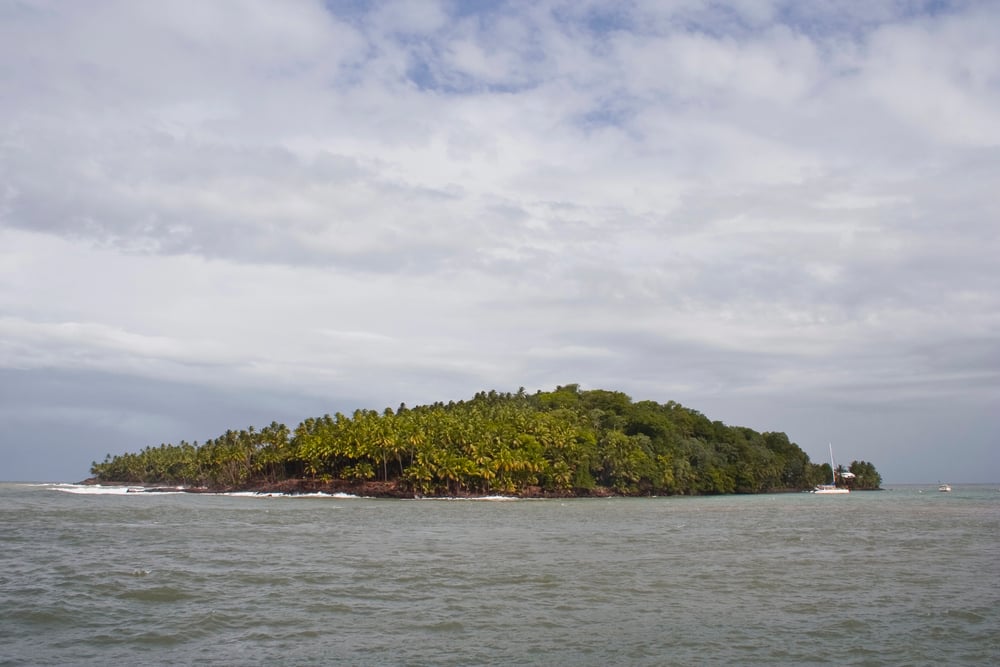
Devil’s Island, off the coast of French Guiana, was surrounded by shark-infested waters and dense jungle. A few daring convicts escaped by building rafts and then trekking through the unforgiving rainforest.
Most didn’t make it far, but a handful found their way to the mainland and disappeared.
Like Go2Tutors’s content? Follow us on MSN.
Sewers of Paris
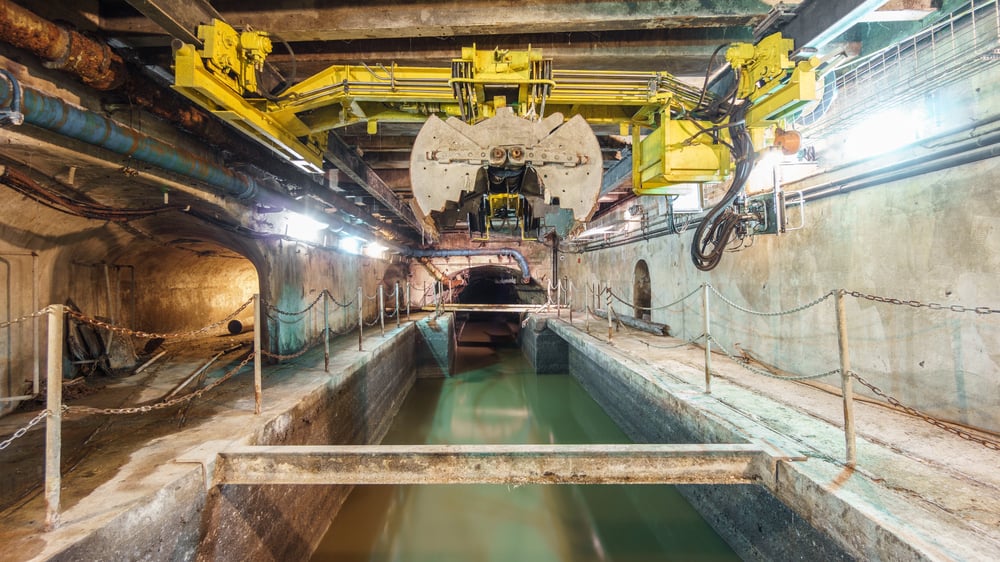
In 2003, a convicted bank robber, Antonio Ferrara, famously escaped from La Santé Prison in Paris using the sewer system. He had studied the layout during his sentence and knew which tunnels led where.
After slipping through a utility hatch, he navigated the foul maze beneath the city and emerged blocks away.
Appalachian Trail
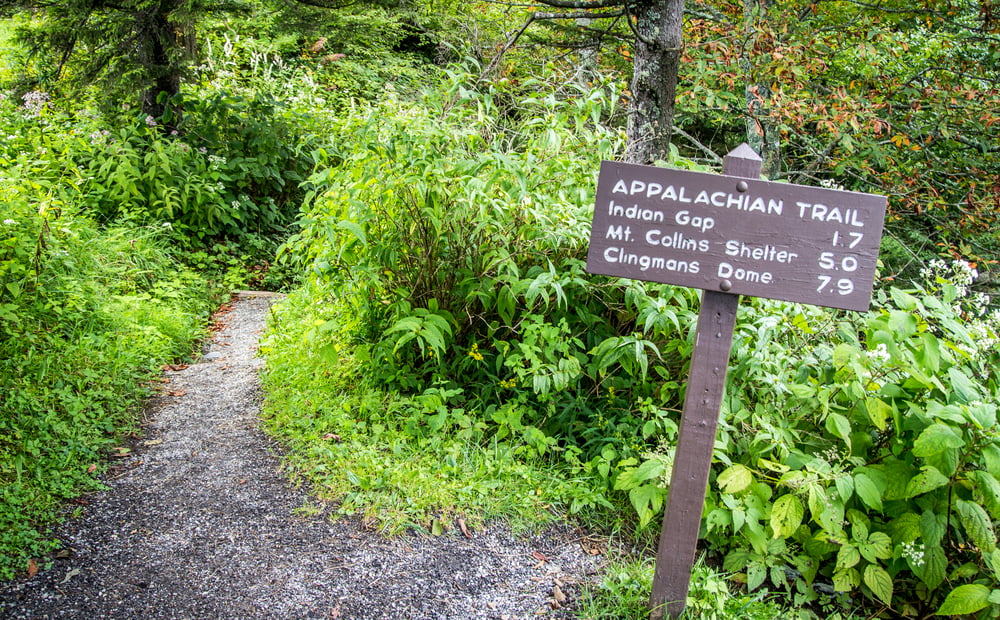
Some fugitives have used portions of the Appalachian Trail to move across states without being noticed. The trail’s length, remote segments, and wide-ranging access points make it a natural option for anyone trying to stay off the grid.
Hikers have occasionally crossed paths with escapees before realizing it days later.
St. Helena Shoreline
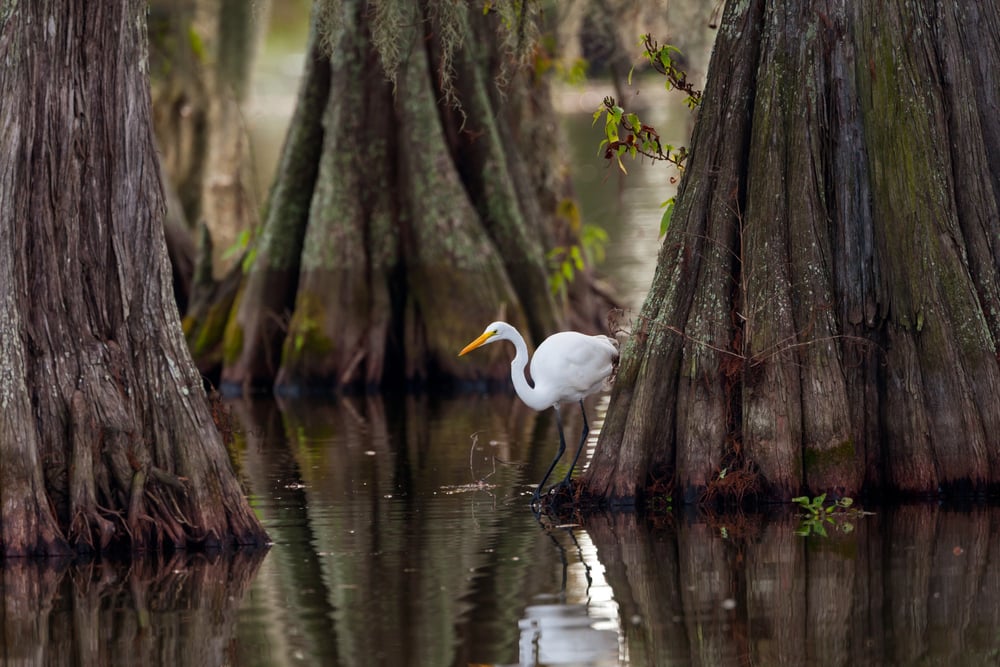
In the swampy lowlands of the southern U.S., particularly Louisiana’s bayous, escaped prisoners have historically used dense vegetation and muddy waterways to evade capture. These natural labyrinths offer ideal cover, with escapees sticking to the banks and underbrush to remain out of sight as law enforcement scoured nearby roads.
Like Go2Tutors’s content? Follow us on MSN.
Railroad Tracks
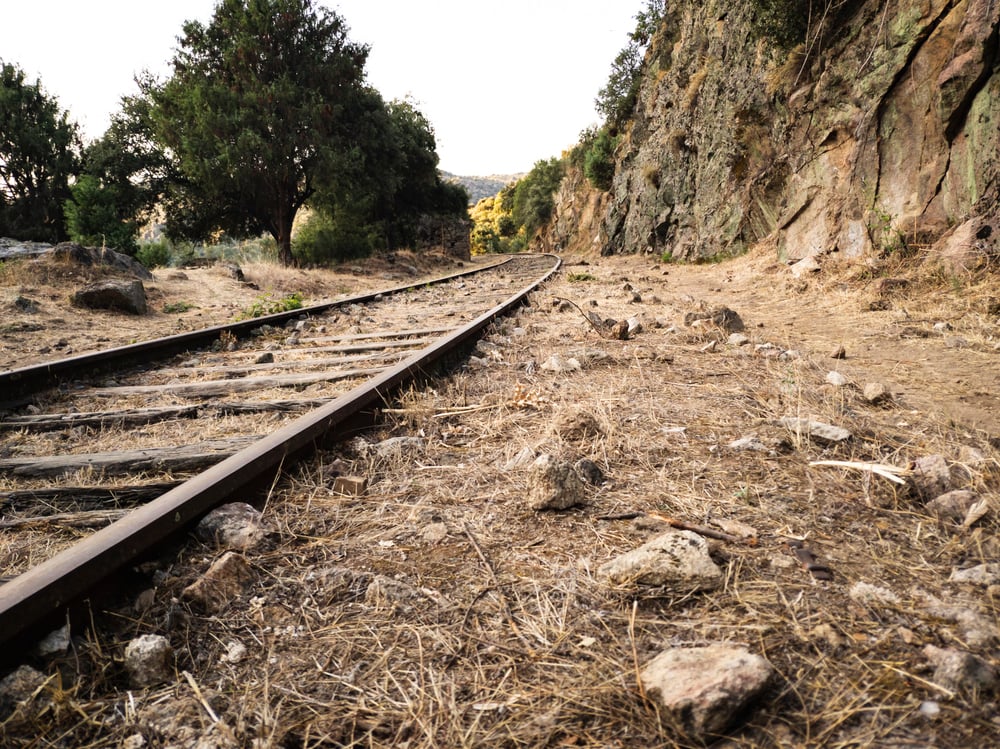
Following railroad lines has been a longtime strategy for escapees trying to cover ground quickly. Tracks often pass through isolated countryside and lead to industrial areas where someone could blend in.
Inmates have used abandoned rail routes to leave towns quietly, hopping off before reaching populated stations.
Texas Hill Country Caves
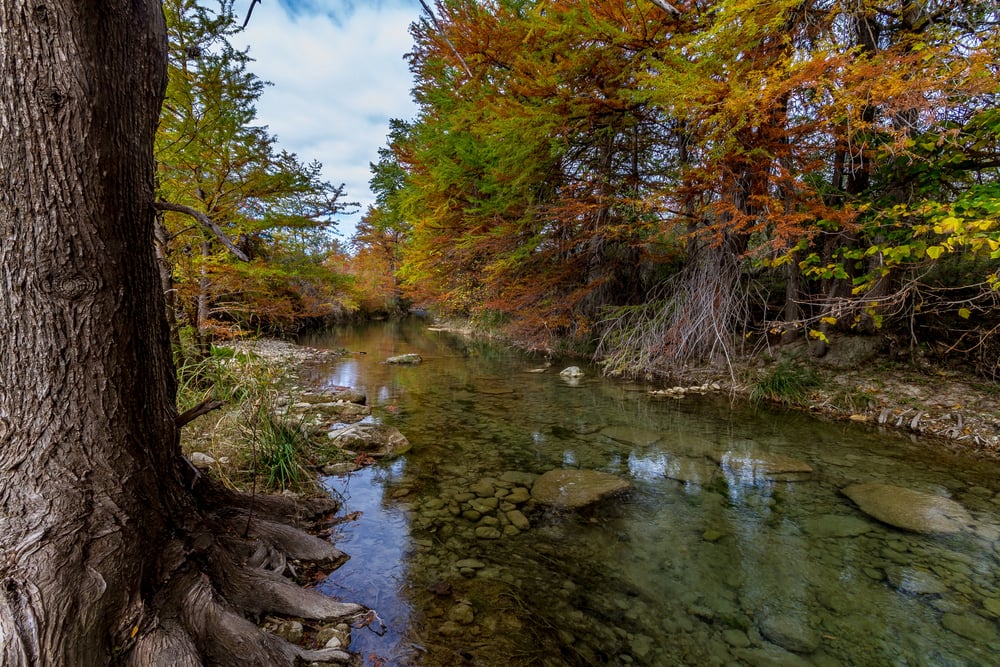
Several escapees have been known to hide out in the limestone caves scattered across Texas Hill Country. The caves provide natural shelter and are hard to spot from the surface.
Authorities have occasionally found old food wrappers and evidence of temporary camps tucked into the dark rock corridors.
Berlin Wall Tunnels

During the Cold War, escapees from East German prisons sometimes made it into West Berlin through handmade tunnels beneath the Berlin Wall. Digging often started in basements or abandoned buildings.
Though risky and tightly surveilled, a few groups successfully tunneled out of both prison yards and city blocks.
Like Go2Tutors’s content? Follow us on MSN.
Maintenance Shafts

In several modern escape attempts, convicts have used utility shafts and air ducts to sneak out of prisons. These narrow routes often connect to rooftops or loading docks, and most aren’t designed to carry a person.
Inmates have squeezed through anyway, sometimes dismantling parts of the prison from the inside.
The Pyrenees Mountains
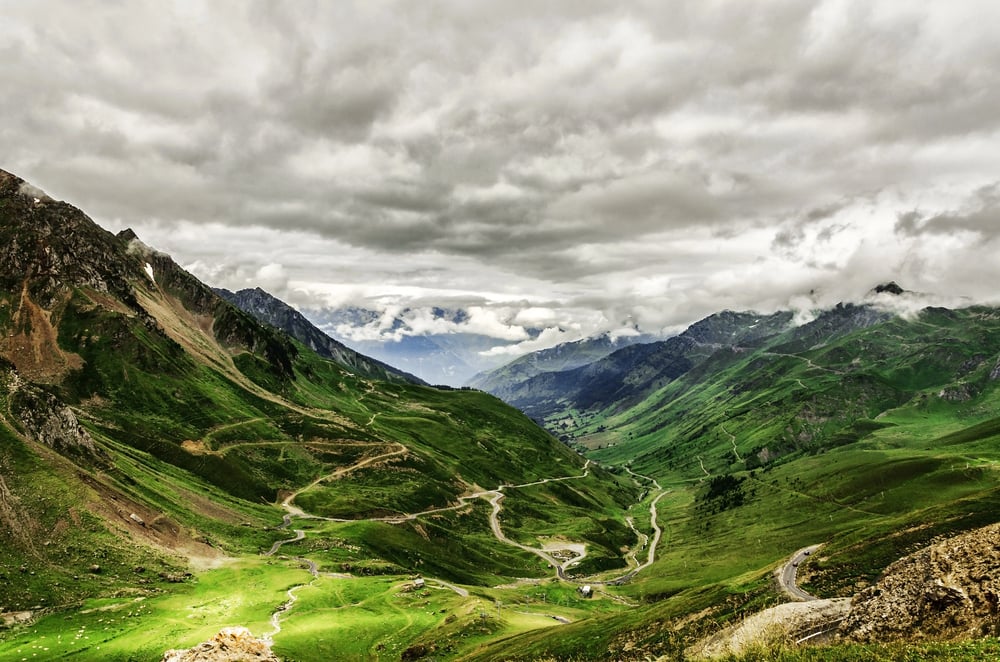
During WWII, both soldiers and escapees used the Pyrenees to flee Nazi-controlled France. The rugged mountains created a natural, if treacherous, path into Spain.
Even years later, criminals have used these same routes to slip between countries unnoticed.
Shipping Containers

Some prisoners escaping ports or work-release programs have slipped into freight yards and hidden inside shipping containers. Once sealed, the containers move quickly and quietly.
A few fugitives were only discovered when they ran out of air or were caught on surveillance loading in.
Like Go2Tutors’s content? Follow us on MSN.
Florida Everglades
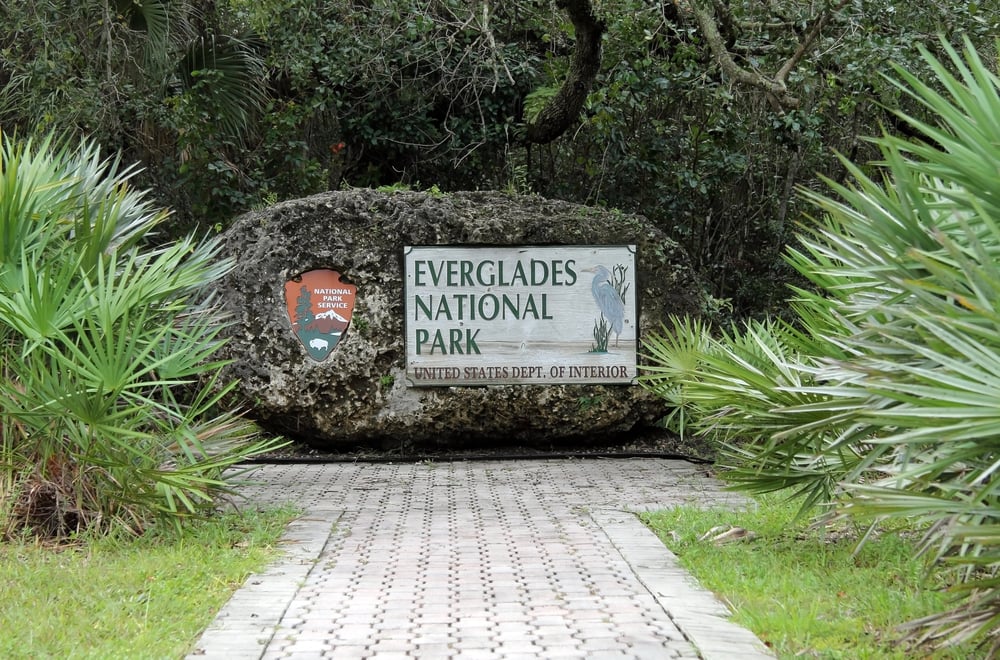
The Everglades’ swampy terrain and thick vegetation have helped more than one escapee vanish. While the area is full of dangerous wildlife and unpredictable terrain, it’s also nearly impossible to search effectively.
Some inmates fled into the Everglades and weren’t seen again for weeks.
Rooftop to Rooftop

In urban escapes, some inmates have climbed out of windows or access doors and used rooftop paths to move between buildings. These routes are hard to monitor and offer unexpected exits.
In a few cases, convicts walked across city blocks before anyone realized they were gone.
From Breakouts to Backwoods

The routes on this list aren’t just clever—they reflect how determination, fear, and timing can turn even the most unlikely places into pathways to freedom. Some escapees made it, others didn’t, but all relied on more than just luck.
They used terrain, planning, and the chaos of the moment to carve their way into history, leaving behind footprints, legends, and a trail of questions still studied today.
More from Go2Tutors!

- 16 Historical Figures Who Were Nothing Like You Think
- 12 Things Sold in the 80s That Are Now Illegal
- 15 VHS Tapes That Could Be Worth Thousands
- 17 Historical “What Ifs” That Would Have Changed Everything
- 18 TV Shows That Vanished Without a Finale
Like Go2Tutors’s content? Follow us on MSN.