Real History Behind Popular Fairy Tales
There was a time when fairy tales were much more than just bedtime stories.
Actually, the fanciful tales that have enthralled generations of people have their roots in real historical events.
Real people and the harsh realities of medieval life shaped them.
The original stories were grim, violent, and frequently used as warnings rather than as escapist entertainment.
The modern versions have been sanitized and sweetened for younger audiences.
Here are 13 real-life tales based on popular fairy tales.
Snow White and Margaretha von Waldeck

The famous tale of a beautiful princess fleeing her jealous stepmother might have been inspired by a real German countess.
Margaretha von Waldeck was born in 1533 and was renowned for her exceptional beauty.
Her mother died when she was four.
Her father remarried Katharina von Hatzfeldt, who reportedly disliked her stepchildren and sent many away to live with relatives.
At 16, Margaretha was sent to Brussels where she caught the eye of Prince Philip II of Spain.
Their romance was doomed by religious differences.
She died mysteriously at age 21 in 1554, with rumors suggesting she was poisoned by Spanish agents concerned about her royal connections.
This was documented in German historian Eckhard Sander’s 1994 study Schneewittchen: Märchen oder Wahrheit?
The Talking Mirror of Maria Sophia von Erthal

Another strong candidate for the Snow White inspiration comes from 18th-century Bavaria.
Maria Sophia von Erthal was born in 1725 and lived in Lohr Castle with her father and stepmother.
The castle housed a famous ornate mirror with an inscription that essentially meant the mirror always told the truth.
Lohr was renowned for producing exceptionally clear, high-quality mirrors.
This mirror still exists today in the Spessart Museum.
Maria Sophia was known for her kindness and charitable nature, beloved by the local people.
Her stepmother, Claudia Elisabeth von Venningen, was noted for strict household management, potentially inspiring the demanding queen character.
The Seven Dwarfs Were Child Miners

The curious detail about seven small men living together has a grim historical basis.
In German mining towns such as Idar-Oberstein and Waldeck during the 16th and 17th centuries, mines employed large numbers of children as workers.
These mines had tunnels so small that only children could fit inside.
They wore brightly colored protective hoods for visibility in the darkness.
Many of these child laborers suffered stunted growth due to malnutrition and the physical demands of mining.
They were nicknamed dwarfs in historical records.
They often lived together in cramped group housing, sleeping in rows of beds remarkably similar to the fairy tale depiction.
Cinderella’s Ancient Chinese Origins

Long before Disney’s glass slipper, the Cinderella story existed in radically different forms across cultures.
The oldest known version, Ye Xian by Tuan Ch’eng-shih, dates back to around 860 CE in China, making it over 1,100 years old.
This early tale featured different characters and cultural elements but maintained the core narrative of a mistreated girl who rises above her circumstances.
Comparative folklore studies have established clear similarities in the core motifs across hundreds of Cinderella-type stories from cultures around the world.
This suggests the tale taps into something universal about human experience and the hope for justice against cruel treatment.
Charles Perrault’s Court Entertainment

The man who essentially invented the literary fairy tale genre wasn’t writing for children at all.
Charles Perrault served at the court of Louis XIV at Versailles and published his Histoires ou Contes du temps passé collection in 1697.
These stories, including Cinderella, Little Red Riding Hood, and Puss in Boots, were designed as sophisticated entertainment for the Versailles aristocracy.
The tales often contained subtle social commentary on court life and the arbitrary whims of powerful men.
These were disguised beneath magical narratives to slip past censors.
Only later did these aristocratic tales filter down to become nursery stories.
The Brothers Grimm’s Nationalist Project

Jacob and Wilhelm Grimm weren’t just storytellers but German academics pursuing a nationalist cultural project.
In the early 19th century, inspired by Romanticism sweeping through Germany, they set out to collect and preserve what they believed were ancient Germanic folk tales.
Their collection, Kinder- und Hausmärchen, was published with Volume 1 in 1812 and Volume 2 in 1815.
However, modern research reveals their primary informants included the Huguenot Wild family with French heritage.
Their quest for pure German folklore was somewhat ironic.
Little Red Riding Hood’s Gruesome Original
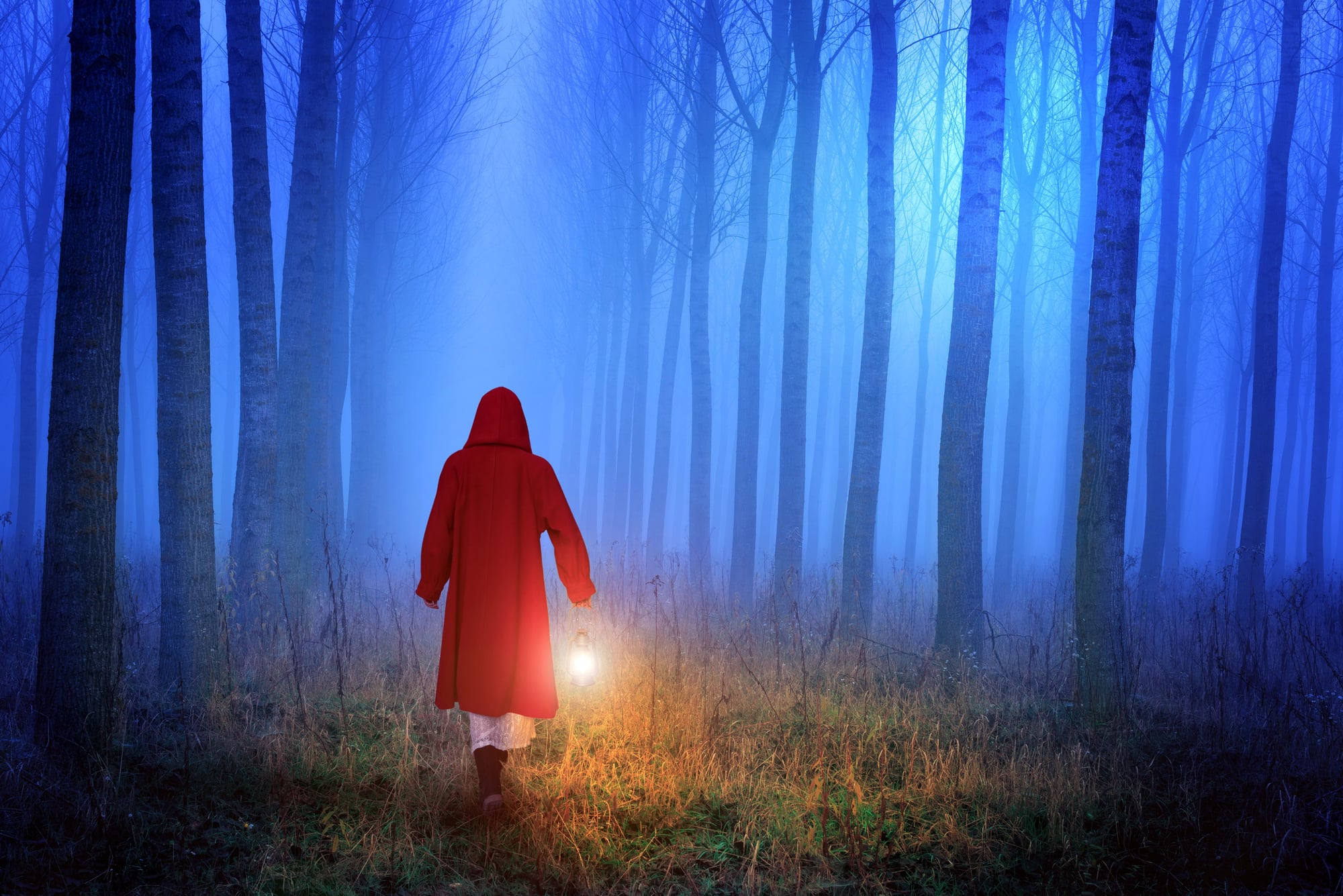
The cheerful tale of a girl visiting her grandmother was originally much darker and served as a genuine warning to children.
In oral pre-Perrault versions, Little Red Riding Hood was simply eaten by the wolf with no rescue, no huntsman, and no happy ending.
The story was a straightforward cautionary tale about the dangers of talking to strangers and straying from the path.
Perrault’s 1697 version added an explicit moral lesson.
The Brothers Grimm later introduced the huntsman who saves both the girl and her grandmother by cutting open the wolf’s stomach in their 1812 collection.
Beauty and the Beast’s 4,000-Year History
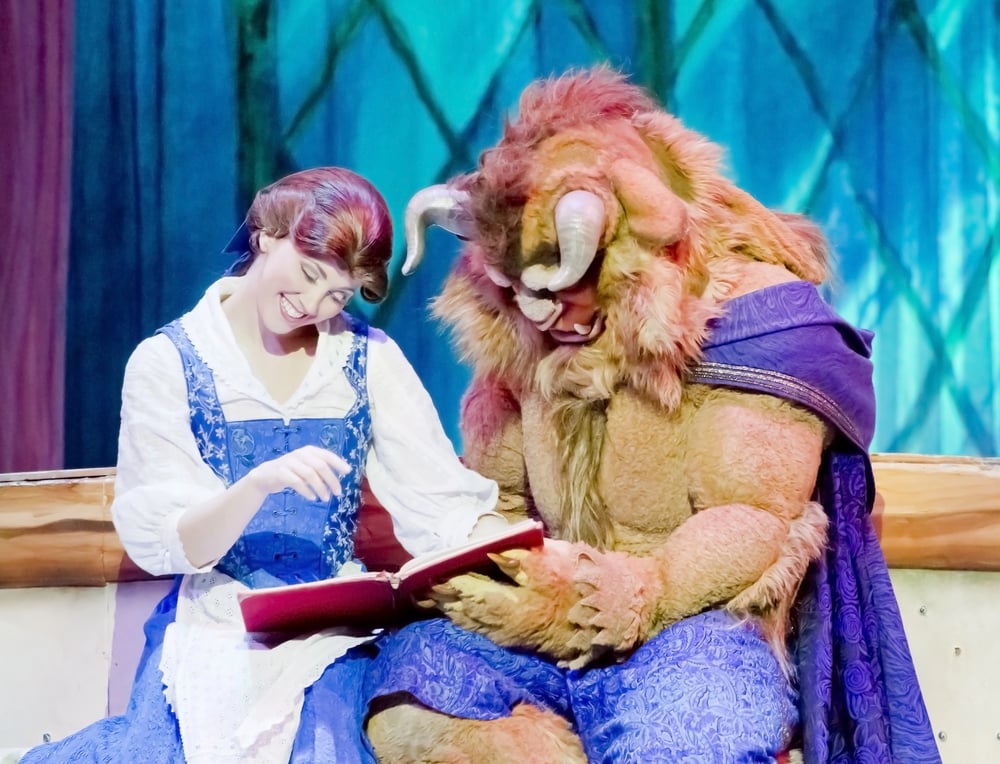
Researchers at Durham University using phylogenetic analysis traced this tale back approximately 4,000 years in a 2016 study by Tehrani and da Silva.
The story appears to have originated during the time when Indo-European cultures were spreading across Europe and Asia.
Multiple ancient cultures developed versions of this narrative about a beautiful woman learning to love someone whose appearance frightens her.
The tale’s longevity suggests it addresses timeless questions about the nature of love, appearance versus character, and transformation through acceptance.
Jack and the Beanstalk’s 5,000-Year Roots

This English fairy tale about a boy trading a cow for magic beans and climbing to a giant’s castle has surprisingly ancient origins.
The same 2016 Durham University phylogenetic research by Tehrani and da Silva traced the story back over 5,000 years to early Indo-European oral tradition.
This was specifically when Eastern and Western Indo-European cultures split.
The tale likely traveled orally across vast distances and through countless generations.
It adapted to different cultures while maintaining its core elements of a poor protagonist gaining wealth through courage and cleverness.
The Bronze Age Origins of The Smith and the Devil

Some fairy tales are so ancient they predate written language entirely.
The story pattern known as The Smith and the Devil, featuring a craftsman making a deal with a supernatural evil being, was dated by the Durham University research team to approximately 6,000 years ago.
It reached back to the Bronze Age.
This narrative emerged during humanity’s first major metalworking period, when smiths held almost magical status in society for their ability to transform raw ore into tools and weapons.
The tale reflects ancient anxieties about the power and danger of this transformative knowledge.
Sleeping Beauty’s Medieval Warning

The tale of a princess cursed to sleep for 100 years has roots in medieval European folklore and served multiple purposes.
Earlier sources like the 14th-century Perceforest and Giambattista Basile’s 1634 tale Sun, Moon, and Talia included a disturbing element where the sleeping princess experienced mistreatment rather than awakening by a chivalrous kiss.
These original stories functioned as warnings to young women about vulnerability and the dangers they faced.
Perrault in 1697 and later the Brothers Grimm softened the tale considerably.
They removed the most offensive elements while keeping the romantic notion of awakening through true love.
Hansel and Gretel’s Famine Reality
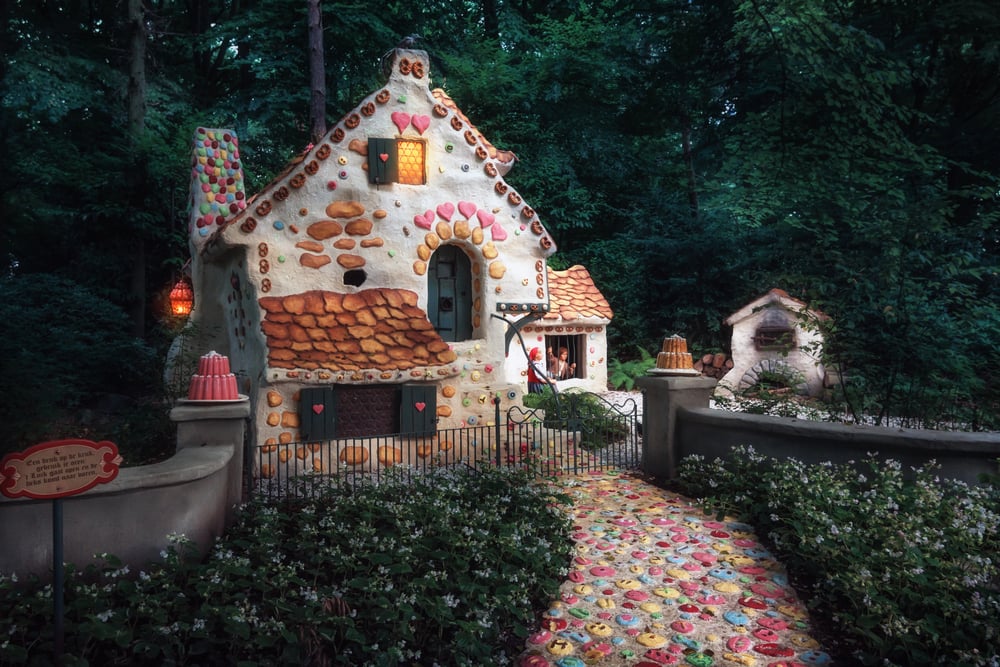
The terrible economic conditions of medieval Europe are reflected in this story of children left in the forest.
This was especially during times like the Great Famine of 1315–1317 and the ensuing food crises of the 14th–17th centuries.
Families occasionally made the terrible choice to leave behind children they were unable to feed during these famines.
These were common in pre-industrial societies.
The witch in the tale, who lived in a gingerbread house, stood for both the perils that vulnerable kids face and the allure of simple food.
The story was a fantasy about children’s tenacity and eventual victory over abandonment.
It was also an acknowledgement of these horrible practices.
Rapunzel’s Stolen Vegetables

Medieval property laws and social hierarchies are reflected in Rapunzel’s peculiar beginning, where a father loses his daughter after stealing vegetables from a witch’s garden.
The story was adapted by the Brothers Grimm for their 1812 collection and is based on Giambattista Basile’s Petrosinella, a story from 1634.
Even if they were starving, peasants who stole food from landowners’ properties could suffer harsh penalties in feudal Europe.
While the tower imprisonment symbolizes the power wealthy guardians had over young women, the story also dramatizes the results of desperation and theft.
The Mirror of Medieval Life

Rather than being purely imaginative, fairy tales reflected and refracted the real world of their tellers.
The evil stepmothers represented valid fears in societies where maternal mortality was high and remarriage was common.
The vicious nobles and evil queens reflected the actual power dynamics in feudal hierarchies.
The magical transformations and happy endings offered hope to those whose lives were often cruelly short and difficult.
By offering entertainment, information, and emotional survival skills, these stories assisted communities in overcoming trauma and maintaining hope.
Knowing their true historical origins enhances their magic rather than lessens it.
It demonstrates how people have long used storytelling to make sense of a confusing and frequently terrifying world.
More from Go2Tutors!

- The Romanov Crown Jewels and Their Tragic Fate
- 17 Halloween Costumes Once Considered Taboo
- Famous Hoaxes That Fooled the World for Years
- 15 Child Stars with Tragic Adult Lives
- 16 Famous Jewelry Pieces in History
Like Go2Tutors’s content? Follow us on MSN.