16 Secrets Behind U.S. Landmarks
America’s most famous landmarks stand as symbols of freedom, achievement, and national pride, but behind their familiar facades lie incredible secrets that most visitors never discover. Hidden chambers, buried time capsules, construction mishaps, and surprising design choices reveal fascinating stories that textbooks rarely mention.
From the Statue of Liberty’s original copper color to secret bunkers beneath the White House, these iconic structures hold mysteries that would amaze even frequent tourists.Think you know everything about America’s greatest landmarks? The hidden stories are often more captivating than what meets the eye.
Here is a list of 16 secrets behind U.S. landmarks that will change how you see these national treasures.
The Statue of Liberty Was Originally Brown
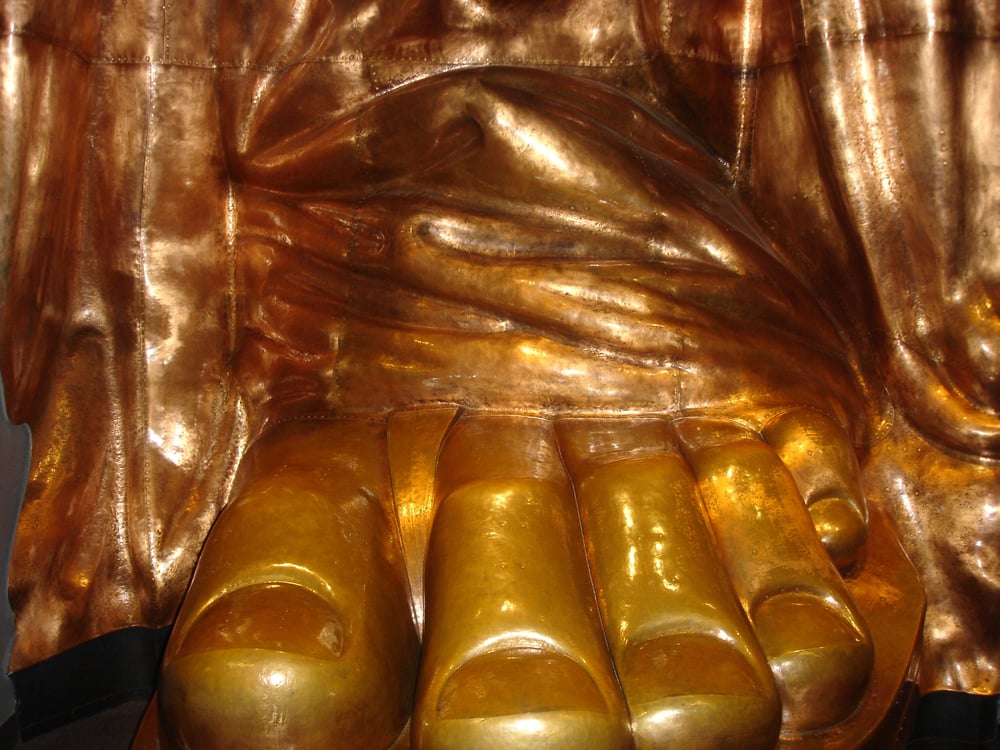
When France gifted the Statue of Liberty to America in 1886, Lady Liberty wasn’t the green color everyone recognizes today. The statue was actually a shiny brown copper color that gradually turned green over about 30 years due to oxidation.
Many people at the time worried about the color change and wanted to paint over the green patina, but fortunately, officials decided to let nature take its course. The green coating actually protects the underlying copper from further corrosion.
Mount Rushmore Has a Hidden Hall of Records

Behind Abraham Lincoln’s head, there’s a secret chamber called the Hall of Records that most visitors never see. Sculptor Gutzon Borglum planned this 70-foot-deep cave to house important American documents and artifacts for future generations.
While the hall was never fully completed as Borglum envisioned, it does contain a titanium vault with copies of the Declaration of Independence, Constitution, and other historical documents. The entrance is sealed and only accessible to authorized personnel.
The Golden Gate Bridge’s Color Was an Accident
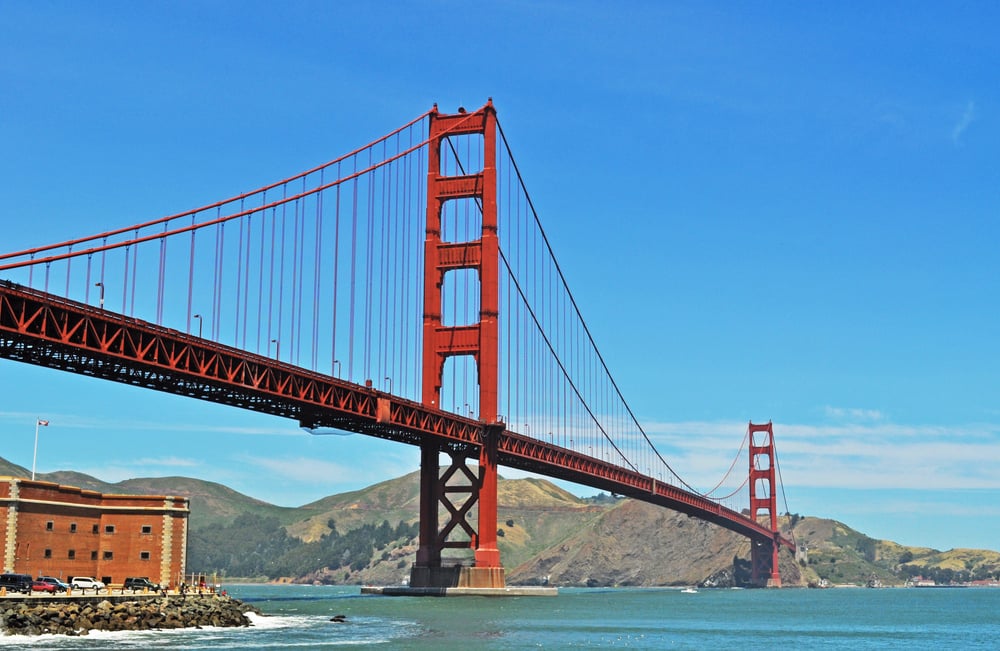
The Golden Gate Bridge’s famous ‘International Orange’ color wasn’t part of the original design plan. The bridge was supposed to be painted yellow with blue stripes to make it more visible to ships in San Francisco’s frequent fog.
However, the primer coat used during construction was a reddish-orange color that architect Irving Morrow thought looked perfect against the landscape. The accidental color choice became permanent and is now one of the bridge’s most recognizable features.
Lincoln Memorial Has Secret Underground Chambers
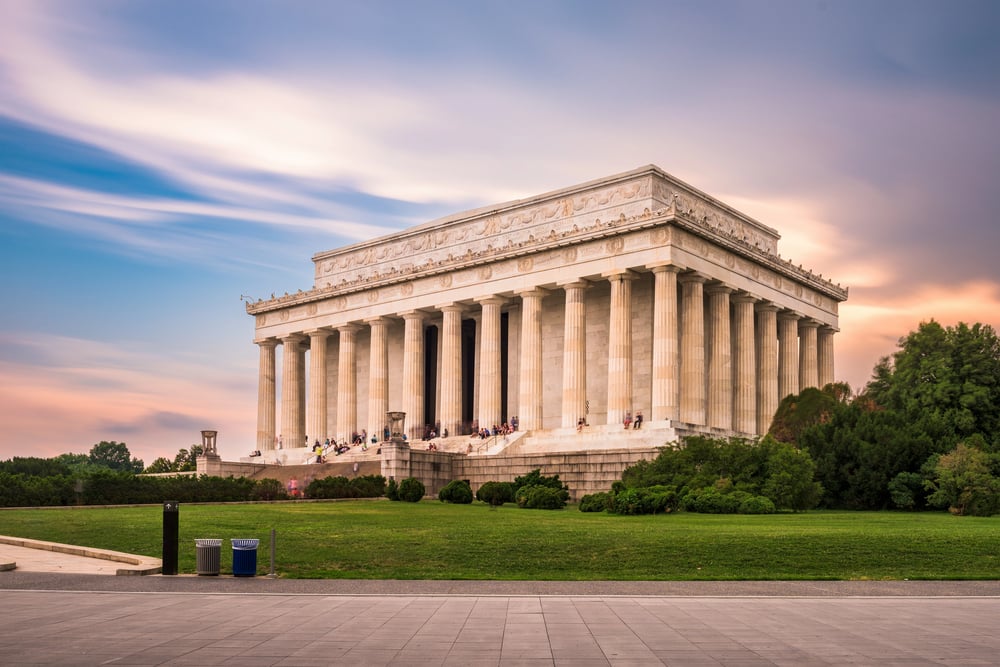
Beneath the Lincoln Memorial lies a huge underground complex that includes maintenance areas, storage rooms, and even graffiti left by construction workers from the 1910s. During World War II, these underground spaces served as a fallout shelter.
The basement area is so large that it’s sometimes called an ‘undercroft’ and contains massive support columns that hold up the memorial above. Occasionally, the National Park Service offers special tours of these hidden areas.
The Washington Monument Contains a Time Capsule
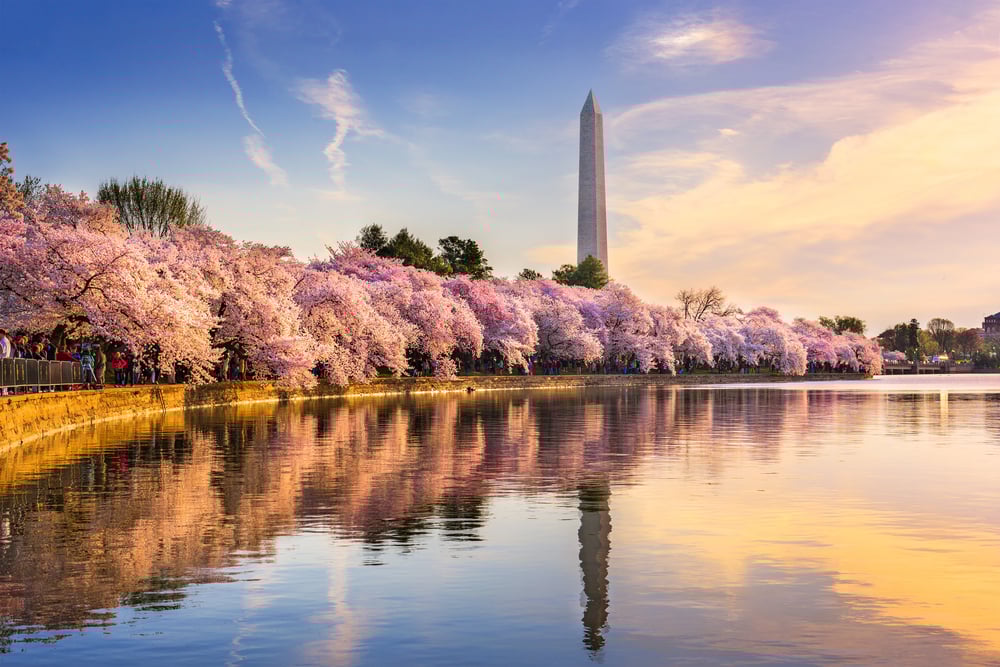
When workers placed the capstone on the Washington Monument in 1884, they sealed a time capsule inside containing newspapers, maps, and other items from that era. The 100-ounce aluminum cap was considered extremely valuable at the time since aluminum was rarer and more expensive than gold.
The monument also contains 193 memorial stones donated by various states, countries, and organizations, many of which have their own interesting stories and hidden messages.
Empire State Building Gets Struck by Lightning 25 Times Per Year

The Empire State Building serves as a giant lightning rod for Manhattan, getting struck about 25 times annually. The building was specifically designed to handle lightning strikes, with a sophisticated grounding system that safely channels electrical energy into the ground.
During storms, the building’s lights often flicker from electrical interference, and there are incredible photographs of lightning bolts hitting the spire. The building’s lightning protection system has worked flawlessly for over 90 years.
Brooklyn Bridge Hides Wine Cellars in Its Foundation
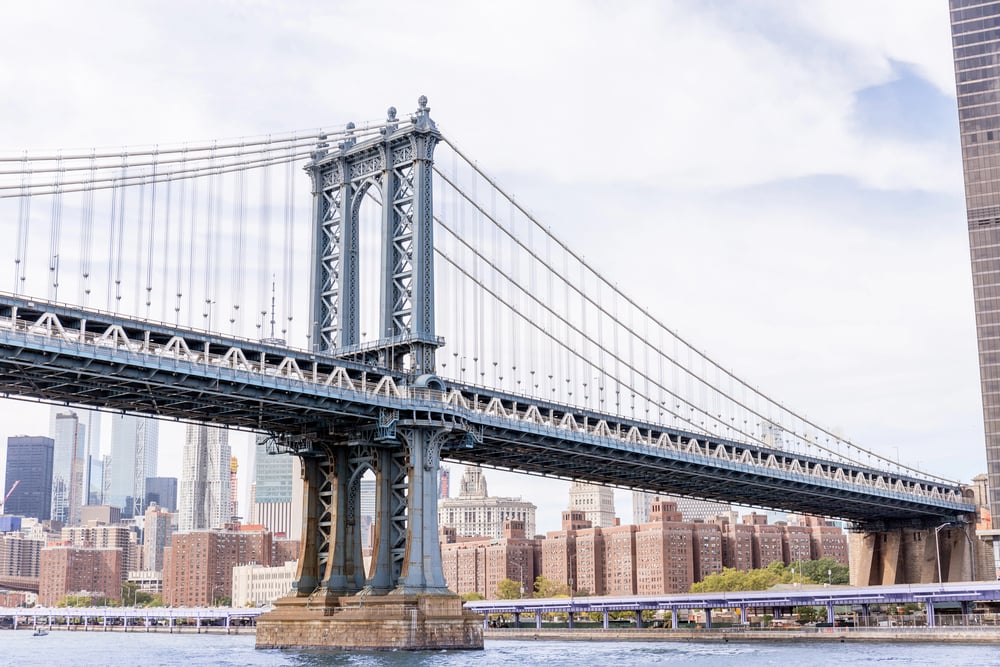
During the Brooklyn Bridge’s construction in the 1870s, engineers discovered that the massive stone foundations created perfect conditions for storing wine. Enterprising businessmen rented space in the bridge’s anchorages to store thousands of bottles of champagne and wine.
These underground cellars maintained constant cool temperatures and protected valuable vintages from temperature fluctuations. Some of these storage spaces were used for decades, turning part of the bridge into an unofficial wine warehouse.
Gateway Arch Contains Two Time Capsules
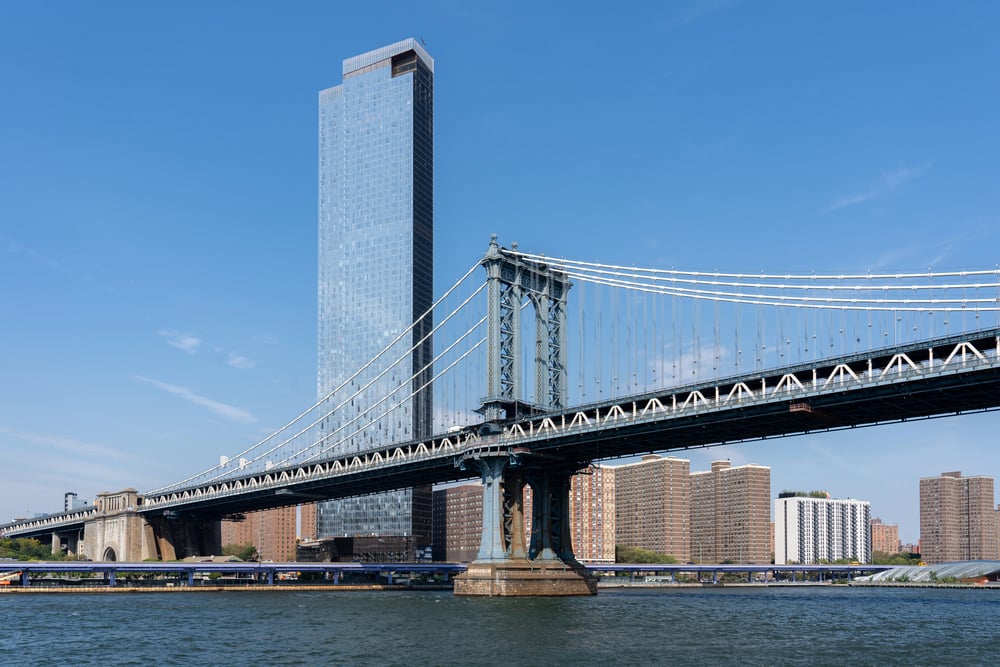
The Gateway Arch in St. Louis contains time capsules placed during its construction in the 1960s. One capsule sits in the north leg and another in the south leg, each containing signatures of construction workers, newspaper clippings, and other artifacts from the era.
The arch’s unique construction method involved building both legs simultaneously and meeting in the middle, requiring incredibly precise engineering to ensure the final piece would fit perfectly. The last section was installed on a cool morning when thermal expansion wouldn’t interfere with the fit.
White House Has a Secret Bunker System

Beneath the White House lies an extensive bunker complex known as the Presidential Emergency Operations Center, though its exact layout remains classified. During major emergencies, the President and staff can access this underground facility through hidden entrances.
The bunker system was significantly expanded after Pearl Harbor and again after 9/11. There are also rumors of underground tunnels connecting to other government buildings, though officials never confirm specific security details.
Hoover Dam Contains Astronomical Markers
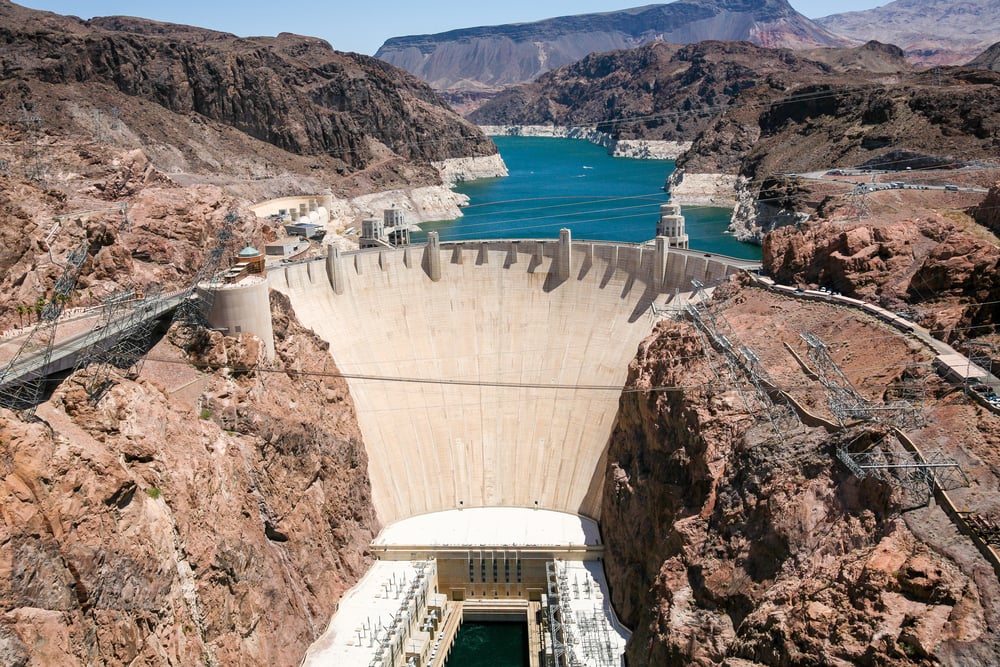
The Hoover Dam features a hidden astronomical calendar built into its design that most visitors completely miss. Star maps embedded in the terrazzo floor of the visitor center show the exact position of stars on the day President Roosevelt dedicated the dam in 1935.
The dam also contains a plaque explaining that the structure is designed to last for thousands of years, with astronomical markers to help future civilizations understand when it was built.
Liberty Bell’s Crack Has Multiple Stories
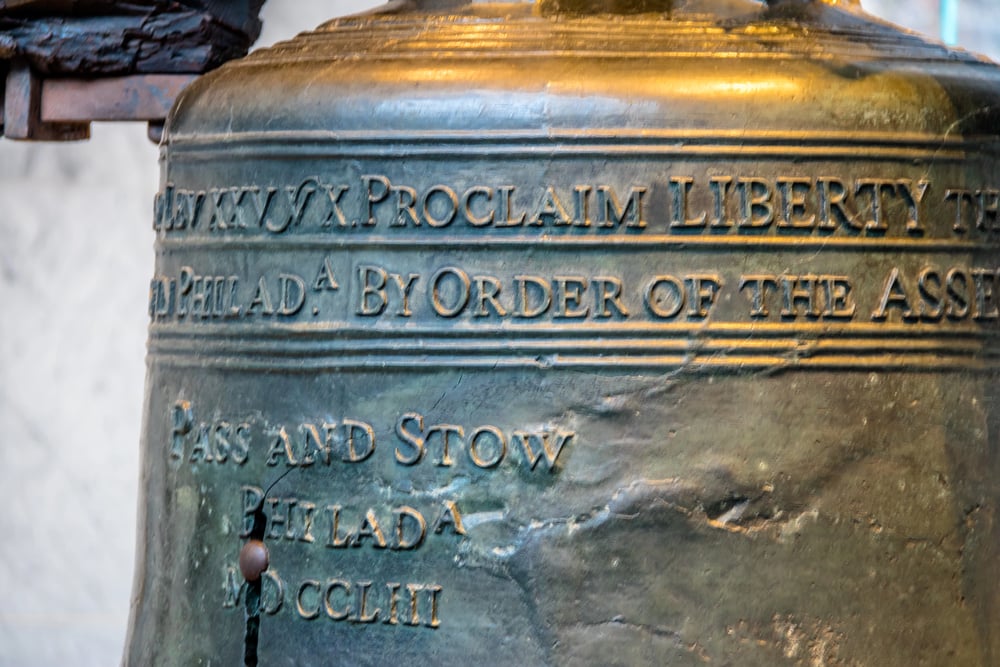
Nobody knows for certain how the Liberty Bell got its famous crack, and there are several competing theories about when and why it happened. Some say it cracked while ringing for George Washington’s birthday in 1846, others claim it happened during a test ring after repairs in 1835.
The bell actually has multiple cracks, and the large visible crack was intentionally widened to prevent further damage. The bell hasn’t been rung since 1846 to preserve it from additional harm.
Capitol Building’s Dome Contains Hidden Artwork

The inside of the U.S. Capitol dome features a massive painting called ‘The Apotheosis of Washington’ that depicts George Washington ascending to heaven surrounded by allegorical figures. However, many visitors don’t realize that the dome itself contains hidden rooms and walkways that allow maintenance workers to access the artwork for cleaning and repairs.
There are also secret passages and chambers throughout the Capitol building that most public tours never visit.
Space Needle Has a Secret Floor
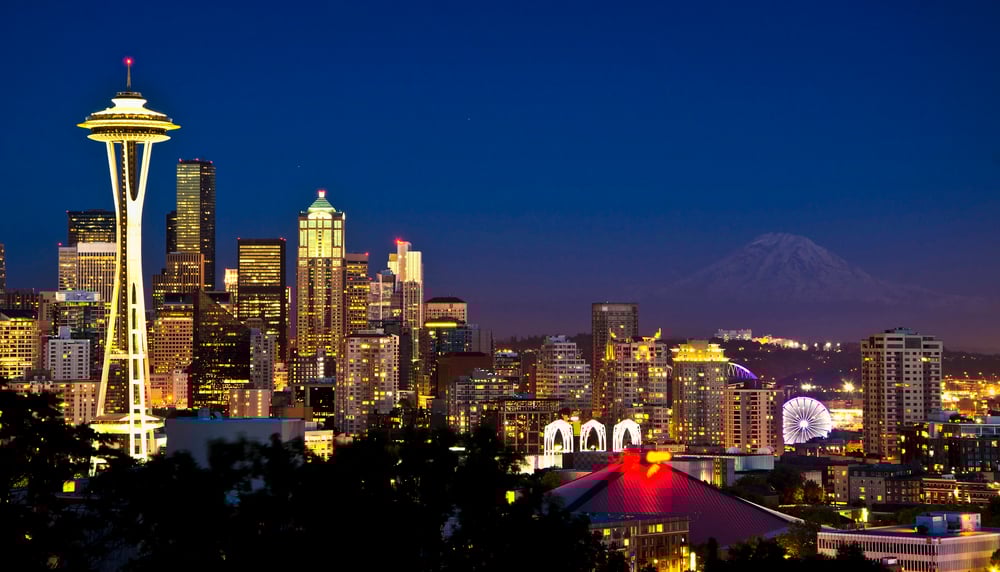
Seattle’s Space Needle contains a secret level between the observation deck and the restaurant that was originally designed as a private club for VIPs. This hidden floor, located about 500 feet above ground, was used for exclusive events and meetings but isn’t part of regular public tours.
The Space Needle also has a time capsule that was sealed during the 1962 World’s Fair and isn’t scheduled to be opened until 2062, exactly 100 years after the fair.
Alcatraz Had a Secret Tunnel System

The infamous Alcatraz prison contains a network of tunnels and hidden passages that inmates never knew about. These secret corridors allowed guards to move around the facility without being seen and provided emergency escape routes during riots or other dangerous situations.
Some tunnels connected different buildings on the island, while others led to hidden observation posts where guards could monitor prisoner activities. Many of these passages remain off-limits to tourists today.
Rushmore Faces Were Originally Planned Differently
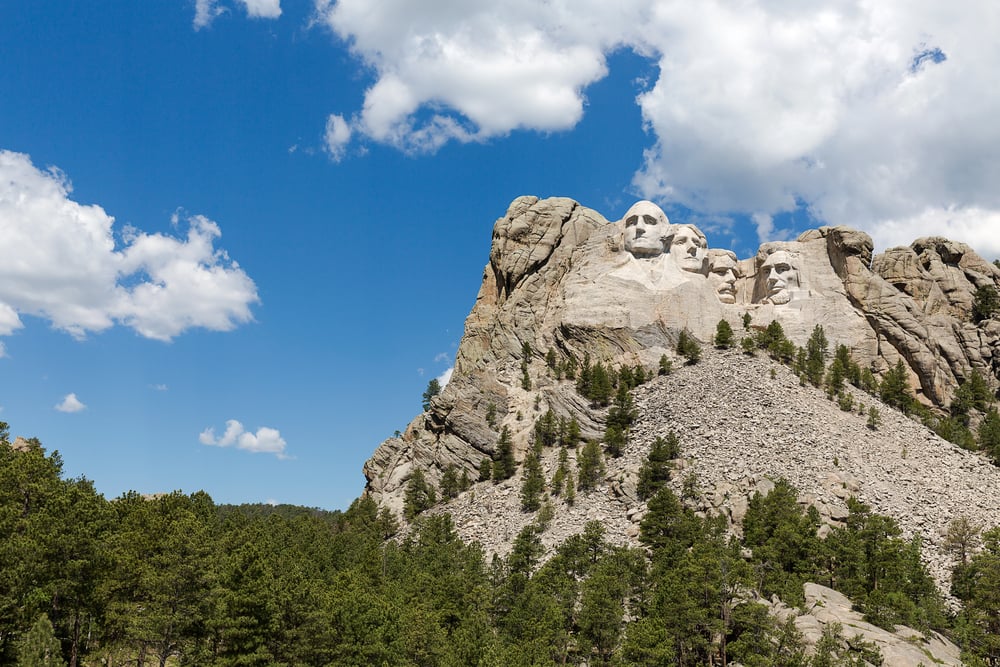
Mount Rushmore’s four presidential faces weren’t always positioned the way they appear today. Sculptor Gutzon Borglum originally planned to carve the figures from head to waist, showing more of each president’s body.
He also considered different positioning and even different presidents before settling on the final design. Theodore Roosevelt’s face had to be moved and recarved when workers encountered unsuitable rock, and Jefferson’s face was actually started on the wrong side of Washington before being blasted away and relocated.
Golden Gate Bridge Workers Had a Safety Net
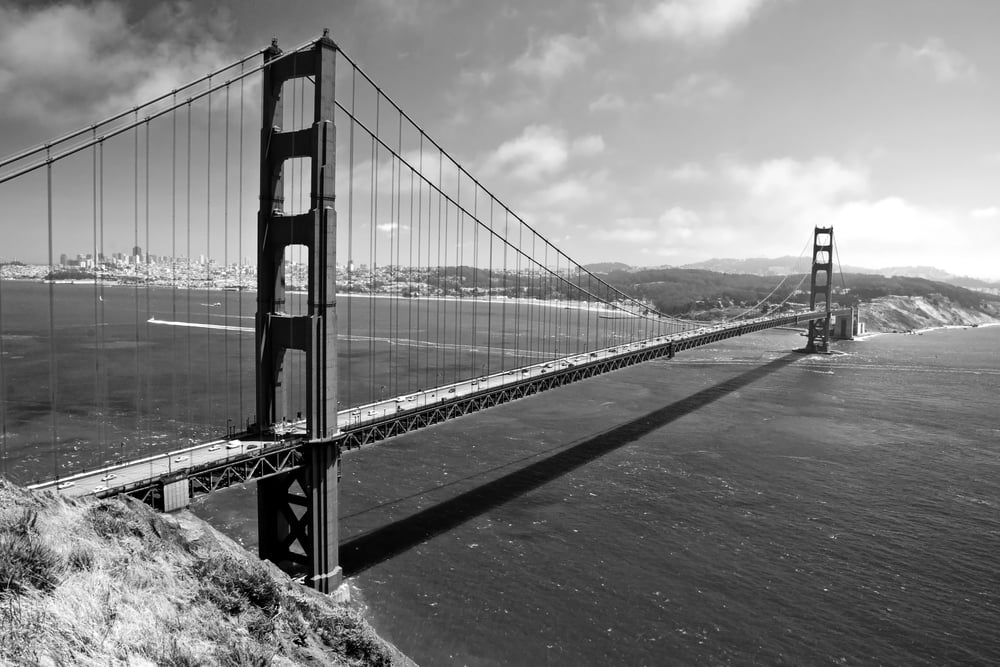
During the Golden Gate Bridge’s construction, workers installed a massive safety net beneath the bridge that saved 19 men’s lives. These lucky survivors became known as the ‘Halfway to Heaven Club’ because they fell partway to the water below but lived to tell about it.
The safety net was a revolutionary idea for 1930s construction projects, though sadly, 11 workers still died during the bridge’s construction. The net cost about $130,000, which was considered expensive at the time but proved invaluable for worker safety.
America’s Hidden Stories Live On

These secret details reveal that America’s most beloved landmarks contain layers of history, mystery, and human ingenuity that go far beyond their public faces. While millions of tourists visit these sites each year, the hidden chambers, buried time capsules, and construction secrets remain largely unknown to casual visitors.
Engineers, architects, and builders of these monuments often included personal touches, practical solutions, and forward-thinking designs that continue to surprise researchers today. These landmarks weren’t just built to impress — they were crafted with secrets, stories, and surprises that ensure their mysteries will continue fascinating future generations.
The next time you visit one of these iconic sites, remember that what you can see represents only a fraction of the incredible stories hidden within America’s greatest architectural achievements.
More from Go2Tutors!

- The Romanov Crown Jewels and Their Tragic Fate
- 13 Historical Mysteries That Science Still Can’t Solve
- Famous Hoaxes That Fooled the World for Years
- 15 Child Stars with Tragic Adult Lives
- 16 Famous Jewelry Pieces in History
Like Go2Tutors’s content? Follow us on MSN.



