15 Fashion Items Stored in Vaults
The most valuable items in fashion are kept in climate-controlled vaults, shielded from light, moisture, and the effects of time, rather than on red carpets or runways. These are cultural relics that document the history of human ingenuity, inventiveness, and the development of fashion itself, not just pricey garments collecting dust.
These vaults hold everything from unique pieces valued at millions of dollars to groundbreaking designs that forever altered fashion, from upscale fashion houses keeping private archives to top museums conserving pieces for future generations. These 15 intriguing fashion items are presently kept in vaults all over the world.
Coco Chanel’s Little Black Dress
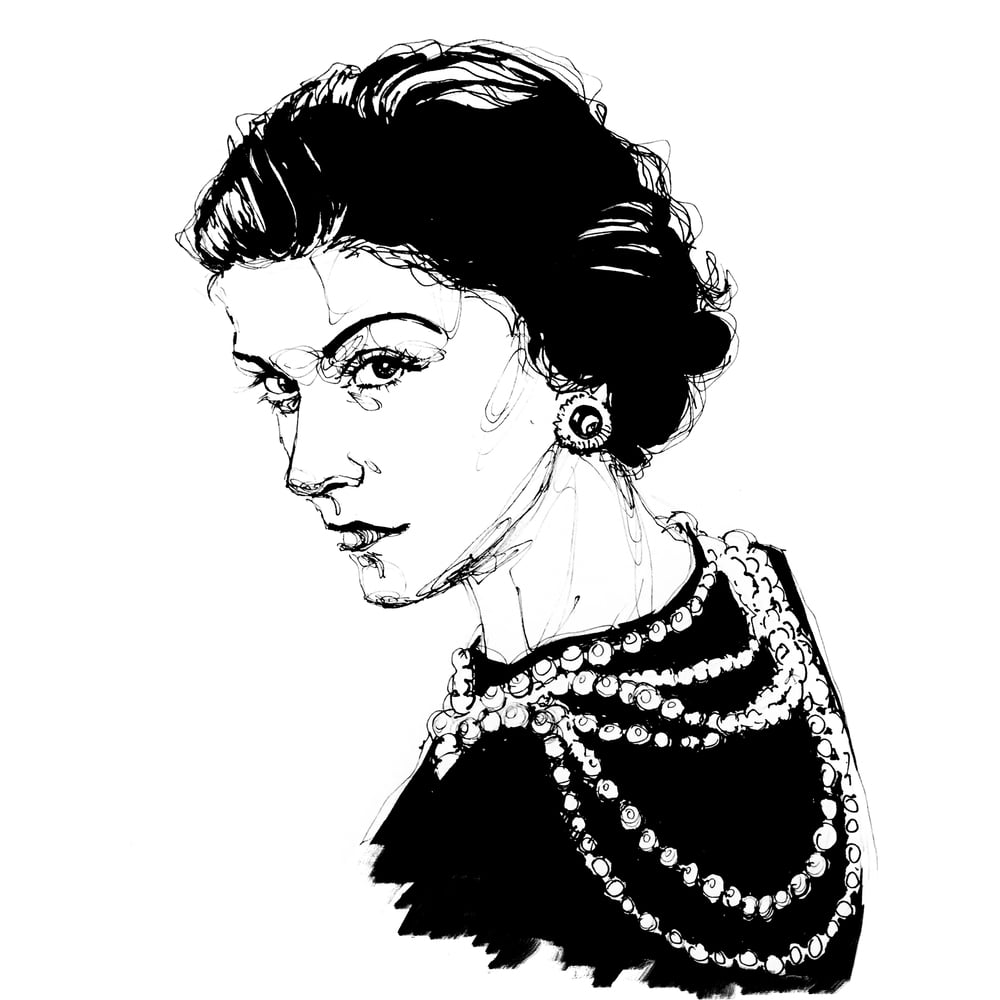
Carefully preserved in climate-controlled storage is the original little black dress that ignited a fashion revolution. Vogue compared Chanel’s 1926 introduction of this understated yet sophisticated design to Ford’s Model T, predicting that it would become a staple item for women of all social classes.
It is now regarded as one of the most influential pieces in fashion history, which led rival designers to refer to it as “poverty deluxe.”
Christian Dior’s Bar Suit
The famous Bar suit, which introduced the New Look in 1947 and revolutionized post-war fashion, is kept in Dior’s archives. After years of rationing during the war, this fitted jacket, with its full skirt and nipped waist, used an unusual amount of fabric, making it a luxurious statement.
Although shawl-collared versions were later produced and are just as valuable in the archive, the original version had a notched collar.
Marilyn Monroe’s ‘Happy Birthday’ Dress
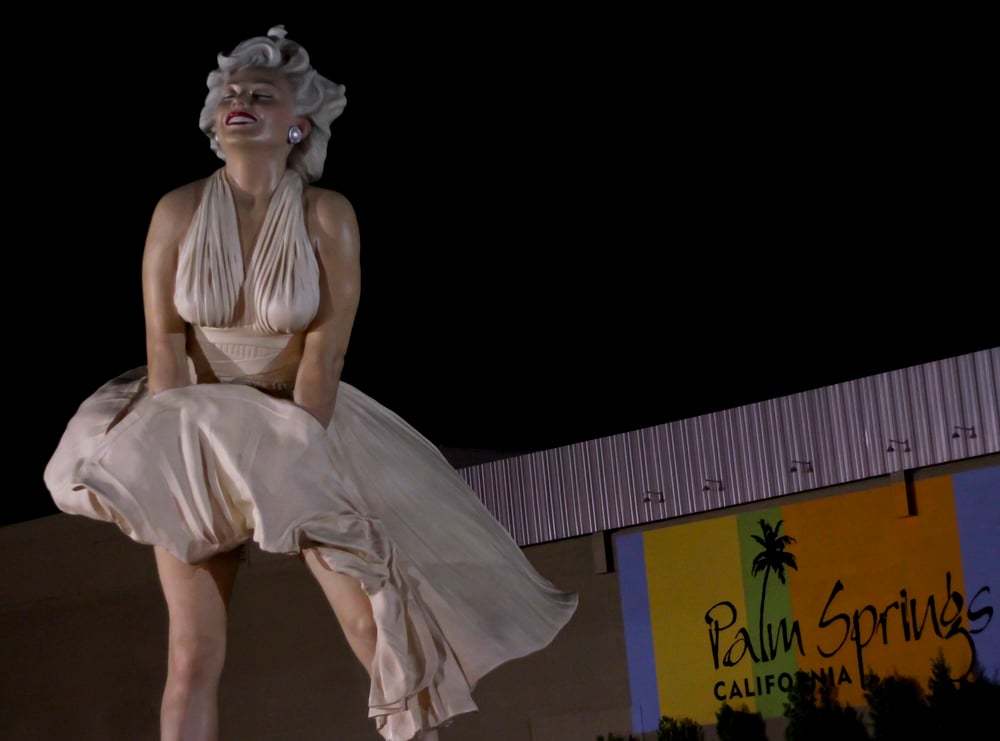
One of the priciest dresses ever to be sold at auction is the sheer, crystal-covered Jean Louis gown that Marilyn Monroe wore when she sang “Happy Birthday” to President Kennedy in 1962. It was sold for $4.8 million in 2016 and is currently kept in a specialized vault with carefully regulated humidity and temperature.
Only conservators wearing white gloves can handle the dress due to its extreme fragility.
Vivienne Westwood’s Punk Collection
The Victoria and Albert Museum’s textile storage houses original pieces from Westwood’s groundbreaking punk collections of the 1970s. These safety-pin adorned, deliberately torn garments might look like they belong in a thrift store, but they’re actually priceless artifacts of a cultural movement.
Each piece is individually wrapped and stored flat to prevent further deterioration of the already-distressed fabrics.
Alexander McQueen’s Savage Beauty Pieces
Several of McQueen’s most theatrical runway pieces are permanently housed in museum vaults, including his famous ‘bumster’ trousers and elaborate headpieces. The Metropolitan Museum of Art’s costume collection includes pieces from his ‘Highland Rape’ and ‘Plato’s Atlantis’ collections, stored in custom-made boxes to accommodate their unusual shapes.
These pieces require special handling due to their complex construction and delicate materials.
Yves Saint Laurent’s Tuxedo

The original tuxedo suit that Saint Laurent designed for women in 1966 challenged gender norms and is now preserved as a landmark moment in fashion history. Multiple versions exist in different museum collections, each stored with acid-free tissue paper to maintain their shape.
The revolutionary design that once scandalized society by putting women in traditionally masculine formal wear is now studied by fashion students worldwide.
Halston’s Ultrasuede Shirtdress

This seemingly simple design revolutionized American sportswear and multiple examples are preserved in fashion archives across the country. The dress’s genius lay in its fabric choice—Halston was among the first designers to embrace synthetic materials for high-end fashion.
Museum conservators appreciate these pieces because synthetic fabrics often age better than natural materials, though they still require careful climate control.
Jean Paul Gaultier’s Cone Bra
Madonna’s famous cone bra corset, designed by Gaultier for her 1990 Blond Ambition tour, is stored in specialized archival conditions. The piece combines traditional corsetry techniques with punk aesthetics, creating something entirely new.
Multiple versions exist because several were made for the tour, and they’re now distributed among different collections, each treated as a significant piece of both fashion and pop culture history.
Schiaparelli’s Surrealist Pieces

Elsa Schiaparelli’s collaboration pieces with Salvador Dalí, including the famous lobster dress, are among the most carefully guarded items in fashion archives. The Victoria and Albert Museum stores several of her surrealist-inspired pieces, including hats shaped like shoes and evening gowns with trompe-l’oeil effects.
These require special conservation techniques because many incorporate unusual materials that weren’t designed for longevity.
Balenciaga’s Balloon Jacket

Cristóbal Balenciaga’s innovative structural pieces, including his famous balloon jacket from 1953, demonstrate his mastery of shape and volume. The Fashion Institute of Technology houses several of his pieces, stored on custom mannequins that support their architectural forms.
These garments teach fashion students about construction techniques that seem impossible until you see them in person.
Charles James’s Gowns
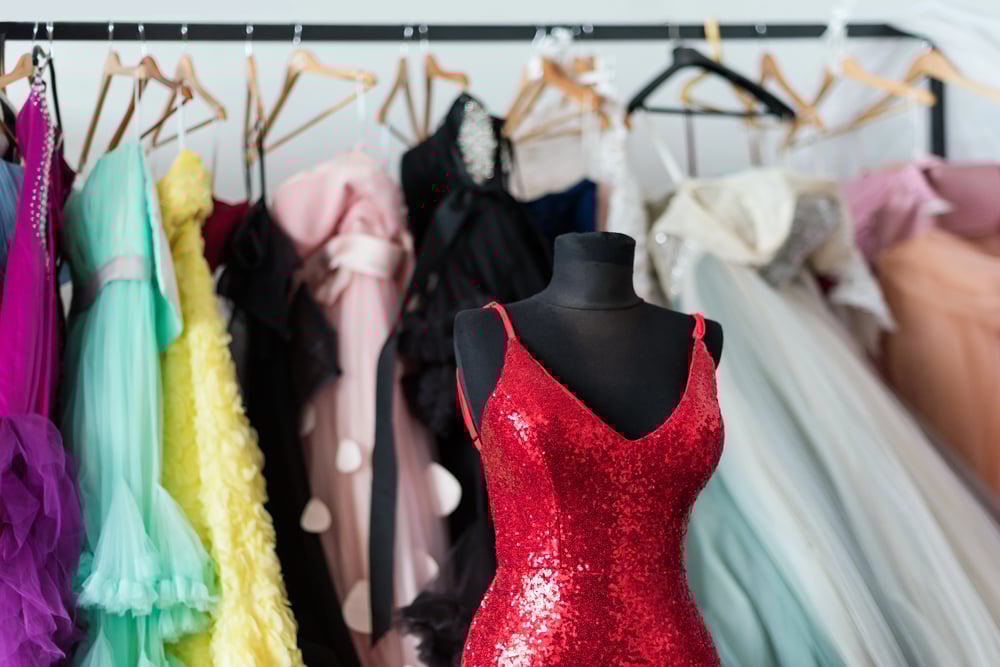
The American designer’s mathematically precise evening gowns are stored like sculptures in museum vaults, each requiring its own specially designed support system. James spent years perfecting each design, often creating only one or two examples of each dress.
The Metropolitan Museum of Art’s collection includes several of his pieces, stored with detailed documentation of their construction methods.
Rei Kawakubo’s Comme des Garçons Pieces

Kawakubo’s avant-garde designs challenge traditional concepts of clothing, and her pieces require unconventional storage solutions. Her ‘lumps and bumps’ collection from 1997 includes dresses with strange protrusions that can’t be stored flat like traditional garments.
Each piece is individually assessed for storage needs, with some requiring custom-built support structures.
Norman Norell’s Sequined Gowns

The first American designer to achieve international recognition, Norell’s heavily beaded and sequined evening gowns present unique conservation challenges. The weight of the embellishments can cause fabric to tear over time, so each dress is stored horizontally with full support.
The Fashion Institute of Technology’s collection includes several examples, each requiring regular inspection for loose beadwork.
Pierre Cardin’s Space Age Designs

Cardin’s futuristic designs from the 1960s, including his famous vinyl and synthetic material pieces, are preserved as examples of fashion’s relationship with technology and social change. These pieces often used experimental materials that haven’t aged as well as traditional fabrics.
Conservation teams work continuously to stabilize these materials while maintaining the designer’s original vision.
Azzedine Alaïa’s Body-Conscious Pieces

The late Tunisian designer’s figure-hugging knits and leather pieces are stored in specialized conditions that account for the stretch properties of his signature fabrics. Museums must be particularly careful with his pieces because the elastic fibers can deteriorate over time, permanently altering the fit and drape.
Each piece is supported by custom forms that maintain the garment’s intended silhouette without stretching the materials.
Preserving Fashion’s Future
More than just pricey apparel, these treasures are the foundation of fashion itself, conserved for study, admiration, and inspiration by future generations. From university museum collections to the opulent archives of Parisian fashion houses, every meticulously maintained vault functions as a repository of human ingenuity and cultural expression.
Even though we might never see these items on a runway again, their influence is still felt in the clothing we wear today, demonstrating that true style never goes out of style.
More from Go2Tutors!

- The Romanov Crown Jewels and Their Tragic Fate
- 13 Historical Mysteries That Science Still Can’t Solve
- Famous Hoaxes That Fooled the World for Years
- 15 Child Stars with Tragic Adult Lives
- 16 Famous Jewelry Pieces in History
Like Go2Tutors’s content? Follow us on MSN.