16 Strange Spices You’ve Probably Never Used
Most home cooks stick to the usual suspects when it comes to seasoning—salt, pepper, garlic powder, maybe some paprika if they’re feeling adventurous. While these classics certainly have their place, there’s a whole world of unusual spices waiting to transform your cooking from ordinary to extraordinary.
These fascinating flavor enhancers come from every corner of the globe, each bringing its own unique personality to the kitchen. Think of spices as the secret language of cuisine—every culture has developed its own vocabulary of flavors over thousands of years.
Here’s a list of strange spices that will expand your culinary horizons and have your dinner guests wondering about your mysterious new ingredients.
Sumac
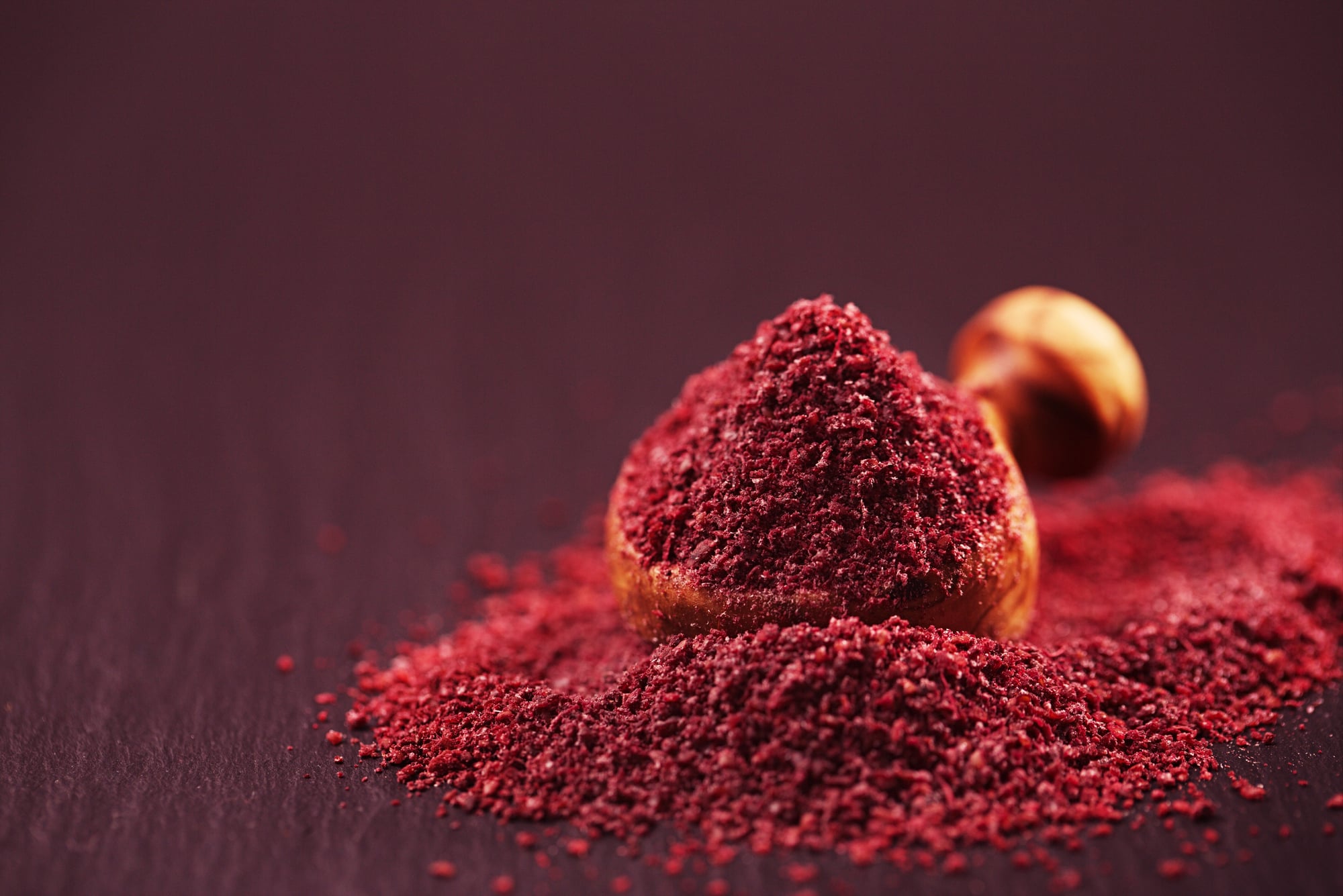
This wine-colored powder comes from grinding the dried berries of the sumac bush, which is native to the Middle East. Sumac delivers a tangy, lemony flavor that’s much less sour than actual lemon, making it perfect for adding brightness to meats and savory dishes.
You can sprinkle it over salads, hummus, grilled vegetables, or use it as a finishing touch on roasted chicken—it’s like having sunshine in a jar.
Grains of Paradise
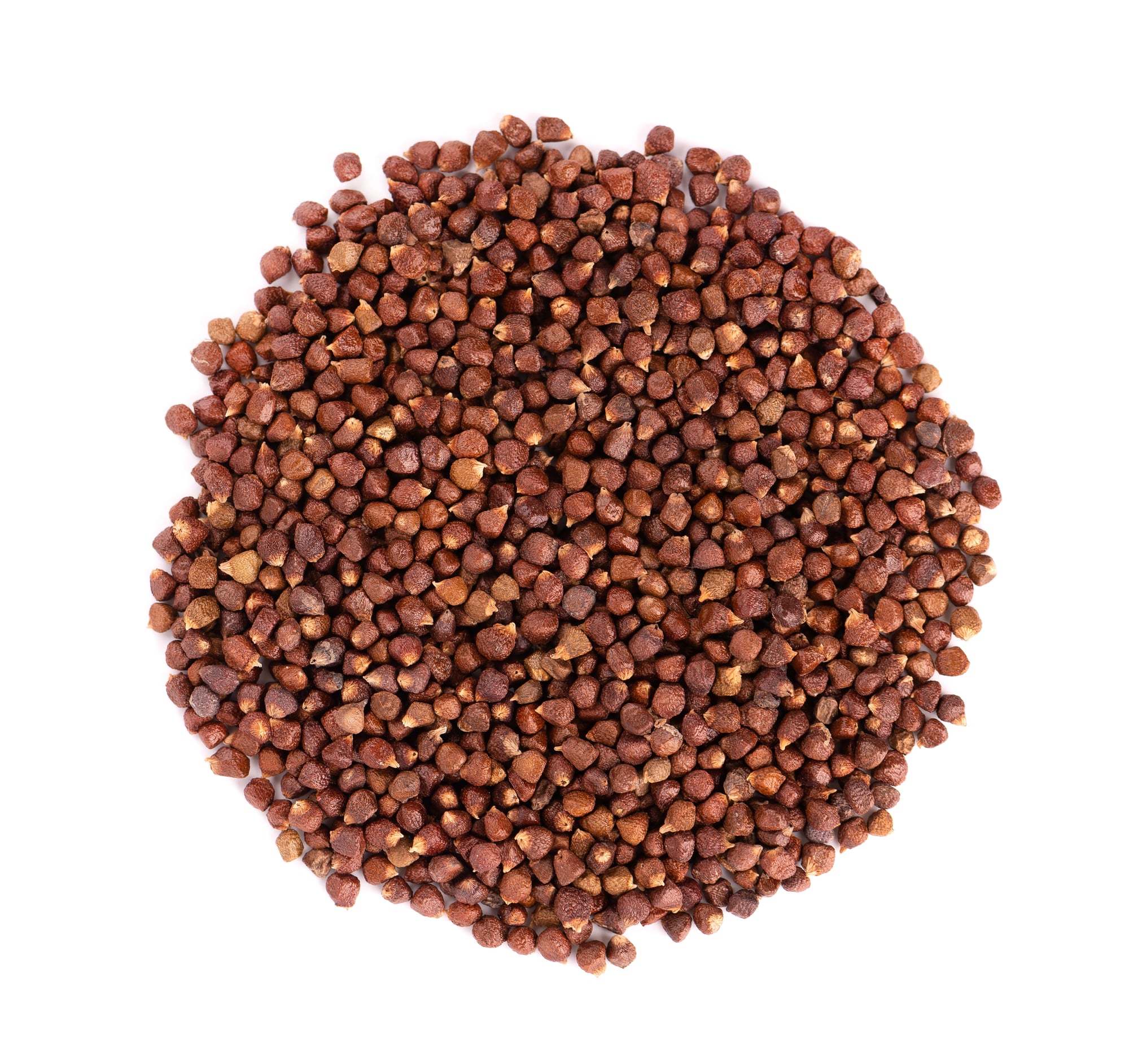
These peppery nuggets are also called Melegueta pepper and come from a tree native to West Africa that’s related to ginger and cardamom. Grains of paradise deliver hot, spicy, aromatic flavors with hints of citrus and were commonly used as a pepper substitute when black pepper prices were sky-high.
They work beautifully ground over popcorn, stirred into hot chocolate, or used to season grilled meats with a more complex heat than regular pepper.
Like Go2Tutors’s content? Follow us on MSN.
Black Cardamom
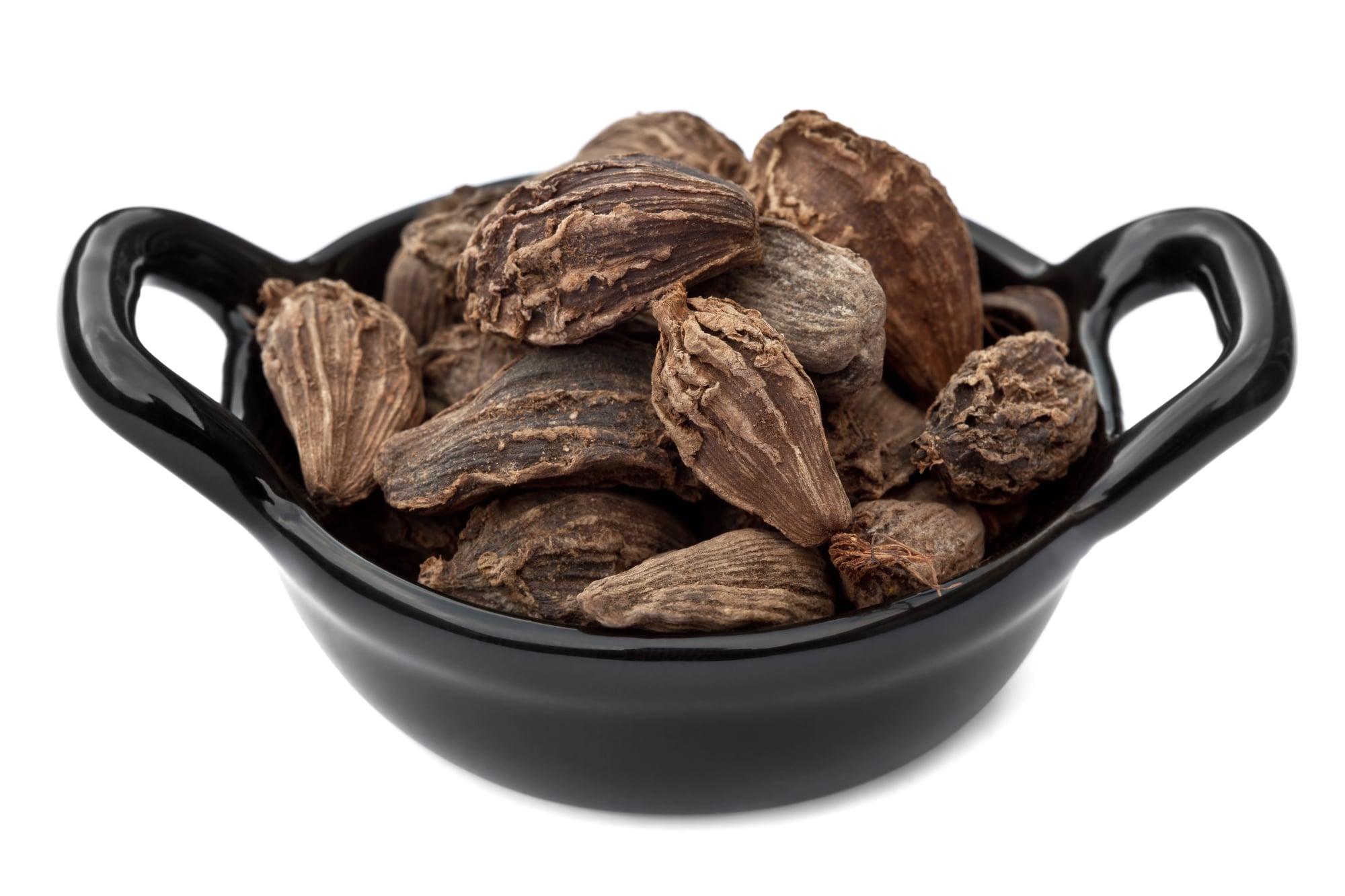
Unlike its green cousin, black cardamom brings a robust, smoky flavor reminiscent of bacon since the pods are smoked rather than dried in the sun. This spice offers strong smoky flavors along with earthy and ginger notes, making it particularly effective in Indian cooking alongside hot cinnamon.
It’s perfect for adding depth to stews, curries, or even chocolate desserts where you want that mysterious smoky undertone.
Nigella Seeds
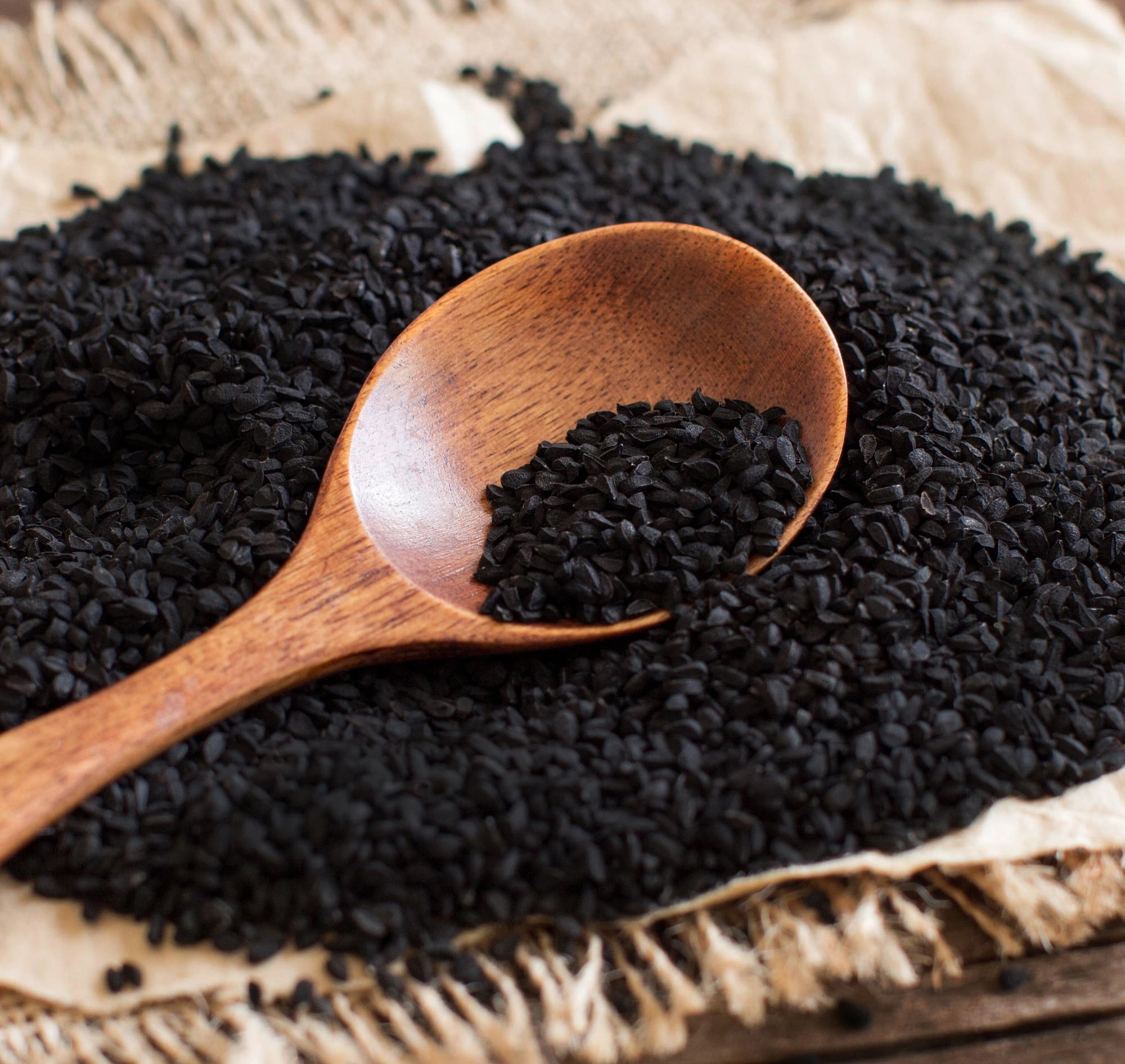
These small, crunchy black seeds are native to Western Asia and loved for their mild nutty and slightly peppery flavor that includes hints of oregano and roasted onion. Also known as black cumin or kalonji, nigella seeds have a slightly bitter, onion-like flavor and are used in Middle Eastern, Indian, and North African cuisine.
They’re fantastic sprinkled on flatbread before baking or tossed into salads for extra crunch and flavor complexity.
Ajwain
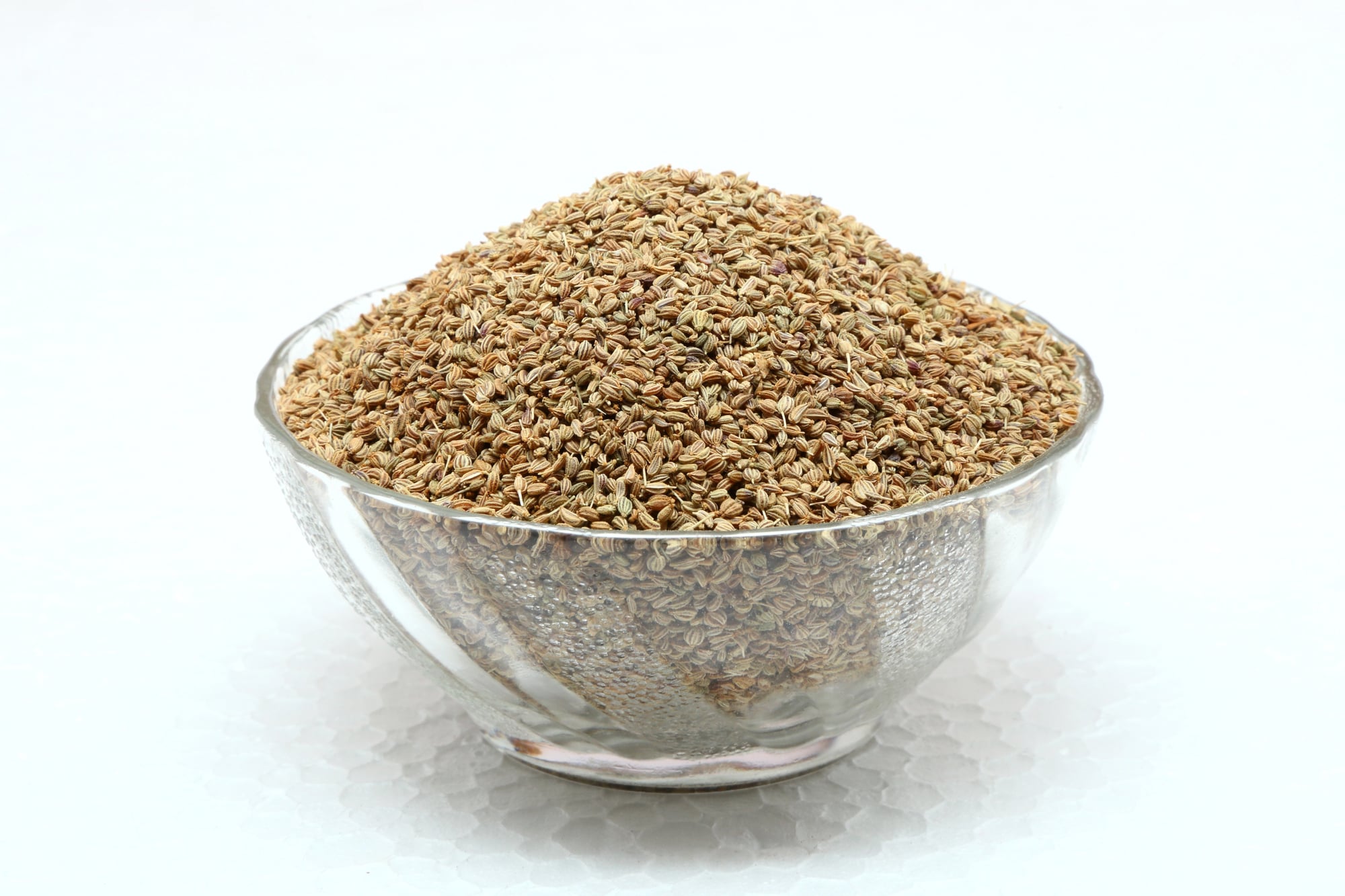
These small, ridged, oval-shaped seeds from an annual herb have a bright, sharp flavor that lands somewhere between thyme and oregano. Ajwain seeds smell like thyme because they contain thymol, but they’re more aromatic and less subtle in taste, with bitter and pungent notes.
Just a small sprinkle transforms flatbreads, roasted potatoes, or fried snacks, and they’re particularly valued in Indian cooking for their digestive properties.
Like Go2Tutors’s content? Follow us on MSN.
Epazote
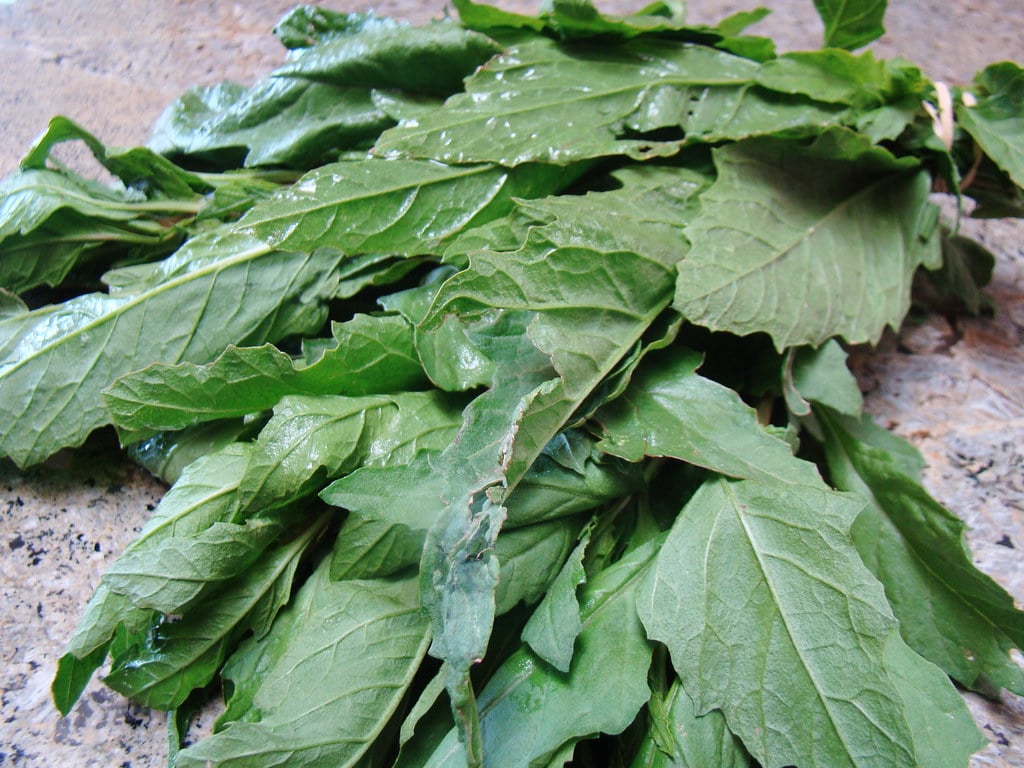
This potent and slightly pungent plant from Central and South America tastes like what you’d get if you blended mint, fresh orange slices, and pine sawdust together. Epazote is a strong, herbaceous plant similar to mint that’s commonly used in Mexican cuisine to flavor soups and bean dishes.
It’s traditionally added to bean dishes not just for flavor, but because it’s believed to reduce the digestive issues that beans can cause.
Star Anise
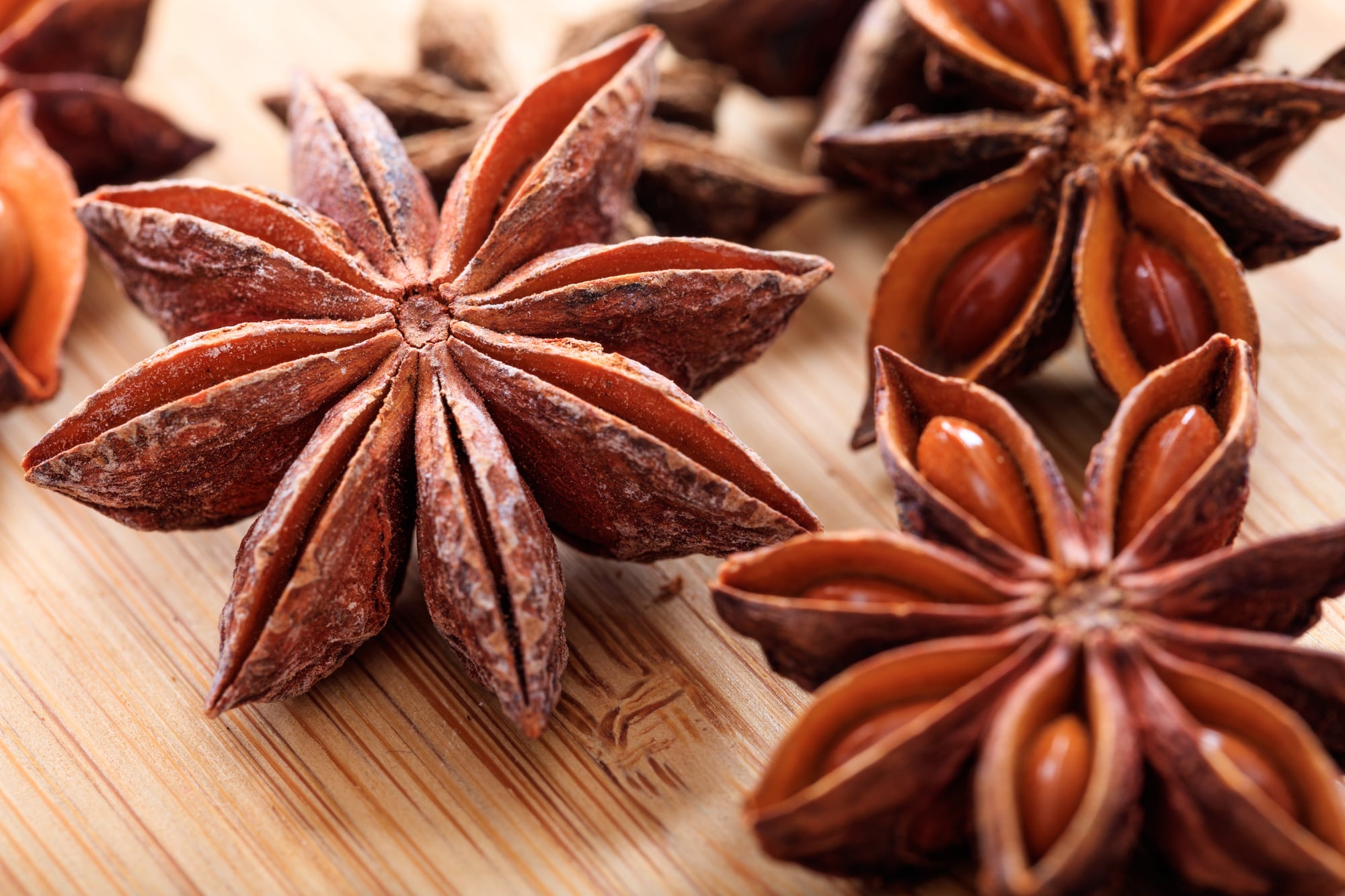
These eight-pointed star-shaped pods are harvested from a small flowering evergreen shrub and deliver a strong, distinct flavor that’s sweet, licorice-like, and slightly spicy. Star anise gives Vietnamese pho its distinctive flavor and is also an important component of Chinese five-spice powder.
You can add whole pods to mulled wine, hot tea, or braised dishes, then remove them before serving—they’re almost too pretty to throw away.
Mahlab
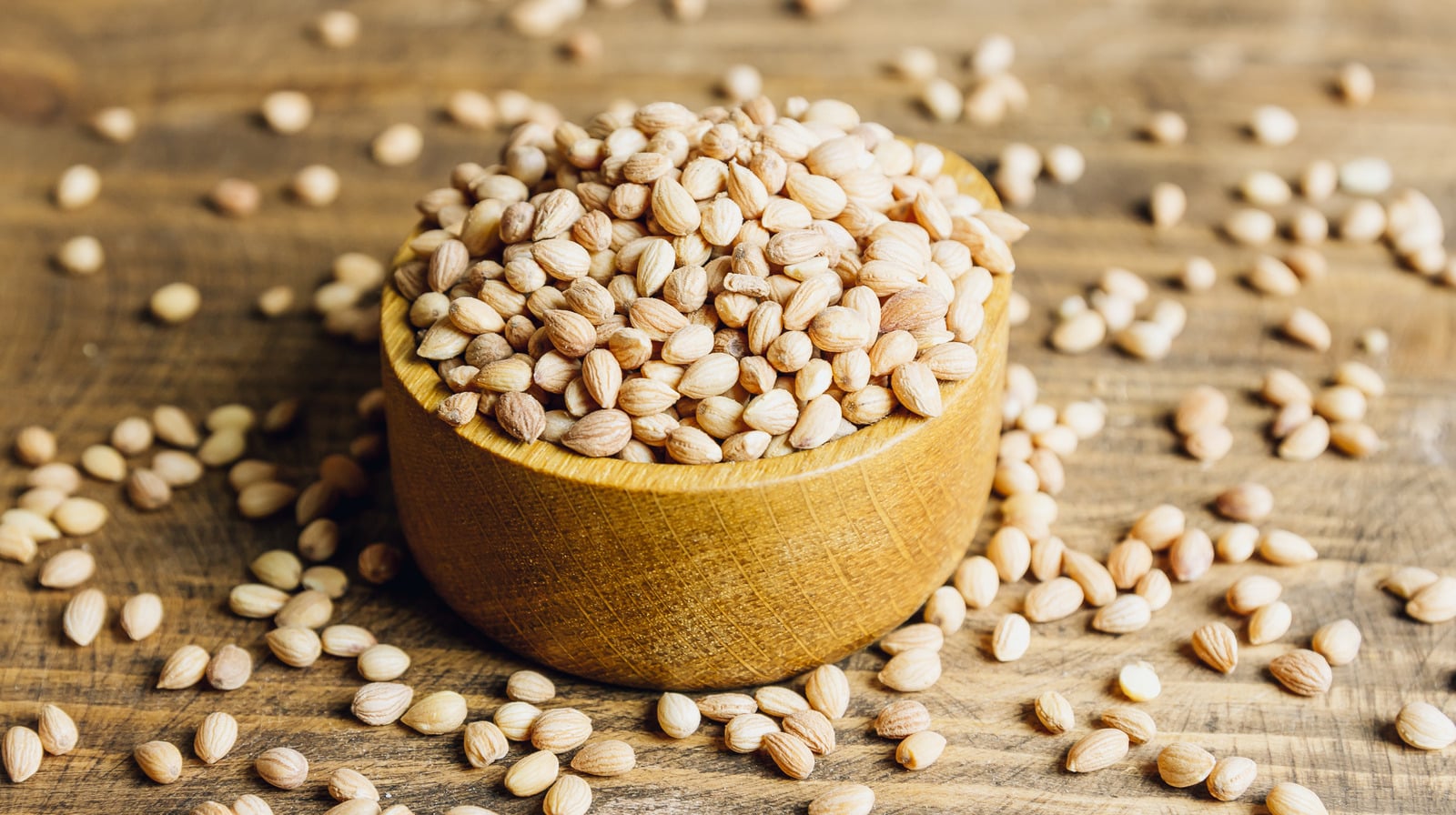
This unique spice comes from cracking the stones of St. Lucie cherries to extract the soft, chewy kernel inside, which is then ground to a powder before use. The flavor resembles a combination of bitter almond and cherry, making it particularly popular in Middle Eastern baking.
It adds an intriguing nutty-sweet complexity to cookies, breads, and pastries, or can provide an unexpected twist to savory dishes.
Like Go2Tutors’s content? Follow us on MSN.
Asafoetida
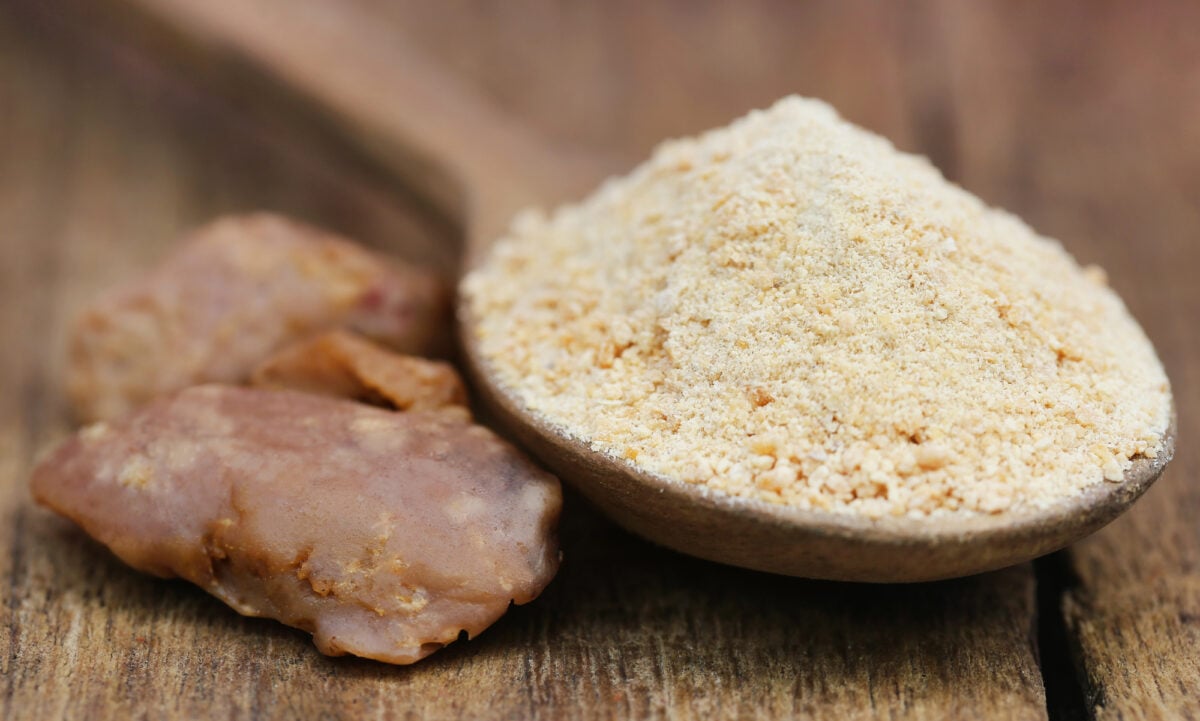
This incredibly pungent spice is made from powdered gum resin of giant fennel and has a strong smell but tastes similar to onion and garlic. Often used in Indian vegetarian cooking, especially by those who are forbidden from eating onion and garlic, asafoetida highlights other spices in a dish similarly to how salt brings flavors forward.
A tiny pinch goes a long way in curries, lentil dishes, and vegetable preparations.
Urfa Biber
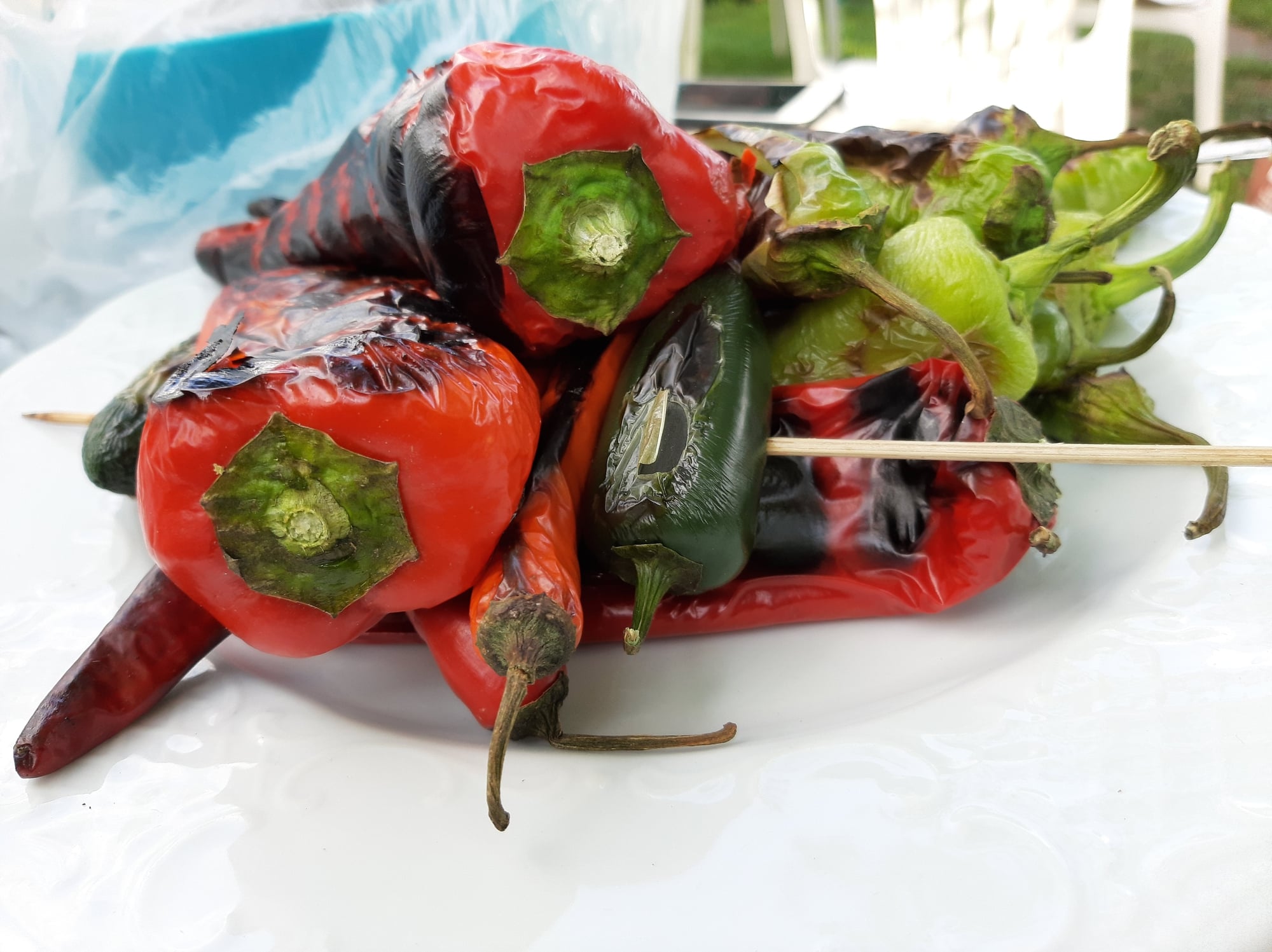
This Turkish spice comes from chili peppers that are harvested, sun-dried for weeks, then ground into a coarse powder with a distinctive deep red appearance. Urfa biber has mild heat and sultry flavor with notes of raisin, chocolate, and smoke—it’s as delicious on kebabs as it is in brownies.
The heat builds slowly on your palate rather than hitting you immediately, making it perfect for both savory dishes and surprisingly good in chocolate desserts.
Galangal
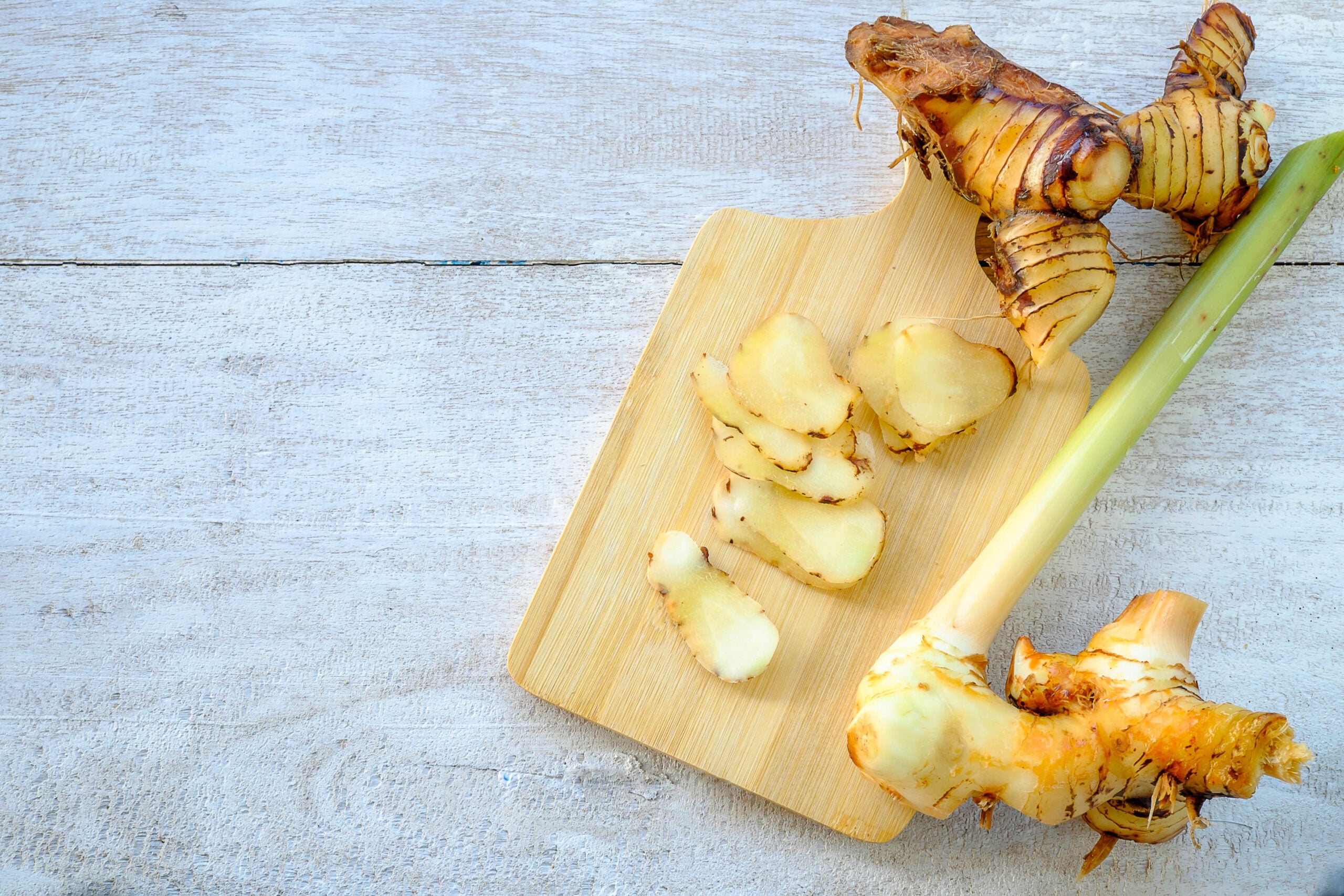
Like ginger, galangal is a rhizome that looks rather ugly at first glance, but you can tell them apart because galangal has whiter, shinier skin and is much harder than ginger. This secret ingredient provides fresh, sharp, citrusy flavor in Thai soups and curry paste—substituting ginger won’t produce the same nuance of flavor.
It’s absolutely essential for authentic tom kha gai soup and adds a pine-like complexity that regular ginger simply can’t match.
Like Go2Tutors’s content? Follow us on MSN.
Sansho
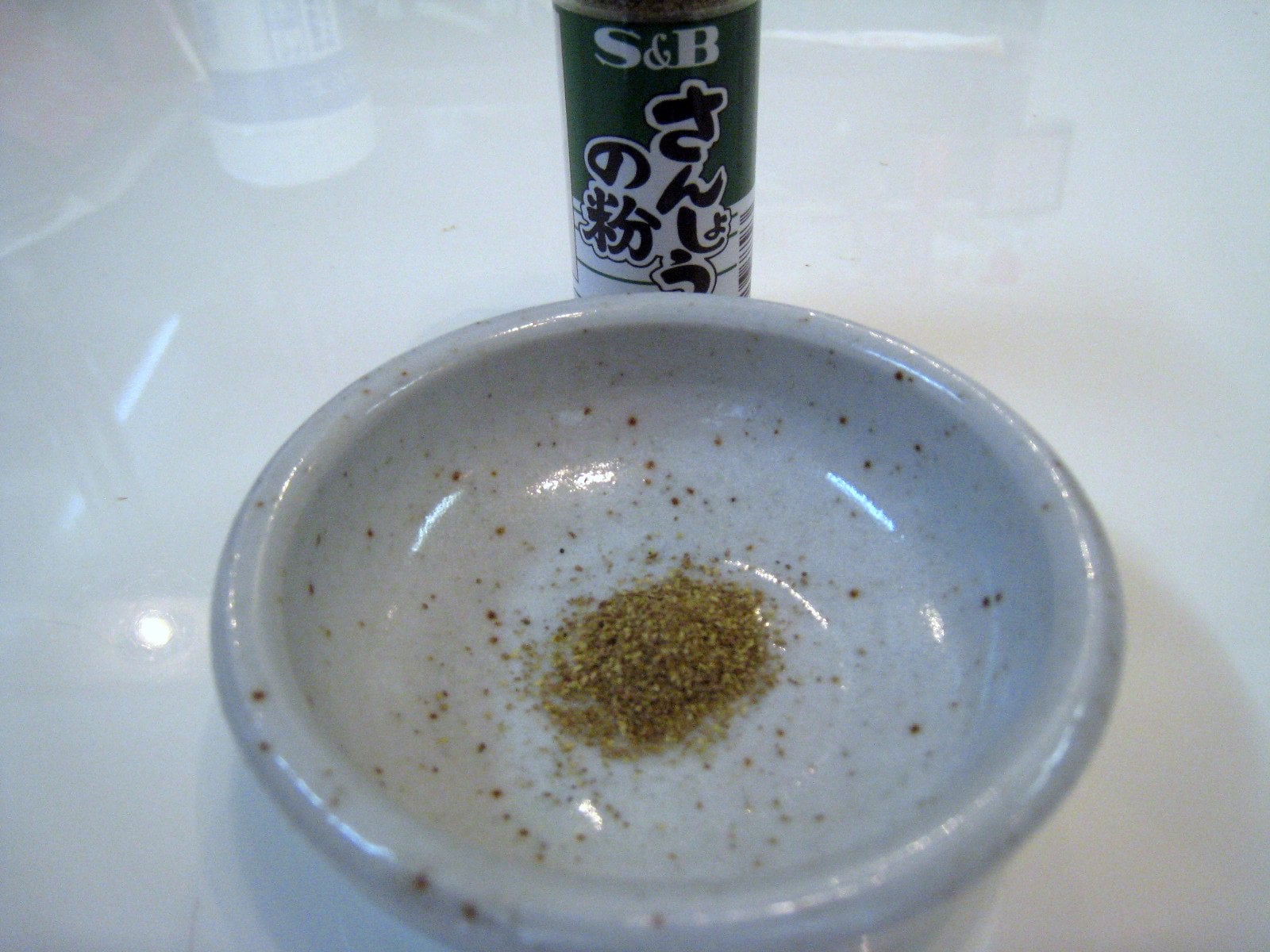
A relative of the Sichuan peppercorn, sansho gives a similar tingle on the tongue that wakes up your mouth, except this Japanese variety is much stronger. Thanks to its strong citrus flavor, sansho cuts through fatty flavors of ingredients like pork and complements complex seafood dishes.
It’s the traditional spice for authentic Japanese grilled eel and adds an electrifying sensation that makes your taste buds sit up and pay attention.
Annatto

These brilliant red seeds come from spiky, alien-looking seed pods that grow on the Achiote tree and are one of the most common natural food dyes around. Annatto seeds have a slightly sweet and peppery taste and are used to enhance flavors in sauces, stocks, fish dishes, and tandoori preparations.
They’ll turn your rice a beautiful golden orange while adding a subtle earthy warmth that’s particularly beloved in Latin American and Caribbean cooking.
Amchoor
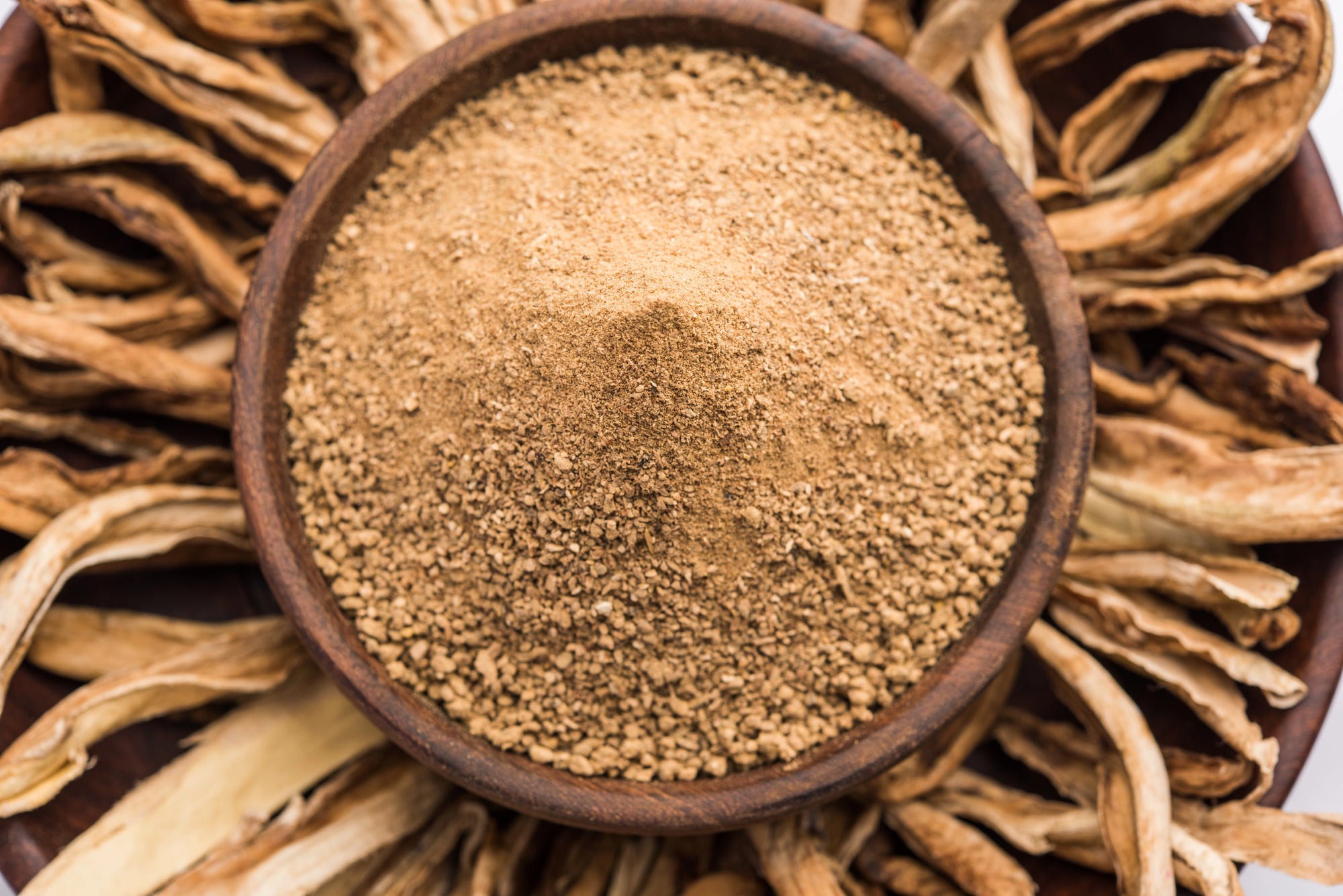
This tangy powder comes from dried, unripe mangoes that are pulverized into a fine powder and is a popular anchor in North Indian cuisine. Because it contains fruit enzymes, amchoor can be used in marinades to tenderize meat and poultry, and you’ll find it in chutneys and pickles to add fresh, sharp flavor.
It’s like having concentrated sunshine and tartness in powder form—perfect for adding brightness without any moisture to your dishes.
Like Go2Tutors’s content? Follow us on MSN.
Juniper Berries
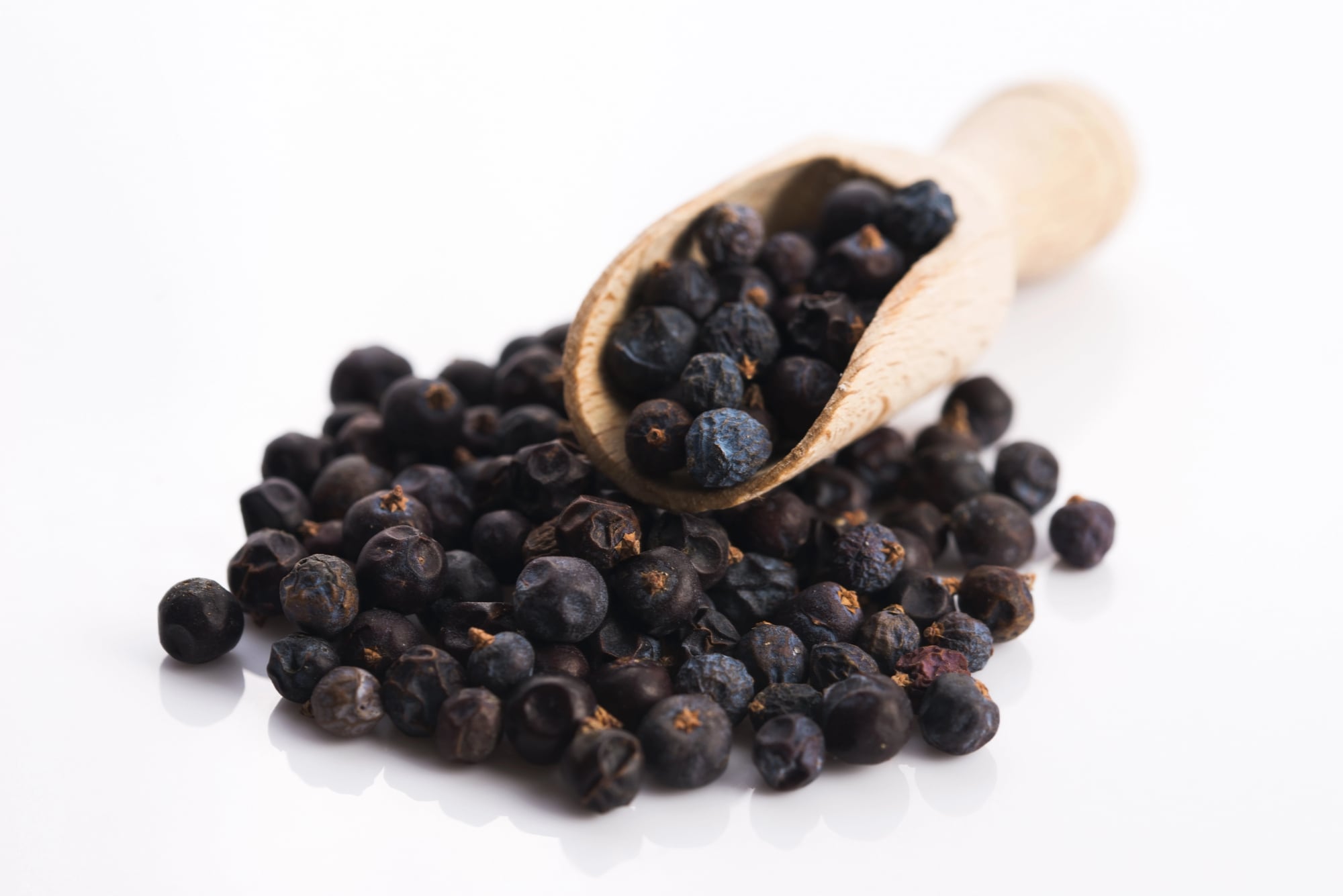
These berries combine notes of pine, citrus, and slight sweet bitterness and are harvested from juniper trees, a type of common evergreen shrub. If you’re a fan of gin and tonic, you’ve definitely tasted juniper berries without knowing it—they’re the primary ingredient that gives gin its distinctive tanginess.
They’re fantastic in marinades for game meats, added to braised dishes, or even incorporated into spice rubs for a woodsy, aromatic complexity.
Wattleseed
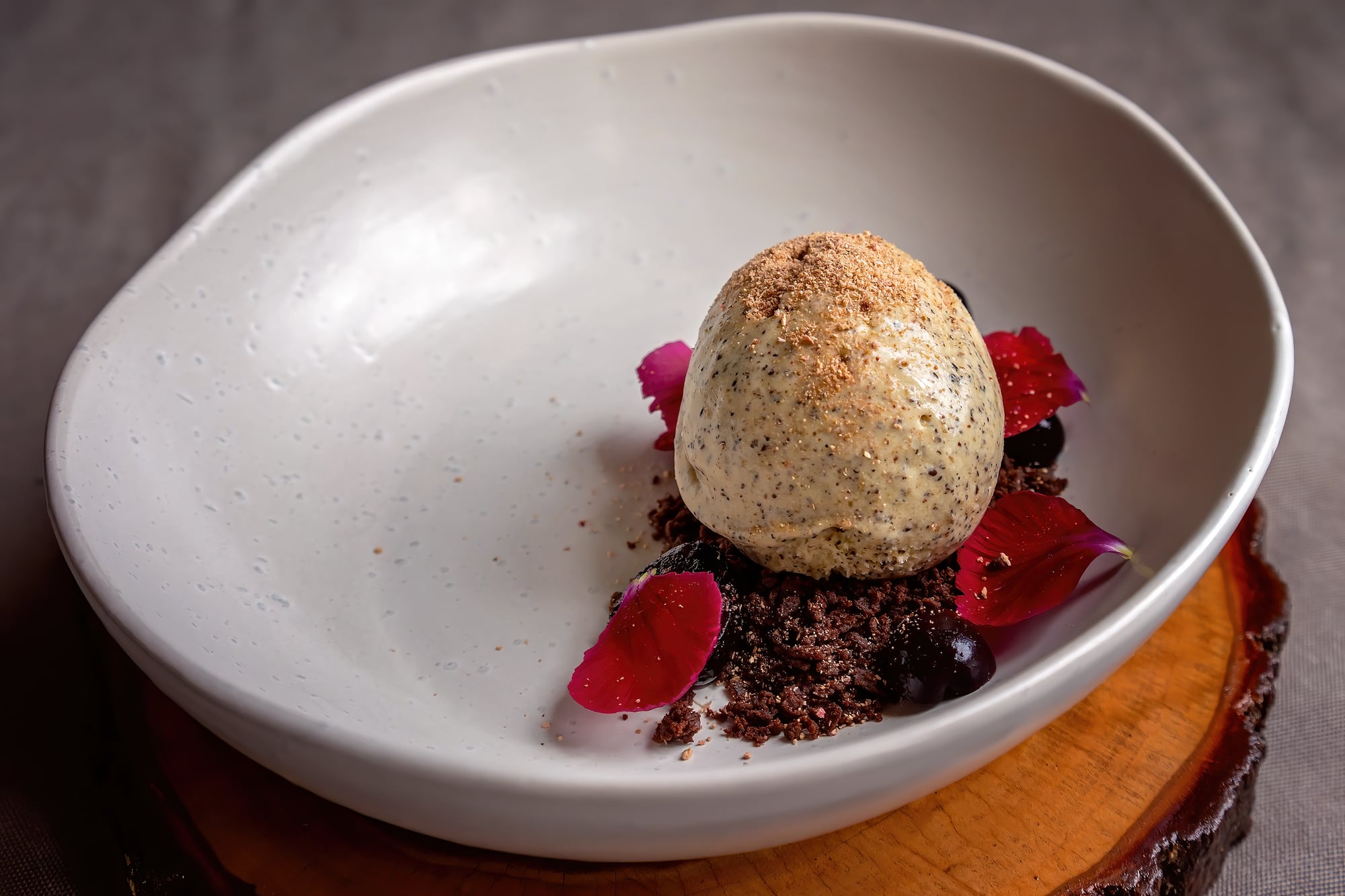
Roasted wattleseed delivers an appetizing coffee-like aroma and taste, and when used with other spices like coriander, imparts a pleasant barbecued taste to meats. These Australian seeds have flavors of hazelnut, coffee, and chocolate, making them especially popular for bread, ice cream, chocolate, and sweet foods.
Indigenous Australians have used these seeds for thousands of years, and they add an incredible nutty-chocolatey depth that works beautifully in both sweet and savory applications.
From Ancient Traditions to Modern Kitchens

These unusual spices represent thousands of years of culinary evolution, each one developed and refined by cultures that understood the power of flavor long before modern cooking shows existed. What started as local ingredients—berries from Turkish hillsides, seeds from Australian bushland, rhizomes from Southeast Asian jungles—have now become accessible to adventurous home cooks everywhere.
The beauty of experimenting with these spices lies not just in the new flavors they bring to your table, but in the connection they create to distant places and ancient food traditions. Start small by adding tiny amounts to familiar dishes, and don’t be afraid to mix and match these spices with others in your pantry.
Your kitchen is about to become a much more interesting place.
Like Go2Tutors’s content? Follow us on MSN.
More from Go2Tutors!

- 16 Historical Figures Who Were Nothing Like You Think
- 12 Things Sold in the 80s That Are Now Illegal
- 15 VHS Tapes That Could Be Worth Thousands
- 17 Historical “What Ifs” That Would Have Changed Everything
- 18 TV Shows That Vanished Without a Finale
Like Go2Tutors’s content? Follow us on MSN.