15 Fascinating Facts About How Siri Actually Works
Most people tap their phone and expect Siri to respond, but few stop to wonder what’s actually happening behind that familiar voice. The technology powering Apple’s digital assistant involves layers of processing that would seem like science fiction just decades ago.
Yet here it sits in your pocket, ready to set timers, answer questions, and occasionally misunderstand what you’re asking for in surprisingly creative ways.
Speech Recognition Technology

Siri doesn’t actually “hear” your voice the way humans do. Your words get converted into digital waveforms that algorithms analyze for patterns and phonemes.
The system breaks down your speech into tiny fragments, comparing them against vast databases of recorded human speech to figure out what you probably said.
Neural Networks Process Everything
Every question you ask Siri gets fed through multiple neural networks that work like simplified versions of brain circuits. These networks have been trained on millions of conversations (not yours specifically, but anonymized data from users who opted in).
So when you ask about the weather, several artificial brains are essentially voting on what you meant and what response makes the most sense.
Local vs Cloud Processing
Here’s something that might surprise you: not everything Siri does requires an internet connection, though Apple doesn’t advertise this much. Basic commands like setting alarms, opening apps, or making calls can happen entirely on your device — which is why they work even when your connection is spotty (and why they respond faster than questions that need to be sent to Apple’s servers, processed through multiple systems, and sent back with an answer that may or may not be what you were actually looking for).
Voice Recognition Adapts

Siri gets better at understanding your particular voice over time, but not in the obvious way most people assume. The system doesn’t store recordings of your voice to study later.
Instead, it builds a mathematical model of how you speak — your accent patterns, the way you pronounce certain words, your speaking rhythm. This model stays on your device and travels with your Apple ID when you get a new phone.
Context Awareness

Understanding language means understanding context, which turns out to be remarkably difficult for computers. When you say “Call my mom,” Siri needs to know who “mom” is in your contacts, understand that “call” means phone call rather than shout at, and recognize that this is a command rather than a statement about your future intentions.
The system maintains awareness of your previous requests within a conversation, so follow-up questions like “What’s the weather there?” make sense.
Multiple AI Models Working Together

Siri isn’t one artificial intelligence — it’s several specialized AI models coordinating behind the scenes. One handles speech recognition, another manages natural language processing, a third decides what action to take, and others handle specific tasks like weather queries or music requests.
These models hand off information between each other faster than you can blink, which is why the delay you experience comes from network communication rather than processing time.
Machine Learning From Corrections
When Siri misunderstands something and you correct it, that correction doesn’t just fix your immediate problem. The system learns from these mistakes, though not in a direct way. Apple aggregates correction patterns across millions of users to identify common failure points and retrain their models accordingly.
Your individual correction might influence future updates that make Siri better for everyone.
Language Model Limitations
Siri operates with a fundamental constraint that shapes every interaction: it can only work with concepts and relationships that existed in its training data. This creates an interesting paradox where Siri can answer complex questions about historical events but might struggle with slang that emerged after its last major training update.
The assistant lives in a linguistic snapshot of the world, constantly being updated but never quite current.
Personalization Without Privacy Invasion
Apple has engineered Siri to personalize responses without actually knowing personal details about you, which requires some clever technical work. The system uses differential privacy — adding mathematical noise to data before processing — and processes most personal information locally on your device rather than sending it to Apple’s servers.
When Siri knows your name or recognizes your preferences, that information typically never leaves your phone.
Real-Time Processing Constraints
Every Siri response happens under intense time pressure because people expect near-instant replies. This constraint forces the system to make quick decisions about what you probably meant rather than analyzing every possible interpretation of your words.
Sometimes this leads to impressively accurate responses to ambiguous questions; sometimes it leads to confidently wrong answers delivered without hesitation.
Integration with Third-Party Apps
— Photo by dimarik
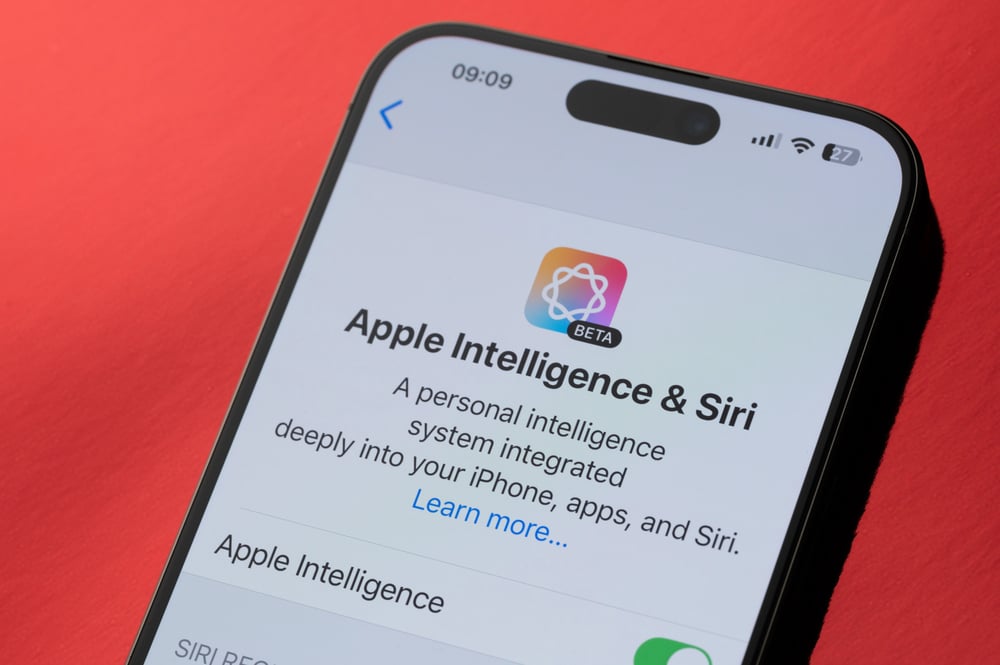
When Siri controls other apps on your phone, it’s not directly communicating with those apps. Instead, apps provide Siri with specific templates of actions they can perform — called intents — and the parameters needed for each action.
This system allows Siri to send a message through WhatsApp or add items to your shopping list in a specific app, but only within the boundaries that app developers have defined.
Handling Ambiguity

Human language is fundamentally ambiguous, and Siri deals with this through probabilistic reasoning rather than perfect understanding. When you ask a question that could mean multiple things, Siri calculates which interpretation is most likely based on context, your history, and common usage patterns.
The system makes its best guess and moves forward, which is why clarifying questions are relatively rare compared to confident responses that sometimes miss the mark.
Continuous Learning Architecture
Siri’s knowledge doesn’t come from browsing the internet in real-time like a human research assistant would. Instead, Apple regularly updates the models and databases that power Siri’s responses.
These updates happen through iOS updates and background downloads, meaning Siri’s knowledge base can improve between major software releases. The assistant learns continuously at a system level but doesn’t learn from your individual conversations in real-time.
Error Recovery Systems
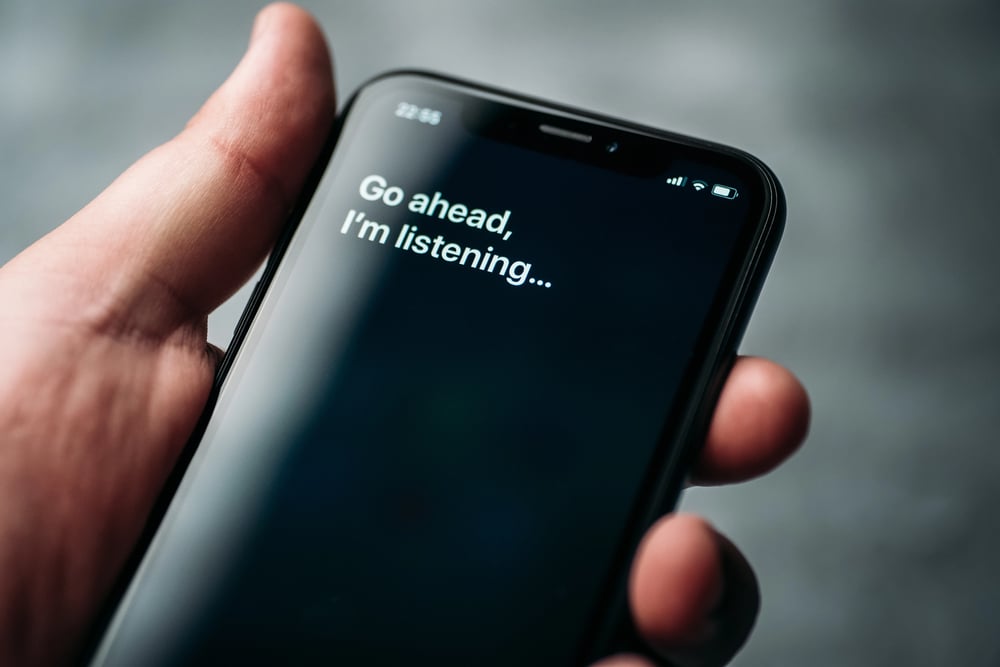
When Siri encounters something it can’t process — background noise interference, an unrecognizable accent, or a request outside its capabilities — it falls back on predetermined error recovery strategies. These might involve asking for clarification, suggesting alternative phrasings, or gracefully admitting limitations.
The system is designed to fail helpfully rather than fail silently, though anyone who has used Siri regularly can attest that this doesn’t always work perfectly.
Computational Resource Management
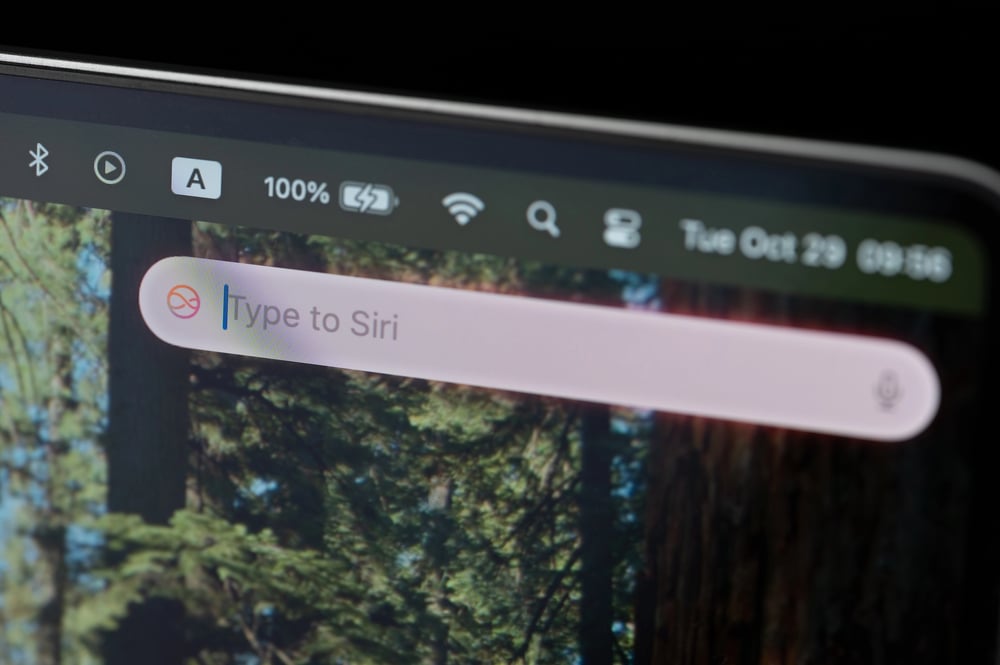
Running Siri requires significant computational power, and Apple has optimized the system to work within the constraints of mobile devices. Different types of requests get allocated different amounts of processing power and time.
Simple commands get handled quickly with minimal resource usage, while complex natural language queries can tap into more sophisticated processing — but only up to a point. This resource management explains why some requests feel instant while others have noticeable delays, and why very complex requests sometimes get simplified or redirected rather than fully processed.
The Human Element Behind the Machine

For all its technological sophistication, Siri remains fundamentally dependent on human judgment and curation. The responses you receive have been shaped by teams of linguists, engineers, and content specialists who have tried to anticipate what people will ask and how they should be answered.
These humans have made countless decisions about tone, accuracy, and appropriateness that show up in every interaction, even though you’re talking to a machine. It’s a reminder that artificial intelligence, no matter how advanced, still reflects the humans who built it.
More from Go2Tutors!

- The Romanov Crown Jewels and Their Tragic Fate
- 13 Historical Mysteries That Science Still Can’t Solve
- Famous Hoaxes That Fooled the World for Years
- 15 Child Stars with Tragic Adult Lives
- 16 Famous Jewelry Pieces in History
Like Go2Tutors’s content? Follow us on MSN.



