15 Surprising Origins of Fruit and Vegetable Names
Food tells stories we never think to ask about. Walk through any grocery store and you’re surrounded by words that traveled across continents, survived language shifts, and somehow ended up printed on little stickers.
The apple in your cart carries a name that Germanic tribes used before they knew what Rome was. The banana came with a word that bounced between West Africa and Arabic before landing in Spanish ships.
These aren’t just random syllables that stuck. Every name attached to the produce you buy has a trail behind it — sometimes logical, often completely ridiculous, always more interesting than anyone expects.
Orange
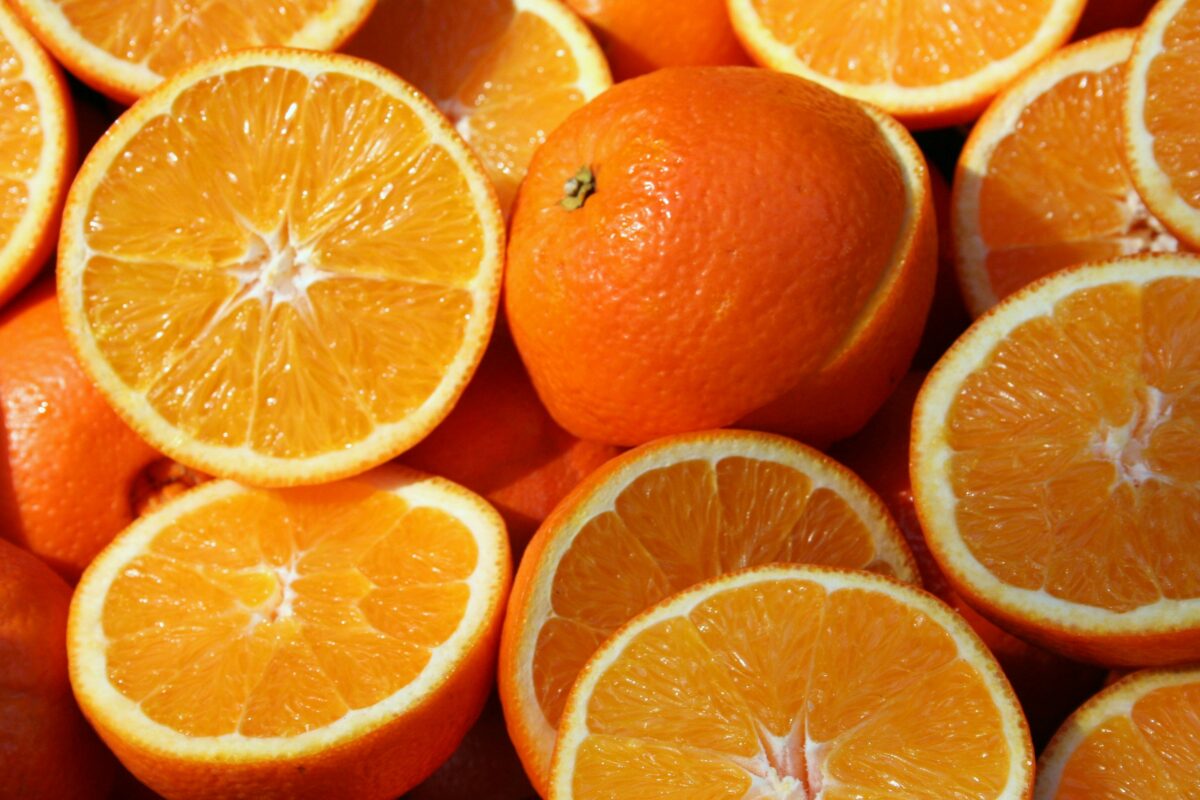
The fruit came first, then the color. Orange traces back through a linguistic game of telephone that would make anyone dizzy: from Sanskrit “naranga” to Persian “narang” to Arabic “naranj” to Spanish “naranja” to Old French “orenge” and finally to English.
What’s particularly stubborn about this word is how it refused to stay put — every language it touched changed it just enough to make it their own, but never enough to hide where it came from.
Avocado
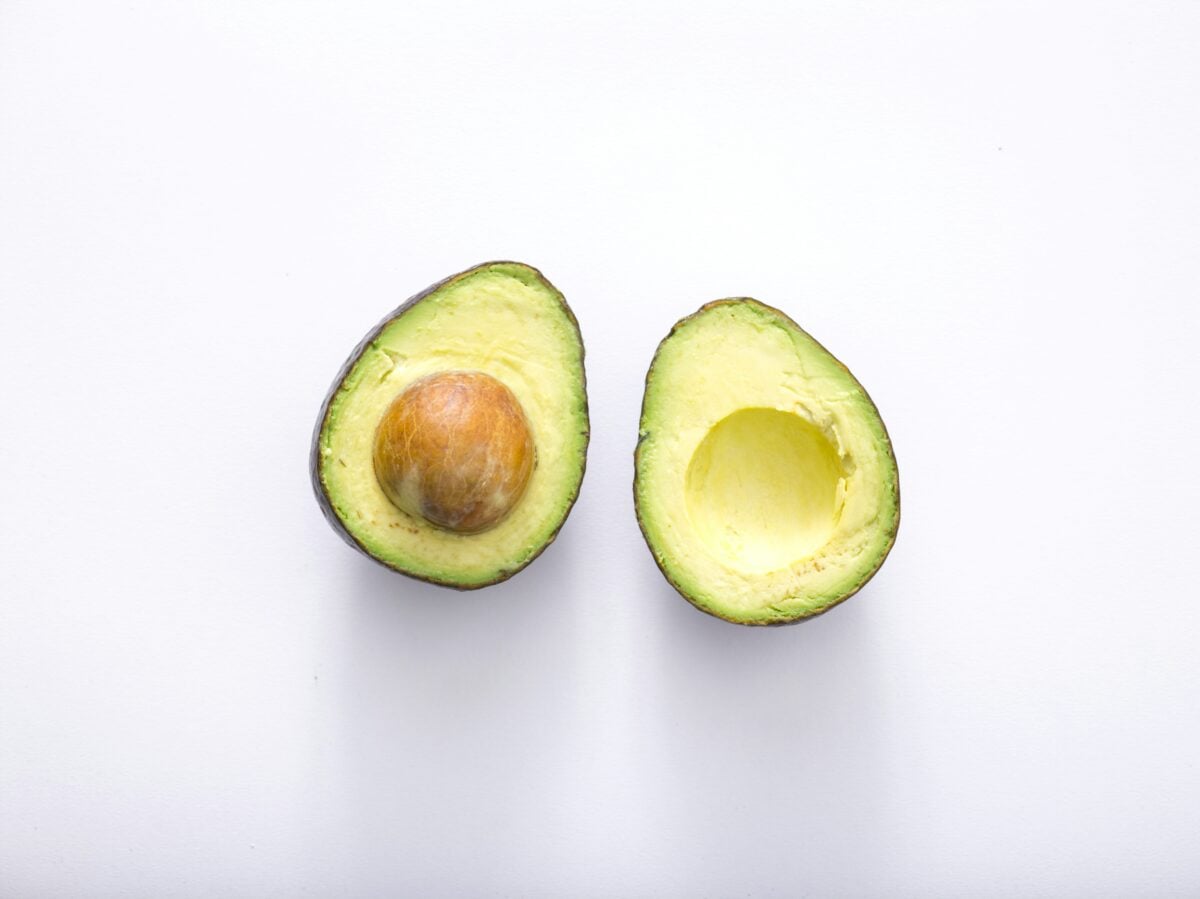
So this one gets uncomfortable fast, and the Aztecs are entirely to blame (though they had no way of knowing English speakers would eventually get squeamish about it). The Nahuatl word “ahuacatl” meant male reproductive organs, which — if you’ve ever looked at avocados hanging from a tree in pairs — makes a certain anatomical sense that’s hard to argue with.
Spanish conquistadors, being reasonable people who didn’t want to order toast at breakfast, softened it to “aguacate,” which eventually became the much more dignified “avocado” we use today. But the original meaning never really went anywhere; it just got buried under centuries of linguistic politeness, the way inconvenient truths often do.
And yet every time someone makes guacamole, they’re participating in this long tradition of making a pre-Columbian slang term sound respectable at dinner parties.
Tomato
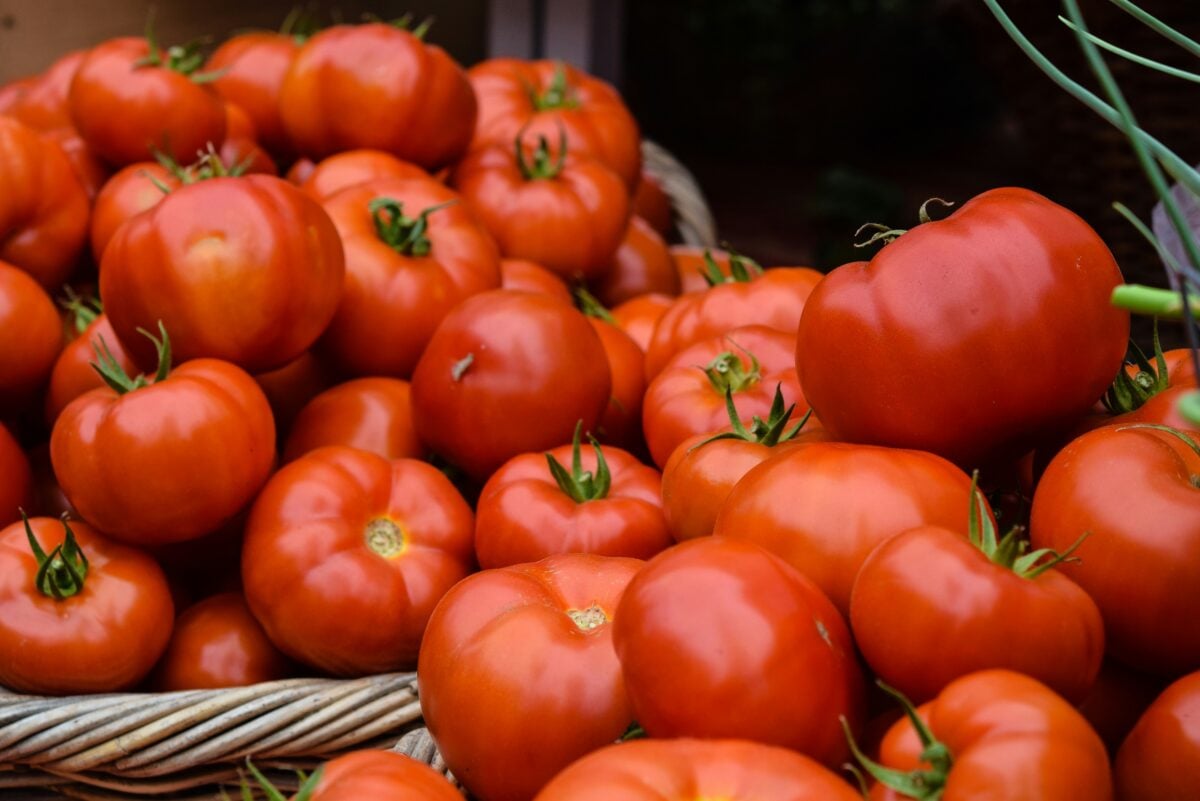
There’s something almost theatrical about how the tomato got its name — like watching a word perform on stage, shifting costumes between acts until you barely recognize the original character. The Nahuatl “tomatl” was simple enough, referring to the plump fruit that grew wild and abundant in Central America.
But then Spanish arrived, and “tomatl” became “tomate,” which sounds reasonable until you realize the Spanish were mostly talking about a completely different plant — the tomatillo, smaller and wrapped in papery husks. The large, red fruit we now call tomato was actually called “jitomate” in Nahuatl.
So the word “tomato” technically belongs to its green cousin, but linguistic mix-ups rarely get corrected once they’ve taken root. The result is that millions of people use a slightly wrong name every day without knowing it, and frankly, it works just fine.
Banana
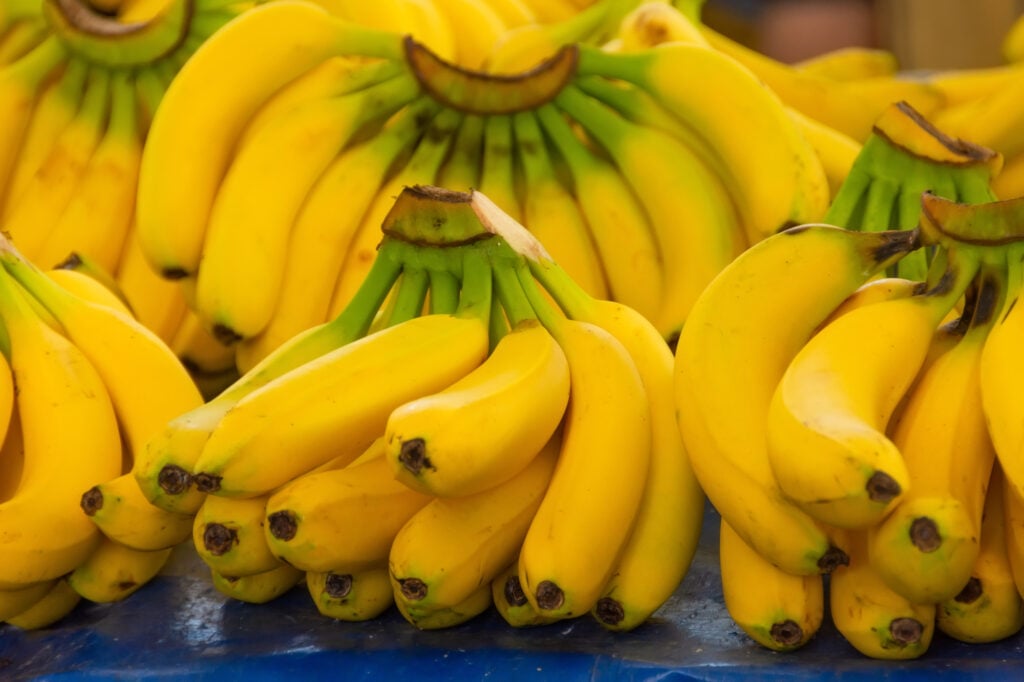
Bananas refuse to commit to one origin story. Nobody proves ownership here.
West African languages had words like “bana.” Arabic picked up something similar.
Portuguese sailors grabbed whatever version was floating around Guinea and carried it to the Canary Islands. The word spread faster than anyone could track it properly.
Most tropical languages ended up with their own version, but trying to trace which came first is like arguing about which wave started the ocean.
Pineapple
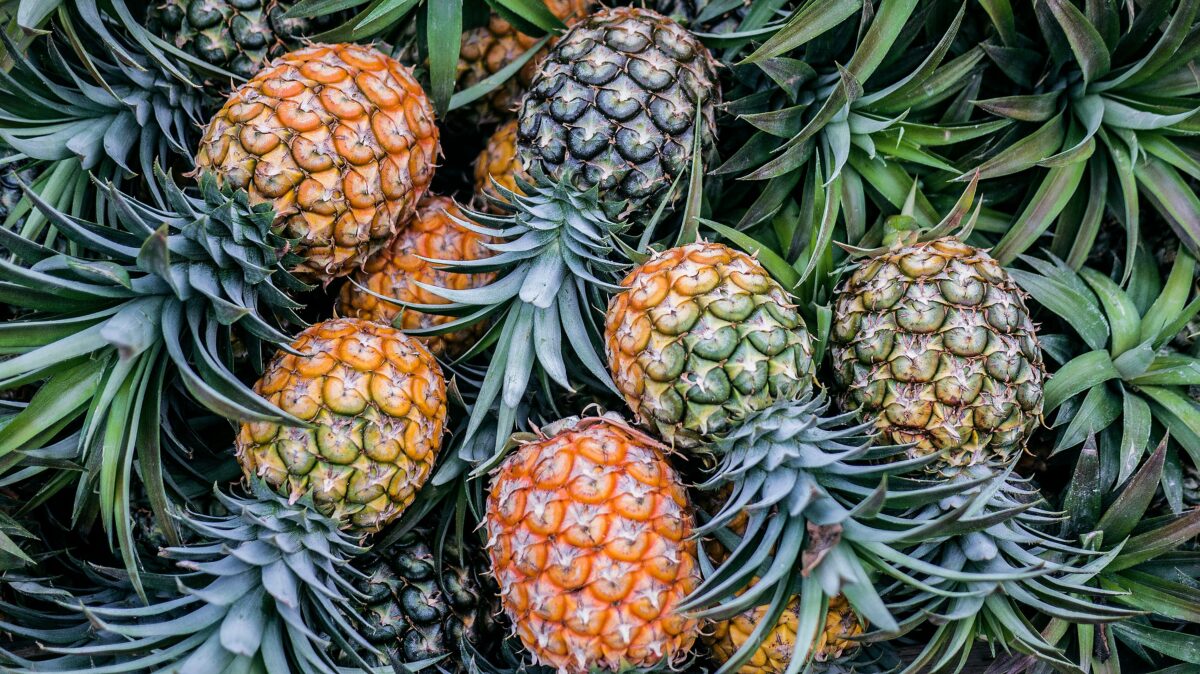
The English language has a peculiar relationship with logic, and “pineapple” demonstrates this beautifully — it’s the kind of name that makes perfect sense until you think about it for more than thirty seconds, at which point it becomes completely absurd. When European explorers encountered this spiky, sweet fruit in the Americas, they decided it looked like a pinecone but tasted like an apple, so naturally they mashed the two words together and called it a day.
This seemed reasonable to them, apparently, despite the fact that pineapples share approximately zero characteristics with either pines or apples beyond existing in roughly spherical shapes. What makes this even better is that most other languages went with variations of the indigenous Tupi word “nanas” — which is why pineapples are called “ananas” almost everywhere else in the world, leaving English speakers to explain why they named a tropical fruit after two completely unrelated temperate things.
But English has never been particularly concerned with making sense to other languages, and “pineapple” has a certain stubborn charm that’s hard to argue with, even when the logic falls apart under scrutiny.
Carrot

Ancient carrots were nothing like the orange spears we crunch through today. They were purple, white, or yellow — twisted and bitter things that barely resembled food.
The Greeks called them “karoton,” which meant something closer to “horn-shaped root.” The word traveled through Latin as “carota” and somehow survived the transition into Old French and Middle English without losing its essential meaning.
What’s remarkable is the consistency — most vegetable names get mangled beyond recognition as they move between languages, but “carrot” stayed stubbornly recognizable. The Dutch are responsible for the orange ones we know now, but they kept the ancient name for their completely transformed vegetable.
Sometimes the word outlasts the thing it describes.
Cucumber
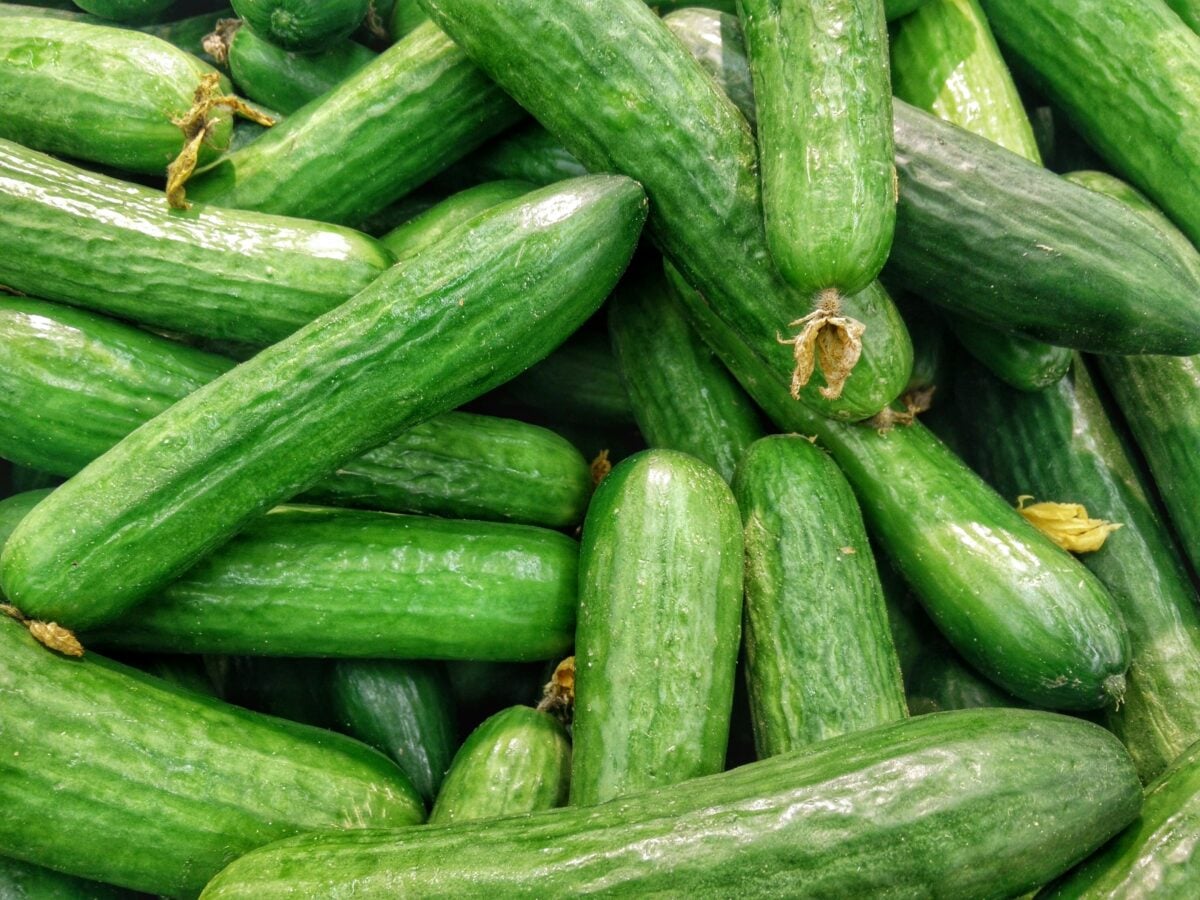
Persian “khiyar” became Greek “sikuos,” which became Latin “cucumis,” and eventually English got “cucumber.” The word is almost onomatopoetic — saying “cucumber” feels like biting into something crisp and watery.
But here’s the thing that bothers anyone who thinks about etymology too long: the Latin “cucumis” is also where “cumin” comes from, which makes no sense whatsoever since cumin is a spice that has nothing to do with cucumbers except for starting with the same letters. Language doesn’t always follow logic. Sometimes words just bump into each other by accident and decide to share space in the dictionary, leaving everyone else to figure out why.
Grape
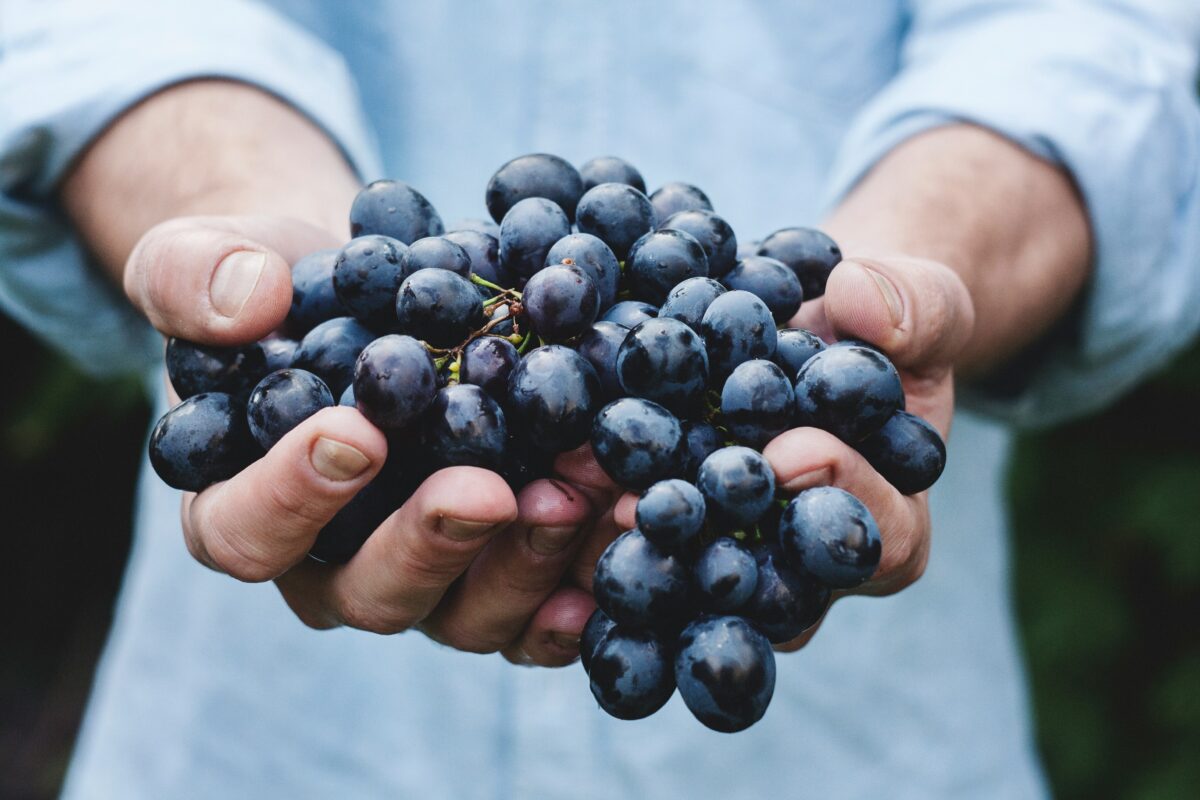
Anglo-Saxon tribes had a word “cræppa” that meant hook or cluster. Old French had “grape” meaning bunch. Germanic languages contributed “krapo.”
Nobody agrees on which came first, but they all noticed the same thing: grapes grow in bundles that hang like hooked fingers. The word evolved to match what people saw — not the individual fruit, but the way it grouped itself.
Wine languages tend to develop precise vocabulary. The shape mattered as much as the taste.
Potato
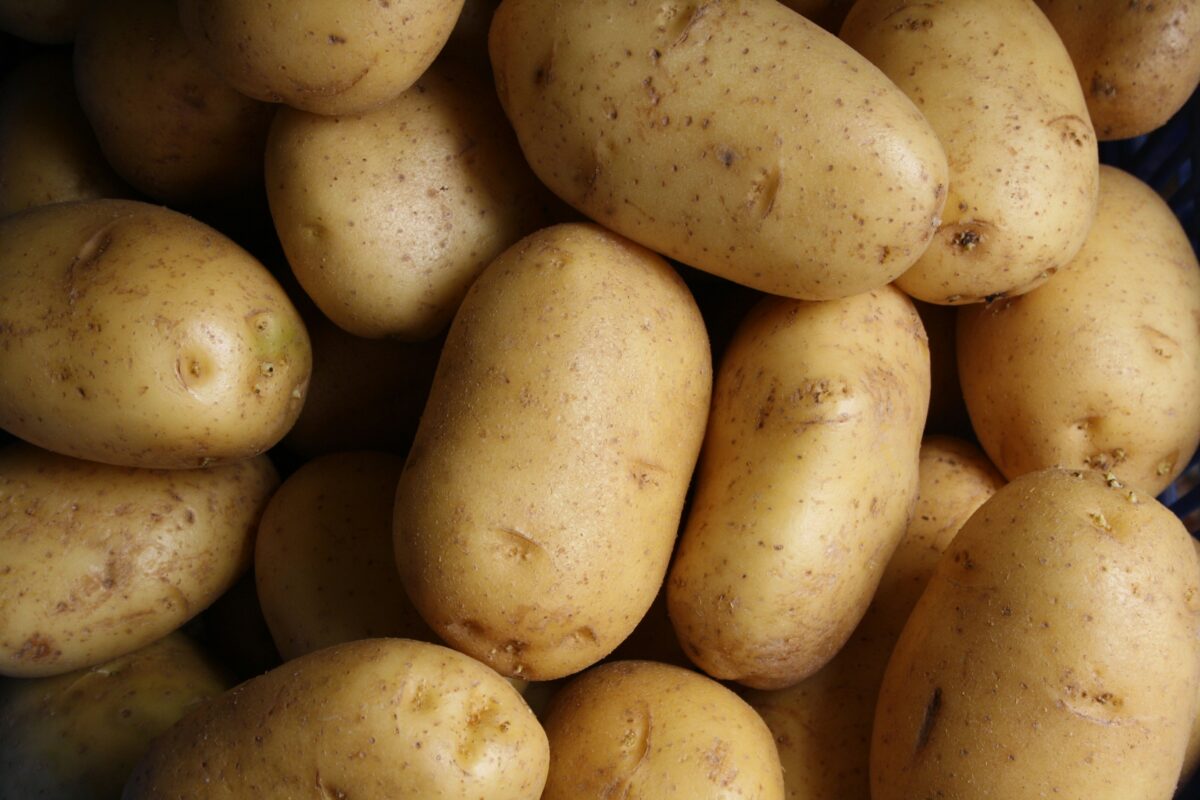
The Spanish conquistadors encountered the potato in the Andes, where the Quechua people called it “papa” — a word so simple and perfect that much of the world still uses variations of it today (think “papas” in Spanish). But English, being English, decided to complicate things unnecessarily by borrowing from a completely different source: the Taíno word “batata,” which actually referred to sweet potatoes.
So “potato” technically means sweet potato, and the regular potato should probably be called “papa,” but linguistic confusion has a way of becoming permanent once enough people start using the wrong word confidently. The result is that English speakers use a Caribbean word for an Andean vegetable, while the rest of the world is sensibly stuck with something closer to the original.
This kind of geographical mix-up happens more often than anyone wants to admit — languages are terrible at keeping their borrowed words organized by continent, and honestly, it’s probably too late to fix any of it now.
Lettuce
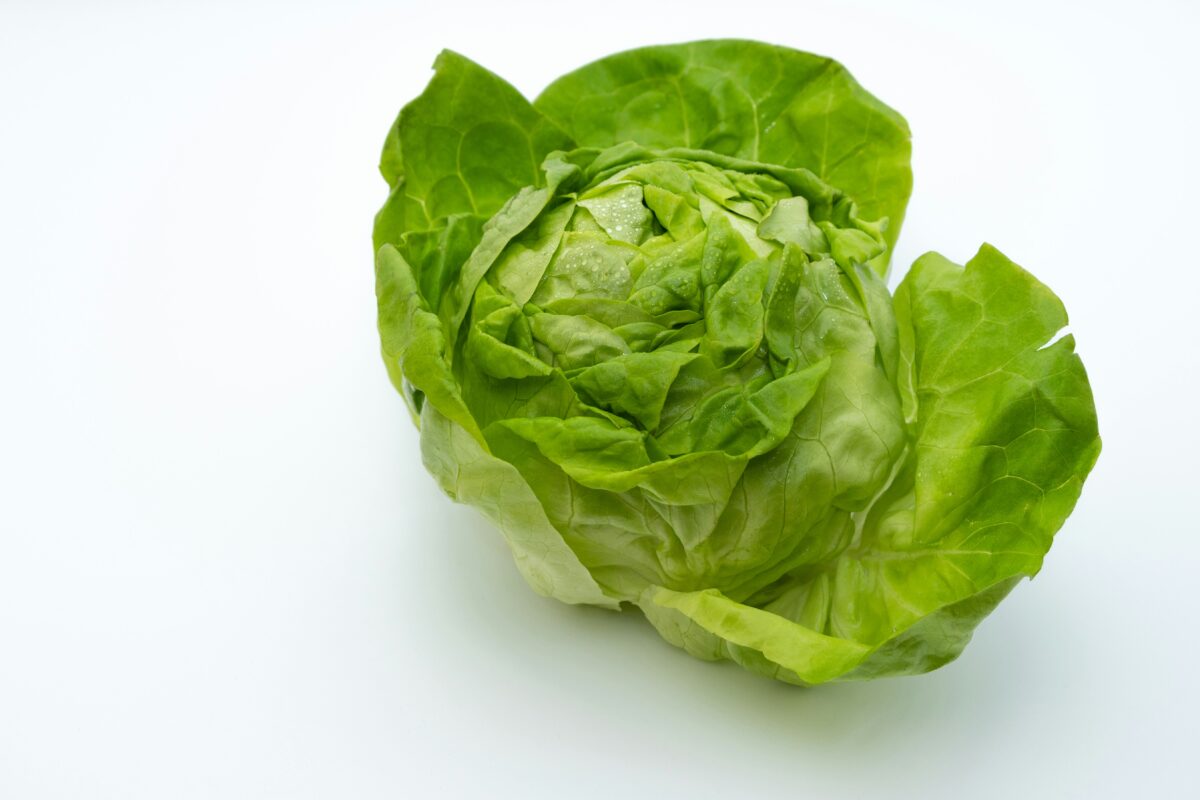
Romans called it “lactuca” because of the milky sap that oozed from cut stems. Lac means milk in Latin — the same root that gave us “lactose” and “lactation.”
The connection between lettuce and milk seems bizarre until you slice through a head of romaine and watch the white liquid bead up along the edge. Romans noticed this and built the name around it.
Most modern lettuce varieties have been bred to reduce that bitter, milky sap, but the name stuck even after the characteristic that inspired it largely disappeared.
Broccoli
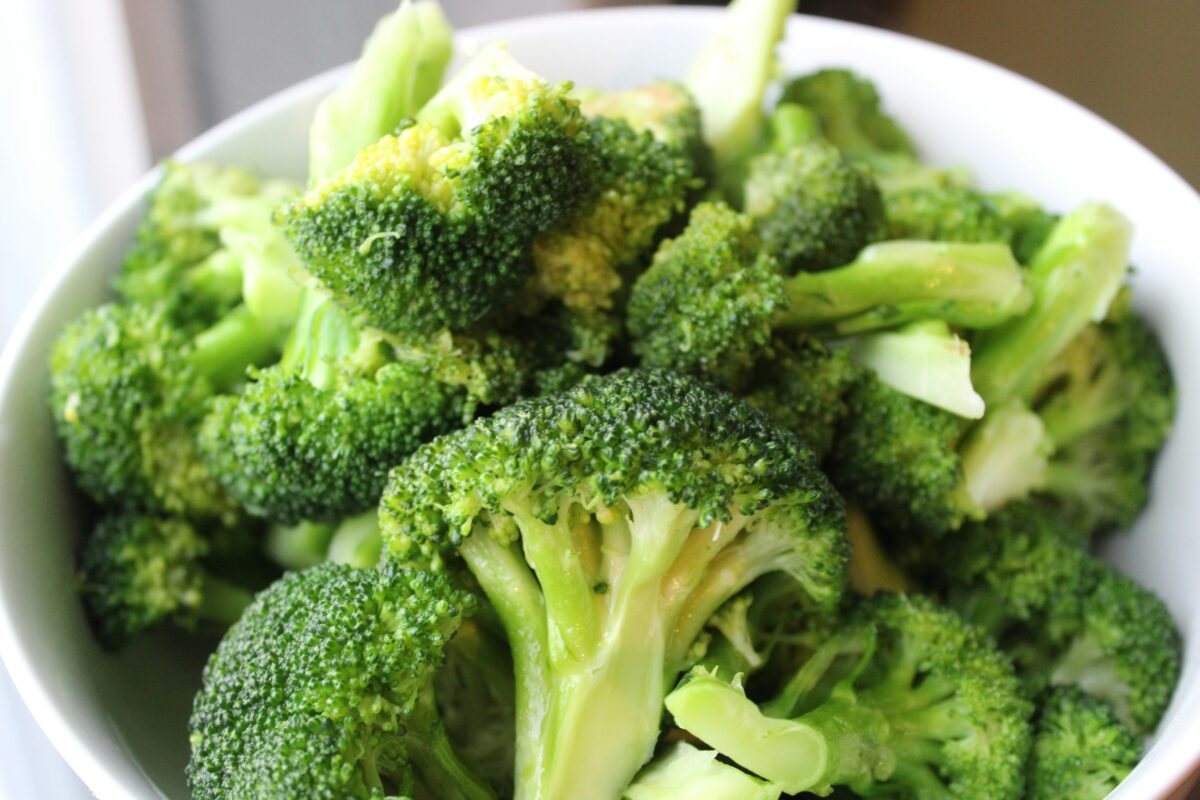
Italian “broccolo” meant little sprout or shoot, coming from “brocco” meaning spike or pointed stick. The plural “broccoli” described the way the vegetable looked — like a collection of tiny green spikes clustered together.
What’s endearing about this name is its accuracy. Broccoli genuinely resembles a forest of miniature trees, and the Italian word captures that branching, sprouting quality perfectly. Sometimes the most obvious name is also the most poetic.
English borrowed the word wholesale without changing it, which suggests even English speakers recognized they couldn’t improve on something that straightforward.
Spinach
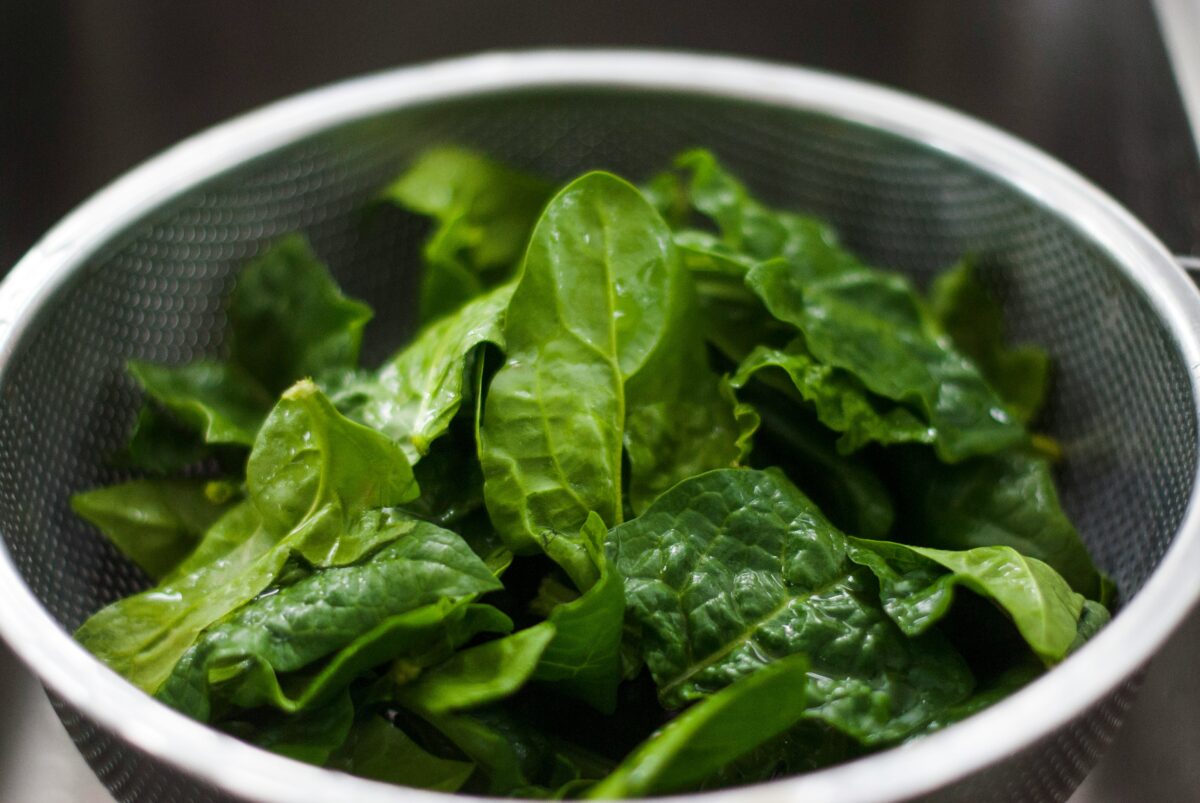
The path from Persia to Popeye’s can took about a thousand years and involved some serious linguistic detours that would challenge any GPS system. Persian “aspanakh” described the green leafy plant that Arabs encountered and modified into “isfanakh,” which Spanish turned into “espinaca,” which Old French softened to “espinache,” and Middle English eventually simplified to “spinach.”
Each language grabbed the word and adjusted it just enough to fit their own pronunciation patterns, like a game of telephone played across centuries and continents. But what’s interesting is how the plant kept its reputation for toughness throughout all these linguistic changes — Persians, Arabs, Spanish, French, and English speakers all seemed to agree that this was a sturdy, reliable green that could grow in difficult conditions and pack serious nutritional value.
So when American cartoonists needed a vegetable to represent instant strength, they picked one whose name had already survived a millennium of cultural translation, which seems appropriate for something that’s supposed to make you stronger instantly.
Apple
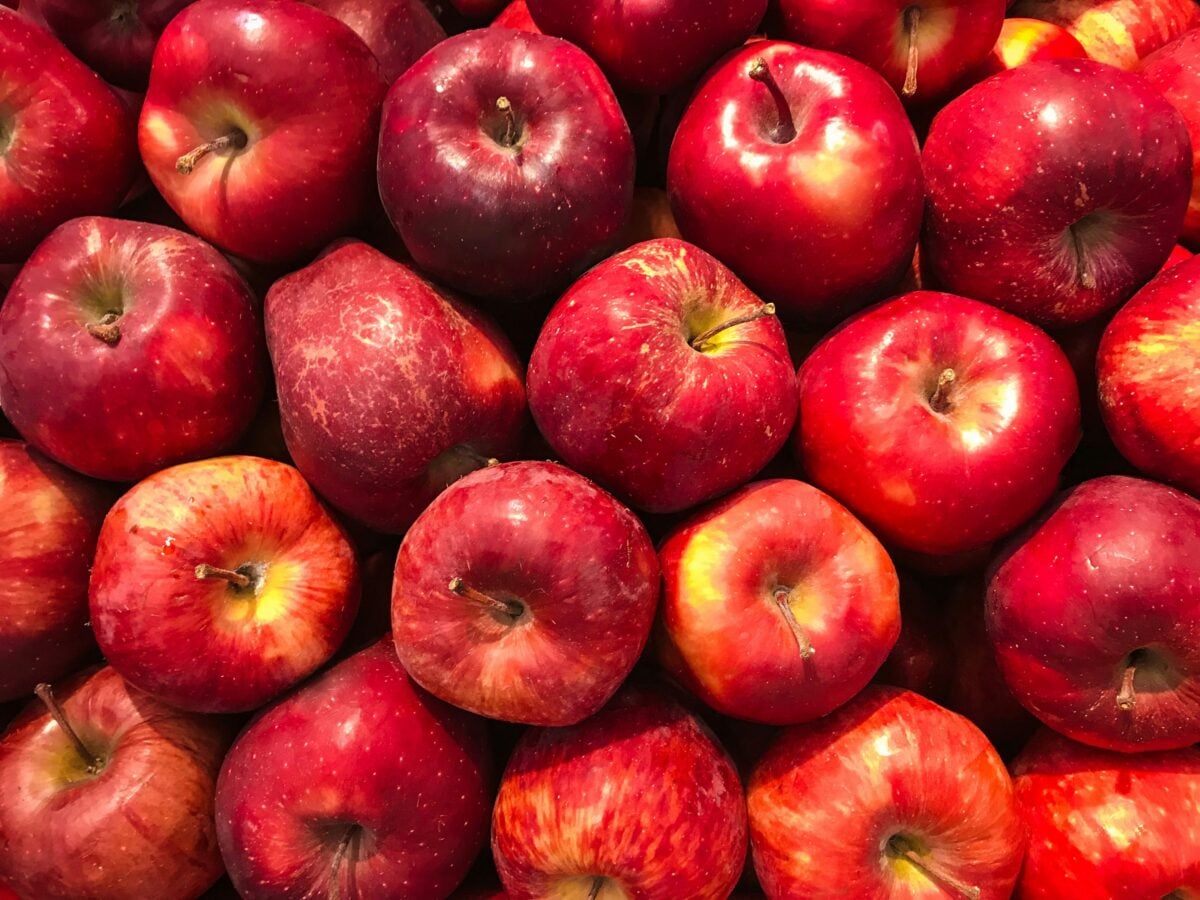
“Apple” comes from Proto-Germanic “aplaz,” but for most of European history, “apple” just meant fruit. Any fruit.
When the Bible talks about the forbidden fruit, it never specifies apple — that assumption came later when Latin translations used “malum,” which could mean apple or just evil. The forbidden fruit was probably a fig or pomegranate anyway.
Old English “æppel” described apples, but also nuts, berries, and anything else that grew on trees and seemed edible. The word was more generous then.
Modern specificity came later.
Onion
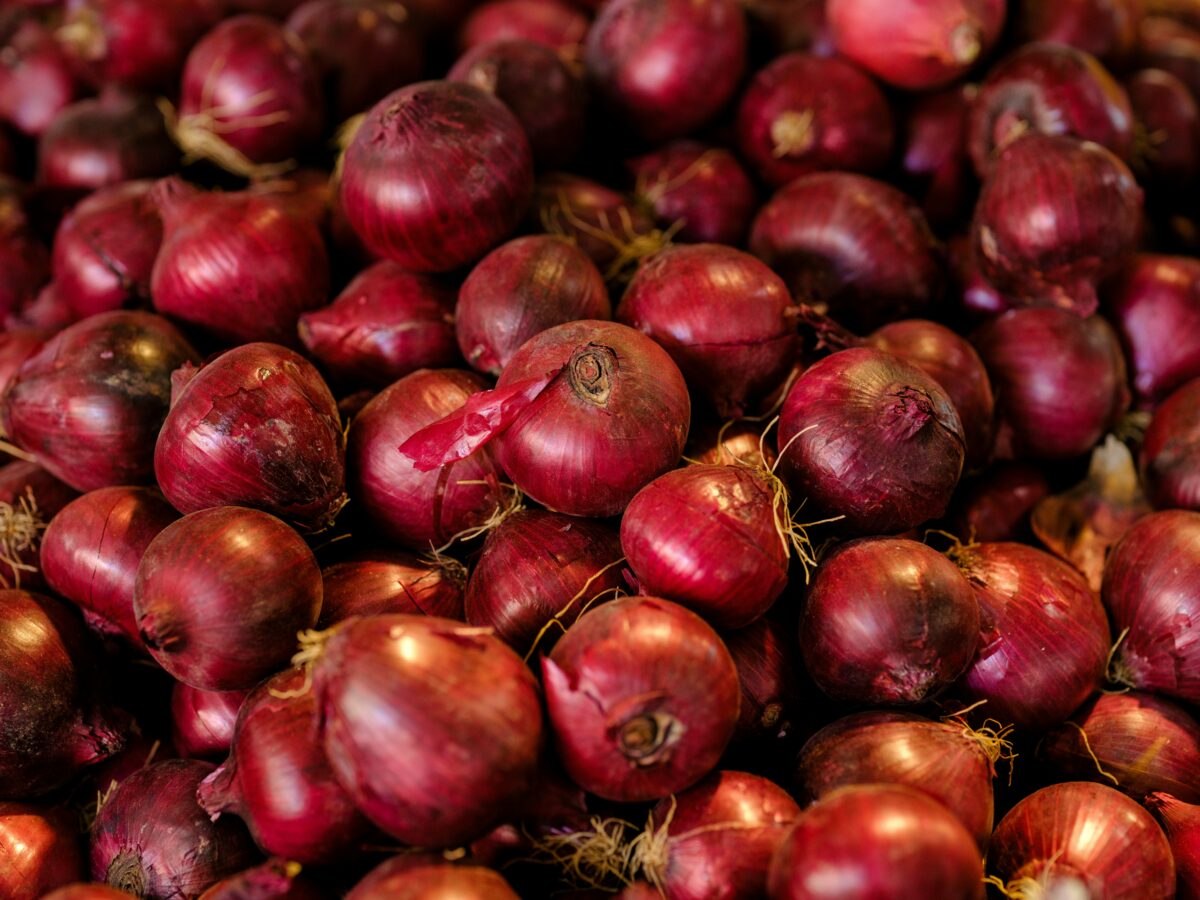
French “oignon” came from Latin “unio,” which meant unity or oneness. The name referred to the way onions grow as single bulbs rather than in clusters like garlic.
This makes onions the only vegetable named for its philosophical commitment to individuality, which is either profound or ridiculous depending on how seriously you take root vegetables.
The unity theme carries through — one onion, one bulb, one layered structure that makes you cry when you try to take it apart.
Strawberry
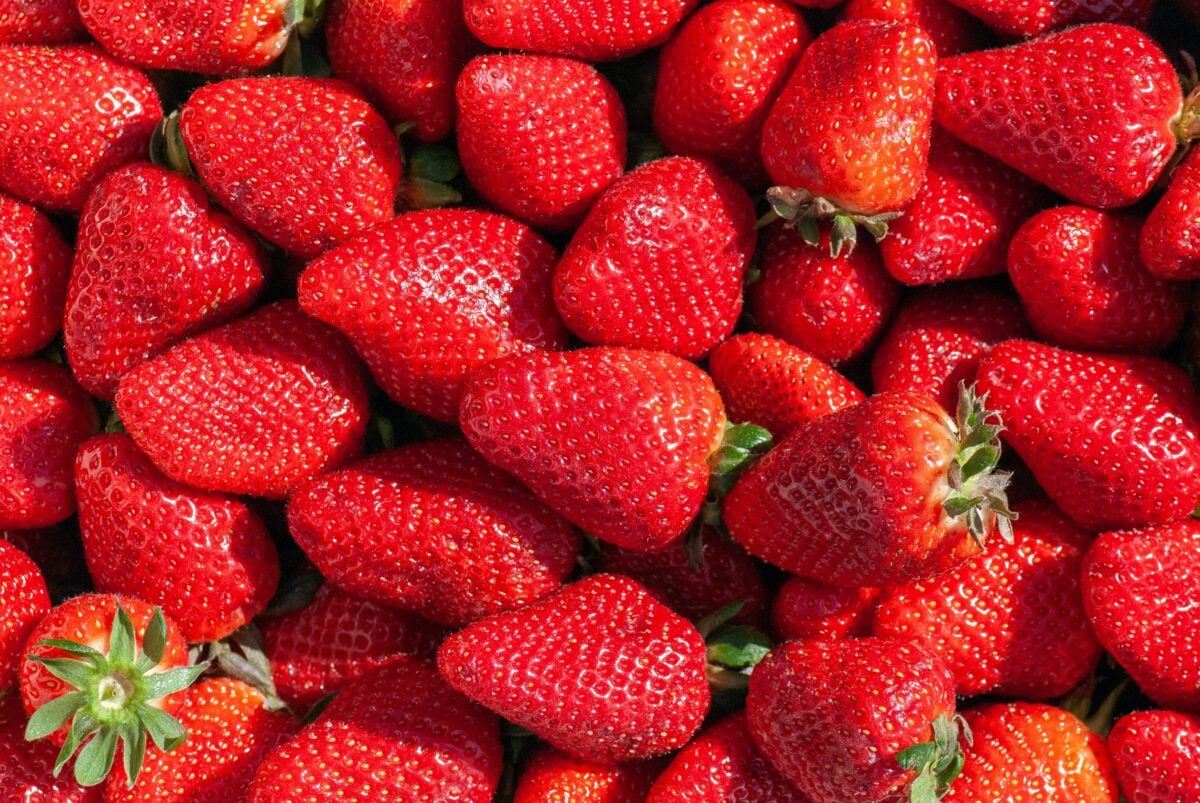
Nobody knows why strawberries are called strawberries, which is frustrating for anyone who likes their etymology neat and traceable. The most popular theory suggests that strawberry runners spread across the ground like scattered straw, but this explanation feels like something people invented after the fact to make sense of a word that had lost its original meaning.
Another theory claims that children used to string strawberries on grass straws to sell them, but this seems equally made up. The Old English “streawberige” offers no better clues — it definitely combines “streaw” (straw) and “berige” (berry), but why anyone thought to connect straw with this particular fruit remains a mystery.
Modern strawberries don’t look like straw, don’t grow like straw, and don’t have any obvious relationship to straw beyond the accident of sharing a name. Sometimes language just does things for reasons that get lost, and we’re stuck with words that make no sense but work perfectly fine anyway.
Strawberries taste the same regardless of whether their name makes logical sense, which is probably the most important thing.
Words That Traveled

These names crossed oceans in ship holds, survived translation by people who had never seen the plants they were describing, and somehow landed in modern grocery stores mostly intact. Some stayed true to their origins.
Others got completely confused along the way but worked anyway. The surprising thing isn’t that these words are strange — it’s that they work at all.
Language isn’t supposed to be this durable, especially when it’s carried by traders who care more about profit than pronunciation. But food words stick because people need them.
You can’t eat something you can’t name, and hungry people are remarkably good at making foreign words fit their mouths until the words start to sound like home.
More from Go2Tutors!

- The Romanov Crown Jewels and Their Tragic Fate
- 13 Historical Mysteries That Science Still Can’t Solve
- Famous Hoaxes That Fooled the World for Years
- 15 Child Stars with Tragic Adult Lives
- 16 Famous Jewelry Pieces in History
Like Go2Tutors’s content? Follow us on MSN.