16 Surprising Things You Can Legally Own
When people think about things you’re allowed to own, the usual suspects come to mind—cars, pets, electronics, maybe a few odd collectibles. But U.S. laws are full of quirks, and tucked between the lines are a bunch of bizarre allowances that seem like they should be off-limits, but aren’t. Depending on where you live, the law might actually give you the green light to buy, collect, and proudly display some truly unusual stuff.
From fire-spewing gear to live reptiles and ancient artillery, the range is broader than most people realize. Here is a list of 16 things you can legally own, even if they sound more like props in an action movie or scenes from a history textbook.
Flamethrowers
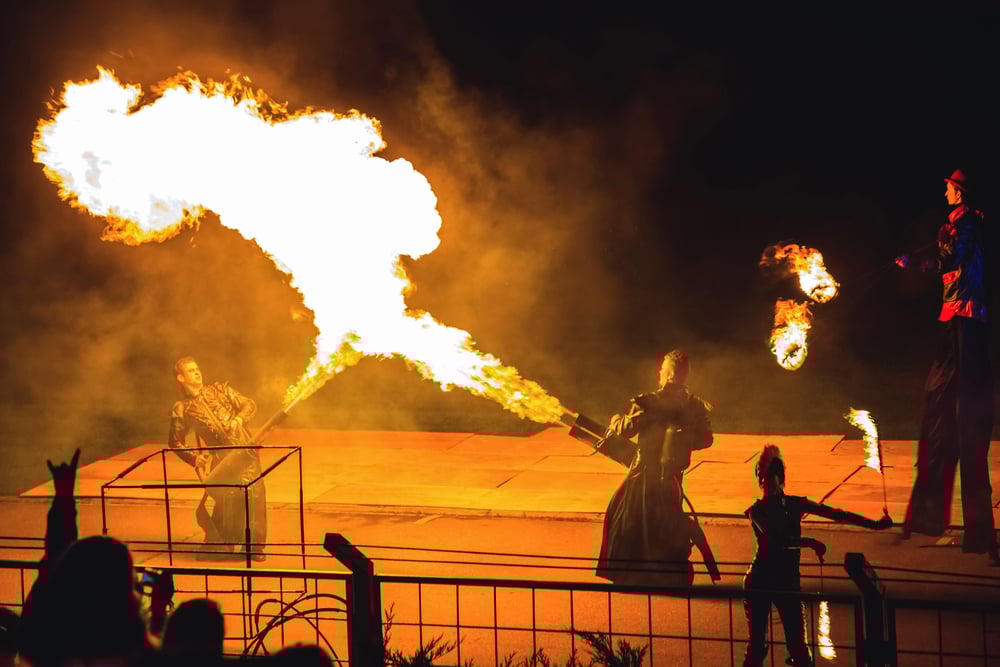
Surprisingly, you don’t need a special license to own a flamethrower in most U.S. states. While it sounds like something that belongs in a military operation or movie stunt, civilians can legally buy one and store it in their garage. Some companies even sell commercial versions marketed for clearing weeds or melting snow, though most buyers probably just want to shoot fire 20 feet for the sheer thrill of it.
California and Maryland are the exceptions, where regulations are tighter, but in the rest of the country, they’re treated a lot like owning a pressure washer—just way hotter.
Military Tanks

Believe it or not, you can legally own a real tank. Many collectors purchase decommissioned models that are stripped of their live weapon systems but still come with the full metal shell, working treads, and a whole lot of horsepower. Some people even drive them in parades or use them for events.
The catch? They’re incredibly expensive to maintain, often require special transport permits due to weight, and won’t exactly slide into a standard parking spot. But if you’ve got the cash and the space, it’s legal.
Cannons

Cannons aren’t just museum pieces—they’re something private citizens can actually own. As long as it’s classified as an antique and isn’t modified to fire modern ammunition, U.S. law generally considers it a collectible, not a weapon. That said, there are people who load and fire replicas during reenactments and historical demonstrations.
You’ll want to double-check local ordinances before blasting anything in the backyard, but owning one? Totally fine, and sometimes even welcomed by history buffs.
Pet Alligators

In some states like Florida, Louisiana, and Texas, you can legally own an alligator if you get the proper permit. They’re not illegal, just incredibly high-maintenance—and potentially dangerous. Alligators grow fast, live for decades, and can snap a chicken in half like a twig.
Most people who keep one have some experience with exotic pets, but the law doesn’t say you have to. Just be ready to build a reinforced enclosure and maybe rethink having small pets around.
Human Skulls

Owning a human skull might sound like something out of a horror flick, but it’s legal in many places across the U.S.—as long as it wasn’t obtained illegally. Skulls and bones are often sold to medical professionals, academic institutions, and collectors through regulated vendors.
They’re typically cleaned and preserved for display or study, and yes, people do buy them for their shelves. It’s definitely not your everyday conversation piece, but if it’s legally sourced, you can own it.
Medieval Weapons

Maces, flails, battle axes—these weapons from the Middle Ages are legal to own and often sold through collector sites or renaissance fair vendors. There’s usually no need for a permit since they aren’t classified as firearms or explosive weapons.
As long as you’re not swinging them around in public or using them to threaten someone, they fall into the same category as decorative swords. They’re heavy, dangerous, and kind of awesome in a historical way.
Uranium Ore
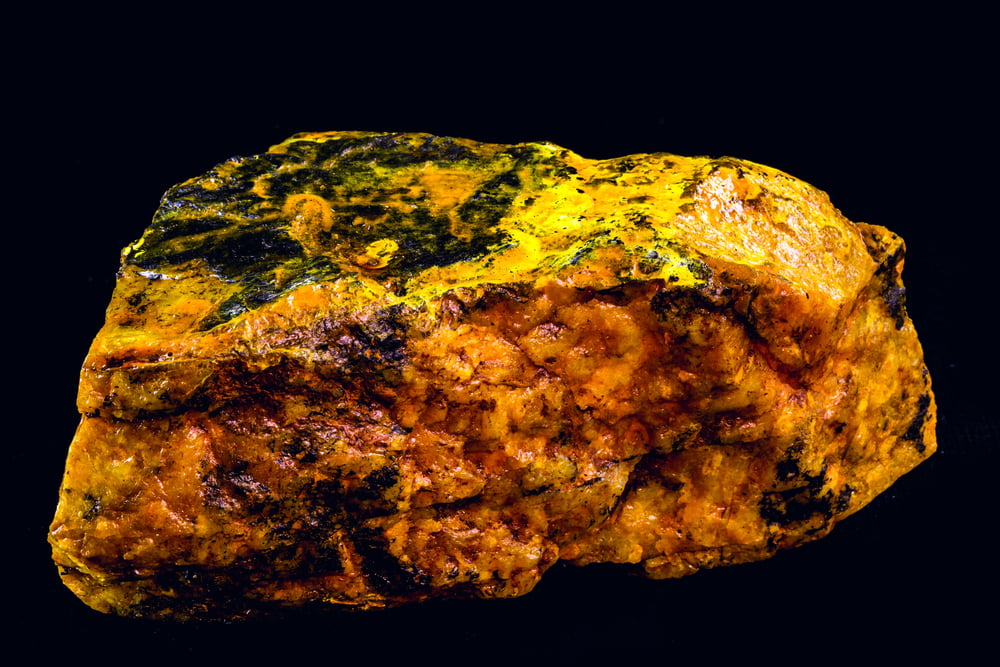
Yes, the mildly radioactive stuff. In small quantities, natural uranium ore can be legally purchased and owned in the U.S. It’s often sold to collectors, science educators, or just folks with an odd taste in geology.
The amount you can legally own is low enough that it won’t pose serious health risks or be useful in any nefarious way. Still, it’s wild to think that you can buy a glowing rock with a radiation warning on it from certain novelty shops.
Body Armor
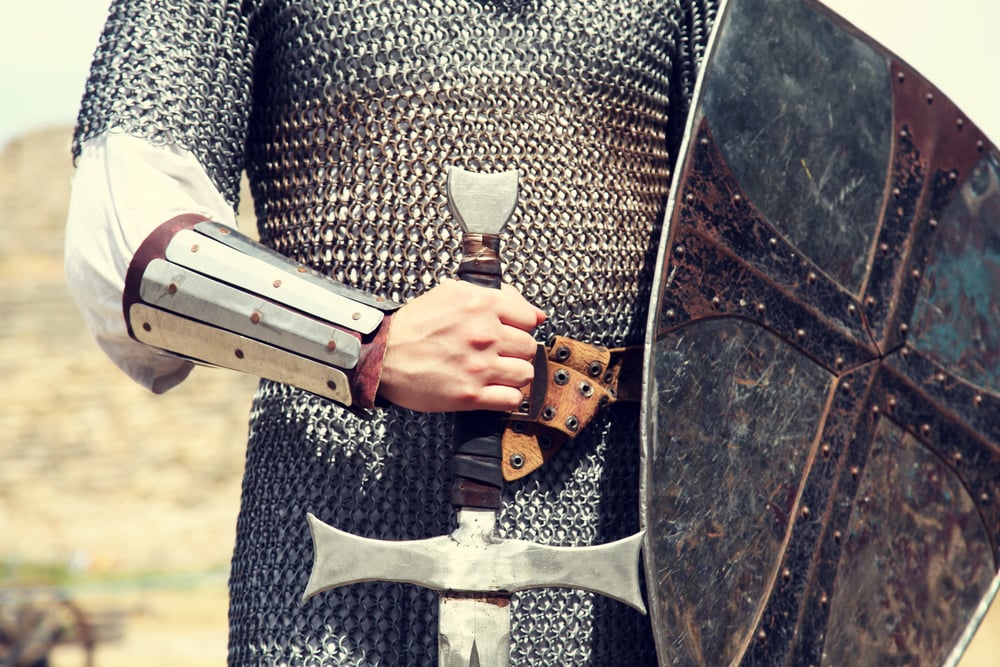
While it’s mostly associated with law enforcement or military use, body armor like bulletproof vests is legal to own and wear in most states. Some areas limit it for convicted felons, but for everyone else, there’s no real restriction.
People buy it for personal safety, shooting range visits, or just peace of mind. It might seem excessive, but the law doesn’t say you can’t prepare for the unexpected.
Taxidermy of Endangered Animals
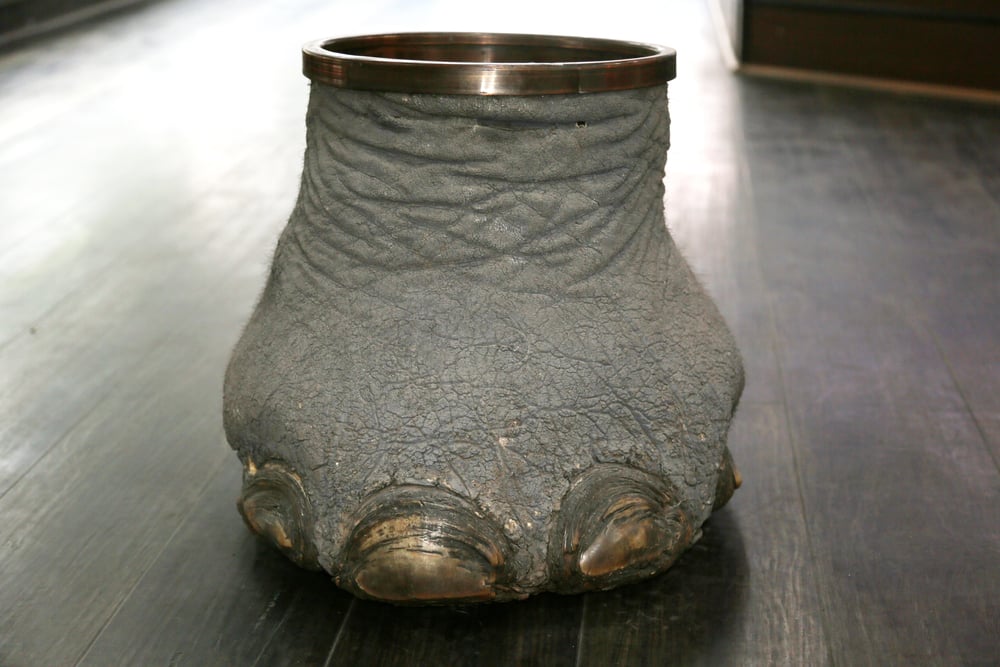
While it’s illegal to hunt endangered species, owning a taxidermied one isn’t always against the law—if it was obtained before protective legislation was passed. Estate sales, old collections, and antique shops occasionally have legal mounts of animals like tigers or polar bears.
It’s a legal gray area in some places, but ownership isn’t always a crime. Documentation is key, and federal law generally cares more about how it was acquired than who owns it now.
Swords and Katanas
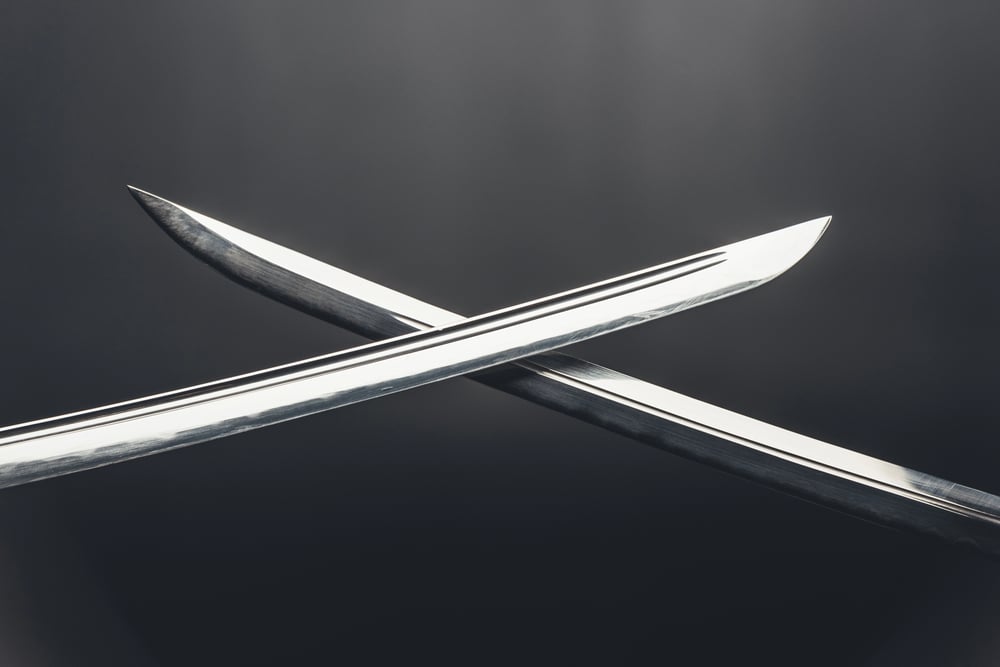
Unlike firearms, there are almost no restrictions on owning swords in the U.S. You can buy full-size katanas, broadswords, and sabers without a background check or license. Some people collect them, others display them, and a few even train with them.
As long as you’re not swinging one at the grocery store, owning a blade longer than your forearm is completely legal—and weirdly easy to get delivered to your door.
Vintage Slot Machines

Gambling laws are strict, but there’s an odd exception: old slot machines. Machines that are over 25 years old are often exempt from gambling regulations and can be owned as collectibles. That means you can legally keep a working Vegas-style machine in your home, even if it still takes coins.
The laws vary by state, but in most places, it’s considered a vintage device, not a gambling tool. So if you’ve got the urge to hear that jackpot bell ring, go ahead and crank the lever.
Brass Knuckles
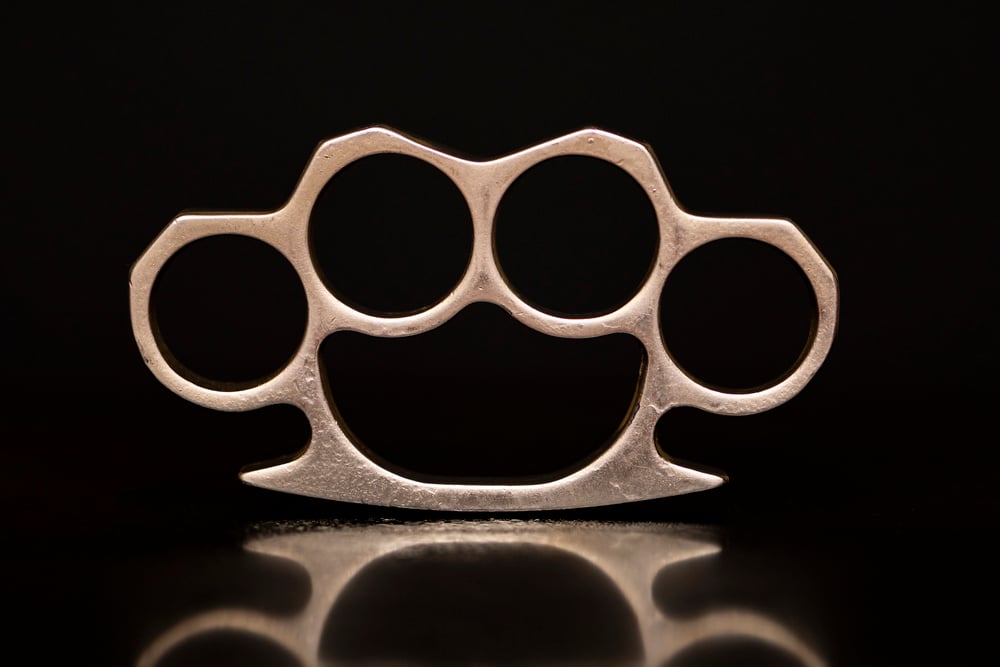
These spiked self-defense tools are banned in several states—but totally legal in others like Arizona and Texas. They’re sold in gun shops and online, often labeled as paperweights or belt buckles (yes, really).
You can legally own them in the right state, but carrying them around is where trouble usually starts. Still, for display or collection purposes, they’re fair game in much of the country.
Big Cats

Lions, tigers, and cougars—oh yes, you can legally own them in certain states with the right permits. It’s not easy, and it definitely isn’t smart for most people, but the law in states like Nevada and Oklahoma technically allows private ownership of big cats.
Owners need serious space, reinforced cages, and deep pockets for food and vet bills. It’s not illegal—it’s just a massive responsibility that’s often underestimated.
Sarcophagi

You can legally own a real Egyptian sarcophagus if you buy it through the proper legal channels. Museums sometimes deaccession items, and private dealers occasionally offer ancient artifacts to wealthy collectors. There’s a robust legal trade in antiquities, as long as everything was obtained legally and not smuggled.
It might cost you the same as a luxury car, but the law doesn’t say you can’t turn your guest room into a mini museum.
Whips

Whips—like bullwhips or stockwhips—are totally legal to buy and own in the U.S. There’s no regulation on their sale, and many are used for sport, ranching, or performance arts. Indiana Jones fans take note: you can practice your cracks without breaking any laws.
Just don’t use one in public unless you want to draw confused stares or possibly get fined for disturbing the peace.
Real Shrunken Heads (Tsantsas)
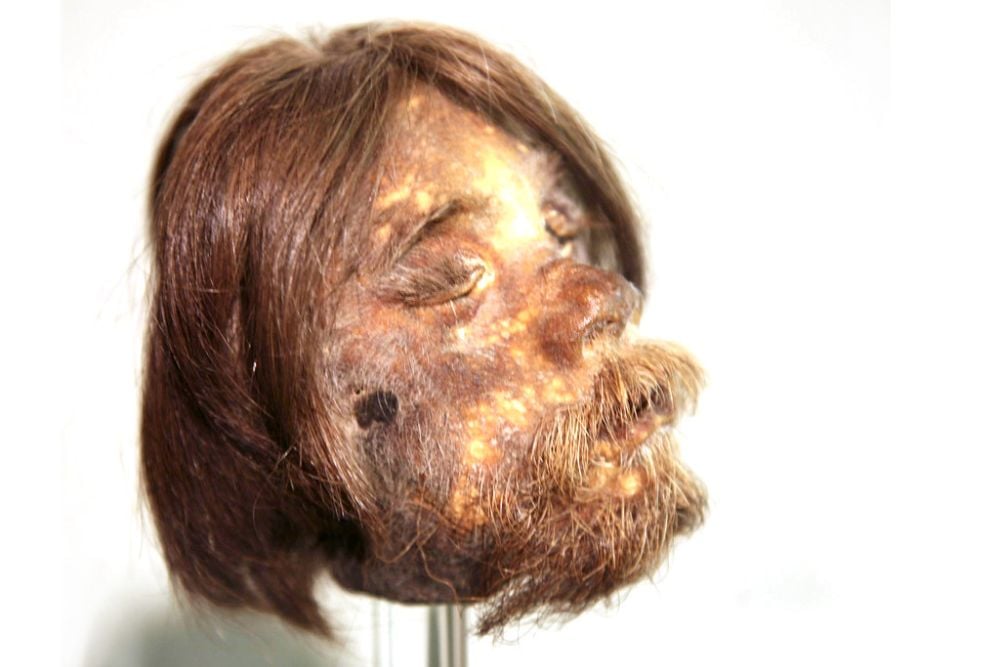
Authentic shrunken heads from South America—known as tsantsas—are extremely rare but not illegal to own if acquired before certain international bans. Museums and some private collectors still hold them legally. These are not replicas; they’re actual human heads that were culturally modified and preserved.
Most countries banned their trade decades ago, but a few still circulate in private sales under strict documentation rules. Legal? Yes. Creepy? Also yes.
History’s Leftovers in the Modern World

The fact that so many of these items are legal to own says a lot about how modern laws have evolved—or haven’t. What was once normal or necessary in past generations still lingers today as perfectly legal, even if it seems odd now. We live in a time when someone could legally own both a flamethrower and a sarcophagus, and no one would bat an eye if the paperwork checks out.
In a way, it shows how the line between the practical, the dangerous, and the downright bizarre isn’t always where you’d expect it. That’s part of what makes the legal system so fascinating—and a little unpredictable.
More from Go2Tutors!

- The Romanov Crown Jewels and Their Tragic Fate
- 13 Historical Mysteries That Science Still Can’t Solve
- Famous Hoaxes That Fooled the World for Years
- 15 Child Stars with Tragic Adult Lives
- 16 Famous Jewelry Pieces in History
Like Go2Tutors’s content? Follow us on MSN.