16 Things That Are Illegal for Tourists in Popular Countries
Picture this: you’re standing in a museum in Greece, casually posing with a centuries-old artifact for the perfect Instagram shot, when suddenly a guard approaches with a very serious expression. What seemed like harmless tourist behavior just landed you in legal hot water.
Every country has its own web of laws, cultural taboos, and regulations that can catch unsuspecting travelers off guard. Some might seem obvious in hindsight, while others are so specific to local customs that even seasoned travelers get blindsided.
The consequences range from hefty fines to deportation—and in some cases, much worse.
Chewing Gum in Singapore

Singapore doesn’t mess around with gum. Import it, sell it, chew it in public—all illegal. The fine can reach SGD $1,000 and escalates significantly from there, with maximum penalties reaching several thousand dollars depending on the specific violation.
This isn’t some outdated law gathering dust. Enforcement is real and consistent.
The city-state prioritizes cleanliness above your minty fresh breath.
Taking Photos of Government Buildings in North Korea

North Korea treats photography like a state secret (which, in many ways, it becomes once you’re holding the camera). Government buildings, military installations, construction sites, and even some statues fall under a blanket photography ban that tourists routinely underestimate.
The rules shift without warning, and what was permissible yesterday might land you in detention today—something that’s happened to multiple foreign visitors who thought they understood the boundaries. And here’s the thing about misunderstandings in North Korea: they don’t tend to resolve quickly or quietly, especially when your phone contains images that officials deem sensitive (a category that seems to expand rather than contract over time).
So while that imposing government architecture might look like the perfect backdrop for documenting your rare visit, the photo opportunity comes with consequences that extend far beyond a simple fine or confiscated memory card.
Wearing High Heels at Ancient Sites in Greece

Greek authorities decided that stilettos and ancient marble don’t mix. The Acropolis specifically bans high heels to prevent damage to the 2,500-year-old stones.
Guards will turn you away at the entrance if you’re not wearing appropriate footwear. The reasoning makes sense—thousands of tourists clicking across ancient surfaces would eventually wear them down.
But plenty of visitors show up unprepared and find themselves buying emergency flats from nearby vendors at inflated prices.
Importing Prescription Medication Without Proper Documentation in Japan

Japan takes medication imports seriously enough to arrest travelers for carrying common prescriptions. Adderall, certain pain medications, and even some over-the-counter cold medicines land on their prohibited list.
The documentation requirements are specific and unforgiving—a doctor’s note from home won’t cut it. You need advance approval from Japanese health authorities for anything beyond basic vitamins.
Miss this step and customs officials treat you like a drug trafficker, not a tourist with a headache.
Stepping on Money in Thailand

Thai currency bears the image of the king. Stepping on money—even accidentally—constitutes an insult to the monarchy, which Thailand considers a serious criminal offense.
The law extends beyond just bills and coins. Images of the king appear on stamps, documents, and various official materials.
Disrespecting any of these can result in arrest and prosecution under lese-majeste laws.
Wearing Camouflage Clothing in Barbados

Barbados reserves camouflage patterns exclusively for military personnel (and even then, the connection feels tenuous when you’re talking about cargo shorts from a mall back home). Tourists wearing anything that resembles military fatigues face confiscation of their clothing and potential fines, regardless of whether the item came from a fashion retailer or an actual surplus store.
The law doesn’t distinguish between authentic military gear and that trendy camo jacket you picked up last season—it’s all treated the same way at the border. So while packing light might tempt you to bring versatile pieces that work in multiple settings, that particular pattern choice will leave you with fewer clothing options and a memorable conversation with customs officials who take this regulation more seriously than you might expect.
Feeding Pigeons in Venice

Venice banned pigeon feeding in St. Mark’s Square and throughout the historic center. The fine reaches €500, and enforcement is consistent during peak tourist hours.
The birds themselves aren’t illegal—the feeding is. Venice struggles with overpopulation of pigeons that damage historic buildings with their droppings.
Tourists offering breadcrumbs make the problem worse.
Taking Seashells from Greece’s Beaches

Greece protects its coastal ecosystems by prohibiting the removal of any natural materials from beaches. This includes seashells, stones, sand, and coral fragments.
Customs officials check bags at departure, and getting caught results in significant fines. The law treats a single shell the same as a bag full of them.
Many tourists assume small souvenirs from nature don’t count as theft, but Greek authorities disagree entirely.
Littering in Singapore (Beyond Normal Definitions)

Singapore’s littering laws stretch far beyond dropping trash on the ground, encompassing behaviors that other countries barely notice: spitting in public carries the same penalties as throwing a candy wrapper, cig butts dropped anywhere outside designated areas trigger automatic fines, and even failing to properly dispose of gum (if you somehow legally obtained it) falls under the same enforcement umbrella.
The definition of “littering” includes things like leaving food scraps for animals, which means that an innocent attempt to share your sandwich with stray cats becomes a fineable offense rather than an act of kindness. And the enforcement mechanism is impressively thorough—surveillance cameras, undercover officers, and citizen reporting systems all feed into a network designed to catch violations that would go completely unnoticed in most other destinations, turning what feels like minor oversights into expensive lessons in Singapore’s approach to urban cleanliness.
But here’s what catches tourists most off guard: the penalties don’t scale down for ignorance or good intentions, so that momentary lapse in attention carries the same consequences as deliberate rule-breaking.
Public Displays of Affection in Dubai

Dubai prohibits public displays of affection between unmarried couples. Kissing, hugging, and holding hands can result in arrest, fines, or deportation depending on the circumstances and the discretion of local authorities.
The enforcement varies, but the risk remains constant. Many tourists assume that international hotel areas operate under different rules—they don’t. Local laws apply everywhere within the emirate.
Wearing Shorts or Revealing Clothing in Vatican City
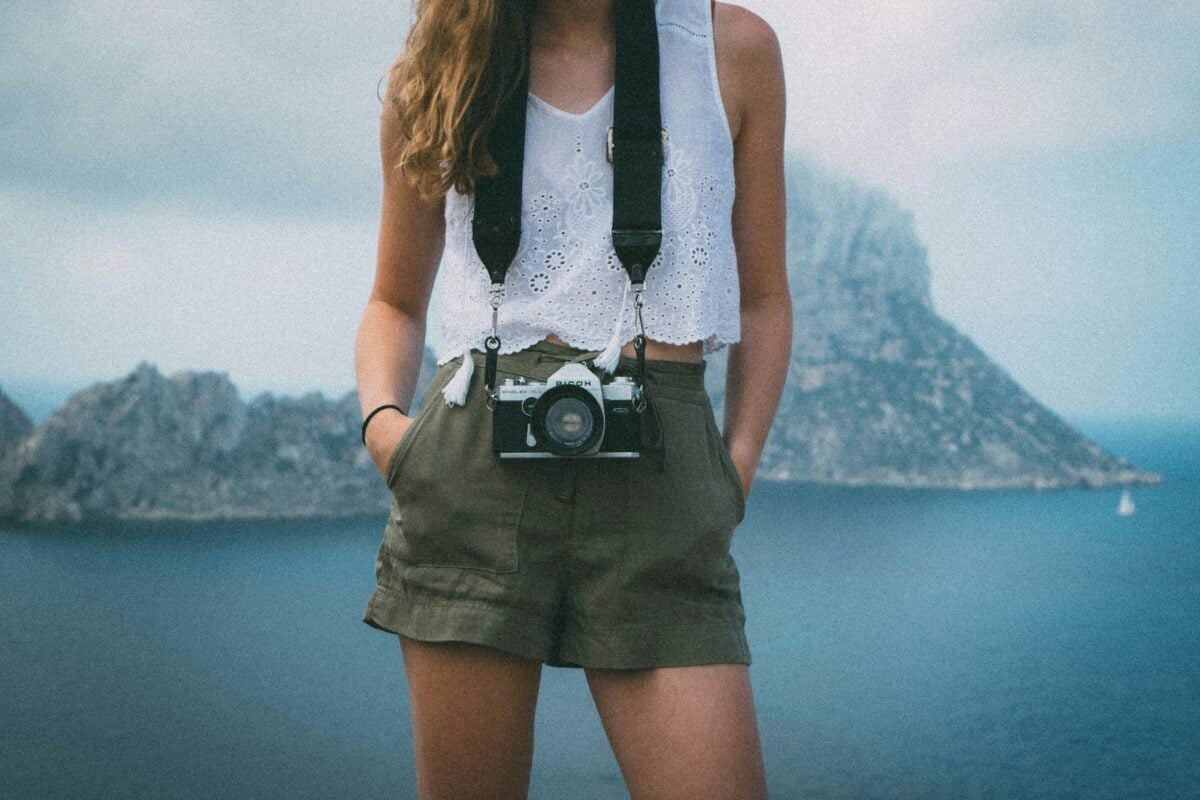
Vatican City enforces a strict dress code for all visitors (because apparently spiritual enlightenment requires appropriate hemlines). Shorts, tank tops, mini skirts, and any clothing that exposes shoulders or knees will get you turned away at the entrance, regardless of how far you traveled to get there or how long you waited in line.
The dress code applies year-round, which means summer visitors face the uncomfortable choice between comfort and access—and the guards don’t make exceptions for heat waves, special occasions, or the fact that you didn’t know about the rule until you arrived. Tour guides and travel websites mention this requirement constantly, yet every day brings a fresh wave of underdressed tourists discovering that their vacation outfit choices have consequences beyond fashion judgment.
And while you can sometimes buy appropriate covering from vendors outside St. Peter’s Basilica, the markup on emergency scarves and long pants serves as an expensive reminder that some destinations take their cultural expectations seriously enough to enforce them at the door.
Using a Metal Detector on British Beaches

Britain requires permits for metal detector use, and using one without authorization violates multiple laws related to treasure hunting and archaeological preservation. Tourist metal detector rental companies exist, but they’re required to verify permits before handing over equipment.
The penalties include equipment confiscation and substantial fines. Any valuable finds made without proper permits become property of the Crown, regardless of who discovered them.
Kite Flying Near Airports in Thailand

Thailand’s aviation authorities take unauthorized kite flying seriously, especially near airports where it poses genuine safety risks. The law extends beyond obvious restricted areas—large parts of Bangkok fall under flight paths where kite flying becomes illegal during certain hours.
Tourists often discover this after purchasing colorful kites from beach vendors who neglect to mention the regulations that come with them. Enforcement happens sporadically, but when it does, the fines reflect the potential seriousness of aviation interference rather than the innocent nature of recreational kite flying.
The penalties escalate quickly if authorities determine that the kite flying posed any actual risk to aircraft operations.
Climbing Uluru in Australia

Australia closed Uluru to climbers permanently in 2019. The rock holds deep spiritual significance for Aboriginal peoples, and climbing it was always culturally inappropriate—now it’s officially illegal.
Tourists who attempt to climb anyway face substantial fines and potential criminal charges. The closure was controversial among some visitors, but the law is absolute and strictly enforced.
Taking Photos Inside Sistine Chapel

Vatican authorities prohibit all photography inside the Sistine Chapel (and those Swiss Guards aren’t just for show—they will confiscate phones and delete photos taken illegally). The rule exists to preserve the frescoes from camera flashes and to maintain the chapel’s sacred atmosphere, but enforcement creates an ongoing cat-and-mouse game between security and tourists who assume one quick shot won’t matter.
Guards watch constantly for raised phones, and getting caught results in immediate ejection from the chapel, deletion of any photos taken, and potential banning from Vatican City entirely—which means your attempt to capture Michelangelo’s ceiling could cost you access to St. Peter’s Basilica and the Vatican Museums for the remainder of your trip. The irony is that professional photos of the chapel’s artwork are widely available in higher quality than anything a tourist camera could capture, making the risk-to-reward ratio particularly unfavorable for rule-breakers who think they’re documenting something unique.
Picking Up “Souvenirs” from Machu Picchu

Peru treats any removal of stones, plants, or artifacts from Machu Picchu as theft of cultural heritage. This includes small rocks that seem insignificant to tourists but represent part of a protected archaeological site to authorities.
Customs officials specifically check departing visitors’ luggage for items from the site. Getting caught results in immediate arrest, substantial fines, and potential jail time.
The law doesn’t distinguish between ancient artifacts and common stones—it’s all protected equally.
The Fine Print of Global Travel

These laws exist for reasons that make sense to the countries enforcing them, even when they catch tourists completely off guard. The pattern that emerges isn’t random—most restrictions protect cultural heritage, public health, or national security in ways that locals understand but visitors miss.
What feels like bureaucratic overreach often reflects deeply held values about preservation, respect, or social order that tourists encounter without context. The real lesson isn’t memorizing every possible restriction before you travel, but recognizing that your home country’s normal doesn’t automatically translate everywhere else—and that claiming ignorance rarely reduces the consequences when cultural boundaries get crossed.
More from Go2Tutors!

- The Romanov Crown Jewels and Their Tragic Fate
- 13 Historical Mysteries That Science Still Can’t Solve
- Famous Hoaxes That Fooled the World for Years
- 15 Child Stars with Tragic Adult Lives
- 16 Famous Jewelry Pieces in History
Like Go2Tutors’s content? Follow us on MSN.