16 Times a Knock-Off Brand Accidentally Became More Popular Than the Original
The business world loves a good origin story about innovation and originality. Companies spend billions on branding to convince consumers they have created something unique and irreplaceable. Yet occasionally, history takes an unexpected turn when an imitator—initially created to capitalize on someone else’s concept—somehow surpasses the original in popularity, success, or cultural impact.
Here’s a look at 16 remarkable cases where knock-off products and companies eventually eclipsed their inspirations, often leaving the originators forgotten or overshadowed by their own imitators.
Oreo Cookies
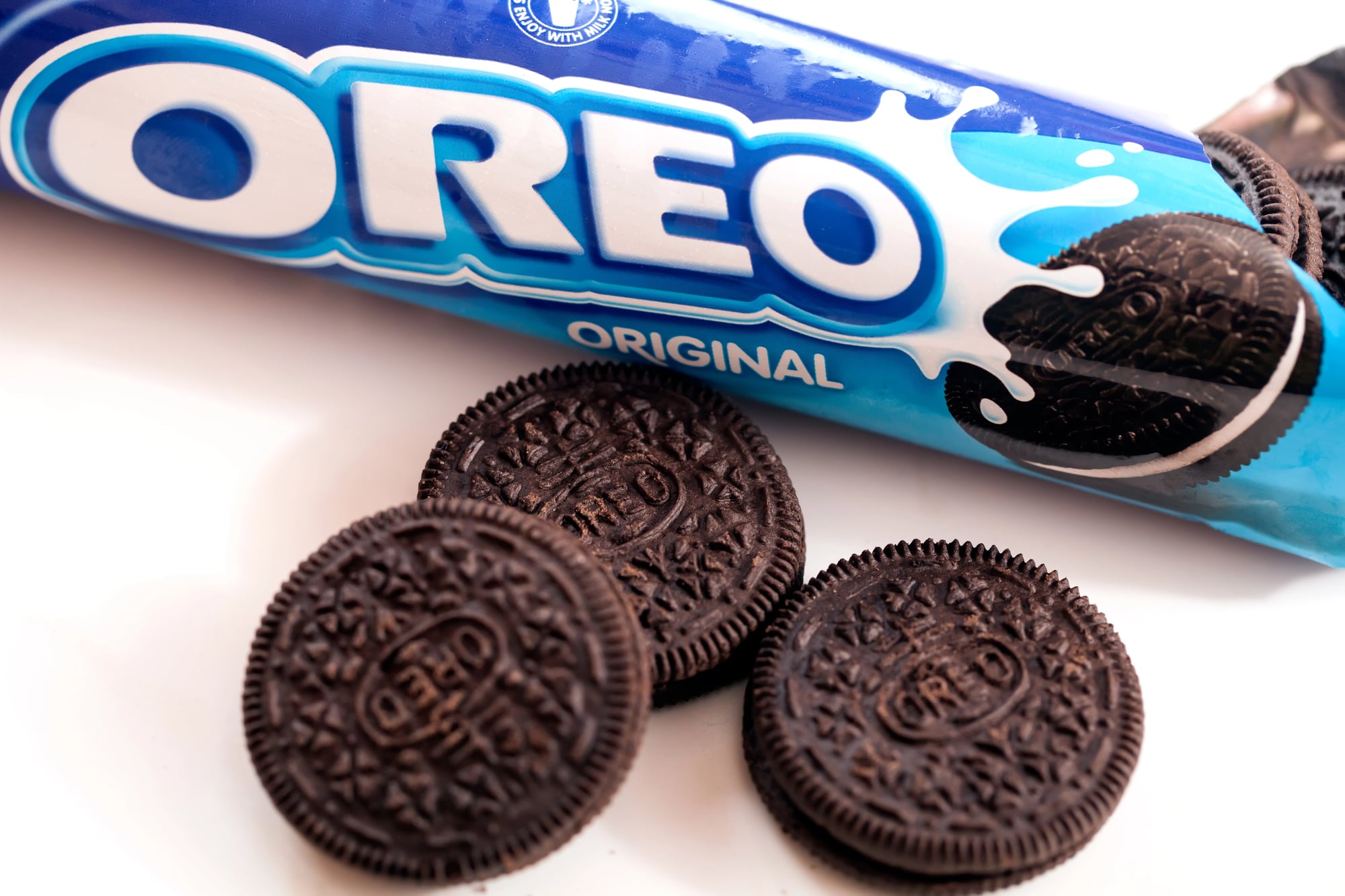
When the well-known black-and-white sandwich cookie first appeared in 1908, four years before Oreo, it was a blatant imitation of Hydrox cookies. Hydrox suffered even though it was the first since customers began to believe it was the copycat.
In the end, Oreo became America’s favorite cookie because of Nabisco’s excellent marketing and distribution, and the majority of consumers today are totally unaware that Hydrox was the original. Oreo became a worldwide sensation, selling over 40 billion cookies a year, while the original brand was dropped in 1999 and then revived subsequently.
Netflix
This streaming giant started as a DVD-by-mail service directly copying Blockbuster’s rental model without late fees. When Netflix offered to sell to Blockbuster for $50 million in 2000, Blockbuster famously declined, failing to recognize the potential threat.
Netflix then pivoted to streaming, revolutionizing how people consume entertainment while Blockbuster failed to adapt. The former imitator now dominates global entertainment as a content producer and distributor worth billions, while Blockbuster has been reduced to a single remaining store and a cautionary business tale.
Wite-Out
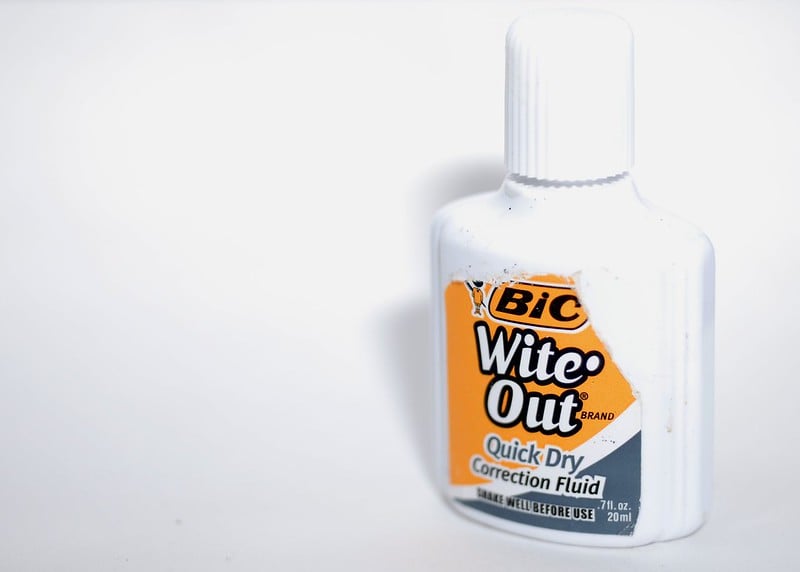
The popular correction fluid began as a knockoff of Liquid Paper, which was invented in 1956 by a bank secretary named Bette Nesmith Graham. A competing product called Wite-Out launched in 1966 and eventually overtook the original in many markets through aggressive marketing and distribution.
The copycat brand established such market dominance that many consumers now use “Wite-Out” as the generic term for correction fluid, regardless of the actual brand used, similar to how people say “Kleenex” for any facial tissue.
Flip Video Camera
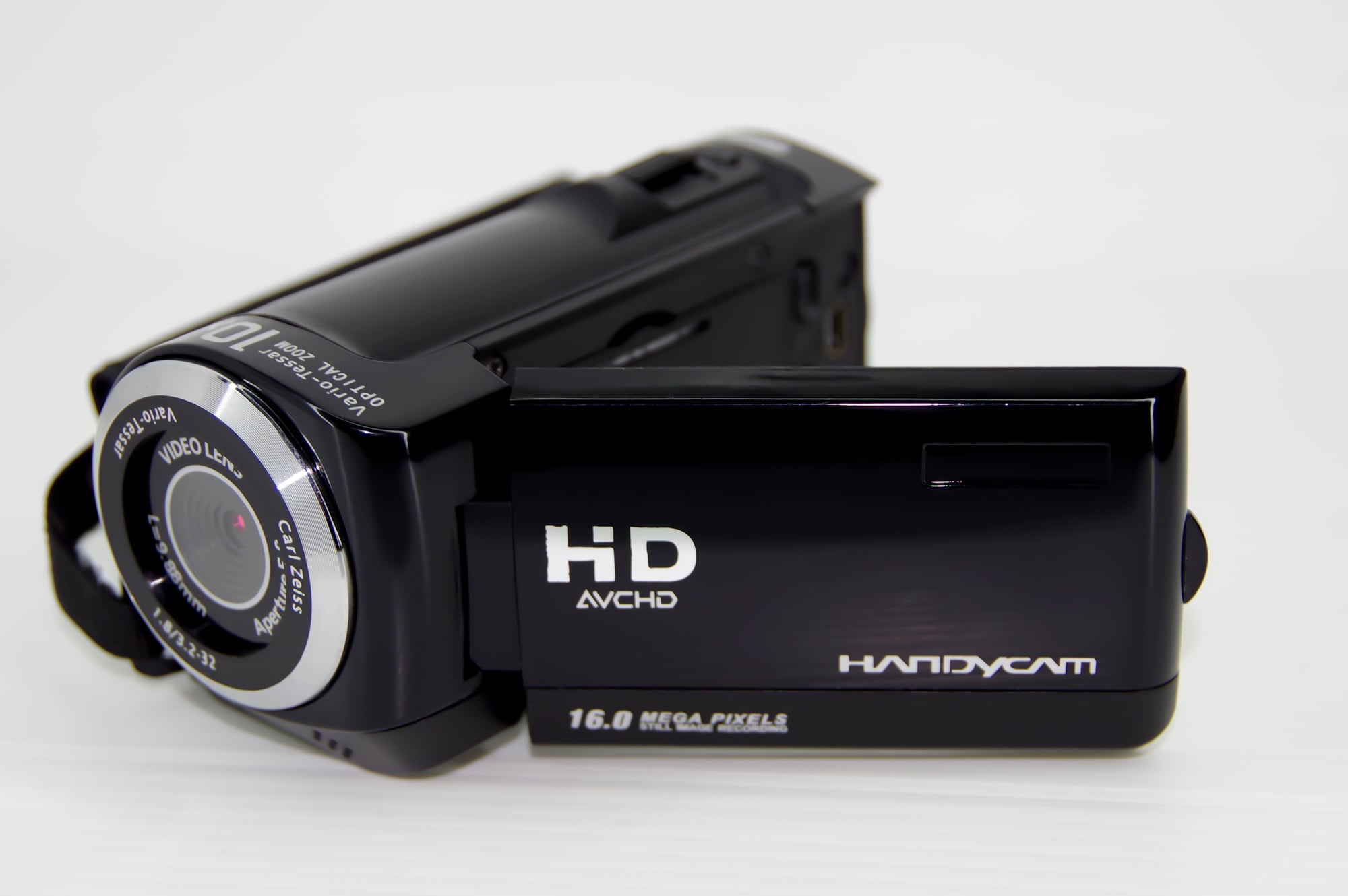
This simple point-and-shoot video camera was launched in 2006 after the founder noticed the success of RCA’s Small Wonder cameras. The Flip’s streamlined design and built-in USB connector made it more user-friendly than the original it imitated.
Pure Digital Technologies, the company behind Flip, sold over two million units and was acquired by Cisco for $590 million in 2009, while the original RCA Small Wonder faded into obscurity. Ironically, smartphone cameras would soon make both products obsolete.
Burger King’s Whopper
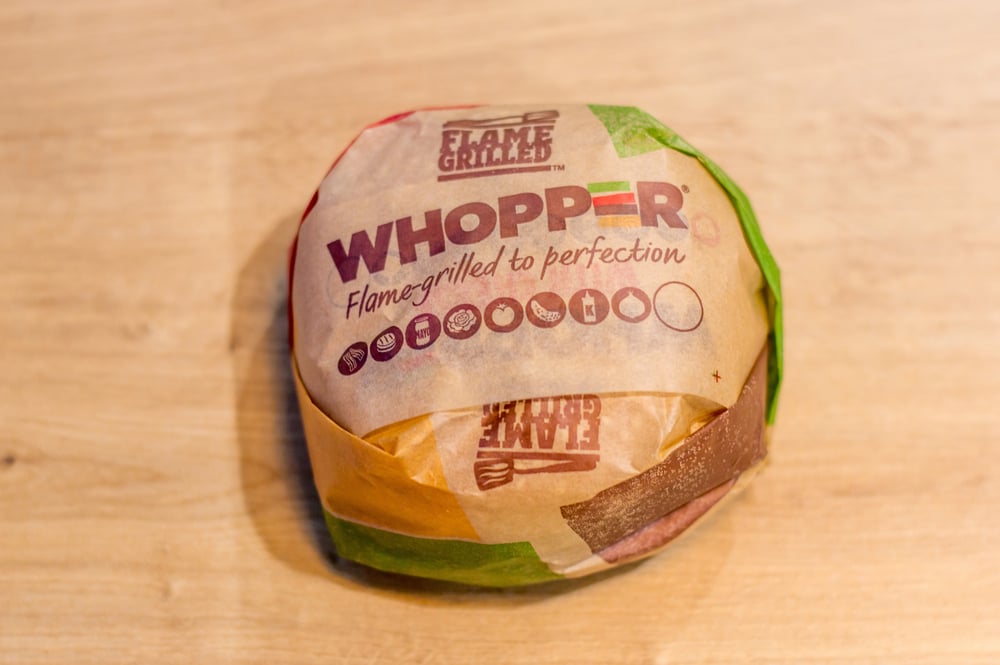
When the Whopper debuted in 1957, it was essentially an upsized version of McDonald’s burger with additional toppings. While McDonald’s had established the fast-food burger concept, Burger King’s “bigger is better” approach with the Whopper helped the company carve out its own identity.
The sandwich became so successful that it changed the direction of the entire fast-food industry — forcing McDonald’s and others to develop their own premium, larger burger options to compete with the popular knock-off concept.
Duracell Batteries

The familiar copper-top batteries started as an imitation of Ever Ready batteries (later Eveready), which pioneered the alkaline battery market. Duracell entered as a competitor with nearly identical products but eventually overtook the original brand through superior marketing strategies, particularly their iconic copper-top design and bunny mascot in international markets.
Today many consumers consider Duracell the category leader despite being the follower, with the brand maintaining premium positioning while the original Eveready brand occupies lower market tiers.
DiGiorno Pizza
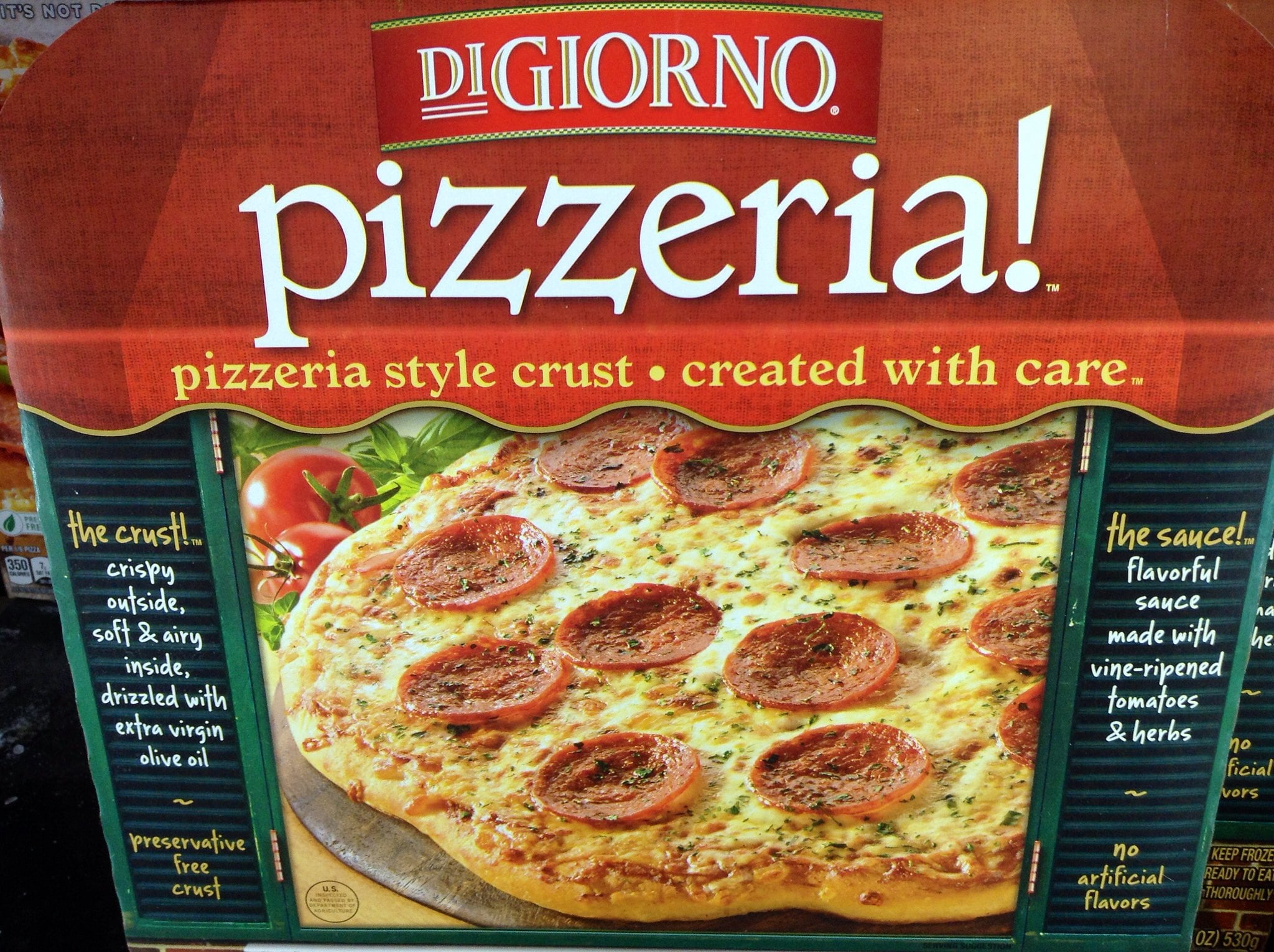
This frozen pizza brand transformed its category by specifically targeting delivery pizza with its “It’s not delivery, it’s DiGiorno” campaign. Rather than competing against other frozen pizzas, DiGiorno positioned itself as an alternative to Domino’s and Pizza Hut, essentially knocking off delivery pizza in the grocery freezer.
The strategy worked brilliantly, making DiGiorno the frozen pizza market leader and forcing established delivery chains to improve their quality to compete with a frozen imitator that many consumers found comparable to fresh delivery options.
Yahoo
Originally known as “Jerry and David’s Guide to the World Wide Web,” this early internet giant added its own classification scheme while largely replicating pre-existing web directories. Although Yahoo wasn’t the first search engine or directory, it outperformed earlier pioneers like WebCrawler, Lycos, and Excite thanks to its comprehensive approach and user-friendly design.
Yahoo dominated internet usage in the late 1990s before Google overtook it, illustrating how easily the copycat can become the copied in rapidly changing technology marketplaces.
Lexus

Toyota created Lexus specifically to take on Mercedes-Benz and BMW in the luxury market, essentially copying their approach to premium automobiles. Initial Lexus models like the LS 400 were deliberately designed to mimic German luxury vehicles at lower price points.
The brand eventually established its own distinctive identity and now outsells Mercedes-Benz in key markets including the United States, proving that a well-executed knock-off can eventually establish legitimate market leadership even in premium categories once dominated by originators.
The world’s largest social network began after Mark Zuckerberg was hired to code a social platform called Harvard Connection (later ConnectU). Instead, he allegedly used the core concept to create TheFacebook, leading to famous litigation with the Winklevoss twins.
While debates continue about how much Facebook borrowed from existing ideas, the company unquestionably surpassed earlier social networks like Friendster and MySpace. The former knock-off transformed into a trillion-dollar company while most of its predecessors have disappeared or become digital footnotes.
Pepsi
This ubiquitous soda started life in 1893 as “Brad’s Drink,” a clear imitation of Coca-Cola, which had been created seven years earlier. After renaming itself Pepsi-Cola in 1898, the brand struggled for decades in Coke’s shadow before innovative marketing campaigns in the 1960s and the famous “Pepsi Challenge” taste tests helped it gain ground.
While Coca-Cola remains the global leader in many markets, Pepsi successfully transformed from a struggling copycat to a legitimate competitor. PepsiCo now exceeds The Coca-Cola Company in total revenue thanks to its diverse food and beverage portfolio.
Android

Google’s mobile operating system began development as a direct response to early smartphones like BlackBerry, not initially targeting Apple’s iPhone. However, after the iPhone launched in 2007, Android quickly pivoted to incorporate touchscreen functionality and app-centric design similar to Apple’s innovation.
Now Android powers approximately 70 percent of global smartphones, far outpacing iOS in market share, demonstrating how a flexible imitator that adapts quickly can overcome even the most innovative original products by offering greater accessibility and options to consumers worldwide.
Adidas

Although it wasn’t exactly a copy, Adidas was born out of a sibling rivalry when brothers Rudolf and Adolf Dassler split up their original shoe business. In 1948, Rudolf founded Puma, and Adidas followed soon after.
Adidas seemed to follow its rival’s lead in the early years, whereas Puma dominated the market in terms of positioning and innovations. Eventually, the follower overtook the original, and Adidas is currently the world’s second-largest sportswear producer.
Walmart
It was Sam Walton who opened his first store following the observation of other discount stores such as Kmart, which originally came up with the discount store idea that Walmart would later refine. Kmart had established the concept and development model that Walmart basically replicated and then added better logistics and rural market penetration.
The pupil ultimately surpassed the tutor, as Walmart grew to become the world’s largest retailer with Kmart filing for bankruptcy and store closures, illustrating how execution will always trump innovation in retail competition.
Instagram Stories
When Instagram introduced “Stories” in 2016, CEO Kevin Systrom openly admitted to copying the core functionality from Snapchat’s disappearing content feature. The knockoff feature quickly surpassed the original, with Instagram Stories reaching 500 million daily users compared to Snapchat’s entire platform of approximately 300 million users.
This imitation of a digital feature shows how larger platforms can appropriate innovations from smaller competitors and leverage their existing user base to make the copy more successful than the original innovation.
Red Bull
The energy drink giant didn’t invent the category but instead adapted an existing Thai energy drink called Krating Daeng for Western markets. Austrian entrepreneur Dietrich Mateschitz discovered the drink while traveling in Thailand and essentially repackaged it with modified ingredients and slick marketing.
The knock-off vastly outperformed its inspiration, creating a global energy drink empire worth billions while the original remains primarily known in Southeast Asia. This demonstrates how adaptation and marketing can transform a regional product into a global phenomenon.
The Power of Execution

These stories reveal a counterintuitive truth about innovation: being first doesn’t guarantee lasting success. Many of today’s market leaders began as followers who simply executed better than the pioneers they imitated.
While originality deserves celebration, these examples demonstrate that refining concepts, superior marketing, and operational excellence often matter more than being first to market. In business, as in many creative fields, successful imitation with meaningful improvements can sometimes achieve greater cultural and commercial impact than original innovation, challenging our assumptions about authenticity and merit in competitive markets.
More from Go2Tutors!

- The Romanov Crown Jewels and Their Tragic Fate
- 13 Historical Mysteries That Science Still Can’t Solve
- Famous Hoaxes That Fooled the World for Years
- 15 Child Stars with Tragic Adult Lives
- 16 Famous Jewelry Pieces in History
Like Go2Tutors’s content? Follow us on MSN.



