16 Tea Ceremonies From Different Cultures
Tea is more than just a drink; it acts as a cultural bridge, a moment of calm in hectic days, and sometimes a sacred tradition passed down through families. From the meticulous and serene Japanese tea ceremony to the lively and welcoming Moroccan mint tea gatherings, tea rituals across the world reflect the unique values, customs, and spiritual beliefs of each society. What starts as a simple brew often transforms into a meaningful cultural experience, creating a pause in daily life that invites connection, mindfulness, and tradition.
Here’s a list of 16 tea ceremonies from different cultures that highlight the rich variety of tea traditions worldwide.
Japanese chanoyu
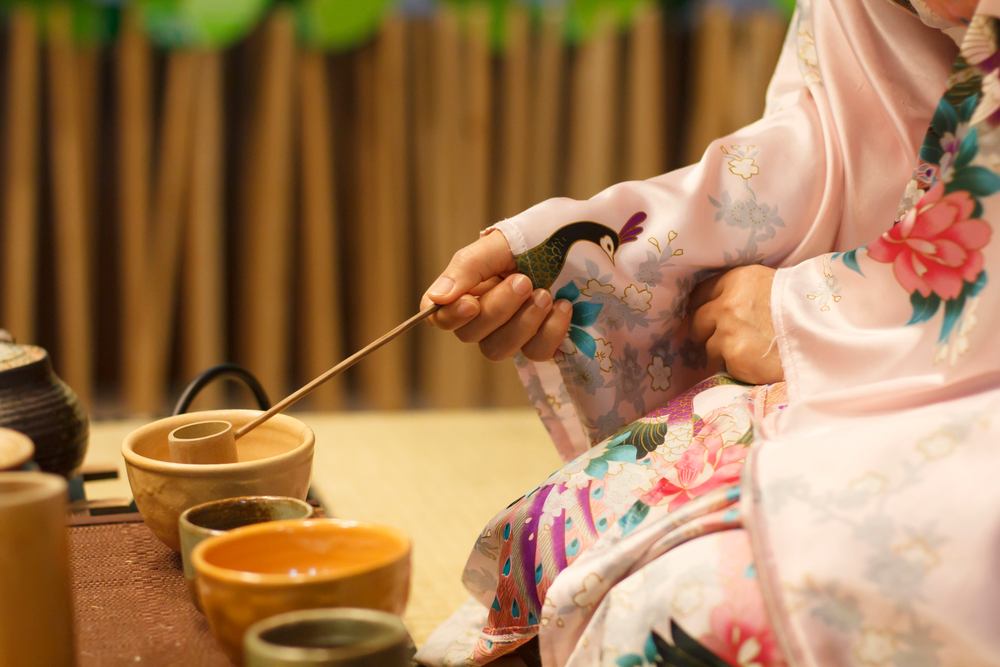
The Japanese chanoyu is arguably the most well-known tea ceremony, emphasizing harmony, respect, purity, and tranquility through carefully choreographed steps. Every movement, from entering the tea room to whisking the matcha powder, follows a tradition that has been refined over centuries.
The experience is often long and contemplative, turning the act of drinking tea into a peaceful meditation. The quiet focus on every detail encourages participants to be fully present, making the ceremony less about the drink and more about appreciating the moment.
Chinese gongfu cha

Gongfu cha is a traditional Chinese tea brewing method that focuses on extracting the best flavor by brewing small amounts of premium tea multiple times. The process involves warming the teapot, rinsing the leaves, and steeping quickly but repeatedly, which allows different taste notes to emerge.
Watching an expert perform gongfu cha is like witnessing a dance, full of smooth, deliberate gestures. The tea master’s control over timing and temperature reveals the depth and complexity of the leaves, turning tea brewing into an elegant art form.
British afternoon tea
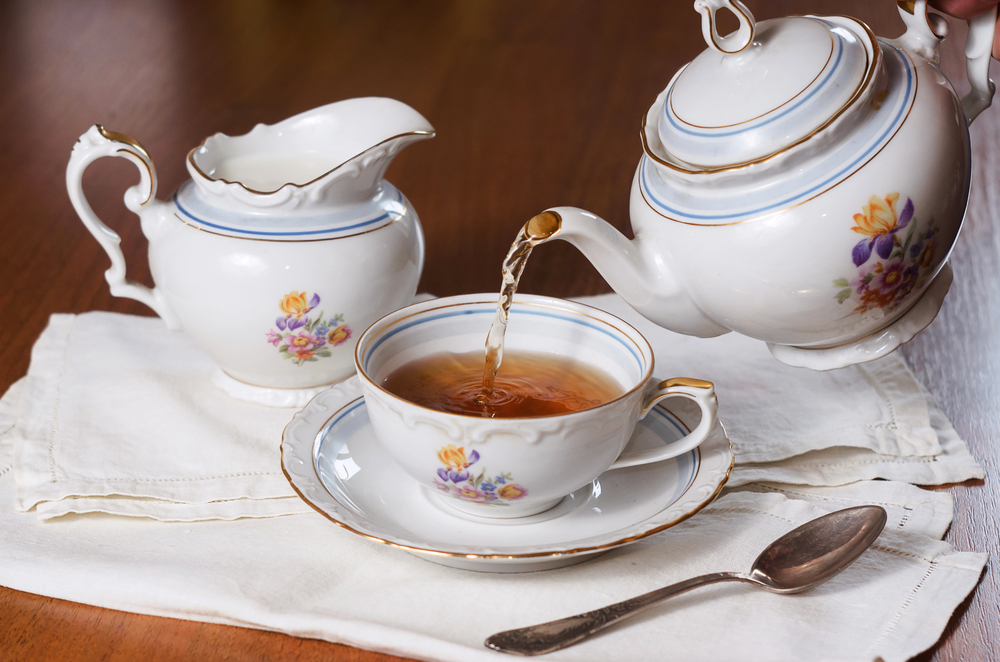
Originally a way for British aristocrats to fill the gap between lunch and dinner, afternoon tea has evolved into a refined social event with its own set of etiquette. It involves serving tea from fine china alongside a three-tiered stand filled with finger sandwiches, scones with clotted cream, and dainty pastries.
While there are traditional rules about milk pouring and food order, most people simply enjoy the delicious experience. This tradition has become a symbol of British hospitality and charm, offering a leisurely break that blends conversation, culture, and comfort food.
Moroccan atay

Moroccan mint tea, or atay, is brewed with green tea, fresh spearmint, and sugar, served in a special silver teapot. The tea is poured from a height to create foam on top.
Traditionally, three rounds are served, each representing different life stages—the first bitter, the second strong, and the third gentle. The high pour isn’t just dramatic; it mixes the flavors perfectly and aerates the tea.
Serving atay is a sign of hospitality, and it’s often accompanied by lively conversation, laughter, and the warm welcome of Moroccan households.
Russian samovar tradition

The Russian samovar is a large metal urn that keeps water hot for brewing a strong tea concentrate, which is diluted to taste with hot water. Families gather around the samovar, often spending hours sipping tea with jam or honey while engaging in long conversations.
This tradition makes tea drinking an extended social experience and a cozy household ritual. The samovar itself is often beautifully crafted and serves as a centerpiece during family gatherings, symbolizing warmth and togetherness in Russian culture.
Turkish çay culture

Turkish tea is served throughout the day in small tulip-shaped glasses, brewed using a two-tiered pot called a çaydanlık. The bottom pot boils water, while the top holds strong tea concentrate, letting drinkers adjust the strength by mixing.
Tea houses serve as social hubs where friends gather to play backgammon, chat, and enjoy dozens of tea glasses over hours. The deep amber color and the slightly bitter taste make Turkish tea a beloved ritual that fosters friendship and community bonding.
Indian masala chai ritual

Masala chai is made by simmering black tea with milk, sugar, and a blend of spices like cardamom, ginger, cinnamon, and cloves. Chaiwalas, or street vendors, prepare this tea countless times daily, tailoring the spice balance for each customer.
The pouring between containers to cool the tea is almost like a performance, ensuring the perfect creamy texture. Masala chai isn’t just a drink; it’s woven into daily Indian life, from bustling markets to quiet mornings at home, offering comfort and energy in one flavorful cup.
Tibetan butter tea ceremony

Po cha, or Tibetan butter tea, combines tea leaves with yak butter and salt, churned in a wooden container to make a rich, savory drink that provides energy in the high-altitude climate. The preparation is steeped in Buddhist mindfulness and gratitude, often accompanied by prayers.
Offering butter tea to guests is a deep sign of hospitality, and it’s considered rude to refuse it. Though the flavor may surprise newcomers, the ritual’s warmth and symbolism make it a vital part of Tibetan identity.
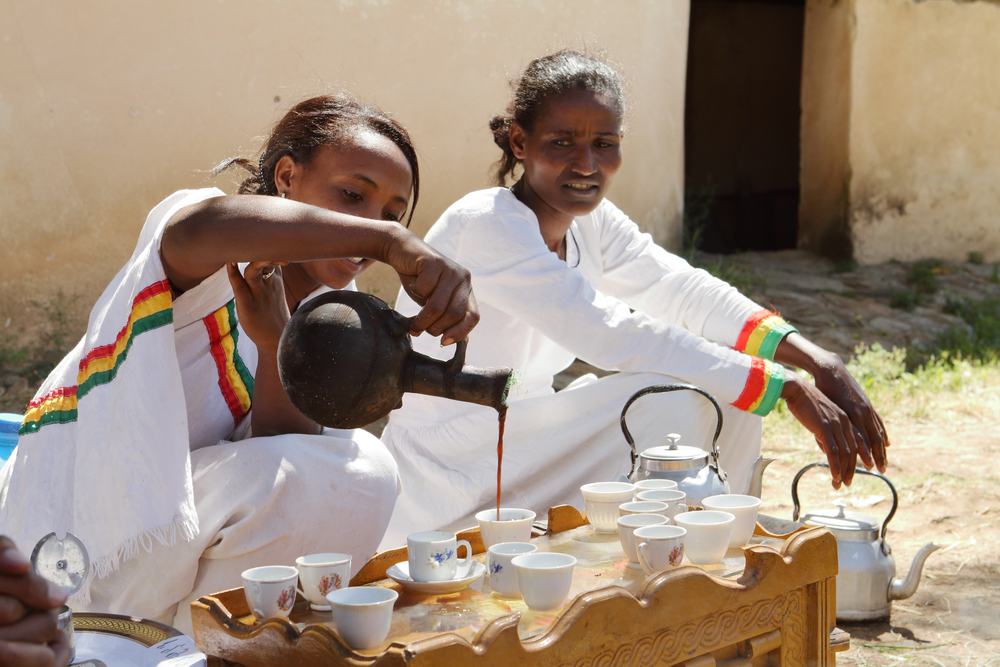
Ethiopian coffee ceremony

Although primarily focused on coffee, the Ethiopian ceremony includes elements similar to tea rituals. The host roasts green coffee beans over an open flame, filling the room with aroma before grinding and brewing in a clay pot called a jebena.
The entire process can take over an hour and includes incense, snacks like popcorn, and three rounds of coffee shared to strengthen social bonds. This slow, deliberate ritual honors community and respect, making the preparation as important as the drink itself.
Korean darye
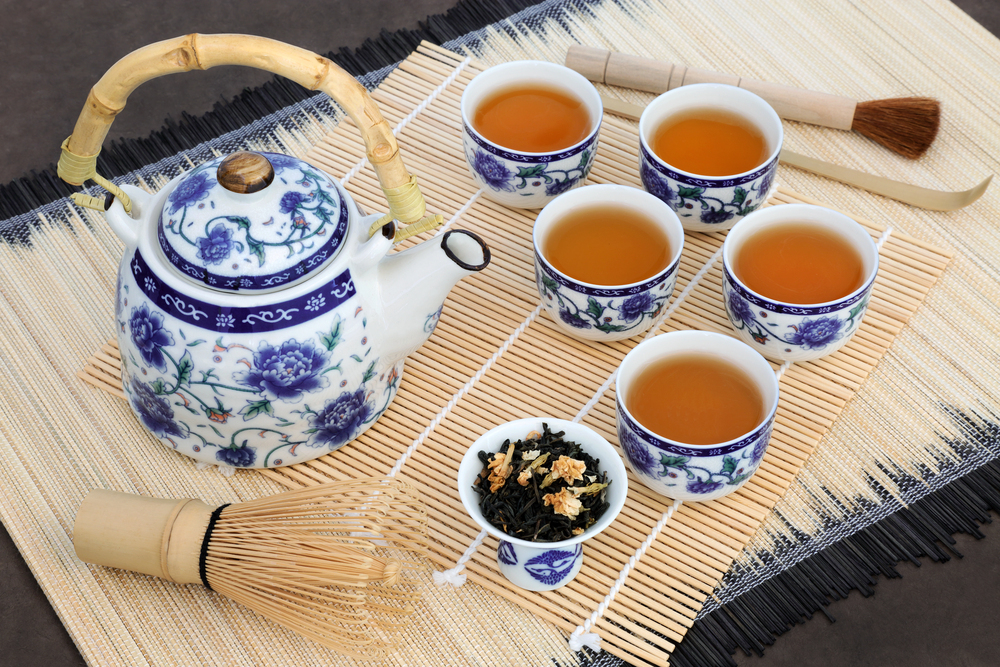
Korean darye focuses on simplicity and natural movement when brewing various teas like green, white, and herbal. The ceremony values appreciating the tea’s color, aroma, and flavor while fostering a calm, reflective atmosphere.
Unlike some other ceremonies, darye allows gentle conversation alongside the tea service, creating a peaceful shared moment. It’s less formal but deeply respectful, encouraging mindfulness and a connection to nature through tea.
Argentinian mate circle

Mate drinking in Argentina involves sharing a hollow gourd filled with yerba mate and sipping through a metal straw called a bombilla. The cebador prepares the mate and passes it around clockwise.
Each person drinks the entire serving before handing it back. This ritual strengthens social ties and is central to the culture of Argentina, Uruguay, and southern Brazil.
It’s a daily practice that fosters community and connection, often enjoyed outdoors in parks or during family gatherings.
Persian tea tradition
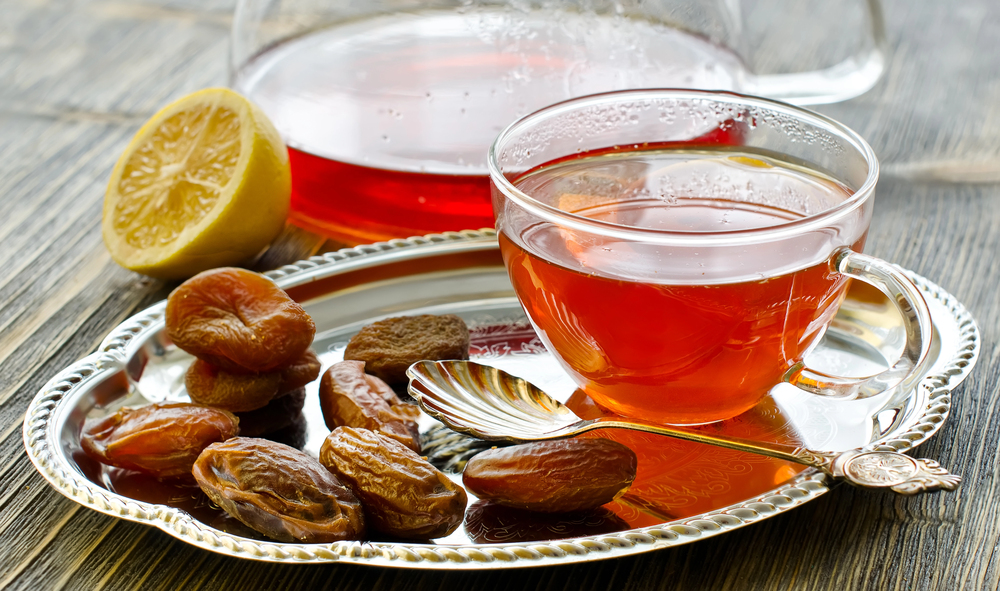
Persian tea is served in small clear glasses to showcase the amber color, accompanied by sweets and cube sugar on ornate trays. Tea is brewed in a samovar-like device and served strong so guests can dilute it if they prefer.
Families gather frequently for tea, enjoying conversations, poetry, and moments of connection. Tea time in Iran is a cherished opportunity to slow down, savor flavors, and nurture relationships across generations.
Thai tea ceremony

Traditional Thai tea is brewed with spices and served over ice with sweetened condensed milk and sugar, creating its signature orange color. Vendors pour the layers carefully to keep the colors distinct before stirring to mix.
This cold, sweet tea is perfect for Thailand’s hot climate and is a popular refreshment on the streets. Its bright color and rich flavor make it a visual and sensory delight, refreshing both locals and visitors alike.
Senegalese attaya
Attaya is a West African tea ritual that involves brewing green tea with lots of sugar, served in three rounds with varying taste profiles. The tea master pours the tea repeatedly between containers to create foam and the ideal temperature.
Attaya sessions often last for hours and are important social occasions for sharing news and resolving disputes. This tradition is less about rushing and more about enjoying time together, making it a key part of community life.
Pakistani noon chai

Also known as pink tea, noon chai is a Kashmiri tradition where green tea is brewed with baking soda, milk, and salt, resulting in a unique pink color and salty-sweet flavor. The process requires careful timing to get the right hue and taste.
It’s often served during special events or cold weather, alongside traditional breads and pastries. Noon chai is a comforting ritual that warms both body and soul, especially during chilly mountain evenings.
Taiwanese gongfu cha

Taiwanese gongfu cha, similar to the Chinese style, focuses on high-altitude oolong teas with multiple short steeps to bring out complex flavors. Tea masters use bamboo tools and Yixing clay pots, which absorb tea essence over time.
This refined ceremony celebrates the unique terroir and craftsmanship of Taiwan’s teas, emphasizing the intimate connection between the tea, the tools, and the drinker’s senses.
When leaves meet legacy

These tea ceremonies show how humans turn simple leaves into powerful cultural symbols. Each tradition reflects the values, environment, and social life of its people while answering the universal need for connection and hospitality.
Despite modern life’s speed, the desire to pause, share, and connect over tea remains strong, proving that some of the most meaningful moments happen when we slow down and savor a simple cup. Tea reminds us that culture and tradition live in the smallest, most shared moments.
More from Go2Tutors!

- The Romanov Crown Jewels and Their Tragic Fate
- 13 Historical Mysteries That Science Still Can’t Solve
- Famous Hoaxes That Fooled the World for Years
- 15 Child Stars with Tragic Adult Lives
- 16 Famous Jewelry Pieces in History
Like Go2Tutors’s content? Follow us on MSN.