16 Truths About Lab Grown Diamonds
A little over ten years ago, lab diamonds were just a lab curiosity. Today they’re nestled in ring settings at your local jeweler.
That future-looking idea? It’s real and visible everywhere now. Some folks celebrate the change.
Others remain unsure. Meanwhile, ads keep talking them up.
Picture this: tiny diamond seeds inside high-tech chambers, where heat and pressure build atom by atom. These gems emerge identical to earth-mined ones in structure, just born faster beneath electric skies instead of soil.
One shares volcanic origins, the other relies on precise science spinning carbon into sparkle. Buyers now face choices once impossible – same fire, different roots, fresh questions about value hanging in the balance.
They Are Real Diamonds
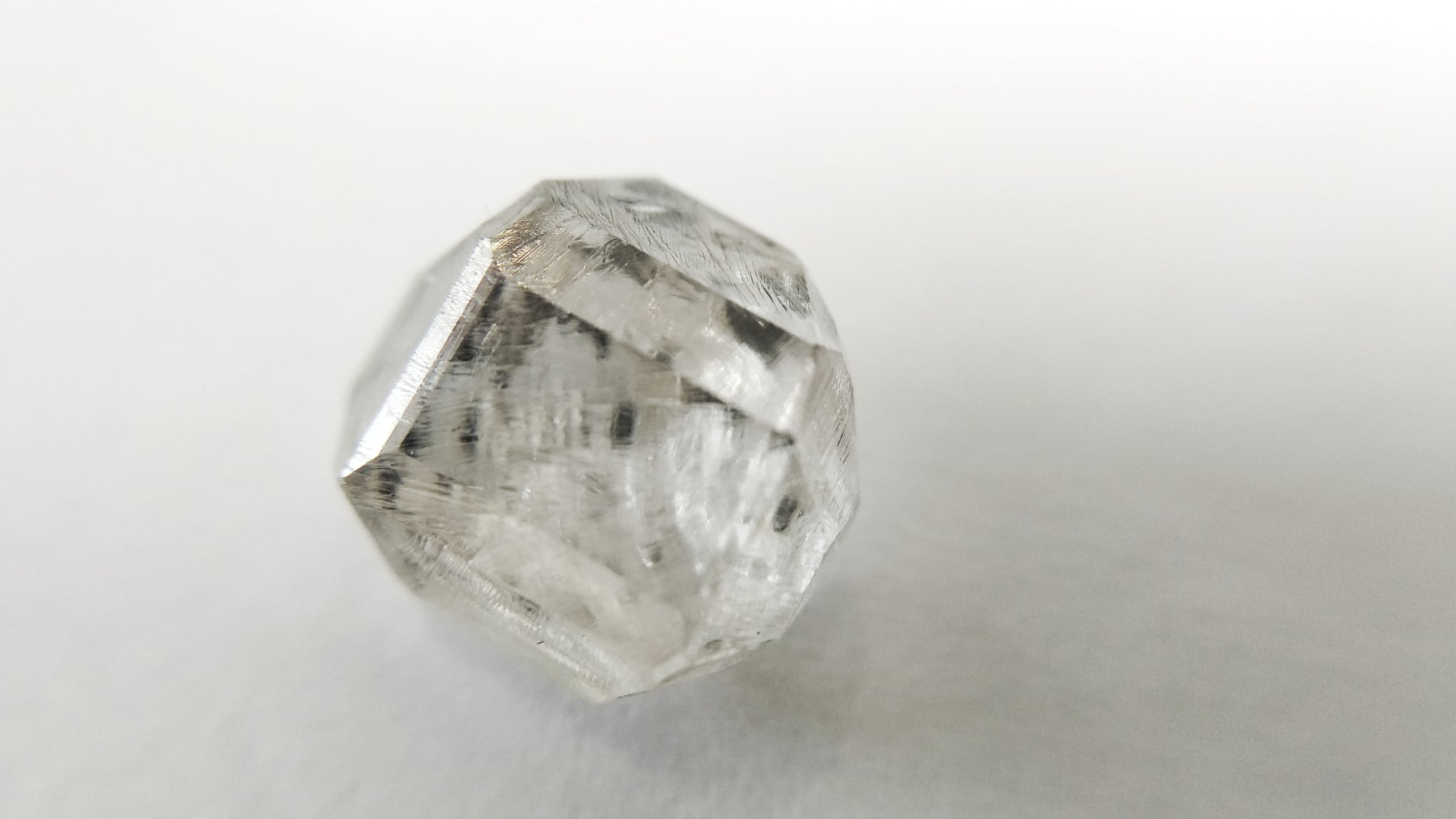
Lab grown diamonds are not imitations. They have the same chemical composition as mined diamonds: pure carbon arranged in a crystal lattice structure.
That structure is what gives diamonds their signature hardness and brilliance.
Under a microscope, lab grown and mined diamonds look nearly identical. Both score a 10 on the Mohs scale of hardness, making them equally resistant to scratches.
The only meaningful difference is origin — one forms deep within the Earth over billions of years, while the other is created in a controlled environment over weeks.
They Are Not Cubic Zirconia or Moissanite
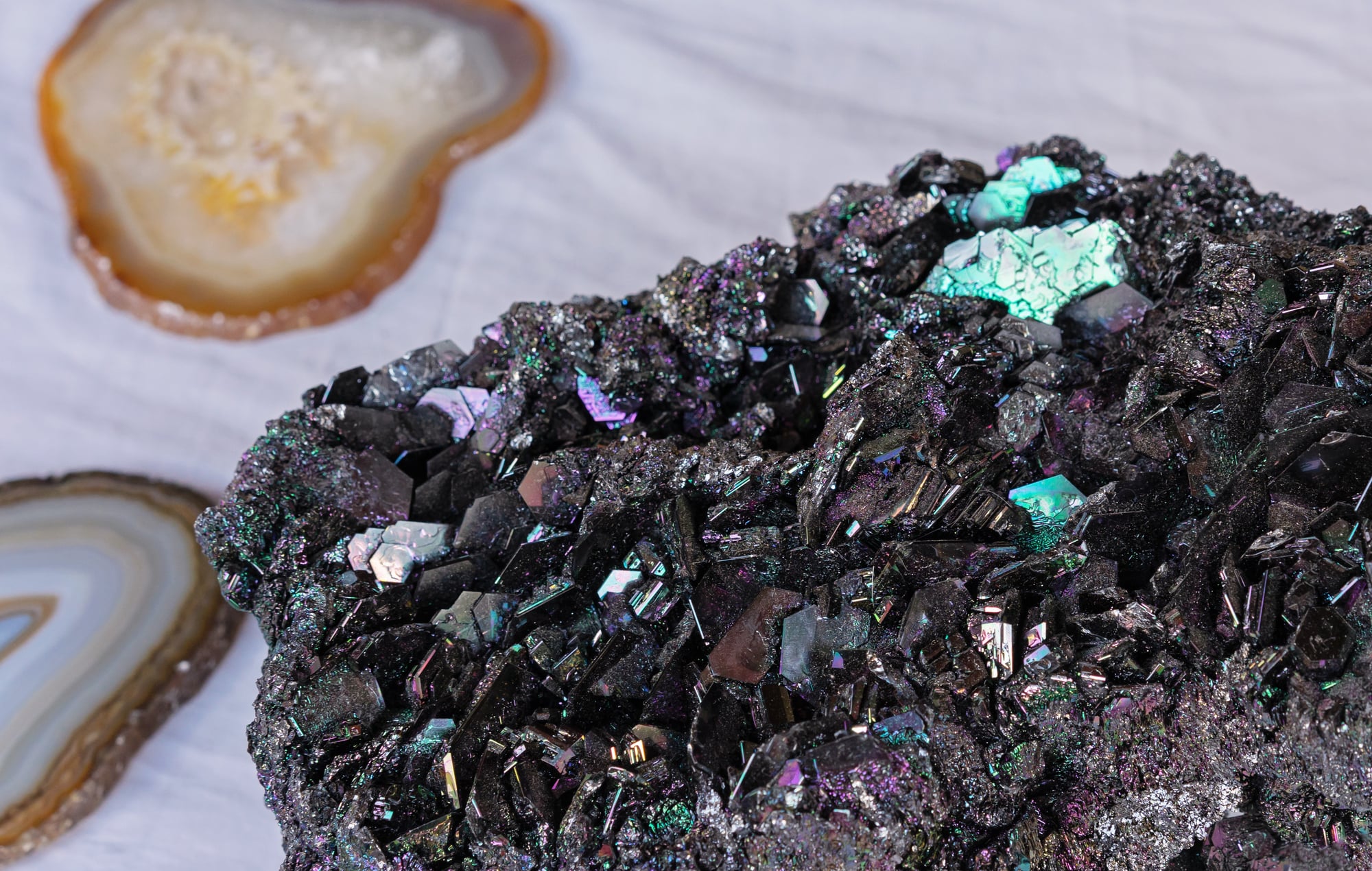
Confusion often lingers around terminology. Cubic zirconia and moissanite are diamond simulants, meaning they resemble diamonds visually but differ chemically and physically.
Lab grown diamonds, on the other hand, are chemically identical to natural diamonds.
Moissanite, for example, is made of silicon carbide and has different optical properties, including more pronounced rainbow flashes. Cubic zirconia is softer and less durable.
Lab grown diamonds share the same durability, sparkle pattern, and structural makeup as mined stones.
They Are Created Using Advanced Technology
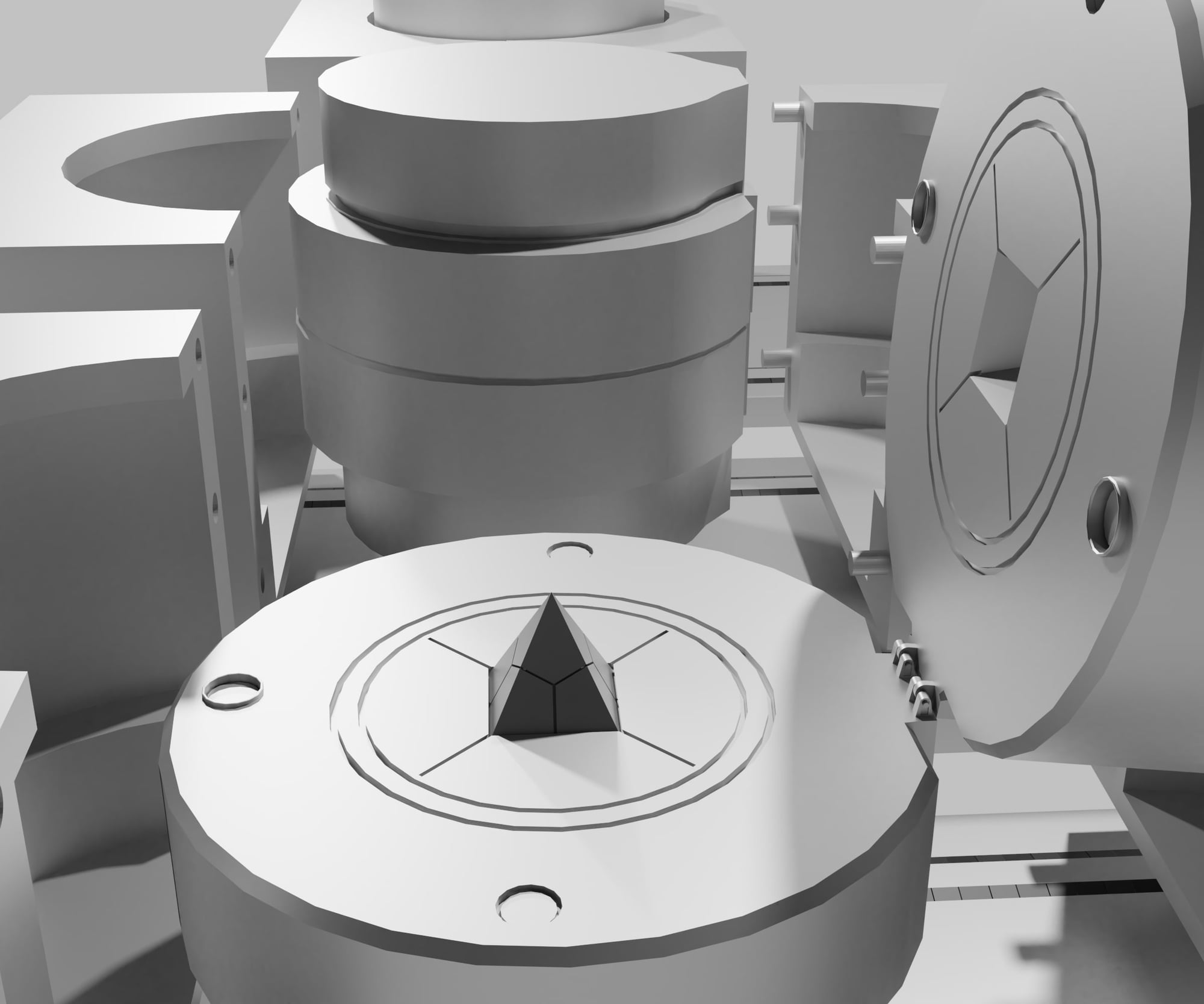
There are two primary methods used to grow diamonds in laboratories: High Pressure High Temperature, known as HPHT, and Chemical Vapor Deposition, known as CVD. HPHT mimics the intense heat and pressure found deep within the Earth.
CVD uses carbon-rich gas and controlled heat to build diamond layers atom by atom.
Both processes require sophisticated equipment and precise engineering. The result is a crystal that is structurally identical to a natural diamond.
What once required geological time now takes several weeks inside a highly controlled chamber.
They Typically Cost Less Than Mined Diamonds

One of the most noticeable differences for consumers is price. Lab grown diamonds often cost 30 to 50 percent less than comparable mined diamonds of similar size and quality.
That price gap has widened as production technology has improved.
Even so, prices continue to shift as supply increases. What cost several thousand dollars a few years ago may now be significantly lower.
For many buyers, the reduced cost allows for a larger stone or higher clarity grade within the same budget.
They Are Graded by Major Institutions
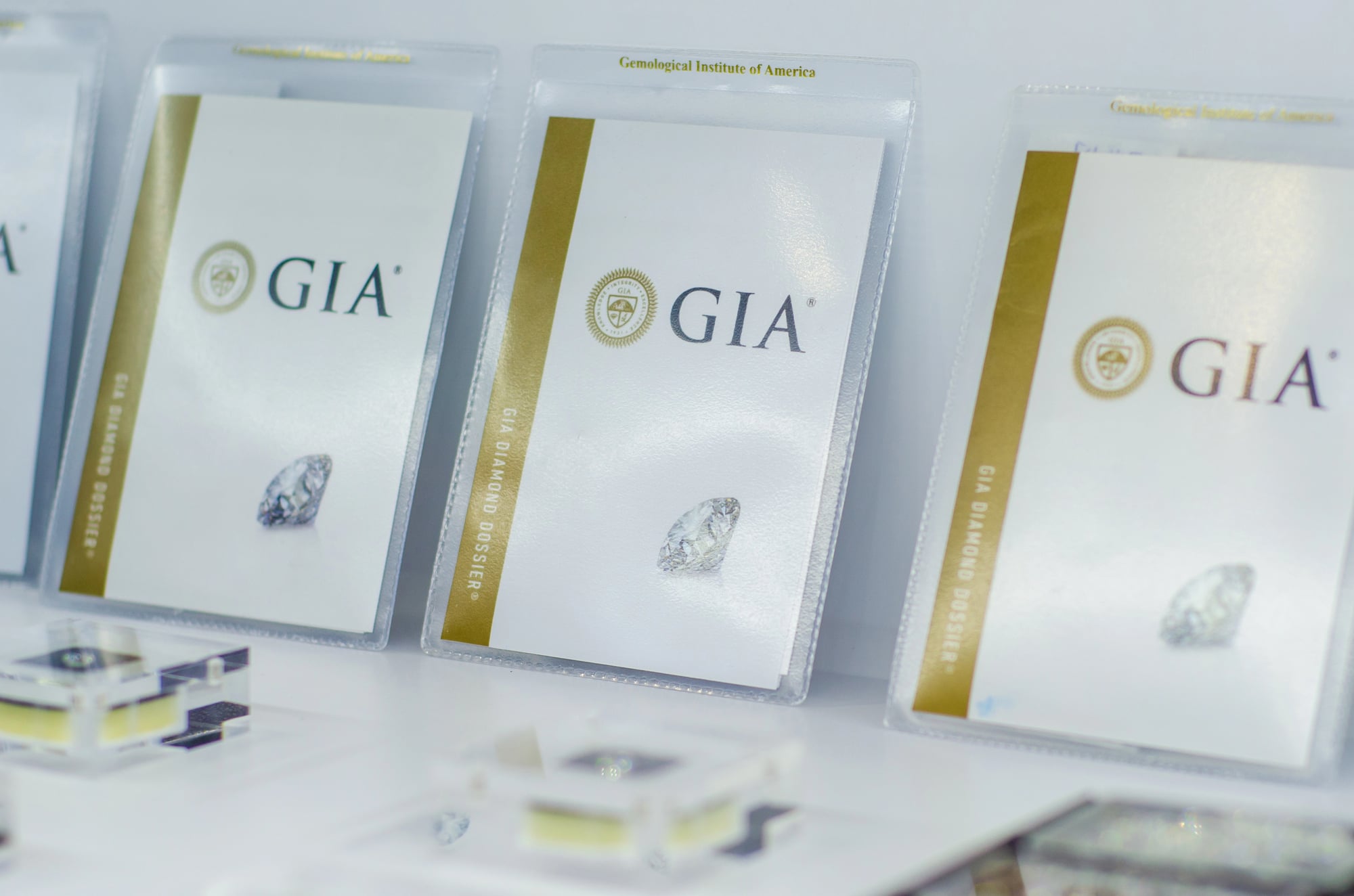
Reputable lab grown diamonds are graded by the same organizations that grade mined diamonds. The Gemological Institute of America, known as GIA, and the International Gemological Institute, IGI, both issue reports detailing cut, color, clarity, and carat weight.
That said, reports clearly identify the diamond as laboratory grown. Transparency is required under Federal Trade Commission guidelines, which mandate accurate disclosure in marketing.
Certification ensures buyers know exactly what they are purchasing.
They Can Be Detected with Specialized Equipment
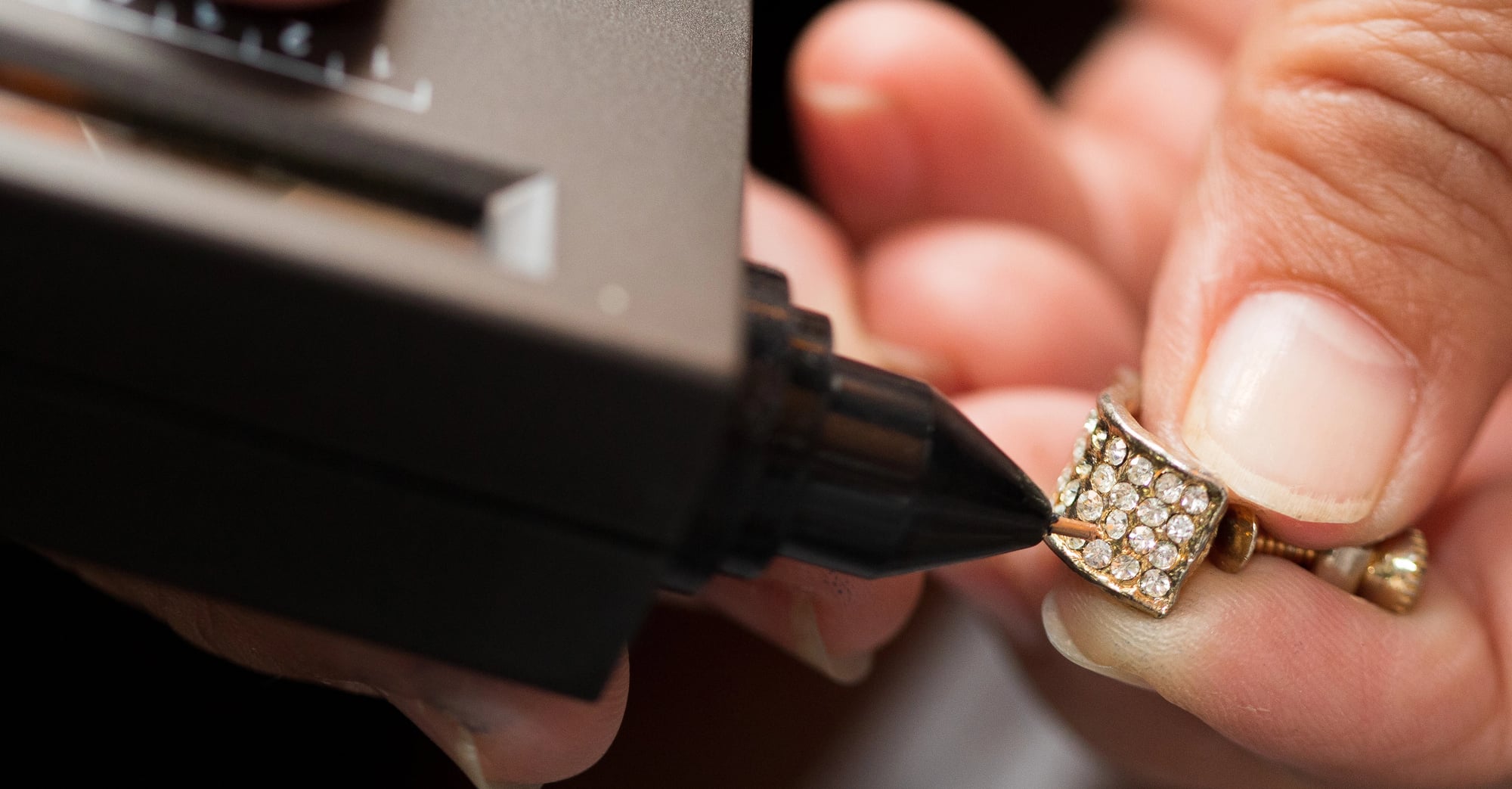
To the unaided eye, lab grown and mined diamonds are virtually indistinguishable. Even trained jewelers cannot reliably tell them apart without tools.
However, advanced equipment can detect subtle growth patterns and trace elements unique to each formation method.
These detection systems are commonly used by grading labs and professional jewelers. The existence of such tools reinforces the importance of proper disclosure rather than relying on visual inspection alone.
They Are Environmentally Complex
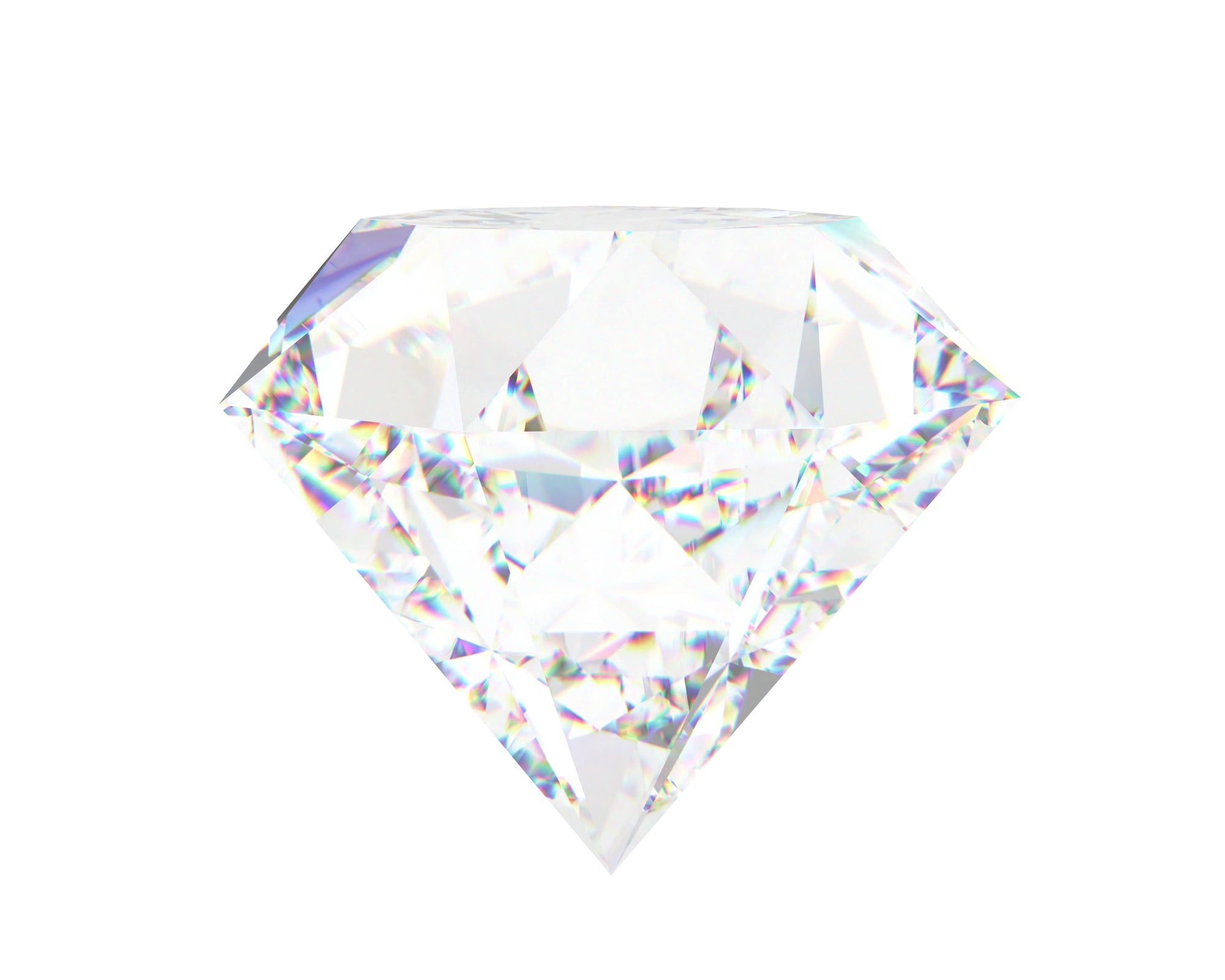
Lab grown diamonds are often marketed as environmentally friendly alternatives. While they avoid the land disruption associated with mining, their production requires significant energy.
The environmental impact depends heavily on the energy source powering the facilities.
If renewable energy is used, the carbon footprint can be lower than that of mined diamonds. If fossil fuels power the process, the environmental advantage narrows.
The sustainability conversation is more nuanced than simple advertising slogans suggest.
They Raise Ethical Considerations
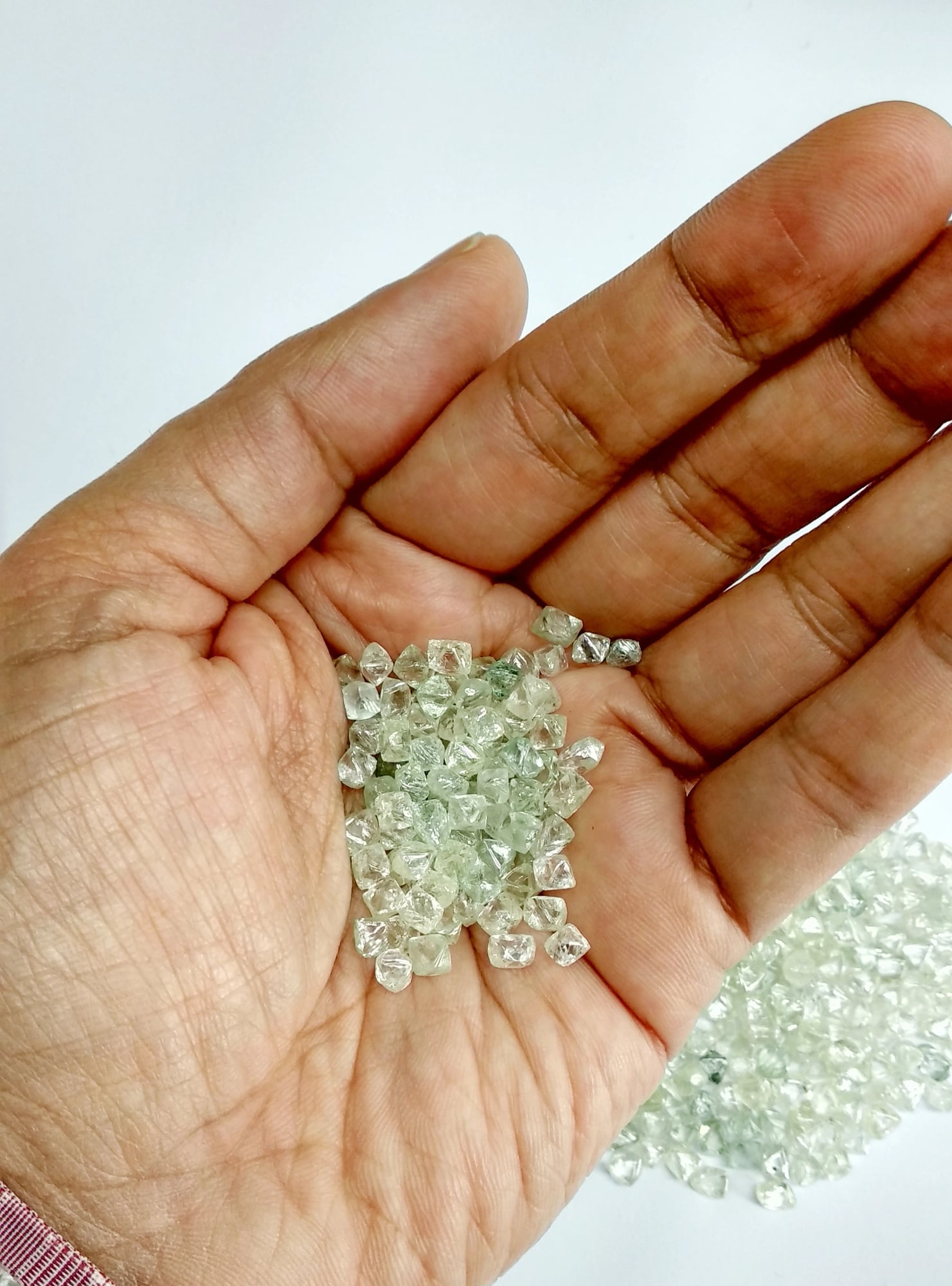
Mined diamonds have long been associated with concerns around labor conditions and conflict regions. International regulations such as the Kimberley Process were introduced to limit trade in conflict diamonds.
Lab grown diamonds remove many of those supply chain concerns.
Still, ethical sourcing is not an all-or-nothing equation. Modern mining operations vary widely in standards and oversight.
Lab grown diamonds offer an alternative path, but they do not erase broader complexities within the jewelry industry.
They Have Lower Resale Value
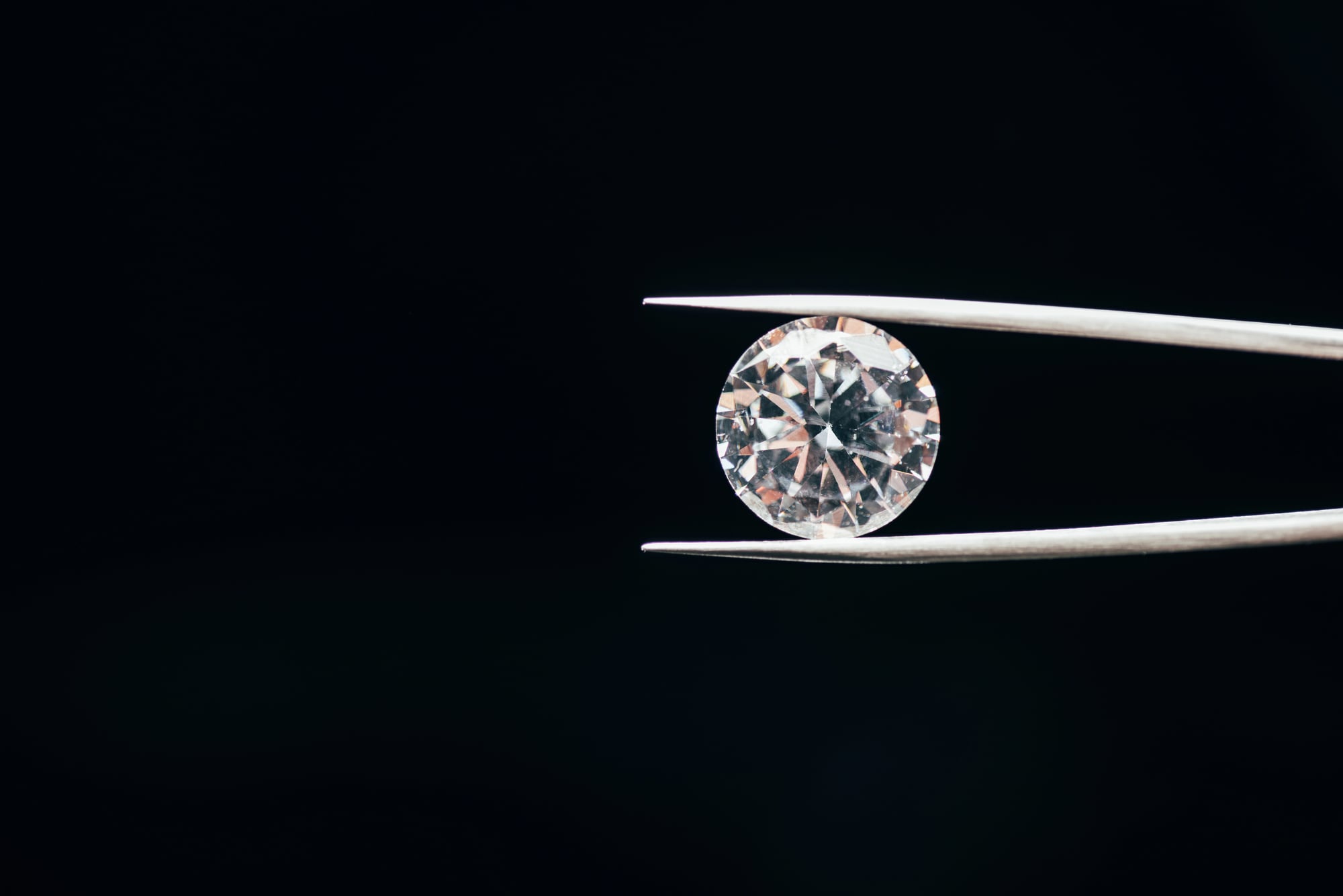
Resale value remains one of the most debated aspects of lab grown diamonds. Because production can be scaled, supply is less constrained than with mined diamonds.
As a result, resale prices tend to be lower and less predictable.
Mined diamonds also often sell for less than their original retail price, but they typically retain value more consistently. Buyers who prioritize long-term resale should understand that lab grown diamonds function more like consumer goods than investment assets.
They Are Physically Just As Durable
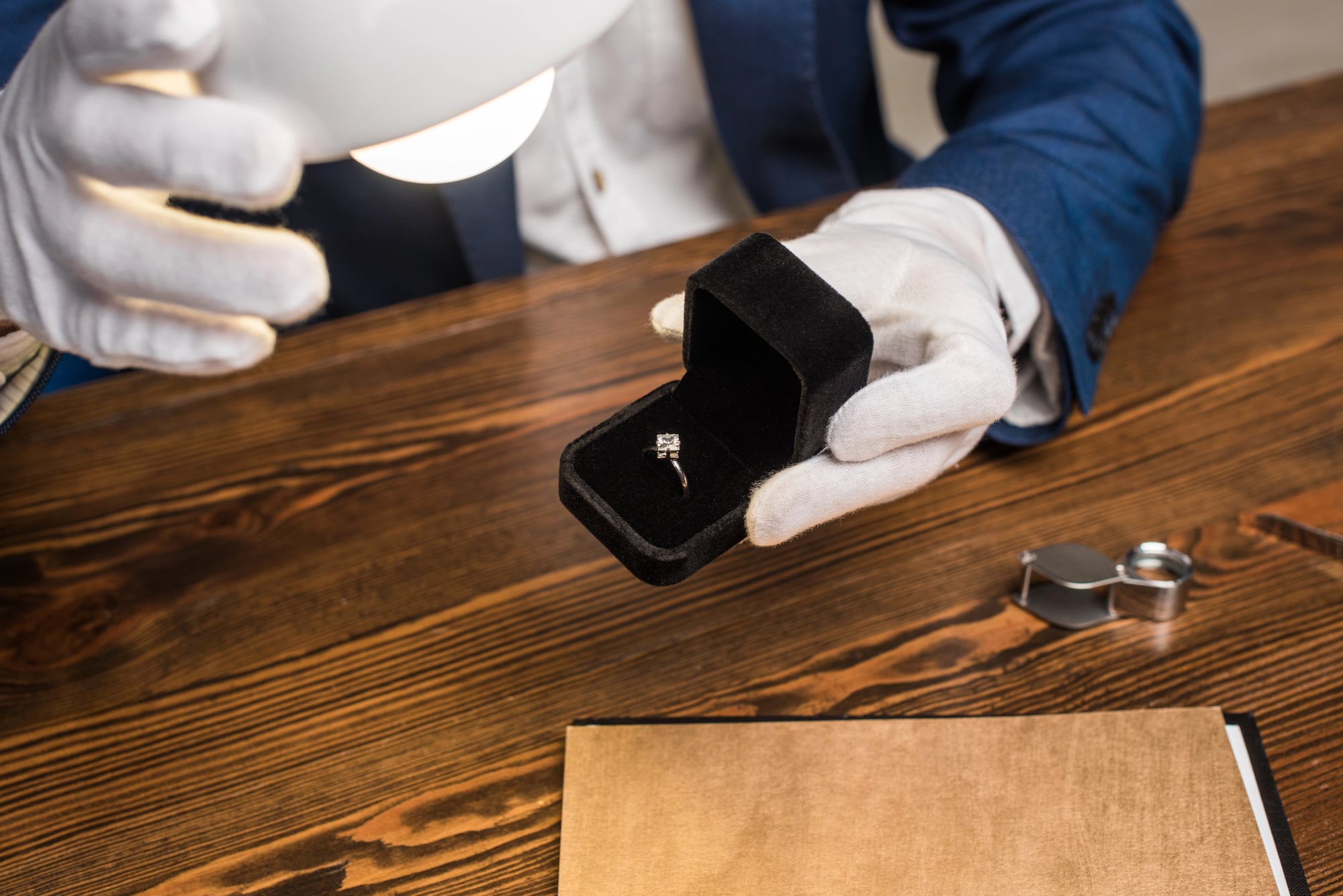
Durability is not a compromise with lab grown diamonds. With the same hardness rating and structural integrity, they are equally suitable for daily wear.
Engagement rings, which endure constant use, perform the same regardless of origin.
That durability makes them practical choices rather than novelty items. The sparkle does not fade, and the stone does not weaken over time under normal conditions.
They Are Becoming More Common In Luxury Jewelry
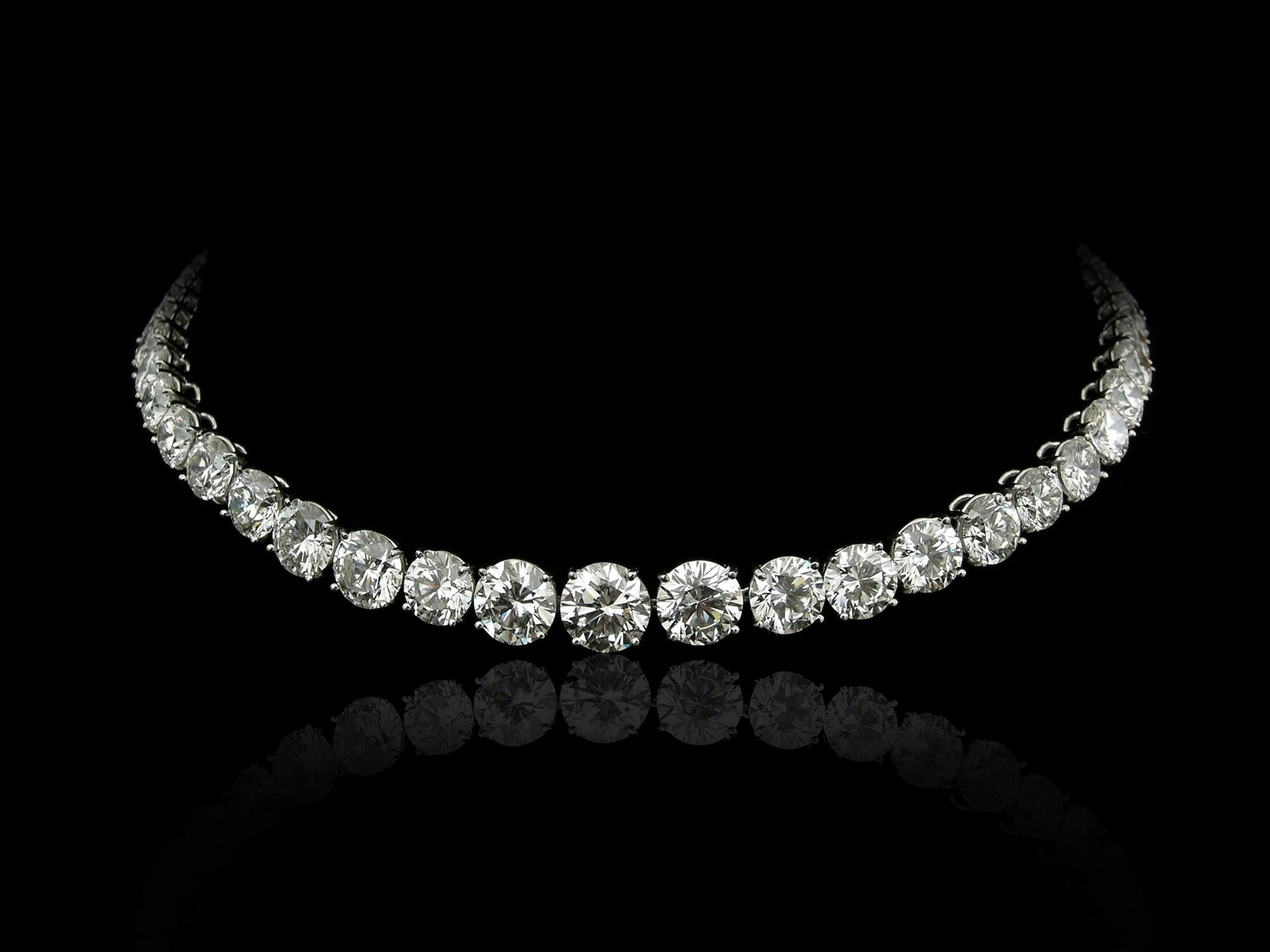
Luxury brands initially hesitated to embrace lab grown stones. Over time, however, consumer demand has shifted.
Several well-known jewelry houses and independent designers now offer lab grown collections.
This shift reflects broader generational preferences. Younger buyers often prioritize transparency, price flexibility, and technological innovation.
The growing presence of lab grown diamonds in high-end settings signals a cultural adjustment within the industry.
They Can Be Produced In Larger Sizes More Easily
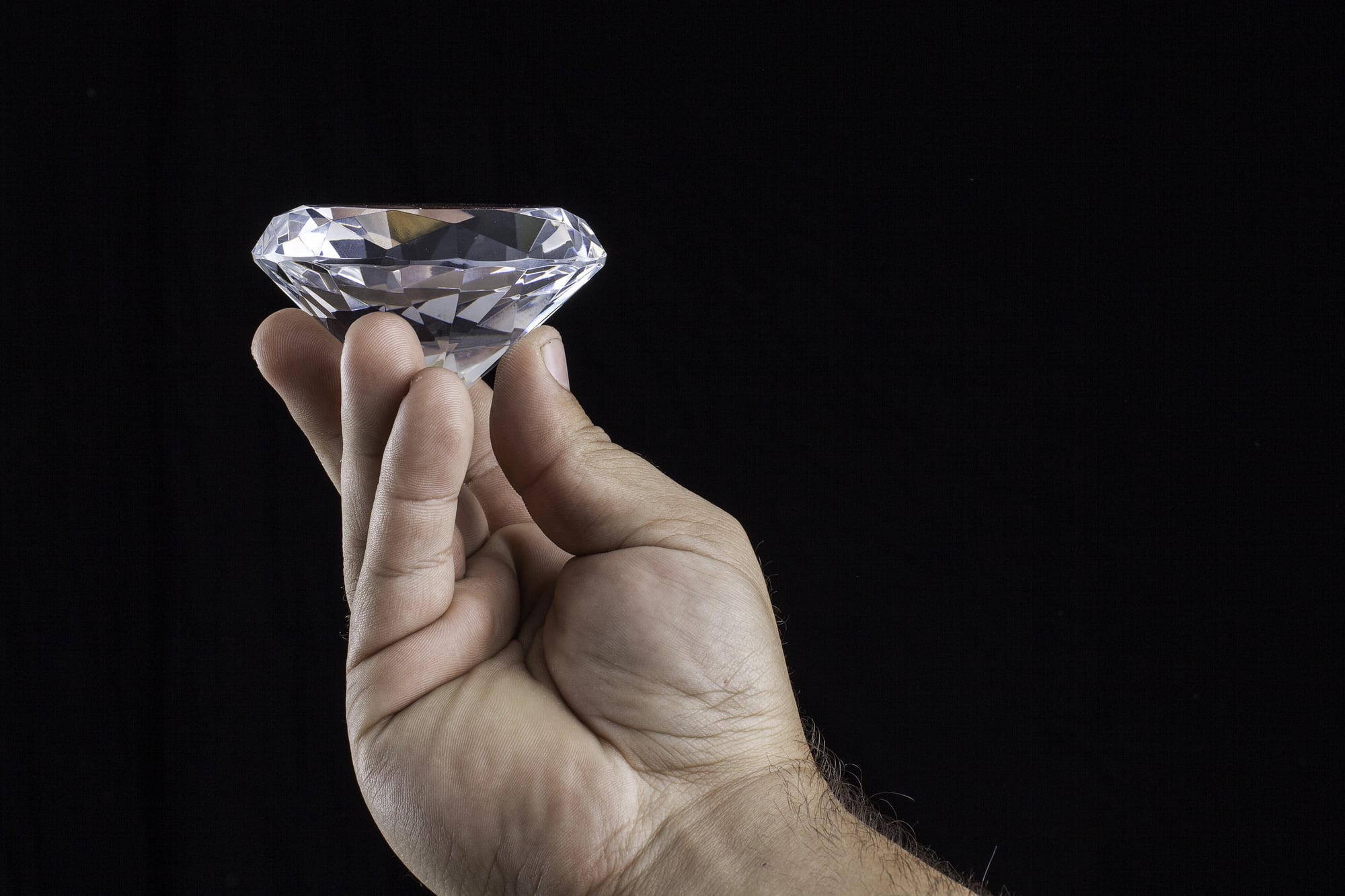
Growing larger diamonds in a laboratory is more predictable than discovering large stones through mining. While production still requires time and expertise, the controlled environment increases yield efficiency.
That predictability has influenced pricing structures. Larger lab grown diamonds are now widely available at price points that would be significantly higher for mined equivalents.
The supply landscape is fundamentally different.
They Have Been Around Longer Than Many Realize
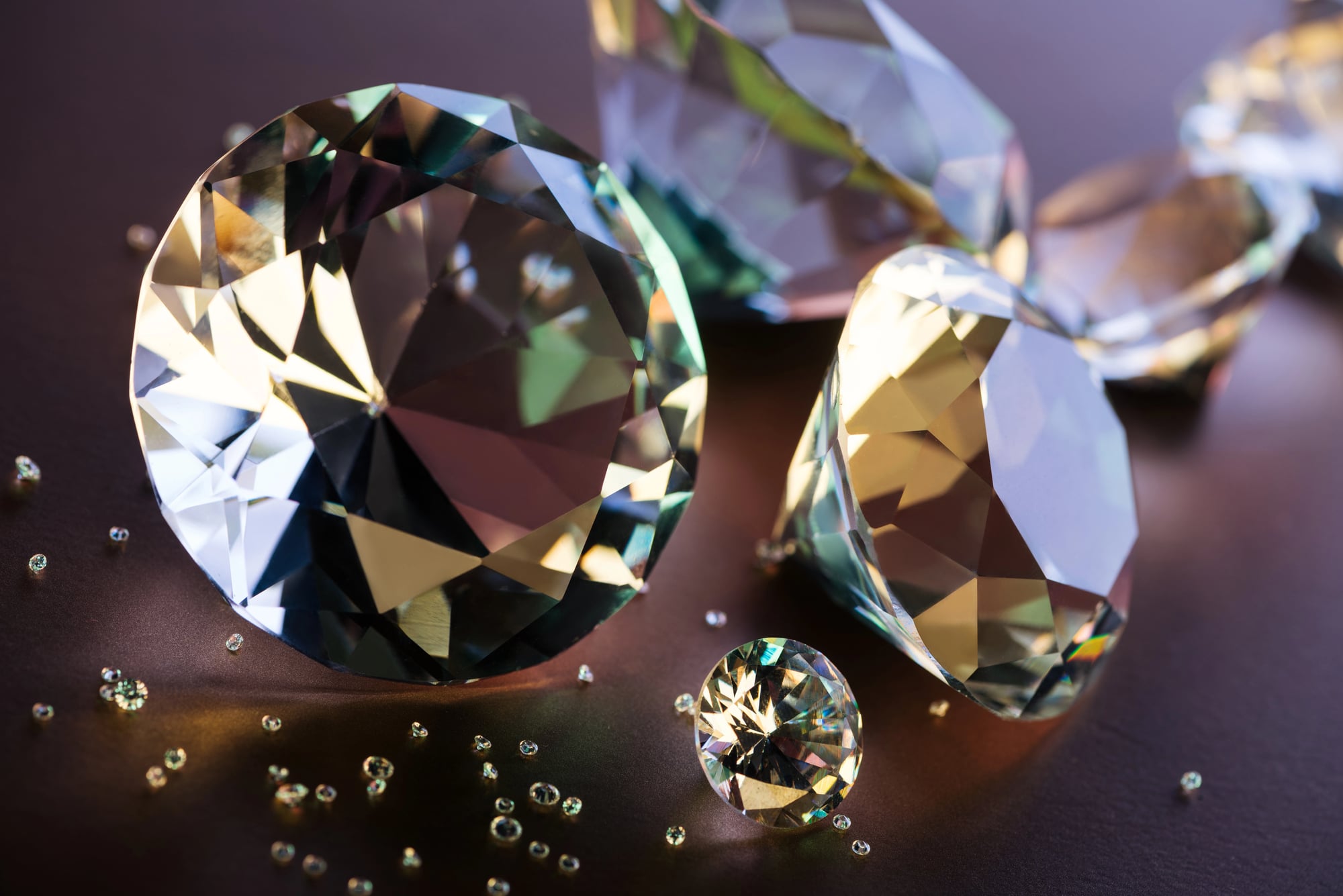
The first successful diamond synthesis occurred in the 1950s, primarily for industrial use. These early lab created diamonds were used in cutting tools and machinery due to their hardness.
Gem-quality lab grown diamonds, however, became commercially viable only in the past two decades. The rapid improvement in clarity and size made them appealing for jewelry rather than industrial applications.
They Challenge Traditional Notions Of Rarity
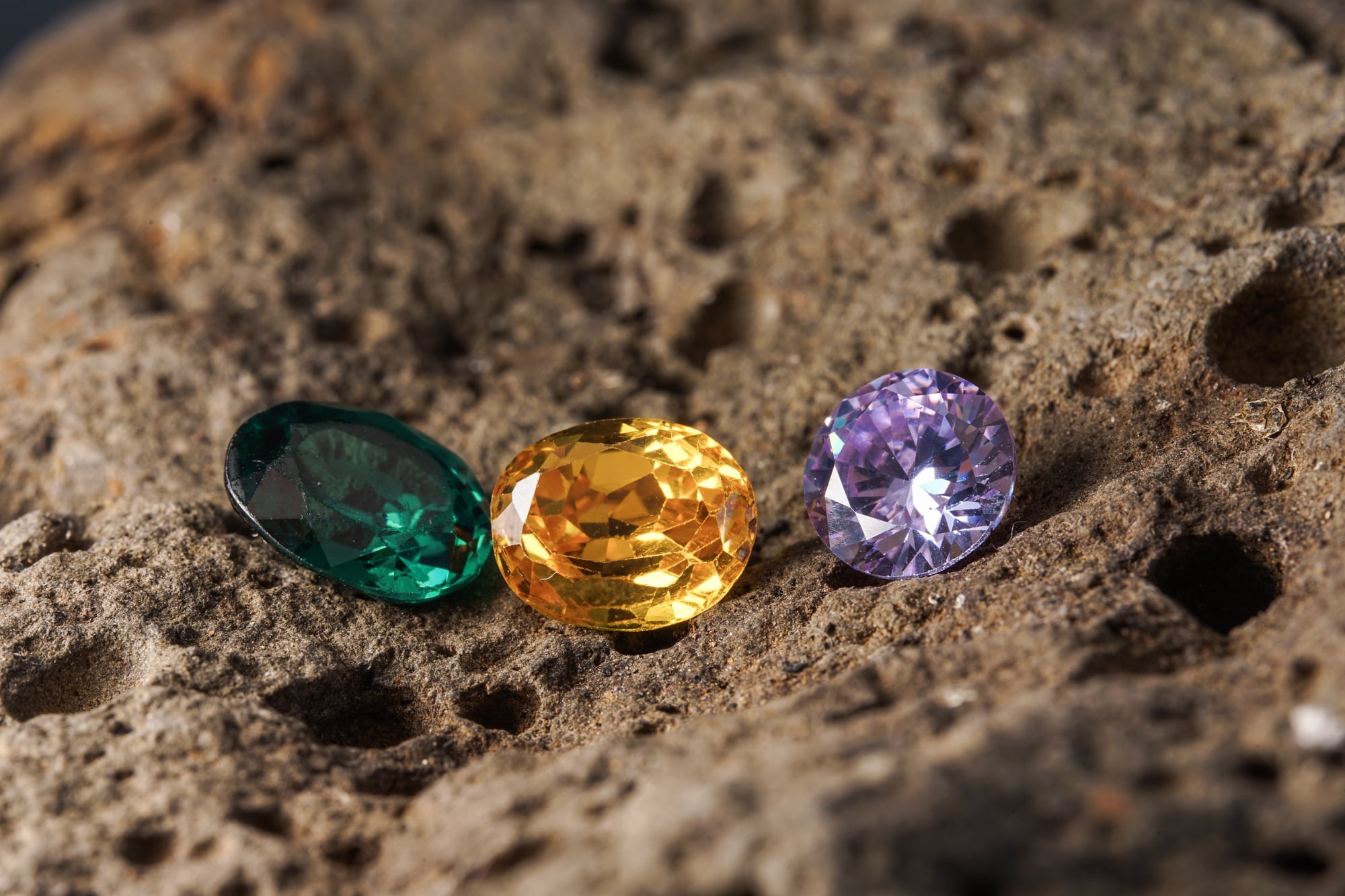
Mined diamonds derive part of their value from natural scarcity and geological history. Lab grown diamonds complicate that narrative.
When something can be produced on demand, its rarity becomes conceptual rather than physical.
Even so, emotional value does not always align with geological origin. For many buyers, symbolism outweighs formation history.
The meaning attached to a diamond often depends more on the occasion than on the Earth’s mantle.
They Are Regulated In Advertising
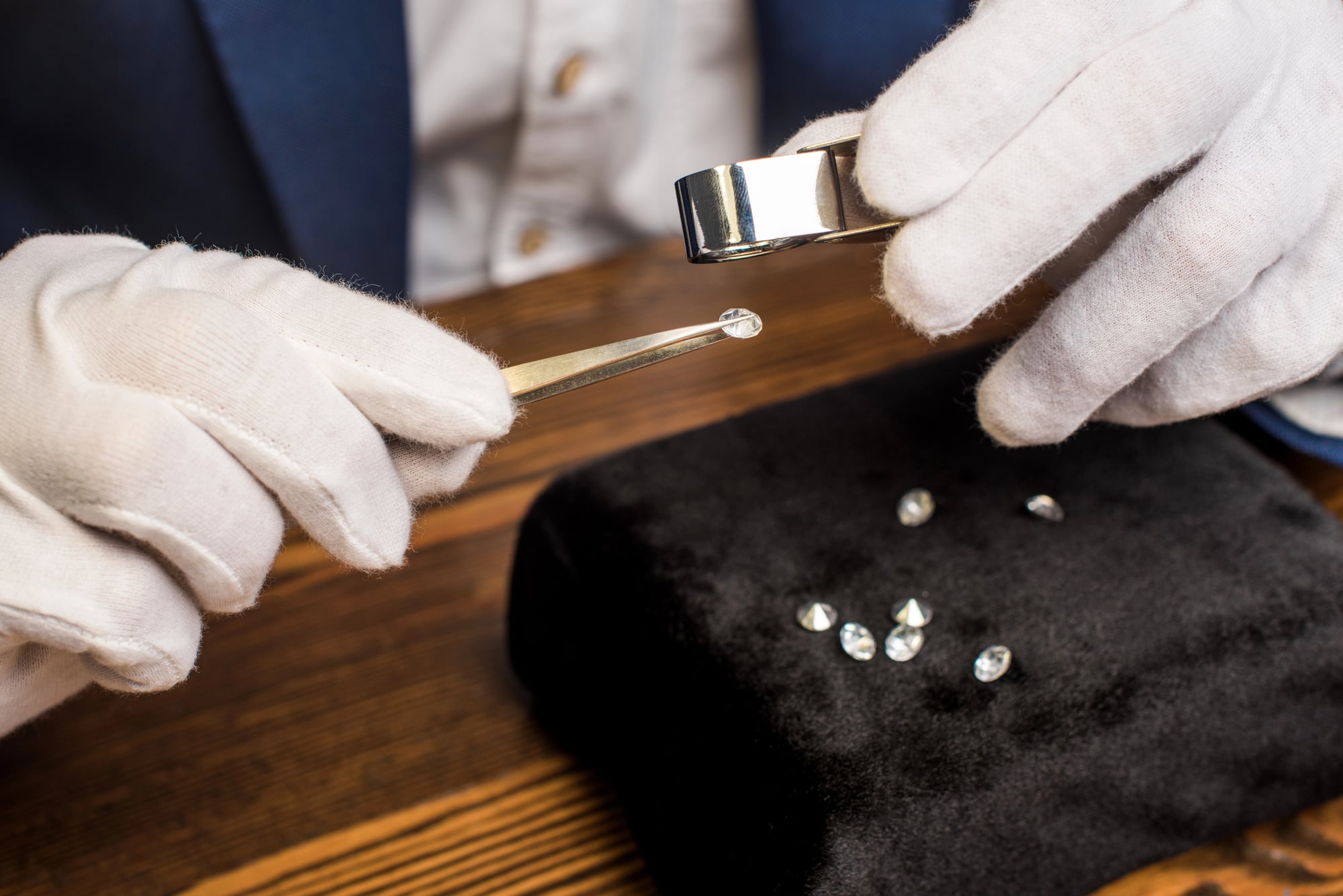
In the United States, the Federal Trade Commission requires that lab grown diamonds be clearly labeled as laboratory created, lab grown, or synthetic. Misleading terminology can result in penalties.
These guidelines aim to prevent confusion and protect consumers. Clear labeling ensures that buyers understand whether a diamond formed naturally or was created in a laboratory.
They Reflect A Broader Shift In Consumer Values

Lab-grown diamonds are at the crossroads of technology, sustainability, and current consumer spending patterns. The current consumer spends more time contemplating a product before buying, evaluating ethical credentials against price tags.
Lab-grown diamonds are a reflection of this change.
However, traditional values are also relevant when considering a purchase, such as a piece of jewelry, and mined versus lab-grown is a matter of personal preference rather than one being better than the other.
Where The Industry Stands Today
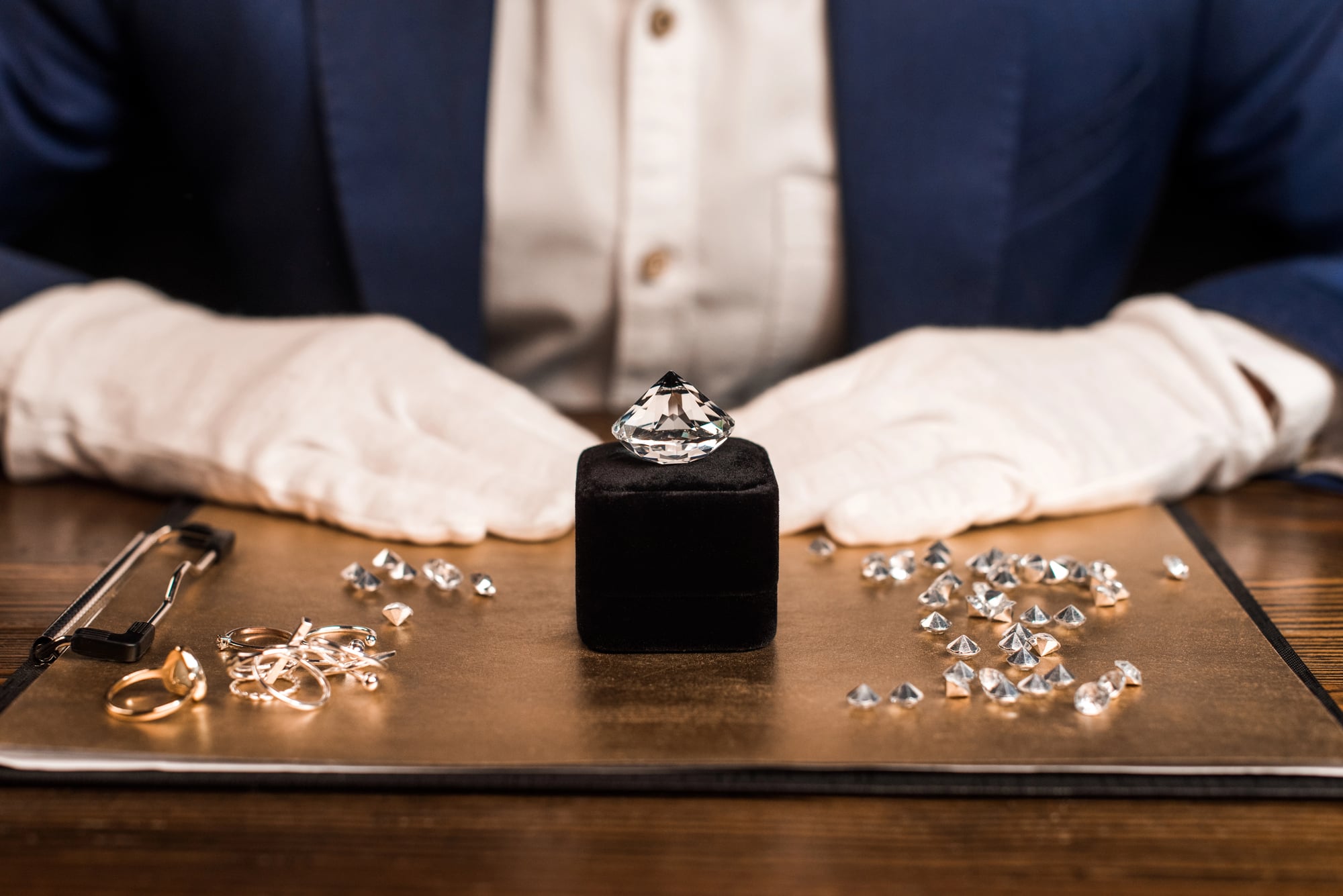
A split world defines today’s diamond trade. Side by side in stores sit real gems and those made in labs, drawing separate crowds for separate reasons.
Once just an experiment, synthetic stone production became common enough to shift how prices form and ads speak. The change started small but now touches every corner of the business.
One thing changed everything: lab diamonds showed up without wiping out natural ones. Because of them, prices shifted while labels got easier to understand.
Honesty grew stronger across the business, step by step. Not magic, just pressure pushing old ways forward.
What started in science labs reached store windows fast. People now pick from wider shelves, no push needed.
Tradition held ground – yet blinked first. Choices expanded quietly, almost without notice.
More from Go2Tutors!

- The Romanov Crown Jewels and Their Tragic Fate
- 13 Historical Mysteries That Science Still Can’t Solve
- Famous Hoaxes That Fooled the World for Years
- 15 Child Stars with Tragic Adult Lives
- 16 Famous Jewelry Pieces in History
Like Go2Tutors’s content? Follow us on MSN.



