16 TV Finales That Left Fans Completely Divided
Television finales are supposed to bring closure, wrap up storylines, and send beloved characters off into the sunset. Instead, some endings have sparked heated debates that continue years after the credits rolled. These controversial conclusions didn’t just disappoint viewers—they split entire fanbases down the middle, creating passionate defenders and equally vocal critics.
From mysterious endings that left more questions than answers to character decisions that felt completely out of left field, these finales proved that sometimes the journey matters more than the destination. Here is a list of 16 TV finales that turned living rooms into battlegrounds and social media into war zones.
Game of Thrones

The most talked-about finale disaster of the modern era turned eight seasons of careful plotting into what many fans called a rushed mess. Daenerys Targaryen’s sudden descent into madness felt jarring to viewers who’d watched her character develop over nearly a decade—yet the decision to have Bran Stark become king seemed to come out of nowhere.
Meanwhile, fan-favorite Jon Snow got exiled back to the Night’s Watch. Supporters argue the ending was always foreshadowed, though critics felt betrayed by what they saw as lazy writing that prioritized spectacle over character development.
Lost

This finale divided audiences like few others—some calling it a beautiful meditation on life and death while others felt completely cheated. The revelation that the flash-sideways timeline was actually a form of purgatory left many viewers confused and frustrated.
Years of mysterious island mythology seemed to get brushed aside in favor of emotional character moments, though defenders praised the focus on relationships and personal growth. Disappointed fans wanted concrete answers about the island’s true nature and felt the writers had made everything up as they went along.
Like Go2Tutors’s content? Follow us on MSN.
How I Met Your Mother
Nine seasons of buildup led to Ted finally meeting the mother, only for the show to kill her off and send Ted back to Robin in the final minutes. This last-minute twist felt like a betrayal to fans who’d invested in Ted’s journey toward finding true love—especially since the writers had filmed the ending years earlier when the child actors were younger, boxing themselves into a conclusion that no longer fit the story they’d told.
Some viewers appreciated the realistic portrayal of life’s unexpected turns, while others felt the entire premise had been a lie.
The Sopranos
The abrupt cut to black during the final diner scene left millions of viewers checking their cable boxes, thinking something had gone wrong. Creator David Chase’s decision to end mid-sentence during a tense family dinner became one of television’s most debated moments—though some fans praised the ambiguous ending as a brilliant artistic choice that let viewers decide Tony’s fate for themselves.
Others felt robbed of closure after following the mob boss’s story for six seasons, calling it pretentious and unsatisfying.
Dexter
The beloved serial killer’s story concluded with him faking his death and becoming a lumberjack—abandoning his son and sister’s memory in the process. This ending felt completely out of character for someone who’d spent eight seasons learning to connect with other people, yet Dexter’s decision to leave everyone behind contradicted his character growth and left major plot threads hanging.
While some argued it showed his recognition that he was toxic to those he loved, most fans found it lazy and unsatisfying, leading to a limited series revival years later.
Like Go2Tutors’s content? Follow us on MSN.
Seinfeld
The show about nothing ended with the main characters getting arrested and facing trial for their years of selfish behavior. This finale brought back dozens of minor characters to testify against George, Elaine, and Kramer—essentially putting the entire series on trial.
Critics felt the courtroom setting was too heavy-handed and moralistic for a show that had always celebrated its characters’ selfishness, though supporters appreciated the meta-commentary on the show’s own cynicism. Many fans preferred the lighter tone of earlier episodes.
Battlestar Galactica

The sci-fi epic’s finale revealed that the show had been taking place in our distant past—with the characters becoming the ancestors of modern humans. This twist, combined with the revelation that Starbuck was some kind of angel, left many science fiction fans feeling betrayed.
The religious and mystical elements that had been building throughout the series culminated in explanations that felt more fantasy than science fiction, yet while some viewers found the spiritual themes meaningful, others wanted more concrete scientific answers to the show’s mysteries.
St. Elsewhere
This medical drama ended with the revelation that the entire series had been the imagination of an autistic boy playing with a snow globe—making six seasons of character development and dramatic storylines meaningless since none of it had actually happened. Some critics praised the bold artistic choice and its commentary on television as fantasy, though fans felt cheated out of the emotional investment they’d made in the characters.
The ending became a template for ‘it was all a dream’ conclusions that most writers now avoid.
Like Go2Tutors’s content? Follow us on MSN.
Roseanne
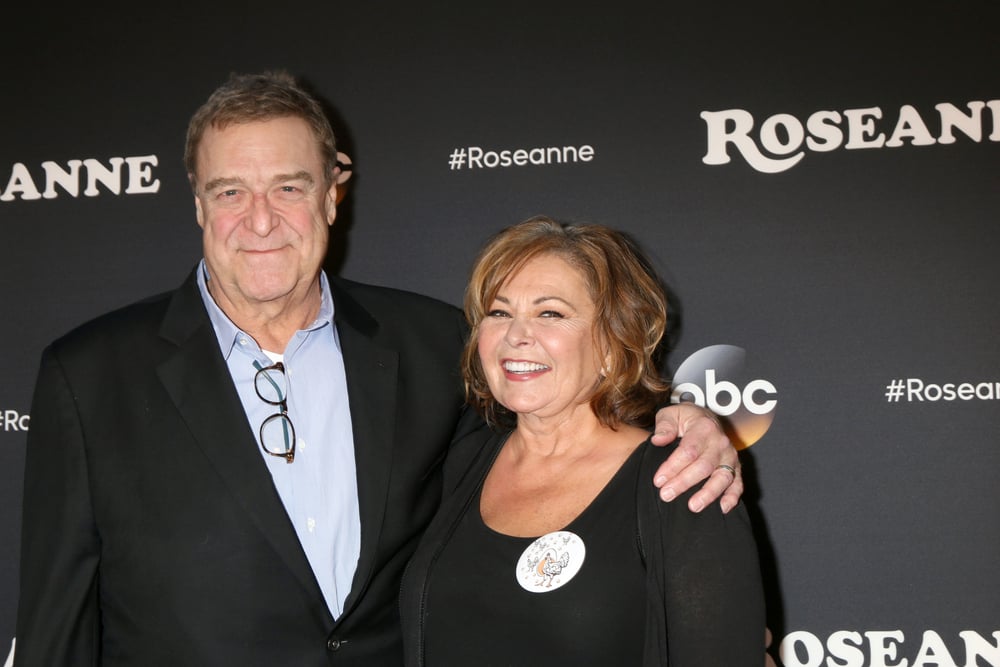
The original series finale revealed that the entire final season had been Roseanne’s fictional writing—used to cope with her husband Dan’s death from a heart attack. This twist undid major character developments and storylines, including the family’s lottery win and various relationship changes.
Fans who’d enjoyed the show’s realistic portrayal of working-class life felt betrayed by the revelation that much of what they’d watched hadn’t really happened, though some appreciated the exploration of grief and creative coping mechanisms. Others found the meta-fiction approach confusing and unsatisfying.
Two and a Half Men

Charlie Sheen’s very public departure from the show led to a finale that seemed more focused on settling scores than telling a satisfying story—the final episode killed off Charlie Harper (again) and featured a brief appearance by what might have been Charlie Sheen himself, only to have him crushed by a falling piano. Creator Chuck Lorre used the finale to address real-world controversies rather than focusing on character conclusions.
Some viewers enjoyed the chaotic meta-humor, yet others felt the personal drama between Sheen and Lorre overshadowed any attempt at proper closure.
Quantum Leap

Sam Beckett’s journey through time ended with a text card revealing that he never returned home, leaving fans without the reunion they’d been hoping for. The finale focused on Sam’s choice to help his friend Al’s marriage rather than returning to his own time, which felt noble but unsatisfying.
Budget constraints prevented the show from filming a proper conclusion, forcing the writers to use a simple text overlay to explain Sam’s fate. While some fans appreciated Sam’s selfless final act, others felt cheated out of seeing him reunite with his own life and loved ones.
Like Go2Tutors’s content? Follow us on MSN.
True Blood

Seven seasons of vampire politics and supernatural romance ended with a time jump that felt rushed and unsatisfying to many fans. Sookie’s choice of romantic partner disappointed viewers who’d invested in her relationship with other characters, while major plot threads seemed to get resolved too quickly.
The show’s shift from dark comedy to serious drama over its run made the finale feel disconnected from earlier seasons. Some appreciated the attempt to give characters happy endings, but others felt the conclusion didn’t earn its optimistic tone.
Scrubs

The original series finale was actually quite beloved, but the show continued for another season without most of the main cast. This ninth season served as a soft reboot focusing on new medical students, but it failed to recapture the original’s magic.
The decision to continue the story without J.D. and most familiar characters felt like a cash grab rather than a creative choice. While some fans enjoyed seeing a few returning characters, most considered the original eighth season finale as the true ending of the series.
Angel

The show ended mid-battle with Angel and his team facing impossible odds against the forces of evil, leaving their fates completely unknown. This cliffhanger ending was necessitated by the show’s unexpected cancellation, but it divided fans between those who loved the ambiguous heroic stance and those who wanted resolution.
The finale’s message about fighting the good fight regardless of outcome resonated with some viewers, while others felt frustrated by the lack of closure. The continuation in comic book form provided some answers, but many fans never got the satisfaction they sought.
Like Go2Tutors’s content? Follow us on MSN.
Cheers

The beloved Boston bar said goodbye with Sam choosing the bar over a relationship and delivering the final line to an empty room. While many fans appreciated this return to the show’s roots, others felt Sam’s character development had been reset to where he started.
The finale emphasized that some things never change, which worked thematically but disappointed viewers who wanted to see Sam grow. Some found comfort in the familiar setting and characters, while others felt the ending was too safe and predictable for such a groundbreaking series.
Parenthood

The family drama concluded with a flash-forward showing the Braverman family’s future, but the time jump felt rushed and artificial to many viewers. Some storylines got resolved too neatly, while others felt underdeveloped in the final season.
The show’s realistic approach to family dynamics had been its strength, but the finale’s attempt to wrap everything up with a bow felt forced. While fans appreciated seeing the family’s future happiness, others preferred the show’s usual subtle approach to character development and life changes.
When Great Shows Stumble at the Finish Line

These divisive endings remind us that concluding a beloved series is one of television’s most challenging tasks. Writers must balance fan expectations with artistic vision, often while dealing with network pressures and production constraints.
The most controversial finales tend to be those that either explain too much or too little, leaving audiences feeling either overwhelmed by information or starved for answers. Even when shows stumble at the finish line, they often spark discussions that keep the series alive in popular culture long after the final credits roll.
More from Go2Tutors!

- 16 Historical Figures Who Were Nothing Like You Think
- 12 Things Sold in the 80s That Are Now Illegal
- 15 VHS Tapes That Could Be Worth Thousands
- 17 Historical “What Ifs” That Would Have Changed Everything
- 18 TV Shows That Vanished Without a Finale
Like Go2Tutors’s content? Follow us on MSN.



