Bizarre Objects People Used to Brush Their Teeth
The modern toothbrush sitting in your bathroom is a relatively recent invention. For thousands of years, humans found creative ways to keep their teeth clean using whatever materials nature provided or ingenuity suggested.
Some methods were surprisingly effective. Others were downright dangerous. A few were so strange they sound like artifacts from another planet entirely.
Animal Hair Bundles
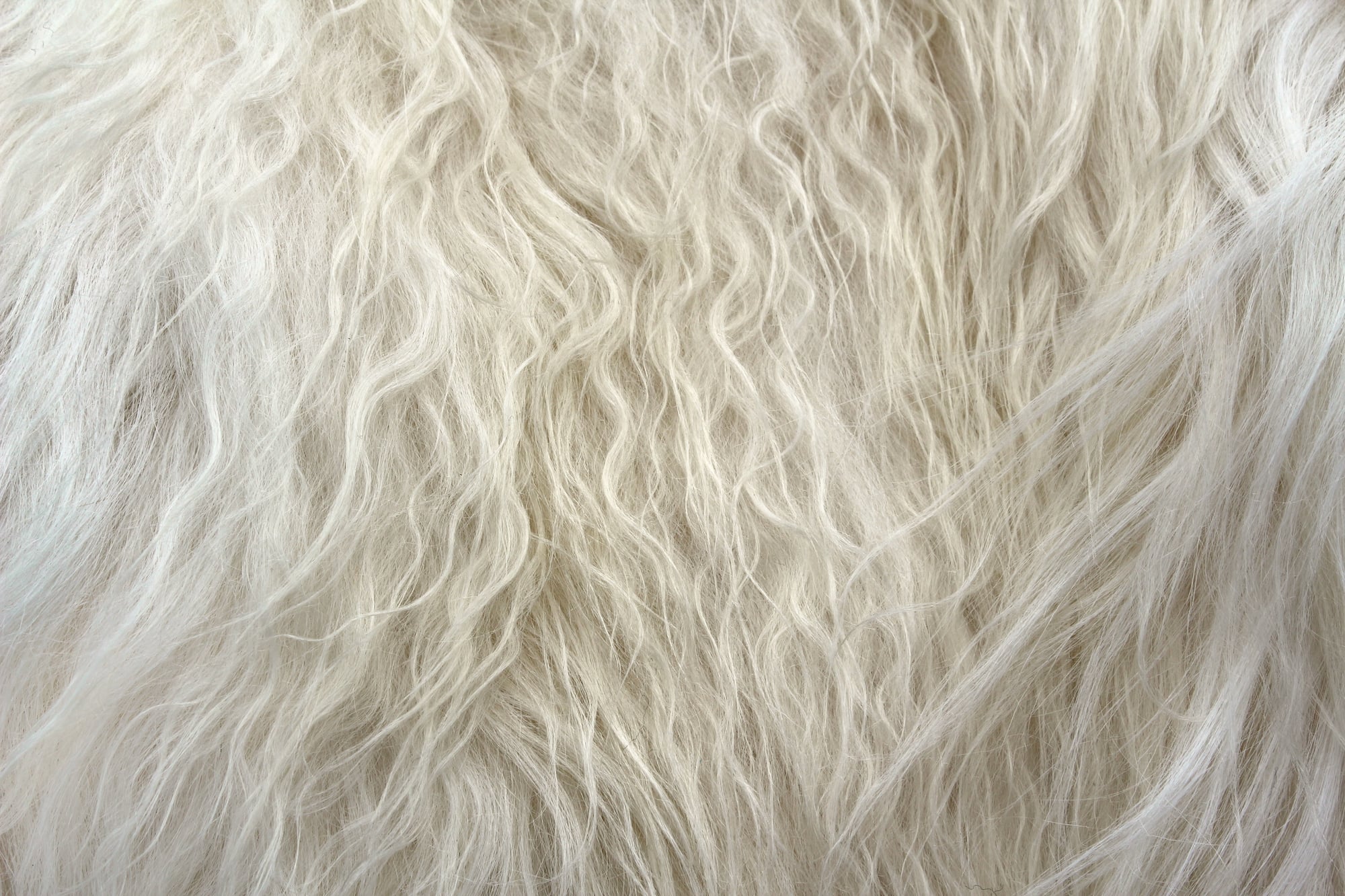
The earliest toothbrushes weren’t brushes at all — they were clusters of animal hair tied to sticks. Boar bristles were the gold standard, but people also used horsehair, badger fur, and even porcupine quills when they could get them. The Chinese perfected this approach around 1498, creating the first recognizable toothbrush by drilling pits into bamboo handles and securing pig bristles with wire.
These primitive brushes worked better than expected. Boar bristles had just the right stiffness to scrub away plaque without shredding gums. The main downside was hygiene — animal hair harbored bacteria that could cause infections. But for centuries, it was the best option available.
Salt and Charcoal Mixtures
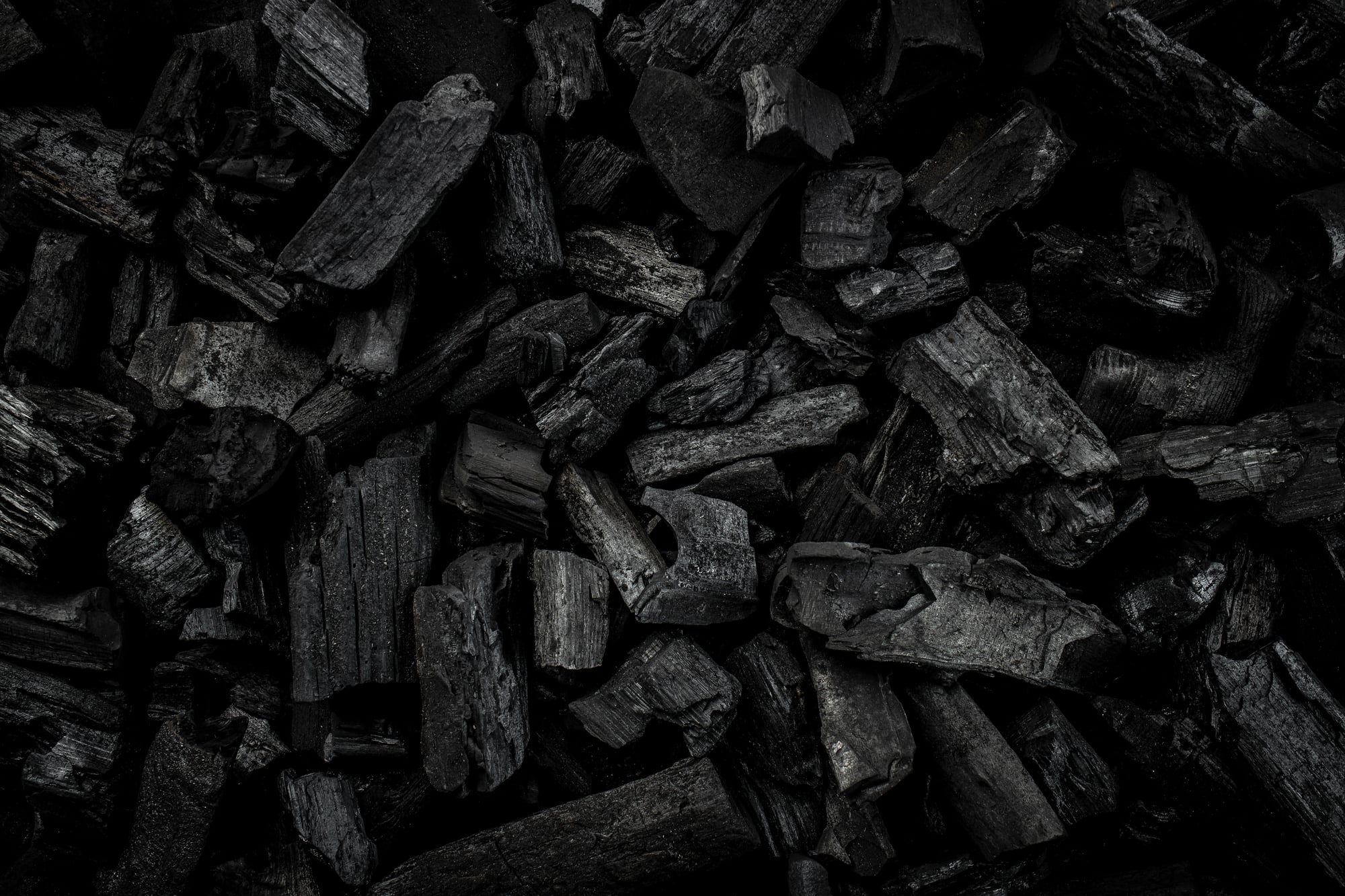
There’s something almost alchemical about the way ancient civilizations approached tooth cleaning — mixing earth and fire into pastes that promised to restore what time had taken away (and often took more in the process). Romans ground up charcoal with salt, creating an abrasive paste that could strip stains from teeth with the same efficiency it stripped enamel. The mixture worked because charcoal naturally absorbs toxins and odors, while salt kills bacteria, but the combination was so harsh it gradually wore teeth down to nubs.
And yet people persisted with these mixtures for generations, because a temporarily clean mouth felt worth the long-term damage they couldn’t yet understand. The irony is that charcoal toothpaste has made a comeback in modern times, marketed as a natural whitening solution. Some things never change.
Frayed Sticks
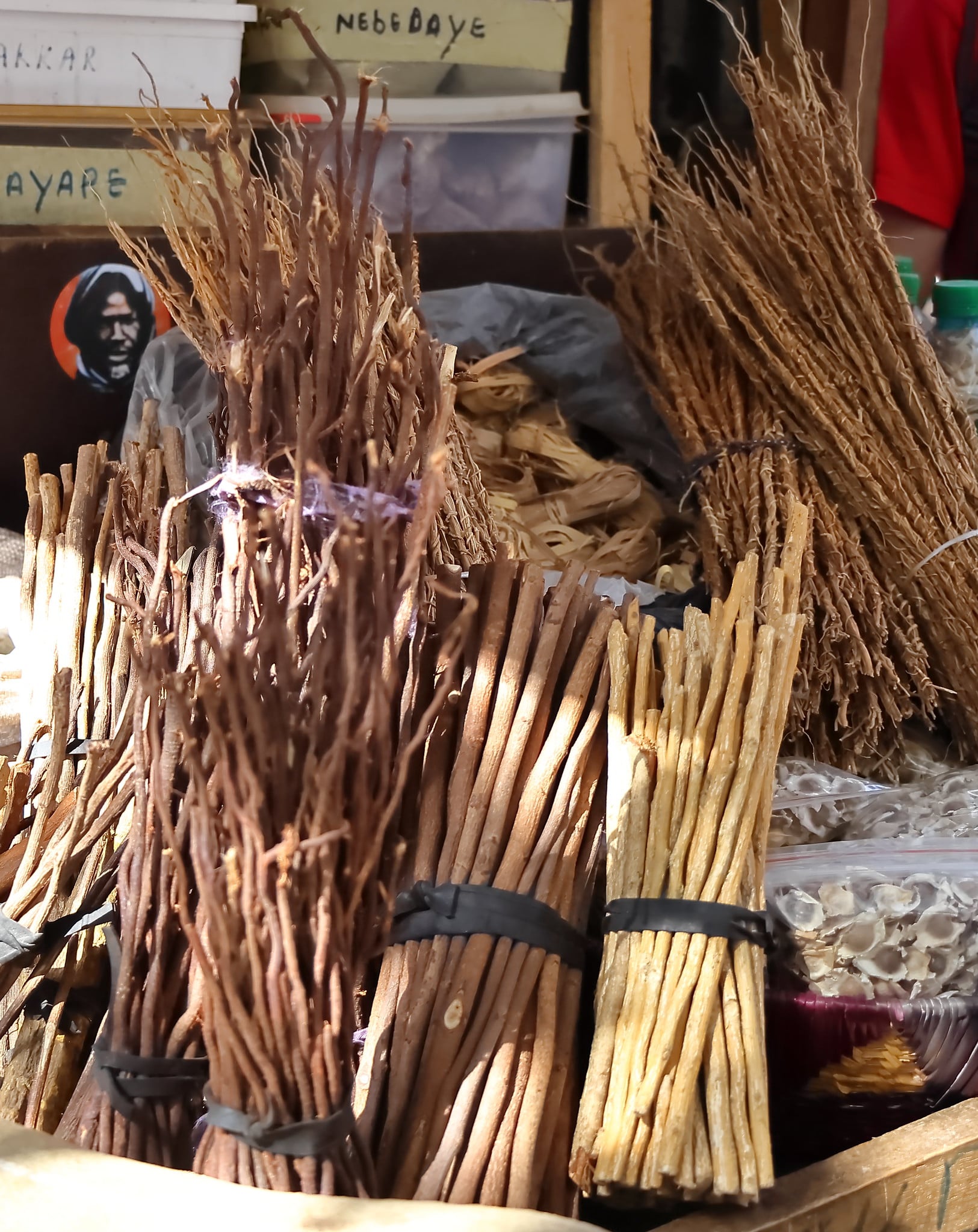
Chew sticks were brilliant in their simplicity. Take a twig from the right tree, fray one end by chewing it, and you have an instant toothbrush. The miswak, made from the Salvadora persica tree, became the most famous version — and it’s still used today across parts of Africa and the Middle East.
The genius was in the wood selection. Miswak contains natural fluoride, antiseptic compounds, and silica for gentle abrasion. Users would chew the tip to create bristles, brush their teeth, then cut off the used portion for next time. It was renewable, portable, and surprisingly effective.
Different cultures favored different woods. Neem trees in India, oak in Europe, cherry bark in North America. The method worked so well that some modern studies suggest miswak is as effective as conventional toothbrushes.
Crushed Oyster Shells
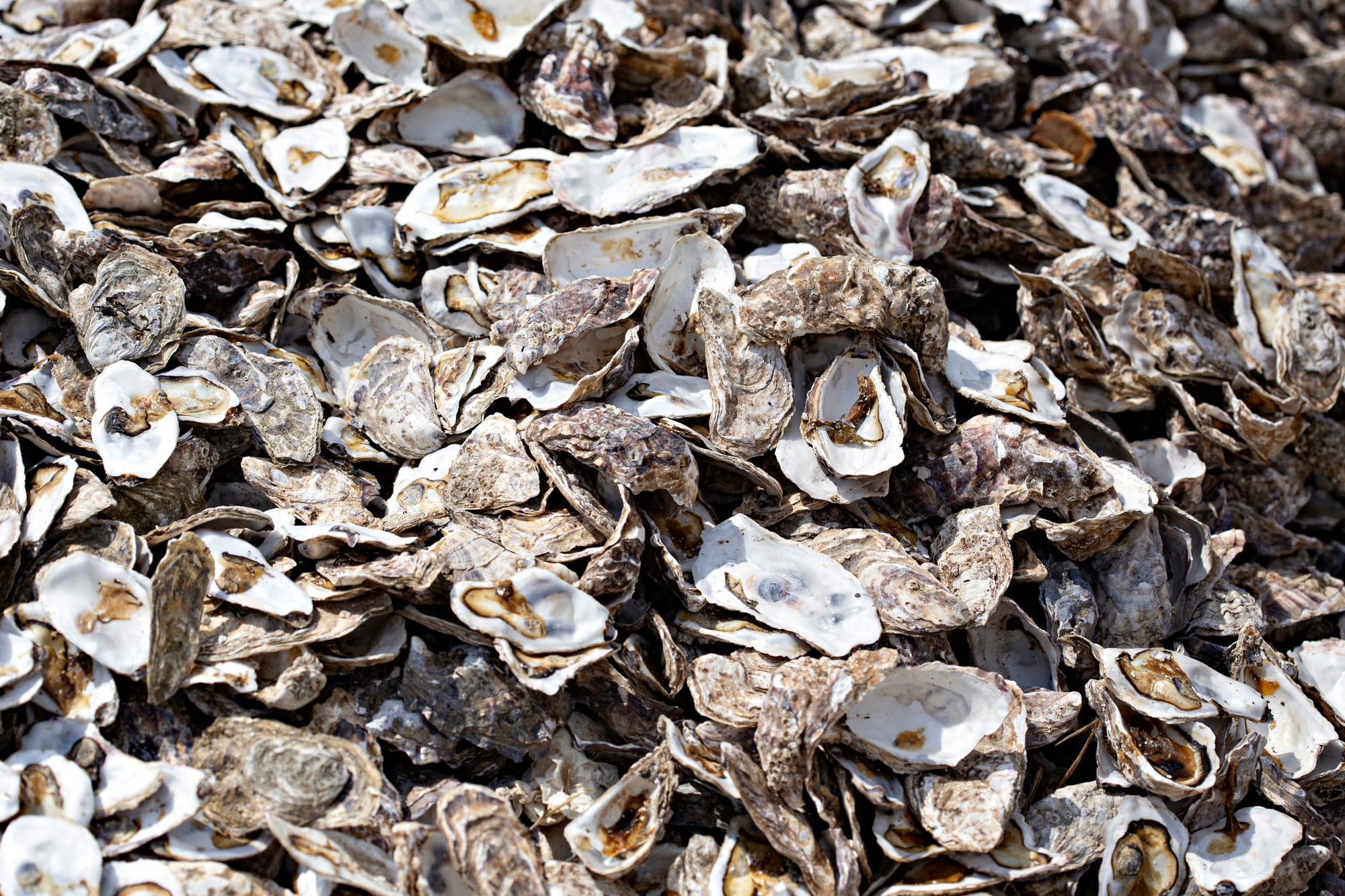
Pulverized shells became the foundation of many early tooth powders, and the appeal makes sense once the shock wears off — calcium carbonate forms the primary ingredient in modern toothpaste, and oyster shells happen to be almost pure calcium carbonate (though nobody knew the chemistry at the time, they certainly understood the results). The Romans mixed crushed shells with honey to make the powder stick, while medieval Europeans preferred salt as a binding agent, creating pastes so gritty they could scrape barnacles off ship hulls.
But the abrasive action did remove plaque and surface stains effectively, even as it gradually ground down tooth enamel like a slow-acting sandblaster. The process of preparing shell powder was labor-intensive. Shells had to be thoroughly cleaned, baked to kill bacteria, then ground into fine particles. Wealthy families could afford servants to prepare it properly. Everyone else made do with coarser, potentially contaminated versions.
Urine

Human urine was considered an excellent mouthwash and tooth cleaner in several ancient cultures. The Romans believed it whitened teeth, and they weren’t entirely wrong — the ammonia in urine does have mild bleaching properties. Portuguese urine was apparently considered the finest quality, which says something about Roman marketing preferences.
The practice persisted surprisingly long. Even into the 17th century, some Europeans still rinsed with urine as a morning routine. The acidity helped remove plaque, and the ammonia killed some bacteria. But the social stigma eventually outweighed any perceived benefits as other options became available.
Pumice Stone
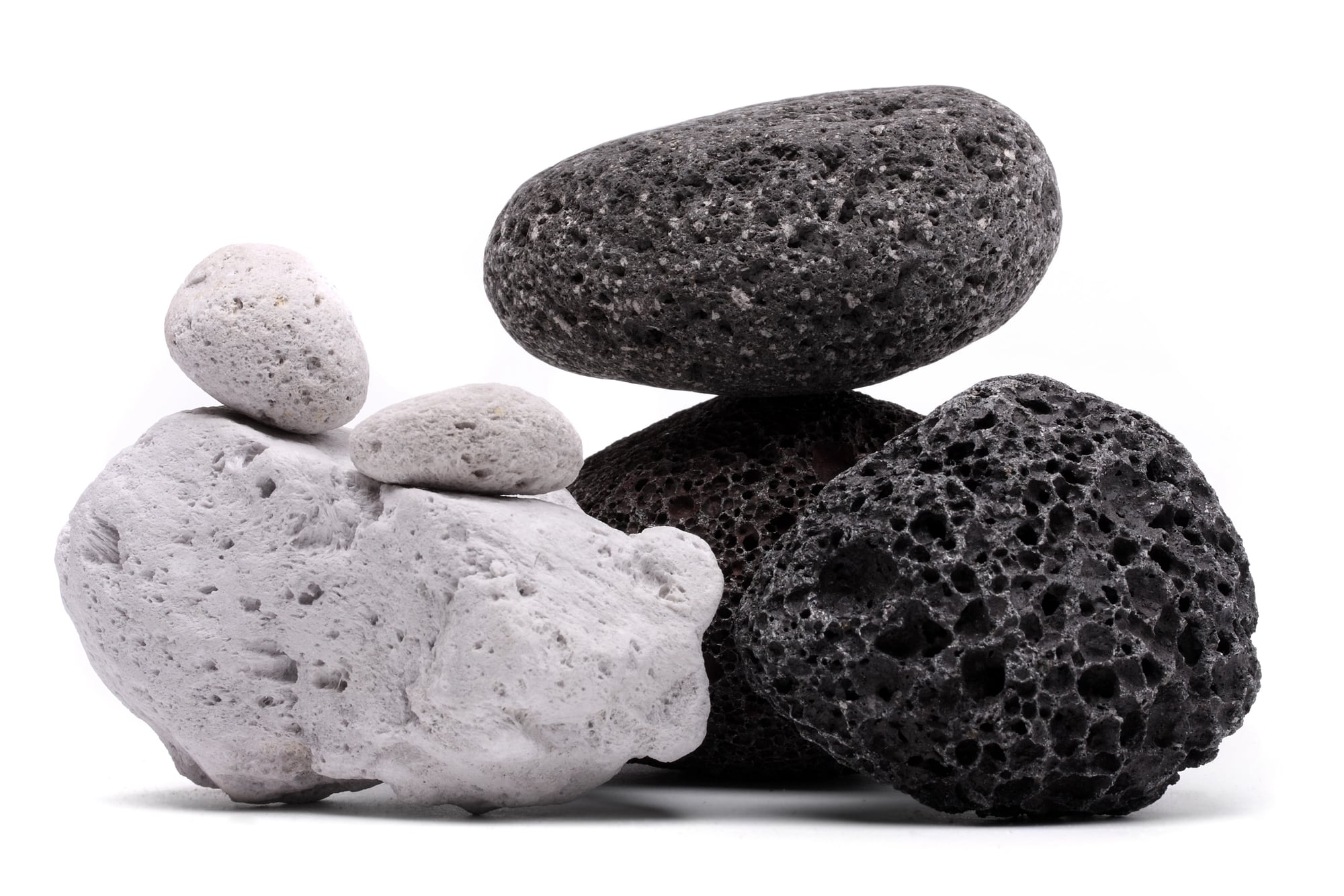
Grinding pumice into powder created one of the most effective — and destructive — early toothpastes. This volcanic rock is naturally abrasive enough to polish stone, so it had no trouble removing stains and plaque from teeth. Unfortunately, it also removed everything else.
The texture was like brushing with sand, because essentially that’s what people were doing. Pumice powder mixed with vinegar or wine created a paste that could make teeth gleaming white in a matter of weeks. It could also wear them down to sensitive nubs just as quickly.
Wealthy Romans often had teeth filed down to points from years of pumice use. The cosmetic effect was considered attractive, which shows how beauty standards can make almost anything seem desirable.
Mouse Heads

Medieval tooth powder sometimes included ground mouse heads, combined with salt and herbs like sage or rosemary. The rationale was that mice had strong, sharp teeth, so consuming their heads would transfer that strength to human teeth through sympathetic magic.
This falls into the category of remedies that sound completely insane until the results start showing up (though in this case, any improvement was probably due to the salt and herbs rather than the rodent parts). The calcium and phosphorus in mouse skulls might have provided some mineral benefit, but grinding up entire mouse heads also introduced parasites, bacteria, and diseases that made the cure worse than the problem.
The preparation required catching fresh mice, removing the heads, drying them completely, then grinding them into powder. Medieval apothecaries sold pre-made versions for those who preferred not to handle the mouse-catching themselves.
Tree Bark
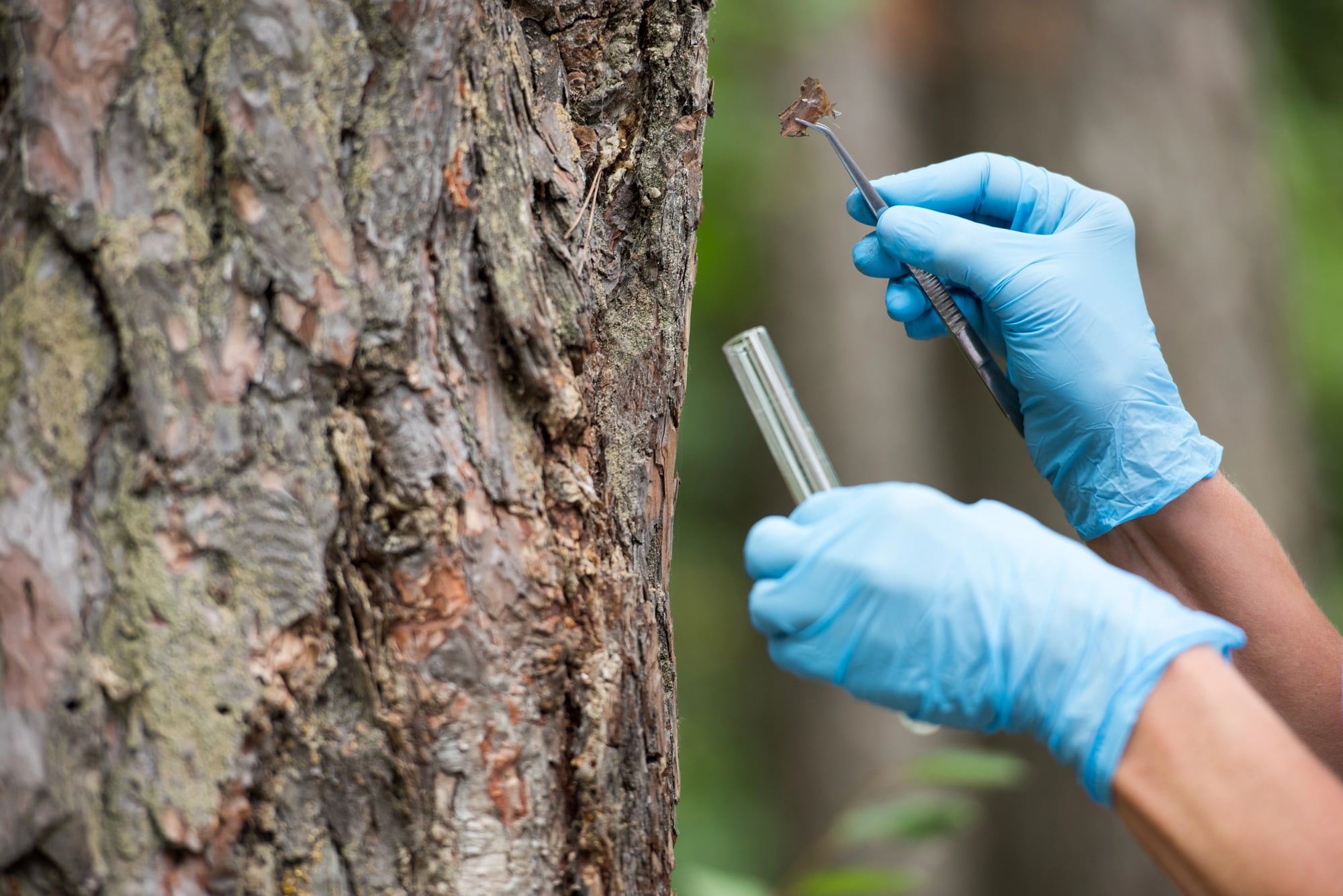
Chewing specific types of bark served as both toothbrush and toothpaste in many cultures. Willow bark contains salicin, a natural pain reliever and anti-inflammatory compound. Cinnamon bark provided antimicrobial effects and left breath smelling pleasant. Pine bark offered vitamin C to prevent scurvy and gum disease.
The fibrous texture of bark naturally cleaned between teeth as people chewed. Different barks provided different benefits — cherry bark for its astringent properties, oak bark for tannins that tightened gums, birch bark for its natural oils.
Native American tribes developed sophisticated knowledge of which barks worked best for dental care. They would strip fresh bark, scrape away the rough outer layer, then chew the inner bark until it formed a fibrous brush. The method was so effective that early European settlers adopted it.
Fish Bones
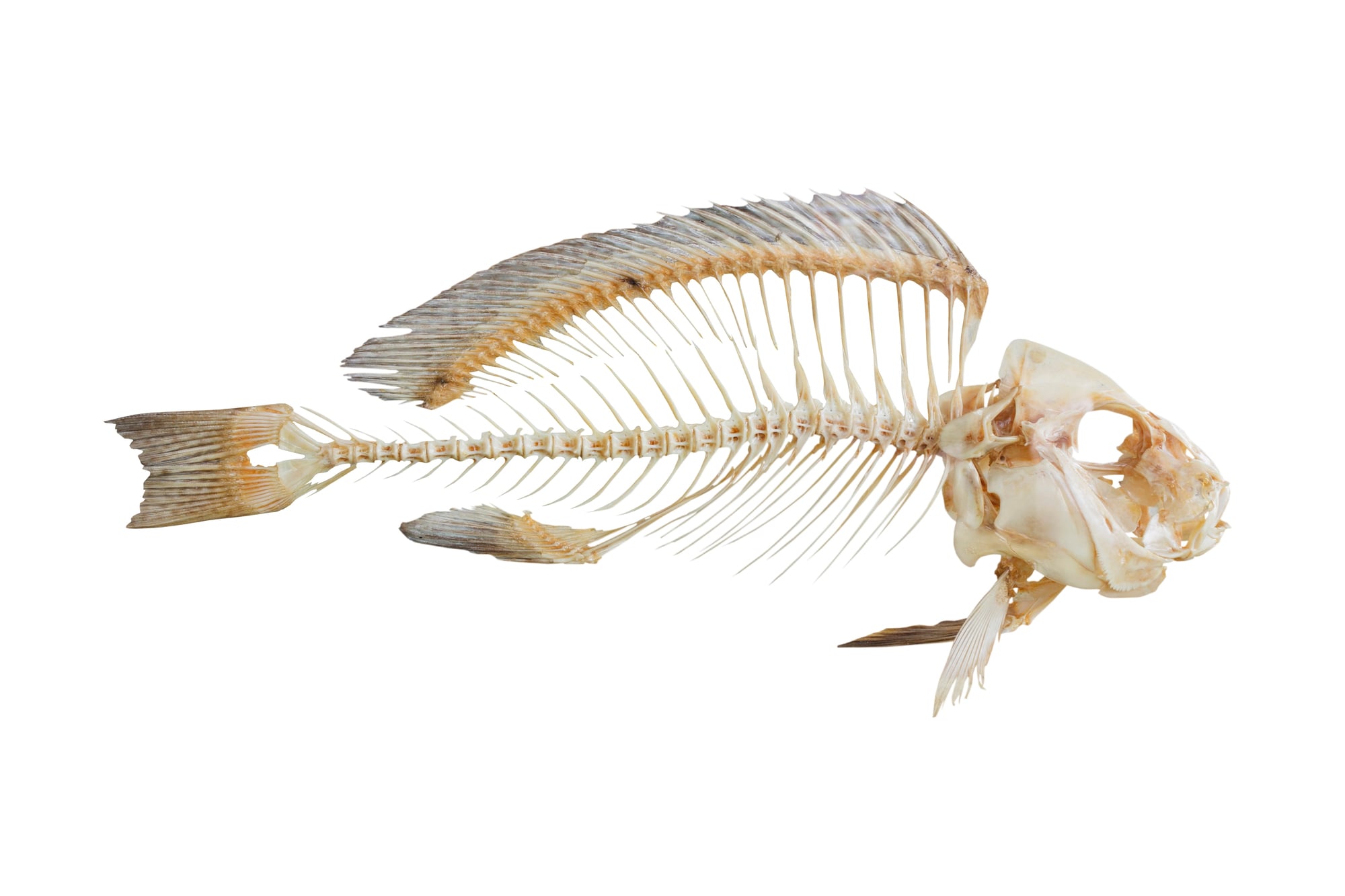
Small fish bones, particularly from sardines and anchovies, were ground into powder and used as an abrasive tooth cleaner in coastal cultures. The calcium phosphate in bones helped remineralize teeth, while the rough texture scraped away plaque and stains.
The bones had to be thoroughly cleaned and dried to prevent bacterial contamination. They were then ground into a fine powder and mixed with salt or herbs to create a paste. The fishy taste was considered a small price to pay for clean teeth.
Some cultures believed that using fish bones would give them teeth as strong and sharp as fish teeth. While the sympathetic magic didn’t work, the calcium and phosphorus content did provide legitimate benefits for tooth strength.
Honey and Sugar
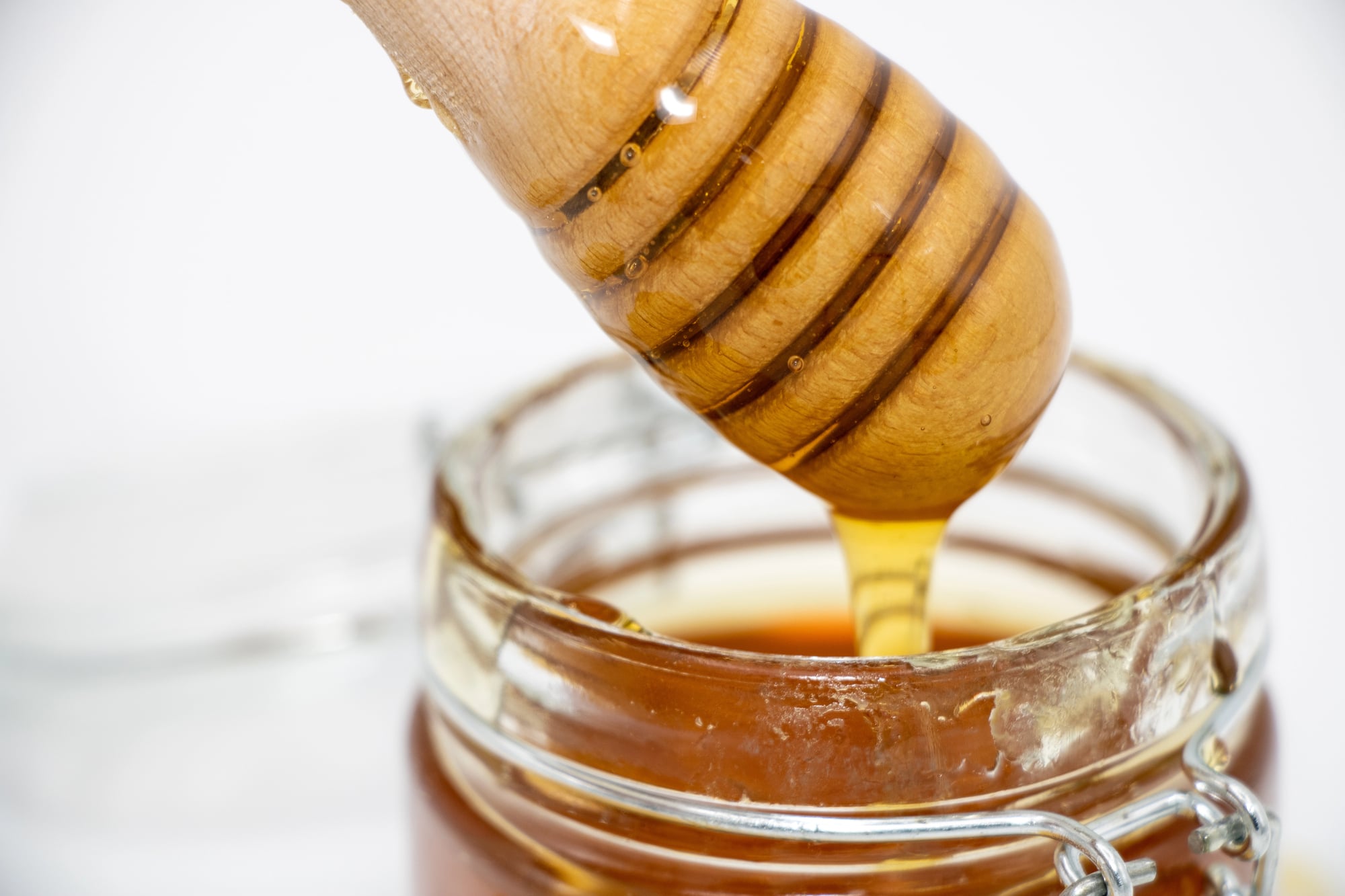
Honey served as both a tooth cleaner and a sweetener in ancient dental care, which created one of history’s more ironic health practices — using the very substance that feeds tooth decay to prevent tooth decay. The antimicrobial properties of honey do kill harmful bacteria in the mouth, and its thick consistency helps remove food particles when rubbed on teeth, but the natural sugars also feed the bacteria that cause cavities.
So people were simultaneously cleaning and damaging their teeth with every application, which might explain why honey-based tooth care never quite delivered the results people hoped for. Egyptian medical papyrus documents describe elaborate honey-based tooth powders mixed with ground dates, cinnamon, and mint. The wealthy could afford pure honey, while common people used diluted versions or sugar mixed with herbs.
Coral Powder
Ground coral created a tooth powder prized by island cultures and coastal communities. Like oyster shells, coral is primarily calcium carbonate, but with a finer, more uniform texture that made it less damaging to tooth enamel than other abrasive powders.
The collection process was labor-intensive. Divers would gather coral from shallow reefs, then dry it thoroughly in the sun. The dried coral was ground into powder using stone mortars and pestles. Different types of coral produced different textures — some created fine, smooth powders while others remained slightly gritty.
Red coral was considered the most effective variety, partly because of its color and partly because of its density. White coral was more common but supposedly less powerful. The color preferences were mostly superstition, but the calcium content was real.
Soot and Ash

Kitchen soot mixed with salt created one of the most accessible tooth powders for common people. Every household had access to soot from cooking fires, and the fine particles provided gentle abrasion for cleaning teeth. Wood ash was preferred over coal soot because it contained potash, which has mild bleaching properties.
The collection process was simple but required care. Fresh soot was scraped from chimneys or cooking pots, then sifted to remove large particles. The finest soot was mixed with salt and sometimes herbs like mint or sage to improve the taste.
Different types of wood produced different qualities of soot. Hardwood soot was considered superior to softwood soot. Oak and maple were particularly prized. The ash from burned herbs was sometimes added for medicinal properties.
Cloths and Rags
Before bristle brushes became common, people cleaned their teeth by rubbing them with cloths soaked in various cleaning solutions. Linen was the preferred material because of its fine weave and absorbent properties. Wool worked but was rougher on gums. Cotton wasn’t widely available until much later.
The cloths were typically soaked in wine, vinegar, or salt water before use. Some people added herbs like sage or mint to improve the taste and add antimicrobial properties. The fabric was wrapped around a finger and used to scrub teeth and massage gums.
Wealthy households used fresh cloth for each cleaning, while common people washed and reused the same cloth for weeks. This created obvious hygiene problems, but it was better than no cleaning at all. Some families designated specific cloths for tooth cleaning to avoid contamination from other uses.
Looking Back at Dental Innovation
These strange tooth-cleaning methods reveal something fascinating about human persistence. People have always known that clean teeth matter, even when they had no understanding of bacteria, enamel, or proper dental care. They experimented with whatever materials were available, guided by intuition, tradition, and trial and error.
Some methods were surprisingly effective. Others were disasters that damaged more than they helped. But the constant search for better ways to clean teeth eventually led to the modern toothbrush and toothpaste sitting in your bathroom today — a reminder that even the most basic daily routines have long, weird histories behind them.
More from Go2Tutors!

- The Romanov Crown Jewels and Their Tragic Fate
- 13 Historical Mysteries That Science Still Can’t Solve
- Famous Hoaxes That Fooled the World for Years
- 15 Child Stars with Tragic Adult Lives
- 16 Famous Jewelry Pieces in History
Like Go2Tutors’s content? Follow us on MSN.



