How the moon got its many strange nicknames
The moon has been part of human stories for as long as people have looked up at the sky. Long before telescopes or space travel, folks gave it all sorts of names based on seasons, farming, weather, and even superstitions.
It’s kind of wild how one moon can go by so many names depending on the month or where you live. Let’s dig into some of the most interesting ones and where they came from.
Harvest moon
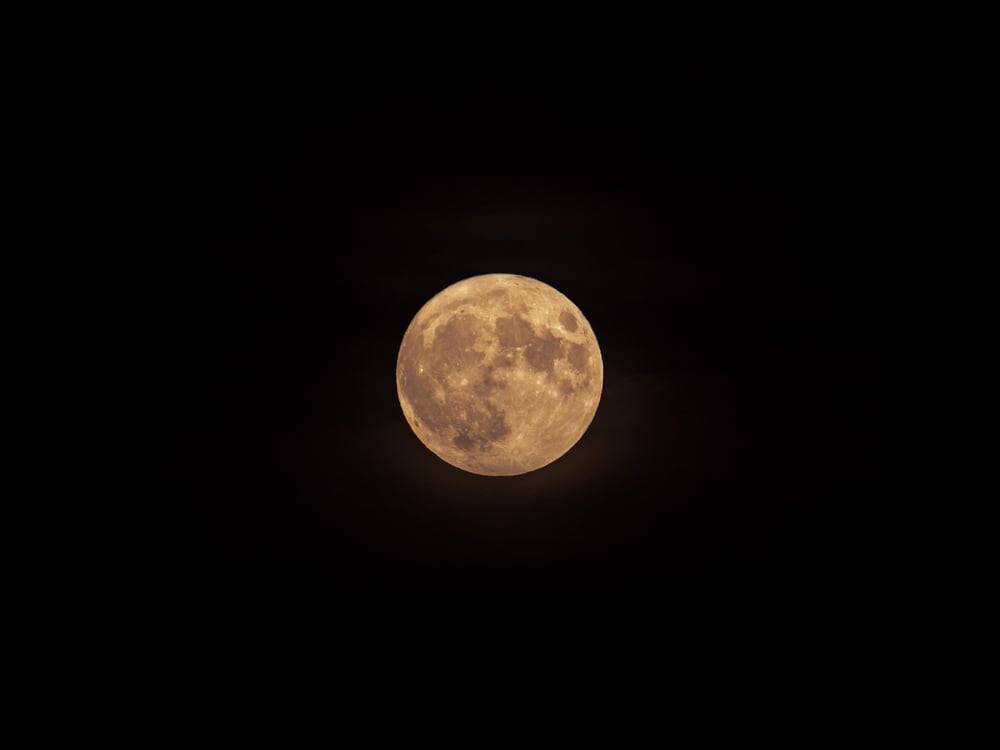
The harvest moon shows up in late September or early October. It’s the full moon closest to the fall equinox and rises just after sunset for several nights in a row.
That meant extra light for farmers working late to bring in crops. Before tractors with headlights, this made a huge difference. The name stuck because it helped people survive the shift from summer to fall.
Wolf moon
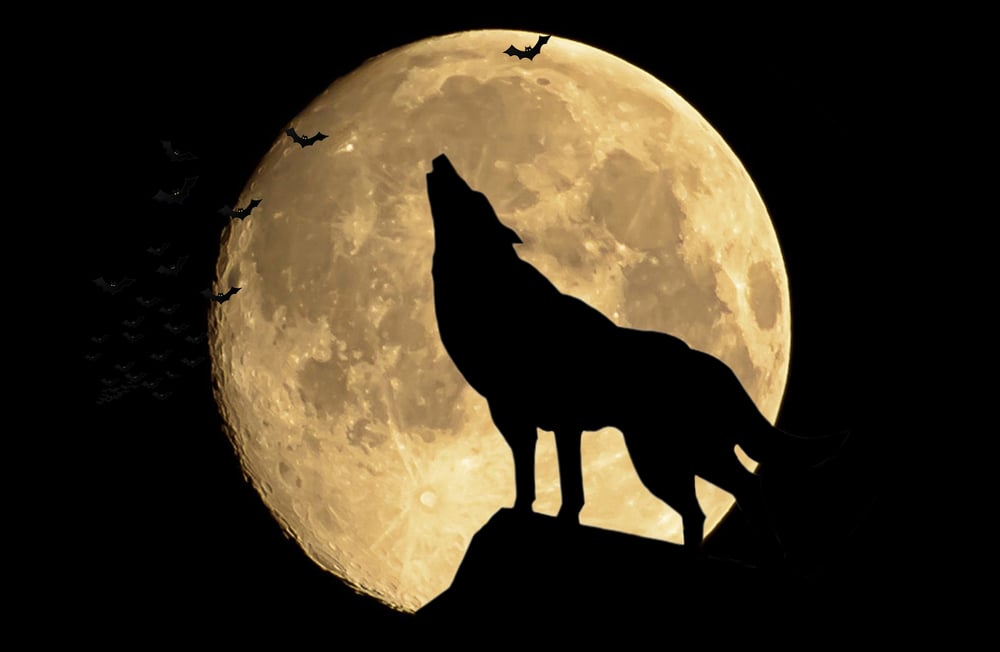
The wolf moon appears in January and comes from stories told in Europe hundreds of years ago. People believed wolves howled more during this time because food was harder to find.
Even though science now shows wolves howl for other reasons too, the name stayed. It gives a cold winter night a bit of wild mystery. The howl may have been in people’s heads—but the chill was real.
Like Go2Tutors’s content? Follow us on MSN.
Pink moon
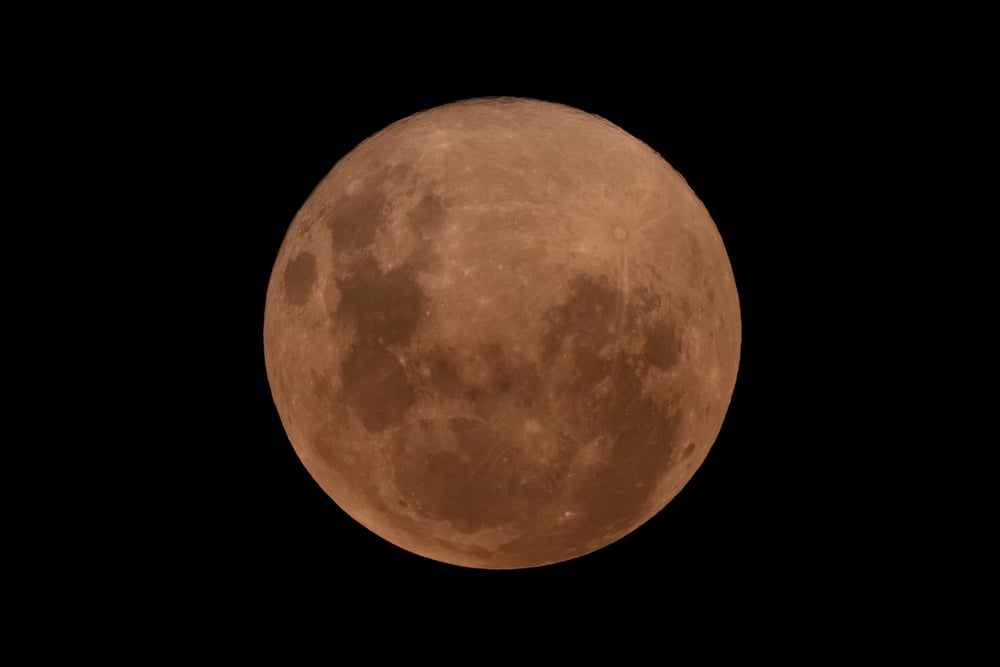
Despite the name, this moon doesn’t actually turn pink. The nickname comes from the early bloom of wild ground phlox, a pink flower that shows up in April in North America.
This full moon marks spring’s real arrival. After long, gray months, any sign of color feels worth celebrating. The name reminds people that warmer days are finally near.
Cold moon
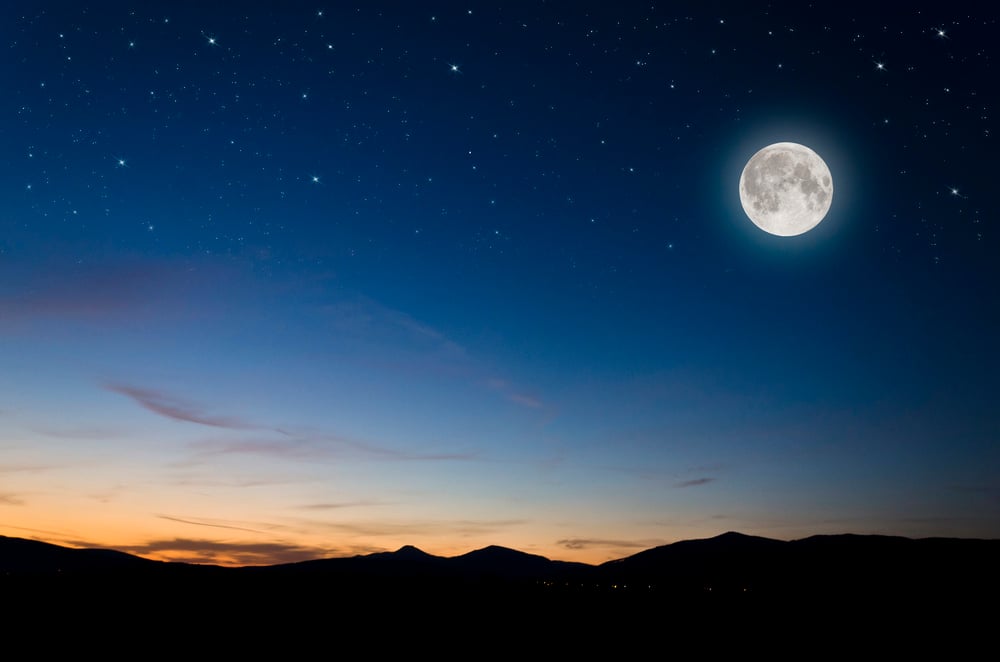
This full moon shows up in December, right when winter starts to hit hard. The nights are long, the air gets sharp, and the ground freezes over in many places.
It’s called the cold moon for a simple reason—it’s cold. It doesn’t try to be poetic or clever. It just tells it like it is.
Blue moon
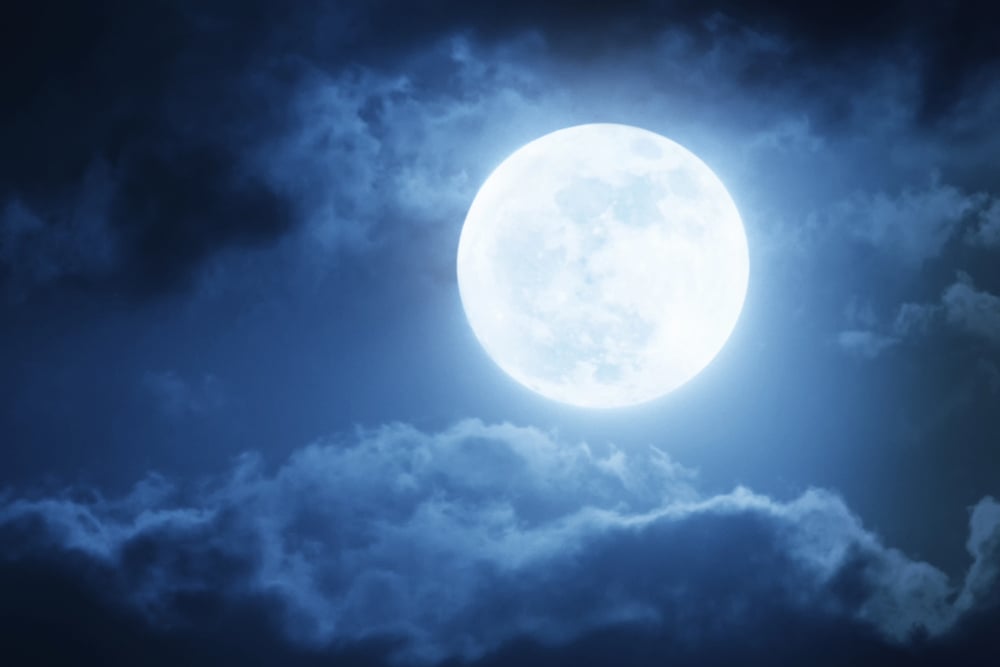
A blue moon isn’t blue, but it is rare. It’s when two full moons happen in the same month, which only occurs every few years.
That’s why people say “once in a blue moon” when talking about something unusual. The term actually came from a mistake in a magazine in the 1940s, but people liked it and kept using it. Now, it’s part of everyday language.
Like Go2Tutors’s content? Follow us on MSN.
Strawberry moon
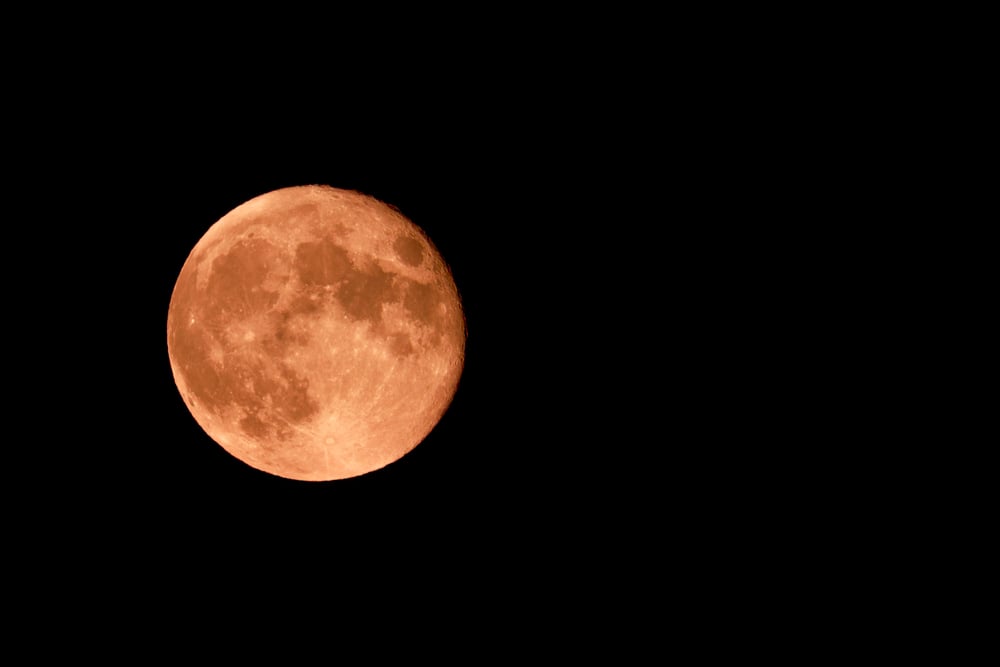
This name pops up in June, right when strawberries ripen in North America. Native American tribes and early European settlers both used it to track time.
It doesn’t mean the moon looks red—it’s just tied to the season. For those growing food, this full moon was a sign to start picking. The name is as sweet as the fruit it honors.
Beaver moon
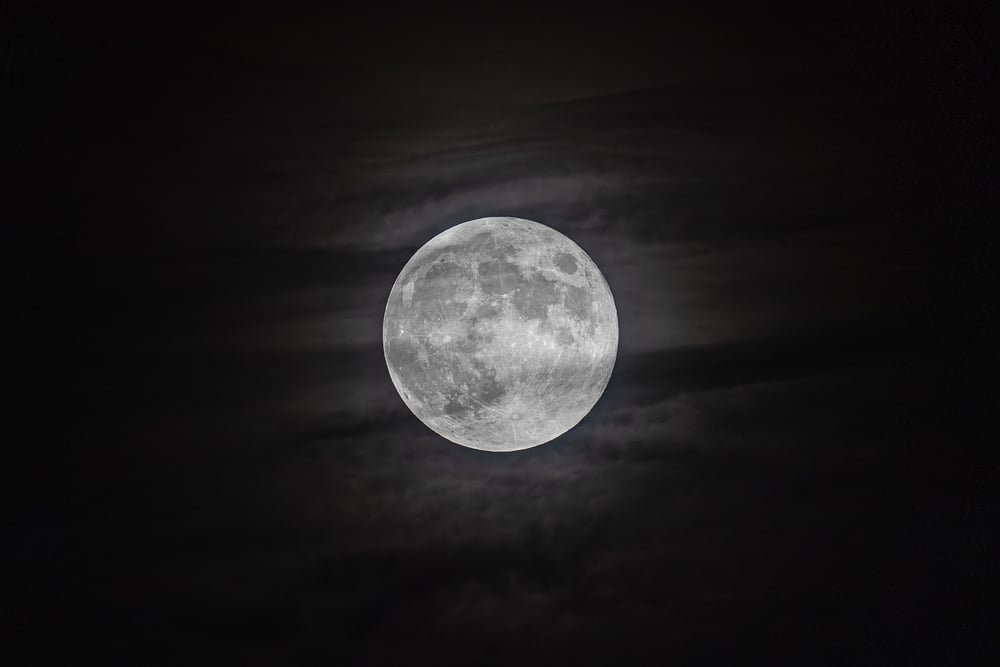
November’s full moon got its name from beaver hunting season. Back when beaver fur was valuable for making warm clothes, this time of year was key.
People would set traps before the rivers froze over. Some say it also comes from beavers getting busy building lodges ahead of winter. Either way, the name reminds people of work that had to be done to stay warm.
Buck moon
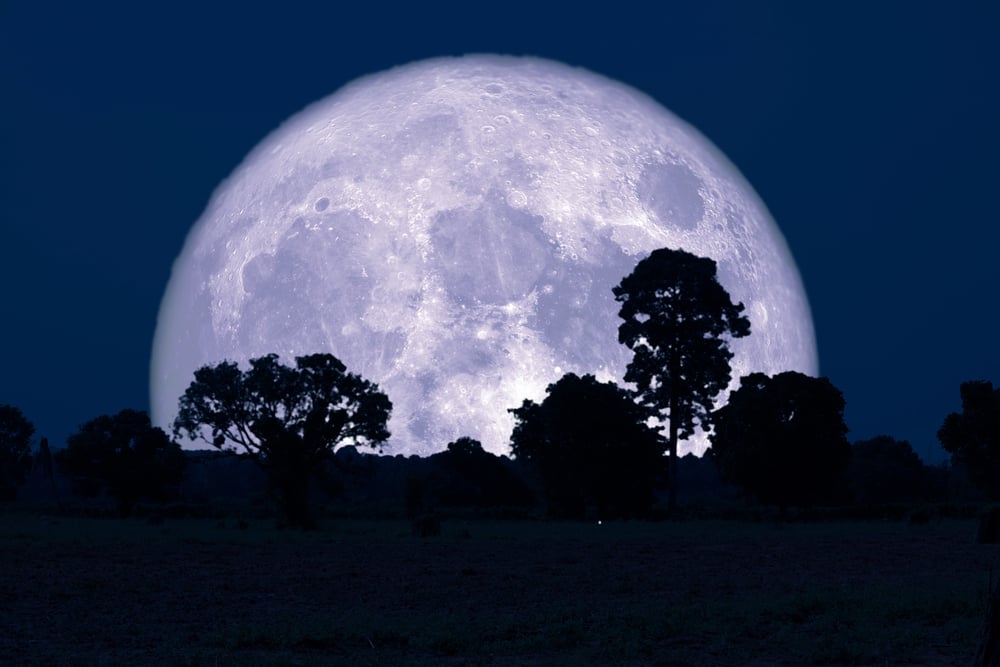
In July, male deer begin to grow new antlers. That’s why this moon is called the buck moon.
The antlers start out soft and grow fast, showing how the animals are preparing for the season ahead. For people living close to nature, it was a clear sign of midsummer. The name reflects the natural world getting ready for change.
Like Go2Tutors’s content? Follow us on MSN.
Worm moon
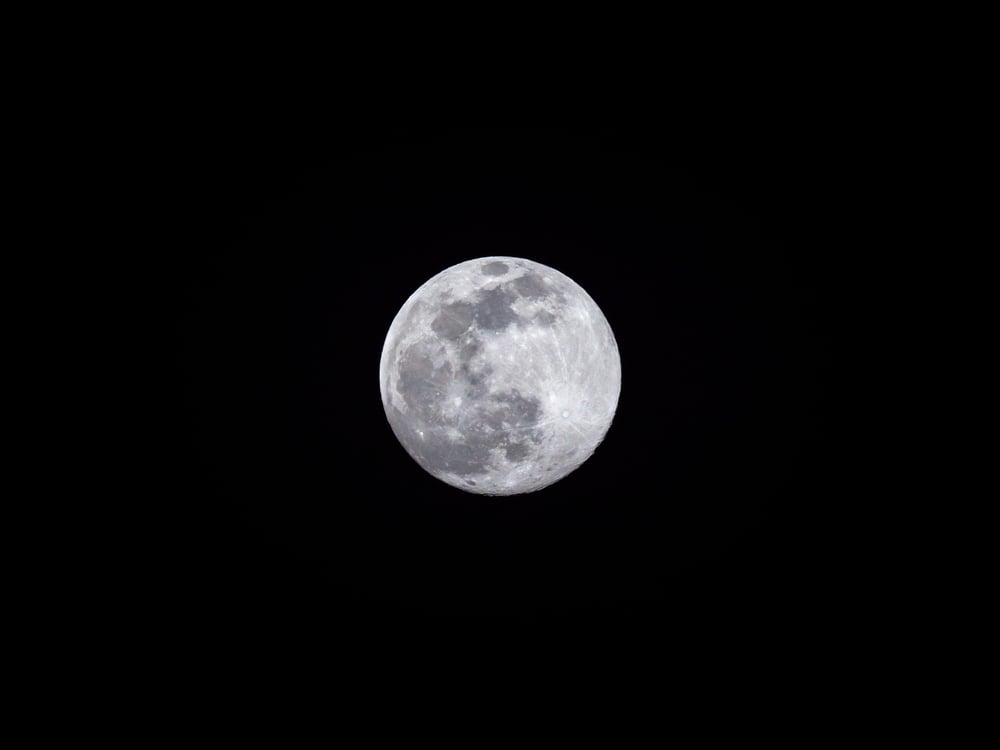
This one sounds strange, but it makes sense. The worm moon shows up in March, when the frozen ground begins to thaw.
Earthworms start wriggling out, and robins return to look for them. That little bit of movement in the soil meant spring was close. It’s one of the first signs that winter is losing its grip.
Hunter’s moon
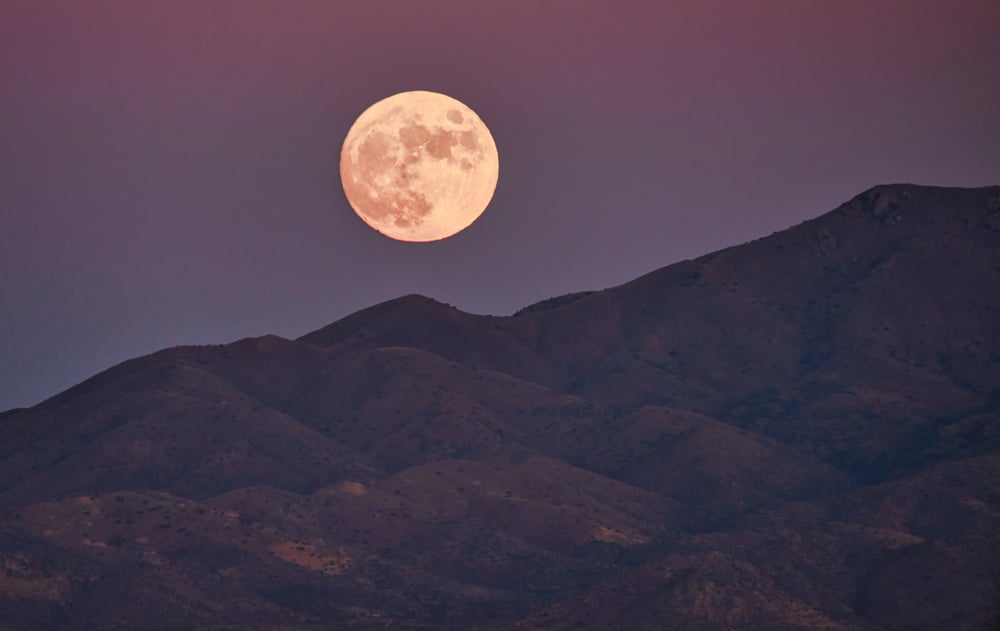
The hunter’s moon follows the harvest moon, usually in October. After gathering crops, people turned to hunting animals to store meat for the winter.
The moonlight helped them move through the woods and fields. It was bright enough to track by foot and even see animals in the distance. The name speaks to how people used every bit of nature to prepare for cold months ahead.
Snow moon
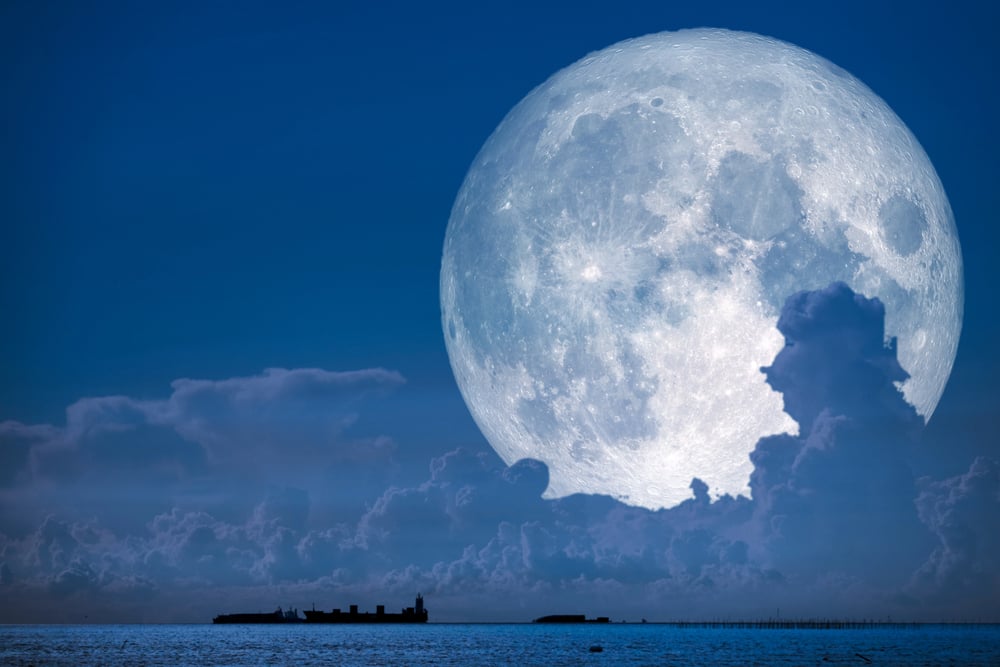
February is often the snowiest month in many parts of the Northern Hemisphere. So it makes sense that the full moon then is called the snow moon.
The name doesn’t need much explaining—it’s just honest. It reflects how tough and quiet this part of winter can be. Even now, people look at it and feel the season’s weight.
Like Go2Tutors’s content? Follow us on MSN.
Sturgeon moon
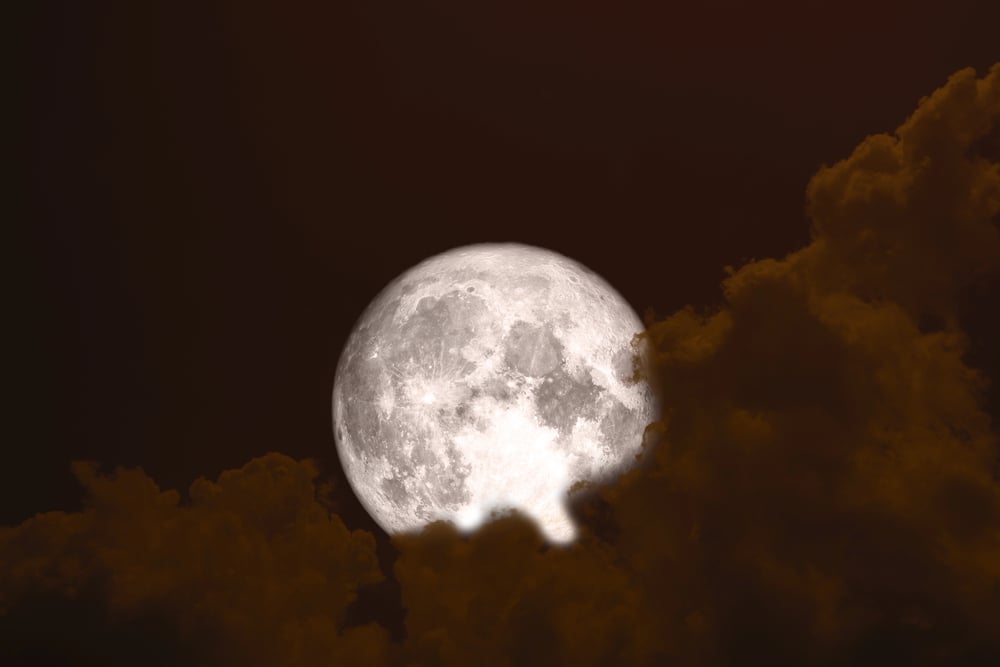
The sturgeon moon comes in August, named after a giant fish found in the Great Lakes and other rivers. Native American tribes knew this was the best time to catch sturgeon, which were big, strong, and provided a lot of food.
The name might feel out of place to some now, but it once meant survival. It tells the story of people living closely with land and water.
Corn moon
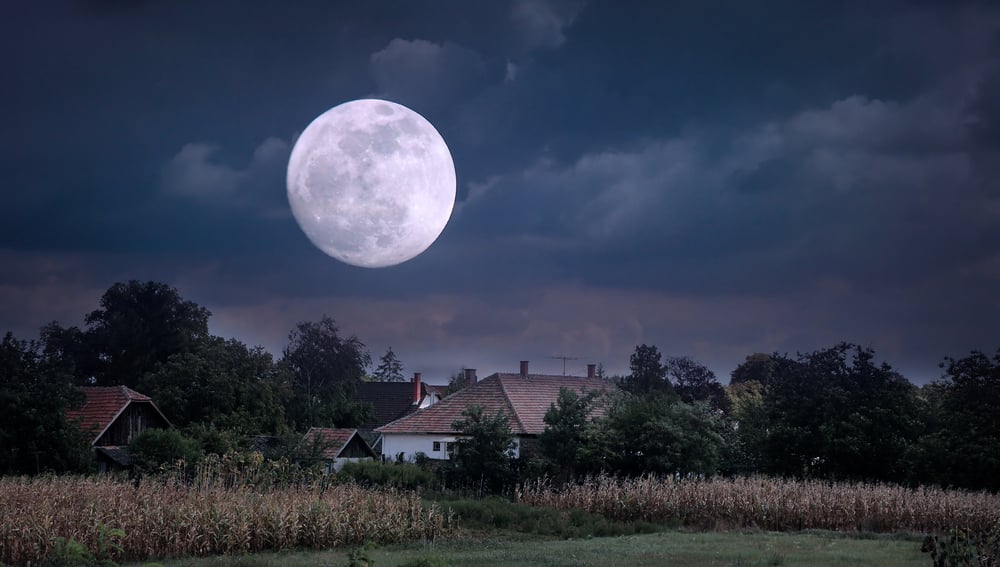
Used in late summer or early fall, the corn moon shows up during harvest time. Corn was one of the main crops for many Native American groups.
The full moon helped them know when to gather and store it. In some areas, this moon was also called the barley moon. Either way, it was all about food and readiness.
Supermoon
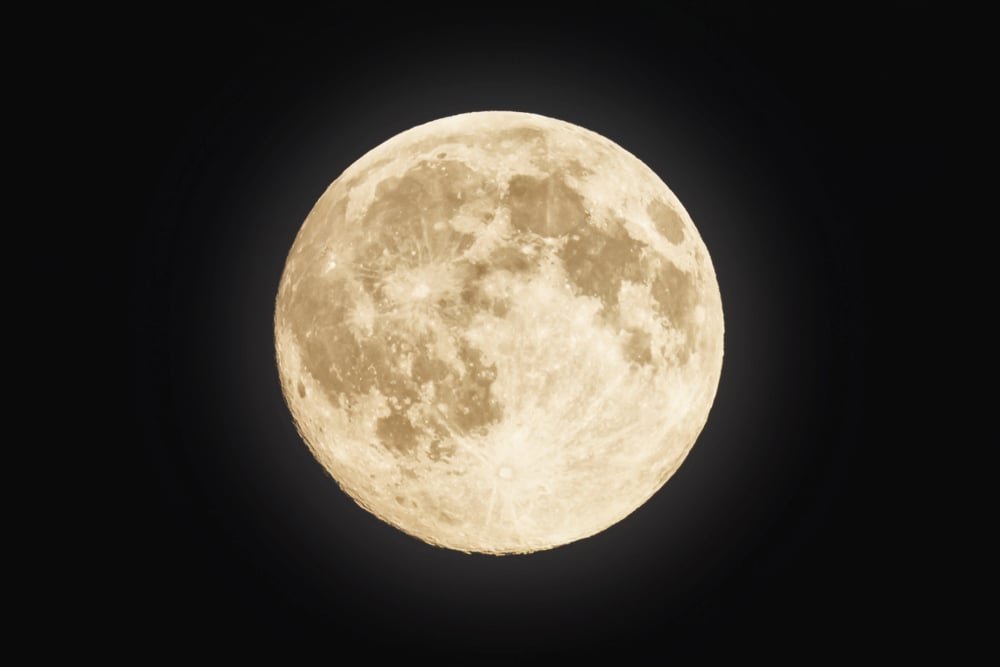
This is a newer nickname, but it became popular fast. A supermoon happens when the full moon is closest to Earth, making it appear slightly larger and brighter.
The change is small, but many people swear they can tell the difference. It gives the moon a bit of drama, which folks love. Cameras come out, and social media lights up.
Like Go2Tutors’s content? Follow us on MSN.
Blood moon
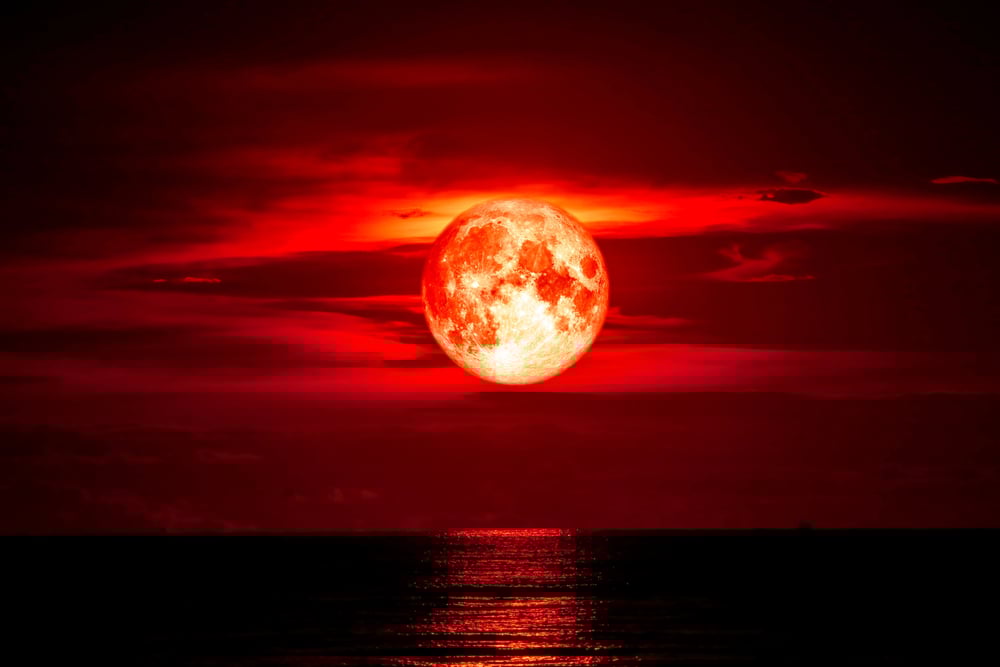
A blood moon happens during a total lunar eclipse. As Earth’s shadow blocks the sun, red light bends around the planet and gives the moon a deep reddish glow.
It can look eerie but is totally safe to watch. The name comes from the color, not danger. It’s one of the most talked-about moon events.
Flower moon
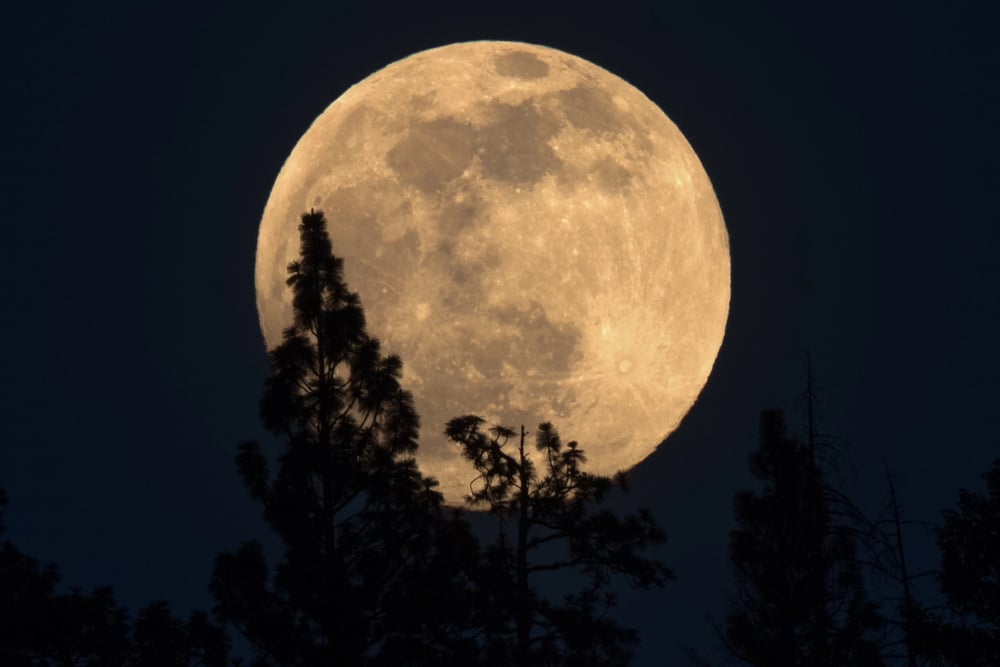
May’s full moon is called the flower moon because that’s when everything starts blooming. Wildflowers spread across fields and forests.
The name feels fresh and happy, tied to new life. Native American tribes often saw this moon as a sign of planting and growth. It’s one of the more cheerful nicknames out there.
Chaste moon
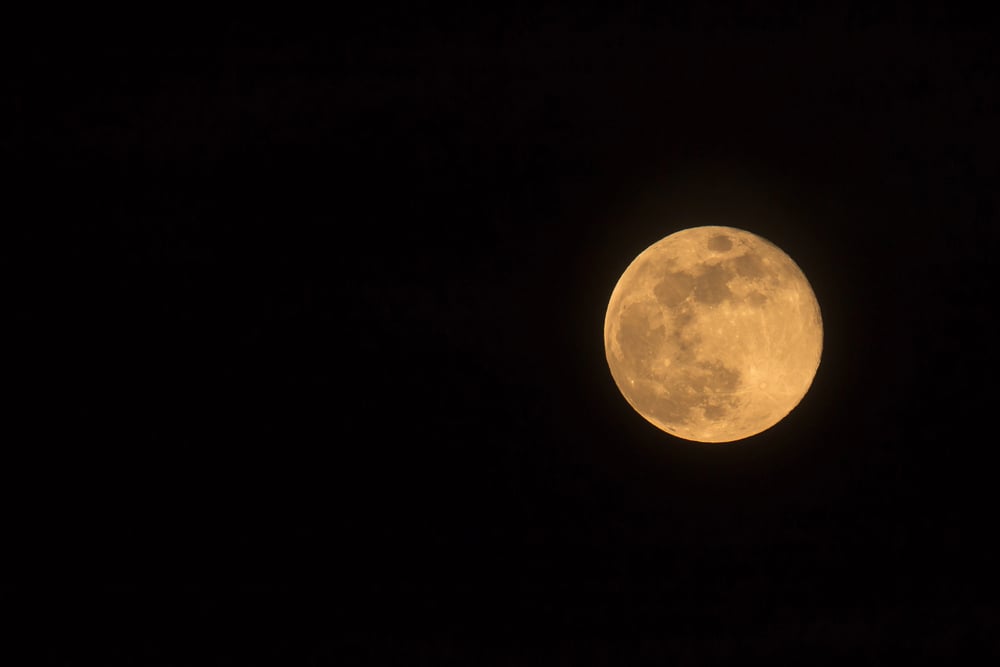
The chaste moon is an older name, mostly used in Europe during March. It was tied to ideas of purity and starting fresh.
People believed it marked a clean slate after the harsh winter. Today, the name isn’t used much, but it gives a peek into old beliefs and customs. It’s one of the more forgotten names, but still interesting.
Like Go2Tutors’s content? Follow us on MSN.
Micromoon
This one is the opposite of a supermoon. A micromoon happens when the full moon is farthest from Earth in its orbit, making it look slightly smaller.
The change is hard to notice with the eye, but scientists track it closely. The name helps explain the moon’s path and how distance changes what we see. Even something small like this got its own nickname.
Why moon names still matter
People don’t need the moon to guide crops or hunting trips anymore, but the names haven’t gone away. They carry stories, traditions, and a sense of rhythm with the Earth.
Even now, folks look up and feel something when they hear “harvest moon” or “blood moon.” These old names remind people of how closely life once followed the sky.
Each nickname tells a little story about what mattered to people at the time—whether it was food, weather, or simple observation. And even with all the science we have now, these names give the moon a kind of character people still connect with. They turn a cold, distant object into something familiar and meaningful. The moon keeps moving, but the names help people feel like they’re still part of the journey.
More from Go2Tutors!

- 16 Historical Figures Who Were Nothing Like You Think
- 12 Things Sold in the 80s That Are Now Illegal
- 15 VHS Tapes That Could Be Worth Thousands
- 17 Historical “What Ifs” That Would Have Changed Everything
- 18 TV Shows That Vanished Without a Finale
Like Go2Tutors’s content? Follow us on MSN.