Most Expensive Exotic Pets Owned by Famous Royalty
Throughout history, royalty has always found ways to display their wealth and power. Sometimes it was through elaborate palaces or priceless art collections. Other times, it was through owning the most extraordinary creatures money could buy. These weren’t your typical household pets — these were living symbols of status that cost more than most people’s homes and required armies of specialists to keep alive.
From ancient pharaohs to modern monarchs, the tradition of keeping exotic animals as companions has produced some truly staggering price tags. The costs don’t just stop at acquisition either. Housing, feeding, medical care, and specialized handlers can turn these pets into million-dollar investments that keep draining royal coffers year after year.
White Lions Of The Mughal Empire
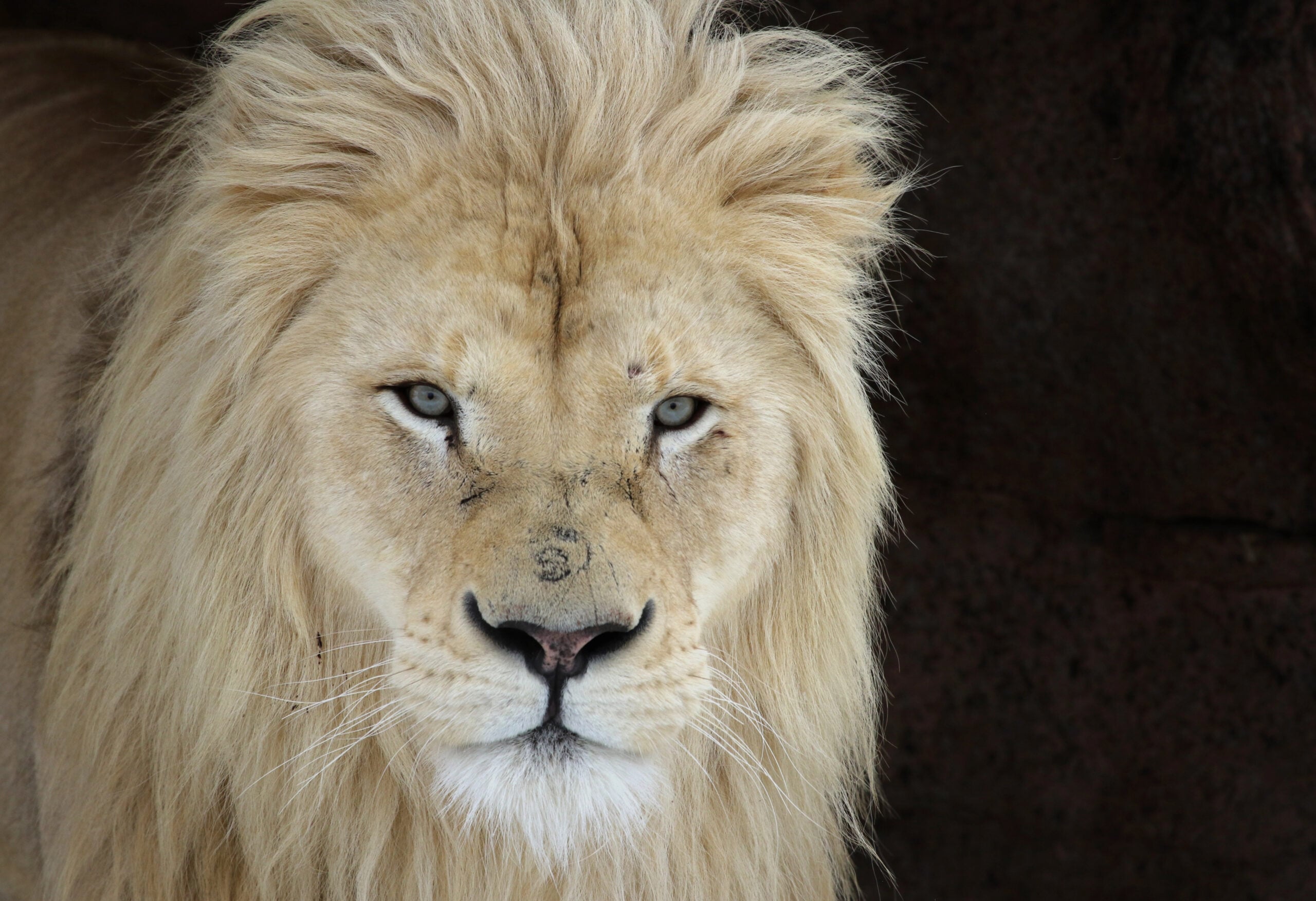
The Mughal emperors didn’t mess around when it came to exotic pets. White lions topped their wish lists, and for good reason — these animals were rarer than diamonds and twice as dangerous to acquire.
Emperor Akbar reportedly spent the equivalent of $2.3 million in today’s money for a pair of white lions captured from the African savanna. The logistics alone were mind-boggling: specialized transport, a team of handlers, and a climate-controlled enclosure that rivaled the palace itself in terms of luxury.
Cleopatra’s Sacred Crocodiles
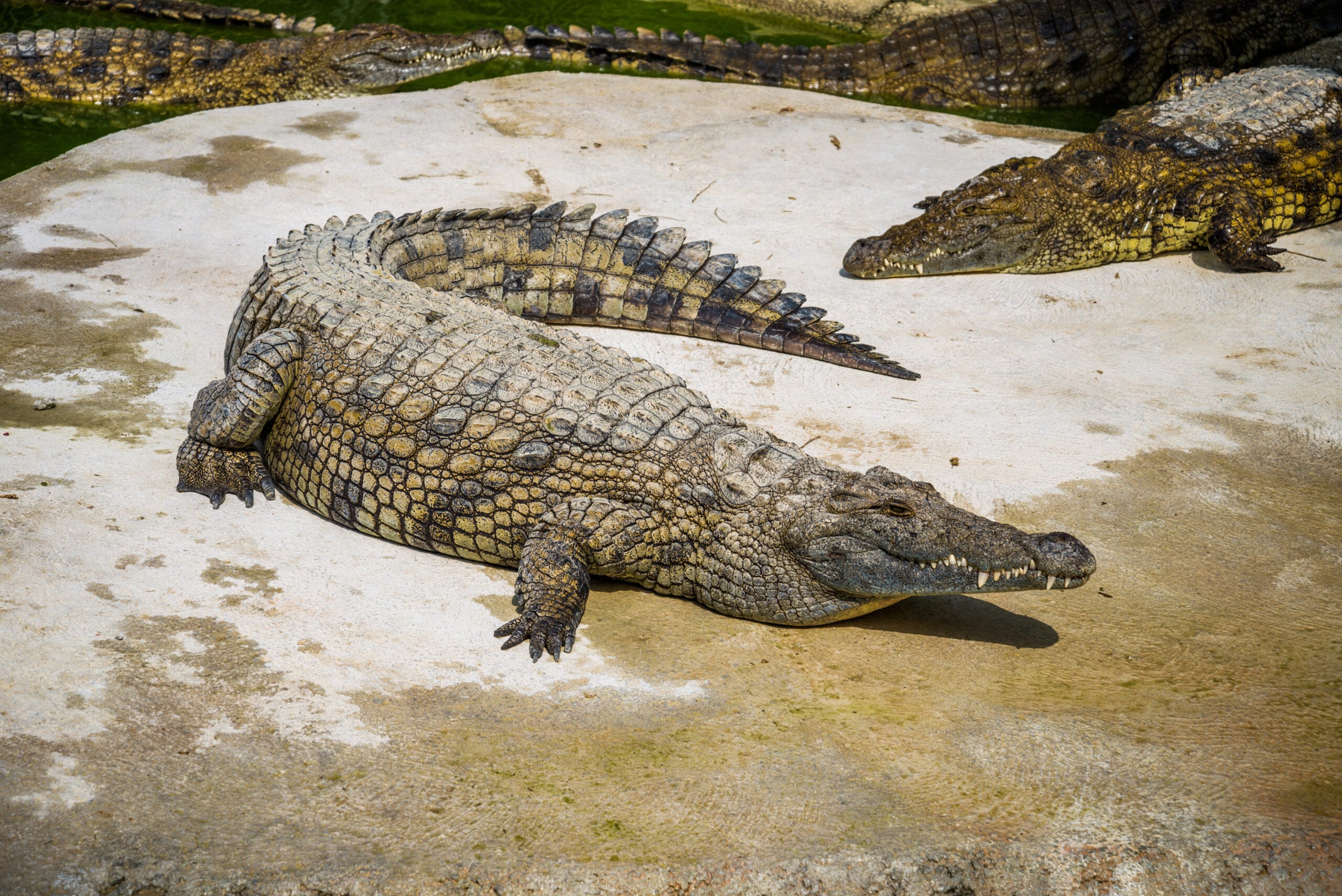
When Cleopatra wanted to make a statement (which was always, considering her position as both pharaoh and living goddess — a job description that practically demanded theatrical flair), she turned to the Nile’s most fearsome predators: sacred crocodiles that weren’t just pets but living representations of the god Sobek. These weren’t your garden-variety reptiles either — they were hand-selected specimens, each one costing what historians estimate to be around $1.8 million in modern currency, though that figure becomes somewhat meaningless when you’re dealing with an economy where the pharaoh essentially owned everything anyway.
The crocodiles lived in specially constructed pools that were more like aquatic palaces, complete with heating systems (because even cold-blooded deities deserved comfort), imported delicacies, and a rotating staff of priests whose sole job was crocodile maintenance. And yet the most expensive part wasn’t the animals themselves — it was the elaborate mummification process that awaited them after death, ensuring their journey to the afterlife was as luxurious as their earthly existence.
King Louis XIV’s Elephant
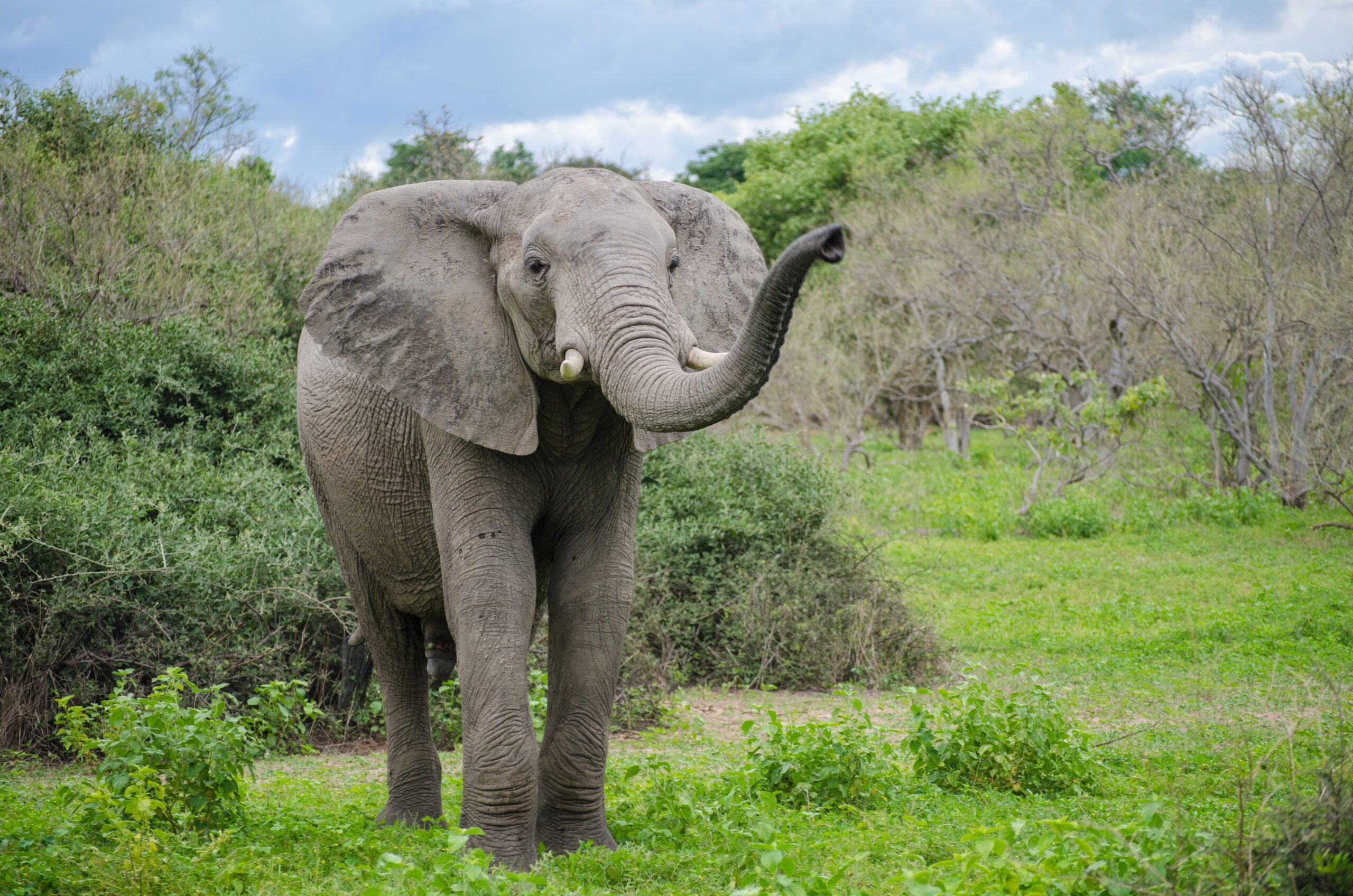
There’s something almost absurd about keeping an elephant at Versailles, like trying to fit an ocean liner into a bathtub. The Sun King didn’t see it that way, of course.
To him, the elephant was just another piece of living architecture in his grand design. The cost ran to nearly $3 million in today’s money, but that was just the beginning.
The elephant required a custom-built stable that was larger than most nobles’ homes. Daily feeding costs alone could have funded a small army. The animal became a curiosity for visiting dignitaries, which was exactly the point — nothing said absolute monarchy quite like casually owning a creature that belonged in a different continent entirely.
Queen Victoria’s Prize Stallions
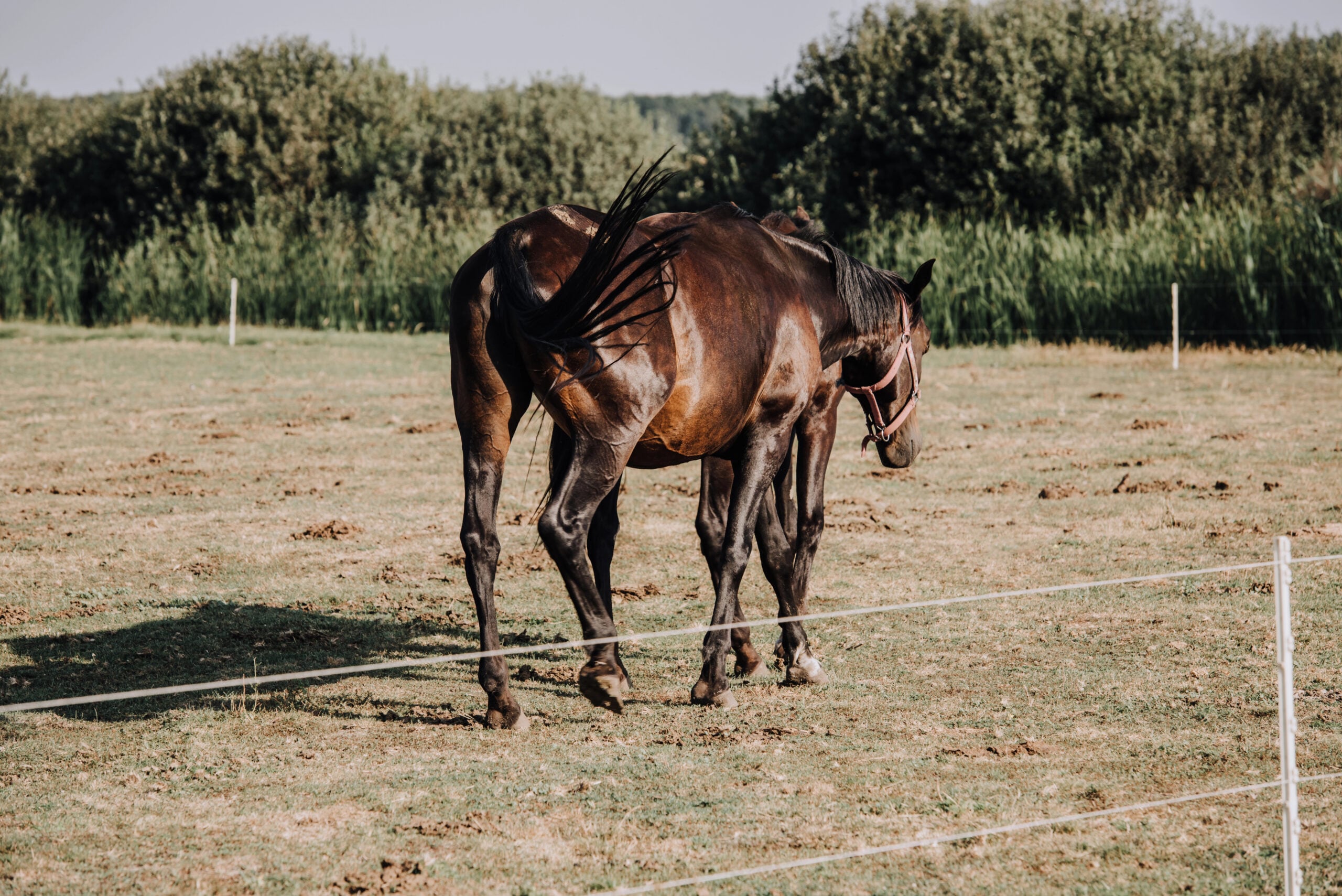
Victoria collected horses the way other people collect stamps, except her stamps cost $1.2 million each and required their own staff. These weren’t just any horses — they were Arabian stallions with bloodlines more carefully documented than most human families.
The queen’s obsession with these animals went beyond mere ownership. Each stallion had its own biographical file, complete with ancestry charts dating back generations.
The horses lived better than most of her subjects, which says something about priorities in the Victorian era. Their stables featured imported marble, hand-carved fixtures, and climate control systems that wouldn’t be out of place in a modern mansion.
Emperor Hirohito’s Koi Collection
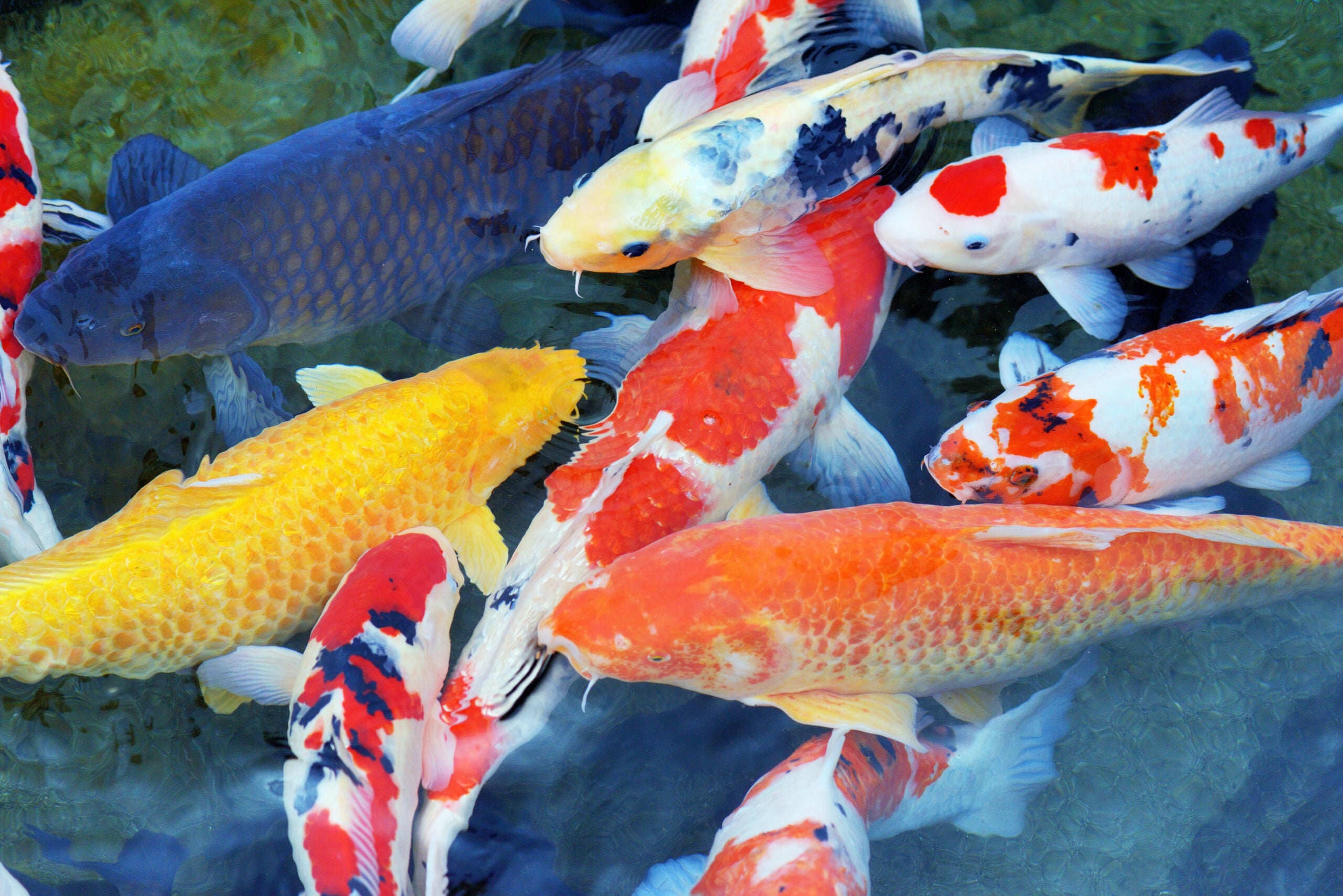
Fish don’t seem particularly exotic until you’re talking about koi that cost more than luxury cars. Emperor Hirohito’s prized specimens weren’t just fish — they were living works of art, each one worth approximately $800,000 in current dollars.
These weren’t the koi you might see in a decorative pond at a restaurant. These were championship-grade fish with perfect coloration, flawless scales, and bloodlines that traced back centuries.
The emperor’s pond was more like an aquatic museum, complete with filtration systems that cost more than most people’s annual salaries and a team of specialists whose entire job was fish psychology.
The Romanov Family’s Siberian Tigers
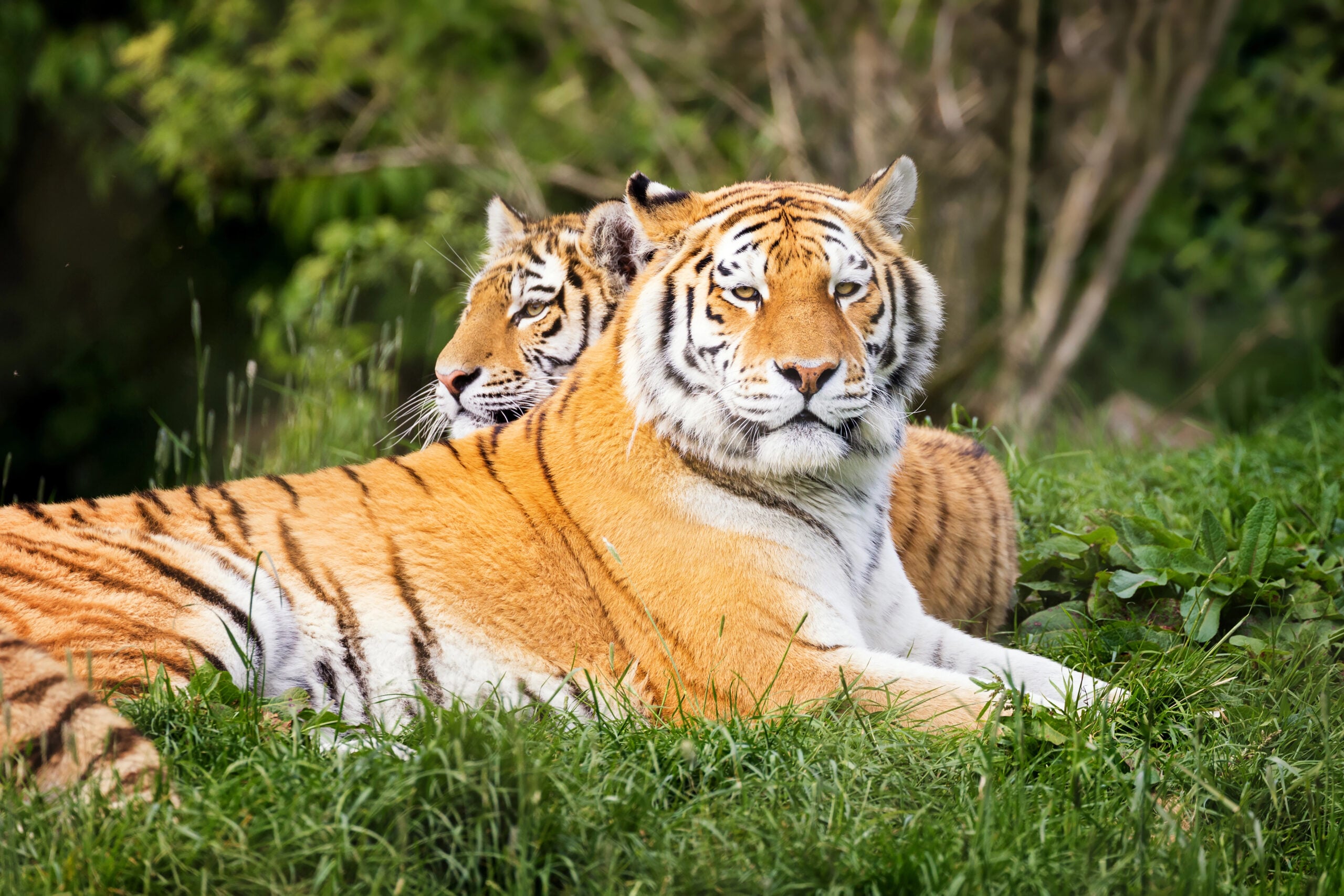
Before their world collapsed in revolution, the Romanovs maintained what was essentially a private zoo that would have made modern wildlife preserves jealous (and the centerpiece of this collection was a pair of Siberian tigers that represented both the ultimate in exotic pet ownership and a somewhat reckless disregard for personal safety, considering these animals were kept on the same grounds where the royal children played daily).
Each tiger cost the equivalent of $2.1 million, but the real expense came in the form of specialized enclosures that had to be both escape-proof and aesthetically pleasing — because even apex predators needed to match the palace’s interior design scheme.
The feeding costs alone were staggering: these cats consumed roughly 20 pounds of prime meat daily, which had to be specially sourced and prepared by a dedicated kitchen staff. But the most expensive part wasn’t the tigers themselves, or even their care — it was the insurance policy the family took out against the possibility of escape, which would have covered damages to neighboring estates and, presumably, the cost of replacing any courtiers who might have been mistaken for dinner.
Shah Jahan’s Peacock Throne Birds
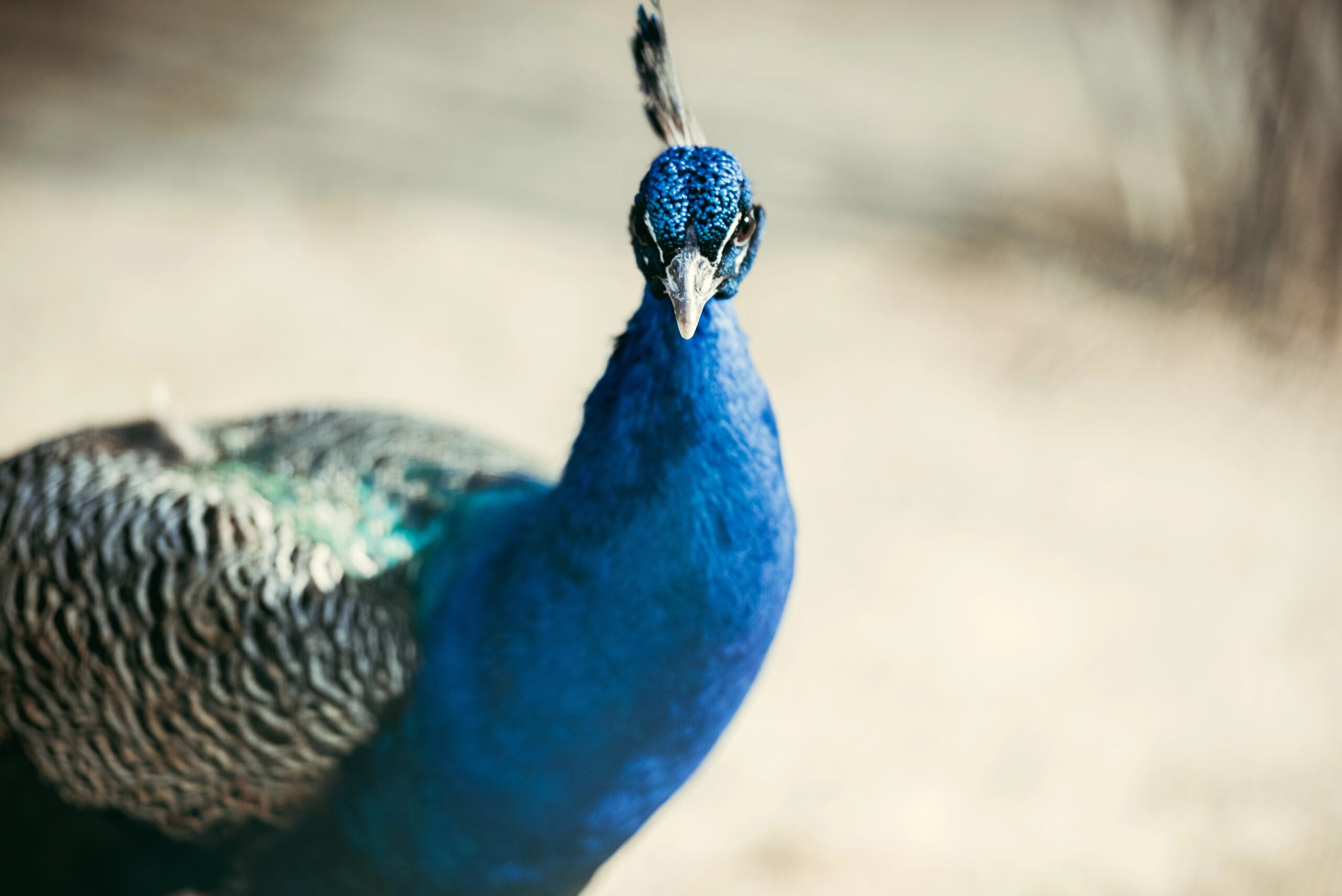
The man who built the Taj Mahal as a tribute to his wife wasn’t about to settle for ordinary pets. Shah Jahan’s collection of rare peafowl included species from across Asia, each one selected for its unique plumage and costing roughly $900,000 in modern currency.
These birds weren’t just decorative — they were living extensions of the Peacock Throne itself, which was already one of the most valuable objects ever created. The peafowl roamed specially designed gardens that were essentially outdoor museums, complete with handlers whose job was to ensure the birds’ feathers remained in perfect condition for royal audiences.
King Henry VIII’s Menagerie
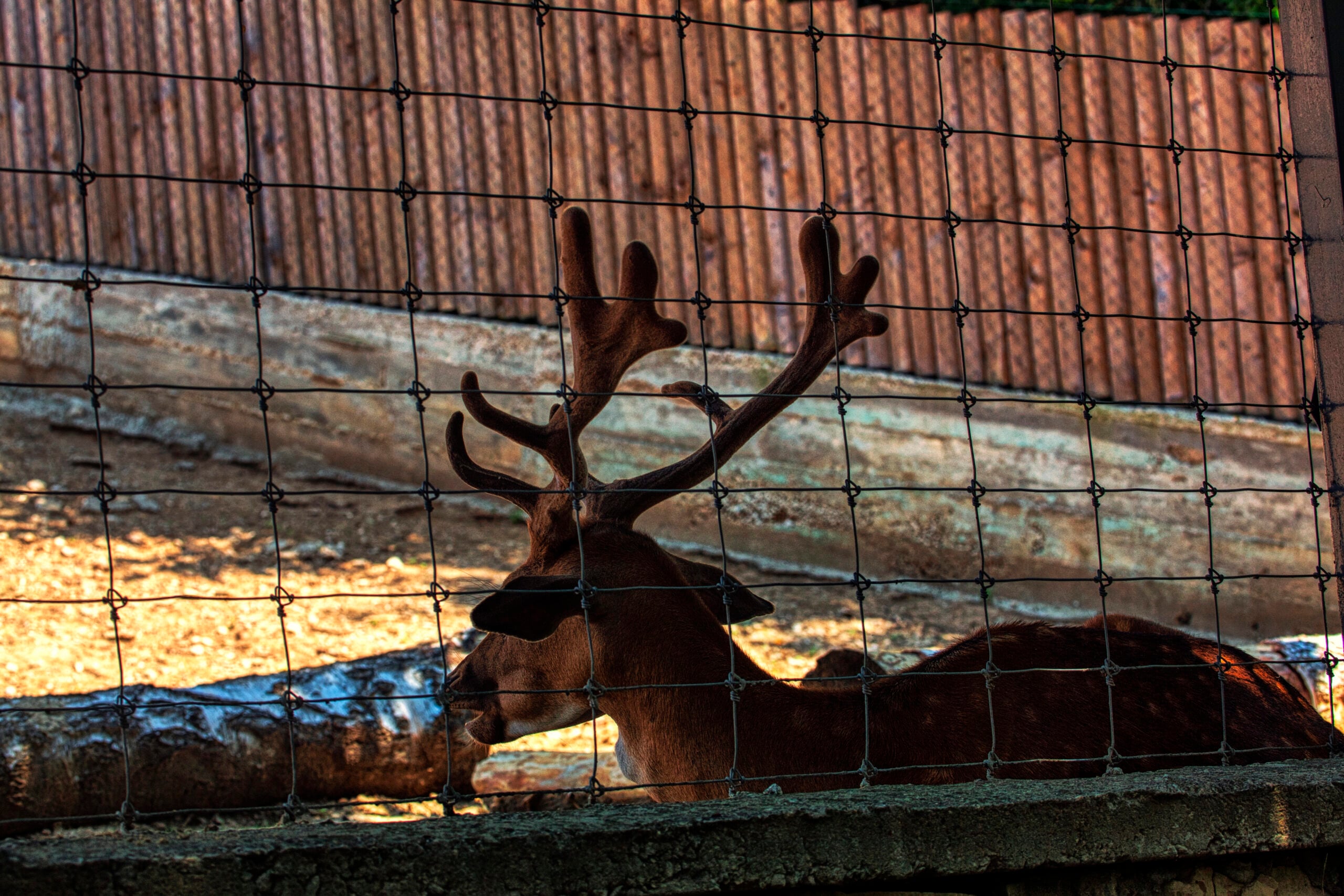
Henry VIII approached exotic pet ownership the same way he approached marriage — with enthusiasm, expense, and a tendency to lose interest when things got complicated. His collection included everything from lions to monkeys, with a combined value of approximately $4.2 million in today’s money.
The king’s menagerie was housed at the Tower of London, which seems appropriate given Henry’s relationship with most living things that entered his orbit. The animals served as both entertainment and political tools — foreign ambassadors were often treated to tours of the royal zoo as a not-so-subtle reminder of English power and wealth.
Persian Shah’s Hunting Cheetahs
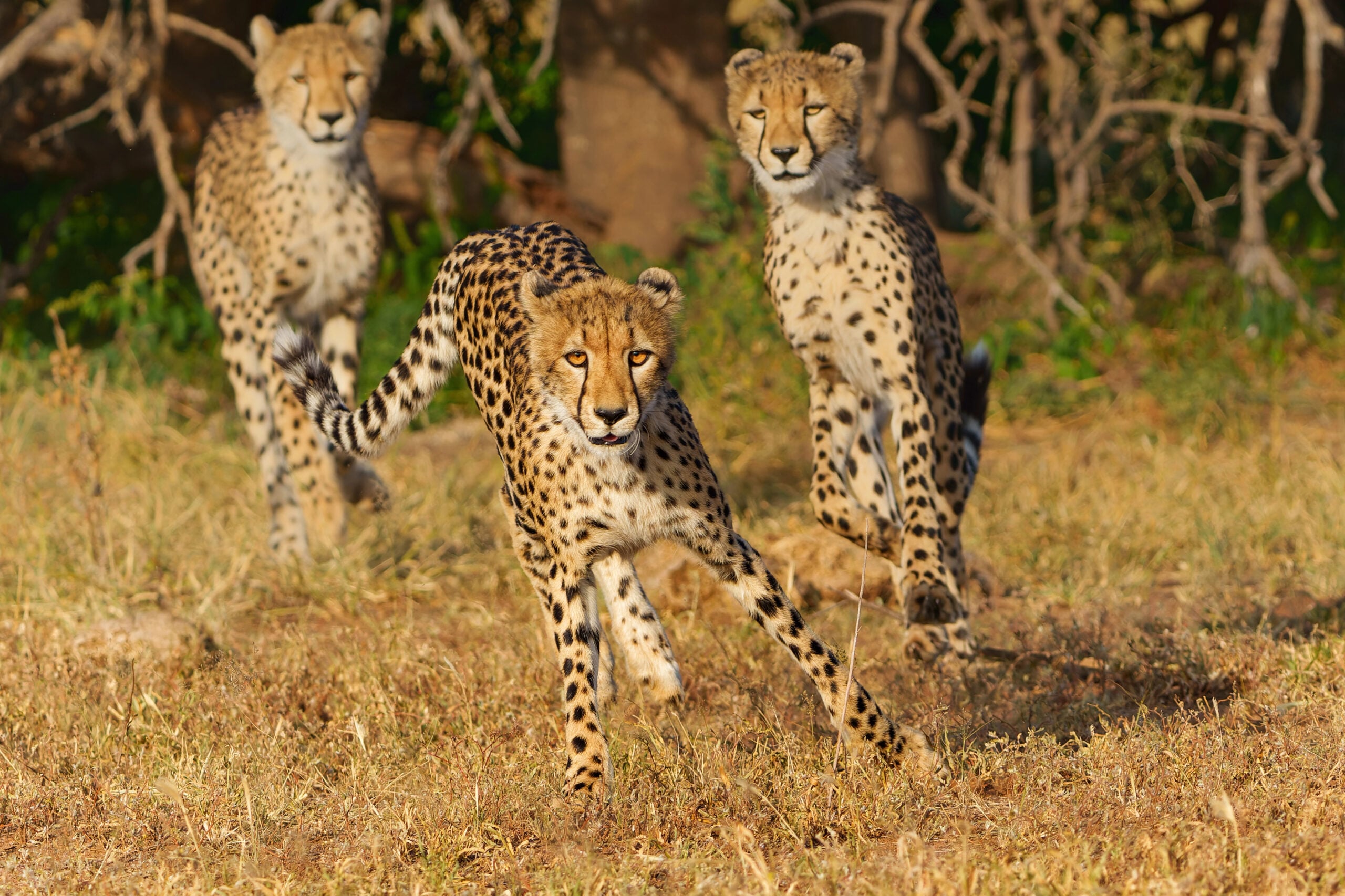
Training a cheetah to hunt alongside humans requires the kind of patience and expertise that doesn’t come cheap. Persian shahs maintained teams of these big cats, each one worth roughly $1.5 million after accounting for capture, training, and upkeep costs.
These weren’t pets in any conventional sense — they were living hunting equipment, bred and trained for the specific purpose of accompanying royal hunting parties. The cheetahs wore jeweled collars and traveled in specialized carriages that were more luxurious than most nobles’ transportation.
Their handlers were among the most highly paid servants in the royal household, which makes sense when your job description includes “prevent the royal hunting cat from eating the royal hunting party.”
Napoleon’s Josephine’s Swans
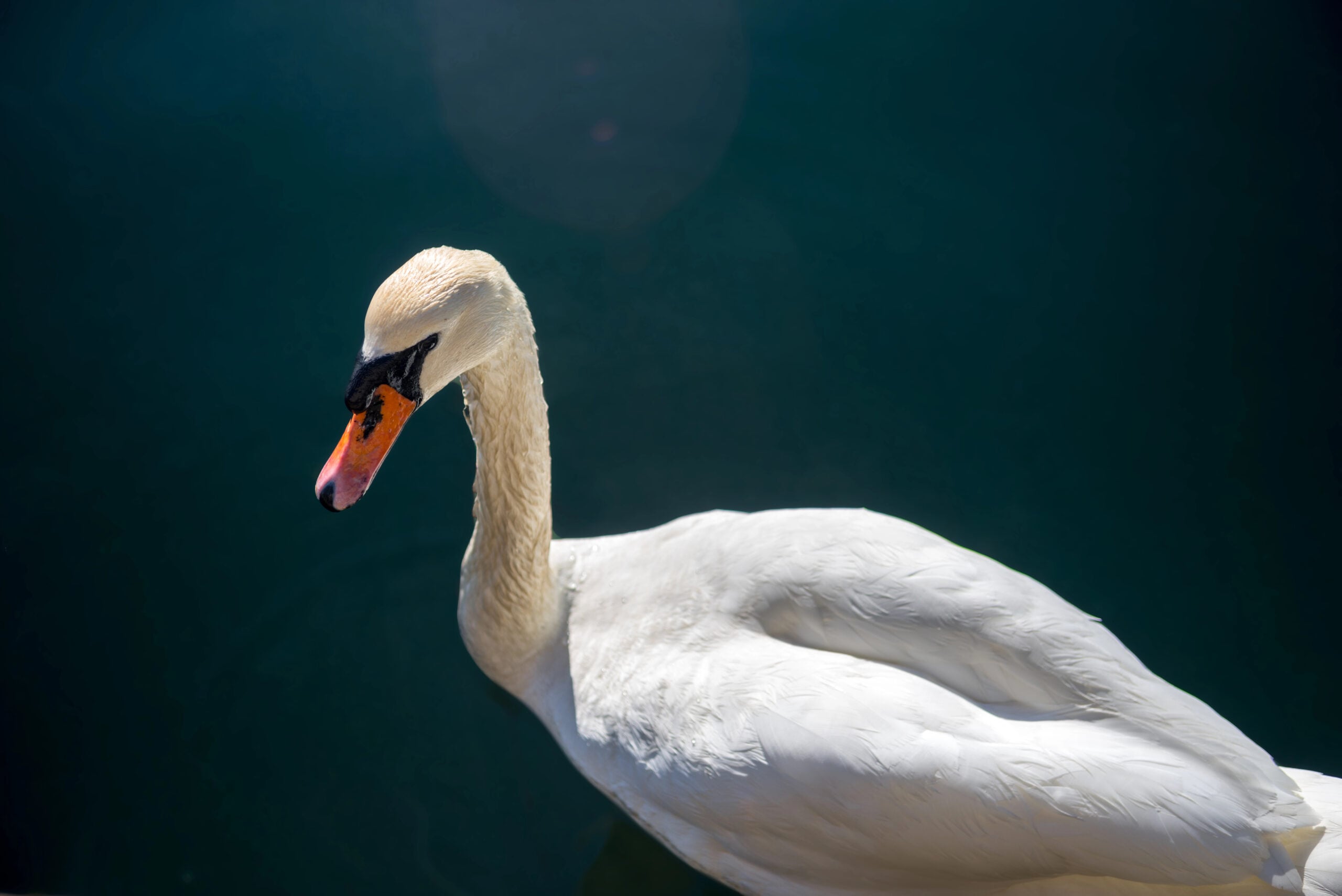
Josephine Bonaparte had a weakness for swans, though calling them a weakness understates the financial commitment involved. Her collection of black swans, imported from Australia at enormous expense, cost the equivalent of $750,000 per bird in modern currency.
The swans lived on specially constructed lakes at Malmaison, complete with heated islands for winter comfort and a staff dedicated entirely to aquatic bird maintenance. Josephine treated these birds as living jewelry — they were beautiful, expensive, and served no practical purpose beyond demonstrating that she could afford to keep them.
Chinese Emperor’s Dragon Tortoises
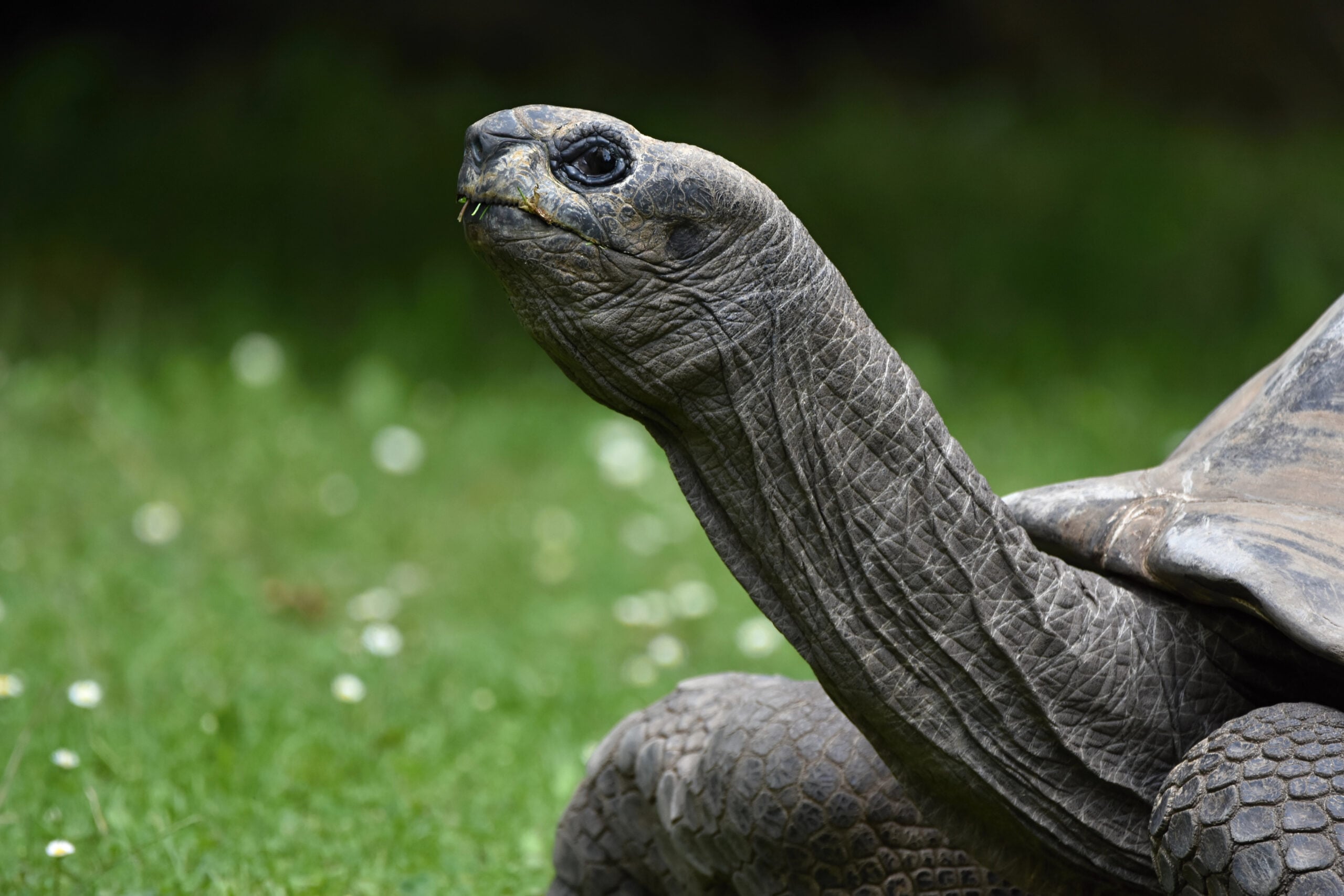
Chinese emperors had a particular fondness for creatures that symbolized longevity and wisdom, which made giant tortoises the perfect imperial pets. These weren’t ordinary tortoises — they were massive specimens that lived for centuries and cost approximately $1.3 million each.
The tortoises resided in elaborate gardens designed specifically around their needs, complete with pools, specialized vegetation, and climate-controlled shelters. Some of these animals outlived multiple emperors, becoming living links between different dynasties and accumulating their own legacies as imperial witnesses.
Russian Czar’s Golden Eagles
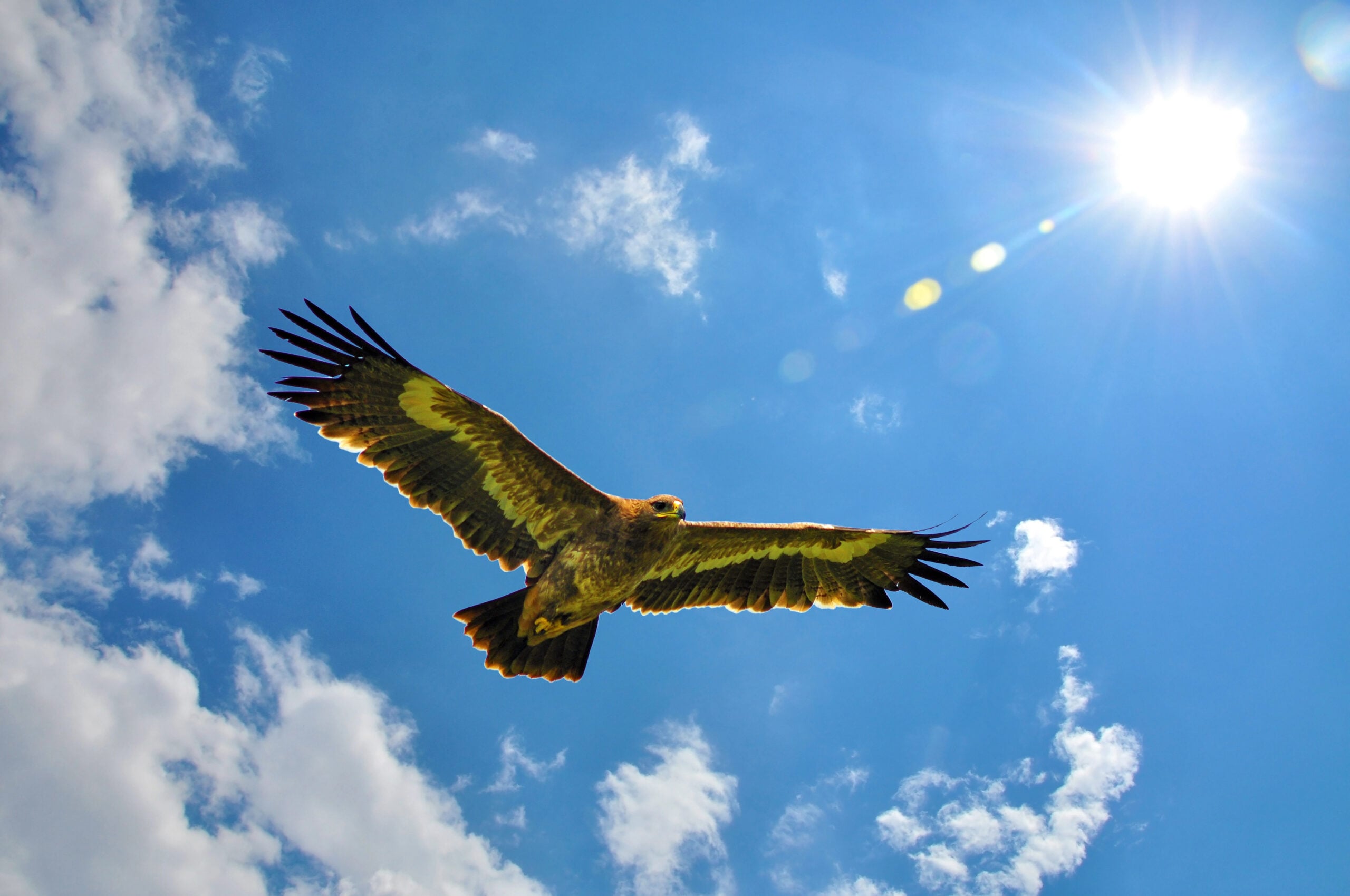
Golden eagles represented the ultimate in both beauty and danger, which made them irresistible to Russian czars who collected them at roughly $950,000 per bird. These weren’t just pets — they were symbols of imperial power that required constant attention from master falconers.
The eagles lived in elaborate aviaries that were more like palaces than cages, complete with perching areas designed to showcase their magnificent wingspan. Each bird had its own handler, its own dietary specialist, and its own medical team.
The cost of maintaining a single eagle for its lifetime often exceeded the purchase price by a factor of ten.
Ottoman Sultan’s Exotic Parrots
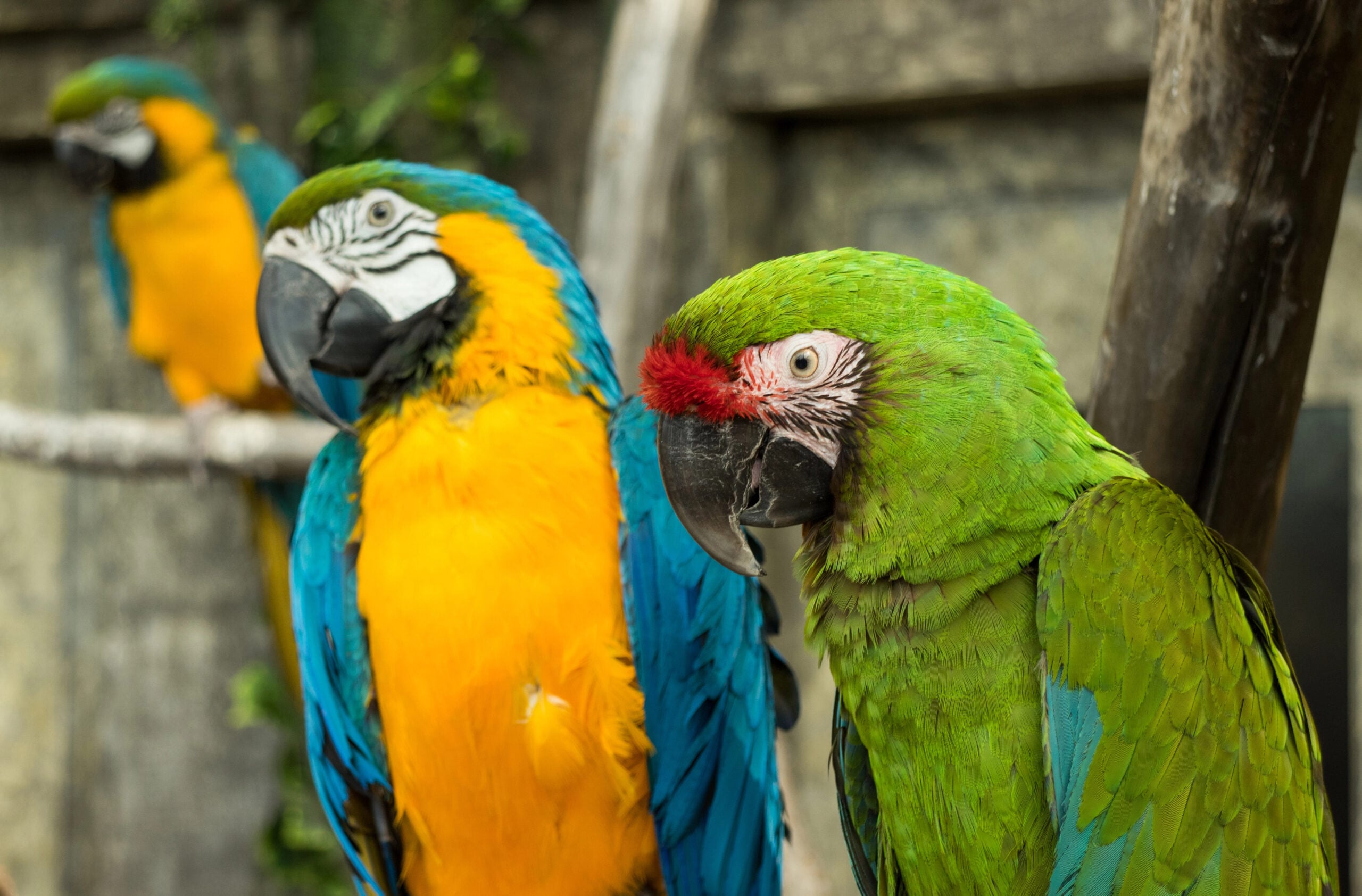
The Ottoman sultans maintained collections of rare parrots that could speak multiple languages, a skill that cost roughly $650,000 per bird to develop. These weren’t just talking pets — they were living entertainment systems trained to recite poetry, deliver messages, and provide commentary during court proceedings.
The parrots lived in elaborate cages that were works of art in themselves, featuring precious metals, gemstones, and intricate designs that reflected Ottoman craftsmanship at its finest. Each bird had a dedicated trainer whose job was to expand its vocabulary and ensure it didn’t learn any inappropriate phrases from the palace staff.
When Money Can’t Buy Happiness
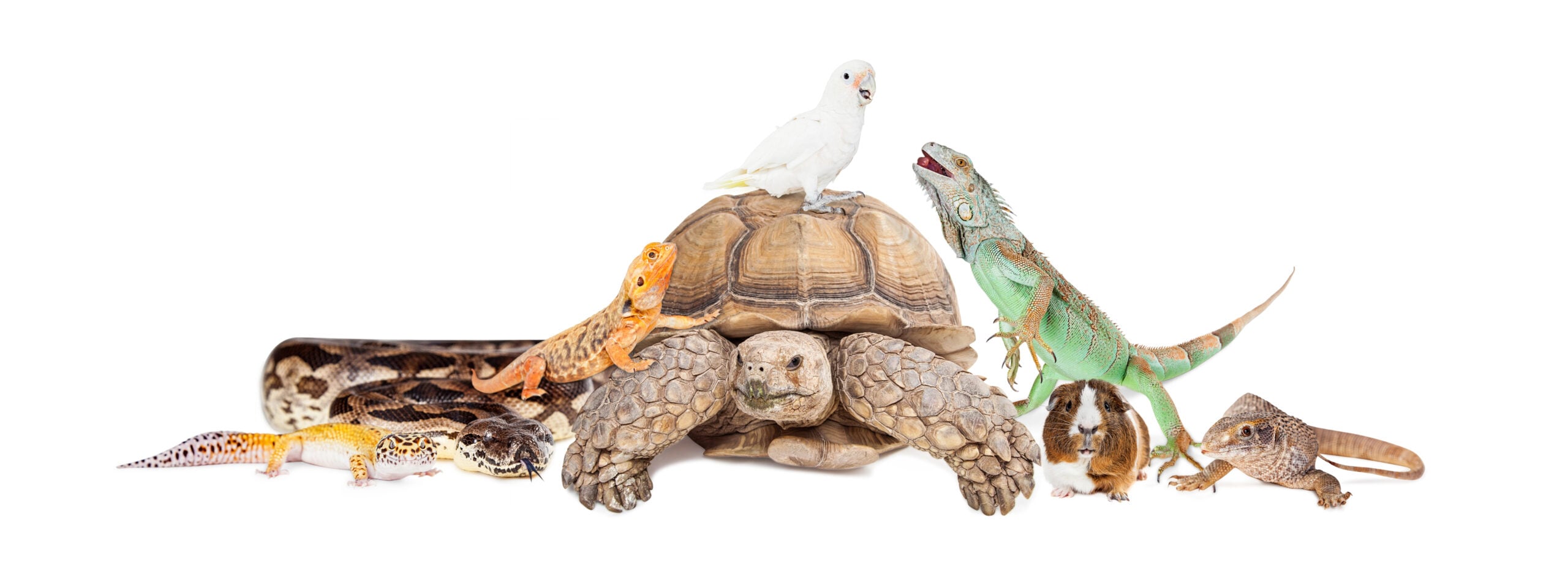
Even unlimited wealth couldn’t guarantee these exotic pets would thrive in captivity. Many of these animals lived shorter lives than their wild counterparts, despite receiving what their owners considered the finest care available.
The real cost wasn’t just financial — it was the price of removing magnificent creatures from their natural habitats to serve as living trophies. These royal pet collections represent a fascinating intersection of wealth, power, and humanity’s eternal desire to possess the untamable.
They remind us that having enough money to buy anything doesn’t necessarily mean you should, especially when “anything” includes some of the world’s most extraordinary wild creatures.
from Go2Tutors!

- The Romanov Crown Jewels and Their Tragic Fate
- 13 Historical Mysteries That Science Still Can’t Solve
- Famous Hoaxes That Fooled the World for Years
- 15 Child Stars with Tragic Adult Lives
- 16 Famous Jewelry Pieces in History
Like Go2Tutors’s content? Follow us on MSN.