16 Unpopular Food Opinions That Completely Divide the Internet
Food brings people together, but it also tears them apart. Everyone has that one culinary hill they’re willing to die on, whether it’s about pineapple on pizza or the proper way to eat a hot dog.
These aren’t the mild preferences that spark friendly debates at dinner parties. These are the food opinions that start flame wars in comment sections and make family members question everything they thought they knew about each other.
Some of these takes will make perfect sense to you. Others will make your eyes twitch.
That’s exactly the point.
Well-Done Steak Is Actually Good
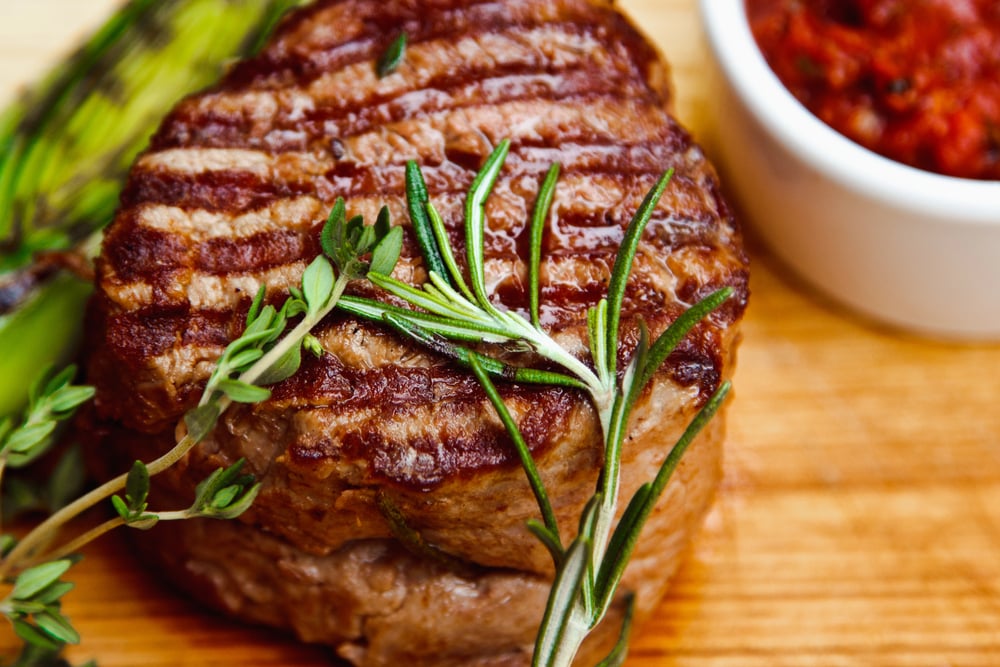
Well-done steak gets no respect. Order it at a nice restaurant and the waiter gives you that look — like you just asked them to microwave a leather boot.
But here’s the thing: some people genuinely prefer the firmer texture and the way all the flavors concentrate when the meat is cooked through. Not everyone wants their dinner bleeding onto the plate.
A properly prepared well-done steak (not charred to death, just cooked completely) has its own appeal that snobs refuse to acknowledge.
Expensive Wine Tastes Exactly Like Cheap Wine
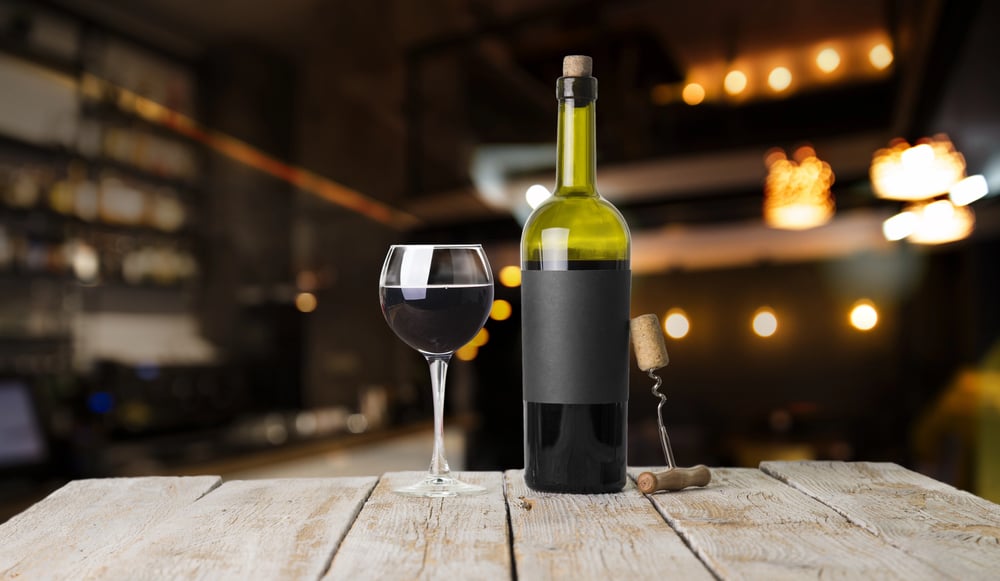
The emperor has no clothes, and that $200 bottle of wine tastes exactly like the $12 one sitting next to it on the shelf. Sure, sommeliers can craft elaborate stories about notes of blackcurrant and hints of oak (whatever that means), but most people drinking it are just tasting… wine.
Red wine tastes like red wine, white wine tastes like white wine, and the price tag doesn’t change that fundamental reality. And before wine enthusiasts start typing furious responses about terroir and vintage years — most of you couldn’t pick your favorite expensive wine out of a blind lineup if your life depended on it, which is saying something about how meaningful those supposed differences really are.
Cereal With Water Instead of Milk
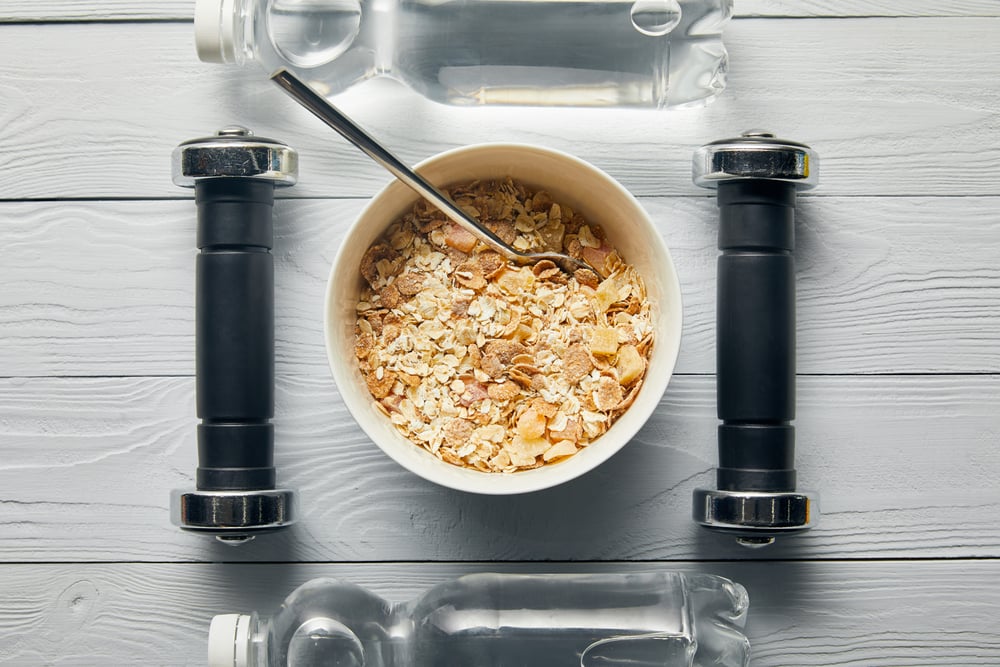
There’s something almost ritualistic about the way people react when they discover someone eats cereal with water instead of milk — like witnessing a small act of rebellion that shouldn’t exist but somehow does. Maybe it started from necessity (no milk in the fridge, but the Cheerios were calling), or maybe it began as curiosity about what breakfast would taste like stripped down to its most essential elements.
The cereal becomes less creamy, more honest somehow. Each individual piece maintains its shape longer, holding its crunch with stubborn determination.
It’s not better or worse than the traditional way — it’s just different in the same way that black coffee is different from coffee with cream. Both serve their purpose, both have their moment, but only one gets you strange looks at the breakfast table.
Ketchup Belongs on Everything
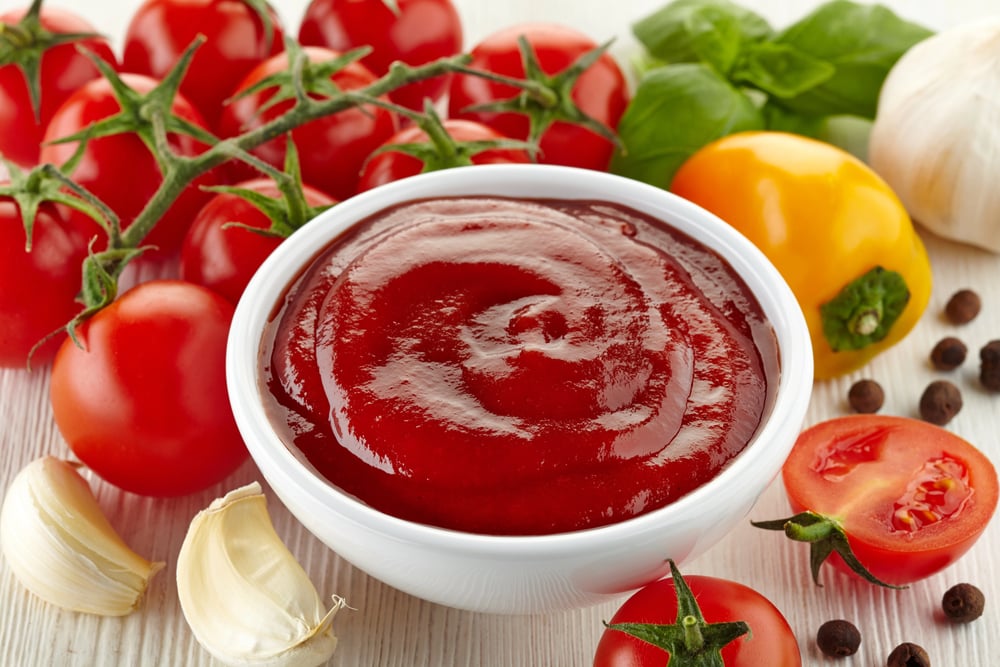
Ketchup is the most versatile condiment ever created, and the food police who shame people for using it are missing the point entirely. Eggs, pasta, rice, steak, fish — if it makes the food taste better to you, then it belongs there.
The idea that certain foods are “too sophisticated” for ketchup is pretentious nonsense from people who have forgotten that eating should be enjoyable, not an exercise in following arbitrary rules. Yes, even on a nice steak.
Especially on a nice steak. The sweet tanginess cuts through the richness in a way that enhances rather than masks the meat.
Anyone who gets genuinely offended by someone else’s condiment choices needs to find more important things to worry about.
Pineapple Pizza Haters Are Wrong
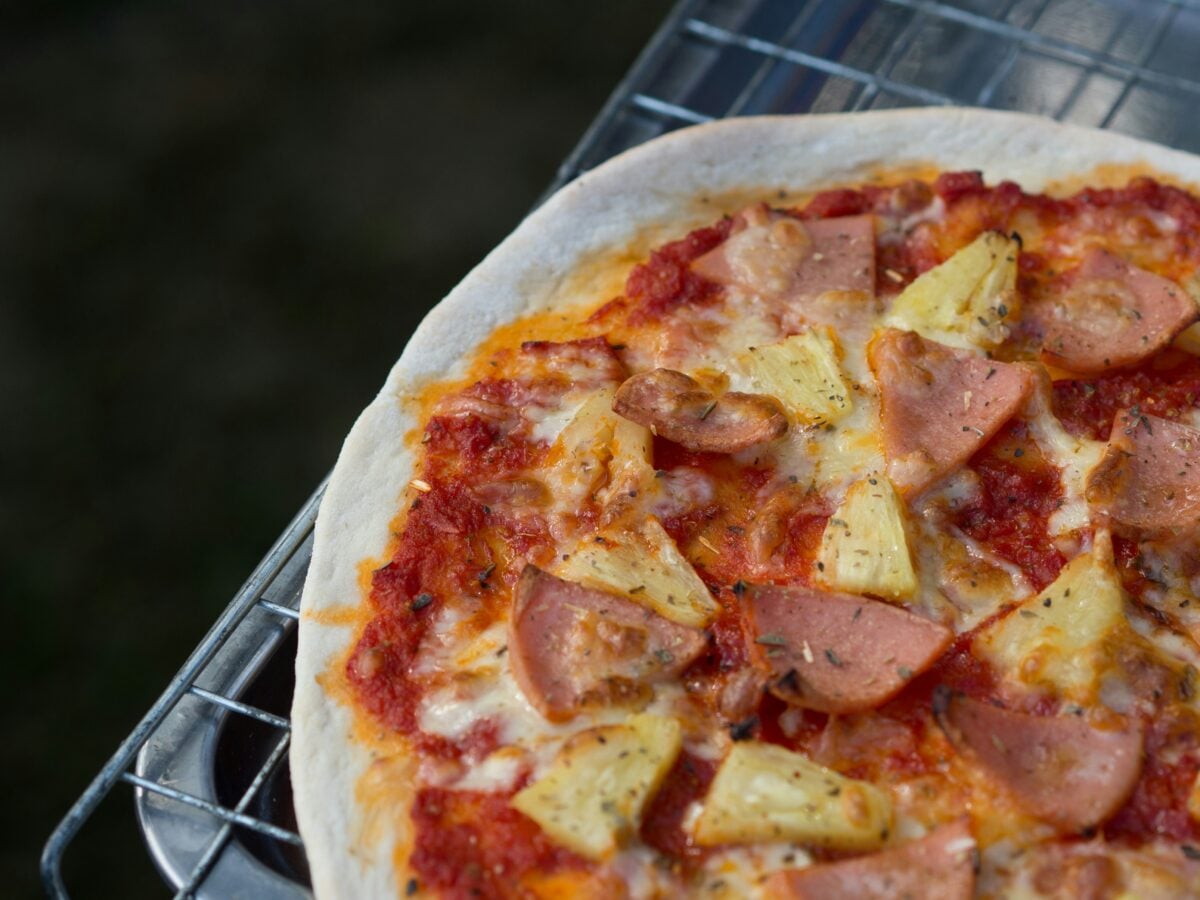
The sweet-and-salty combination on Hawaiian pizza works for the same reason salted caramel became a sensation, or why people dip french fries in milkshakes, or why prosciutto and melon is considered sophisticated at fancy restaurants. The pineapple doesn’t overpower anything — it provides a bright counterpoint to the salty ham and cheese, the way a splash of acid brightens a heavy sauce.
Those who wrinkle their noses at pineapple pizza while happily eating apple-glazed pork chops are operating on pure prejudice rather than logic. And here’s what’s particularly puzzling: the same people who dismiss pineapple pizza as an abomination will order Thai food (pineapple in curry), Mexican food (pineapple on tacos), or Chinese food (sweet and sour anything) without batting an eye.
But somehow, when that same fruit appears on a pizza, it becomes a crime against nature. The outrage is performative, and everyone knows it.
Room Temperature Soda Is Better Than Cold Soda
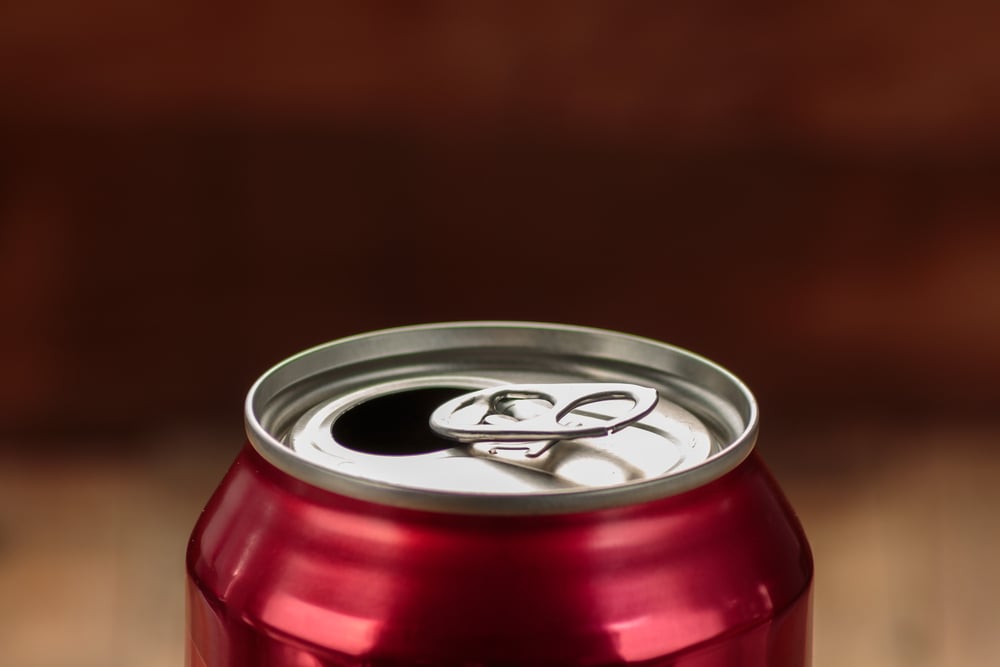
Cold soda numbs your taste buds. Room temperature soda lets you actually taste what you’re drinking.
When soda is ice-cold, the carbonation hits harder and the sweetness gets muted. Everything becomes about the shock of cold and fizz rather than the actual flavors the drink was designed to have.
Let that Coke sit on the counter for an hour and suddenly you can taste the vanilla, the caramel, all the subtle notes that get buried under the cold.
Black Coffee Is Just Hot Bean Water That People Pretend to Like
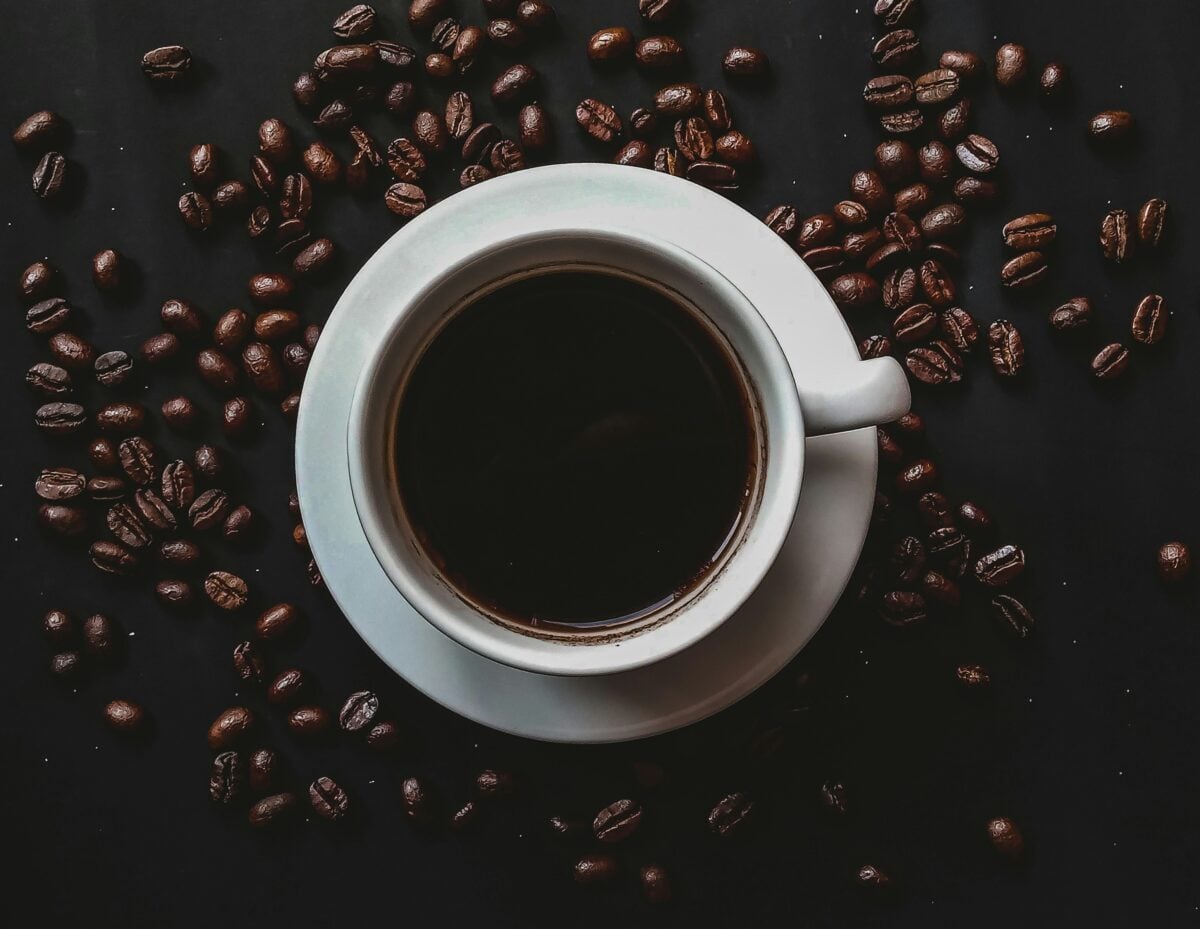
Coffee culture has created this mythology around black coffee that borders on religious devotion — as if adding cream or sugar somehow represents moral weakness or an undeveloped palate that hasn’t yet achieved enlightenment. But strip away all the ceremony and pretense, and black coffee is fundamentally bitter water that most people have trained themselves to tolerate rather than genuinely enjoy.
It’s like an acquired taste that people acquire not because it brings them joy, but because it signals something about their character to others. Watch someone take their first sip of black coffee in the morning: the slight wince, the pause, the way they steel themselves for the second sip.
That’s not the face of someone experiencing pure pleasure. That’s the face of someone getting through something because they feel they should.
And yet these same people will lecture anyone who reaches for the cream about “ruining” the coffee — as if making something taste better somehow corrupts its essential nature.
Milk Goes in the Bowl Before Cereal
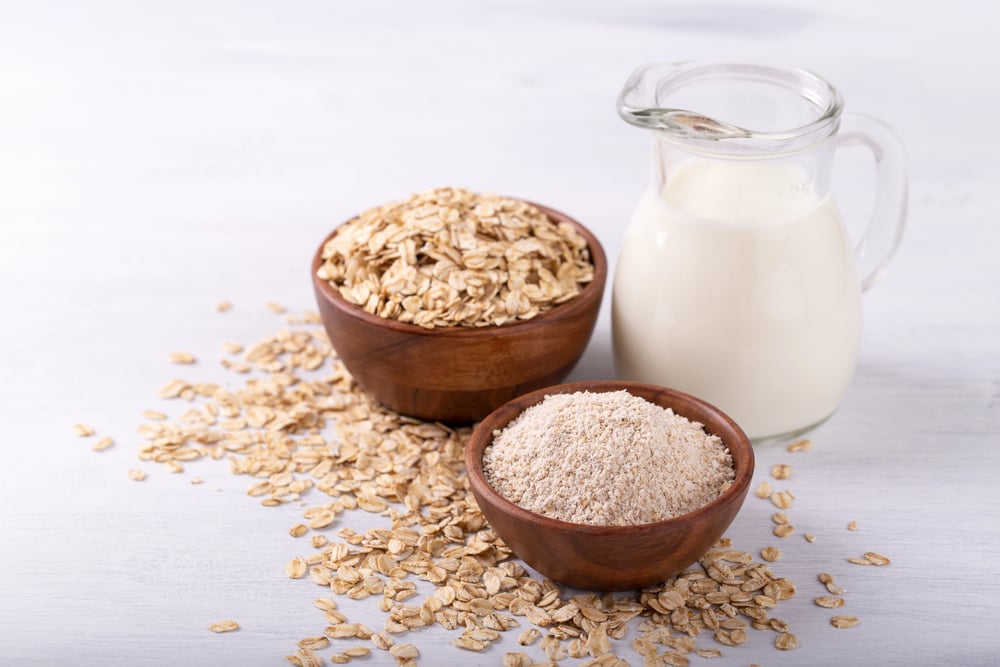
This isn’t about being contrarian. Milk first prevents the cereal from getting soggy too quickly because each piece floats on the surface instead of getting immediately submerged and waterlogged.
When you pour cereal into an empty bowl and then add milk, the bottom layer gets saturated instantly. Milk first means every piece of cereal maintains its texture longer, and you can control exactly how much you’re adding instead of guessing whether you have enough milk for the mountain of Frosted Flakes you just poured.
The splash factor alone makes this method superior — no milk droplets flying across the kitchen counter.
Vegetables Are Overrated and Adults Only Pretend to Like Them
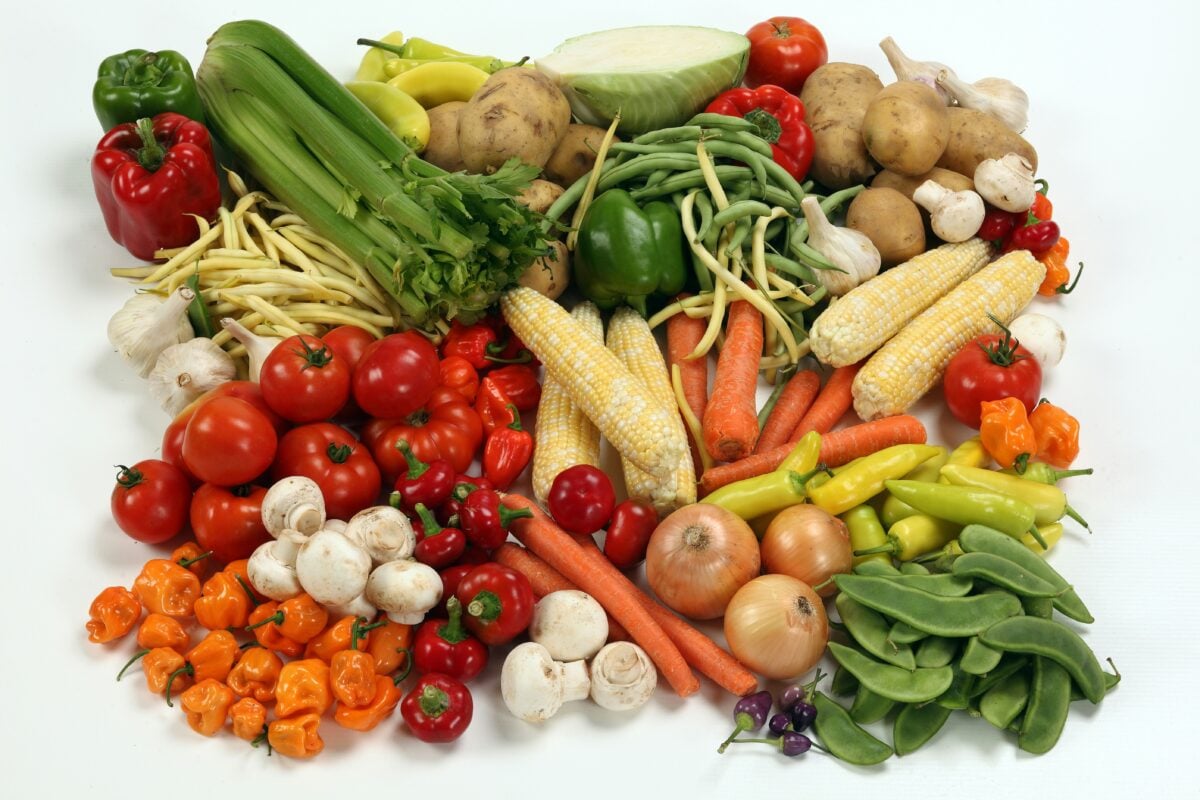
The great vegetable conspiracy runs deeper than most people want to admit, because acknowledging it means admitting that we’ve all been participants in an elaborate performance for most of our adult lives. Somewhere between childhood honesty and grown-up responsibility, people learned to nod appreciatively at plates of Brussels sprouts and claim to “love” kale salads, not because these foods bring them genuine pleasure, but because liking vegetables became a marker of maturity and health consciousness.
Watch adults at a barbecue: they pile their plates high with burgers, ribs, and potato salad, then add a small portion of grilled vegetables that they dutifully eat while their eyes linger on the dessert table. The vegetables get consumed out of obligation, not desire.
Yet these same people will post Instagram photos of their “delicious” quinoa bowls and rainbow salads, as if repeatedly declaring something delicious might eventually make it true. Children’s taste buds aren’t wrong — they’re just honest.
And that honesty didn’t disappear when we turned eighteen. It just got buried under layers of social expectation and nutritional guilt.
Rare Meat Is Gross and Potentially Dangerous
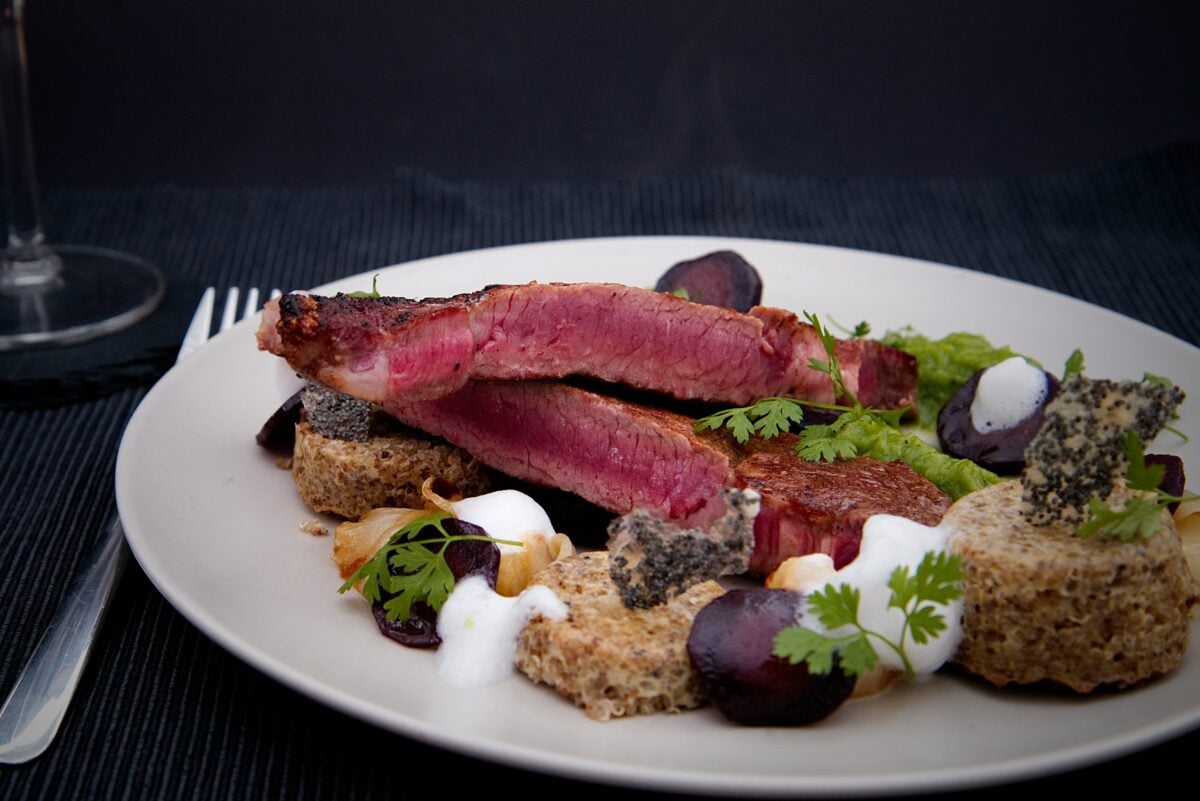
Eating rare meat is basically culinary Russian roulette that people engage in to seem sophisticated. The red juice pooling on the plate isn’t appetizing — it’s a reminder that you’re eating something that was recently walking around.
Proper cooking kills bacteria and parasites that can make you seriously ill. The texture of rare meat is chewy and unpleasant, and the flavor is often masked by heavy seasonings and sauces anyway.
People who insist on rare steaks and judge others for preferring their food fully cooked are prioritizing image over both safety and taste.
Sweet and Savory Combinations Are Weird and Should Stop

The culinary world’s obsession with sweet-and-savory combinations has gone completely off the rails, turning every menu into an experiment that nobody asked for but everyone pretends to appreciate because questioning it makes you seem unsophisticated. Maple bacon donuts, salted caramel everything, chocolate-covered pretzels — these aren’t inspired flavor pairings, they’re confused foods that can’t decide what they want to be.
When you’re eating dinner, your brain expects savory flavors; when you’re having dessert, it expects sweet ones. Combining them creates a kind of cognitive dissonance that leaves you unsatisfied on both fronts.
The worst part is how these combinations have become shorthand for “gourmet” or “artisanal,” as if randomly throwing sweet and salty together represents some kind of culinary breakthrough. But just because you can put honey on fried chicken doesn’t mean you should.
And the fact that restaurants charge premium prices for these Frankenstein creations doesn’t make them any less ridiculous. Some boundaries exist for good reasons, and the line between sweet and savory is one of them.
Hot Dogs Are Actually Sandwiches
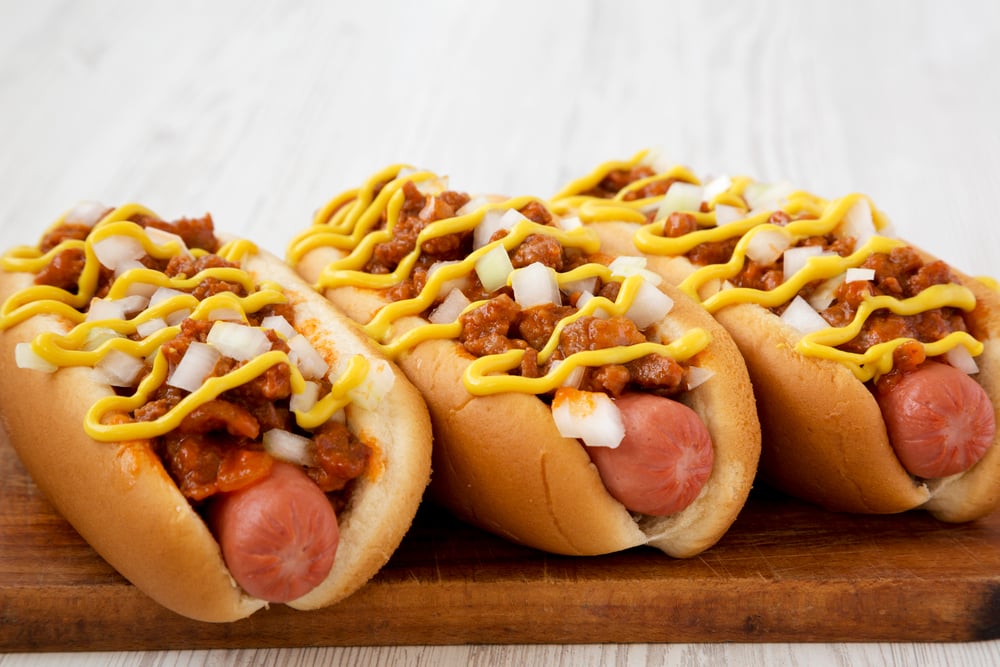
A hot dog is meat between bread. That makes it a sandwich, regardless of what the bread looks like or how it’s configured.
The people who argue that hot dogs exist in their own category are getting hung up on semantics while ignoring the fundamental structure of what they’re eating. The bread serves the same function as sandwich bread — it holds the filling and makes it easier to eat with your hands.
Whether the bread is sliced or split doesn’t change the basic concept.
Fast Food Is Sometimes Better Than Restaurant Food
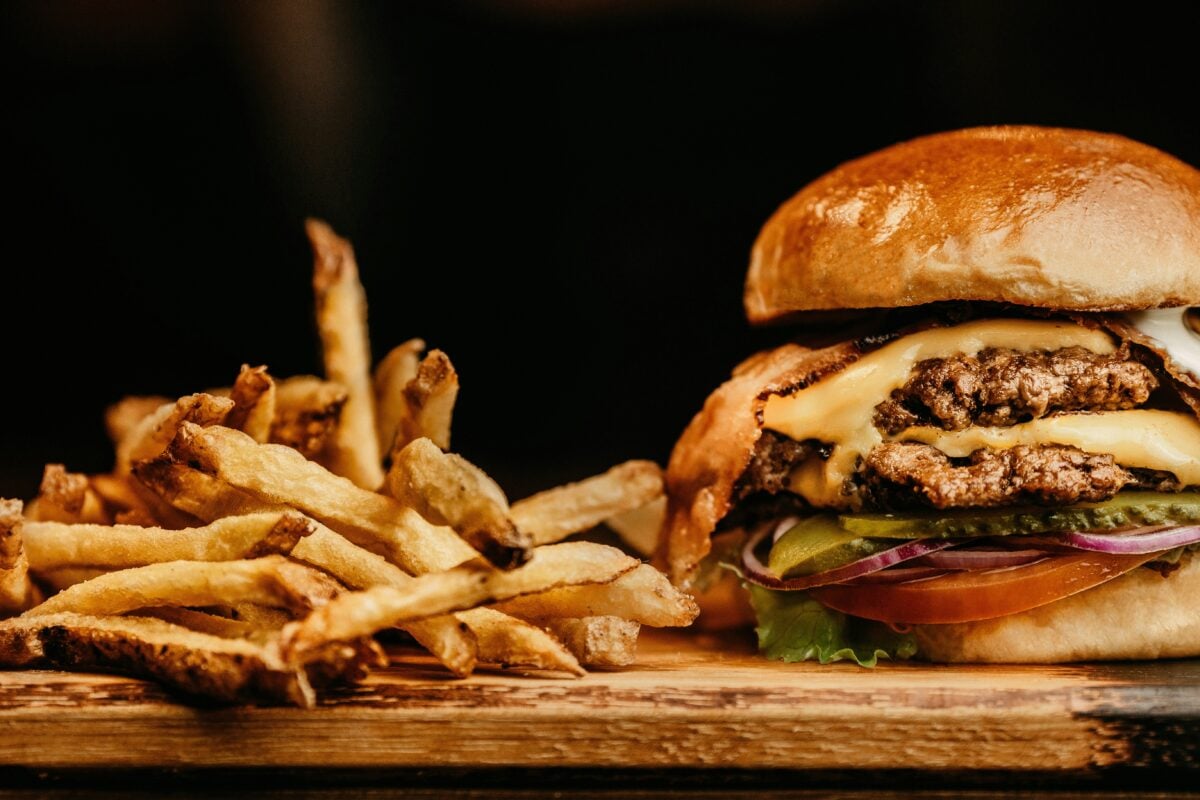
Fast food gets unfairly dismissed by people who think anything cheap must be inferior. Sometimes a McDonald’s burger hits the spot in a way that a $20 “gourmet” burger with seventeen unnecessary toppings simply can’t match.
Fast food restaurants have perfected their recipes through millions of iterations and customer feedback. They know exactly how much salt, fat, and sugar creates maximum satisfaction.
Meanwhile, fancy restaurants often prioritize creativity over taste, serving dishes that look impressive on Instagram but leave you wanting something more straightforward and satisfying. There’s a reason fast food chains have survived for decades while trendy restaurants come and go.
Sushi Is Just Raw Fish That People Eat to Feel Cultured
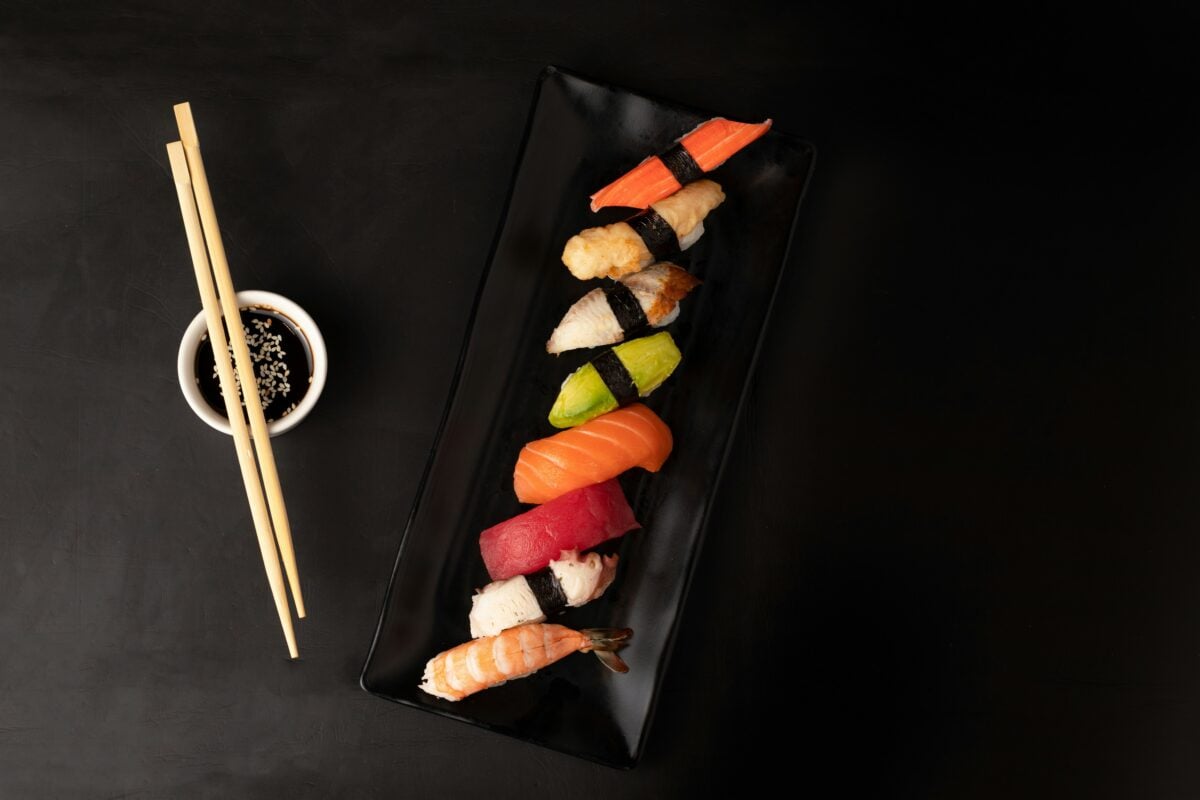
The reverence surrounding sushi culture has created an emperor’s new clothes situation where people convince themselves they’re experiencing something transcendent while eating what is fundamentally just raw fish and rice. The elaborate rituals, the specialized terminology, the hushed tones when discussing the “art” of sushi — it’s all designed to make people feel sophisticated for consuming something that most cultures throughout history would have considered either desperate or dangerous.
And before anyone starts lecturing about the skill involved in sushi preparation: yes, knife work requires practice, but so does slicing deli meat, and nobody treats the guy behind the Subway counter like a culinary artist. The most telling thing about sushi culture is how much of it depends on external validation.
People don’t eat sushi alone at home because they’re craving it — they eat it at restaurants where others can witness their worldliness. Strip away the ceremony and the social signaling, and you’re left with expensive raw ingredients that most people’s taste buds would reject if they encountered them without all the cultural programming.
Breakfast Foods Are Good at Any Time of Day
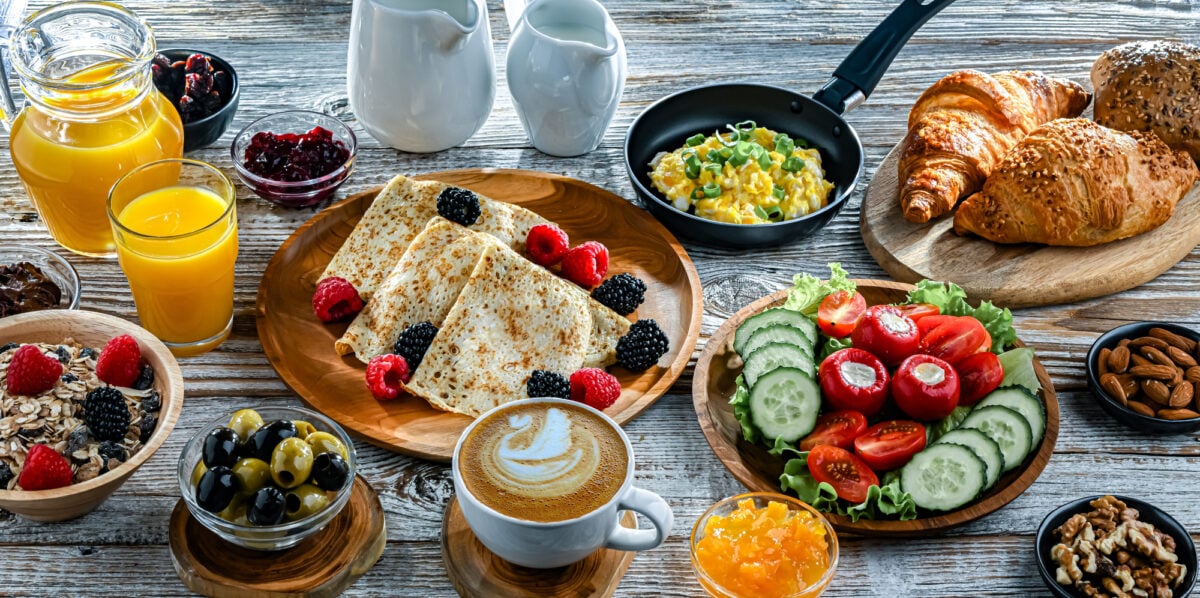
The arbitrary rules about when certain foods are “appropriate” to eat make no sense. Pancakes taste the same at 8 AM and 8 PM.
Eggs provide the same protein whether you eat them for breakfast or dinner. These breakfast boundaries are purely cultural constructs that limit our enjoyment of food for no good reason.
If you want cereal for dinner or pizza for breakfast, the food police can mind their own business. Your stomach doesn’t have a clock, and neither should your menu choices.
Fancy Food Is Usually Just Regular Food With Pretentious Names
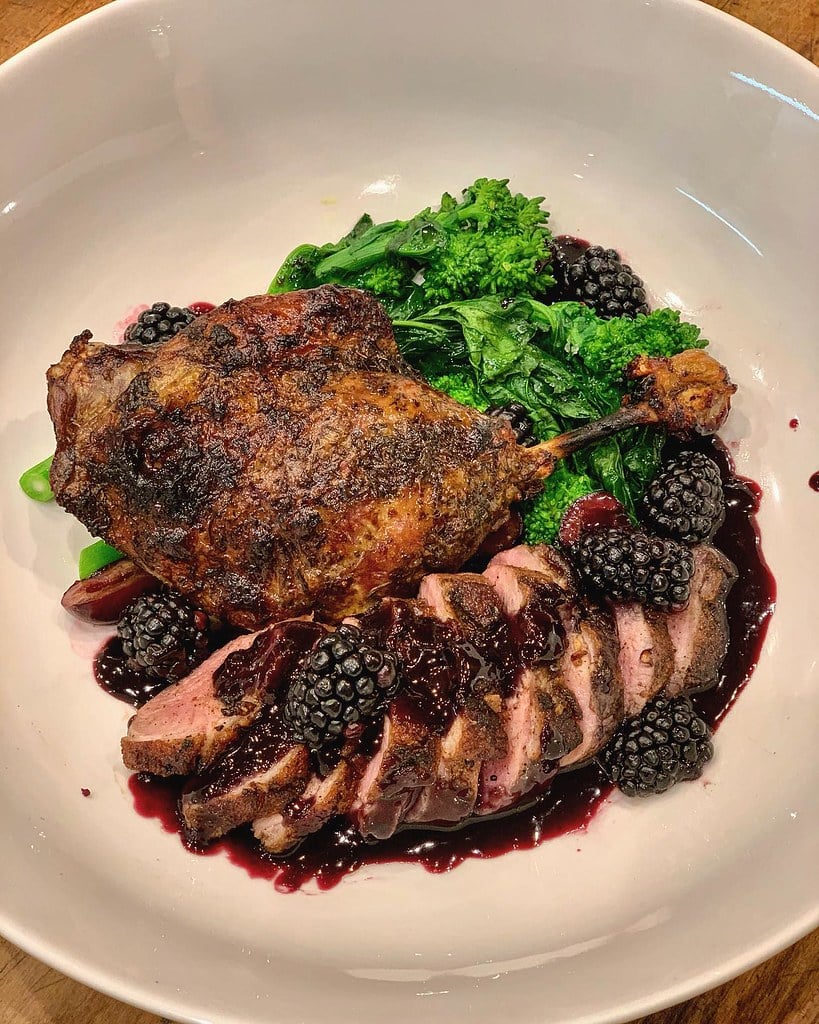
Take any upscale restaurant menu and translate the descriptions into plain English. “Pan-seared duck breast with cherry gastrique” becomes “cooked duck with sweet sauce.”
“Deconstructed apple tart with vanilla bean chantilly” is just “apple pie ingredients served separately with whipped cream.” The fancy language and elaborate presentation don’t fundamentally change what you’re eating — they just change what you’re paying for it.
A $30 pasta dish at a trendy restaurant often tastes remarkably similar to the $8 version at the Italian place down the street, minus the flowery menu descriptions and mood lighting.
The Final Verdict on Food Fights

These food opinions persist because they touch something deeper than taste preferences — they reveal how we use food to signal identity, sophistication, and belonging. The internet amplifies these debates because food choices feel personal in a way that other preferences don’t.
Everyone eats, so everyone has opinions, and those opinions often carry more weight than they probably should. Maybe the real unpopular opinion is that none of these food fights matter as much as we pretend they do.
Eat what you enjoy, let others do the same, and save the outrage for things that actually affect the world beyond your dinner plate.
More from Go2Tutors!

- The Romanov Crown Jewels and Their Tragic Fate
- 13 Historical Mysteries That Science Still Can’t Solve
- Famous Hoaxes That Fooled the World for Years
- 15 Child Stars with Tragic Adult Lives
- 16 Famous Jewelry Pieces in History
Like Go2Tutors’s content? Follow us on MSN.