Forbidden Zones Around The Globe You Cannot Enter
Some places on Earth weren’t meant for visitors. While most of us can book a flight to nearly anywhere, certain locations remain stubbornly off-limits — protected by governments, geography, or sheer danger.
These forbidden zones exist for reasons ranging from national security to environmental protection, and attempting to enter them can result in anything from hefty fines to imprisonment, or worse.
Area 51, Nevada
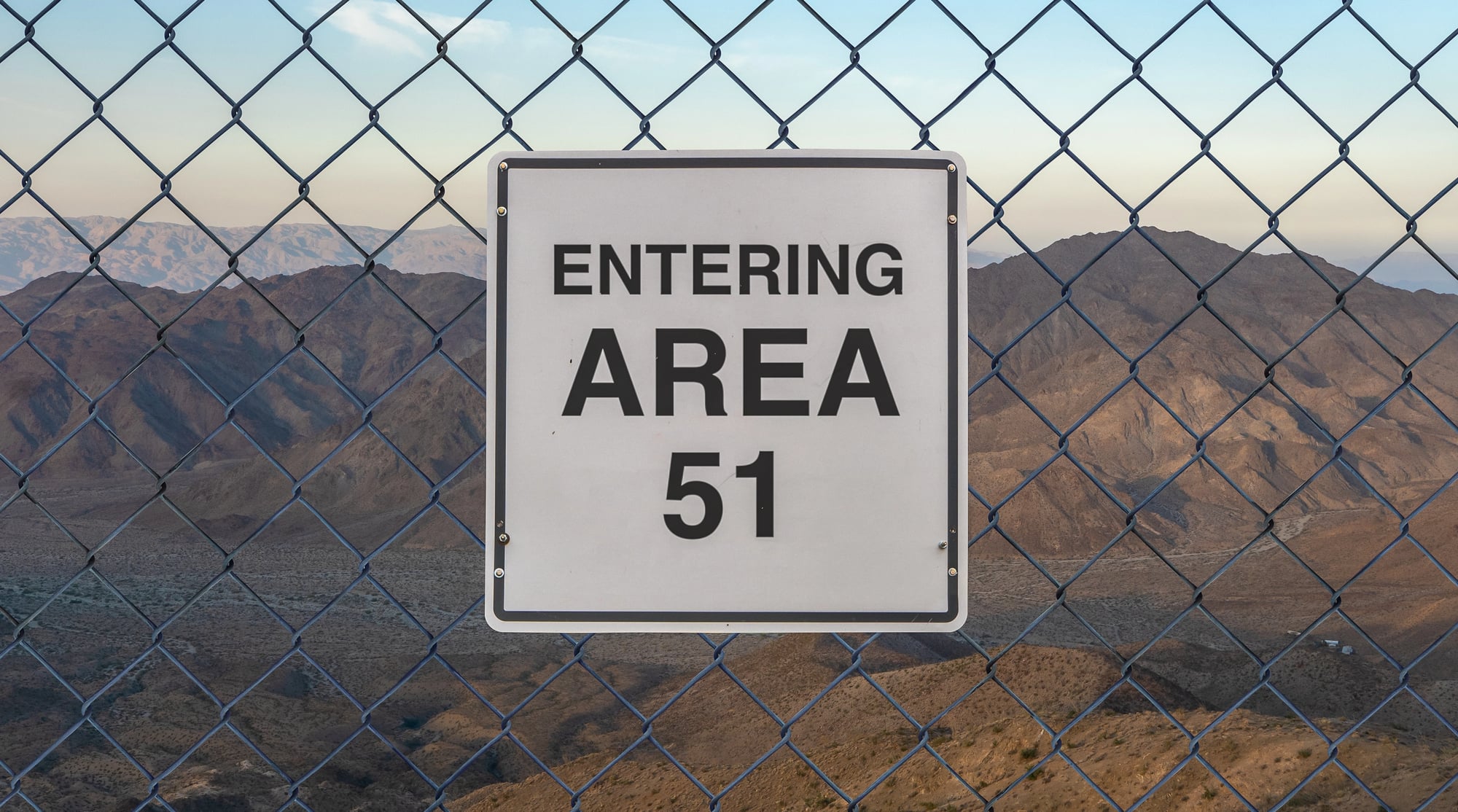
The most famous restricted zone needs no introduction. Area 51 sits in the Nevada desert, surrounded by warning signs and armed guards who take their job seriously.
The facility officially doesn’t exist, which makes it even more intriguing. What happens there remains classified, but the government’s aggressive protection of the area only fuels more speculation.
Trespassers face arrest, hefty fines, and a permanent record that follows them forever.
North Sentinel Island, India
The Sentinelese people have made their position clear: outsiders are not welcome. This small island in the Bay of Bengal is home to one of the last uncontacted tribes on Earth, and they’ve violently resisted outside contact for centuries.
India’s government has declared the island off-limits to protect both the tribe and potential visitors. The Sentinelese have no immunity to common diseases, meaning even a friendly visit could wipe them out entirely.
Several people have tried to visit anyway — most recently a missionary in 2018 — and the results have been predictably tragic.
Poveglia Island, Italy
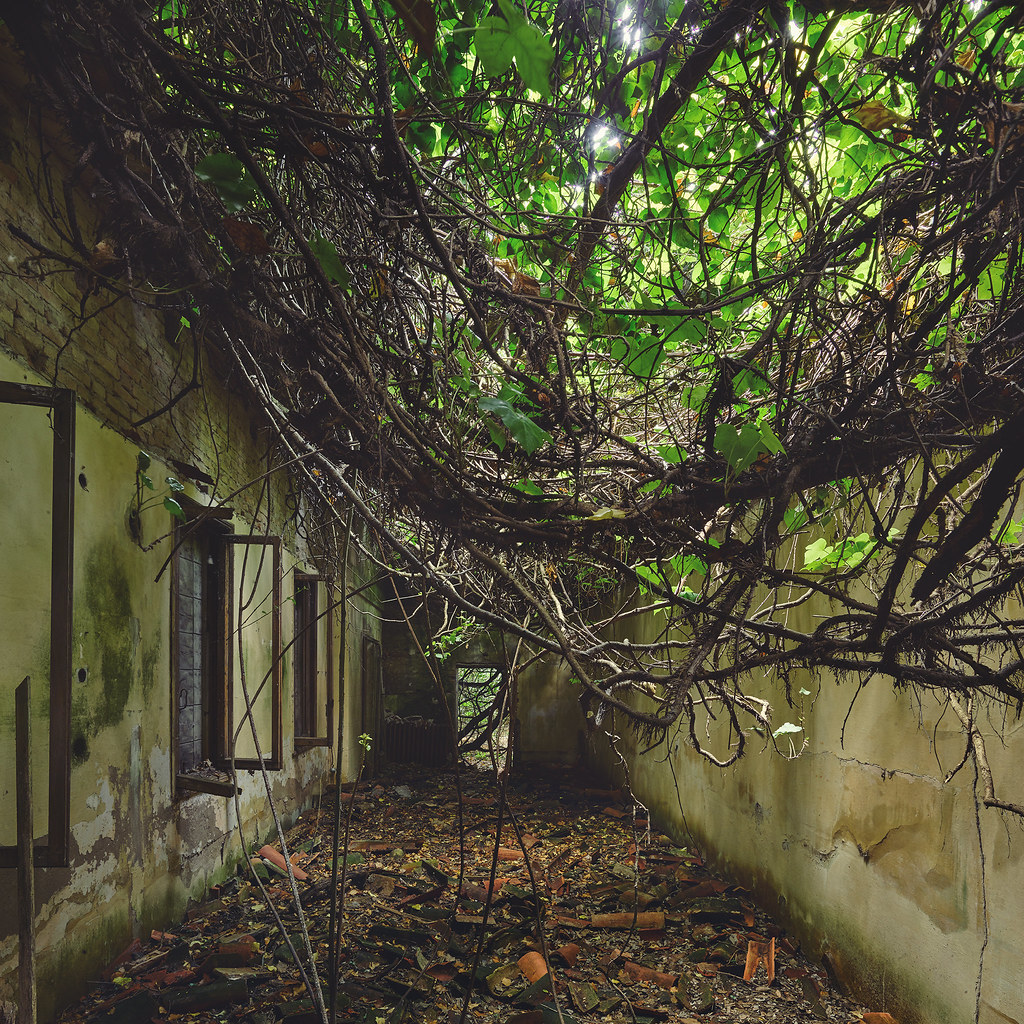
Think of Poveglia as Venice’s nightmare cousin — a place where the city’s darkest chapters played out away from tourist eyes (because who wants to vacation next to a former plague quarantine station where over 160,000 people died).
The small island served as a dumping ground for plague victims during multiple outbreaks, then later housed a mental hospital where, according to local accounts, disturbing experiments took place.
And yet, despite its grim history — or perhaps because of it — people keep trying to visit.
The Italian government maintains strict restrictions on access. So does common sense.
Joint Base Lewis-McChord, Washington
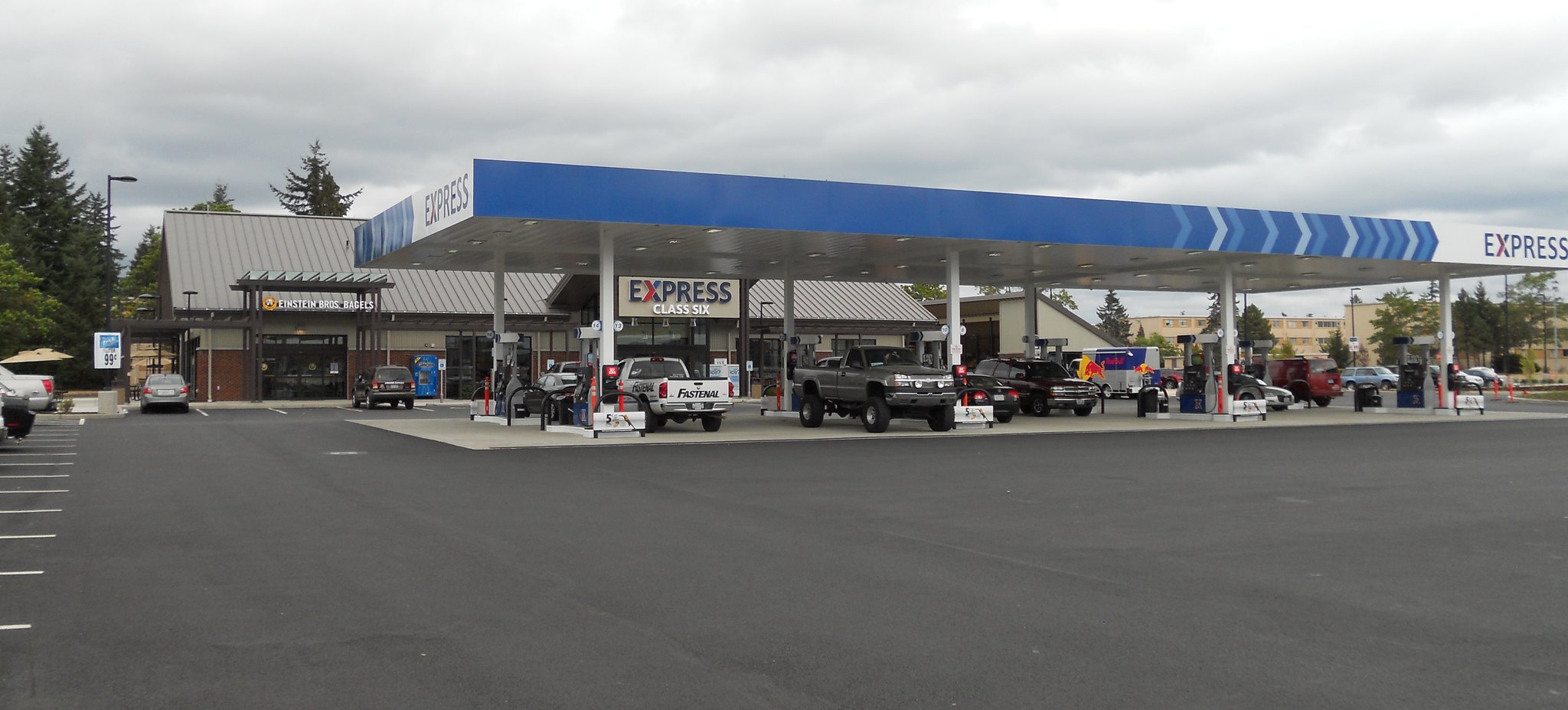
Military bases aren’t tourist destinations for obvious reasons. This particular installation houses sensitive operations and training facilities that the public has no business seeing.
Security here is thorough and unforgiving. The base protects classified information and military personnel, which means trespassing isn’t just illegal — it’s potentially treasonous.
Curious civilians who wander too close find themselves facing federal charges that can destroy their lives permanently.
Snake Island, Brazil
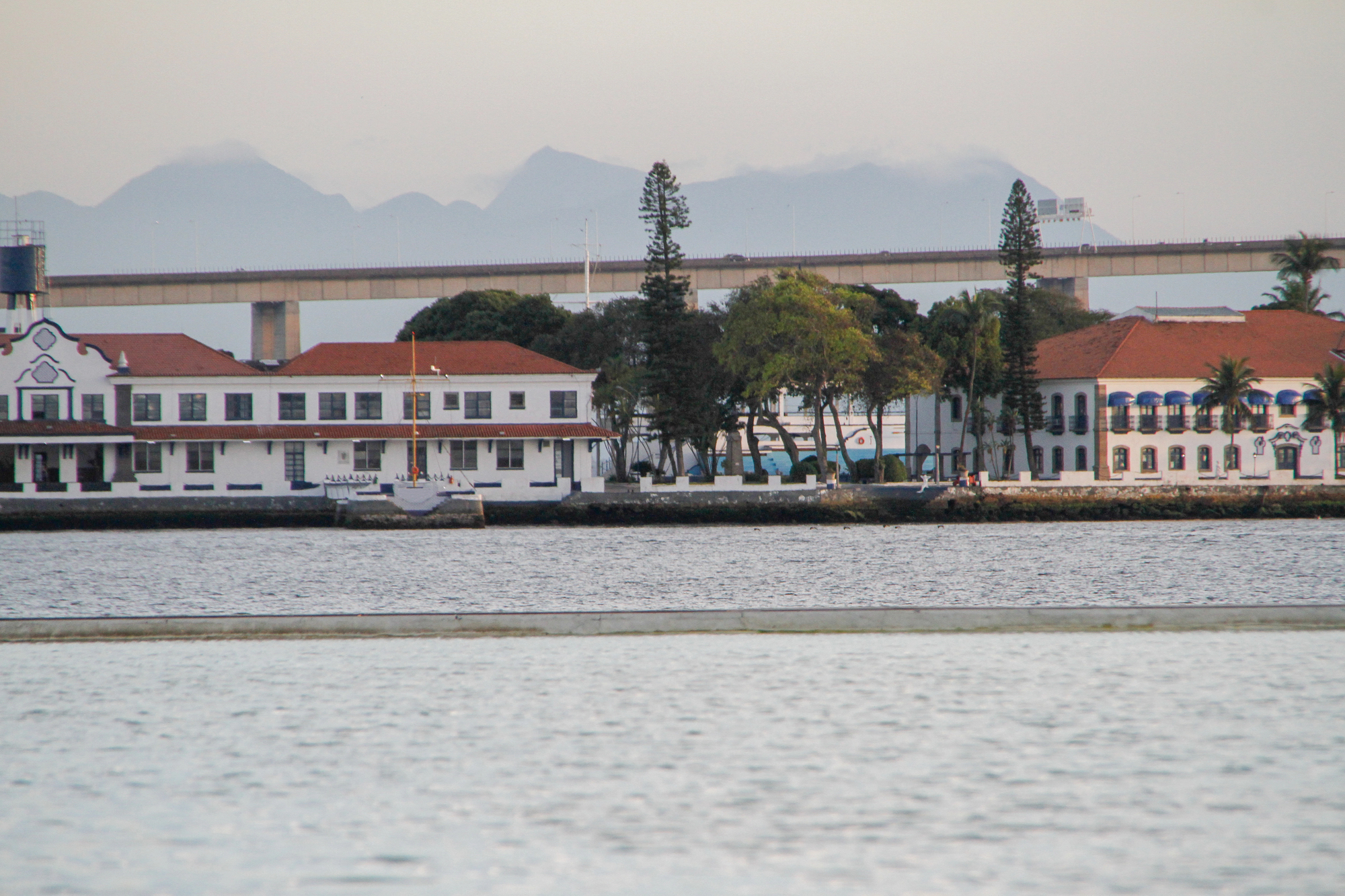
Ilha da Queimada Grande earned its nickname honestly. The island hosts the golden lancehead viper, a species so venomous that one bite can kill a human in under an hour (and the snakes here have evolved to be even more toxic than their mainland cousins, because apparently regular deadly wasn’t enough).
The Brazilian government estimates there’s one snake for every square meter of land, which creates a situation where stepping anywhere becomes a potentially fatal decision.
Brazil’s navy patrols the waters around the island to keep people away. The few scientists who receive permits to visit wear protective gear and move very, very carefully.
Room 39, North Korea
North Korea keeps many secrets, but Room 39 might be the most closely guarded. This organization allegedly manages the country’s illegal activities, from counterfeiting currency to trafficking drugs and weapons.
The exact location remains classified, though it’s believed to operate from multiple sites throughout Pyongyang. Even North Korean citizens have no access to these facilities.
Foreign nationals who get too curious about the country’s financial operations tend to disappear into the prison system and emerge years later — if at all.
Vatican Secret Archives
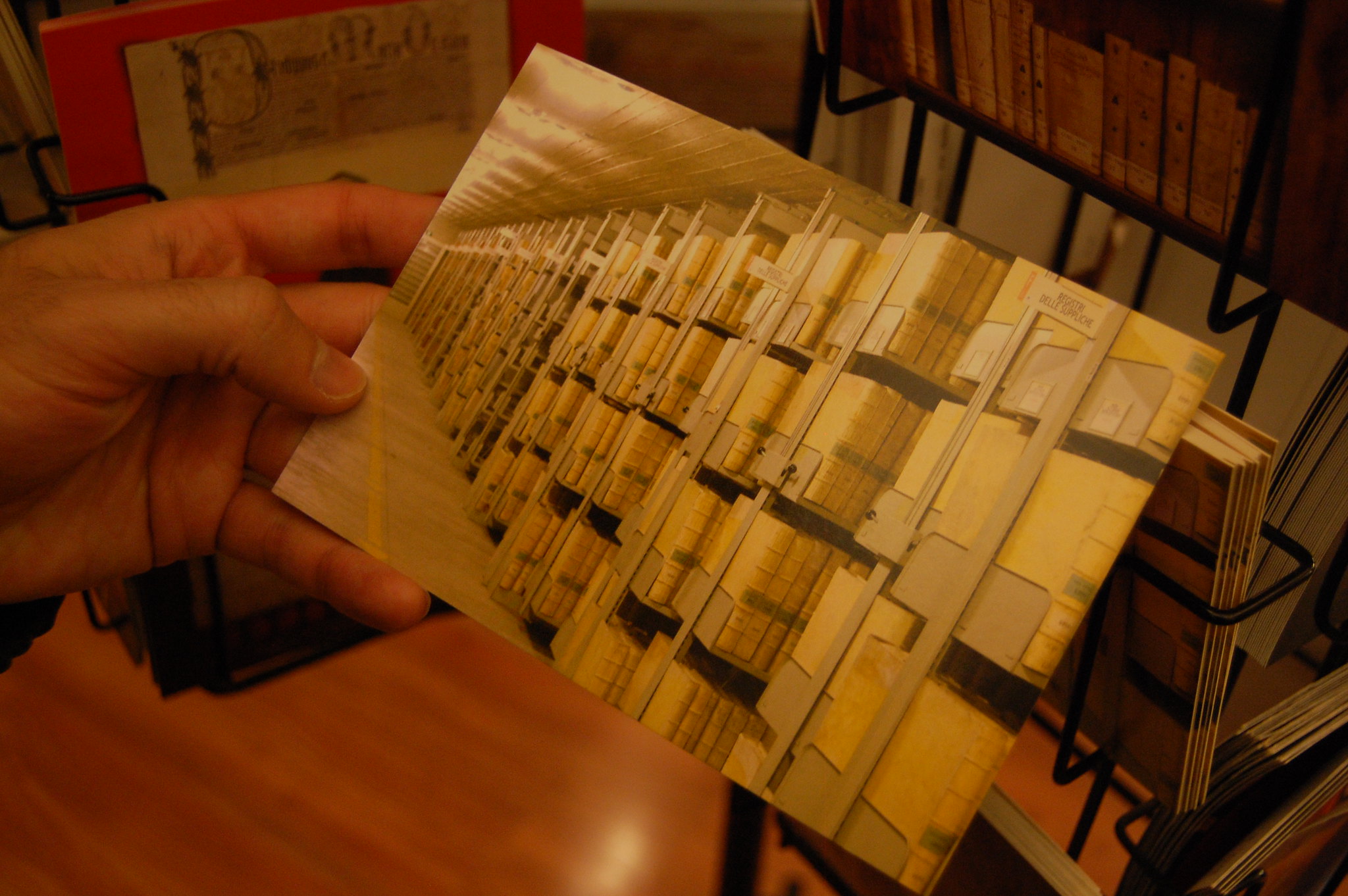
The Vatican calls them the “Vatican Apostolic Archives” now, but the contents remain just as restricted. These underground chambers house centuries of papal correspondence, diplomatic documents, and church records that most scholars will never see.
Access requires special permission that’s rarely granted. The few researchers who do gain entry must follow strict protocols and can only view specific documents approved in advance.
Certain sections remain completely off-limits, leading to endless speculation about what the Church considers too sensitive to share.
Mezhgorye, Russia
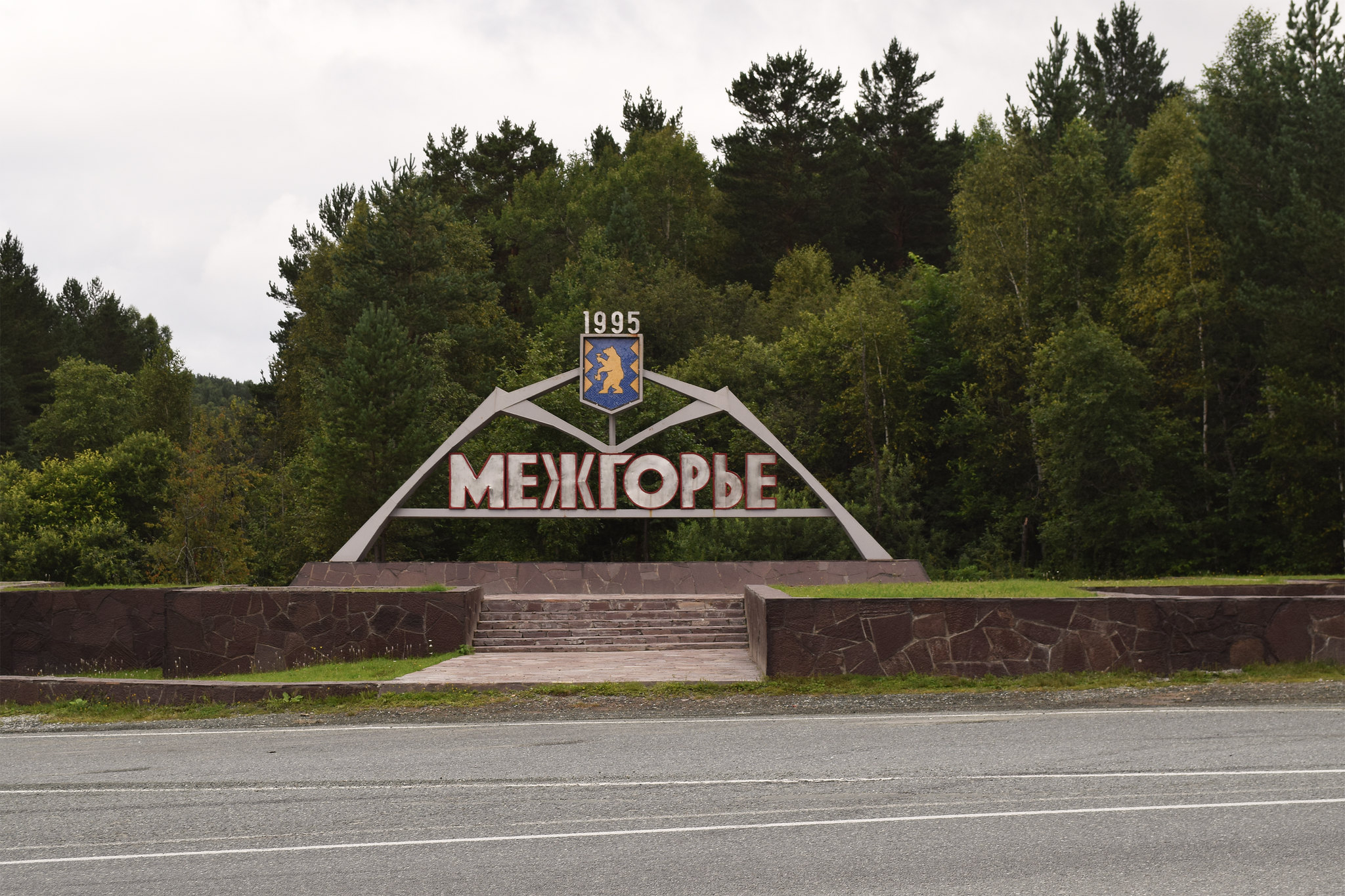
Russia built an entire closed city around this facility and won’t say what happens there. Mezhgorye sits in the Ural Mountains, surrounded by restricted airspace and patrolled by military units who shoot first and ask questions later.
Western intelligence agencies suspect the site houses nuclear facilities or command centers for Russia’s strategic arsenal. The Russian government continues to deny everything while maintaining the most aggressive security measures possible.
Satellite images show massive underground construction, but the true purpose remains classified at the highest levels.
Surtsey Island, Iceland
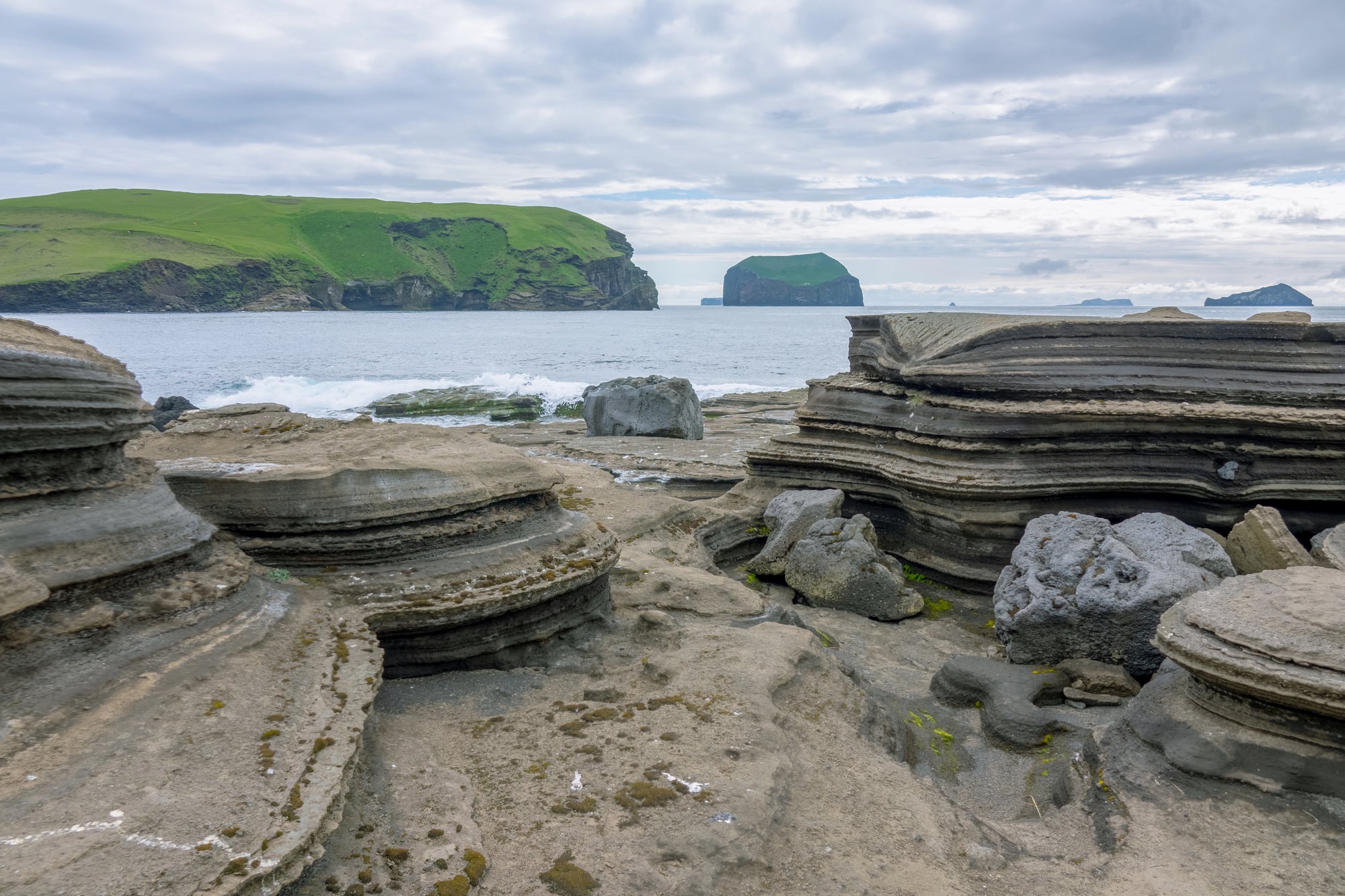
This volcanic island emerged from the ocean in 1963, creating a natural laboratory that scientists want to keep pristine. Surtsey offers a rare chance to study how life colonizes new land, but only if humans don’t interfere with the process.
Iceland restricts access to a handful of approved researchers who follow strict contamination protocols. They can’t bring outside seeds, soil, or organic matter that might alter the island’s natural development.
Even scientists must clean their boots and equipment thoroughly before landing to avoid introducing foreign species.
Pine Gap, Australia
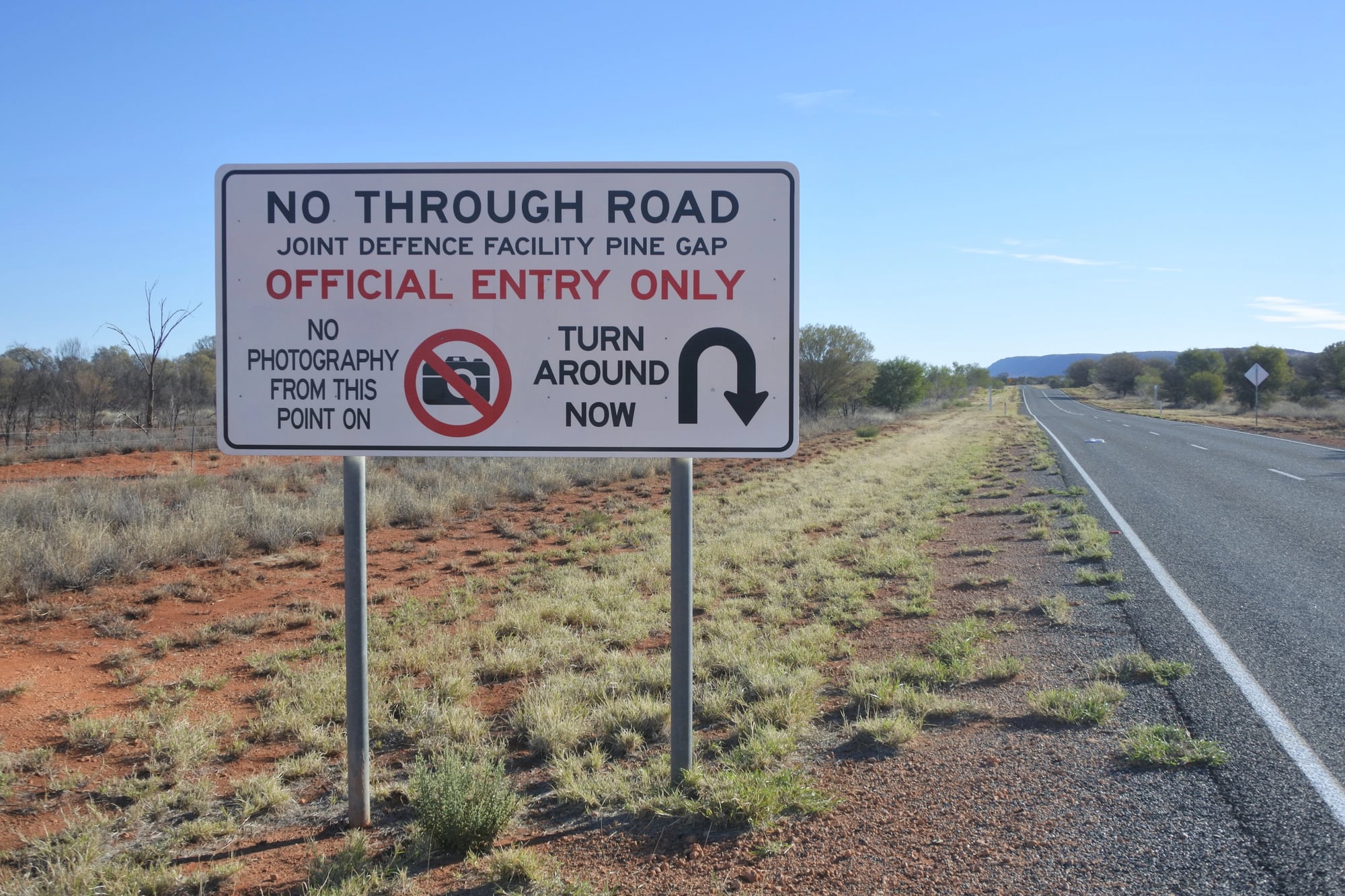
Australia and the United States jointly operate this intelligence facility in the middle of the Australian Outback. Pine Gap monitors communications and satellite data across the Asia-Pacific region, making it a prime target for foreign intelligence services.
The facility’s remote location provides natural security, but armed guards and sophisticated surveillance systems handle everything else. Unauthorized aircraft can’t fly over the area, and ground access is completely prohibited.
Even Australian citizens need special clearance to work there.
Bohemian Grove, California
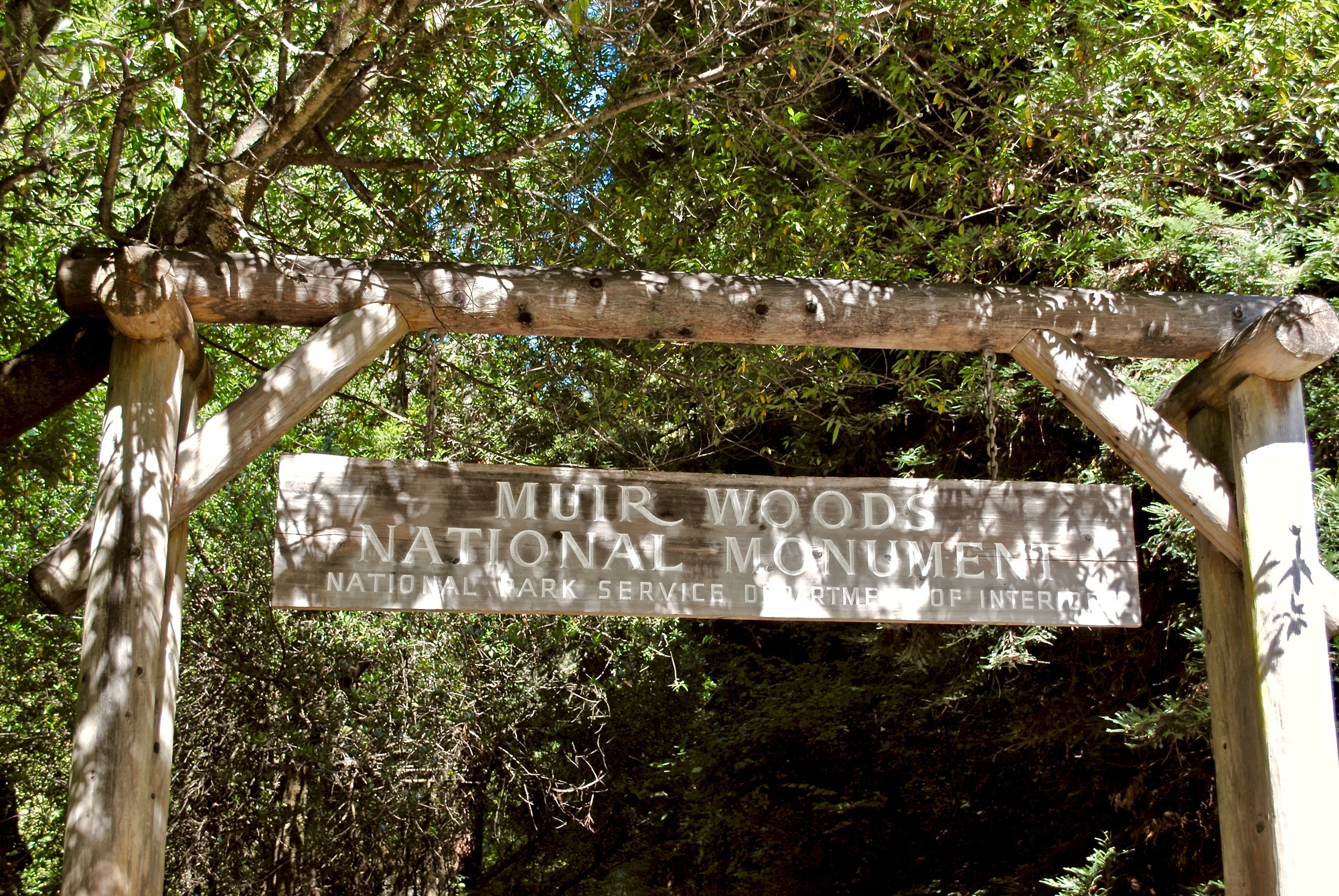
Every summer, some of the world’s most powerful men gather at this private club in northern California’s redwood forests. What exactly happens during these meetings remains largely secret, though leaked information suggests a mix of networking, rituals, and policy discussions.
The club maintains strict privacy through private security and legal agreements that prohibit members from discussing activities. Journalists and activists have tried for decades to infiltrate the gatherings, with limited success.
The few outsiders who’ve gained access describe elaborate ceremonies and informal conversations that shape global politics.
Fort Knox, Kentucky
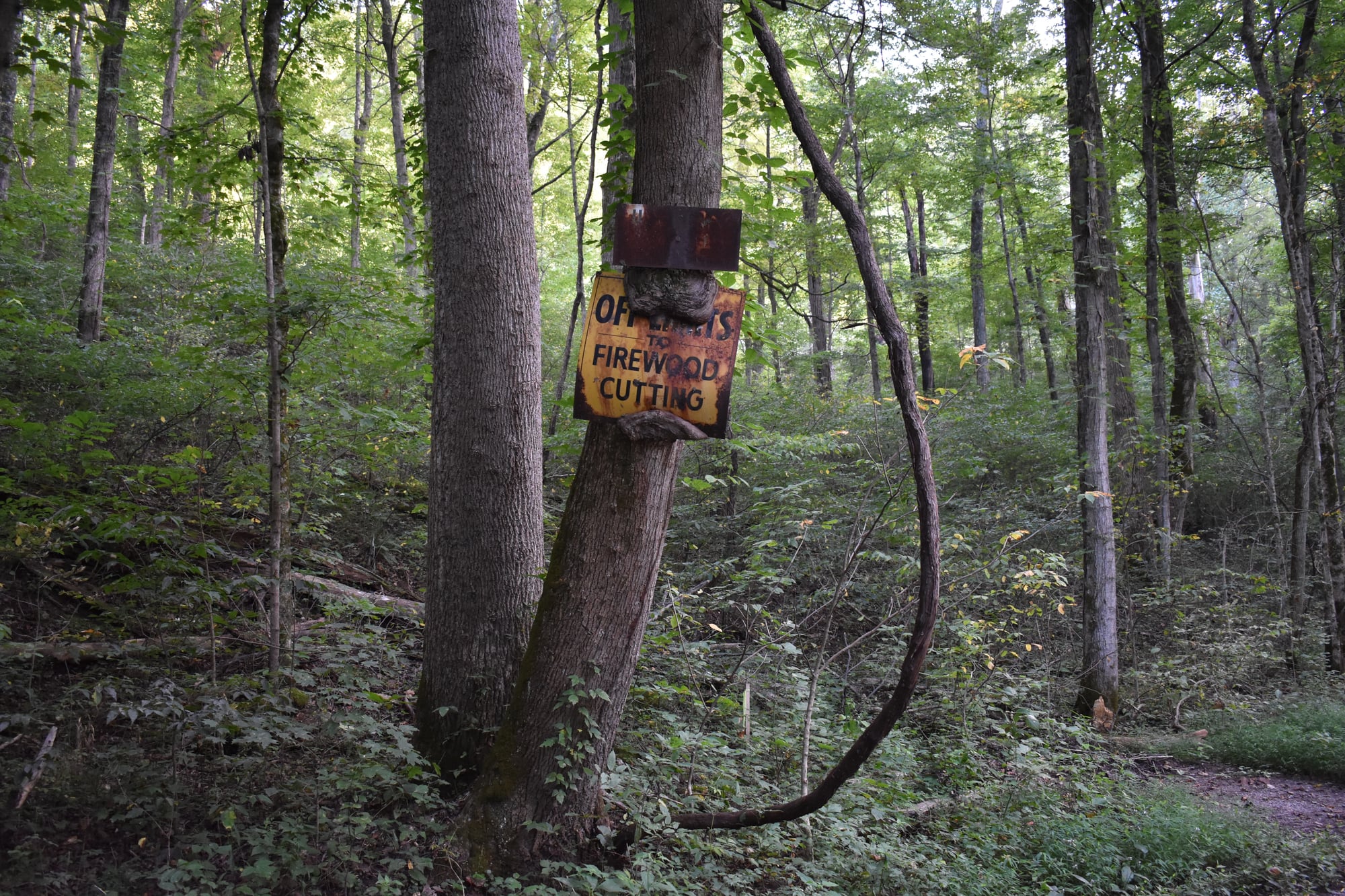
The U.S. Bullion Depository at Fort Knox holds a significant portion of America’s gold reserves behind some of the most sophisticated security measures ever designed. Multiple layers of protection surround the vault, from armed guards to motion sensors to blast-proof walls.
No visitors are allowed, period. Even government officials rarely gain access to the facility’s interior.
The last official audit took place in 1953, and conspiracy theories about the gold’s actual presence continue to circulate. The government’s response is always the same: trust us, and stay away.
Lascaux Caves, France
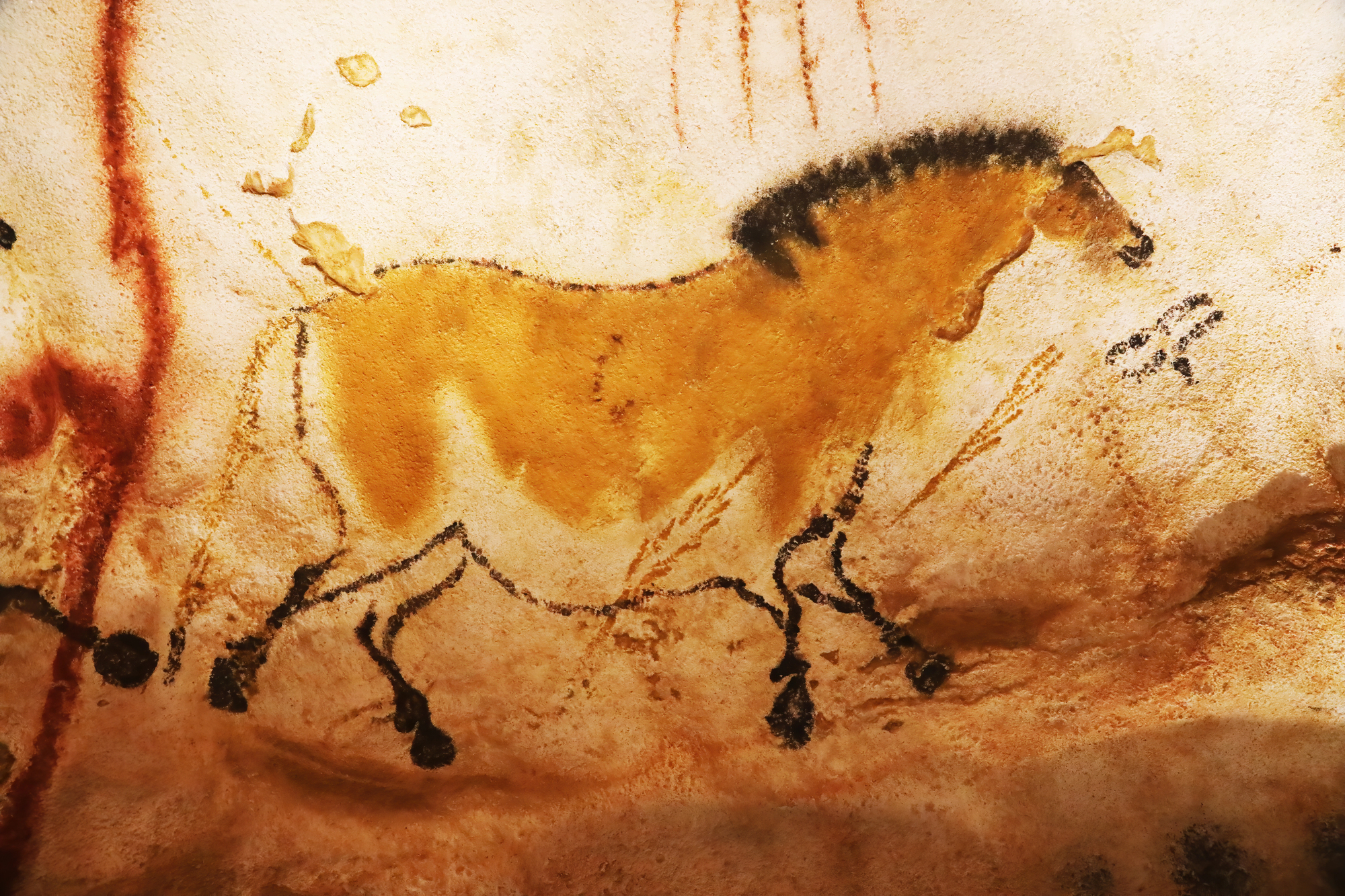
These prehistoric caves contain some of humanity’s earliest art, painted over 17,000 years ago. The artwork is so fragile that human breath can damage it, which is why the French government sealed the original caves to public access decades ago.
A few researchers still study the caves under controlled conditions, but tourism now relies on detailed replicas built nearby.
The original Lascaux remains frozen in time, protected from the crowds that would love to see it but would inevitably destroy what they came to experience.
Woomera Test Range, Australia
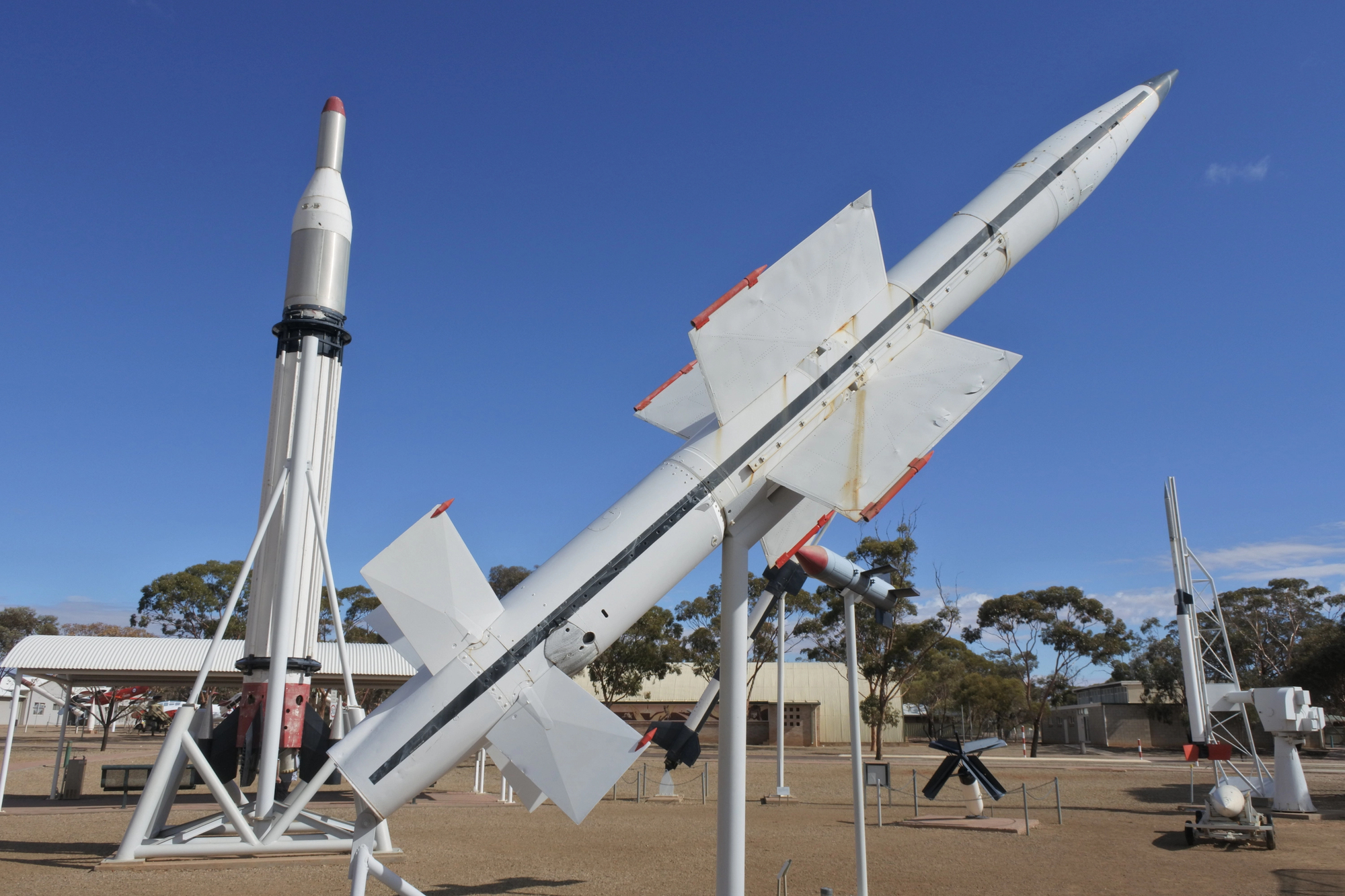
Australia uses this massive facility to test military weapons and aerospace technology. The range covers thousands of square kilometers of South Australian desert, providing space for experiments that require complete isolation from civilian populations.
Security is absolute because the weapons being tested often remain classified for years after development. Foreign nationals are automatically excluded from most areas, and even Australian citizens need extensive background checks before gaining access to non-sensitive zones.
Behind The Invisible Barriers
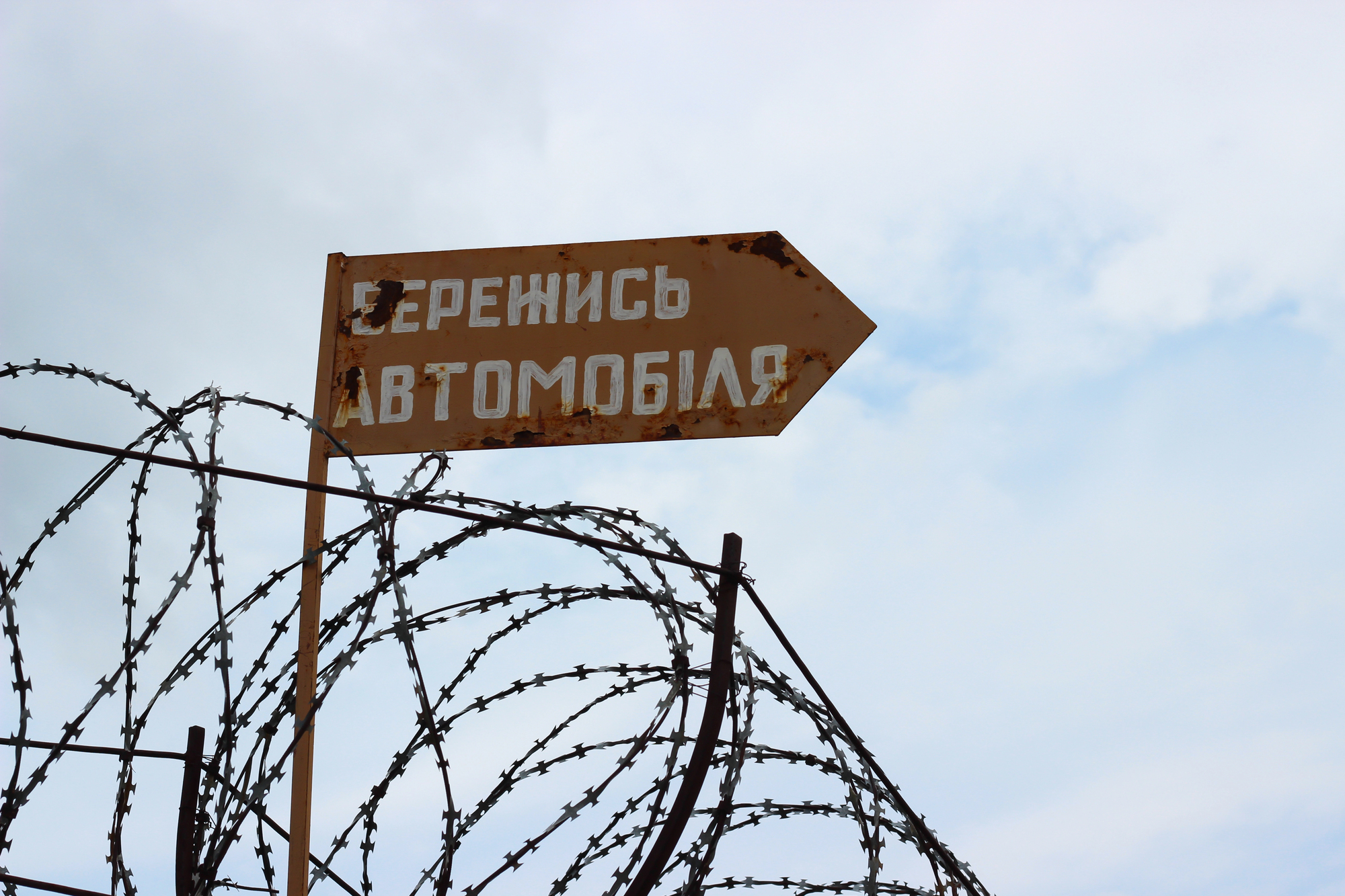
These forbidden zones remind us that not every corner of our planet is available for exploration. Whether protecting national security, preserving fragile ecosystems, or safeguarding human life, these restrictions serve purposes that extend far beyond simple bureaucracy.
The urge to see what’s hidden remains strong, but sometimes the most responsible choice is simply to wonder from a distance.
More from Go2Tutors!

- The Romanov Crown Jewels and Their Tragic Fate
- 13 Historical Mysteries That Science Still Can’t Solve
- Famous Hoaxes That Fooled the World for Years
- 15 Child Stars with Tragic Adult Lives
- 16 Famous Jewelry Pieces in History
Like Go2Tutors’s content? Follow us on MSN.