17 Lesser-Known Facts About the Day Neil Armstrong Walked on the Moon
July 20, 1969, marked one of humanity’s greatest achievements as Neil Armstrong became the first person to set foot on the lunar surface. Those iconic images and the famous “one small step” quote have been etched into our collective memory.
Still, many fascinating details about this historic day remain obscure to the general public. Here is a list of 17 lesser-known facts about the day Neil Armstrong walked on the moon that reveal the human side of this monumental achievement.
The Landing Almost Failed
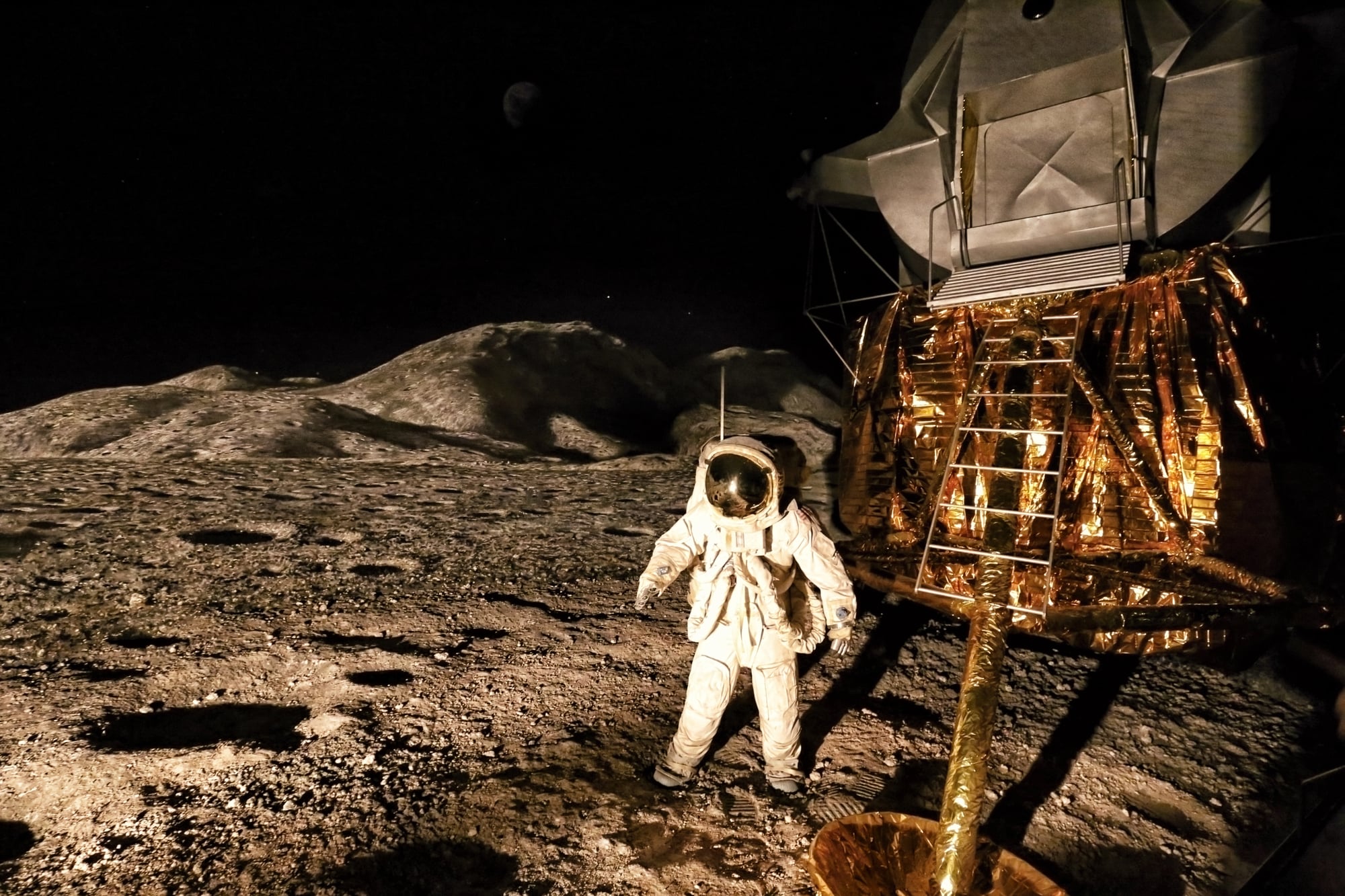
The Eagle lunar module nearly ran out of fuel during its descent. Armstrong had to manually pilot the craft past a boulder-filled crater, leaving them with barely seconds of fuel when they touched down.
What’s remarkable? His heart rate hardly increased during this nail-biting moment, showing extraordinary calm under what must’ve been tremendous pressure.
First Words Were Technical
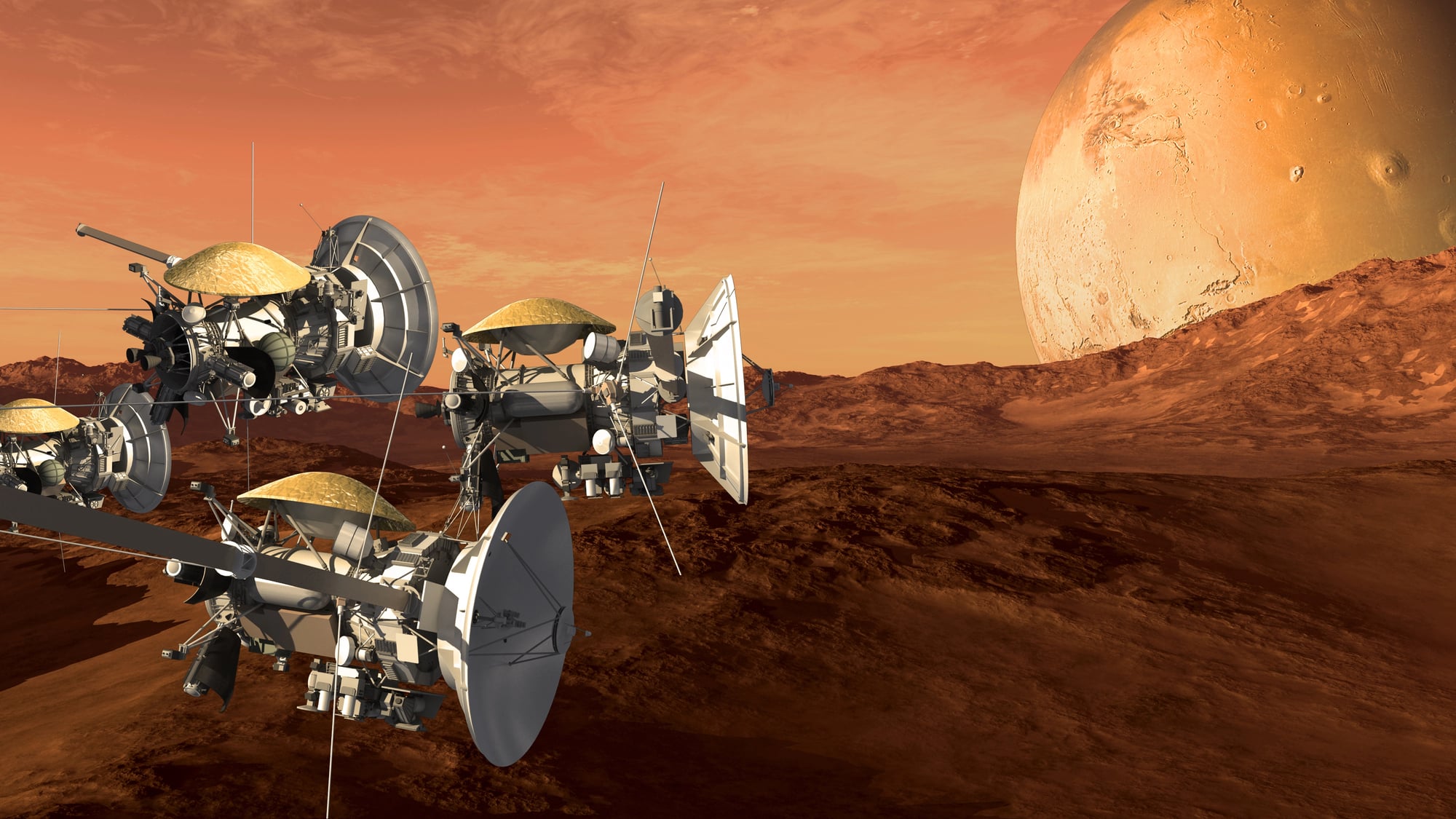
Armstrong’s actual first words from the lunar surface were purely procedural before he uttered his well-known quote: “Contact Light, OK, Engine Stop.” These mundane calls preceded the lyrical phrases that would be recorded in history books by a mere instant.
The stark contrast—cold mechanical process followed by philosophical contemplation—illustrates the mission’s dual character.
The Moonwalk Was Rushed Forward

The initial NASA flight plan called for a five-hour nap prior to the moonwalk. However, Mission Control authorized forgoing this rest, advancing the historic event by a few hours.
But you can’t blame them. In fact, who could sleep immediately after landing on the moon?
A Custom-Made Flag
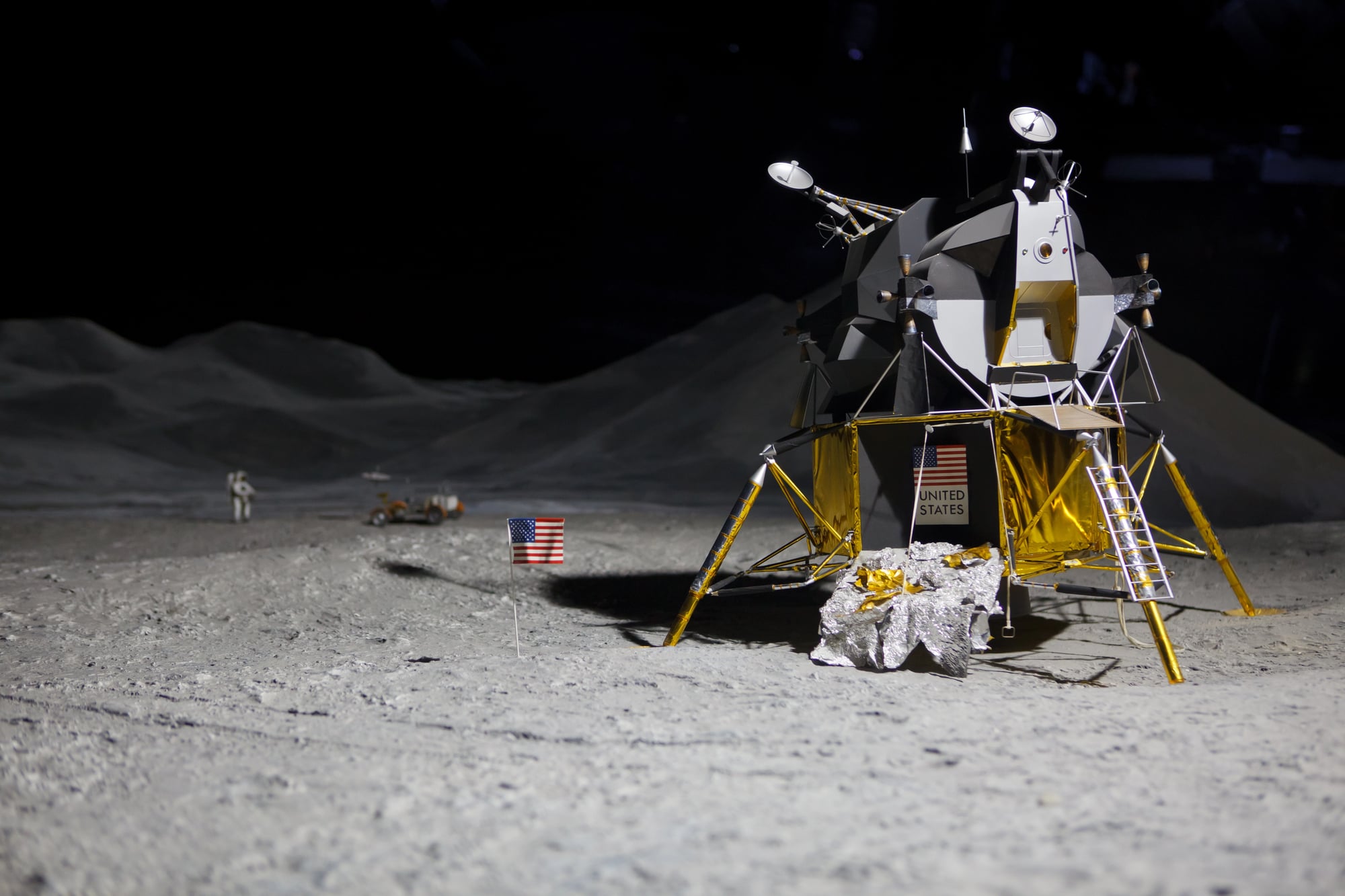
The American flag on the lunar surface needed special engineering since there was no wind on the moon to make it ‘wave.’ NASA solved this problem by designing the flag with a horizontal rod sewn into the top edge.
This clever workaround created the illusion of a billowing flag in the airless environment, resulting in one of the mission’s most recognizable images.
Communion on the Moon

Shortly after landing, Buzz Aldrin used a tiny kit from his Presbyterian church to take communion in privacy on the moon. Due to continuing legal challenges pertaining to religious activities during the previous Apollo mission, NASA remained silent on this.
For years afterward, the public was mostly unaware of Aldrin’s private moment of faith.
The Missing Footage
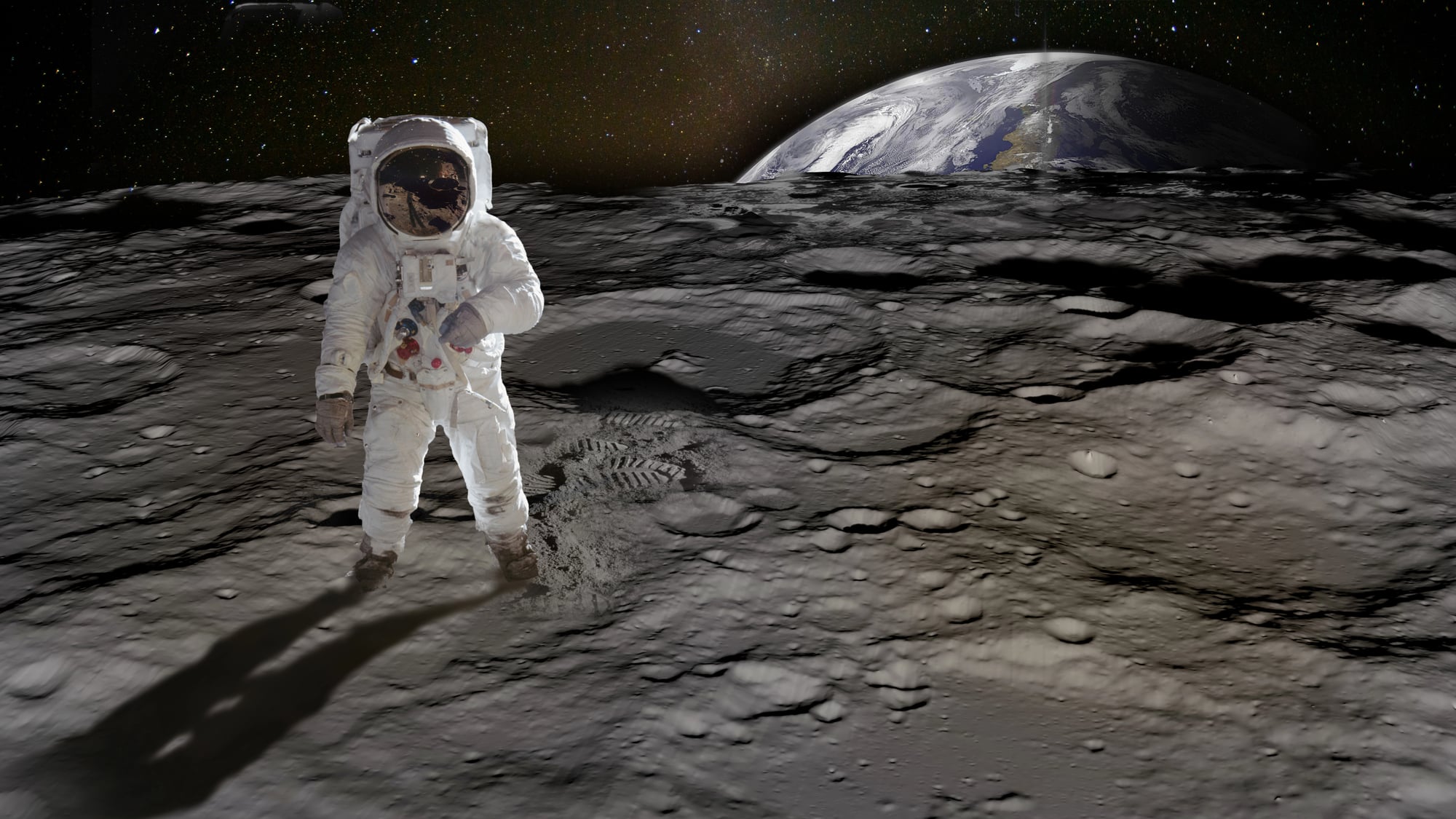
The original high-quality video footage of Armstrong’s first steps doesn’t exist anymore. What we watch today is actually a recording of a monitor showing the original broadcast – a copy of a copy.
NASA likely erased and reused the original slow-scan television tapes during a period of tape shortages in the s and s, creating an unfortunate gap in humanity’s visual record.
A Pen Saved the Mission

A circuit breaker switch inside the lunar module broke – potentially preventing lift-off from the moon. Aldrin’s solution wasn’t high-tech at all; he simply used a felt-tip pen to push the broken switch back in.
Sometimes, the simplest tools save the day, even when you’re miles from home.
The Planned Contingency Speech
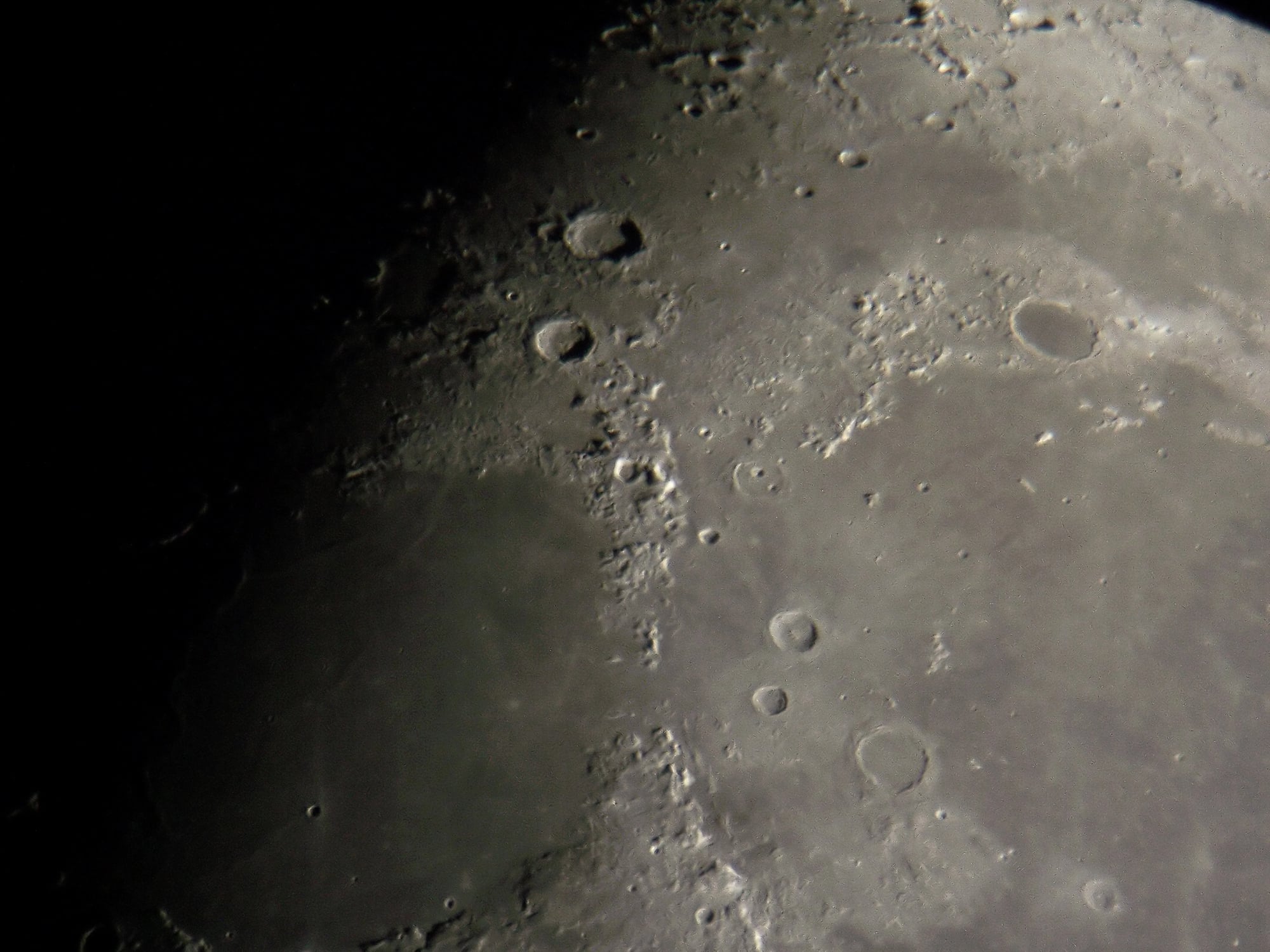
William Safire, a presidential speechwriter, prepared a contingency address titled ‘In Event of Moon Disaster’ – meant for President Nixon if Armstrong and Aldrin became stranded. The haunting speech included instructions for the president to call the astronauts’ widows before communications would be cut off, effectively “burying” the men in space.
Thankfully, it was never needed.
Lunar Module Left Behind
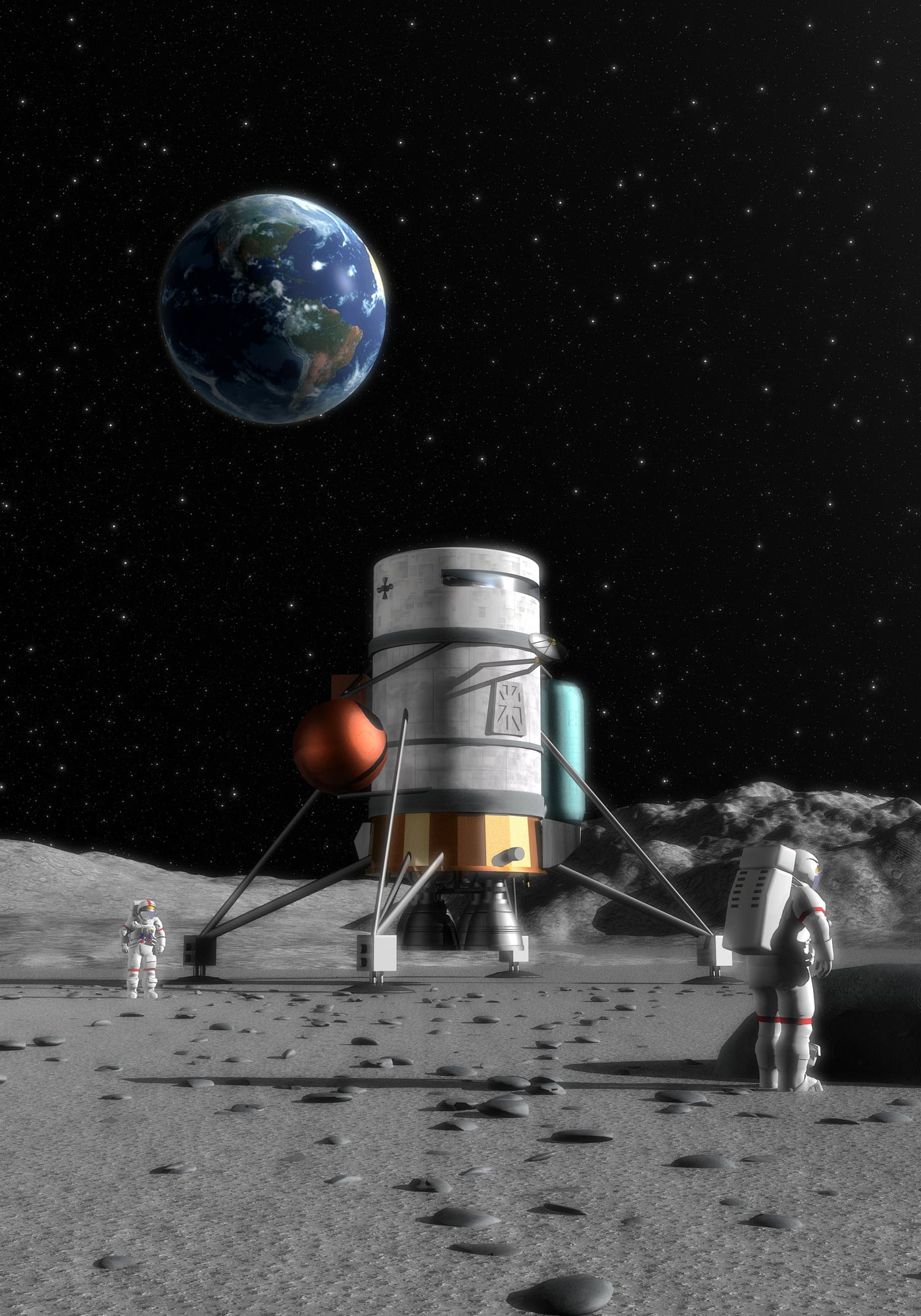
They couldn’t bring much back. Almost everything from the lunar module stayed on the moon to save weight for the return journey – including boots and urine containers. The astronauts returned with only about pounds of moon rocks and essential equipment because every ounce mattered with the ascent vehicle’s limited fuel capacity.
Armstrong’s Hidden Memento
Armstrong didn’t just bring scientific equipment; he carried a piece of the Wright brothers’ first airplane. The symbolic connection couldn’t be clearer.
Just years separated humanity’s first powered flight at Kitty Hawk from landing on another world – a testament to our species’ remarkable technological acceleration.
The Quarantine Period
Upon returning to Earth, the Apollo astronauts couldn’t immediately celebrate their achievement. They spent days in quarantine due to fears about possible lunar pathogens.
The crew watched celebrations of their mission on television while sealed in the Mobile Quarantine Facility aboard the USS Hornet. Scientists eventually determined there were no lunar microorganisms, and the practice was discontinued after Apollo mission.
Armstrong’s Camera Issue

Have you noticed that almost all the famous photographs from the first moonwalk show Buzz Aldrin, not Armstrong? As mission commander, Armstrong carried the primary camera for most of the EVA.
This quirk of mission protocol means the most historic human figure in the landing is the least documented visually. Only a few images of Armstrong on the lunar surface exist.
Minimal Sleep on the Moon

They didn’t sleep well up there. Armstrong and Aldrin managed only brief, fitful naps during their stay on the lunar surface. Uncomfortable spacesuit positions, mission excitement, and brightness through the windows all contributed to poor rest.
Even astronauts face very human challenges despite their extraordinary circumstances.
Unusual Customs Declaration
There is bureaucracy everywhere. When the Apollo crew returned to Earth, they filled out the usual customs paperwork. When questioned about their exposure to infectious diseases, they wrote “To be determined.”
They also named “Moon” as their departure place and “Moon rock and Moon dust samples” as their luggage. This juxtaposition of routine paperwork and extraordinary accomplishment encapsulates a delightfully ridiculous moment.
The Spacecraft Smell
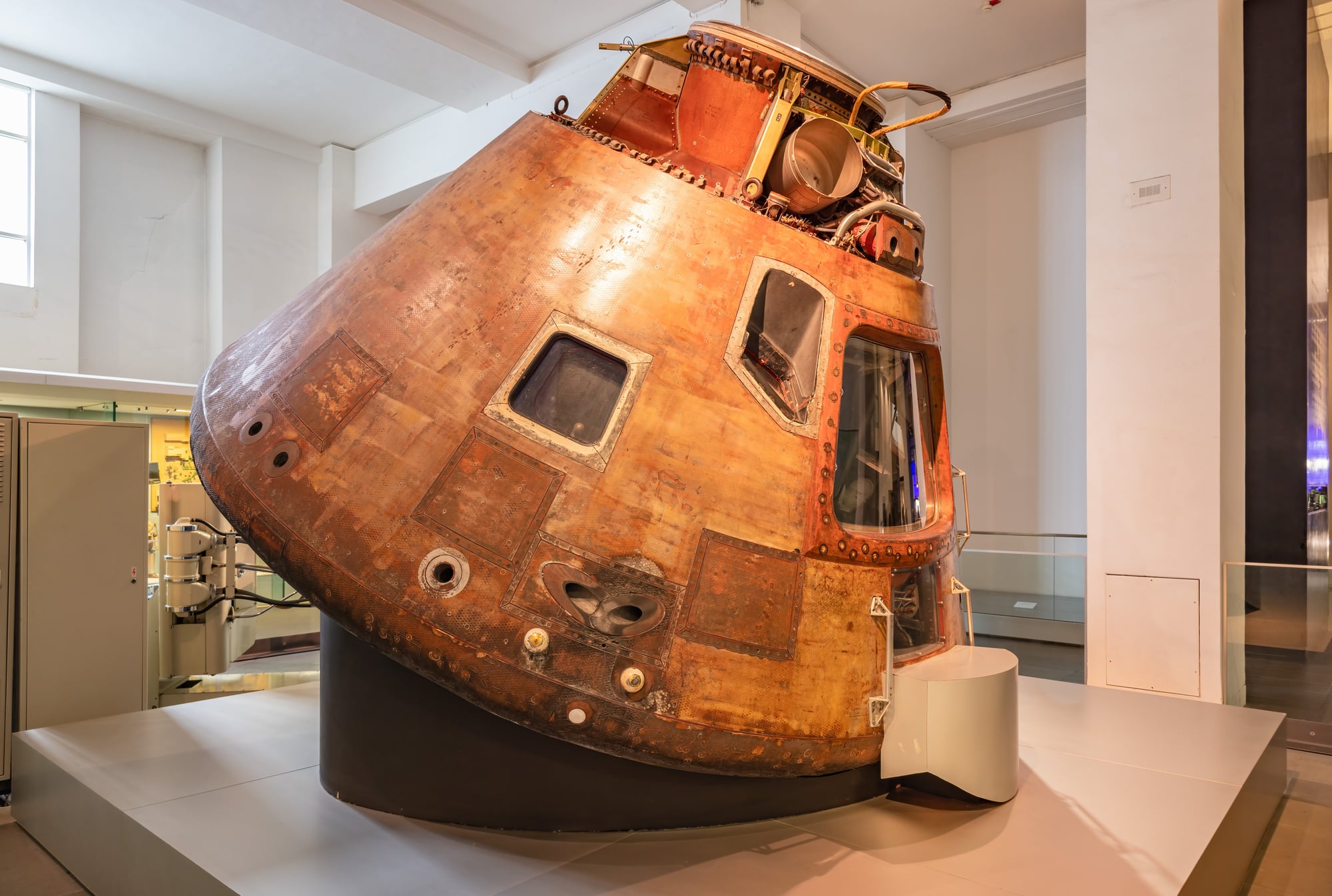
When the lunar module reconnected with the command module, Michael Collins noticed the moonwalkers brought back an unexpected souvenir: a distinct smell. Lunar dust apparently has a scent similar to spent gunpowder or wet ashes.
No one had anticipated this sensory detail that connected the alien lunar environment to familiar earthly experiences.
Missing Commemorative Plaque
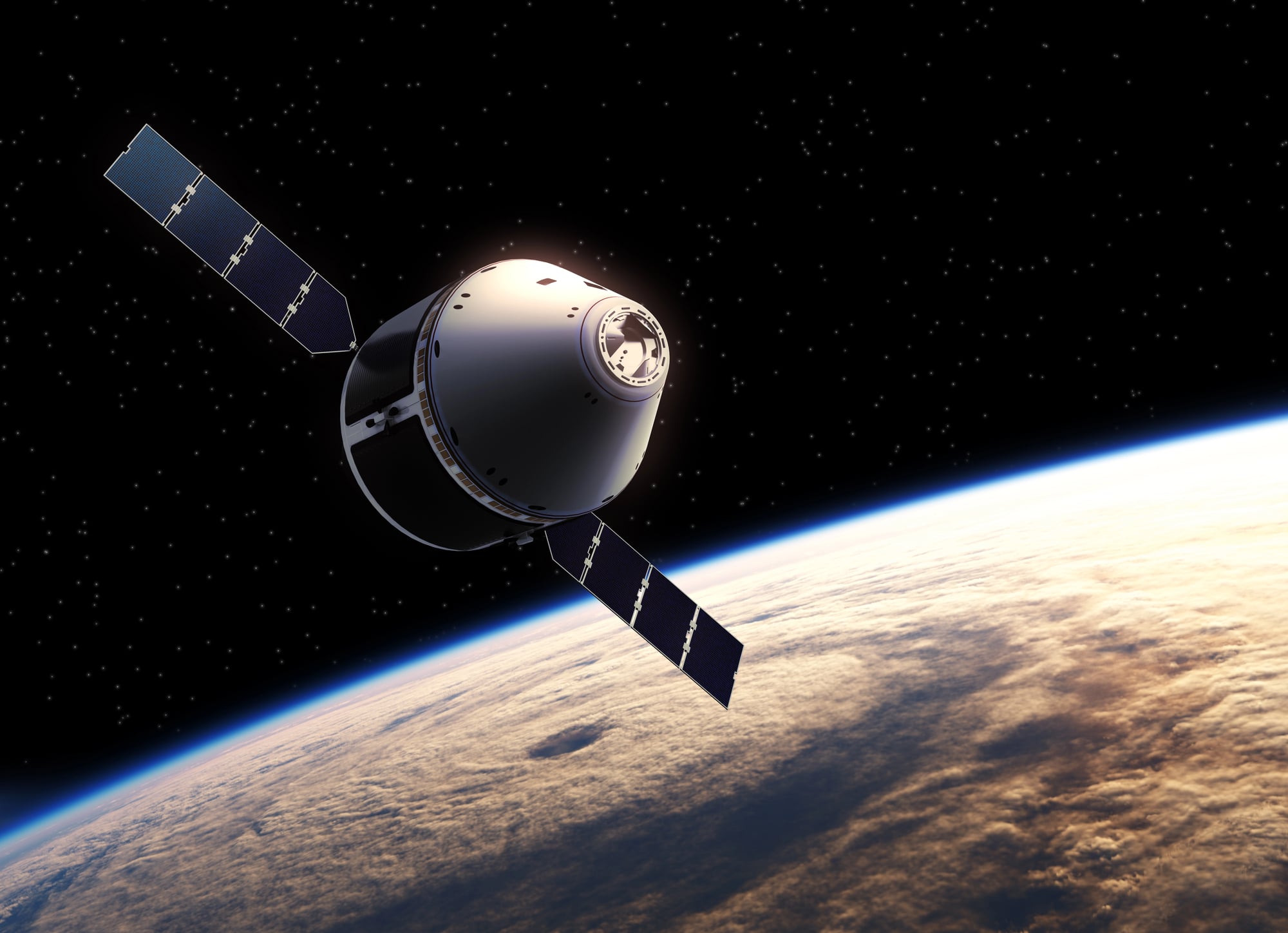
A silicon disk containing goodwill messages from world leaders was left on the moon, yet Canada’s message was conspicuously absent. A simple timing issue caused the oversight – Canada’s message arrived too late for inclusion.
This small diplomatic hiccup amid global celebration shows how even meticulously planned missions include very human errors.
The Secret Medical Concerns
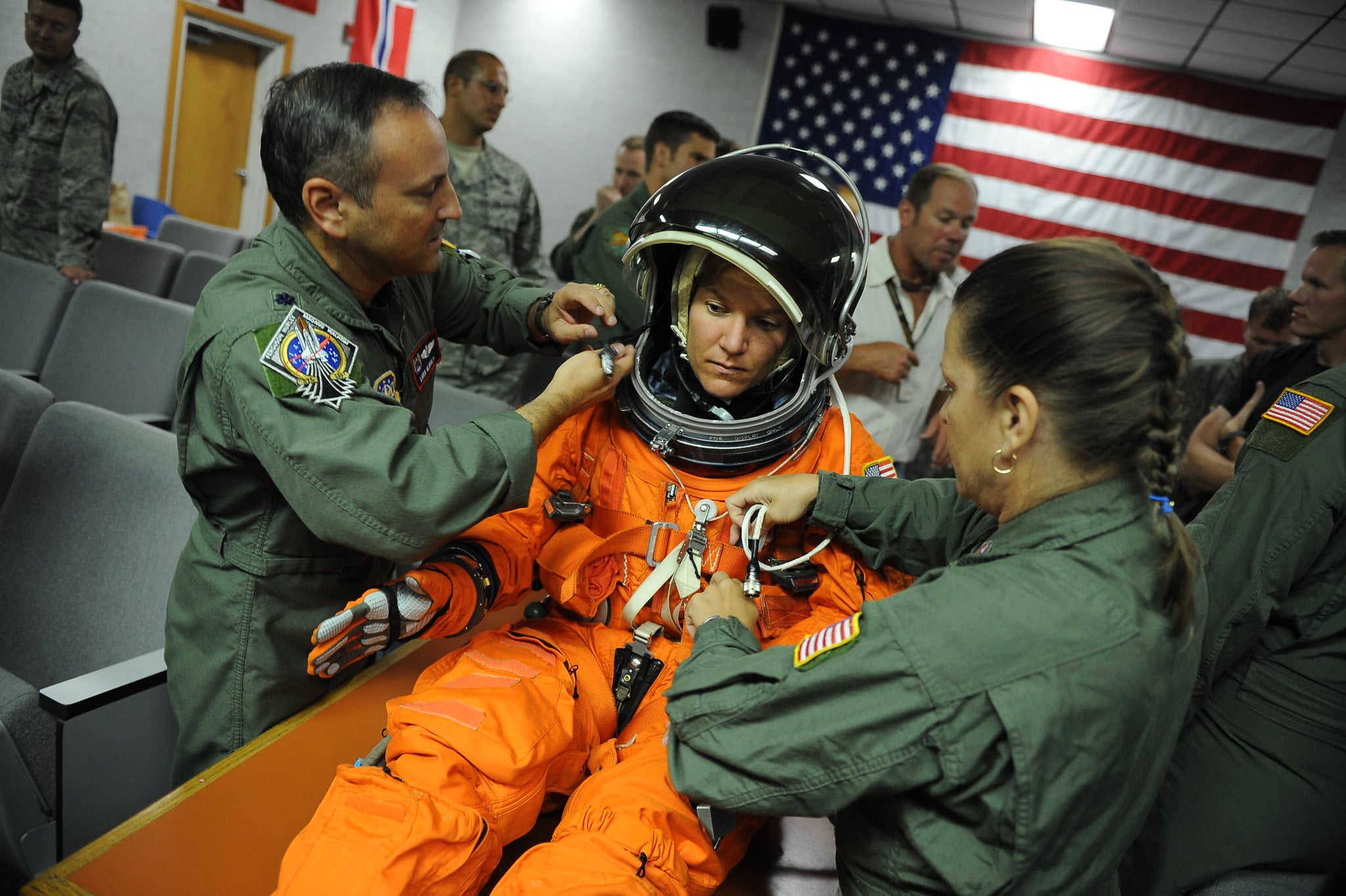
NASA doctors worried about more than just unknown lunar pathogens. Medical teams particularly feared how the fine, abrasive lunar dust might affect the astronauts’ respiratory systems.
Armstrong and Aldrin underwent careful evaluation for lung irritation upon return, establishing protocols for handling extraterrestrial materials that continue today in modern space programs.
Our Cosmic Legacy
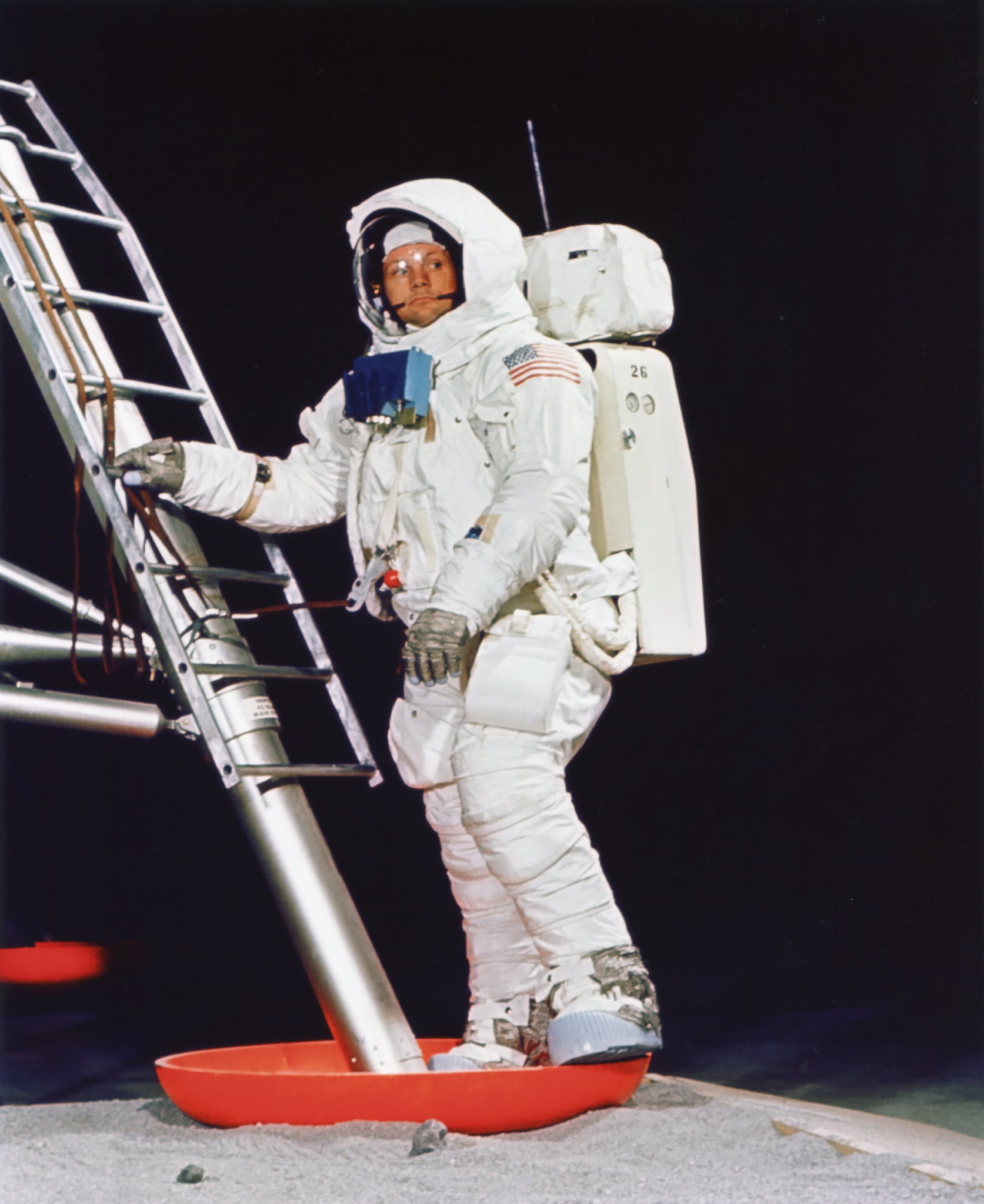
The Apollo missions changed humanity’s relationship with the cosmos forever. Yes, the technology developed has spawned countless innovations we use daily – water purification systems, fire-resistant materials, and medical monitoring equipment.
But perhaps more profound was how the image of Earth rising over the lunar horizon transformed our perception of our planet. This new perspective accelerated environmental awareness and inspired generations to view our world as a precious shared resource.
Those footprints left on the lunar surface that day will remain visible for millions of years – a lasting testament to human ingenuity and our relentless drive to explore. Armstrong’s small step sparked questions about our place in the universe that continue to propel science and imagination forward today.
More from Go2Tutors!

- The Romanov Crown Jewels and Their Tragic Fate
- 13 Historical Mysteries That Science Still Can’t Solve
- Famous Hoaxes That Fooled the World for Years
- 15 Child Stars with Tragic Adult Lives
- 16 Famous Jewelry Pieces in History
Like Go2Tutors’s content? Follow us on MSN.