16 unusual mascots adopted by military units
Military life can be pretty brutal, so it makes total sense that soldiers would want some furry, feathered, or scaly friends around to boost morale. What’s wild is just how creative some units have gotten with their mascot choices – we’re talking way beyond the usual dogs and cats here.
Some of these mascot stories are so bizarre you’d think someone made them up, but military records are packed with tales of everything from penguins holding military rank to bears drinking beer with the troops. Here are 16 unusual mascots adopted by military units that prove soldiers will literally befriend anything that moves.
Nils Olav the Knighted Penguin
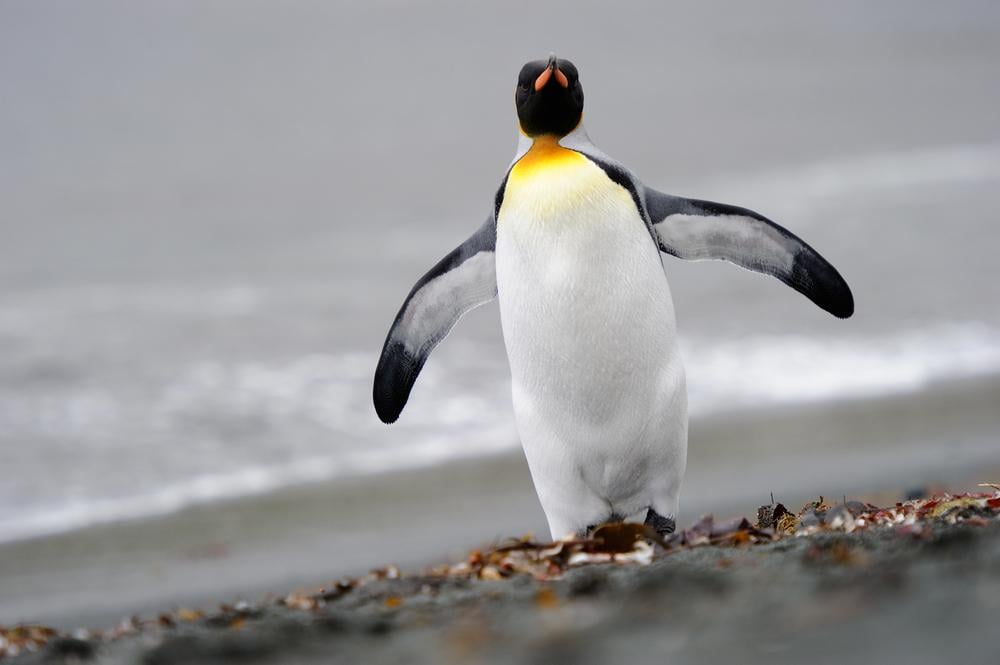
The Norwegian King’s Guard adopted a king penguin as their mascot in 1972 during a visit to Edinburgh Zoo for the annual Military Tattoo. The current penguin, Nils Olav III, was actually knighted by the King of Norway in 2008 and holds the rank of Brigadier Sir Nils Olav. This penguin literally outranks most human soldiers and gets to inspect troops whenever the Guard visits Edinburgh.
Lin Wang the War Elephant

Lin Wang was an elephant adopted by Chiang Kai-shek’s Chinese Expeditionary Force during World War II. He provided services including moving logs and transporting supplies, then after the war was transported to Taipei Zoo where he lived the rest of his life as a major attraction. Having an elephant as a mascot is pretty hardcore, especially one that actually helped with the war effort.
Wojtek the Beer-Drinking Bear
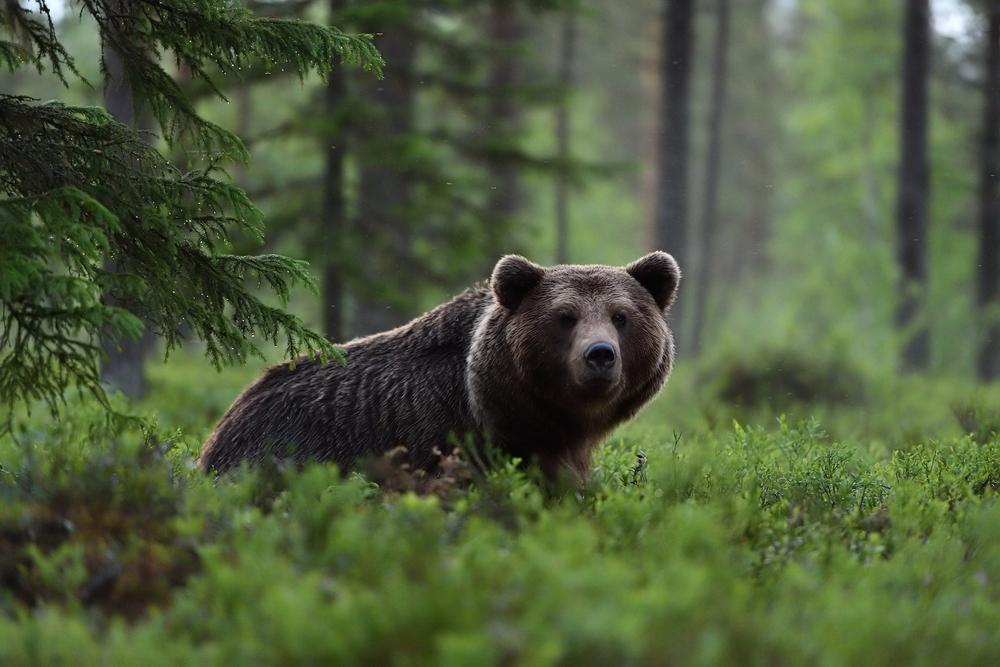
Wojtek was a Syrian brown bear who earned the rank of Corporal with the Polish 22nd Artillery Supply Company. He reportedly played a crucial role at the Battle of Monte Cassino by carrying ammunition back and forth between front lines. The bear had a few addictions, like drinking beer, eating bullets, and wrestling with soldiers. He also liked sitting in trucks, which was sometimes a shocking sight for passersby.
Timothy the Gender-Confused Tortoise
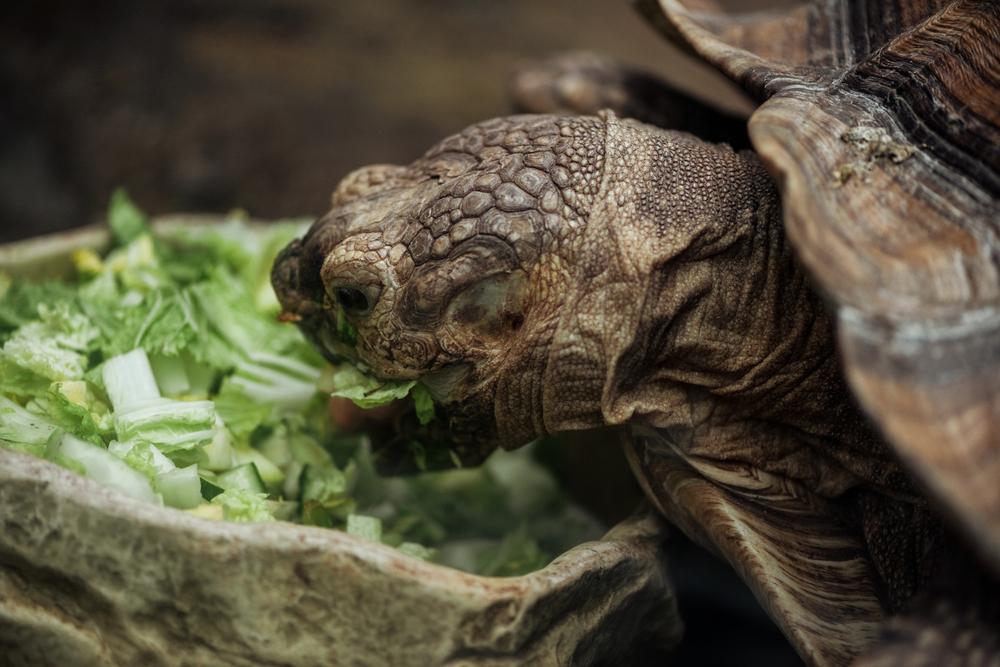
Timothy was discovered aboard a Portuguese privateer ship in 1854 by the British Navy. She was named ‘Timothy’ because people at the time didn’t know how to properly identify tortoise gender. She served aboard multiple British ships including HMS Queen during the Crimean War, retired in 1892, and lived until 2004. That’s one seriously long military career.
Jackie the Saluting Baboon
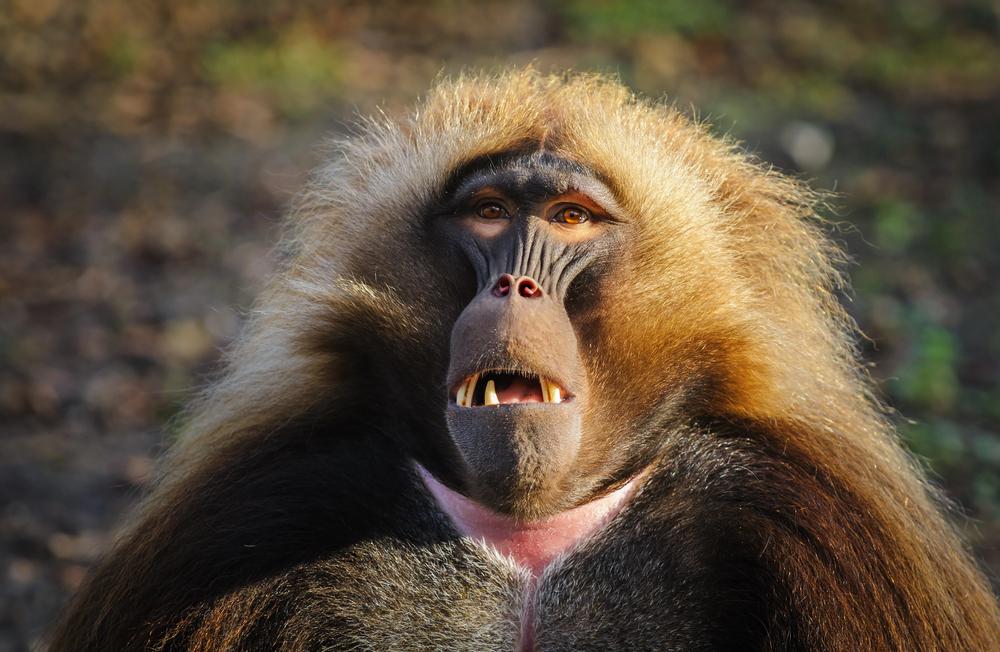
Jackie was a chacma baboon who served as mascot for the 3rd South African Infantry from 1913 to 1921. He was unusually involved in trench warfare on the Western Front and was injured during the Battle of the Lys. Jackie was talented – he would salute, use a knife and fork properly, and help light things for his fellow soldiers. A baboon with better table manners than most people is pretty impressive.
Old Douglas the Camel
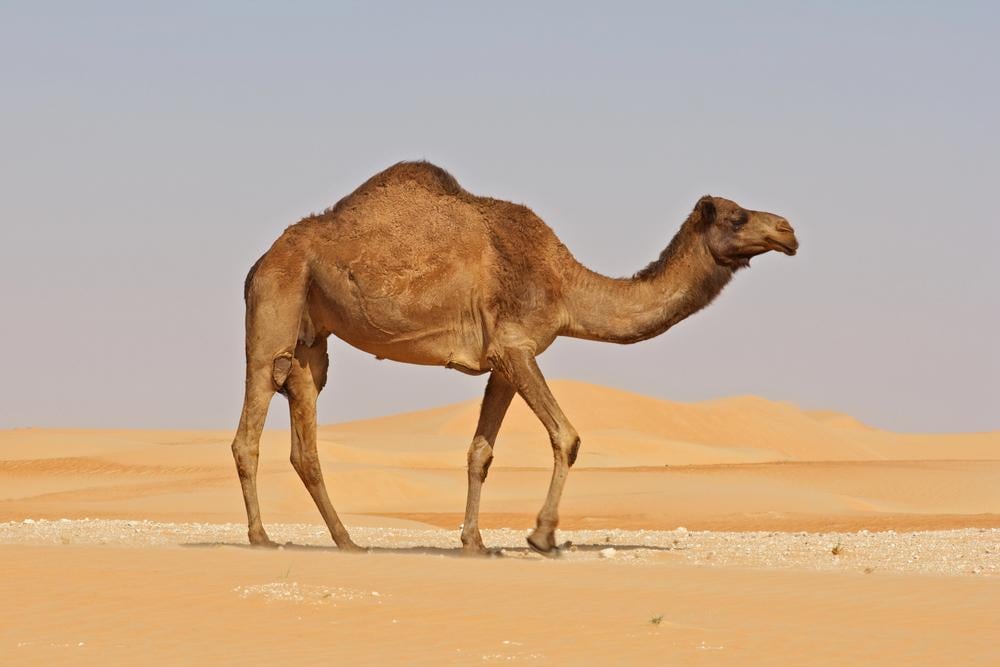
The 43rd Mississippi Infantry, Company C had a dromedary camel named Old Douglas as their mascot. Unfortunately, his story met a tragic end at the Battle of Vicksburg. Douglas became a pack animal for the unit as well as a mascot during the Civil War. Having a camel in Mississippi definitely counts as unusual.
Whiskey and Soda the Lion Cubs

The Lafayette Escadrille kept two lion cubs named Whiskey and Soda as their mascots during World War I. These lion mascots lived in quarters near the Aviation station. Nothing says ‘fearless fighter pilot’ quite like having actual lions hanging around your base.
Kandula the Elephant
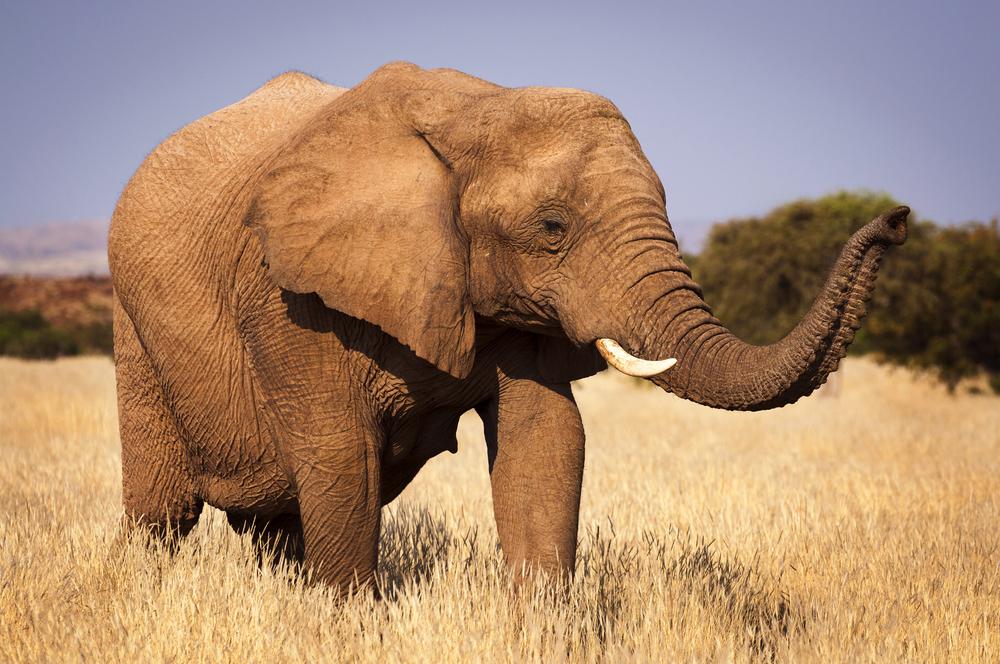
The Sri Lankan Light Infantry has had elephant mascots since 1961, and they are all named after the most famous elephant in Sri Lankan history, Kandula. It’s pretty cool that they’ve kept this tradition going for over 60 years with multiple generations of elephants.
Plassey the Unchained Tiger
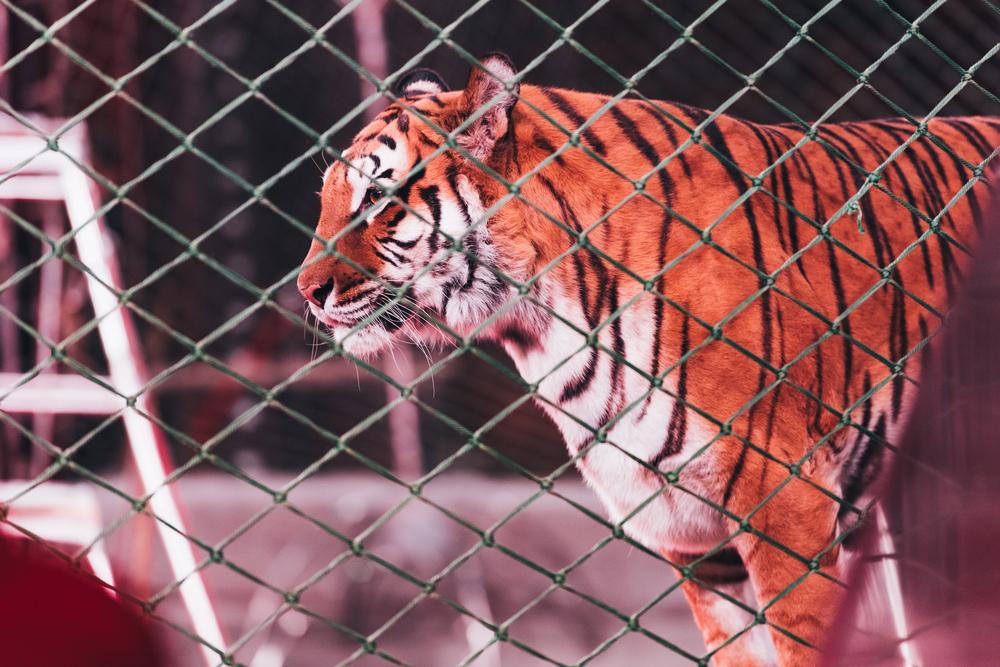
Plassey was a Bengal tiger who belonged to the 102nd Regiment of Foot in the 1800s. When the regiment shipped to England in 1870, Plassey came with them along with two leopards and lived unchained at the regimental base in Dover. After frightening locals too often, he was given to London Zoo where he died in 1877. Just casually keeping a loose tiger at your military base – what could go wrong?
Ferdie the Alcoholic Possum

Ferdie was a mascot for the Australian RAAF Spitfire squadron during World War II. This small marsupial was brought by officer Robert Addison from Bathurst Island. Like many military animals, Ferdie drank alcohol but stopped after accidentally falling into a glass of beer. Even the possums had drinking problems during wartime.
Winnie the Famous Bear

Winnie the bear was the mascot for the Canadian Army Veterinary Corps during World War I. She was bought by veterinarian Harry Colebourn at a train stop and named after Winnipeg. After the war, Winnie was kept at London Zoo where she inspired A.A. Milne’s son named his stuffed bear ‘Winnie’. This military mascot literally inspired Winnie-the-Pooh.
Jack the Attack Rooster
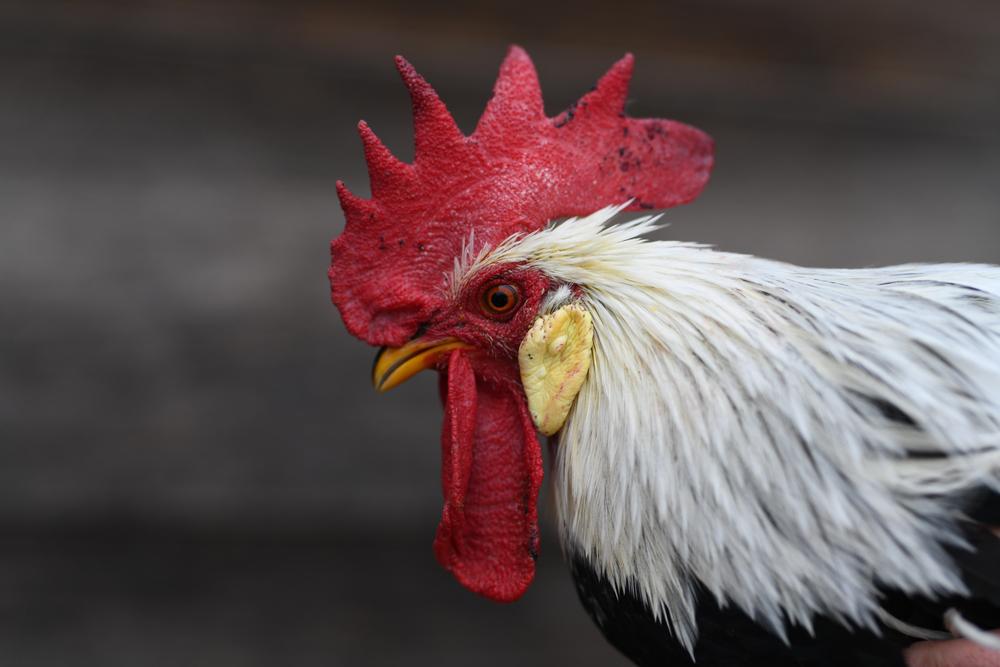
Jack was a rooster brought by the Australian 2nd Divisional Signal Company from Egypt in 1916 when he was still a chick. The unit found Jack better than a guard dog since he attacked any intruder who dared enter the unit lines. A rooster that’s more effective than a guard dog is definitely unusual security.
Tom the Pigeon

During the 1970s, HMCS Gatineau adopted Tom the Pigeon as a mascot. The pigeon was adopted by the ship in 1972 after it landed exhausted on deck when the ship was sailing back to its home port from New Zealand. Finding your mascot by accident in the middle of the ocean seems pretty random.
Joco the Coati Mundi
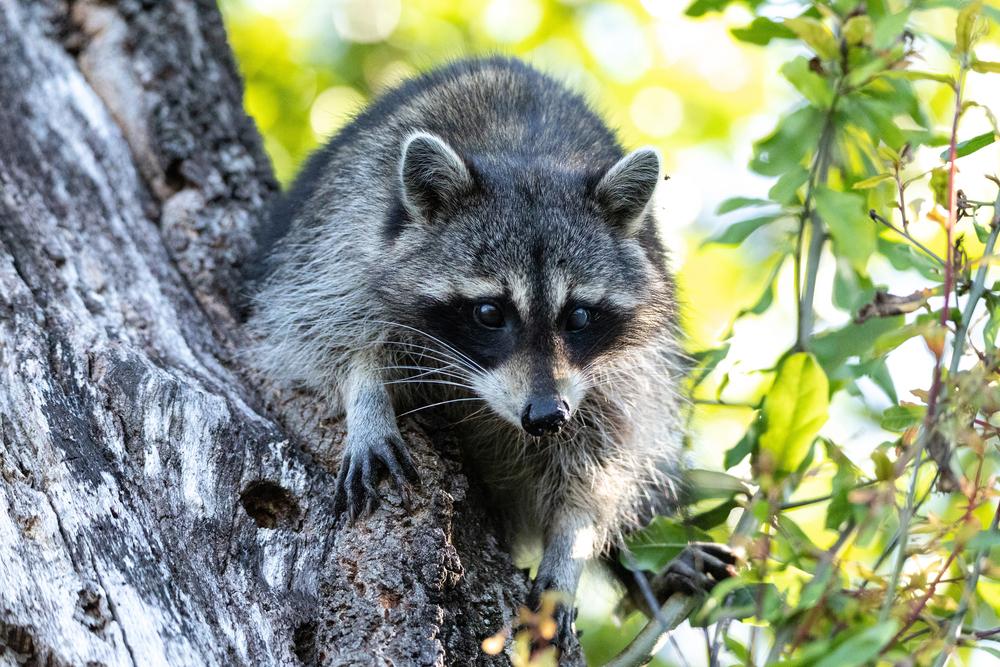
Sailor Robert E. Wright of Margate City, New Jersey purchased ‘Joco,’ a coati mundi (member of the raccoon family), for a single dollar in Corinto, Nicaragua. The two slept nestled together on their Navy patrol boat, and after Wright returned to the U.S. and was redeployed, Joco was sent to Philadelphia Zoo. Most people don’t even know what a coati mundi is, let alone keep one as a shipboard companion.
Seminole the Reviewing Stand Gator
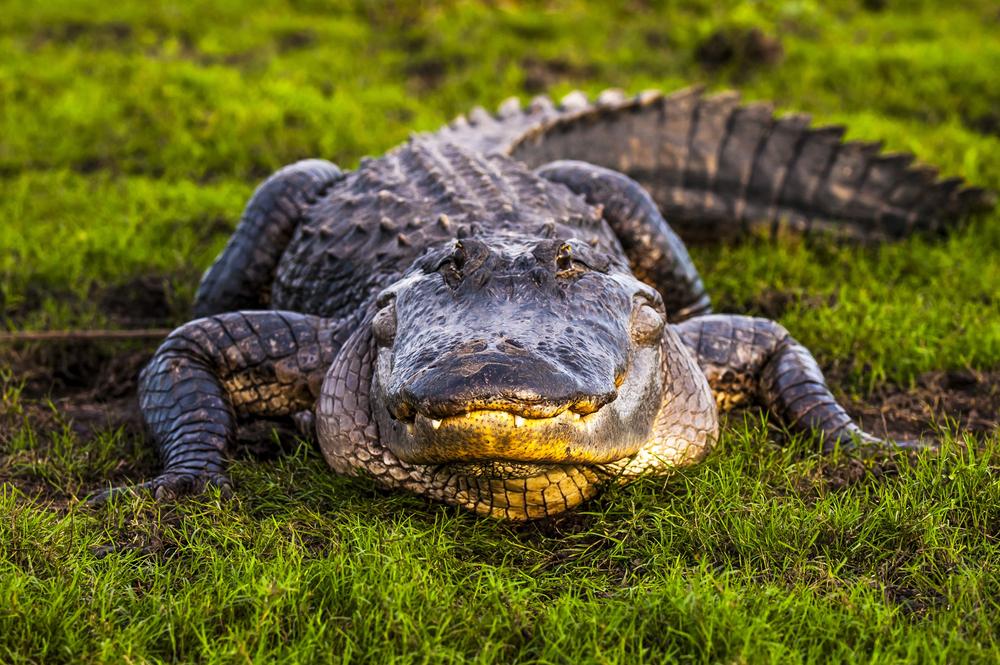
‘Seminole’ was an alligator that was tied down to a reviewing stand to watch the 6th Infantry parade in Berlin in 1951. Having an alligator watch your military parade while strapped to a platform is definitely one way to make ceremonies more interesting.
Old Abe the Presidential Eagle

The 8th Wisconsin Volunteers, Company C, claimed one of the most famous mascots – an eagle named ‘Old Abe’ after President Abraham Lincoln. Old Abe accompanied her unit in nearly 40 battles, and her image appears as the screaming eagle on the insignia of the 101st Airborne Division. This eagle literally became a legendary military symbol.
From Weird to Warfare
These unusual mascot choices show just how creative soldiers get when they need some companionship during tough times. Whether it’s a knighted penguin, a beer-drinking bear, or an attack rooster, these animals provided something no amount of training or equipment could – a reminder of life beyond the battlefield.
Military units still adopt mascots today, though they’re probably a bit more careful about things like loose tigers and alcohol-drinking possums. The tradition continues because sometimes the best morale booster isn’t a pep talk from your commanding officer – it’s a furry, feathered, or scaly friend who’s just happy you made it through another day.
More from Go2Tutors!

- The Romanov Crown Jewels and Their Tragic Fate
- 13 Historical Mysteries That Science Still Can’t Solve
- Famous Hoaxes That Fooled the World for Years
- 15 Child Stars with Tragic Adult Lives
- 16 Famous Jewelry Pieces in History
Like Go2Tutors’s content? Follow us on MSN.