16 Countries Smaller Than Most US Cities
When we think of countries, we typically imagine vast territories spanning thousands of square miles with sprawling landscapes and millions of citizens. Yet scattered across the globe are sovereign nations so compact they’d fit comfortably within the boundaries of many American cities. These tiny powerhouses pack remarkable history, culture, and influence into areas smaller than most shopping districts or suburban neighborhoods.
Some of these micro-nations wield surprising economic or political influence despite their minuscule size, while others serve as fascinating remnants of medieval city-states or unique historical circumstances. Here is a list of 16 countries that are smaller than most US cities — proving that in the world of nations, size definitely doesn’t determine significance.
Vatican City
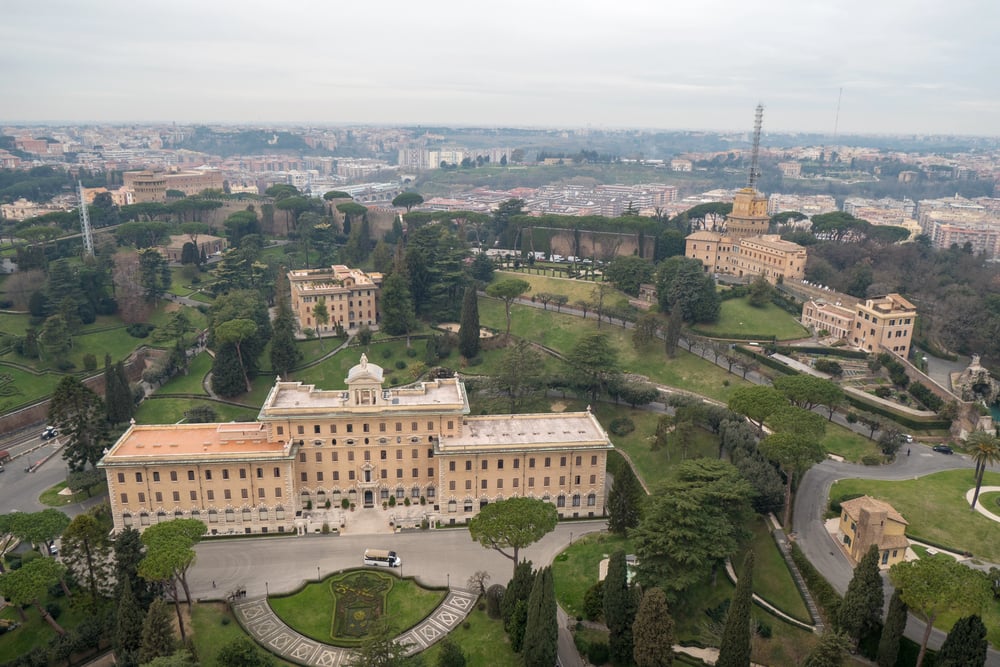
The world’s smallest sovereign nation covers just 0.17 square miles — making it roughly one-eighth the size of New York’s Central Park. This spiritual center of the Catholic Church houses fewer than 800 residents yet influences over 1.3 billion Catholics worldwide. You could walk across the entire country in about 20 minutes, though you’d need special permission to enter most areas beyond St. Peter’s Basilica.
Monaco
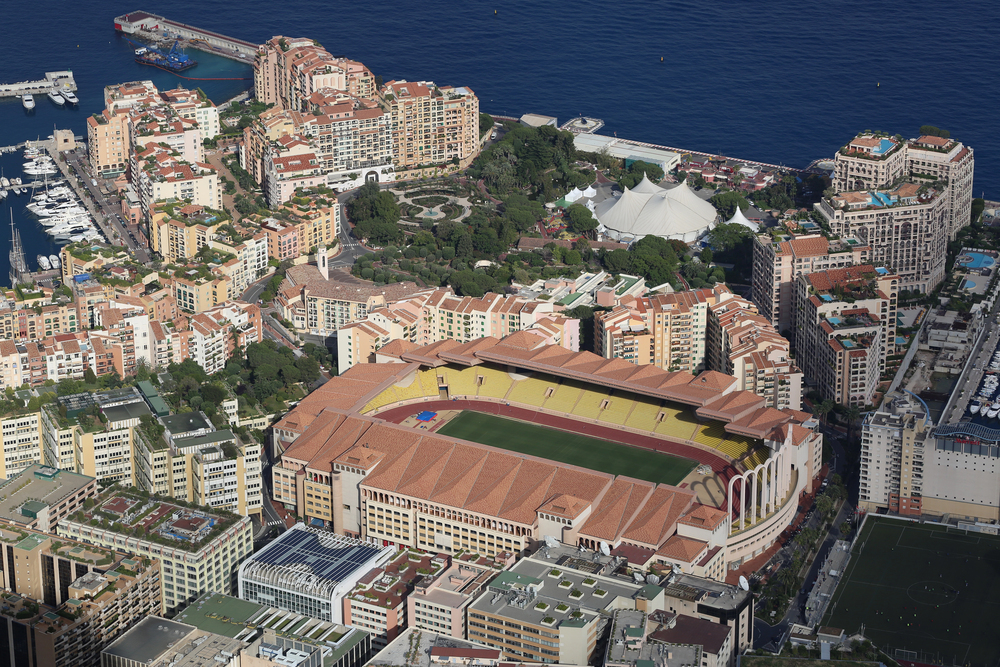
— Photo by bensib
This glamorous Mediterranean principality spans only 0.78 square miles — smaller than most college campuses — yet serves as a playground for the world’s wealthiest individuals. Monaco packs incredible density into its tiny territory, with over 39,000 residents making it the most densely populated country on Earth. The entire nation could fit inside Central Park with room to spare, though its real estate prices far exceed anything in Manhattan.
San Marino
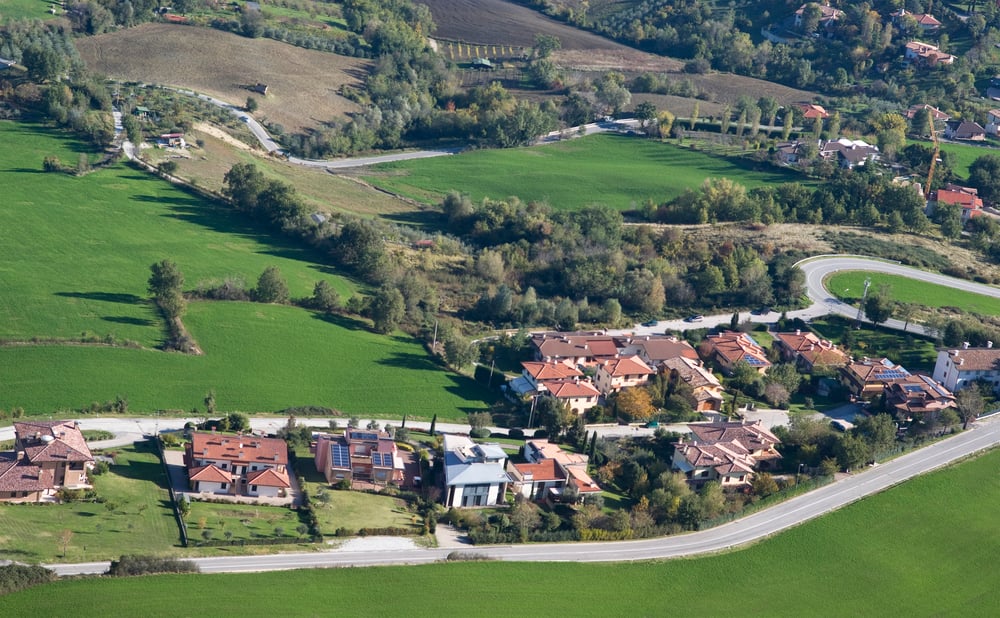
Completely surrounded by Italy, this ancient republic covers just 24 square miles — making it smaller than many suburban towns across America. San Marino claims to be the world’s oldest surviving republic, having maintained its independence since 301 AD through clever diplomacy and strategic location. The entire country sits atop a mountain, with its capital city offering stunning views across the Italian countryside.
Liechtenstein
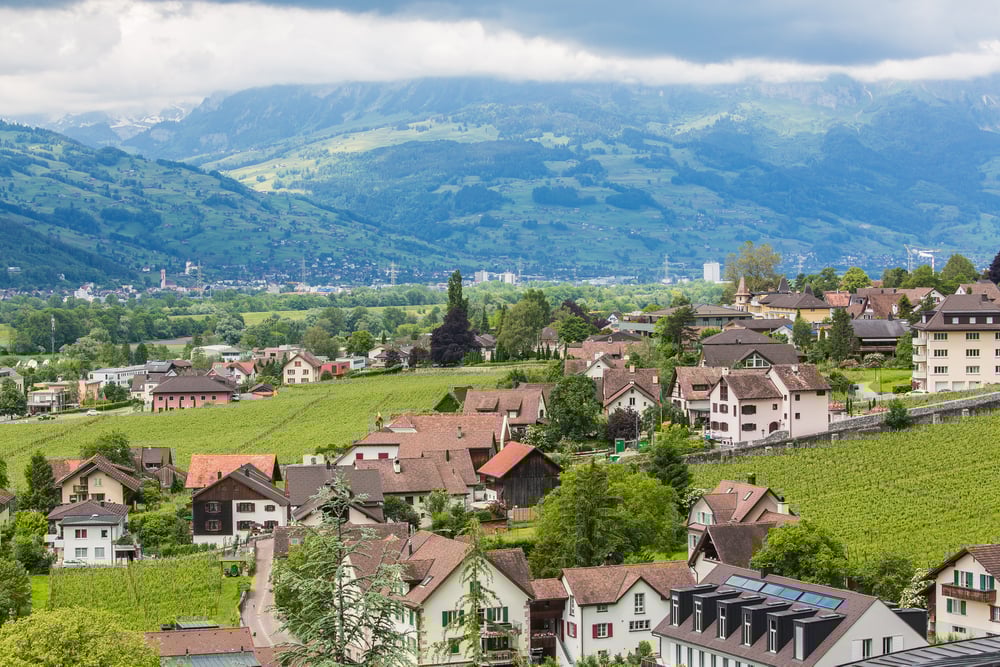
Nestled between Switzerland and Austria, this alpine principality spans only 62 square miles — roughly the size of Washington DC but with far fewer people. Despite its tiny size, Liechtenstein boasts one of the world’s highest GDP per capita rates thanks to its thriving financial services industry. The entire country has no airport, though you can drive across it in about 30 minutes on a good day.
Malta
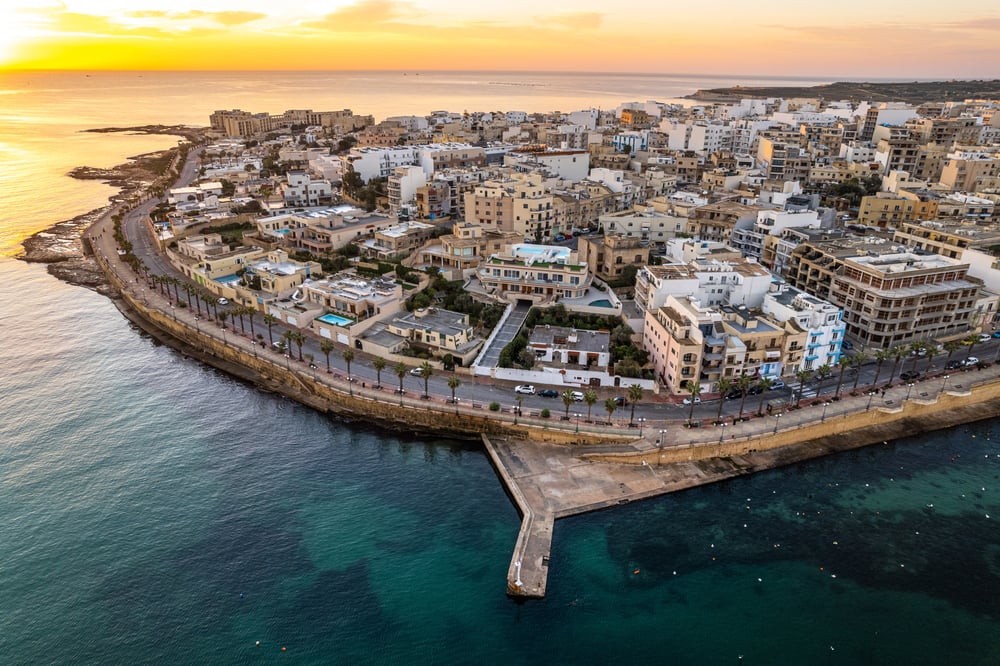
This Mediterranean island nation covers 122 square miles — making it smaller than Philadelphia but packed with over 4,000 years of fascinating history. Malta’s strategic location has made it a coveted prize throughout history, with everyone from Phoenicians to British forces leaving their mark. The entire archipelago consists of three main islands, with the capital Valletta being one of Europe’s smallest capital cities.
Grenada
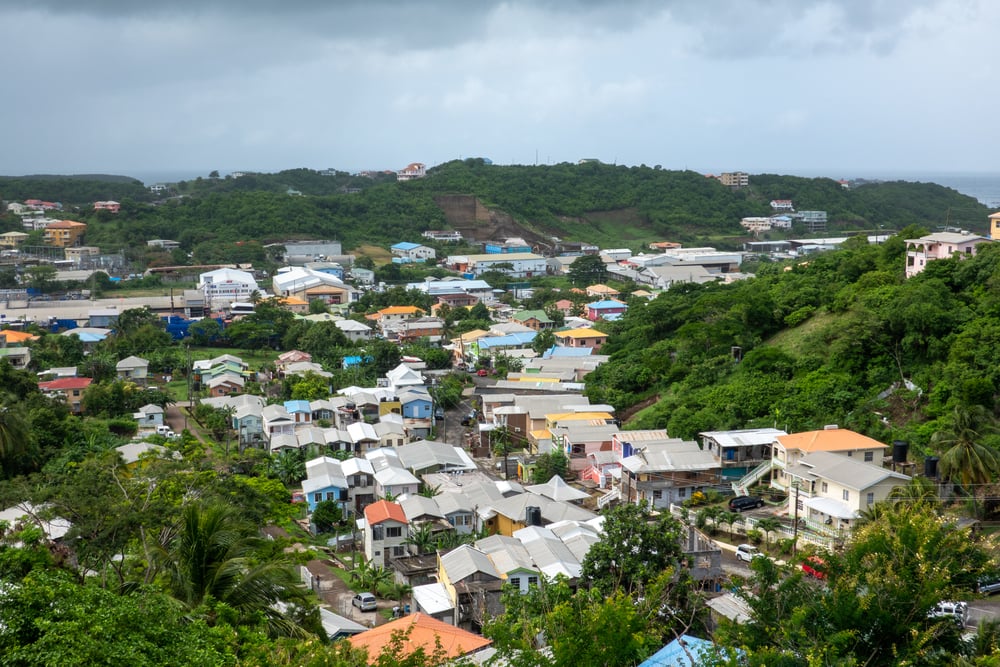
Known as the “Spice Island,” Grenada spans 133 square miles — roughly the same size as Philadelphia — while producing some of the world’s finest nutmeg and cinnamon. This Caribbean paradise consists of one main island plus several smaller ones, all covered in lush rainforests and pristine beaches. The entire country has fewer than 125,000 residents, making it easy to explore from coast to coast in a single day.
Saint Vincent and the Grenadines

This Caribbean nation covers 150 square miles across 32 islands and cays — with the main island being smaller than most American cities. The country gained fame recently as a filming location for the “Pirates of the Caribbean” movies, showcasing its stunning volcanic landscapes. Most of the smaller islands remain uninhabited, creating a paradise of pristine beaches and crystal-clear waters.
Barbados

This Caribbean island nation spans 166 square miles — making it slightly smaller than Los Angeles but with infinitely better beaches and rum. Barbados has punched above its weight culturally, producing international superstars like Rihanna while maintaining a thriving tourism industry. The entire island can be driven around in about three hours, though you’ll want to stop frequently for the incredible seafood and tropical scenery.
Antigua and Barbuda

These twin Caribbean islands together cover 171 square miles — smaller than many American counties — while boasting 365 beaches, supposedly one for each day of the year. The country consists of two main islands plus several smaller ones, with most of the 100,000 residents living on Antigua. You could theoretically visit a different beach every day for an entire year without leaving this tiny nation.
Seychelles
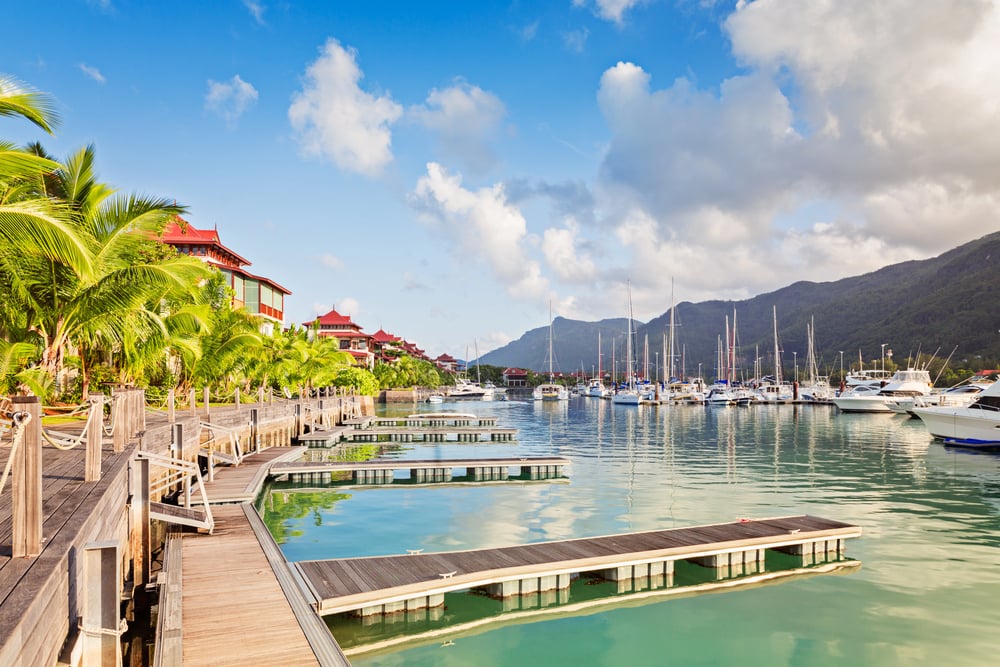
This Indian Ocean archipelago spans 176 square miles across 115 islands — many of which remain completely uninhabited and pristine. Seychelles serves as a luxury destination for travelers seeking untouched beaches and unique wildlife found nowhere else on Earth. The entire country has fewer than 100,000 residents, with most living on the main island of Mahé while the outer islands remain largely wild.
Palau

This Pacific island nation covers 177 square miles across over 340 islands, though only nine are permanently inhabited by the country’s 18,000 residents. Palau is renowned for having some of the world’s best diving sites, with pristine coral reefs and marine life protected by progressive environmental policies. The entire country could fit inside most major American cities, yet it contains one of the planet’s most biodiverse marine ecosystems.
Andorra

Tucked between France and Spain in the Pyrenees Mountains, this tiny principality spans 181 square miles while maintaining a unique co-prince system of government. Andorra has no military and relies on its neighbors for defense, focusing instead on tourism and duty-free shopping that attracts millions of visitors annually. The entire country sits at high altitude, making it popular for skiing in winter and hiking during summer months.
Saint Kitts and Nevis

These two Caribbean islands together cover 104 square miles, making the federation smaller than most American suburbs yet rich in colonial history and natural beauty. Saint Kitts and Nevis gained independence from Britain in 1983, becoming one of the world’s newest nations. The entire country can be explored in a weekend, from volcanic peaks to pristine beaches and historic sugar plantations.
Marshall Islands
— Photo by trentinness@hotmail.com
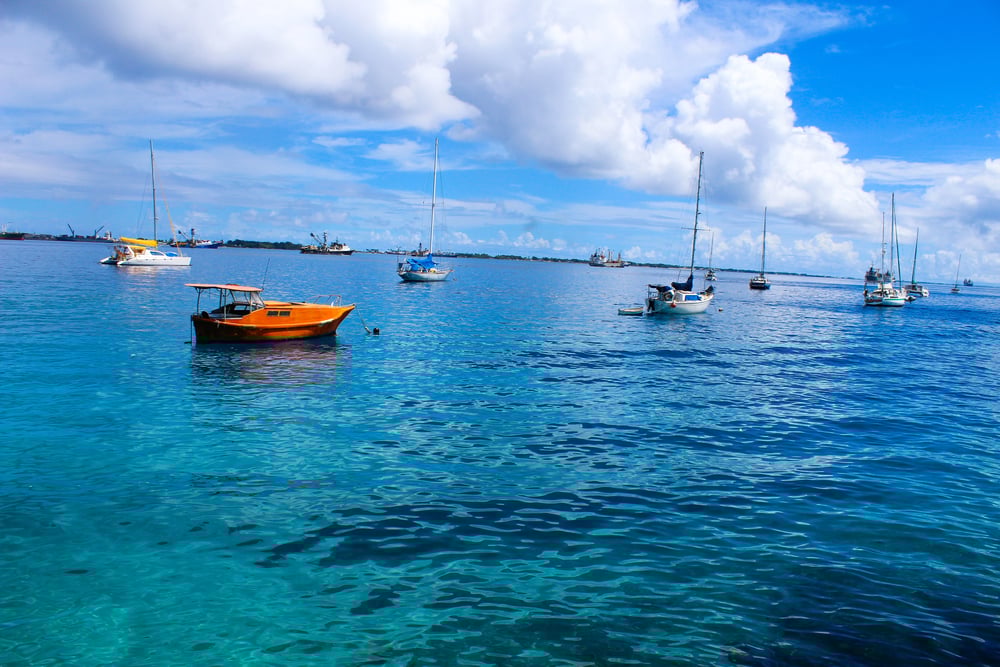
This Pacific nation consists of 29 atolls and 1,156 islands spread across 70 square miles of land area, though the islands are scattered across 750,000 square miles of ocean. The Marshall Islands played a significant role in World War II and later served as a nuclear testing site, leaving a complex legacy for its 60,000 residents. Many of the outer islands remain traditional and relatively untouched by modern development.
Tuvalu
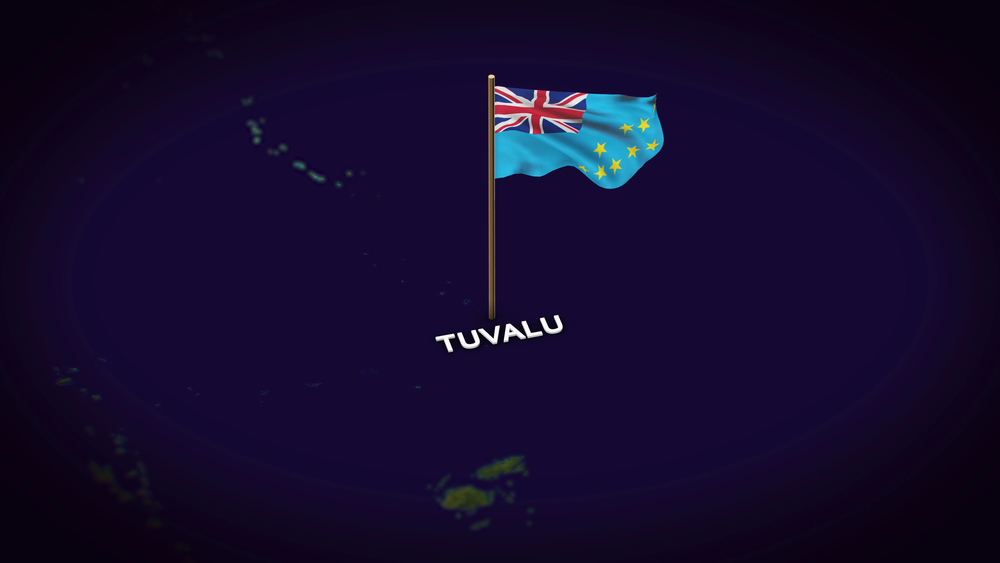
One of the world’s smallest and most remote nations, Tuvalu covers just 10 square miles across nine coral atolls in the Pacific Ocean. This tiny country faces an existential threat from rising sea levels, with its highest point being only 15 feet above sea level. The entire nation has fewer than 12,000 residents and generates significant revenue from its internet domain “.tv” which is popular with television and streaming companies.
Nauru

The world’s smallest island nation covers only 8.1 square miles, making it smaller than most airports while supporting about 11,000 residents on a single oval-shaped island. Nauru was once incredibly wealthy due to phosphate mining from bird droppings, but the resource has been largely exhausted leaving environmental challenges. You can drive around the entire country in about 20 minutes, though there’s surprisingly rich Polynesian culture packed into this tiny space.
Giants in Miniature
These remarkable micro-nations prove that political significance has little correlation with physical size. From Vatican City’s global spiritual influence to Monaco’s outsized economic impact, these countries demonstrate how geography, history, and human ingenuity can create powerful entities regardless of territorial limitations. As the world becomes increasingly connected, these tiny nations often serve as fascinating laboratories for governance, economics, and international relations on a scale that larger countries simply cannot match.
More from Go2Tutors!

- 16 Historical Figures Who Were Nothing Like You Think
- 12 Things Sold in the 80s That Are Now Illegal
- 15 VHS Tapes That Could Be Worth Thousands
- 17 Historical “What Ifs” That Would Have Changed Everything
- 18 TV Shows That Vanished Without a Finale
Like Go2Tutors’s conte